



Dead in Antares is a singleplayer turn-based survival management game with RPG elements set on an alien planet. Players lead a crew of ten specialists whose mission to secure resources for a dying Earth ends in a crash landing after an unexpected wormhole encounter. The experience centers on daily decisions that keep the group alive while exploring the unknown world and pursuing a path home.
Gameplay
Each day unfolds through structured phases of camp management and exploration. Crew members receive assignments to workstations that handle resource gathering, power generation, food production, water purification, and facility upgrades. Needs such as tiredness, hunger, illness, injury, and stress must stay in check, as unchecked levels lead to reduced performance or worse outcomes. Characters progress through an RPG system that includes levels, traits, and skills, with relationships developing through repeated interactions that unlock unique dialogues.
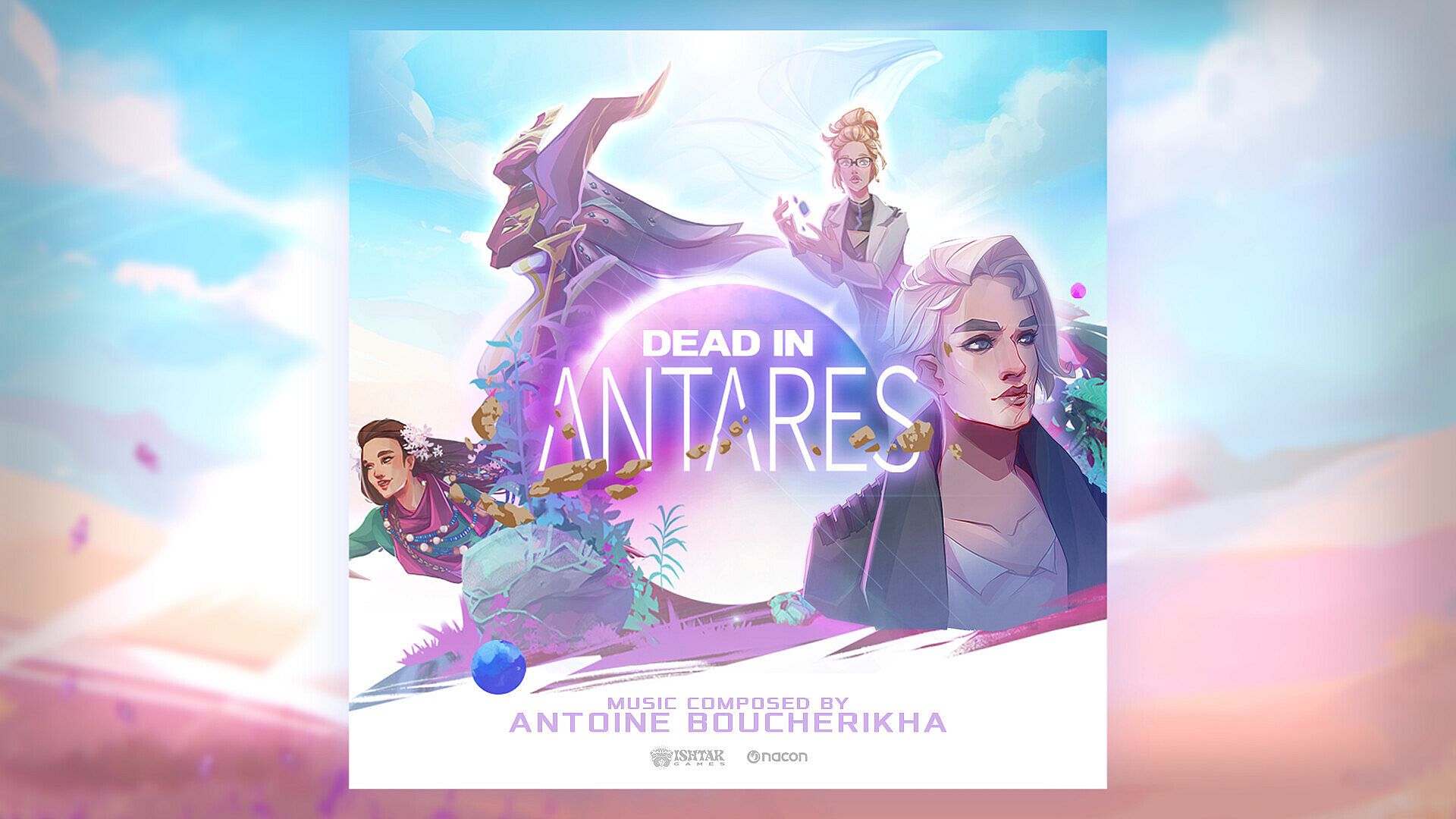
Expeditions send small teams into the surrounding terrain to locate resources, investigate points of interest, and occasionally trigger encounters. These lead into tactical combat where positioning in front and back rows influences skill availability and targeting. Combat features over sixty skills plus character-specific Power Surge abilities that provide powerful options when conditions align. The art style uses hand-drawn visuals to depict the alien environment, complemented by an original soundtrack composed by Antoine Boucherikha that underscores the atmosphere during both routine tasks and tense moments.
Game Modes
Difficulty options shape the challenge level across Story, Adventure, Survival, and Last Chance settings, with an additional True Captain mode available for experienced players. The core loop remains consistent regardless of selection, emphasizing resource allocation, crew welfare, and incremental progress toward multiple story conclusions. Four distinct endings emerge from the cumulative effects of choices made during management and exploration phases.
Progression advances through waking additional crew members from hibernation, expanding camp infrastructure, and uncovering more of the planet. Interactions with local alien groups add layers to decision-making without altering the fundamental daily structure.
Exploration and Progression
Exploration expands gradually as players construct radar and other stations that reveal new areas. Resource management ties directly into technological development, with more than 130 upgrades available across up to twenty workstations. Character development encourages pairing individuals for relationship growth while monitoring how traits affect task efficiency. The system rewards consistent attention to both immediate survival needs and longer-term goals such as repairing the ship and securing a return route.
Is It Worth Playing?
Dead in Antares delivers a focused singleplayer experience built around interconnected survival systems and character-driven narrative. Reviews highlight the satisfying management loop, creative worldbuilding, and meaningful choices that influence crew dynamics and story outcomes. The game launched in February 2026 and continues to receive patches that address balance and quality-of-life improvements. Steam user reviews sit at Mostly Positive, while Metacritic aggregates critic scores in the generally favorable range. It suits players who enjoy deliberate pacing, stat tracking, and tactical combat within a sci-fi survival framework rather than fast-paced action. Those drawn to detailed crew management and branching stories will find substantial depth in the available content.