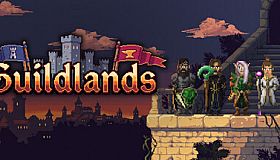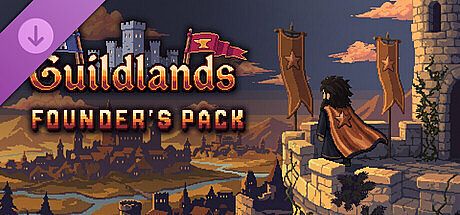


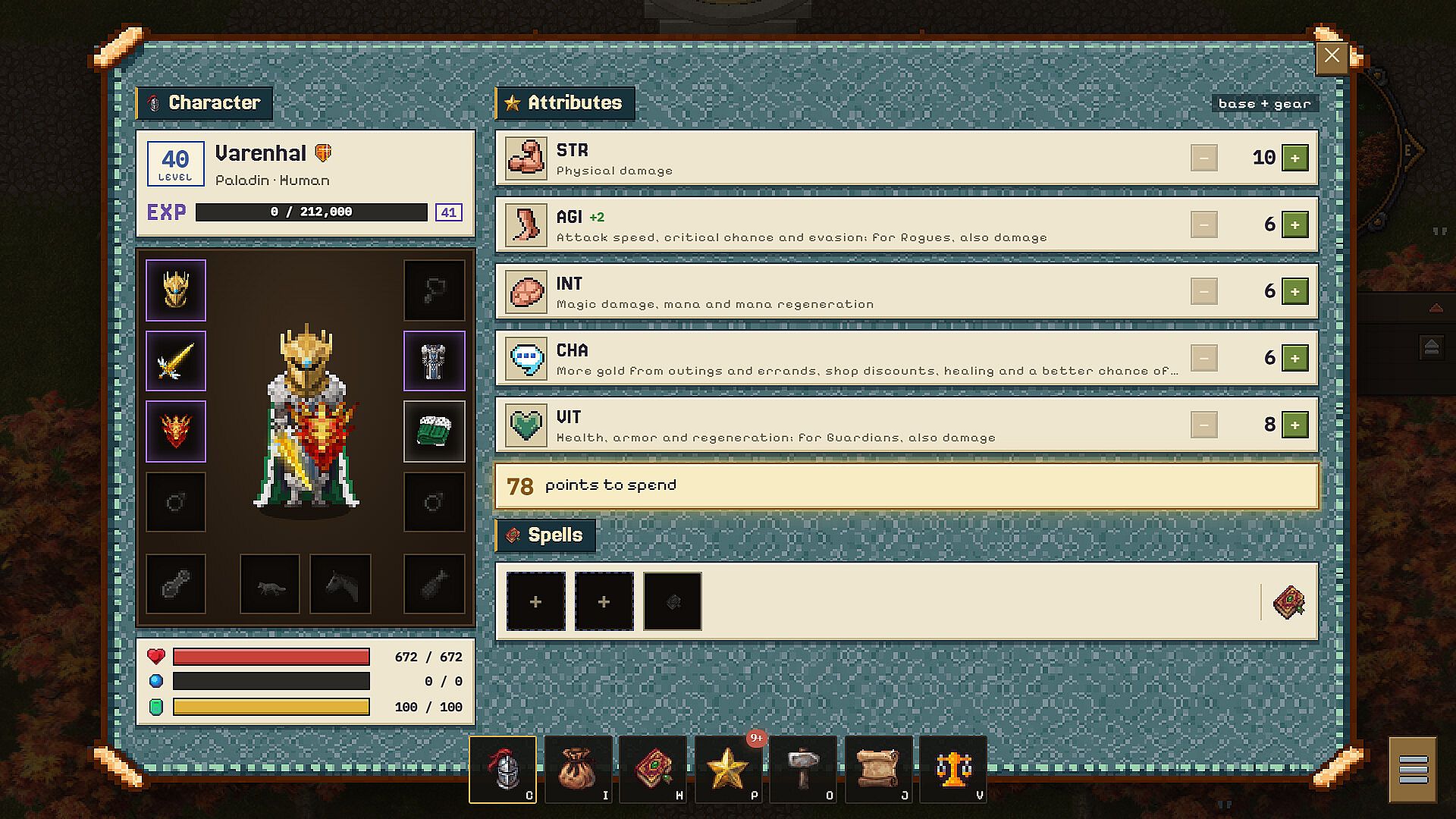
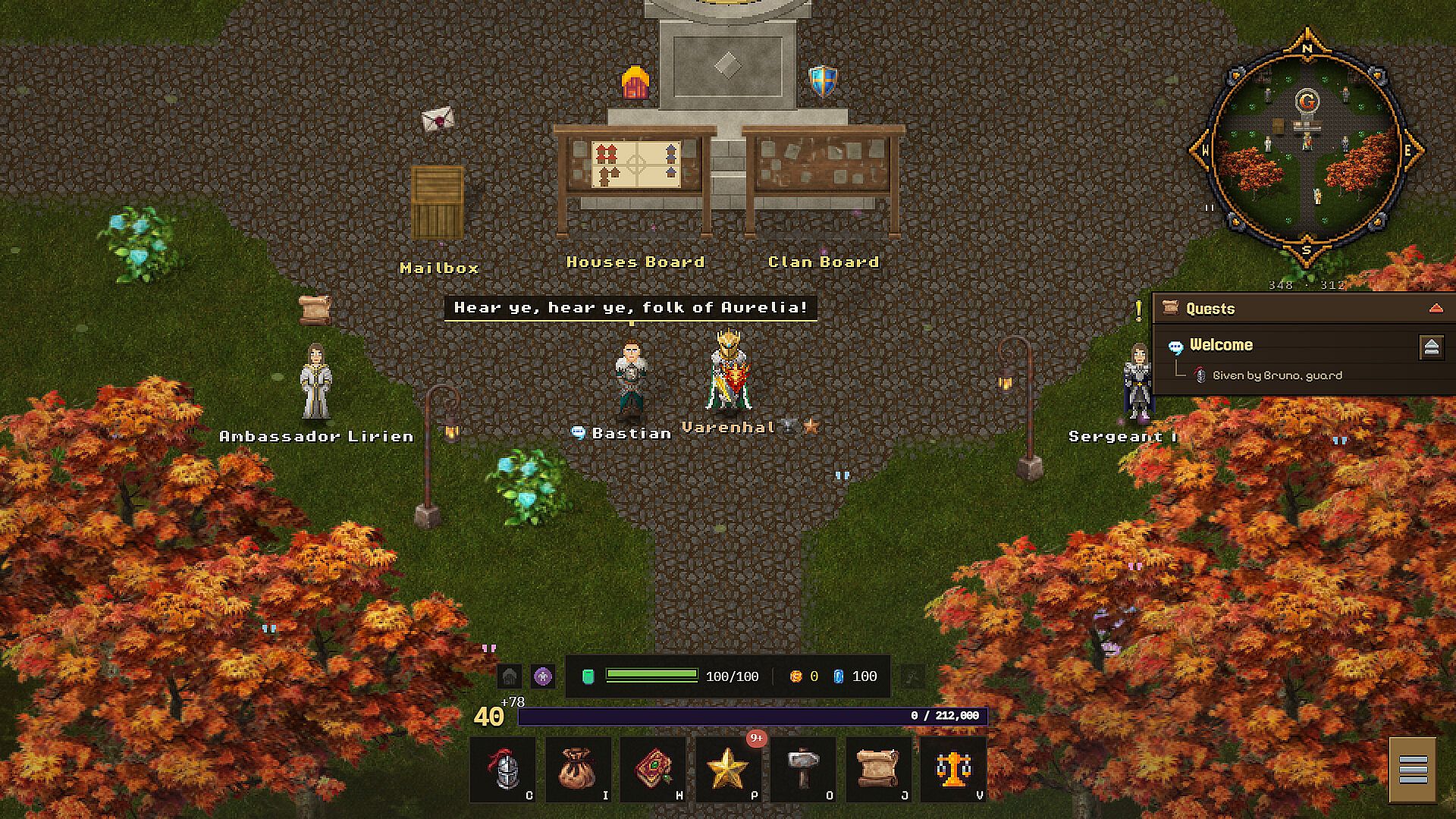
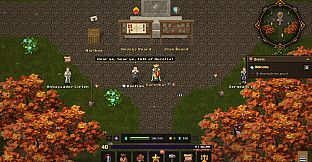
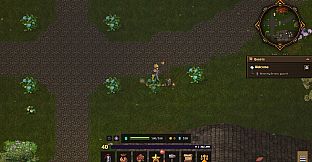
Guildlands is a free to play multiplayer idle RPG set in the world of Aurelia. Players create characters from various races and classes, then send them on expeditions that continue automatically while offline. The game emphasizes real combat resolution using actual character stats, alongside crafting, trading on a player market, and clan activities. It runs in a browser or through its Steam client on PC and supports multiple characters per account with energy management at the core of progression.
Gameplay
Core progression revolves around expeditions that cost energy and time. A player selects a destination such as a vein, forest, or dungeon, then closes the client while the hero mines, hunts, or fights using real stats for damage, armor, and health. Loot returns to the inventory upon completion, including experience, gold, and occasional items or chests. Energy recovers over time with bonuses from membership, and auto-eat features keep food replenished without manual input. Combat occurs in adventures and dungeons through server-resolved fights rather than text summaries, with every hit and ability drawn from the visible character sheet.
Crafting and professions form a major loop. Players gather resources through expeditions or dedicated gathering spots, then process them at workshops for gear, tools, and consumables. Gear drops in five rarities with up to five modifiers each, and unused pieces sell directly on the player market. Races shift starting attributes without changing totals, while classes distribute the same point pool differently to emphasize distinct playstyles. Fifteen base classes exist alongside three expansion options that unlock progressively. Orders provide additional spells earned through dedicated quest chains rather than purchases or drops.
Clans add a social layer where members contribute to shared reputation, complete weekly missions, and compete for control of a castle through coordinated five-versus-five engagements. Housing allows personal workshops and farms that generate resources over time, with construction and maintenance tied to a dedicated profession. Market trading, direct player exchanges, and rankings for clans and individuals encourage ongoing participation across multiple characters.
Game Modes
Expeditions serve as the primary idle activity, ranging from short resource runs to longer dungeon delves that scale with player level. Adventures follow a structured story path with fixed encounters in specific zones, while dungeons appear every five levels starting at fifteen and support group play in clan or public rooms. World bosses spawn for the entire server when seals break, allowing any eligible player to join the shared health pool fight without energy cost and receive rolls on unique loot based on damage contribution.
Duels offer one-on-one matches with customizable rules such as no spells or no potions, hosted in open or private rooms at a dedicated master NPC. Clan-focused content includes reputation grinding, castle sieges, and joint missions that reward honor points. Crafting and gathering operate as ongoing modes through professions that level independently, with workshops and farms providing passive output. Training areas let players test builds against dummies with damage meters for optimization before committing to expeditions.
Progression and Systems
Characters advance through experience earned primarily from expeditions and quests, with an ascension system unlocking trials between levels fifty and sixty that incorporate echoes of defeated bosses. Passive trees and attribute allocation allow fine tuning, while spells from orders and vocations add signature abilities earned via questlines. Stash space, simultaneous character limits, and market listing caps expand with membership benefits that also accelerate energy recovery and enable repeat expeditions until energy depletes.
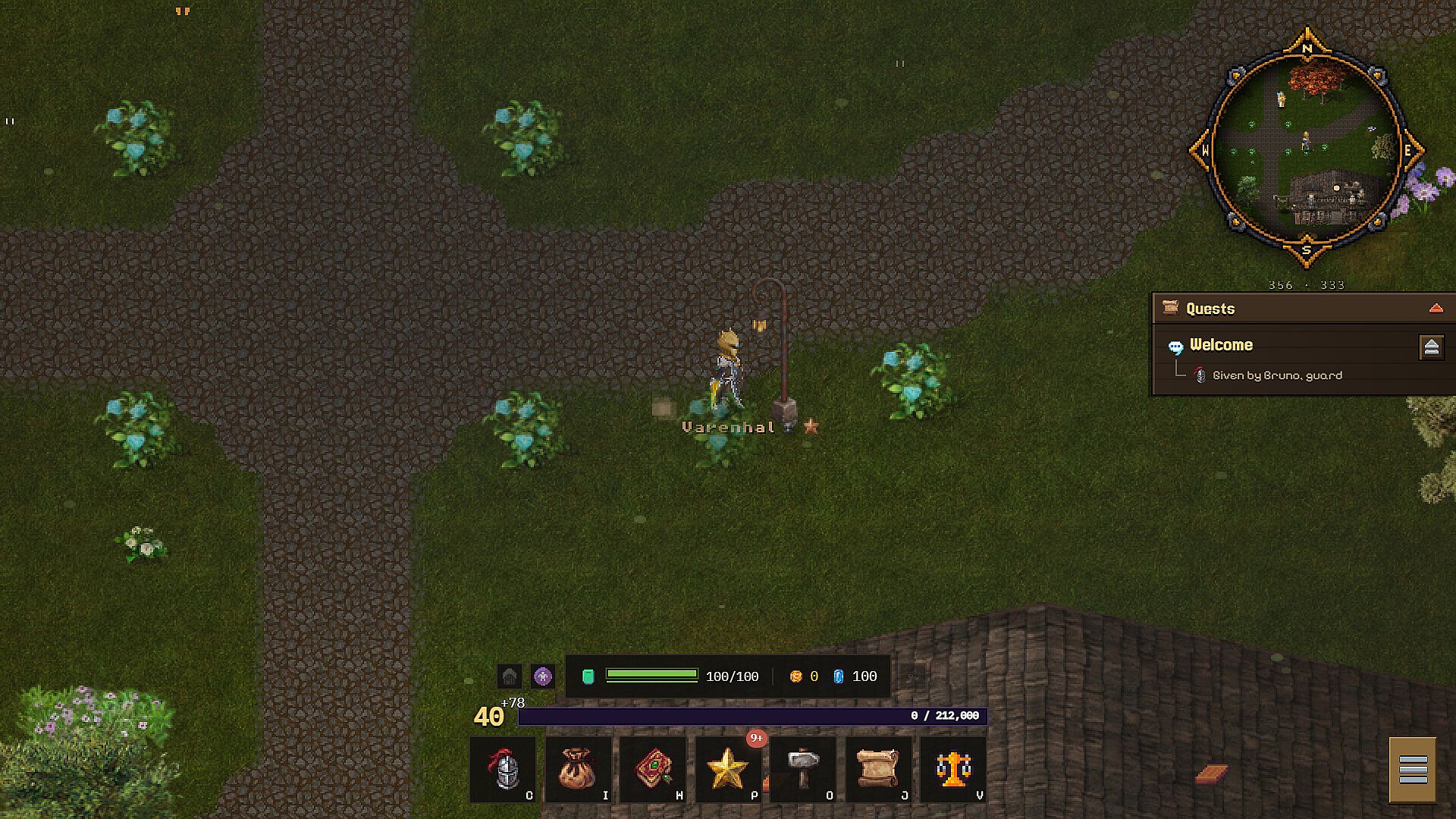
The world map centers on Aurelia with connected islands and zones featuring distinct biomes, resources, and enemy types. Live elements such as player auras during professions, visible level-up effects, and real-time shadows enhance the shared environment. Frequent updates introduce new professions like extermination contracts, expanded housing options, and balance adjustments to keep classes competitive.
Is It Worth Playing?
Guildlands suits players who enjoy idle progression combined with active crafting, trading, and social features in a persistent multiplayer world. The real-combat resolution and expedition system reward planning around energy and time, while clan and order mechanics provide long-term goals beyond solo play. Active development with regular content additions keeps the experience current for those who value ongoing updates over a finished single-player campaign. Those seeking deep customization through races, classes, and gear modifiers will find meaningful choices, though the core loop centers on managing multiple characters and resources rather than constant real-time action. The free to play model with optional membership for expanded slots and speed makes it accessible for casual and dedicated participants alike.