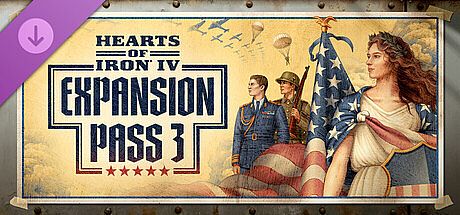


Hearts of Iron IV: Expansion Pass 3 adds fresh content to the grand strategy simulation game focused on the World War II era. Players manage nations through political decisions, economic production, military campaigns, and diplomatic maneuvers across a detailed global map. The pass emphasizes alternate history paths, industrial development, and international relations while highlighting a major overhaul for the United States.
Gameplay
The core loop centers on guiding a chosen nation from the mid-1930s through the war years and beyond. Players allocate factories to produce equipment, train divisions, research technologies, and navigate focus trees that unlock national bonuses or events. Resource management and political power spending shape internal stability and external influence.
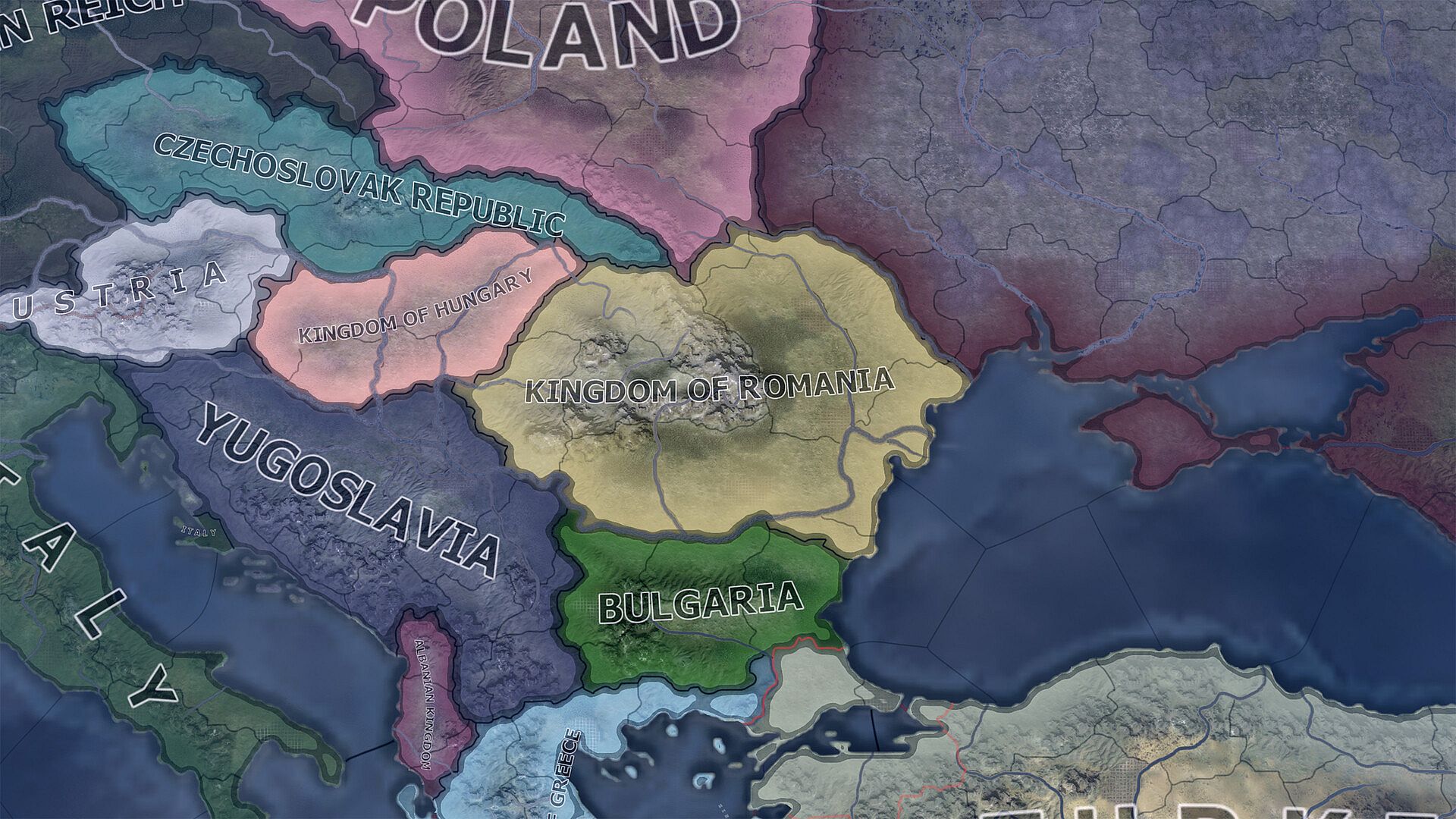
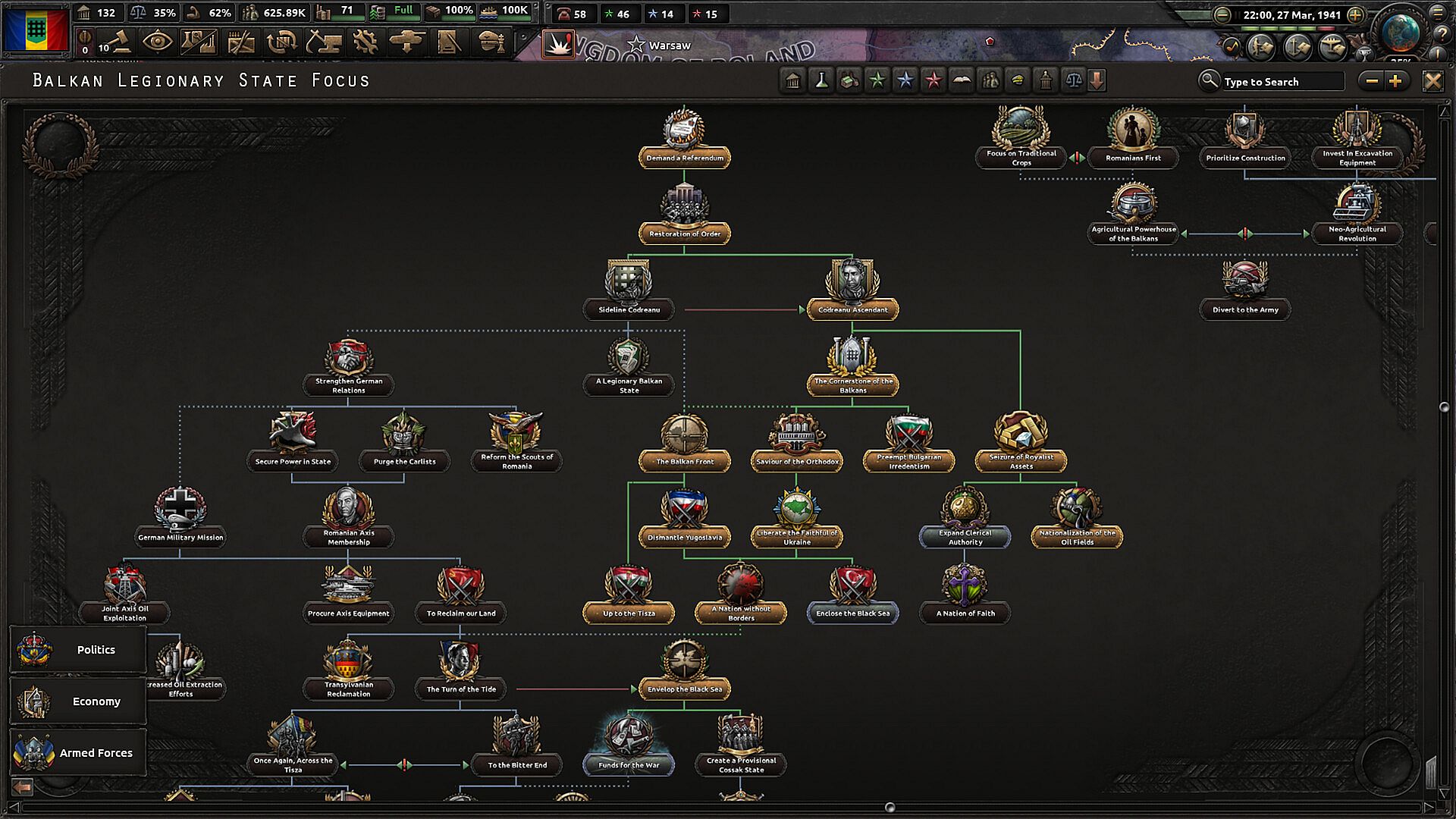
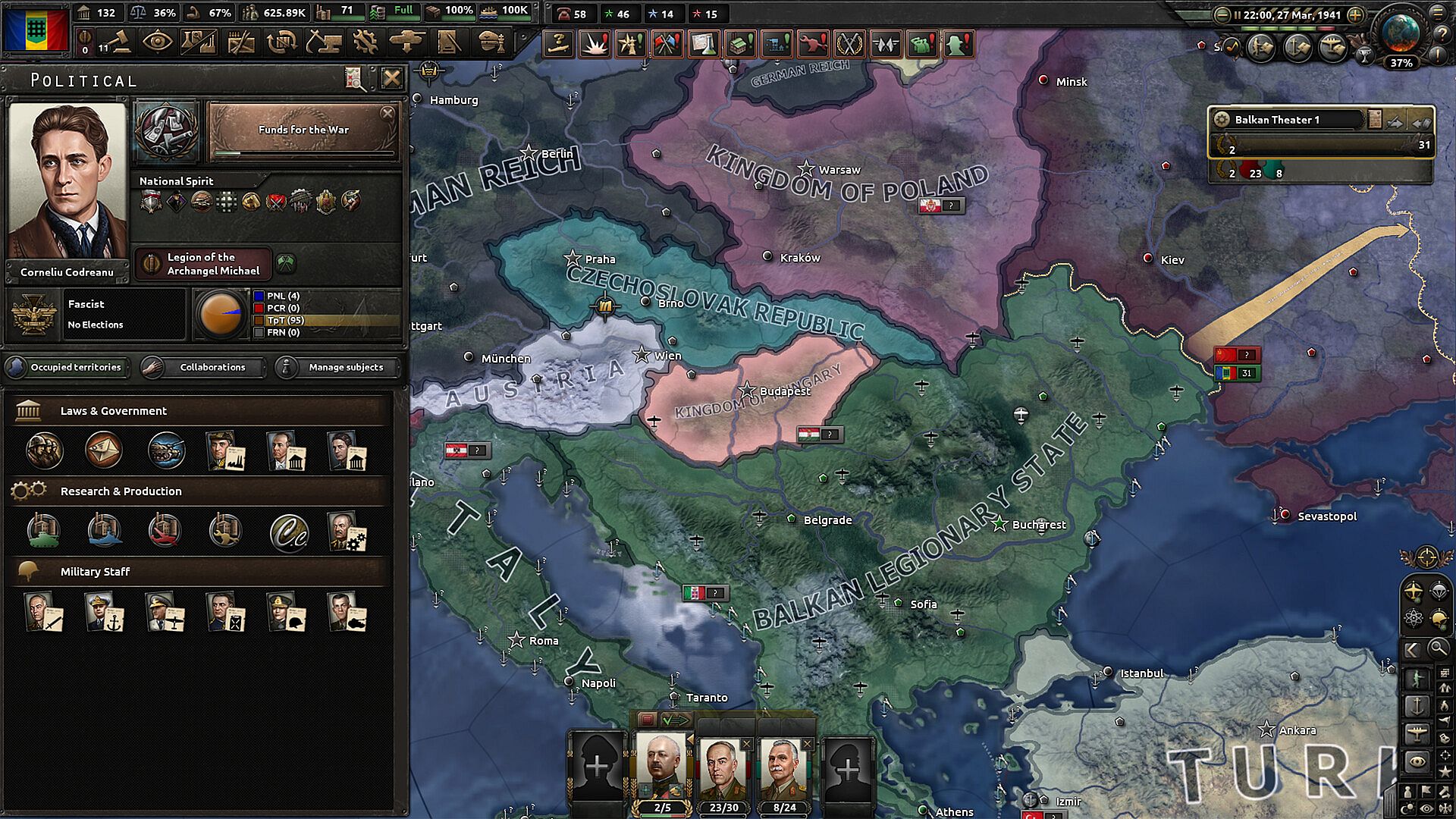
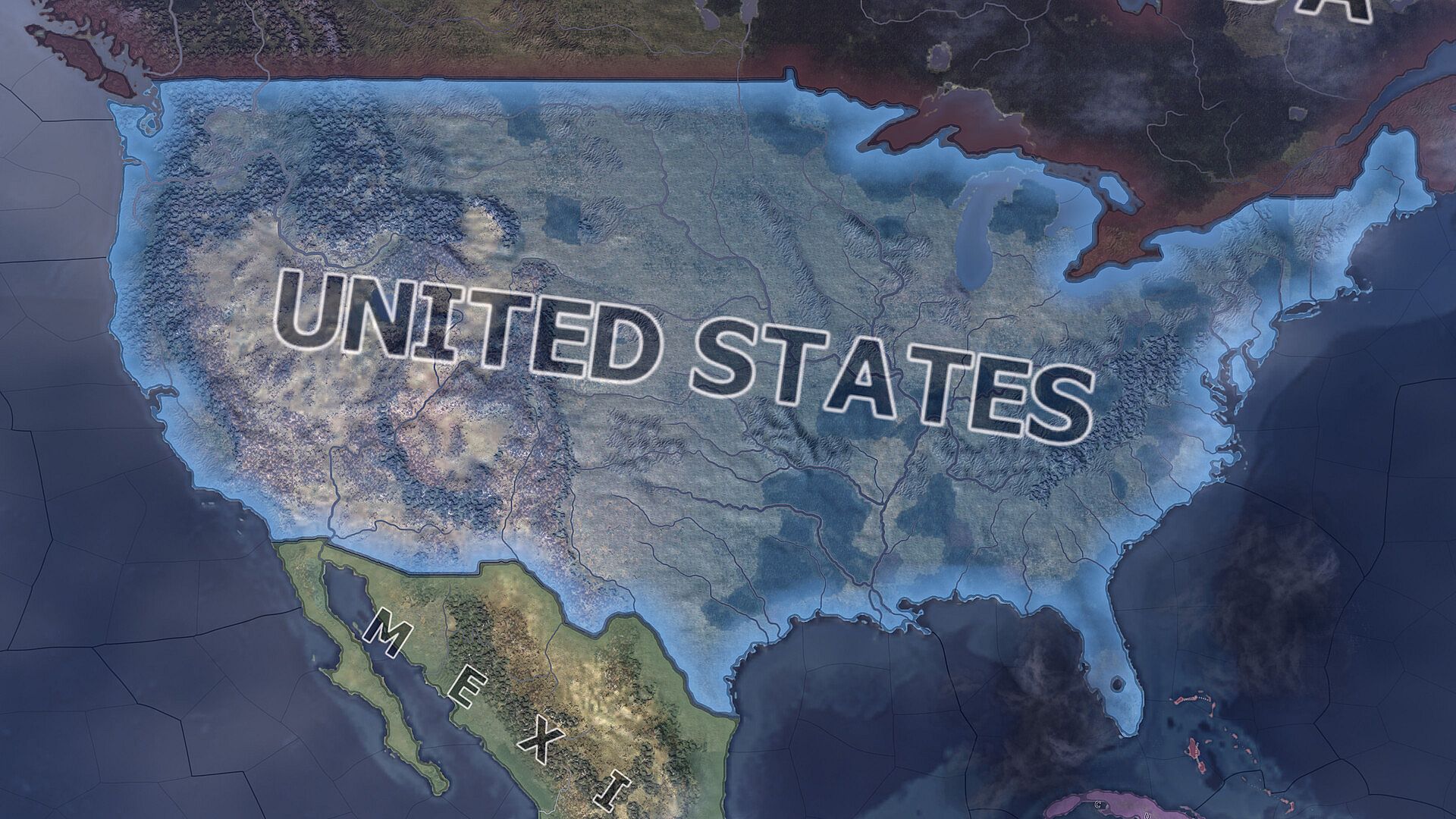
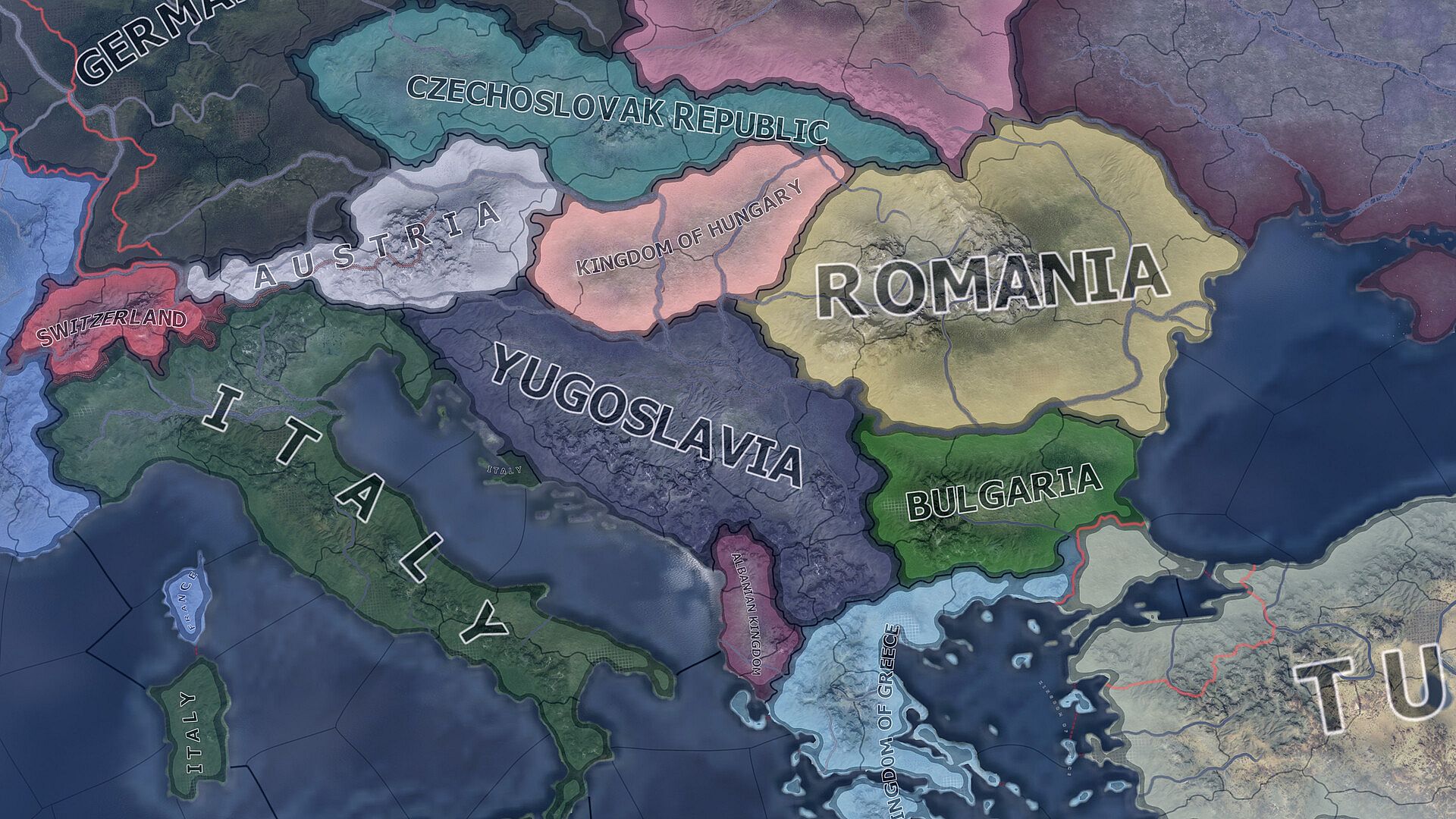
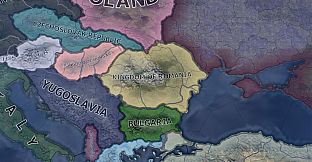
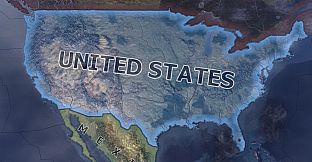
Expansion Pass 3 introduces targeted updates to these systems. The United States receives reworked mechanics for emerging from the Great Depression, including a new Congress model that influences policy and mobilization. Industry changes affect factory output and army construction across multiple nations. Air landing operations gain adjustments that alter how airborne forces deploy in campaigns. Romania gains specific industry options tied to its oil reserves and agricultural base, allowing choices between modernization or reliance on existing strengths.
Diplomacy expands with new options in the League of Nations framework, enabling collective actions or restraints on aggressive powers. These elements integrate into existing campaigns without altering the fundamental pace of production queues and frontline management.
Game Modes
Campaigns form the primary experience, with players selecting any available nation to pursue historical accuracy or divergent paths. Singleplayer sessions allow full control over one country's destiny, while multiplayer supports shared or opposing campaigns where participants coordinate or compete across the same timeline.
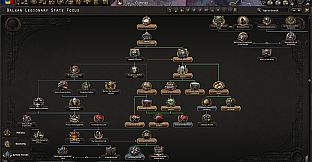
Focus trees guide progression in every mode, branching into political, military, and economic routes. Alternate history branches open through specific choices, such as different government types or alliances. No separate skirmish or arcade modes exist; all activity occurs within the persistent grand campaign structure.
Key Additions
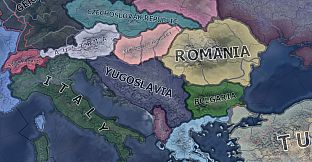
The pass bundles several releases. Songs of Liberty provides immediate access to three orchestral arrangements of American patriotic pieces. To the Bitter End arrives first with Romania-focused content, including multiple political paths such as military dictatorship, monarchy reinforcement, democratic reforms, communism, and distinct fascist routes. New models, portraits, and music accompany these trees.
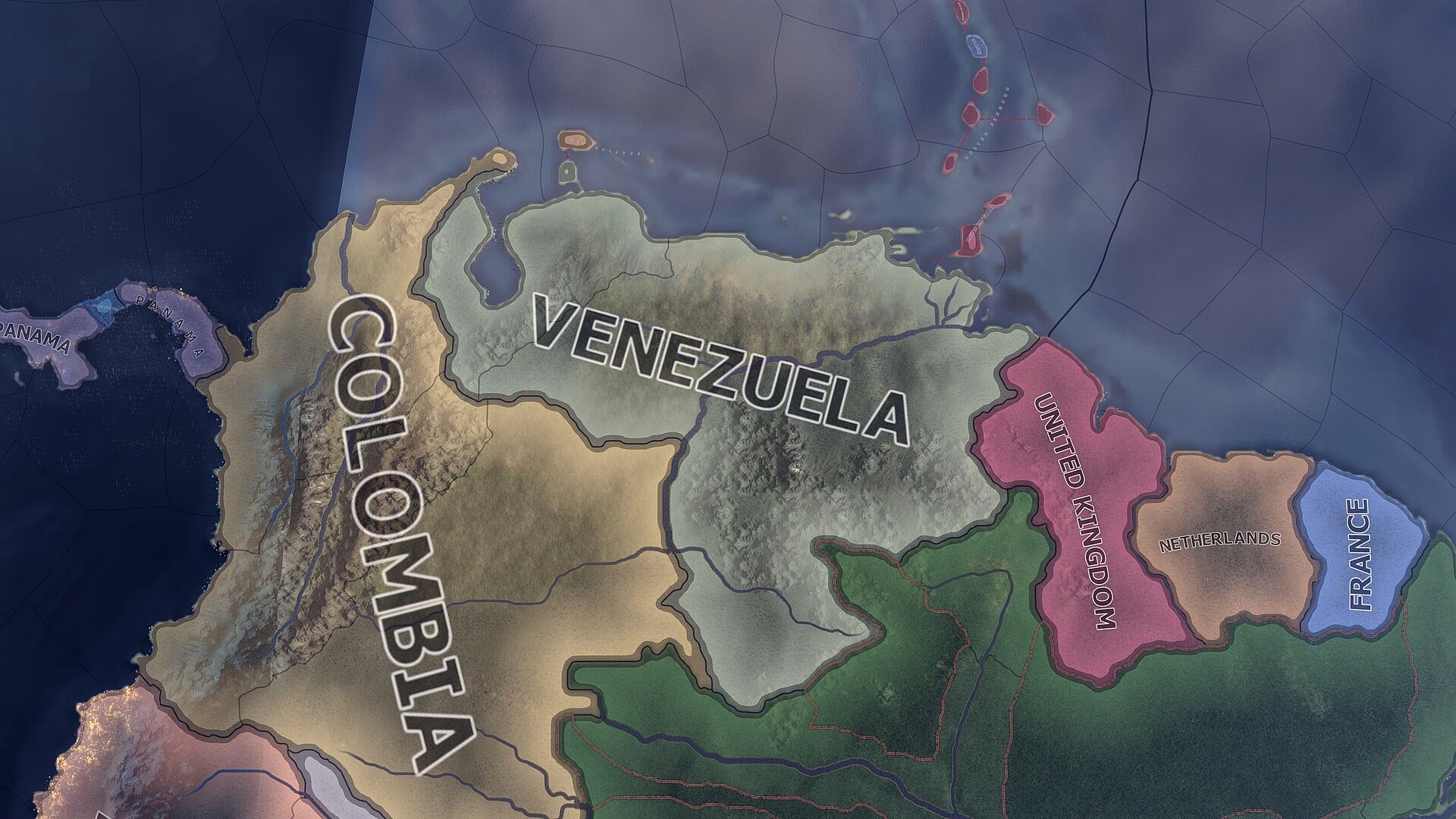
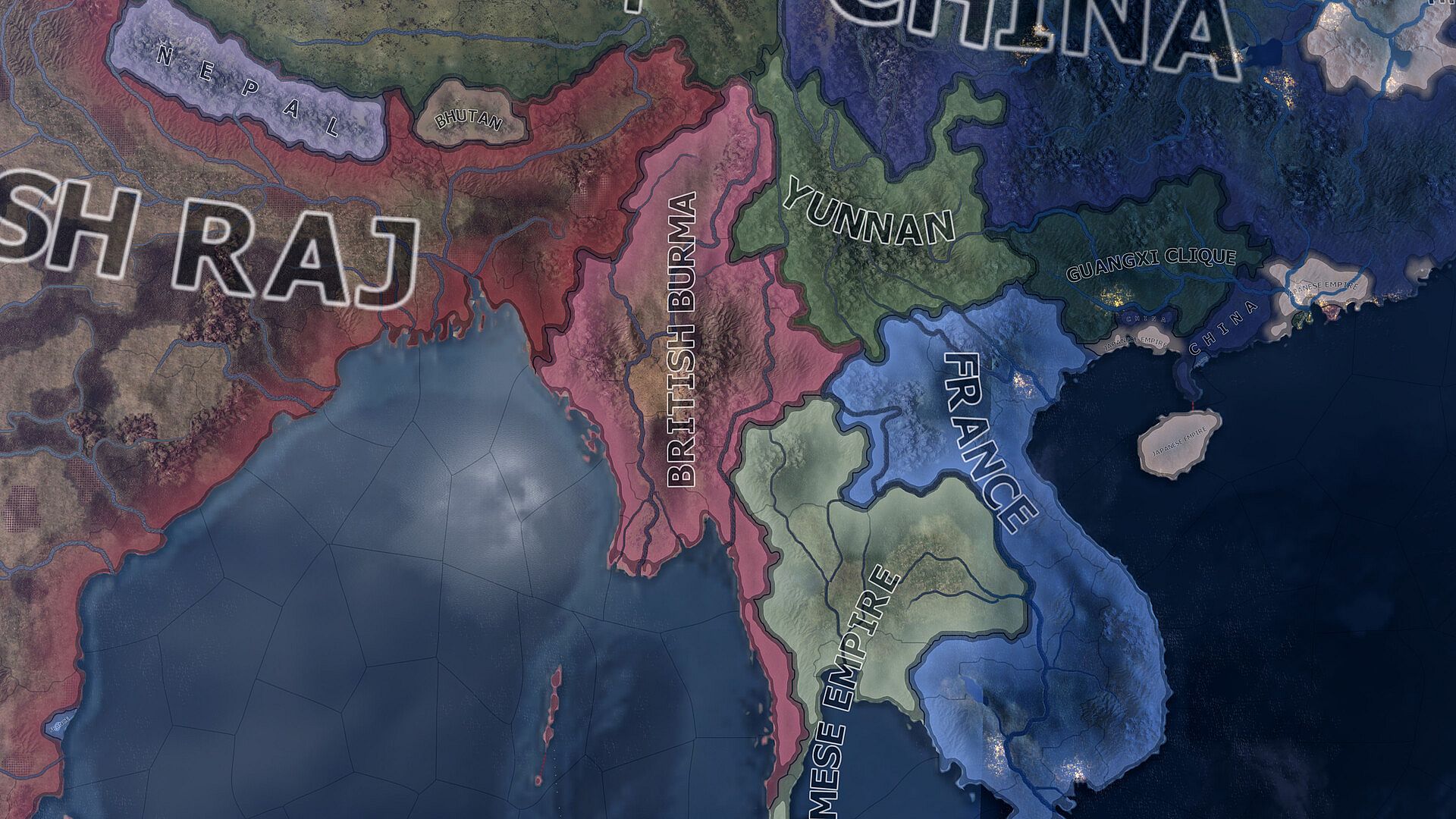
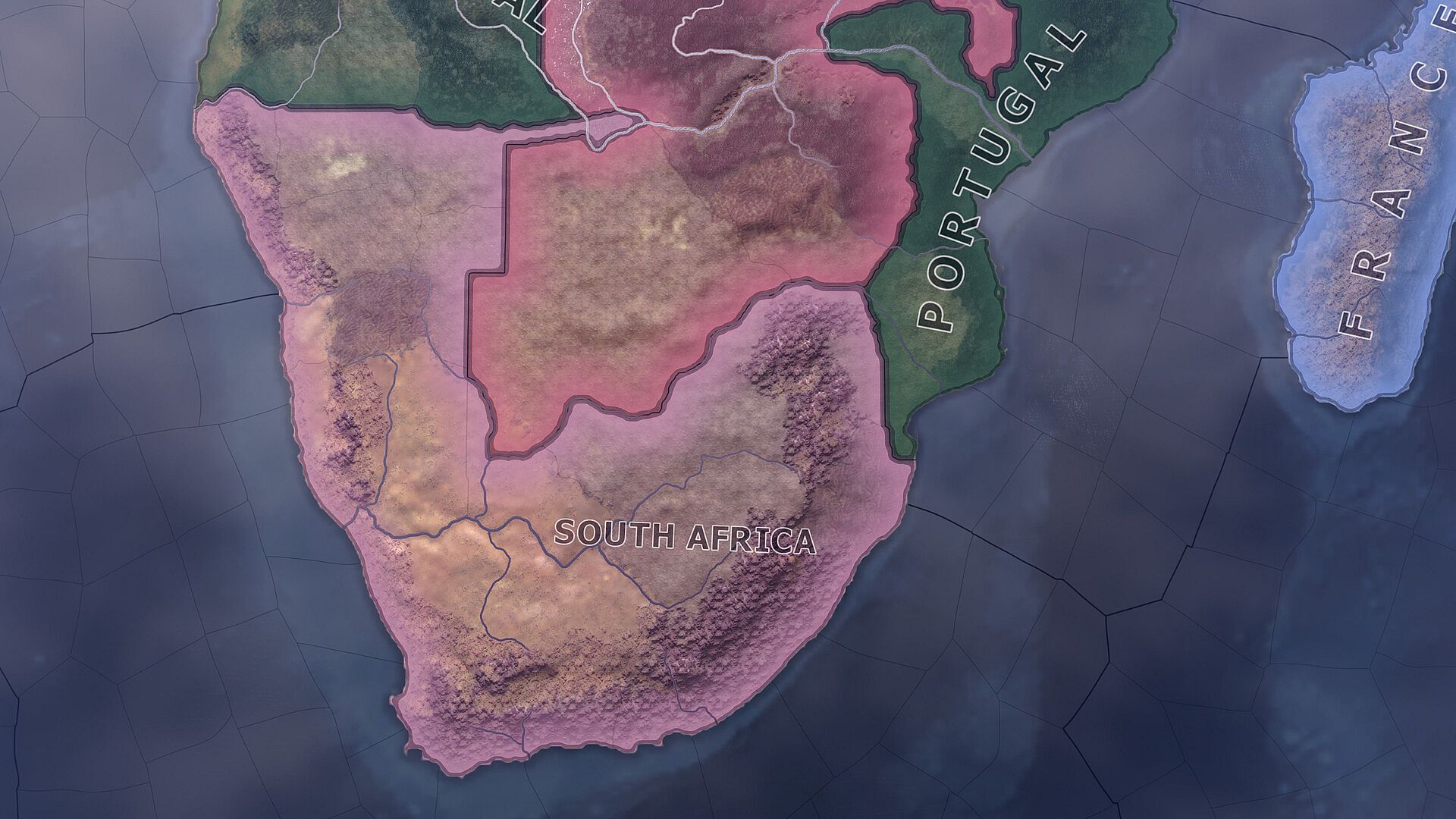
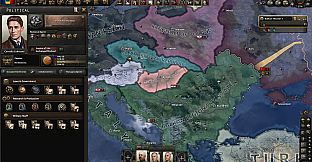
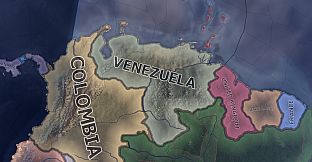
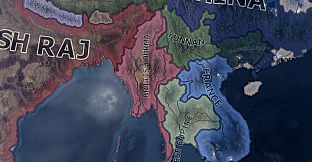
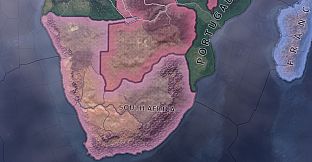
The Giant Wakes, scheduled for spring 2027, centers on the Americas with extensive United States content alongside updates for Canada, Mexico, Central America, and Caribbean nations. The Price of Peace follows in summer 2027, adding diplomatic tools and national content for Burma, South Africa, Yugoslavia, and Venezuela.
Strategic Challenges
Players face decisions on balancing internal politics with external threats. Romania must navigate pressures from neighboring powers while developing its economy. The United States contends with depression-era constraints before scaling industrial output for global involvement. League of Nations mechanics introduce opportunities for coordinated defense or volunteer recruitment outside direct conflict.
These additions create layered choices in army composition, trade relations, and long-term planning. A recent quality-of-life update complements the pass by refining resource trading, intelligence operations, and fleet management.
Is It Worth Playing?
This pass suits players who enjoy detailed nation management and alternate history exploration in a World War II setting. It delivers immediate music content plus scheduled expansions that rework major and minor powers alike. Ongoing development through 2027 ensures continued additions to diplomacy, industry, and focus options.
Those drawn to strategic depth over fast-paced action will find value in the expanded decision trees and mechanical refinements. The bundle structure provides savings compared to individual purchases once all parts release.