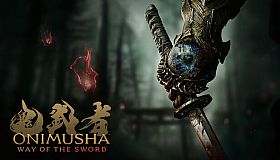



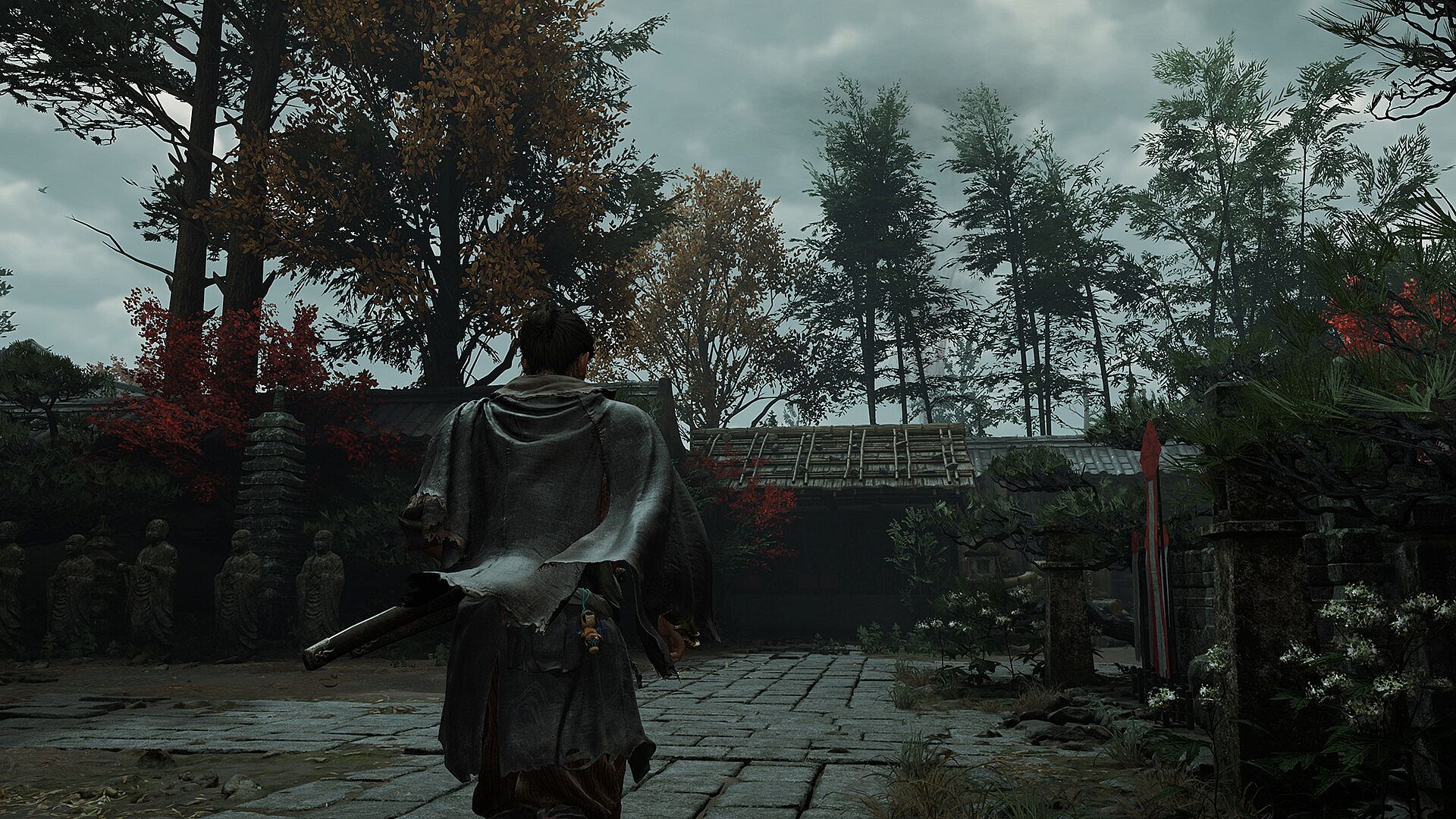
Onimusha: Way of the Sword is an action RPG adventure title centered on precise sword combat and supernatural elements in a dark fantasy version of Edo-period Kyoto. Players control Miyamoto Musashi as he confronts Genma threats while navigating linear story missions and optional encounters scattered throughout the city districts.
Gameplay
Combat revolves around a single katana with light and heavy attacks that chain into combos. Defensive options include standard blocks, timed parries that reposition enemies or drain stamina, and deflections that reflect projectiles while dealing heavy posture damage. Perfect dodges build a reflex gauge for follow-up combos, while the signature Issen counter requires striking at the exact moment before an enemy attack lands to deliver high-damage executions or chain kills across groups.
Defeated enemies release colored souls that serve distinct purposes. Yellow souls restore health, red souls fund upgrades to equipment and abilities, and blue souls power the Oni Gauntlet for special Oni Armament attacks. The gauntlet also absorbs souls mid-combat, though this leaves Musashi vulnerable until the process completes.
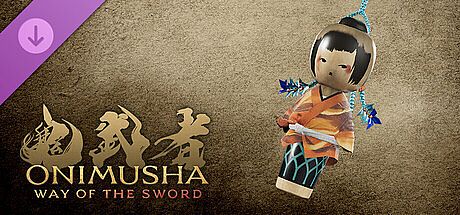
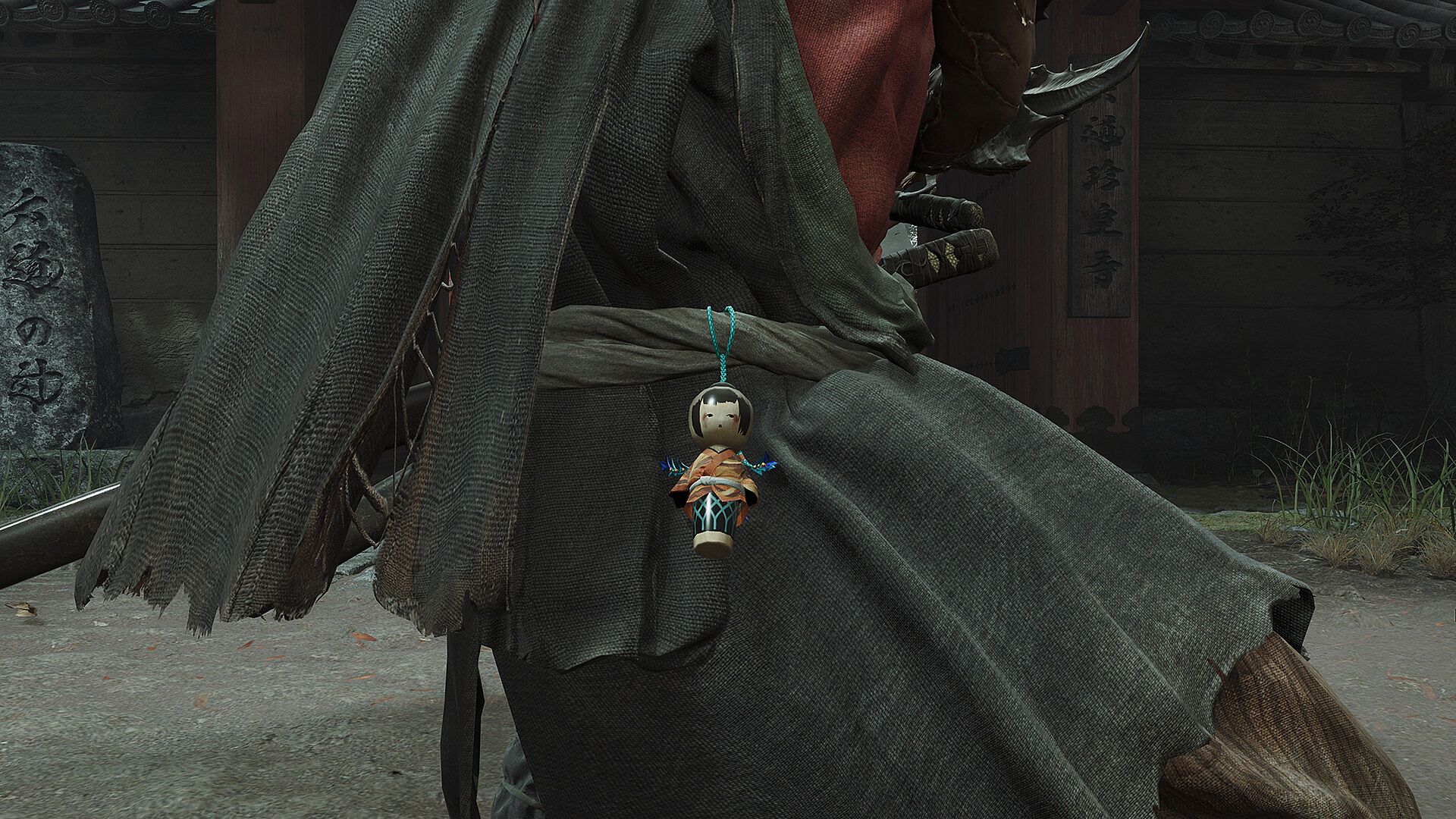
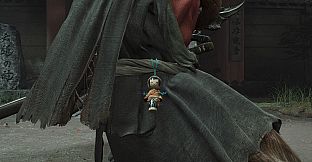
Upgrades and customization occur at Spirit Mirrors, where red souls purchase improvements to sword damage, health, stamina, and gauntlet functions. Charms add another layer of personalization. The Little Dancer charm, modeled after a famous capital performer, equips through the dedicated Charms section of the Equipment screen and applies a beneficial effect to Musashi once claimed via the Spirit Mirror. Both the Spirit Mirror and Charms menu unlock progressively during the campaign, encouraging players to revisit earlier areas as new systems become available.
Game Modes
The experience centers on a single-player campaign that follows Musashi through a series of story missions across Kyoto districts. These missions combine main objectives with side content such as Chance Encounters and Mysteries of Kyoto that reward additional charms and materials upon completion.
Progression ties directly to mission completion and exploration for collectibles. Finding and upgrading all fifteen charms unlocks related achievements, while skill trees expand through repeated visits to Spirit Mirrors. No separate multiplayer or competitive modes exist; the focus remains on mastering timing-based swordplay within the narrative structure.
Progression and Collectibles
Charms function as equippable items that provide passive benefits once slotted. The Little Dancer charm joins a roster of fifteen total charms, each obtained through story completion, side encounters, or direct claims at Spirit Mirrors. Upgrading requires specific quantities of red souls and favor, with higher levels demanding greater investments that scale across the full set.
Exploration rewards players with upgrade materials hidden in the environment and through optional objectives. Linear mission design keeps forward momentum while side content offers reasons to backtrack once new abilities and menus unlock.
Is It Worth Playing?
The game delivers a focused single-player action experience built around layered defensive mechanics and resource management. Those who enjoy timing-based combat systems with clear feedback loops will find depth in learning parry, deflect, and Issen windows alongside soul absorption decisions. Early player feedback highlights the responsive swordplay and upgrade systems as strengths, though some reported launch stability issues on PC that Capcom addressed through patches.
Availability on PC supports keyboard and mouse or controller input, with graphics options including performance and quality modes. The charm system and progressive unlocks add replay value for completionists seeking all upgrades and trophies. Players seeking a deliberate, skill-focused samurai action title without open-world sprawl or multiplayer distractions will find the core loop rewarding after the initial learning curve.