




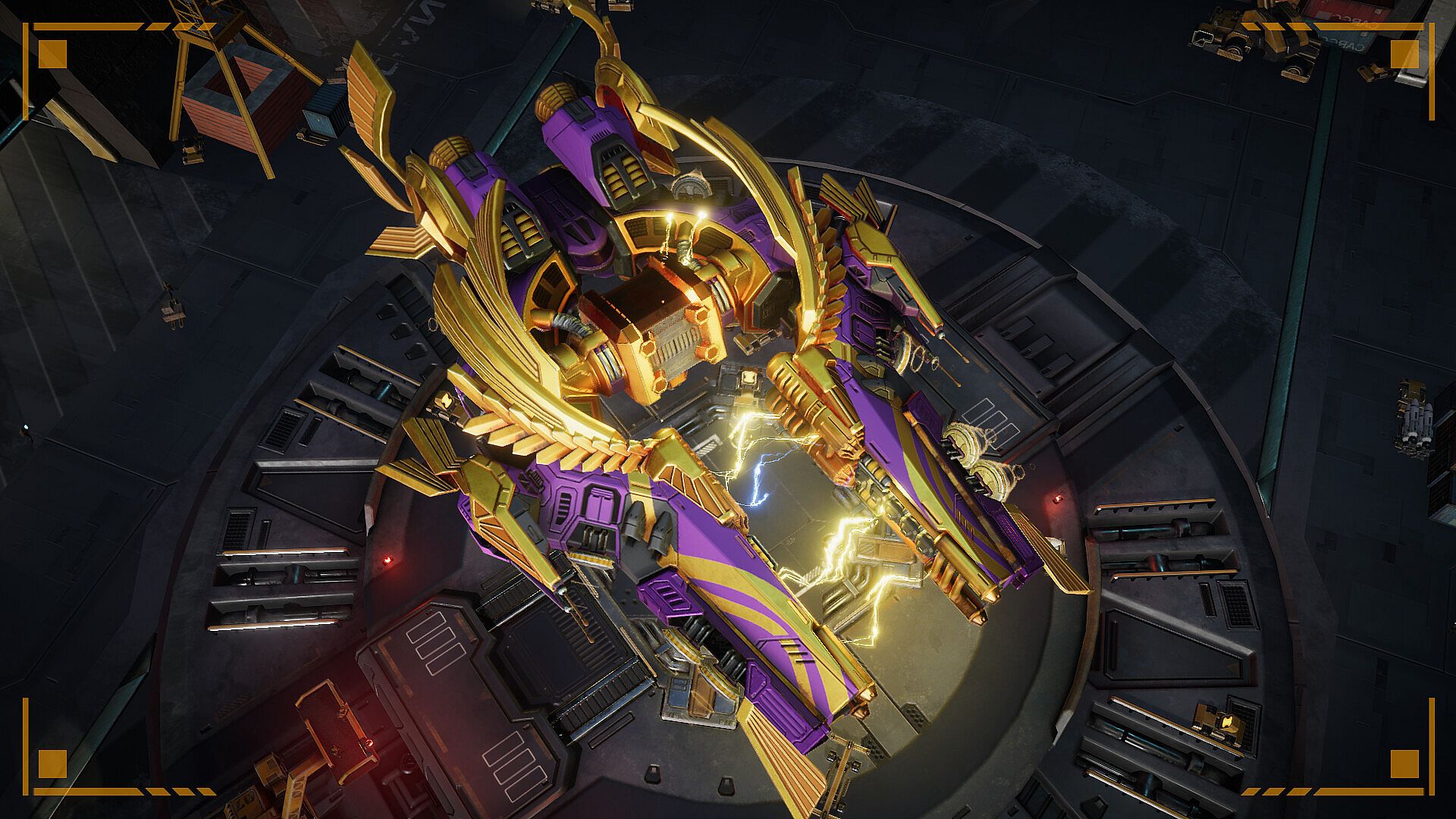
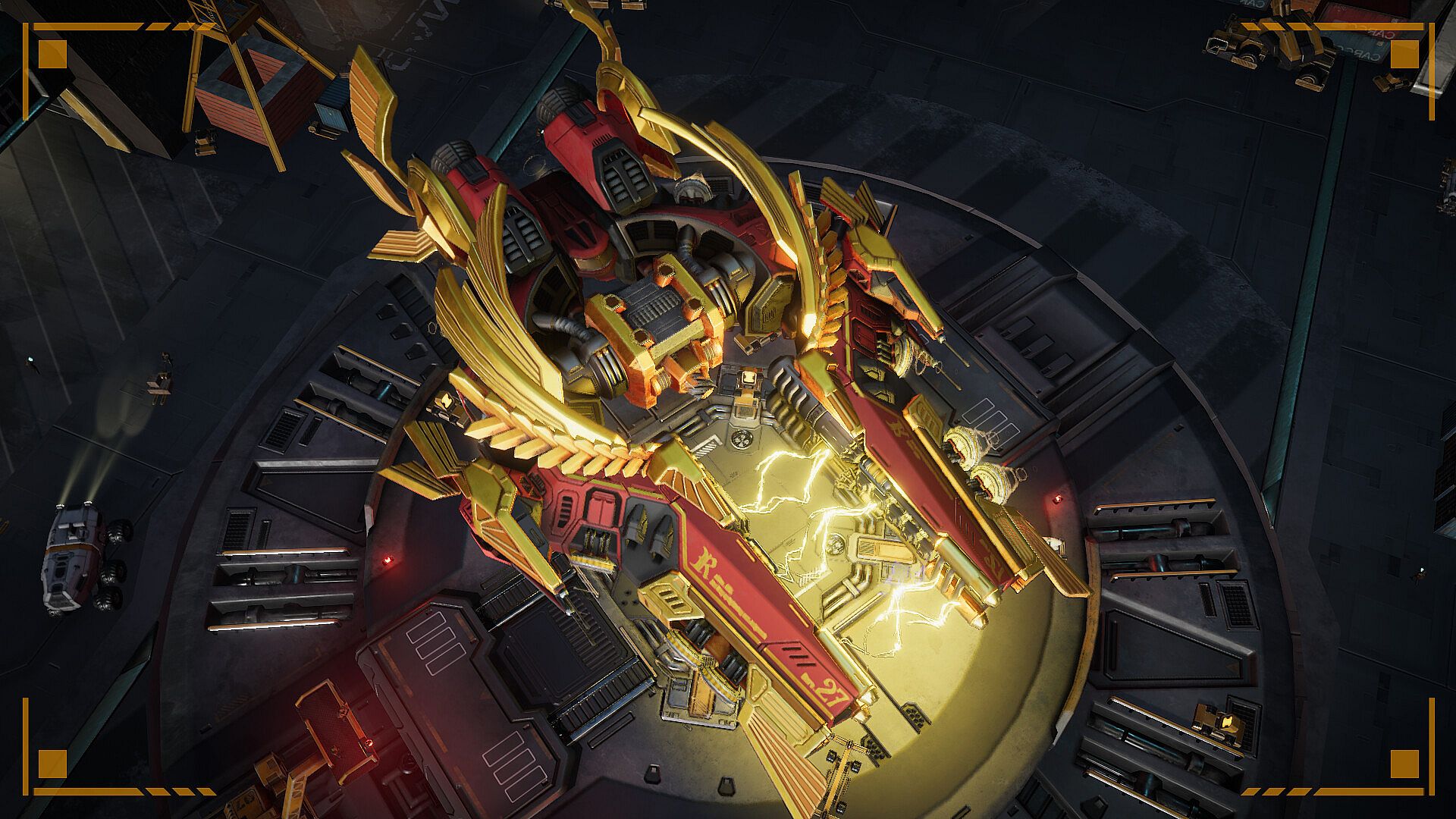
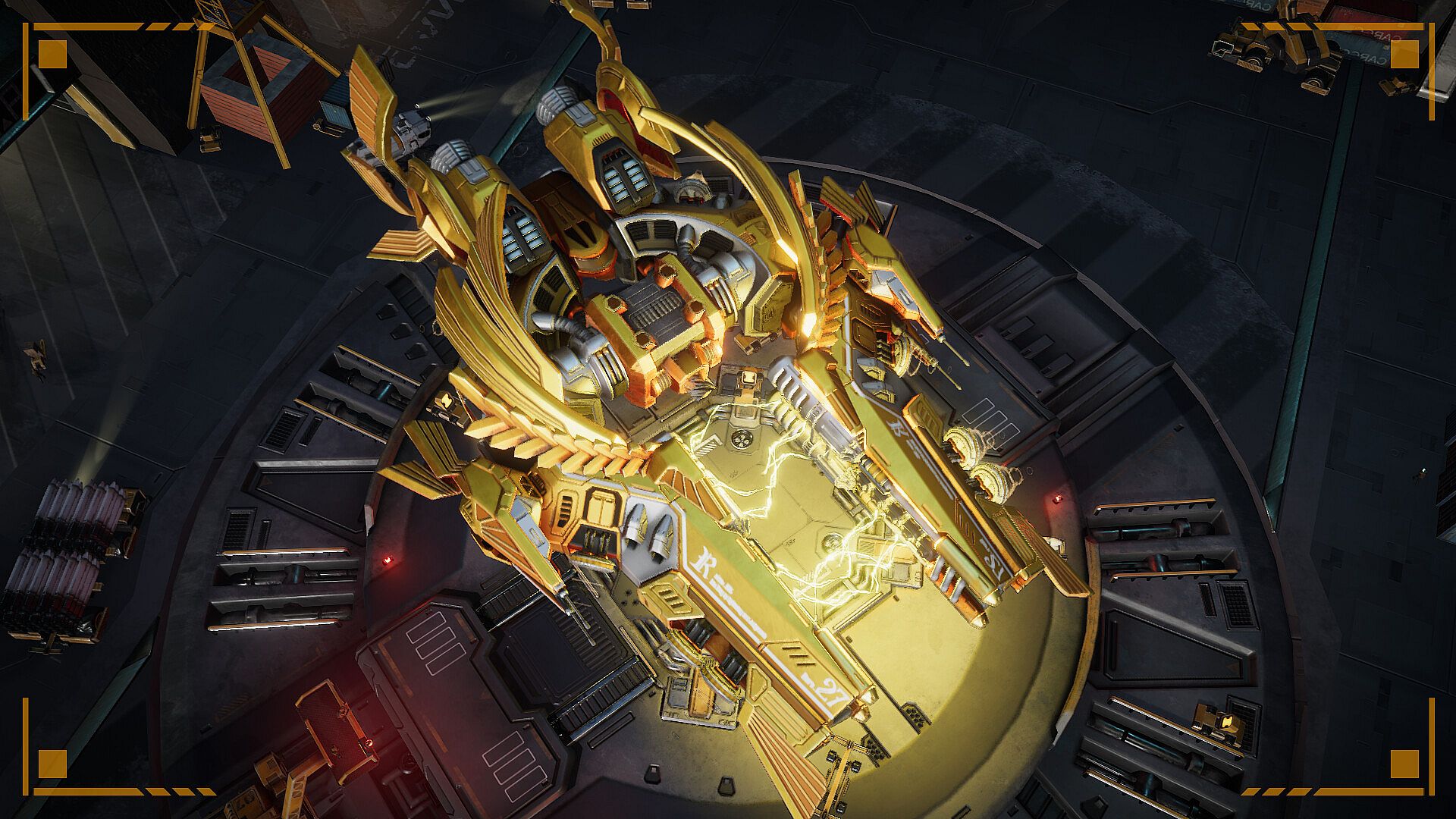
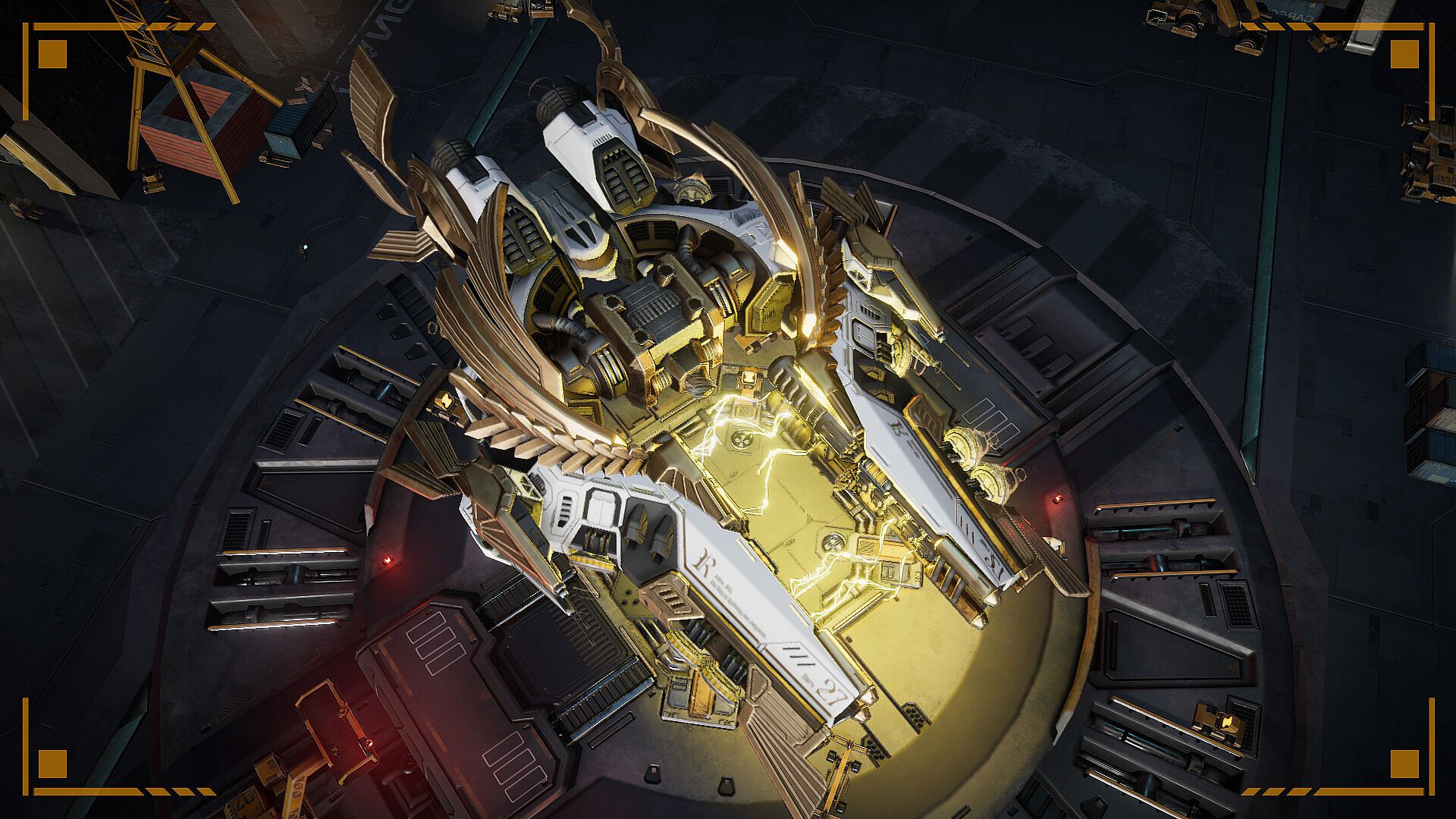
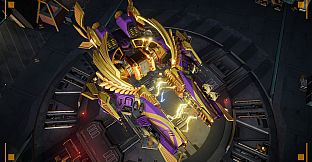
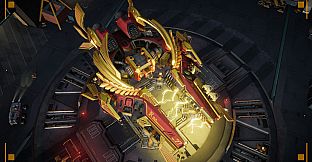
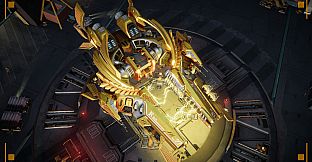
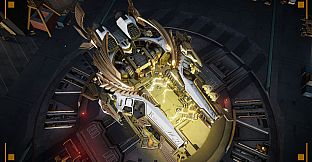
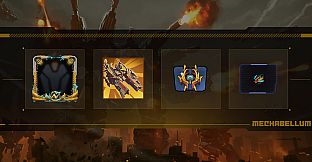
Mechabellum is a tactical auto-battler set in a world of massive mechanized combat. Players build and position armies of specialized mechs across a battlefield divided between two central structures, then watch as the units engage in automated fights that determine the outcome of each round. The game emphasizes strategic placement, unit composition, and adaptation over direct control, with supply points earned each round used to unlock, deploy, and upgrade mechs from a roster that includes ground-based tanks, agile fliers, and swarm units.
Gameplay
Core play revolves around a cycle of deployment and resolution. In each round, players receive supply to purchase units and select from a limited set of cards that provide bonuses such as extra deployments, equipment, or battlefield effects. Units fall into distinct roles that create counterplay opportunities, with lighter chaff units drawing fire from heavier carries while dedicated clear units handle swarms. Mechs gain experience over rounds and can receive permanent upgrades purchased from tech trees that alter their stats or add abilities like shields or missiles. Placement matters because units advance automatically toward enemies, and survivors from a victorious round inflict damage on the opponent based on their total value. Central structures provide defensive anchors, and their destruction creates temporary vulnerabilities for the affected side.
Tech choices and card selections introduce variability without relying on pure randomness. Players pre-select loadouts for units before matches, allowing customization that shifts how individual mechs perform against specific threats. The system rewards foresight in anticipating opponent responses, as a well-timed pivot from ground forces to anti-air options can turn a losing position around. Solo play options include wave-based survival against AI opponents and community challenges that test army compositions in controlled scenarios.
Game Modes
Standard versus matches form the primary competitive experience, supporting one-on-one ranked play as well as team formats where two players coordinate against another pair. Free-for-all brawls introduce four-player chaos with an additional AI presence in the center, where scoring combines unit survival, eliminations of leading players, and damage to the shared AI threat. Cooperative and solo modes allow players to tackle escalating waves or expedition-style runs with adjustable difficulty branches and the ability to save progress mid-session. These options share the same underlying placement and upgrade mechanics but vary in pacing and objectives to suit different group sizes and skill levels.
Cross-platform support enables matches across PC players, while in-app purchases and family sharing features extend accessibility. The game maintains ongoing balance adjustments through regular updates that refine unit stats, introduce new equipment, and tweak reinforcement systems.
Unit Composition and Strategy
Effective armies balance the three main roles to exploit enemy weaknesses. Swarm units overwhelm through numbers and distraction, while specialized clearers remove those threats to protect high-value assets. Carries deliver sustained damage once protected, and upgrades can shift a unit from one role toward another, such as adding anti-air capability to a ground-focused mech. Early rounds focus on establishing a foundation with basic unlocks, while later rounds emphasize scaling through promotions and targeted equipment. The absence of direct unit commands forces reliance on positioning and pre-battle planning, making each match a test of reading opponent patterns and adjusting on the fly.
Is It Worth Playing?
Mechabellum appeals to players who enjoy deep strategic layering in an auto-battler format without heavy execution demands. Its emphasis on counterplay and incremental army development rewards repeated matches, with modes available for both competitive ladders and relaxed solo sessions. Ongoing updates have added features like flexible difficulty in expeditions and new equipment options, indicating continued support. Reception among critics highlights the satisfying interplay of unit roles and the tactical depth that emerges from simple placement decisions. Those seeking fast-paced action or narrative-driven experiences may find the automated battles less engaging, but the game suits strategy enthusiasts comfortable with iterative adaptation and long-term progression through tech trees. Availability on PC with cross-platform multiplayer broadens the player pool for consistent matchmaking.














