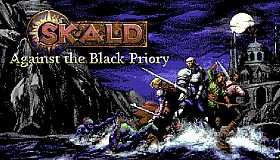












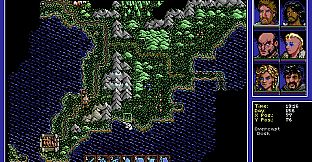
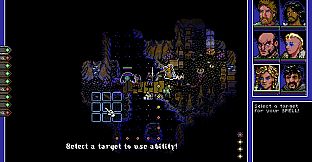
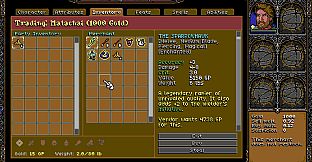
SKALD: Against the Black Priory is an indie RPG that places players in a grim dark fantasy world laced with Lovecraftian horror. The game uses authentic 8-bit pixel art and a party-based structure to deliver exploration, dialogue choices, and tactical encounters on PC.
Gameplay
Core gameplay revolves around building and managing a party of up to six characters drawn from a dozen classes. Players customize attributes and skills at creation, then refine them through level-ups that reach a cap of 20. Each companion brings distinct capabilities, such as the Arms Master for frontline charges, the Rogue for positioning and backstabs, the Magos for elemental spells, or the Ranger for ranged precision.
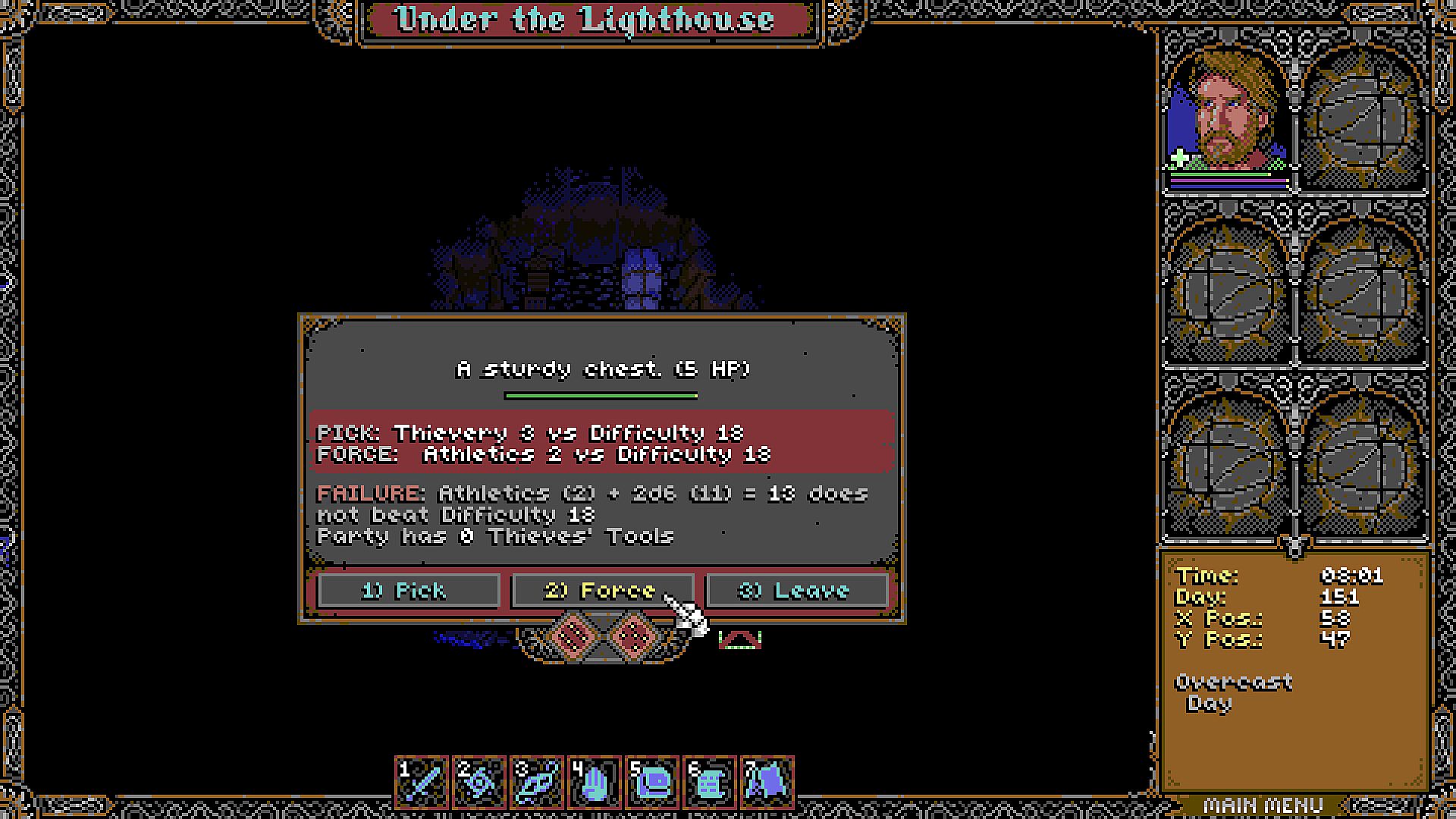
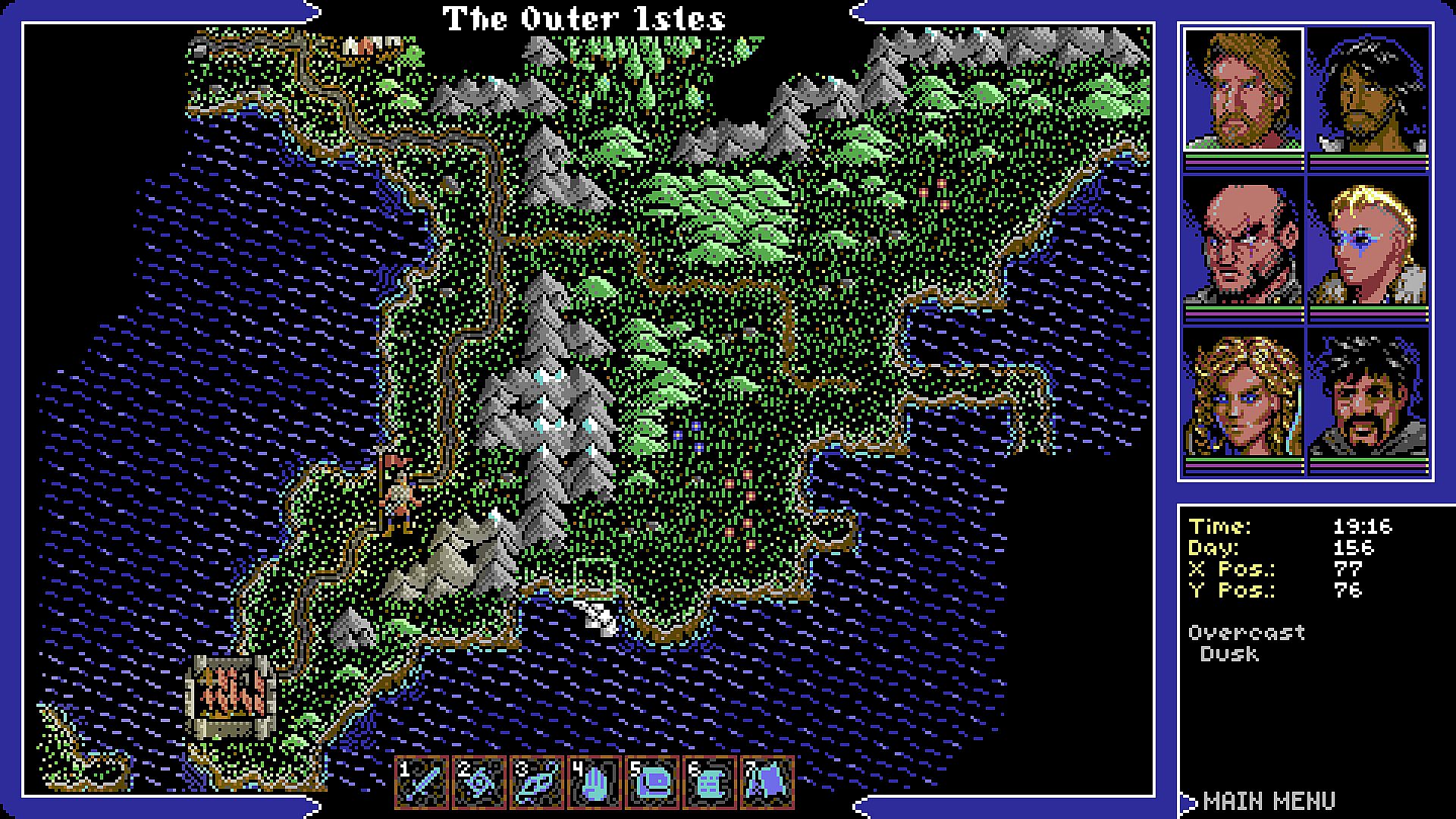
Exploration mixes top-down overworld travel with detailed locations filled with loot, secrets revealed by awareness checks, and environmental interactions. Stealth mode lets the party attempt to bypass threats or set up ambushes, while resting at camp allows cooking recipes from gathered ingredients and assigning tasks to companions. Skill checks appear frequently in conversations and actions like lockpicking or negotiation, resolved with 2d6 rolls plus relevant modifiers.
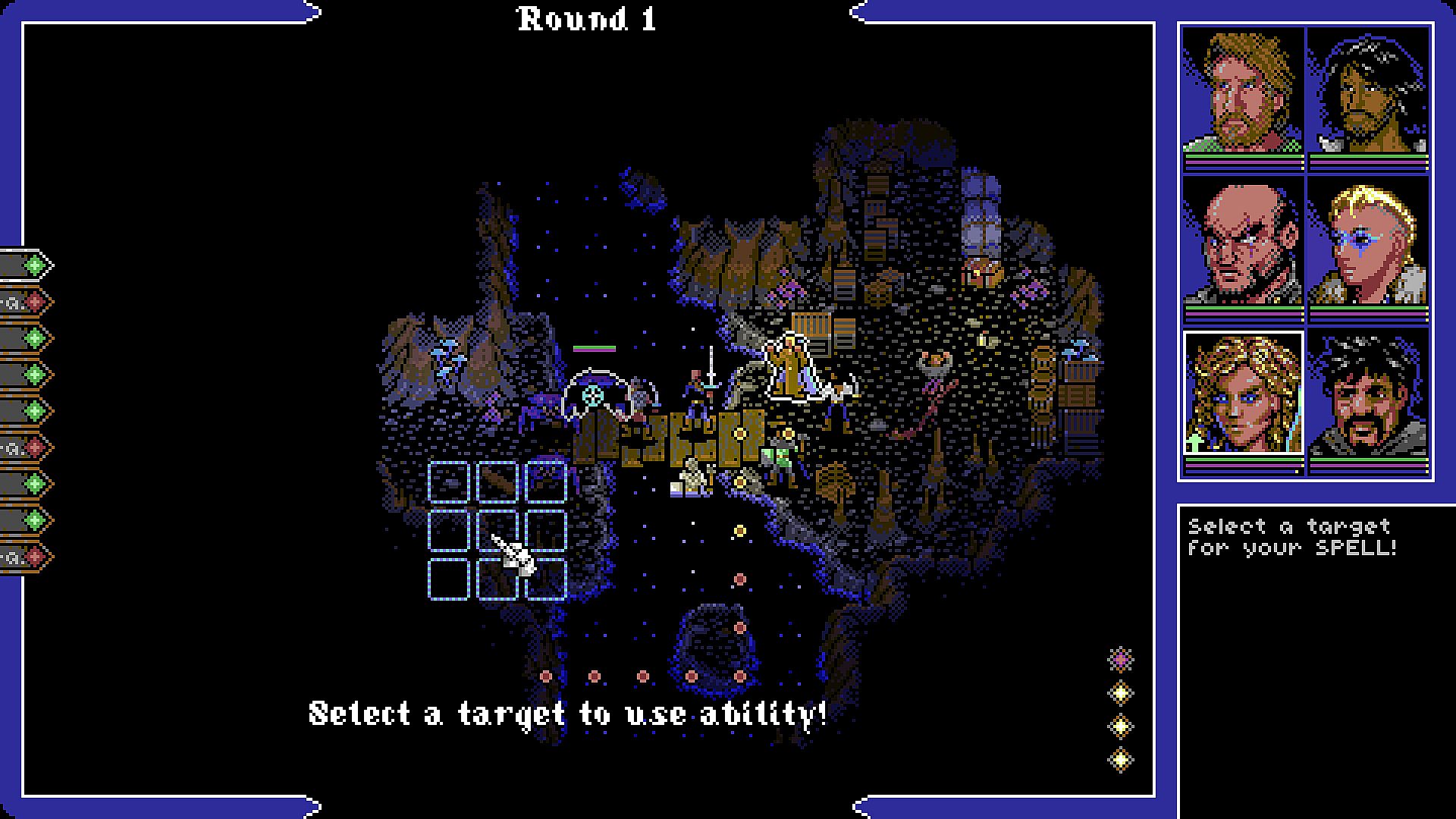
Combat unfolds on a tile grid in turn-based fashion. Characters receive movement points and action points each round, with attacks limited to the four cardinal directions. Positioning matters heavily because allies and enemies block paths, terrain creates chokepoints, and abilities like charges, morale buffs, or disengages consume resources. Armor provides a soak value that randomly reduces incoming damage, while a two-tier health system tracks vitality and more persistent wounds that require rest to heal. An auto-resolve option exists for less critical fights.
Game Modes
The experience centers on a single-player campaign that emphasizes narrative progression through branching dialogue and quest objectives. Difficulty settings range from story-focused to challenging, with options to customize elements such as rerolls on failed checks, post-combat healing, inventory weight, and food requirements. No separate multiplayer or competitive modes are present; the design stays fixed on solo tactical RPG play.
Character Progression and Exploration
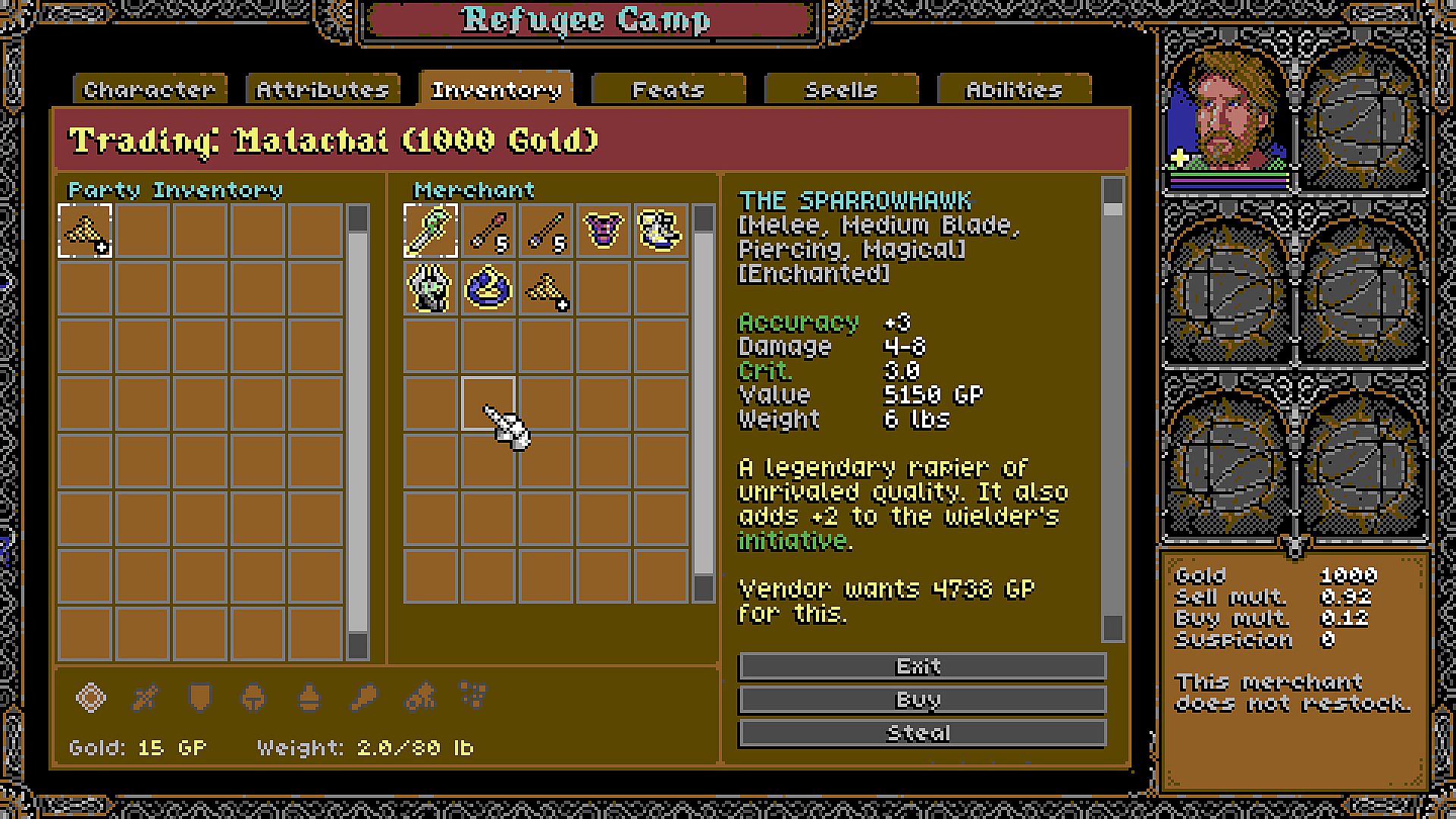
Progression feels deliberate rather than overwhelming. Feats chosen on level-up grant passive bonuses and new abilities, while gear and scrolls expand spell options across branches like fire, mind, or nature magic. The world rewards careful scouting, with hidden containers, climbable points, and faction relations that influence available paths. Crafting extends beyond combat preparation into camp management, where recipes turn raw materials into restorative meals.
Overland maps and interior spaces maintain a compact scale that encourages thorough investigation without excessive backtracking. Journals and environmental storytelling fill in the tragic history of the setting, supporting choices that alter outcomes and companion availability.
Is It Worth Playing?
Player feedback highlights strong atmosphere, memorable writing, and satisfying tactical combat as standout elements. Reviews consistently praise the retro aesthetic paired with accessible modern controls and the depth of its cosmic horror narrative. The game suits those who enjoy old-school CRPG mechanics updated with clear interfaces and meaningful party management. Its focused length and customizable difficulty make it approachable for newcomers while retaining challenge for veterans of the genre. Reception remains very positive across thousands of player reviews, with critics noting its effective blend of nostalgia and fresh execution. Those seeking a concise, story-driven tactical RPG with grid combat and dice-based decisions will find it a solid fit.