

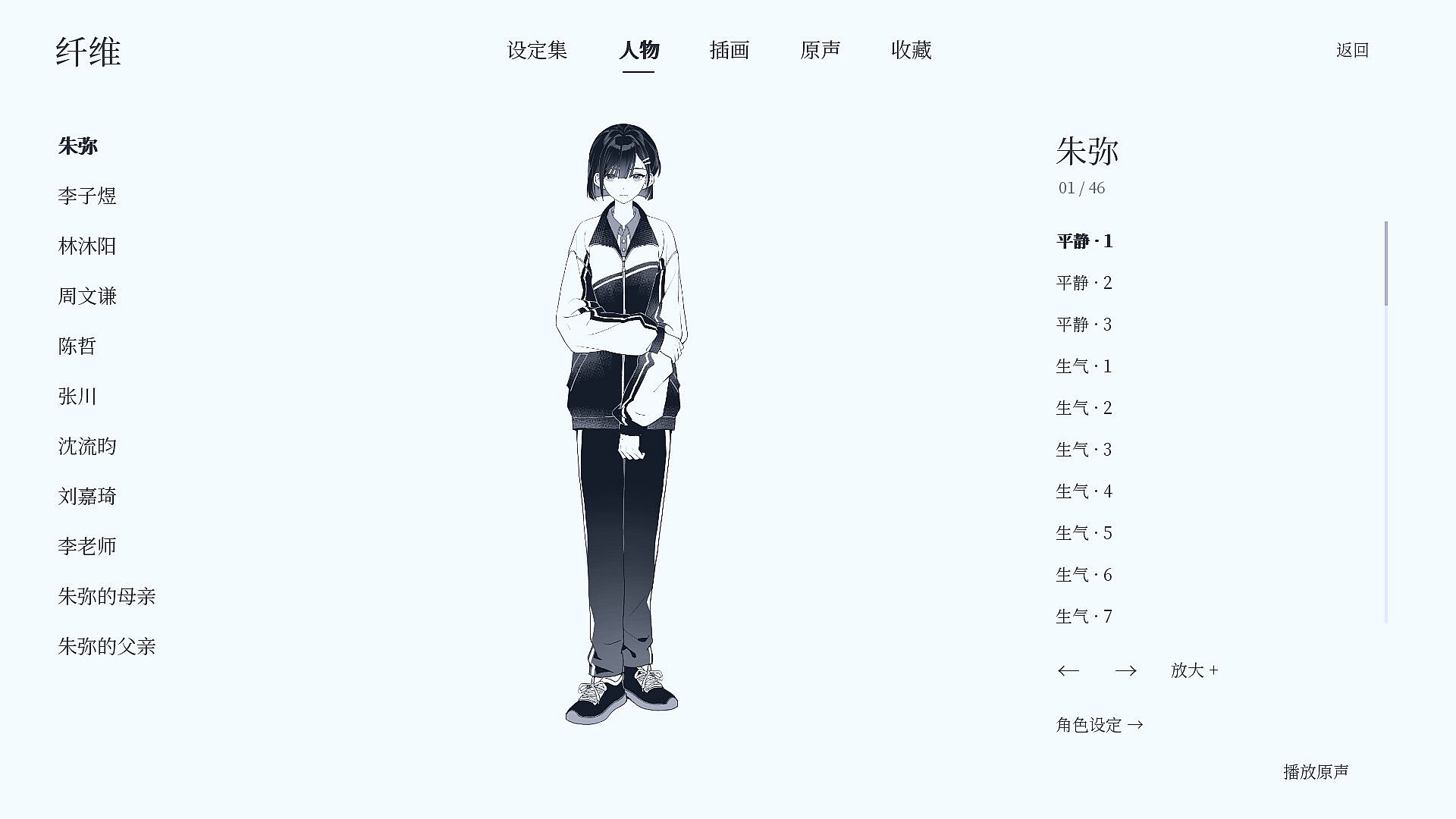
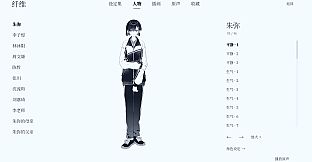
Fibre is an indie visual novel that blends RPG and simulation elements in a grounded portrayal of contemporary Chinese high school and family life. Players follow Zhu Mi, the class monitor, as she navigates daily routines, personal relationships, and mounting pressures from academics and expectations. The experience centers on dialogue choices that shape interactions with a small cast of characters and lead toward multiple endings.
Gameplay
The core loop revolves around reading narrative passages, selecting responses in conversations, and observing how those decisions influence character dynamics and story branches. Scenes unfold across classrooms, hallways, homes, and city streets, with character sprites displaying varied expressions and occasional CG illustrations highlighting key moments. The simulation aspects emerge through realistic depictions of school schedules, test pressures, and family conversations, allowing players to engage with the protagonist's internal conflicts without complex resource management or combat systems.
Progression feels deliberate and personal. Choices often carry emotional weight rather than mechanical consequences, encouraging replays to explore different relationship paths. The art style uses a clean black-and-white comic aesthetic that supports the intimate, reflective tone, while background music underscores the quiet tension of everyday life.
Game Modes
The primary mode is a linear yet branching single-player story experience focused on character-driven narrative. There are no separate competitive or cooperative modes, as the design prioritizes solo immersion in the protagonist's perspective. Players can revisit scenes, review collected dialogue, and experiment with different choice combinations across multiple playthroughs to uncover alternate outcomes.
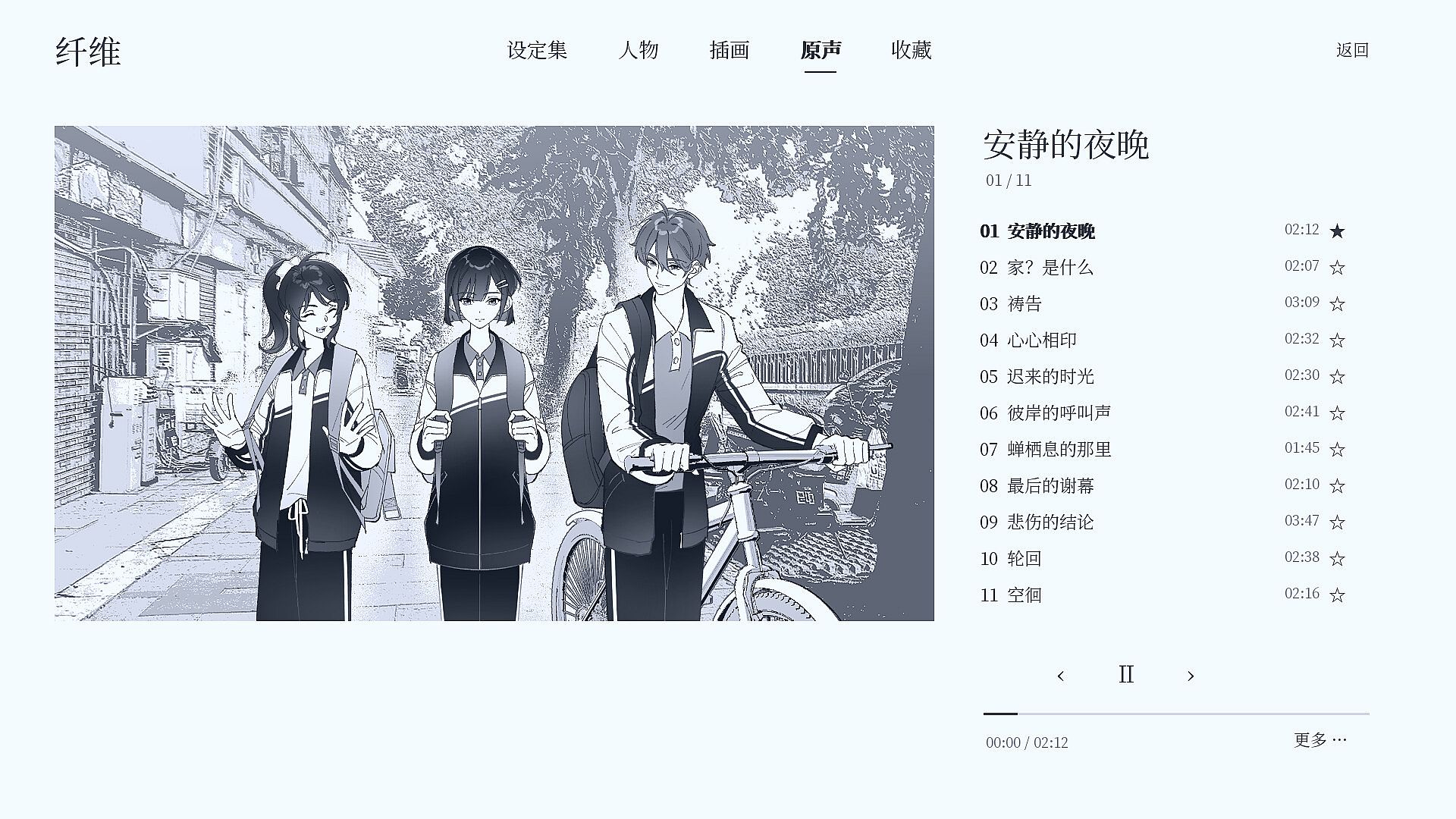
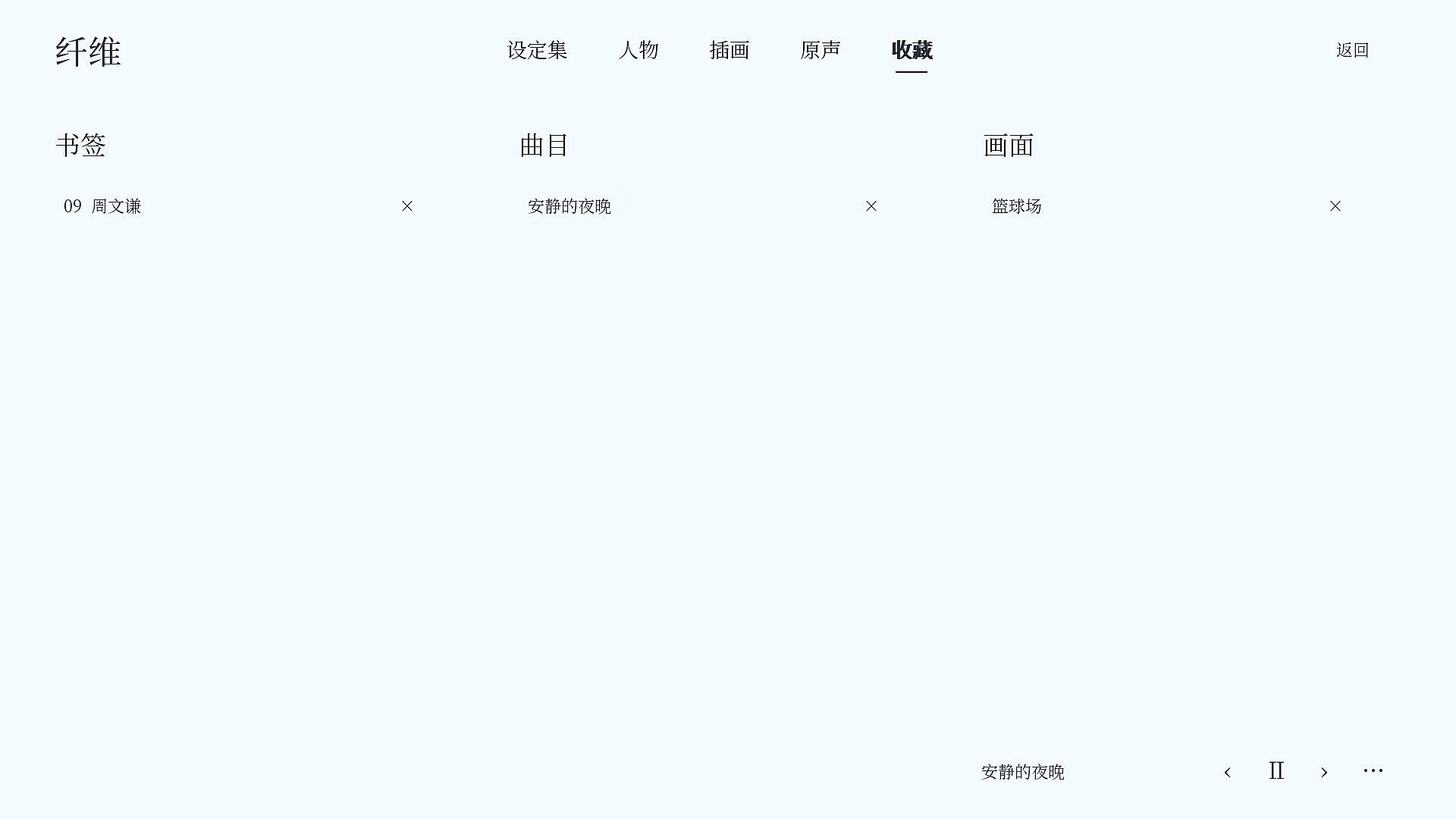
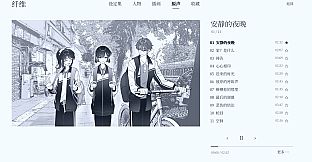
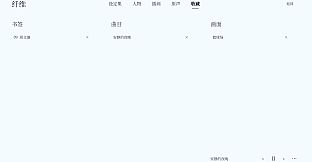
Additional features include a built-in music library for listening to tracks independently and a dialogue collection system that tracks key conversations. These tools support both first-time play and later reflection without altering the main story flow.
Story and Themes
The narrative explores youth, distance, and personal choice through the lens of Chinese educational and familial contexts. Zhu Mi encounters a range of peers, including a childhood friend, a quiet classmate, an outgoing senior, and others, each carrying their own hidden struggles. Themes of academic stress, friendship, self-doubt, and future uncertainty surface naturally through everyday interactions rather than dramatic set pieces.
Multiple endings arise from cumulative decisions, rewarding thoughtful engagement with the characters' perspectives. The story remains grounded, avoiding fantastical elements in favor of relatable emotional realism that resonates with players familiar with similar environments.
Is It Worth Playing?
Players who appreciate character-focused visual novels with authentic cultural detail will find Fibre rewarding. The demo has received very positive feedback for its relatable portrayal of high school pressures and strong character writing, with many noting the emotional impact and immersion. The full release, scheduled for late 2026, continues to build on this foundation through updates that refine story segments and add quality-of-life features based on community input.
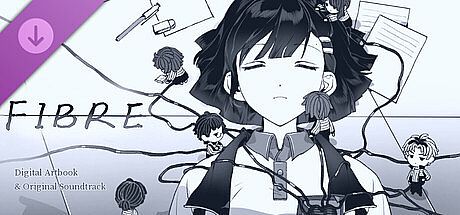
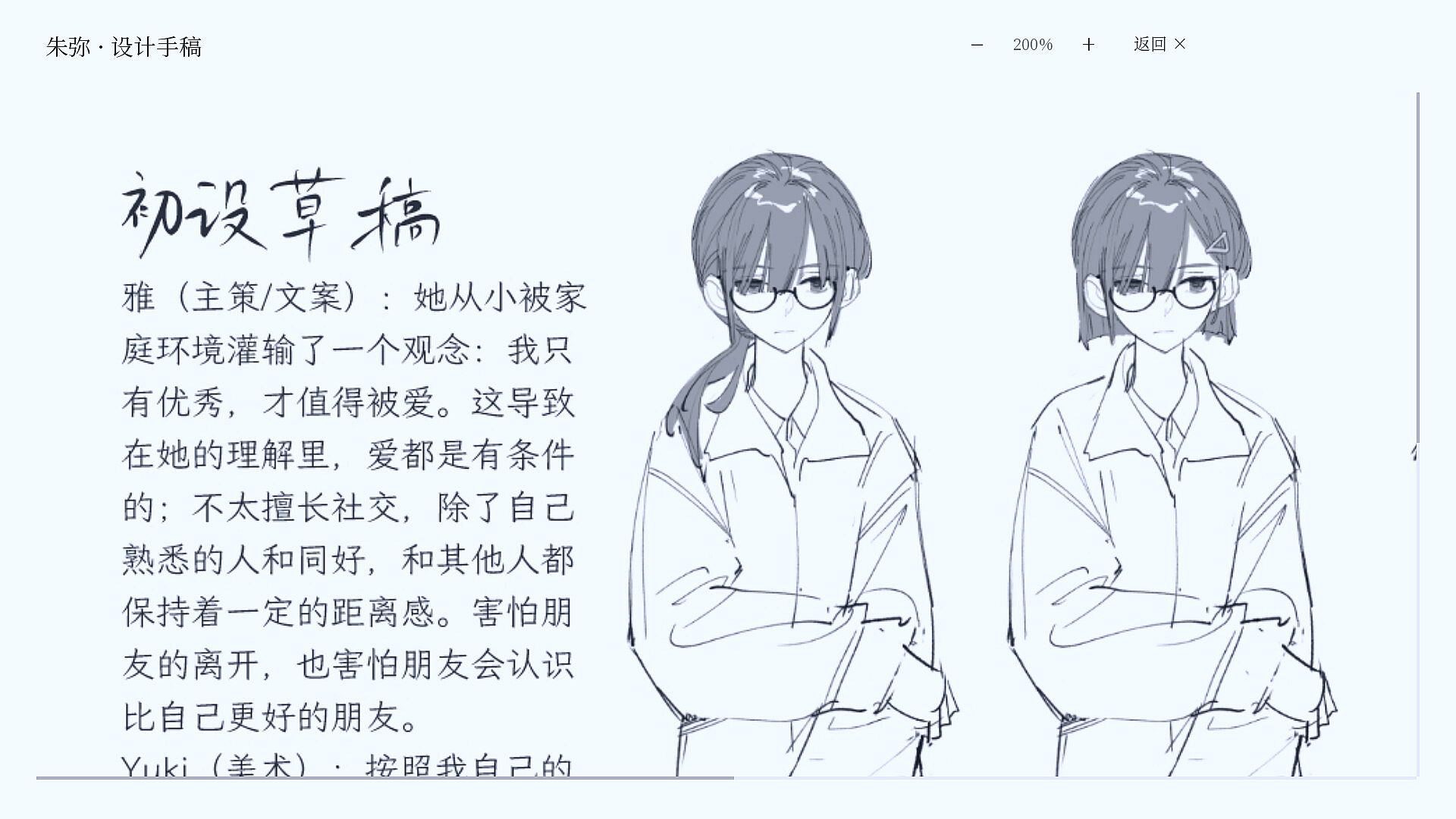
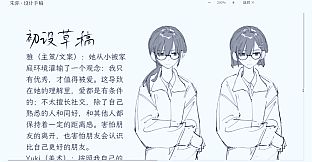
The accompanying digital artbook and soundtrack DLC expands the experience for those who complete the base game. It provides a 39-page collection of character profiles, concept sketches, illustrations, and backgrounds alongside 11 original tracks. These extras are best appreciated after finishing the story, as some imagery references later events. The collection interface supports searching, bookmarking, and background playback, making it a natural extension for fans seeking deeper connection to the world and its music.
Overall, Fibre suits those seeking a thoughtful, single-player narrative simulation rather than action or multiplayer systems. Its strength lies in the sincere handling of personal growth amid familiar constraints, offering replay value through meaningful choices and emotional resonance.