


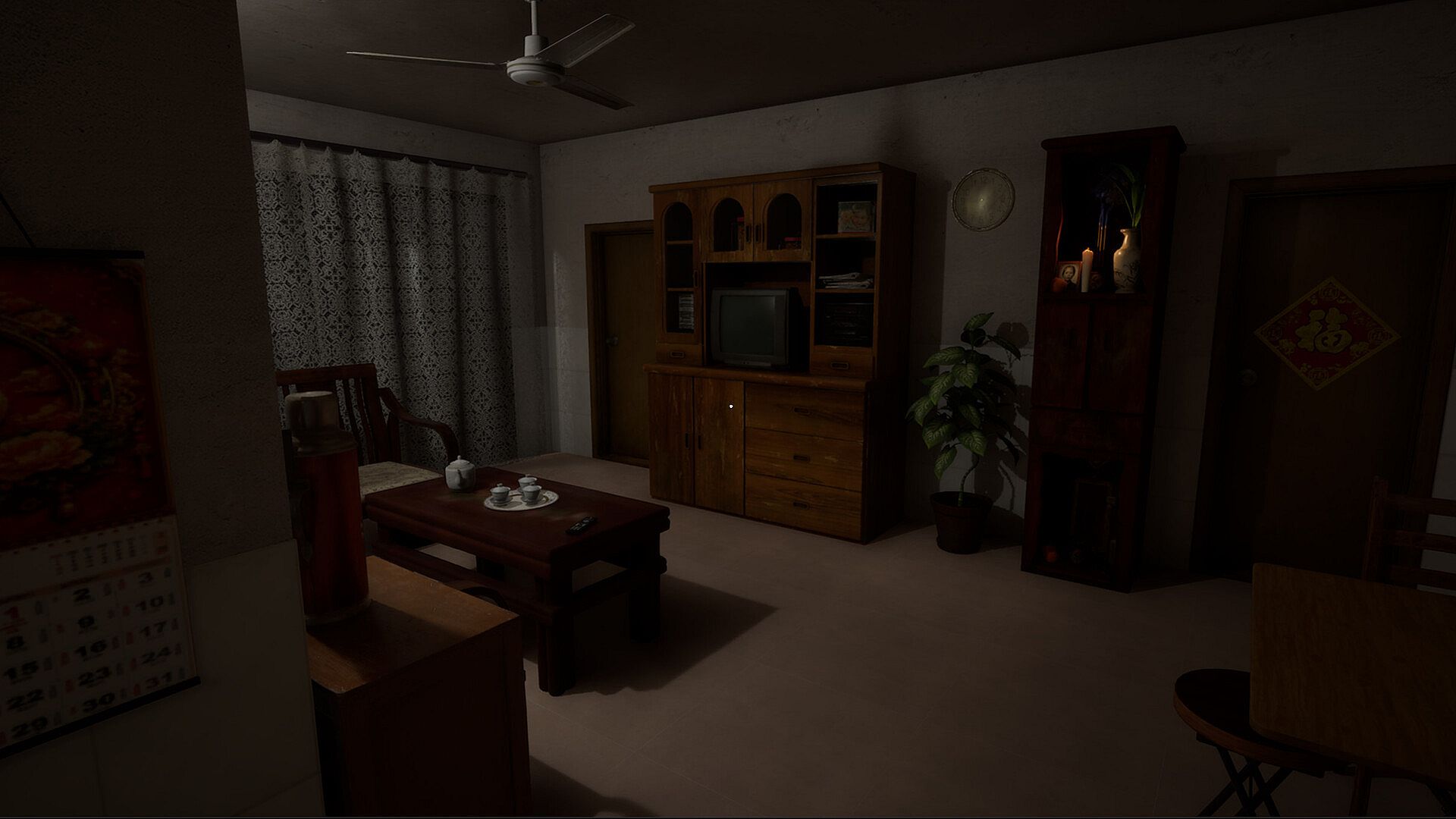
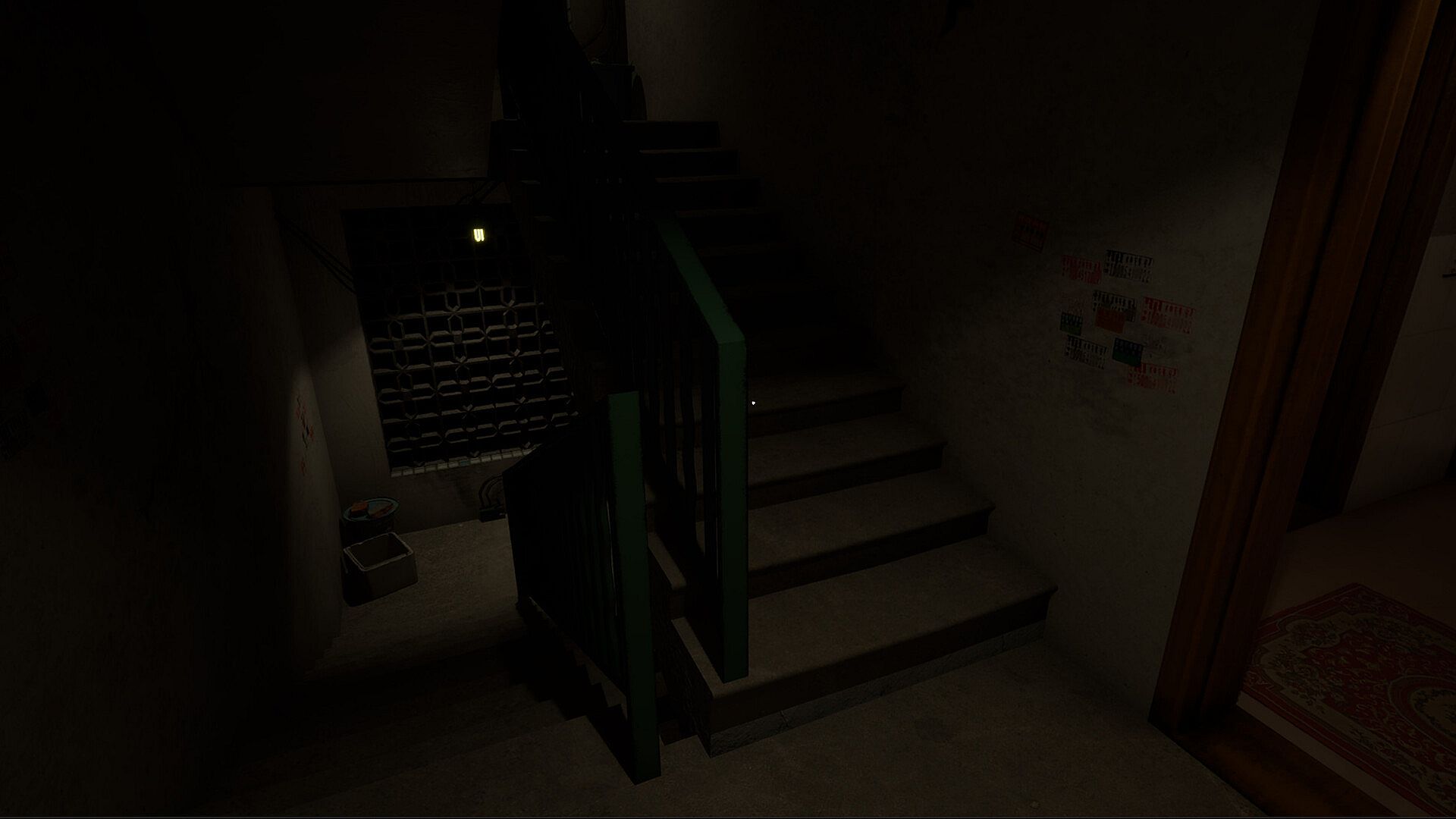
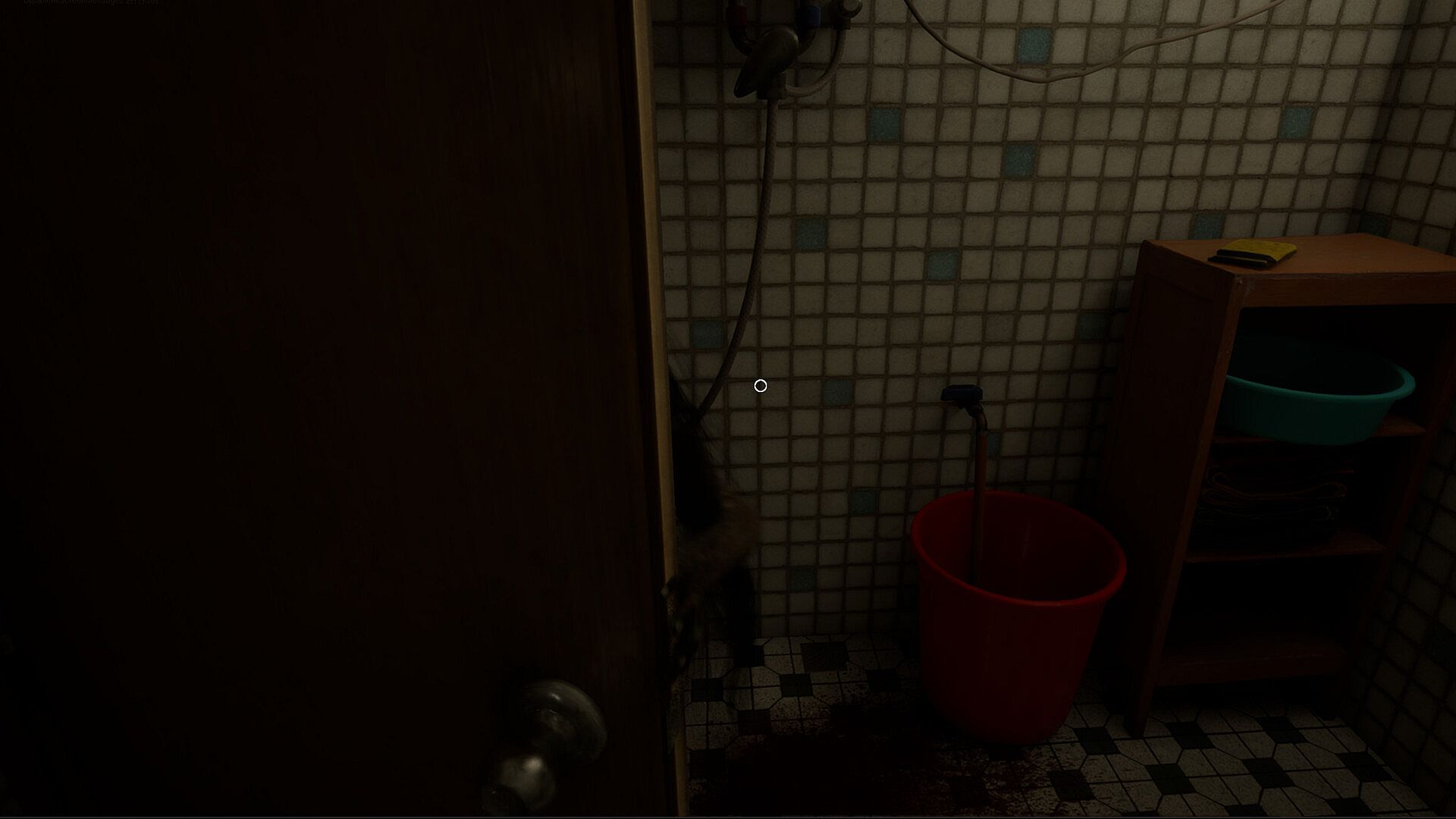
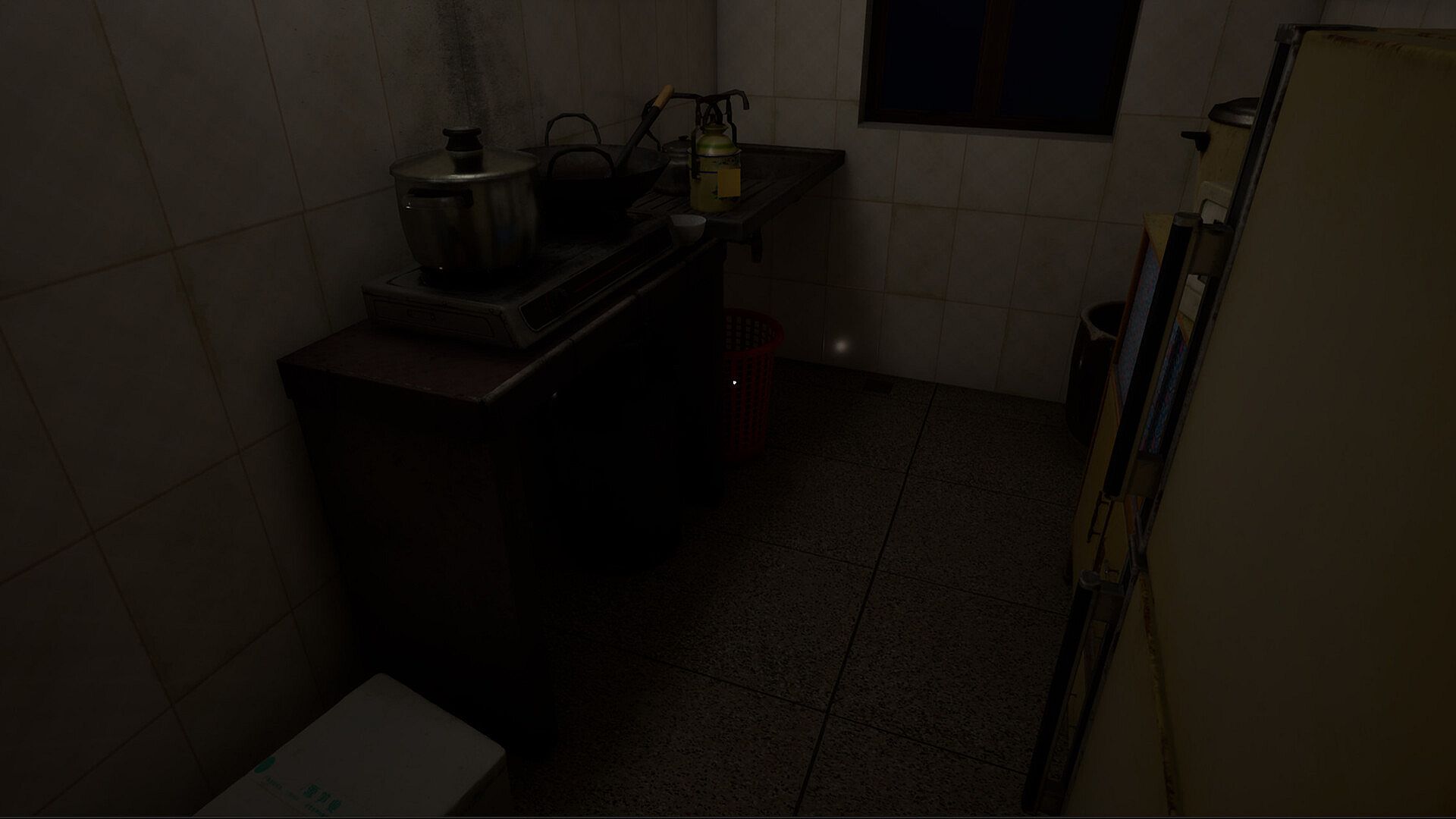
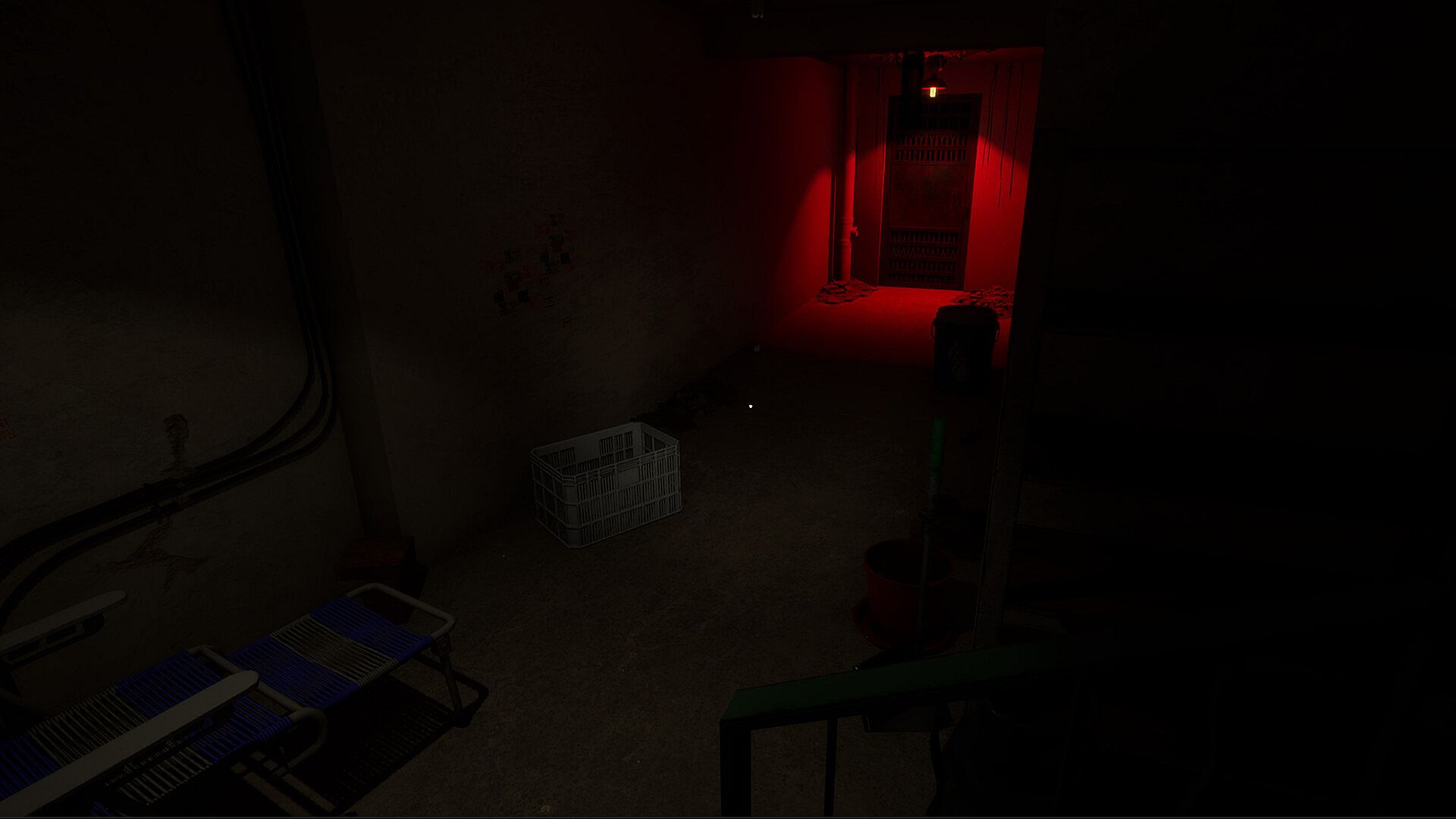
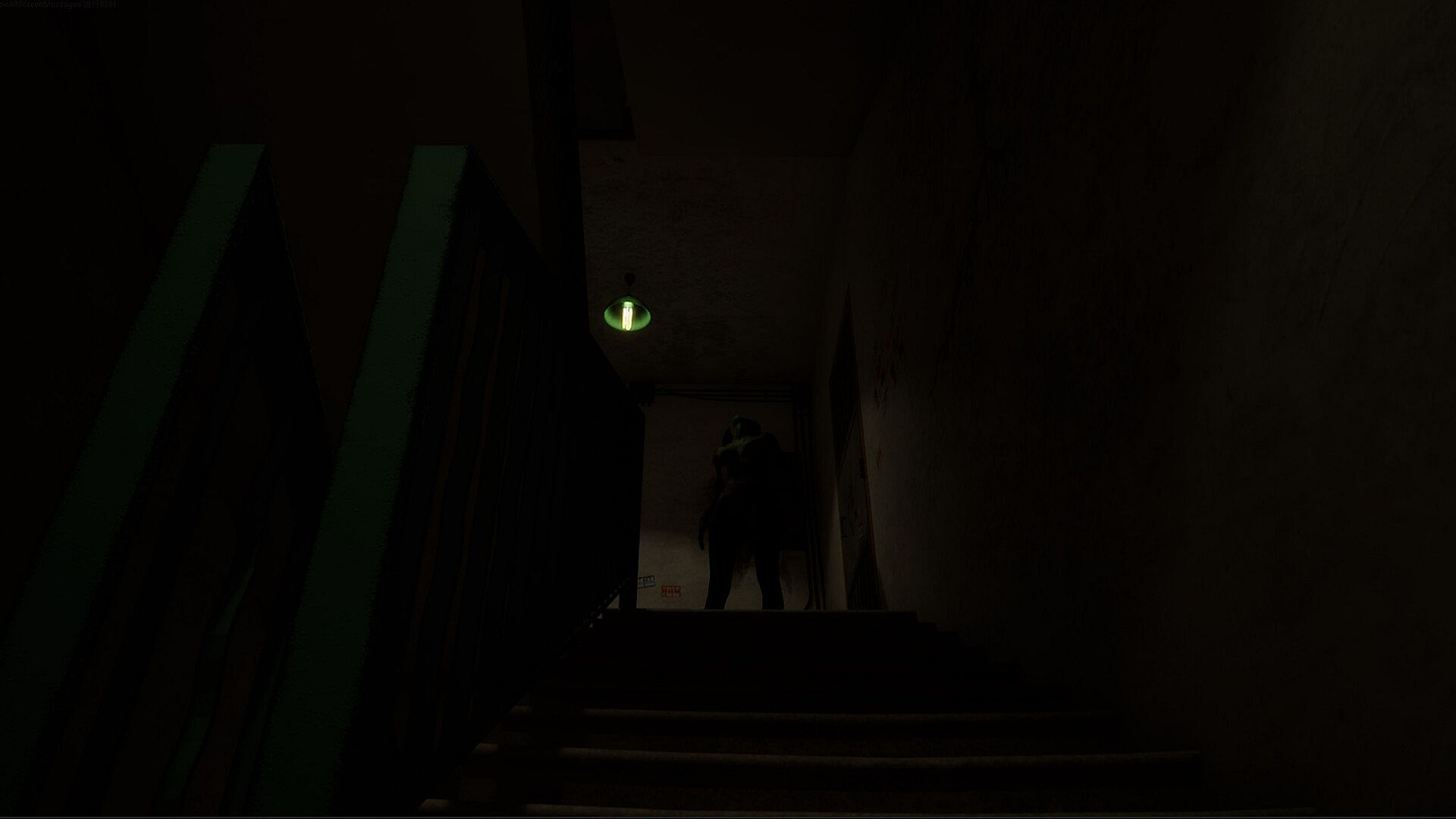

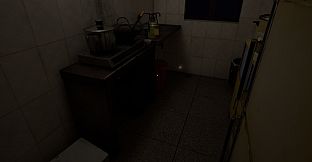
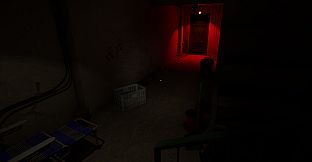
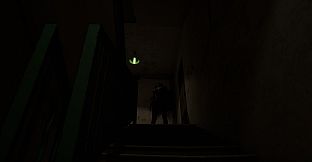
Aftermath is a first-person horror title that blends indie simulation and adventure elements on PC. The game places players in a linear narrative focused on tense exploration inside an old house, where walking simulation mechanics drive the experience alongside light puzzle-solving. An oppressive atmosphere builds gradually through careful room searches and silent progression, leading to the gradual reveal of hidden truths that cannot be ignored.
Gameplay
Core gameplay revolves around first-person navigation through a series of connected rooms in a single location. Players examine objects, gather traces of past events, and solve straightforward environmental puzzles to advance. Movement feels deliberate and unhurried, emphasizing observation over action. Tension rises steadily as subtle audio cues and visual details accumulate, creating a sense of unease that intensifies with each new discovery. The design avoids combat or complex resource management, keeping focus on atmospheric immersion and narrative delivery through environmental storytelling.
Exploration encourages thorough investigation of every corner without time pressure or fail states beyond narrative consequences. Light puzzle elements typically involve locating and combining items or interpreting clues found during searches. Sudden audio spikes and visual surprises punctuate quieter moments, though these remain tied to the linear path rather than branching choices. The overall loop repeats across successive areas: enter a space, observe details, interact where needed, and move forward once the immediate task resolves.
Game Modes
Aftermath offers a single linear campaign that unfolds as one continuous story sequence. There are no separate modes, difficulty settings, or alternative playstyles confirmed in available information. Progression remains fixed, with all players encountering the same sequence of rooms, clues, and revelations in order. This structure suits those seeking a focused, one-sitting or short-session narrative experience rather than replayability through varied paths or challenges.
Atmosphere and Narrative Delivery
The game builds its horror through sustained mood rather than constant threats. Dim lighting, creaking floors, and layered sound design establish an environment that feels lived-in yet abandoned. As exploration continues, fragments of backstory surface naturally through found objects and room layouts, shifting the tone from quiet dread toward confrontation with irreversible events. The linear structure ensures these elements arrive at a measured pace, allowing fear to compound without overwhelming the player early on.
Sound plays a central role in maintaining tension. Footsteps echo realistically, distant noises hint at unseen activity, and occasional sharp effects punctuate silence. Visuals stay grounded in realistic house interiors, using shadows and limited visibility to heighten uncertainty. The combination creates a slow-burn experience where the weight of past actions becomes increasingly apparent.
Is It Worth Playing?
Aftermath targets players who enjoy atmospheric walking simulators and psychological horror without combat or heavy action elements. Its strengths lie in the deliberate pacing and environmental detail that reward patient observation. Those sensitive to jump scares or intense audio should approach with caution, as the warning indicates these features appear throughout the journey. With no public review scores or player count data available yet, reception remains unquantified, but the described mechanics align closely with established indie horror titles in the same subgenre. The game suits anyone looking for a concise, story-driven PC experience centered on exploration and unease rather than open-ended survival or multiplayer elements. If the premise of returning to confront traces of a single irreversible night appeals, the focused design delivers exactly that without unnecessary additions.