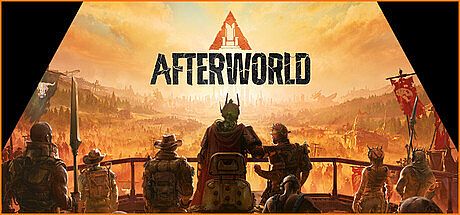


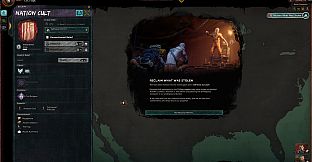
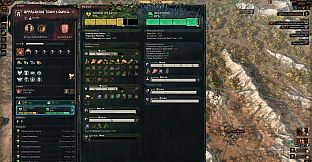
Afterworld is a post-apocalyptic grand strategy game developed by Paradox Development Studio for PC. Players lead small bands of survivors in a ruined North America, rebuilding settlements and expanding into a continent-spanning empire through exploration, resource management, and political maneuvering.
Gameplay
The core loop begins with a handful of survivors emerging into a hostile wasteland. Early efforts focus on securing food, water, and fuel while scouting the environment for opportunities. Players establish initial settlements and adapt their group through practical discoveries rather than abstract research trees.
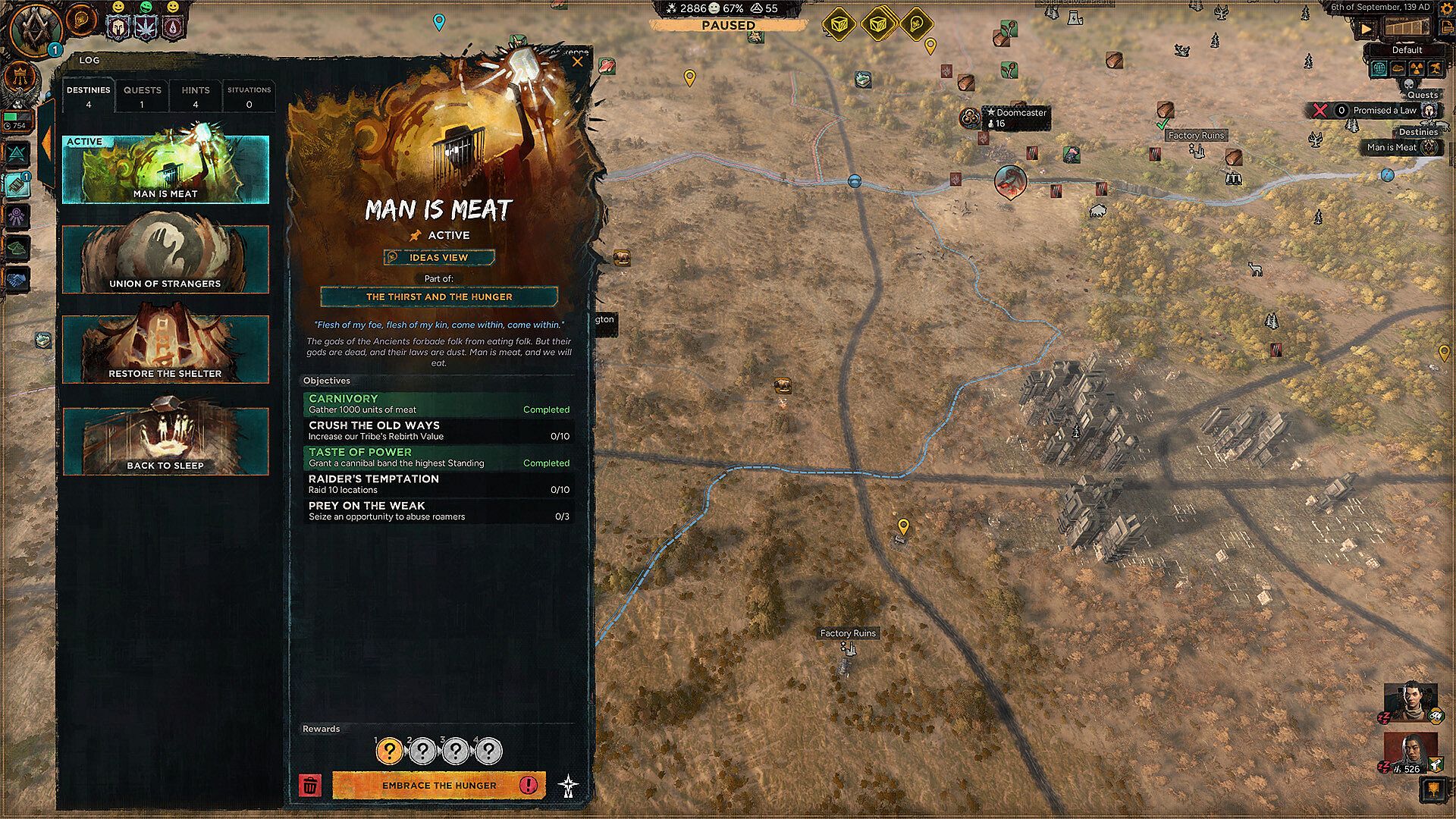
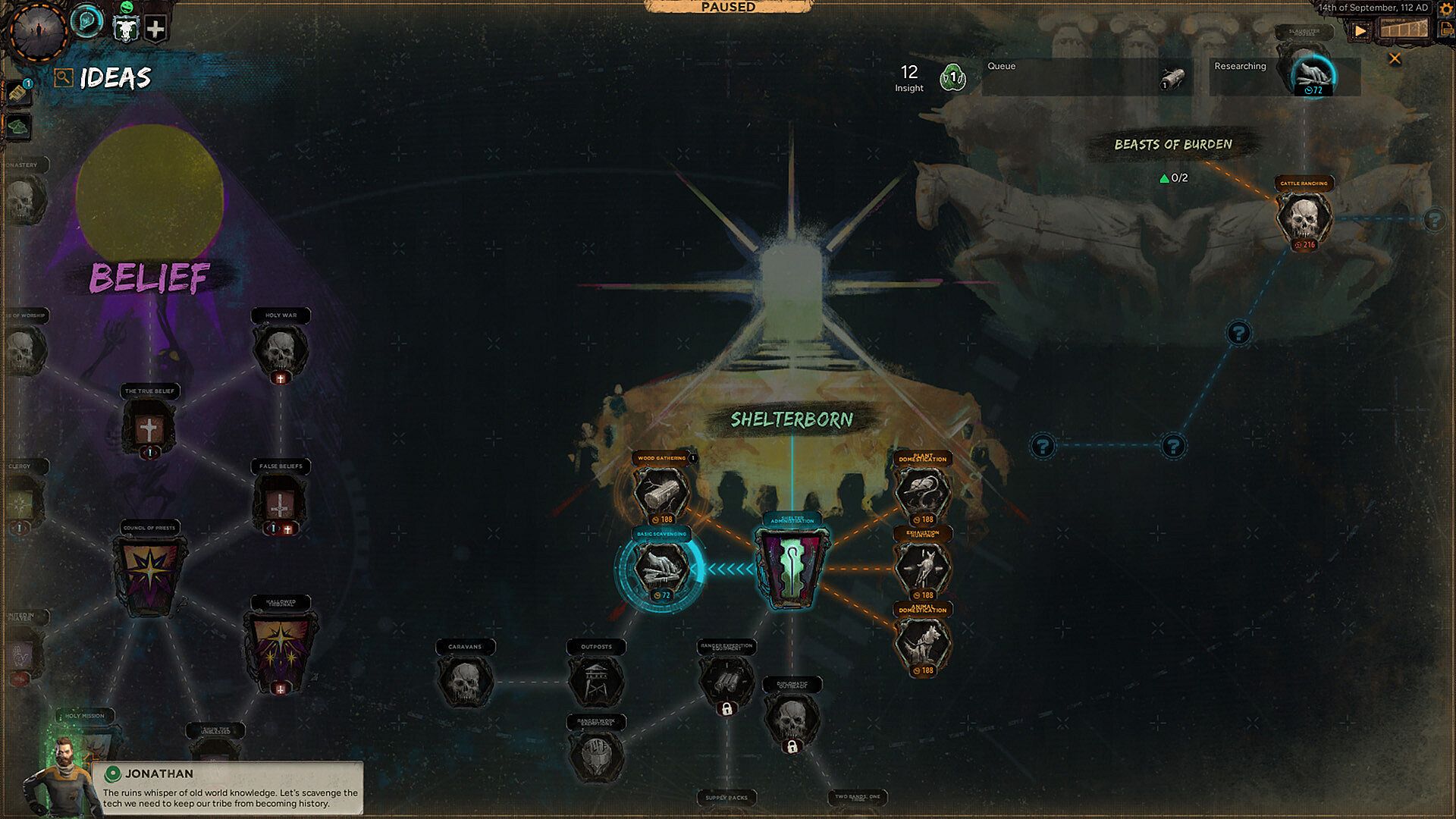
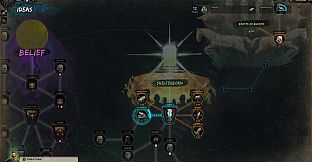
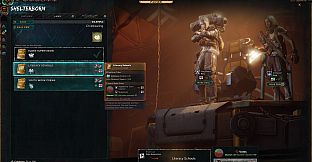
Exploration drives progress via a dynamic Ideas Tree. Encounters with rivers unlock irrigation techniques, meetings with other groups introduce concepts like organized religion, and finds of pre-Fall technology open advanced capabilities. This system ties advancement directly to player actions and the semi-procedural map of North America, where terrain remains recognizable but resources, tribes, and threats vary each session.
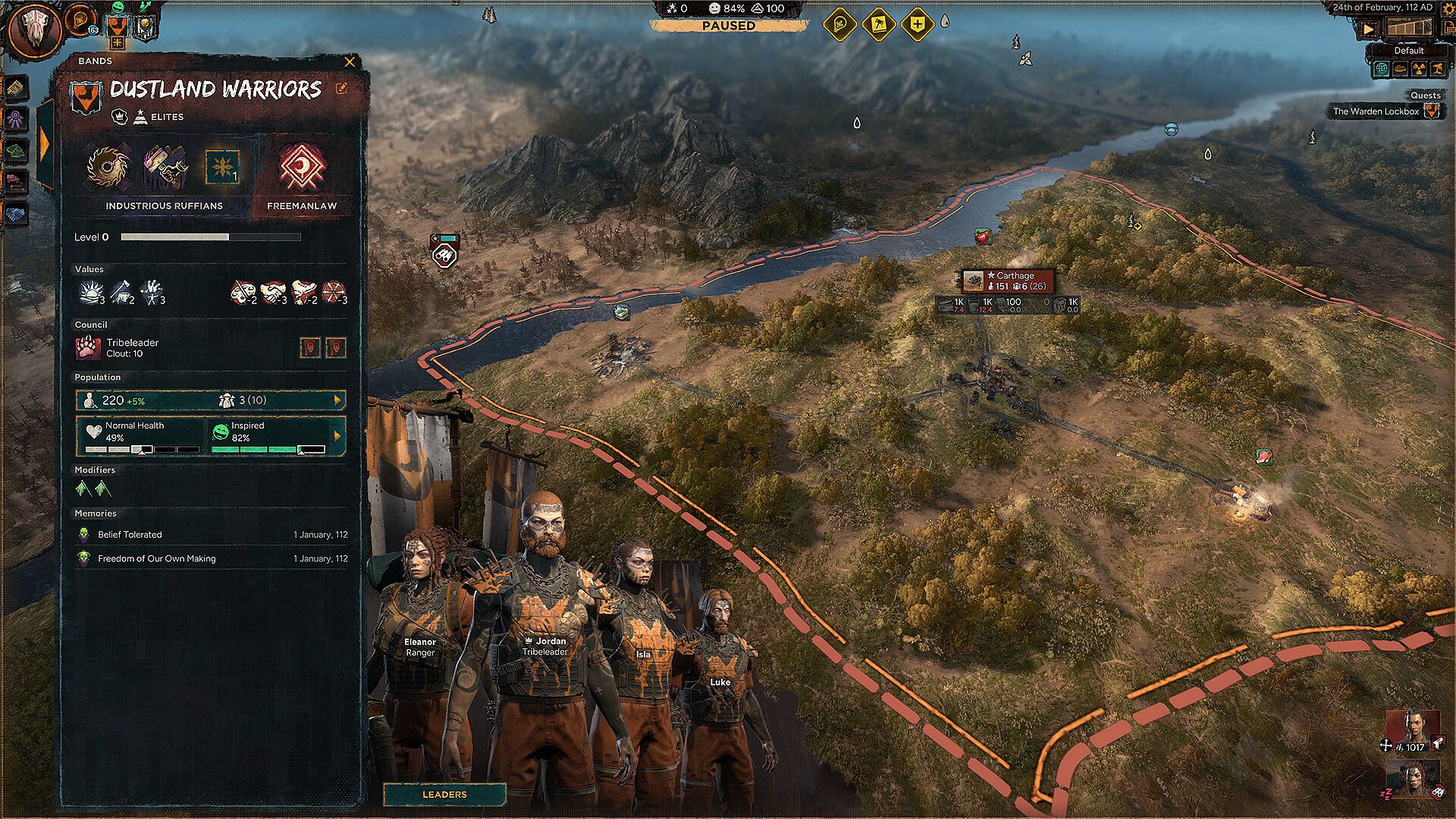
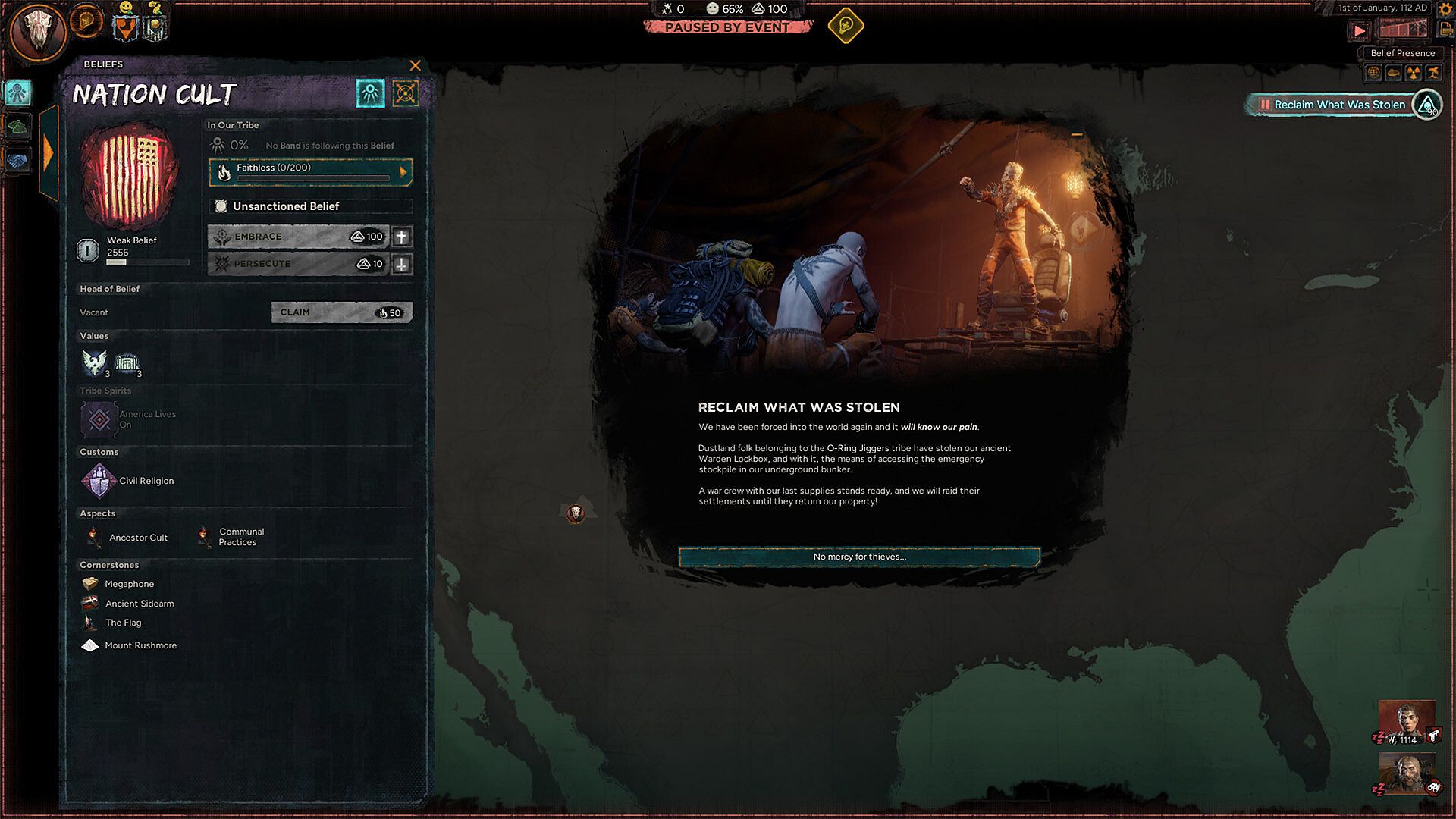
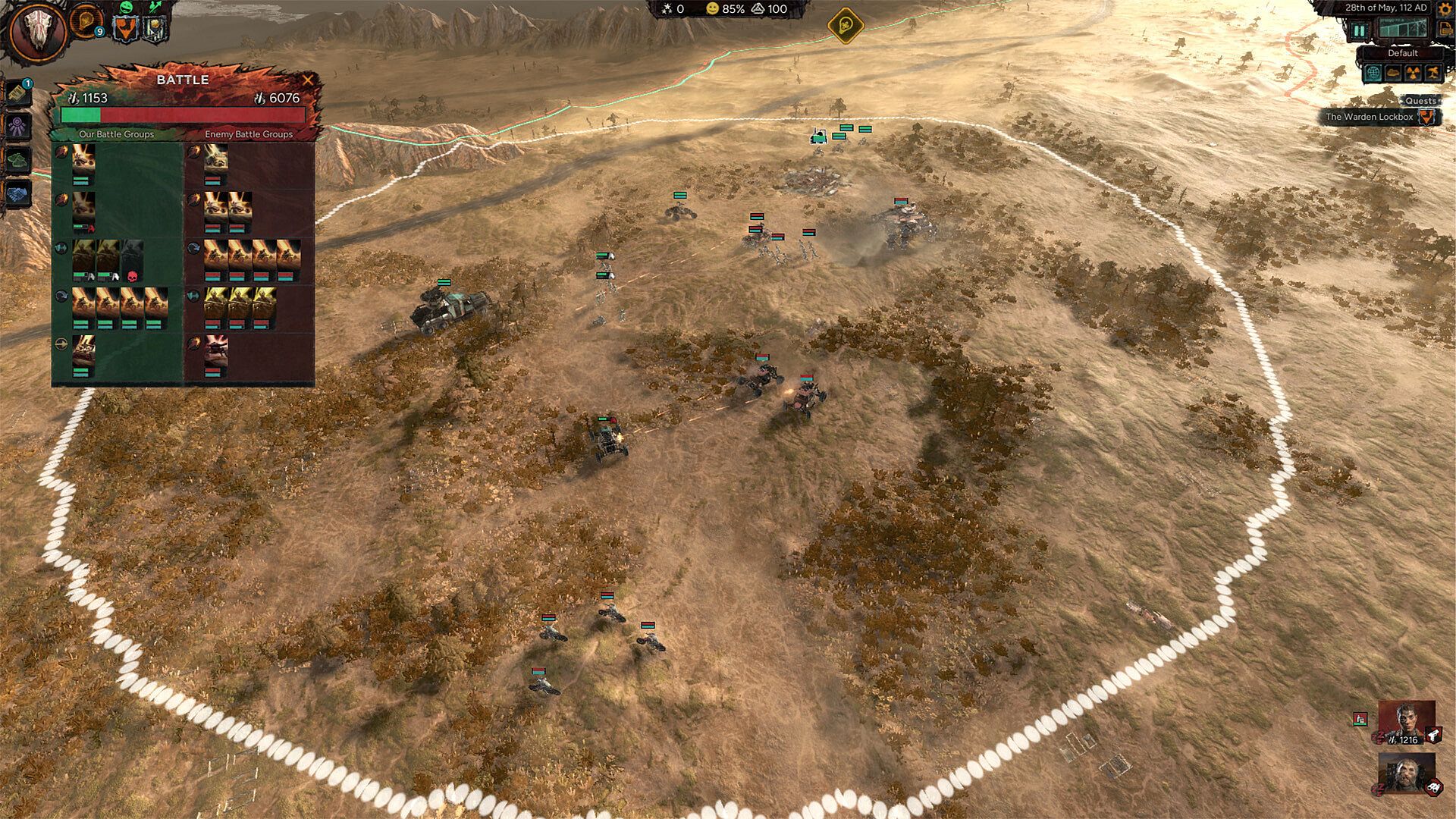
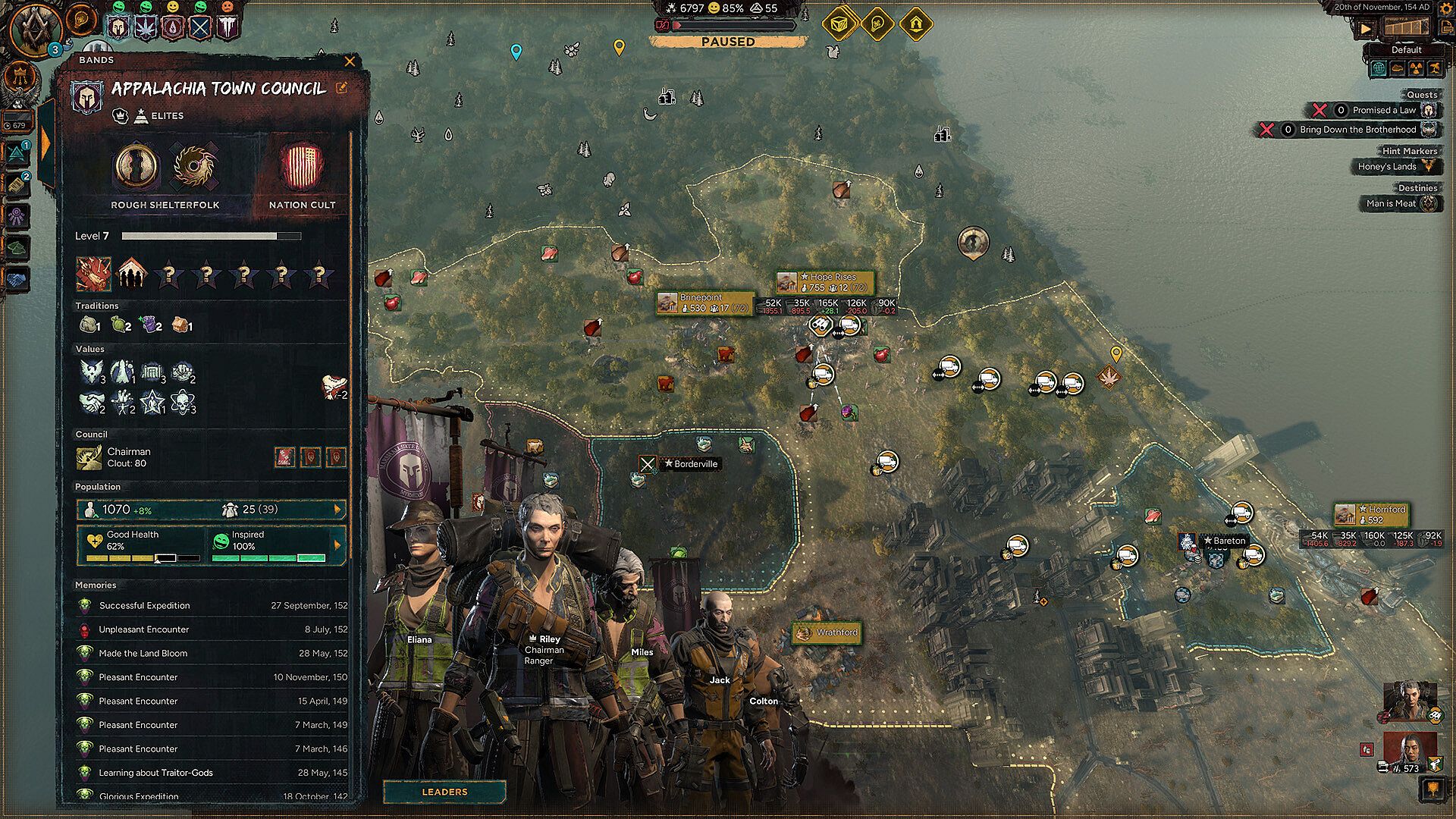
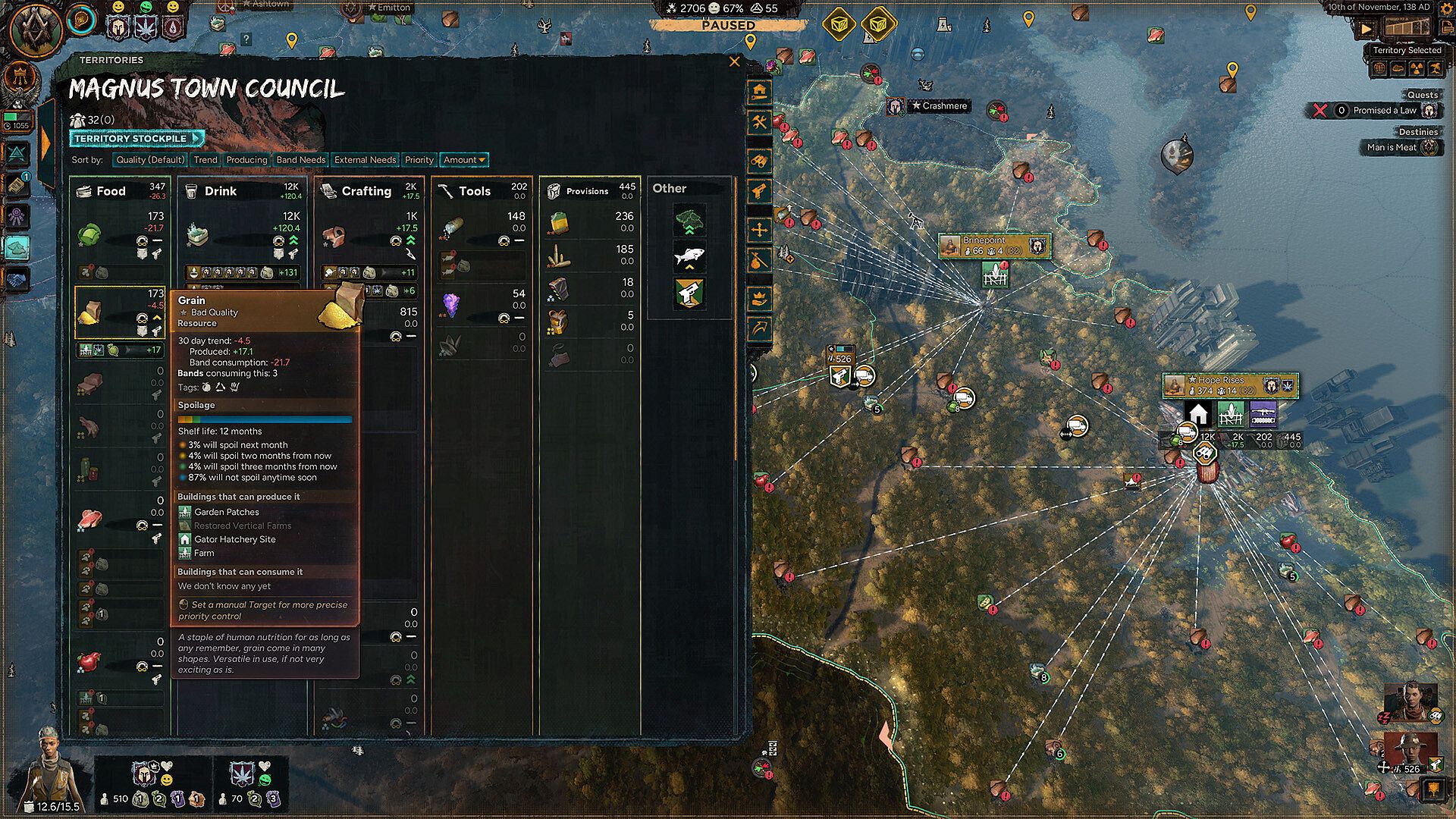
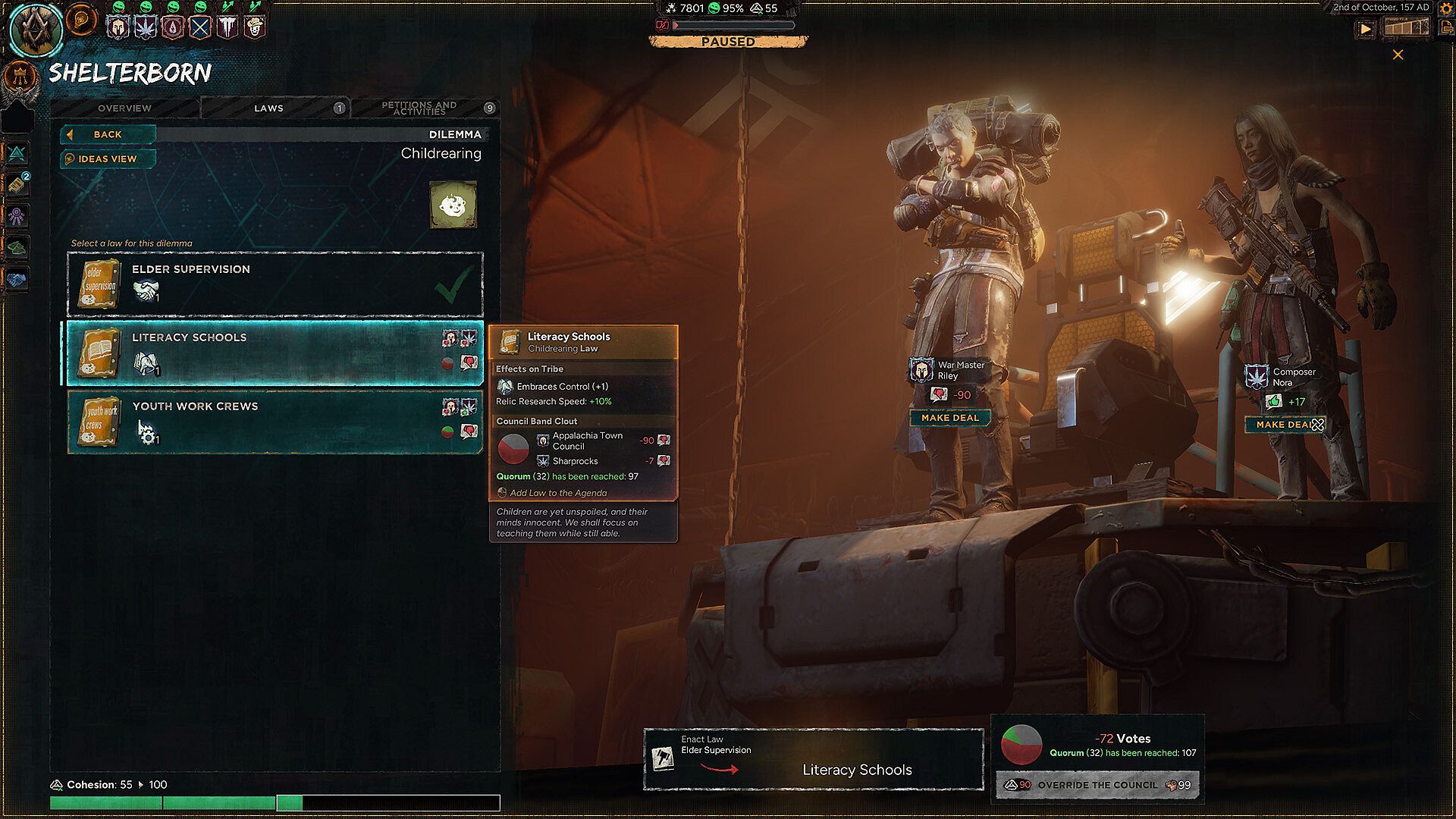
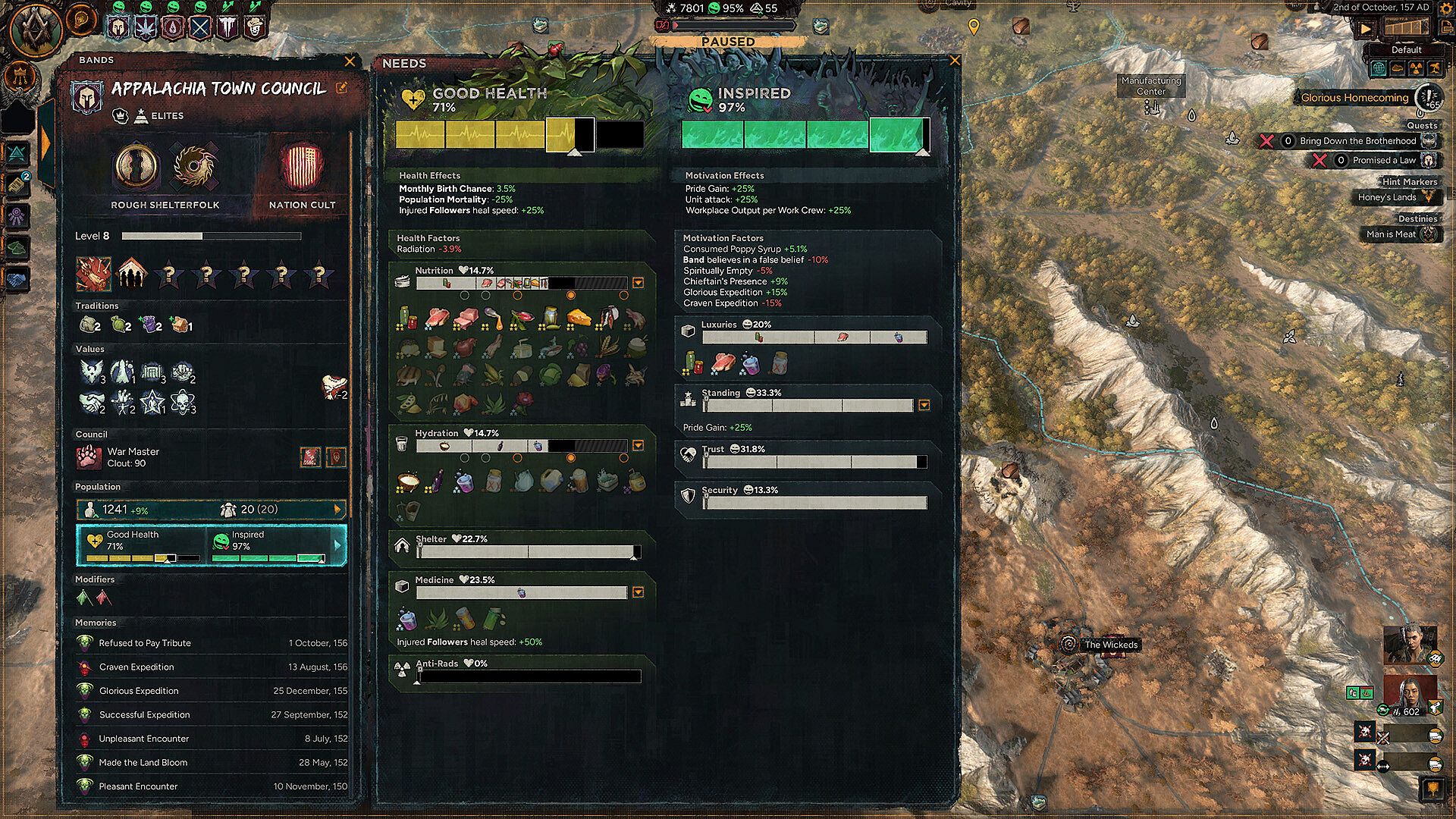
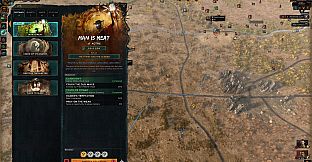
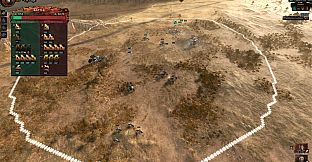
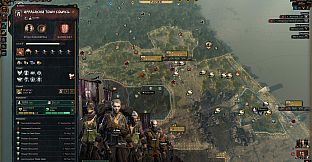
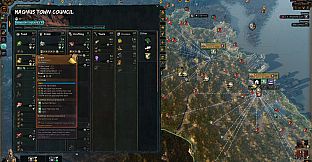
As the group grows, management expands to include supply convoys, territorial control, and decisions on laws that shape societal values. Resource shortages can trigger famines or migrations, while political choices influence stability across generations. Rival bands, raiders, cultists, and immortal Ancients present constant threats or opportunities for trade and conflict. The experience scales from intimate survival challenges to large-scale empire building, with moral dilemmas around resource allocation, treatment of the mutated or augmented, and the risks of powerful old-world remnants.
Game Modes
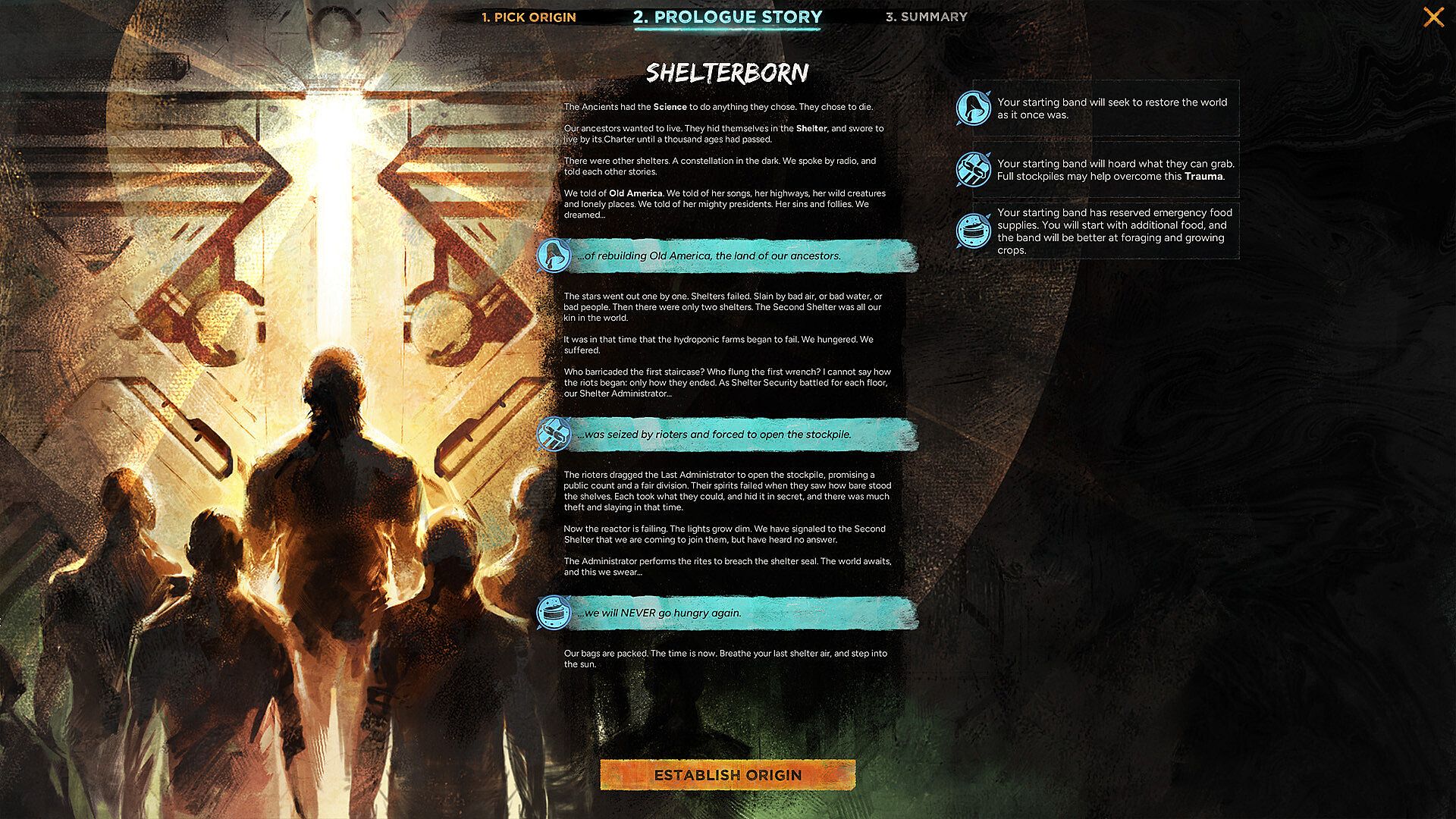
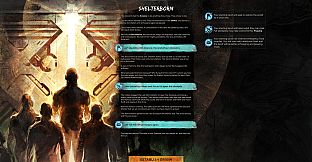
Afterworld centers on a singleplayer grand strategy experience that emphasizes personal empire building from humble origins. Players select from several starting backgrounds, such as shelterfolk leaving a failing bunker or zealots seeking their goddess, which influence initial resources and tendencies.
Multiplayer options include co-operative play for joint expansion and ruthless competitive modes where players vie for control of scarce territories. Both formats support the full range of diplomacy, warfare, and societal development found in the singleplayer campaign.
Key Mechanics and Features
Procedural elements ensure each run presents fresh strategic sandboxes. Players organize convoys to exploit discoveries, absorb or conquer neighboring groups, and relocate capitals when local resources dwindle. The presence of Ancients adds layers of confrontation with entities holding advanced technology and their own visions for the future.
Decisions carry long-term weight. Introducing new laws or religions can unify or divide followers, while failing to manage crises risks national fracture. Exploration remains central even late in a campaign, as hidden remnants of the old world can shift the balance of power dramatically.
Is It Worth Playing?
Afterworld targets fans of grand strategy who enjoy layered systems and emergent stories. Its blend of survival pressures with Paradox-style empire management offers a distinct entry point compared to historical titles, starting accessible through small-scale decisions before revealing greater complexity.
The game remains in development with a release date to be announced. Early materials highlight its focus on adaptation and discovery, appealing to those who value replayability through procedural maps and player-driven societal evolution. Players seeking deep political and logistical challenges in a fresh setting will find the announced scope promising, particularly if they appreciate titles that reward careful planning alongside adaptability to unexpected events.