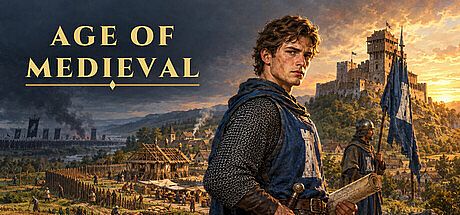


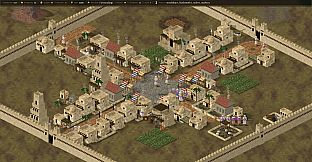
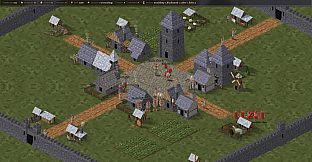
Age of Medieval is a single-player medieval strategy game for PC in which players found and develop a village from a handful of families and basic supplies, then manage its growth through construction, trade, and defense across a living map of rival Houses.
Gameplay
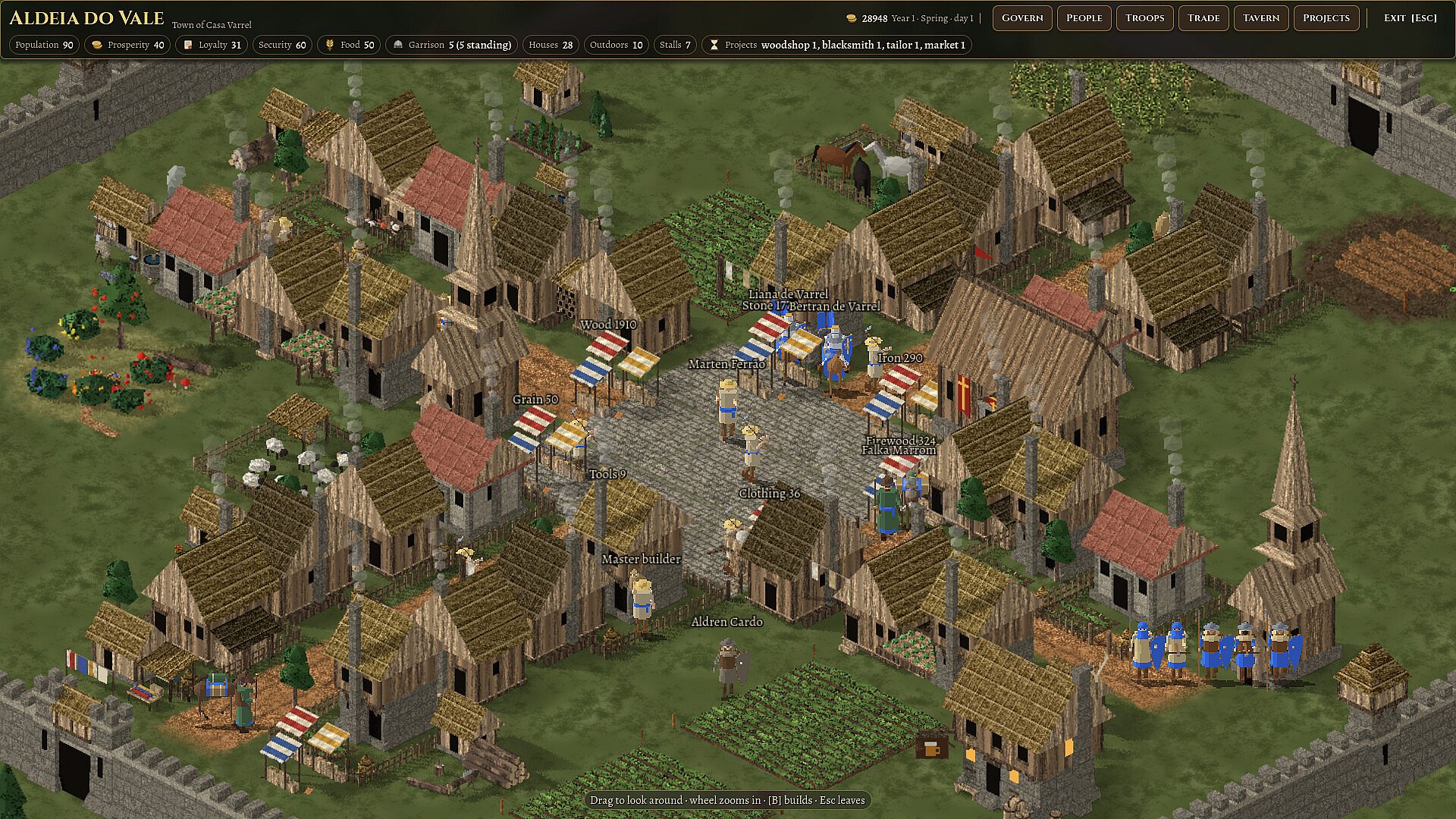
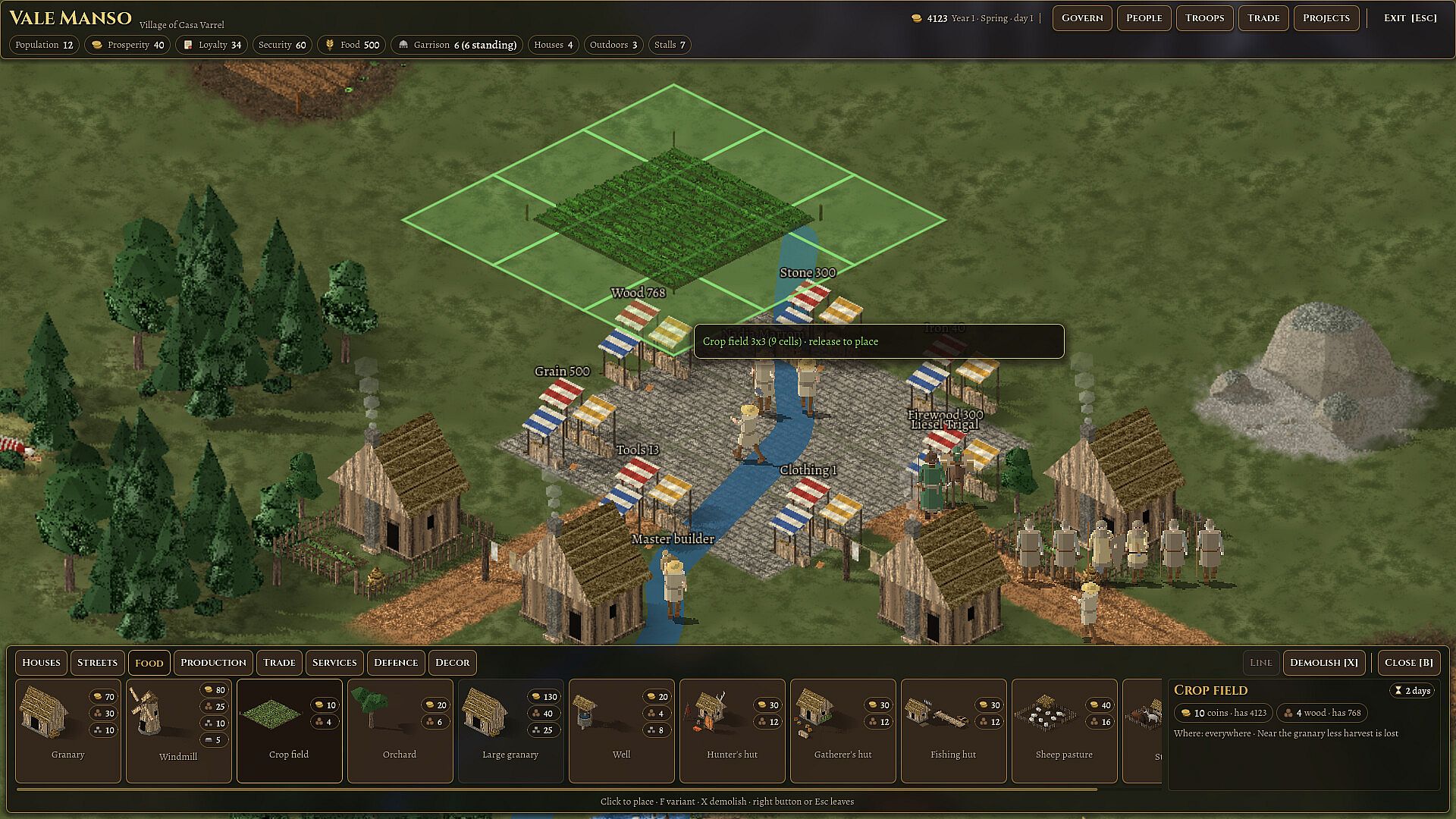
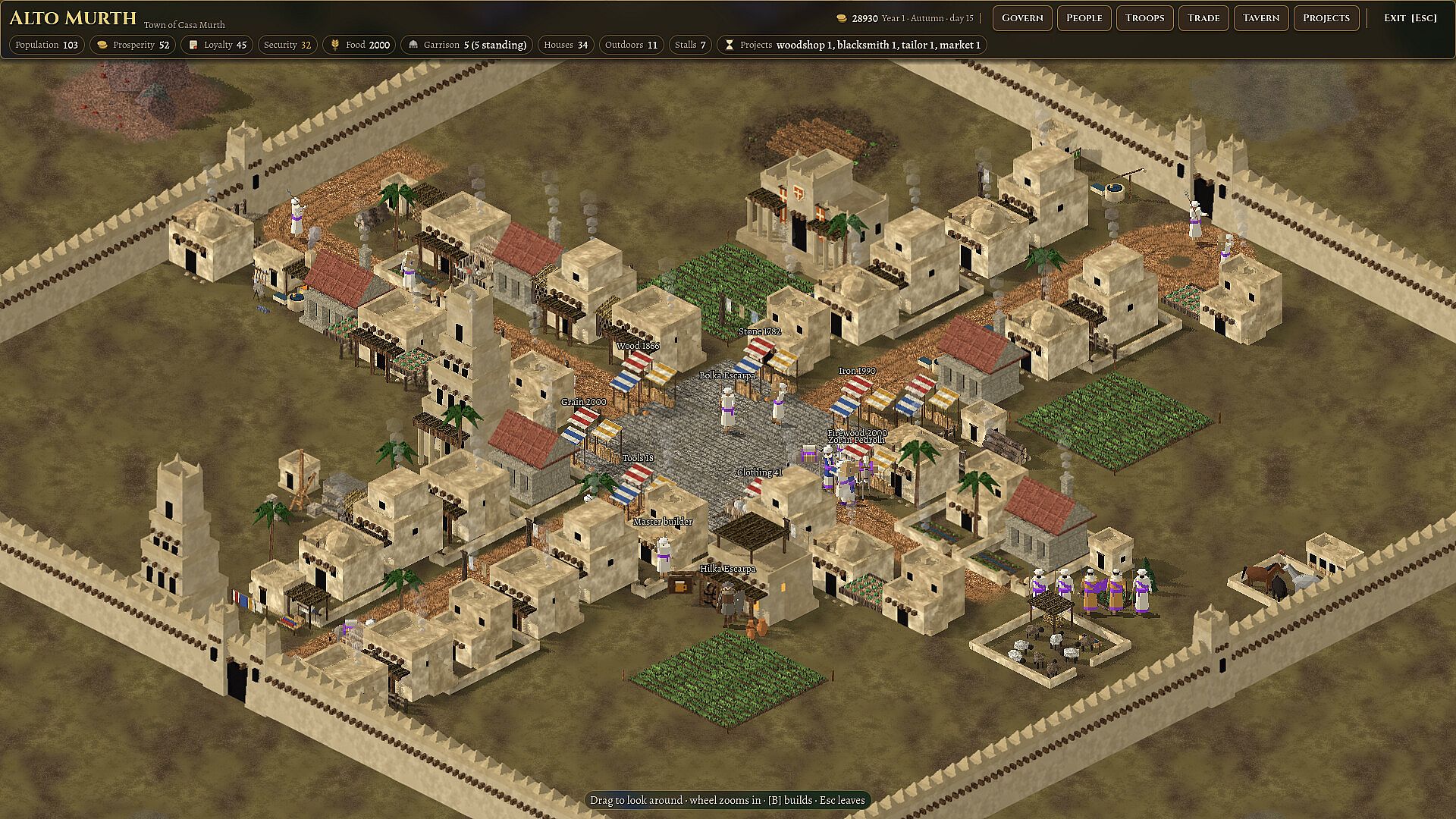
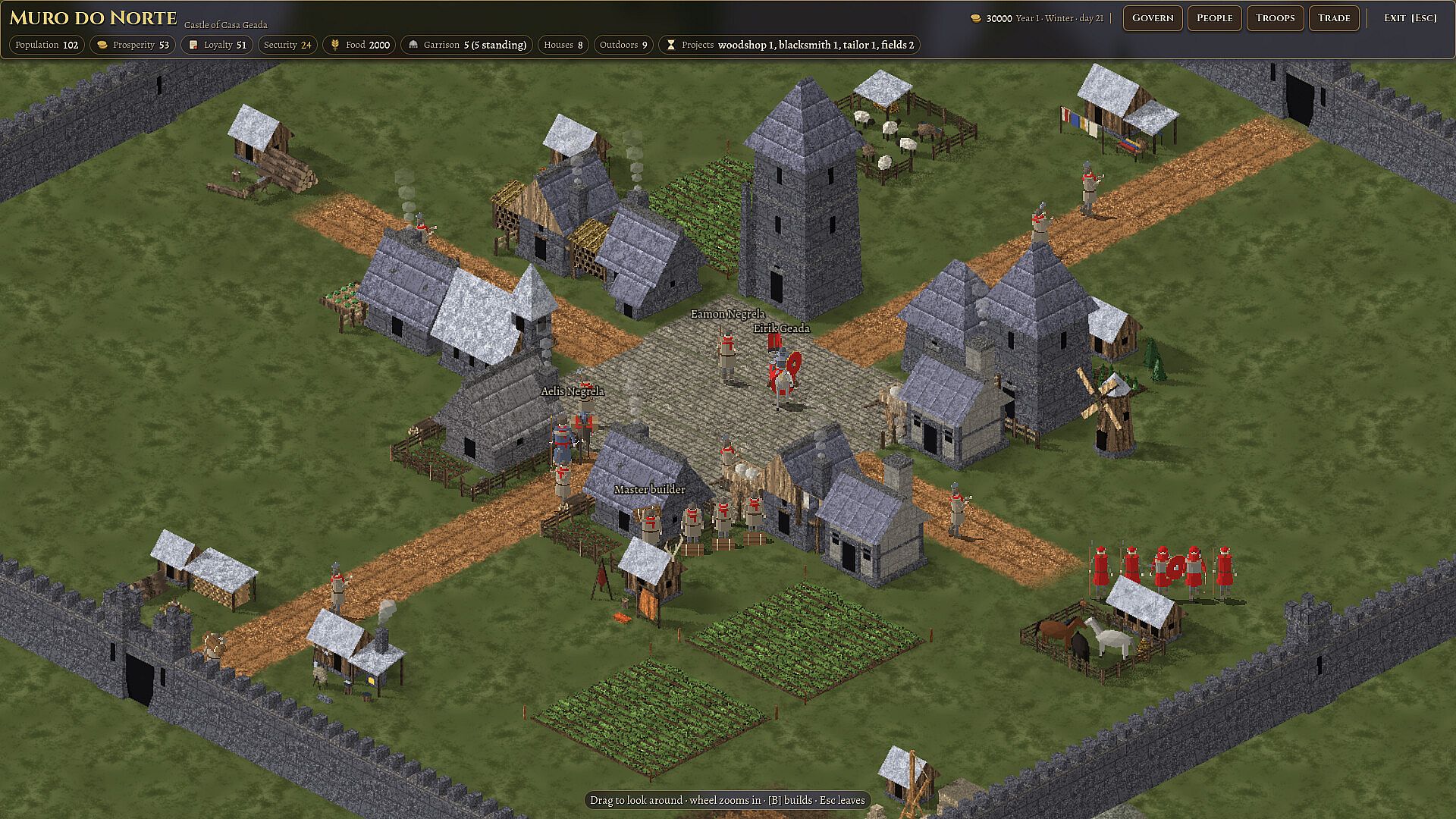
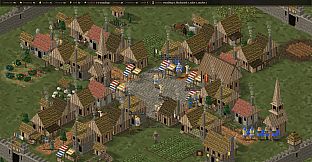
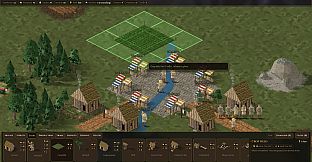
The core loop centers on choosing a settlement site on an open map and expanding it building by building. Players begin with a hero, four families, and a wagon carrying timber, stone, food, and tools. Placement of every structure matters, from rotating barns to align doors with roads to positioning fields, workshops, and defenses according to terrain features such as forests, rivers, or stone deposits. Three distinct peoples shape the village aesthetic and capabilities: the Valan favor timber construction, the Corvus use dark stone, and the Murth build with adobe, each influencing how structures appear, how residents dress, and how units fight.
Five possible origins for the starting hero provide different starting skills, gold, and followers, while three difficulty settings adjust the initial wagon contents and family composition. Buildings fall into eight categories covering houses, streets, food production, workshops, trade facilities, services, defenses, and decoration. The village advances through seven ranks from hamlet to walled town with a market. Residents consume eleven goods including grain, cattle, salt, firewood, cloth, tools, and arms, and shortages lead to lost loyalty, population decline, or outright revolt. Armies suffer similar consequences, with deserters potentially turning into bandits.
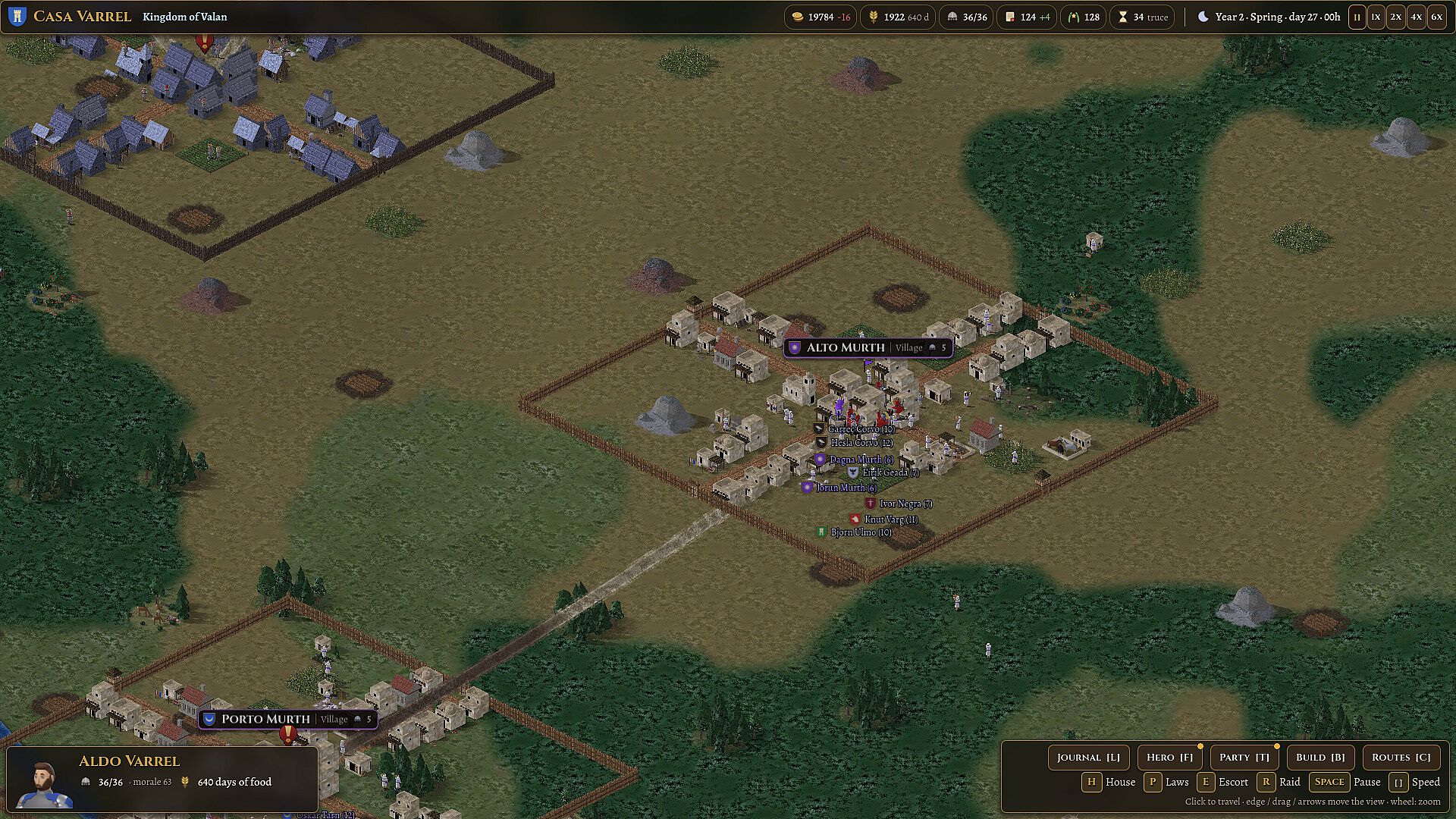
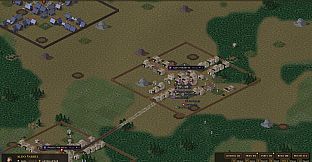
Trade requires roads connecting to neighboring settlements. Players extend routes stretch by stretch and establish circuits with two to five stops where merchants buy low and sell high based on local demand. Tariffs range from 7 percent down to 2 percent under trade deals, while embargoes can sever all commerce between Houses without triggering war. Relations between Houses shift through diplomacy involving gold, fiefs, prisoners, and peace treaties, and court votes allow proposals for war, peace, or new laws that each House supports according to its interests.
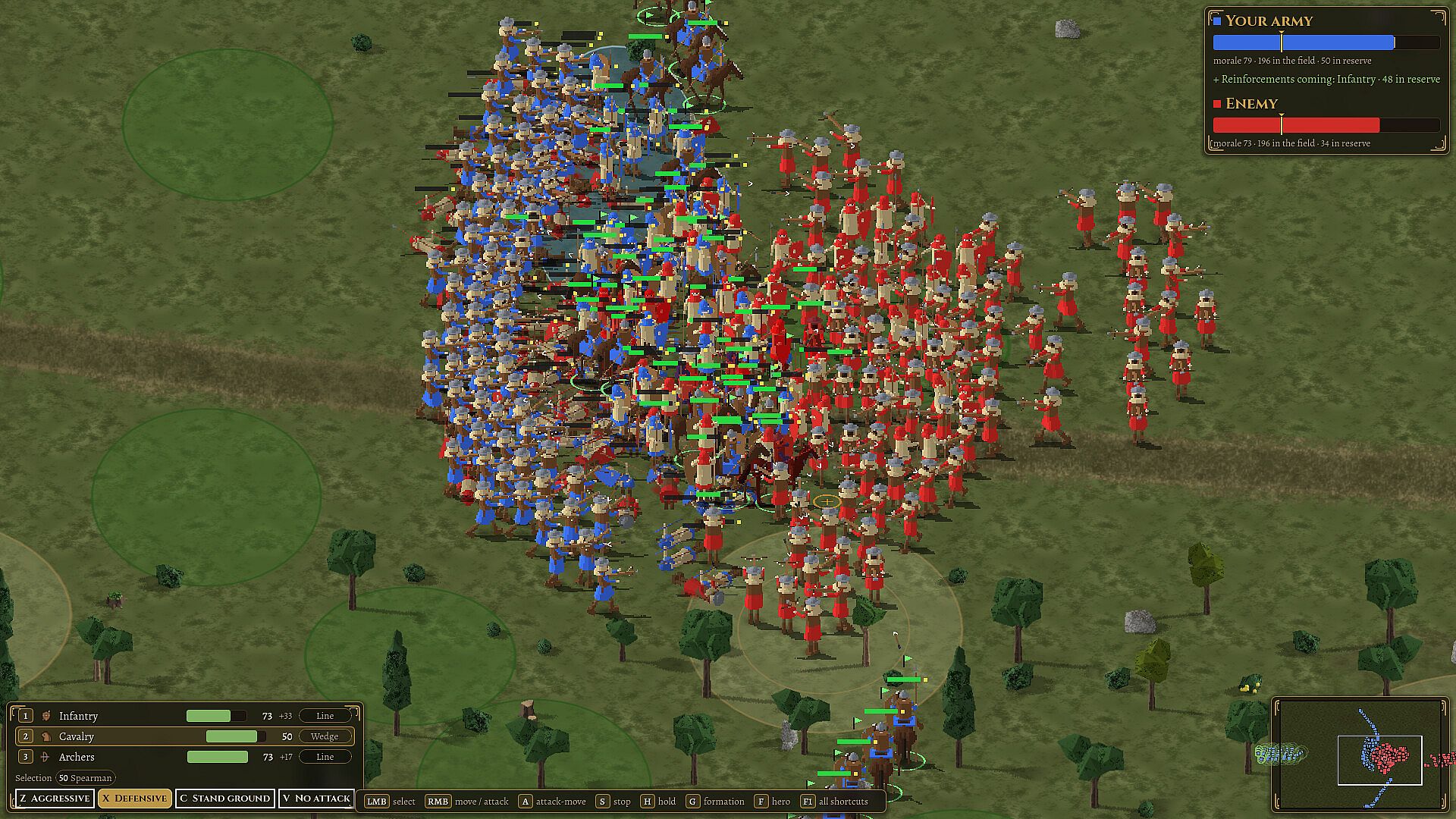
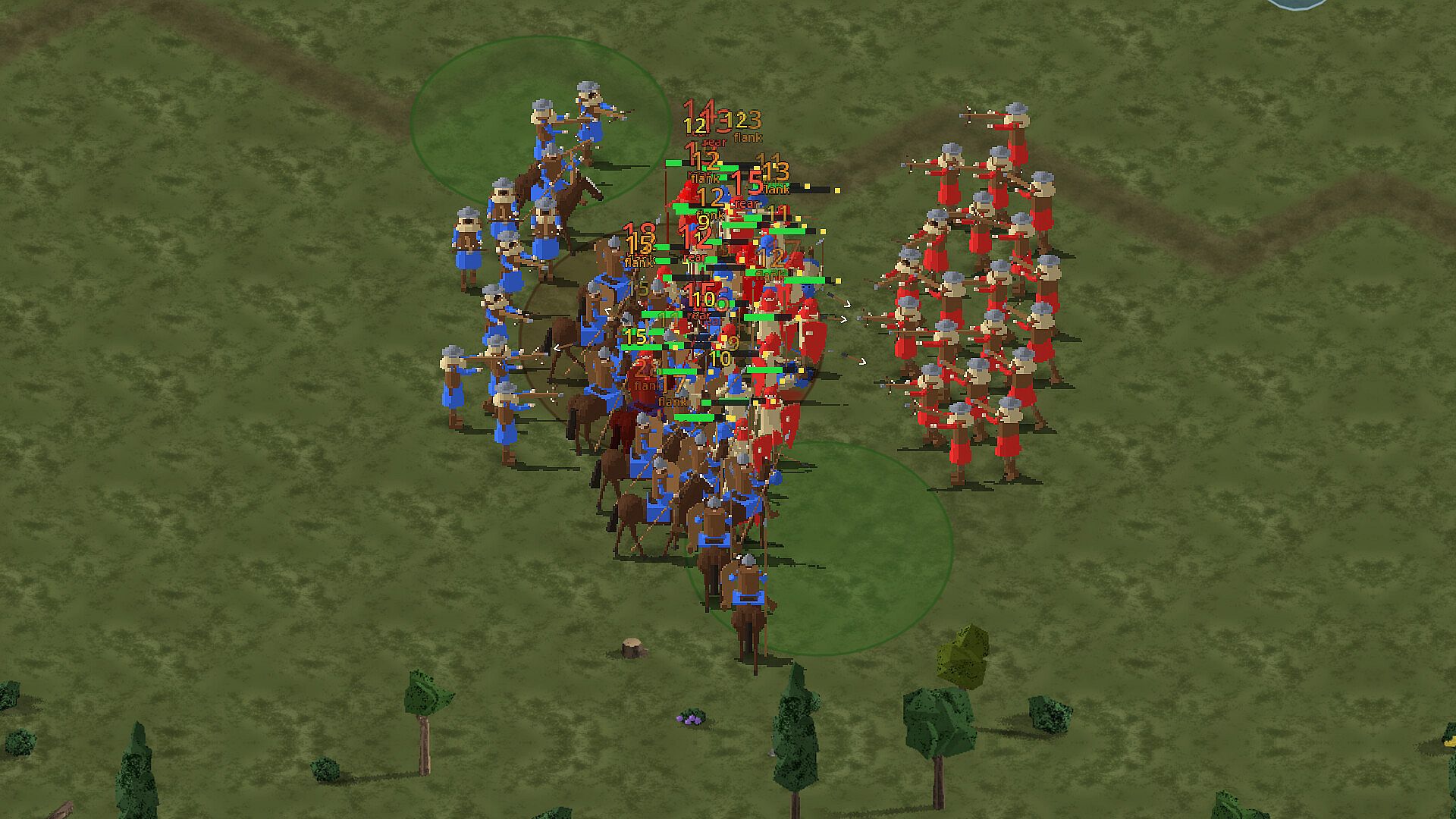
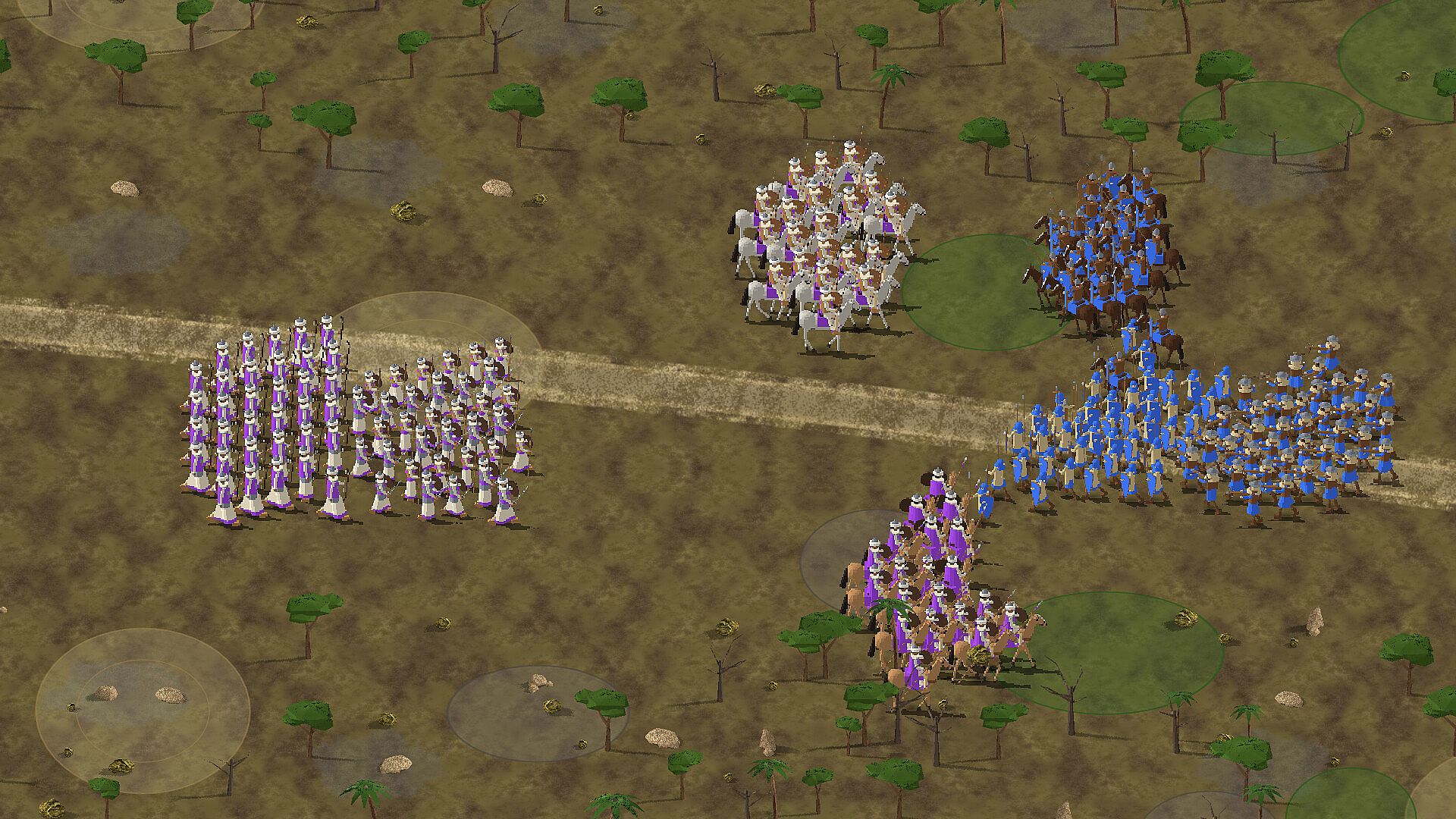
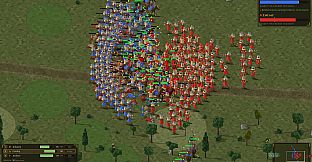
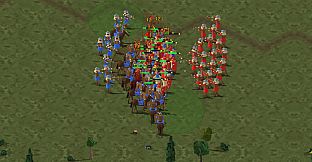
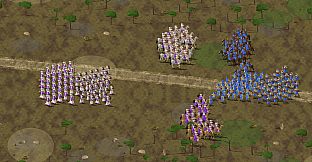
Combat occurs in real time with regiments of warriors, spearmen, archers, horse archers, and knights that can switch between line, wedge, and circle formations. Flank and rear attacks deal increased damage, braced spearmen counter cavalry effectively, and a circle formation repels mounted charges. The lord participates personally, and his death affects army morale. Loot from fallen enemies can be equipped, sold, or refined. Players can also craft weapons part by part at a smithy using thirty components across ten types and four quality tiers, naming finished items and improving quality through skill or refinement.
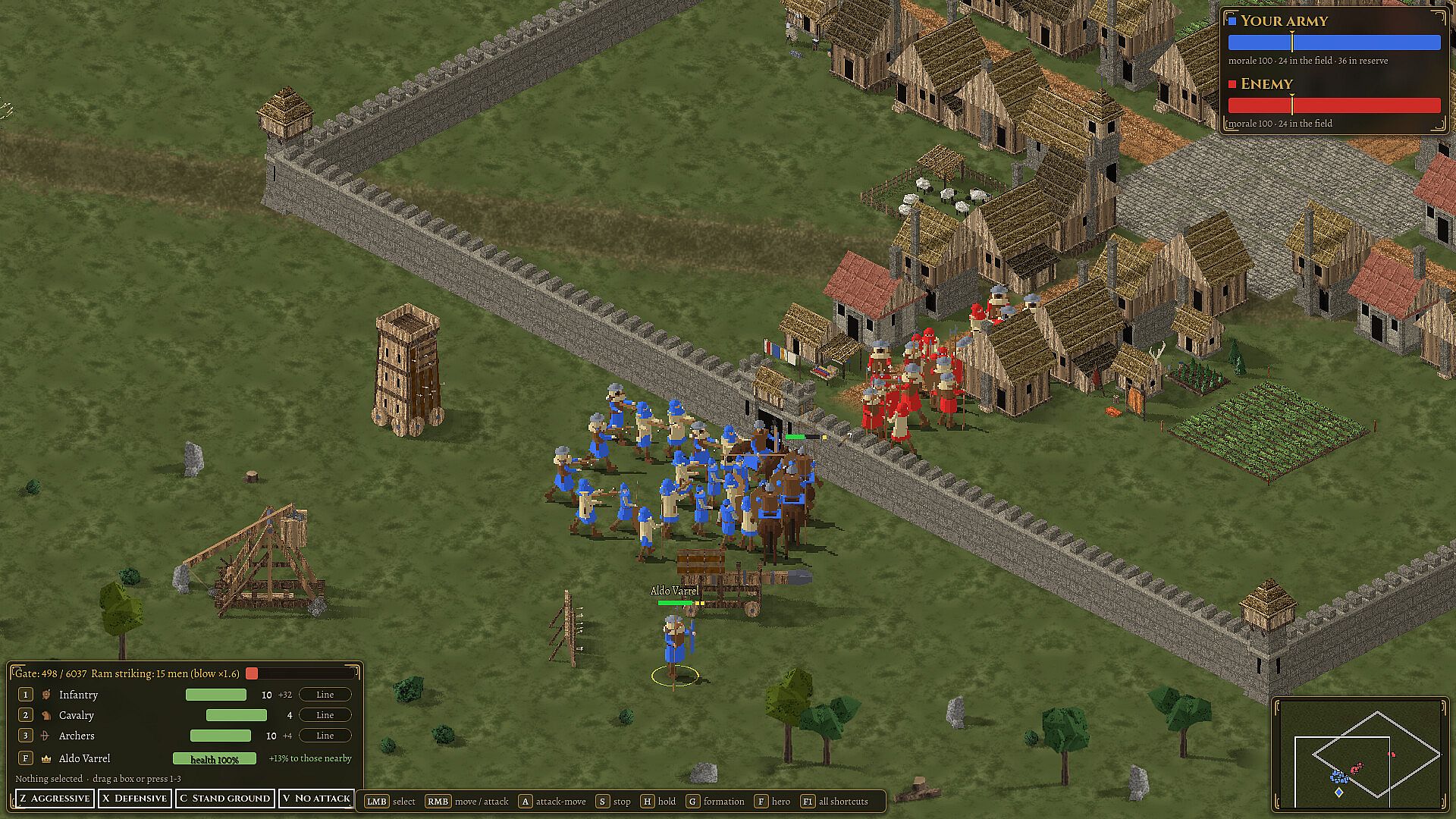
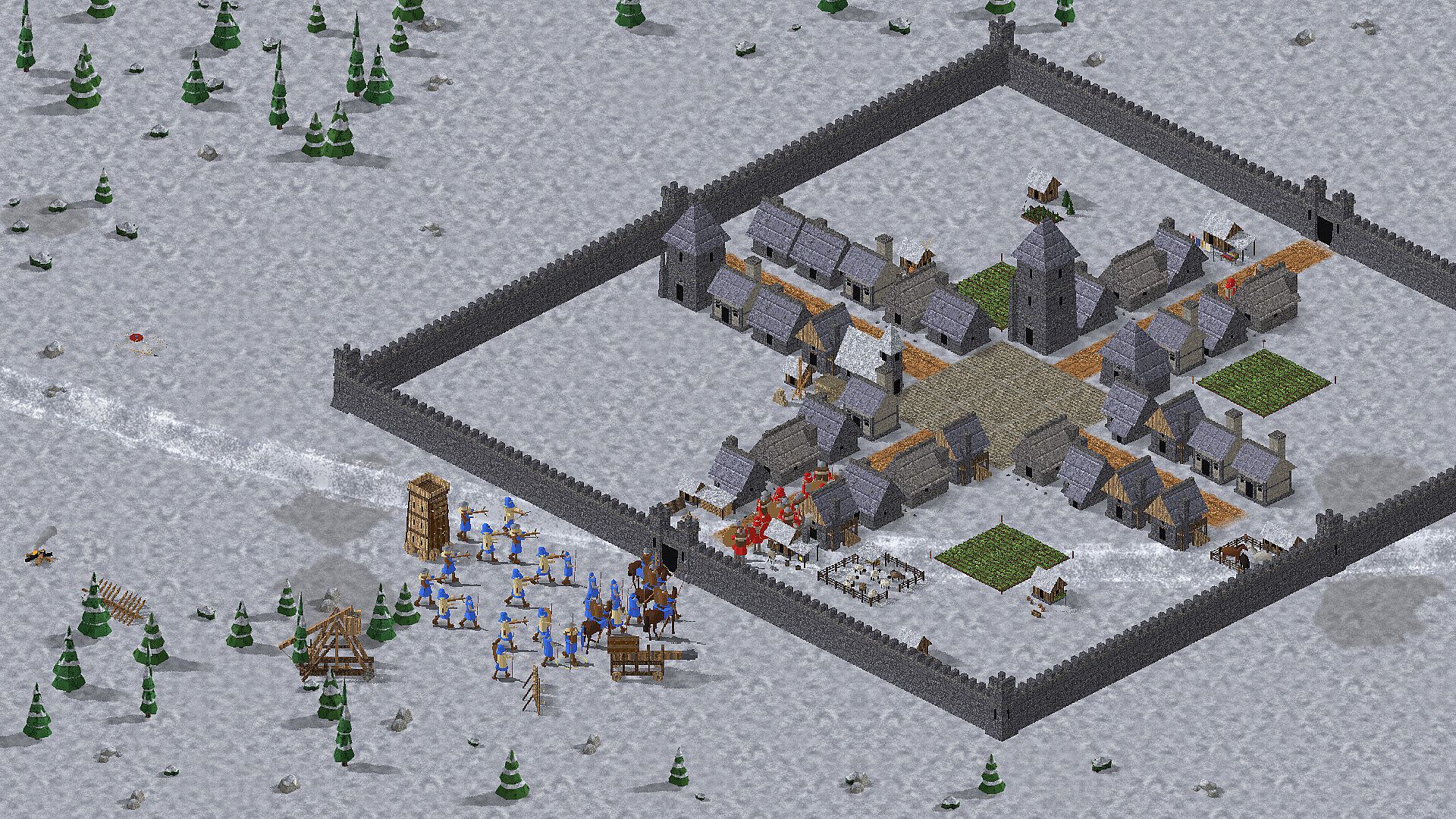
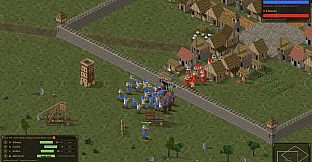
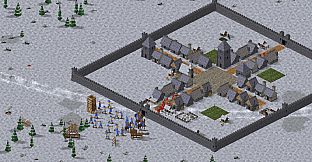
Sieges take place inside the actual village layout. Attackers deploy rams, mantlets, trebuchets, siege towers, and stakes against gates and walls the player or AI previously built, while defenders respond from towers and streets. Prolonged blockades can force surrender without an assault. The game tracks inheritance across generations, with the eldest adult child succeeding the lord, followed by spouse or other relatives, allowing campaigns to span multiple lifetimes and dynastic conflicts.
Game Modes
Age of Medieval offers a single-player campaign experience focused on one continuous playthrough. There are no separate multiplayer modes or additional game modes confirmed at this stage. The campaign integrates village management, trade route development, diplomatic negotiations, and real-time battles on the same persistent map, with the world continuing to evolve when the player is away. Save and load functions support the campaign at any point, including automatic saves before battles.
Building, Trade, and Combat Integration
Every decision ties the three pillars together. A well-placed road network enables profitable caravan circuits that bring in goods and gold, which in turn fund larger armies and better defenses. Poor planning in one area quickly affects the others: a village short on food loses workers needed for workshops or fortifications, while an undefended trade route invites raids that weaken the economy. The three starting peoples and hero origins add variety to how these systems play out across different campaigns, and the inheritance mechanic ensures that later generations inherit both advantages and ongoing conflicts from prior play.
Is It Worth Playing?
Age of Medieval targets players who enjoy detailed single-player strategy games that combine city building with real-time tactical combat and ongoing world simulation. Its emphasis on precise placement, living trade economies, formation-based battles, and generational progression sets it apart for those seeking depth in medieval management without multiplayer elements. The game remains in active development by a single-person studio with regular public updates showing systems in their current state. It carries a confirmed release date of May 17, 2027, at a price of $17.99. For fans of intricate settlement growth, dynamic diplomacy, and personal lord involvement in fights, the title aligns closely with those interests once it launches. Those preferring immediate multiplayer options or fully released titles may want to monitor further progress before committing.