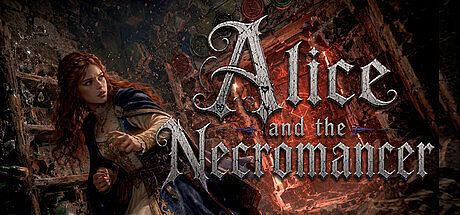


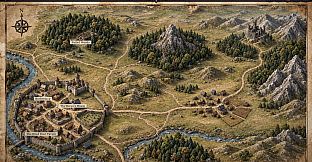
Alice and the Necromancer stands as an indie RPG delivered through first-person point-and-click adventure mechanics on PC. The story follows Alice, daughter of the local baron, as she enters the long-forbidden Veiled Woods and discovers a ruined house containing a sealed door. Behind it waits a voice claiming to be a former mage ready to teach magic, with the first lesson offered without cost. This setup launches a narrative focused on exploration, dialogue, object collection, and decisions that shape Alice's path toward corruption and multiple possible conclusions.
Gameplay
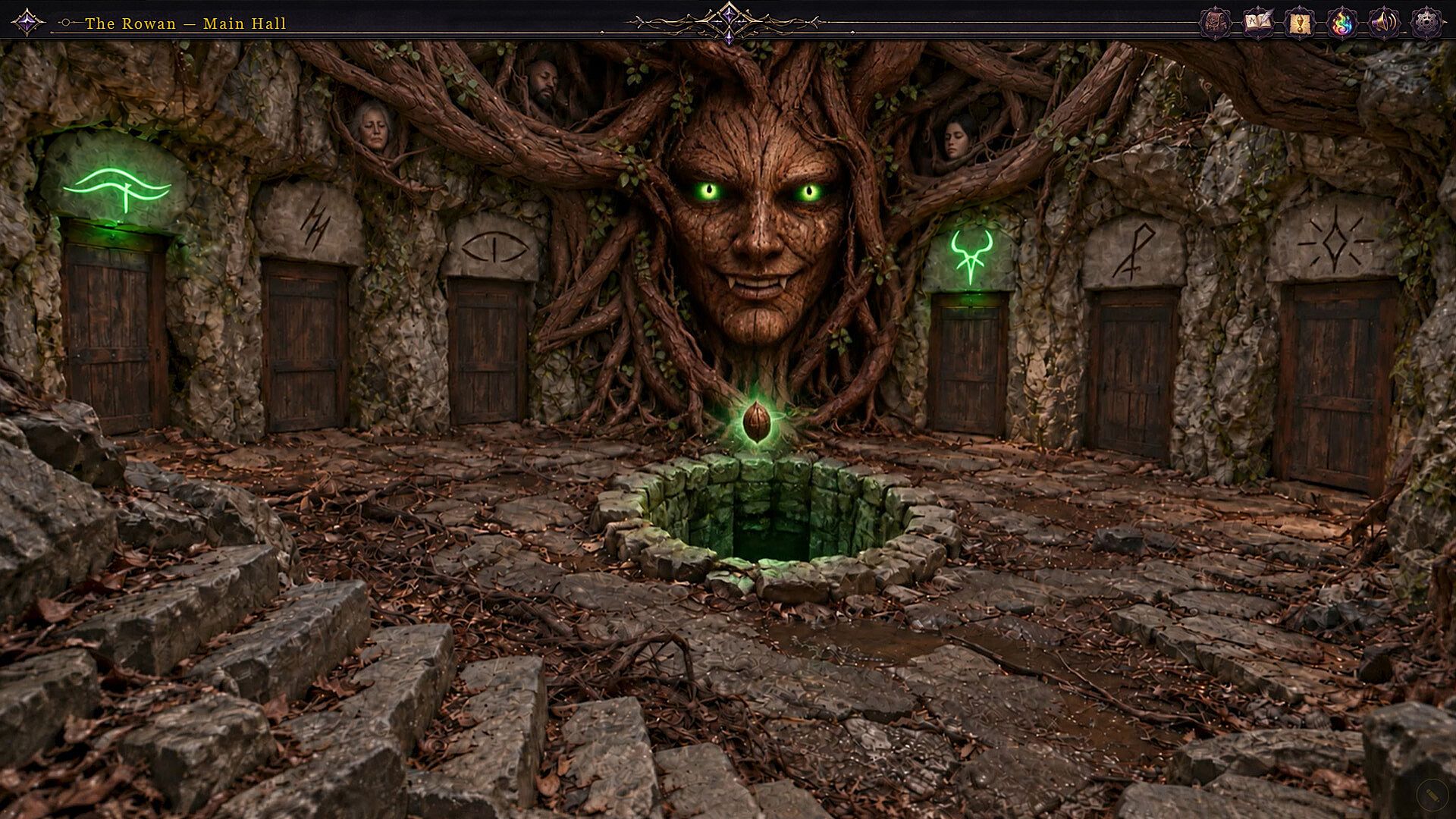
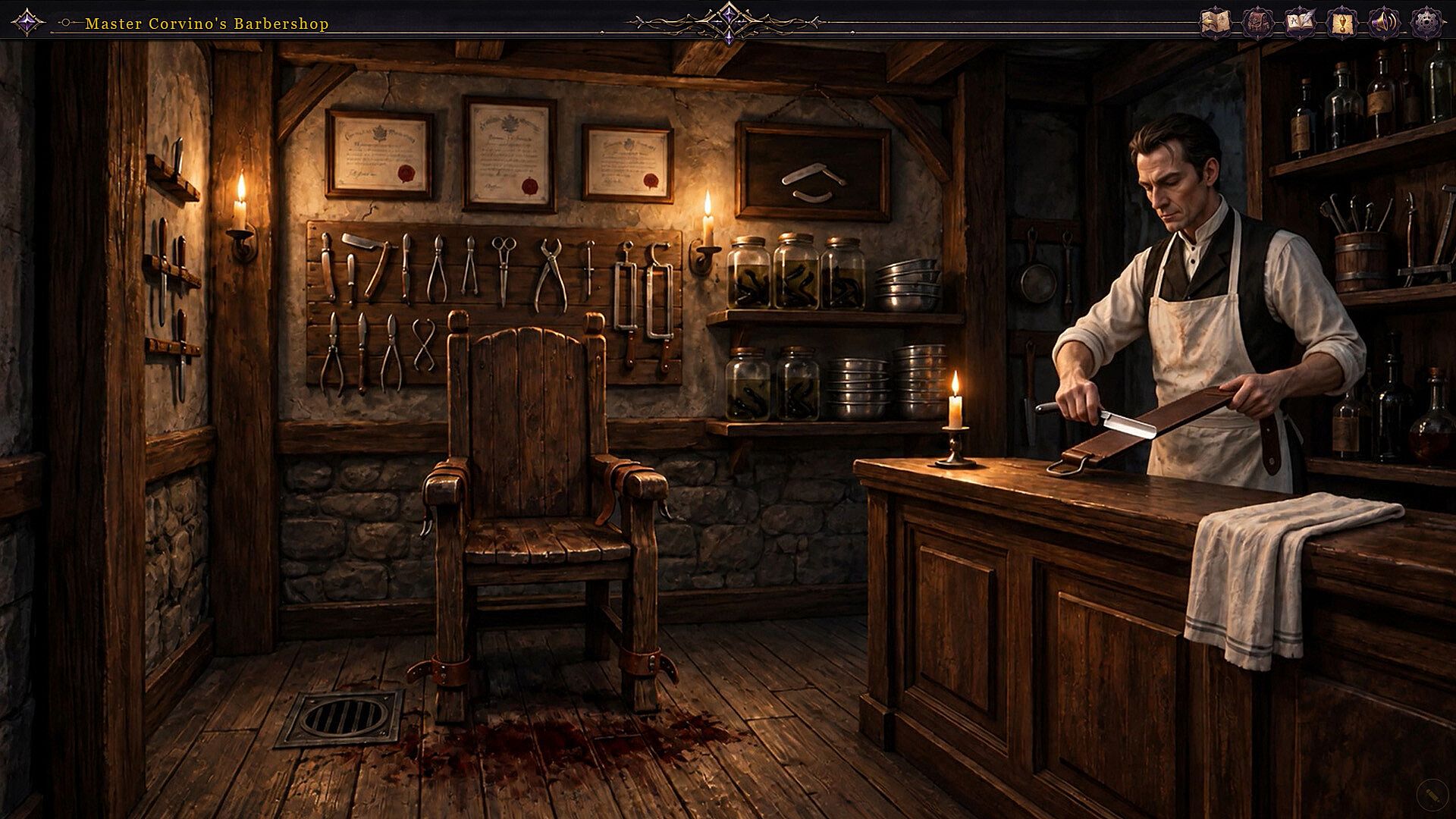
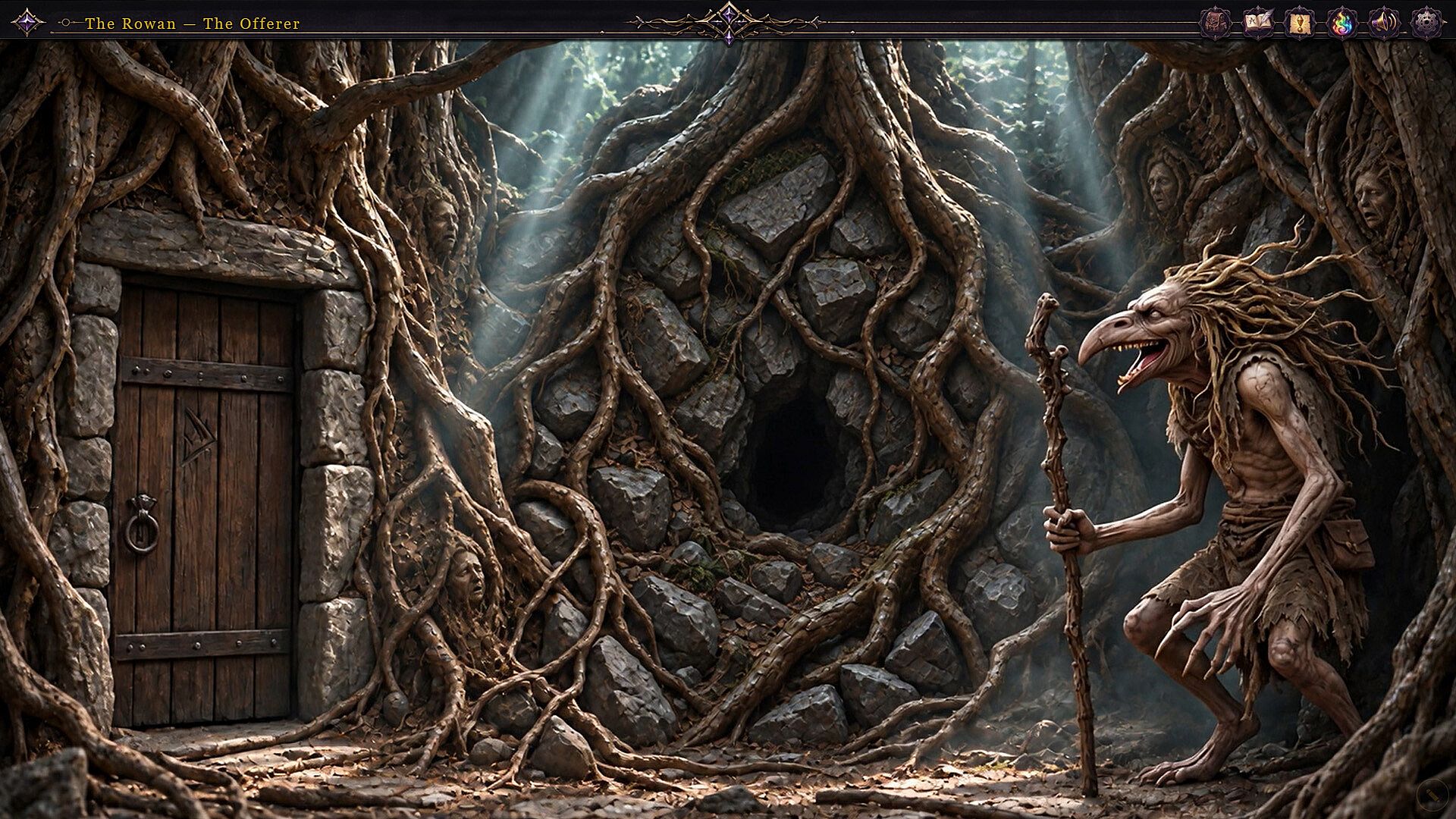
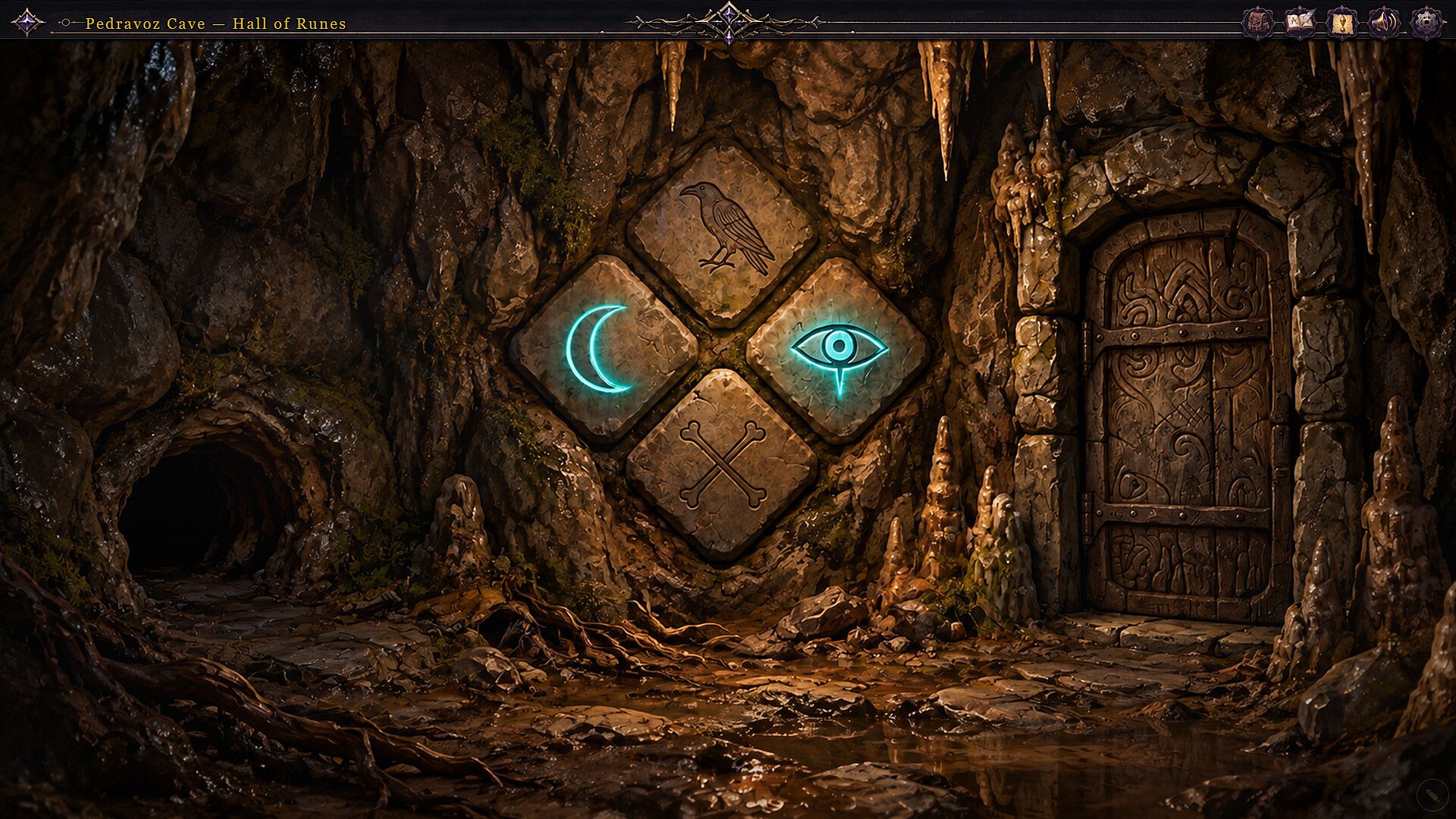
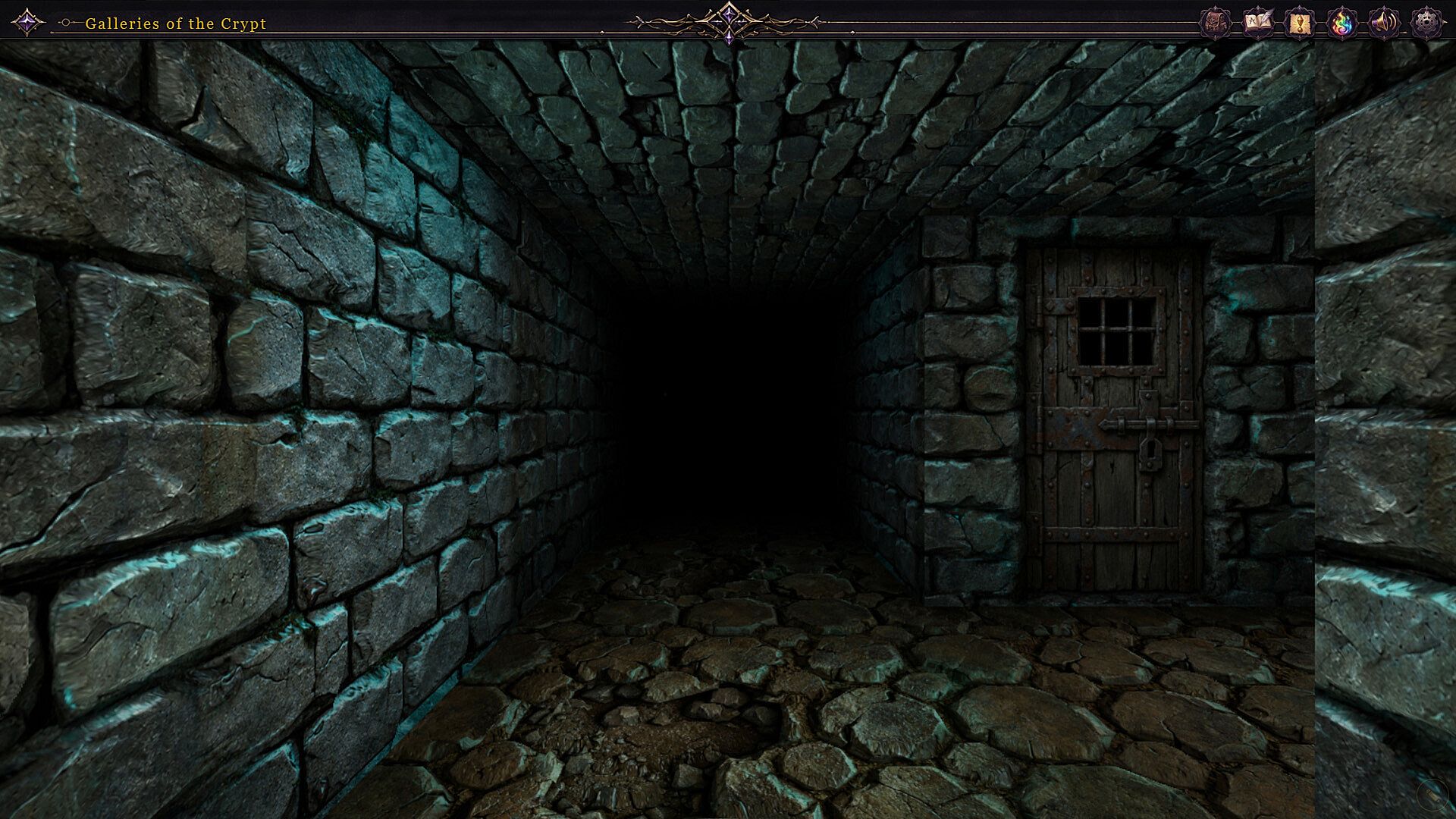
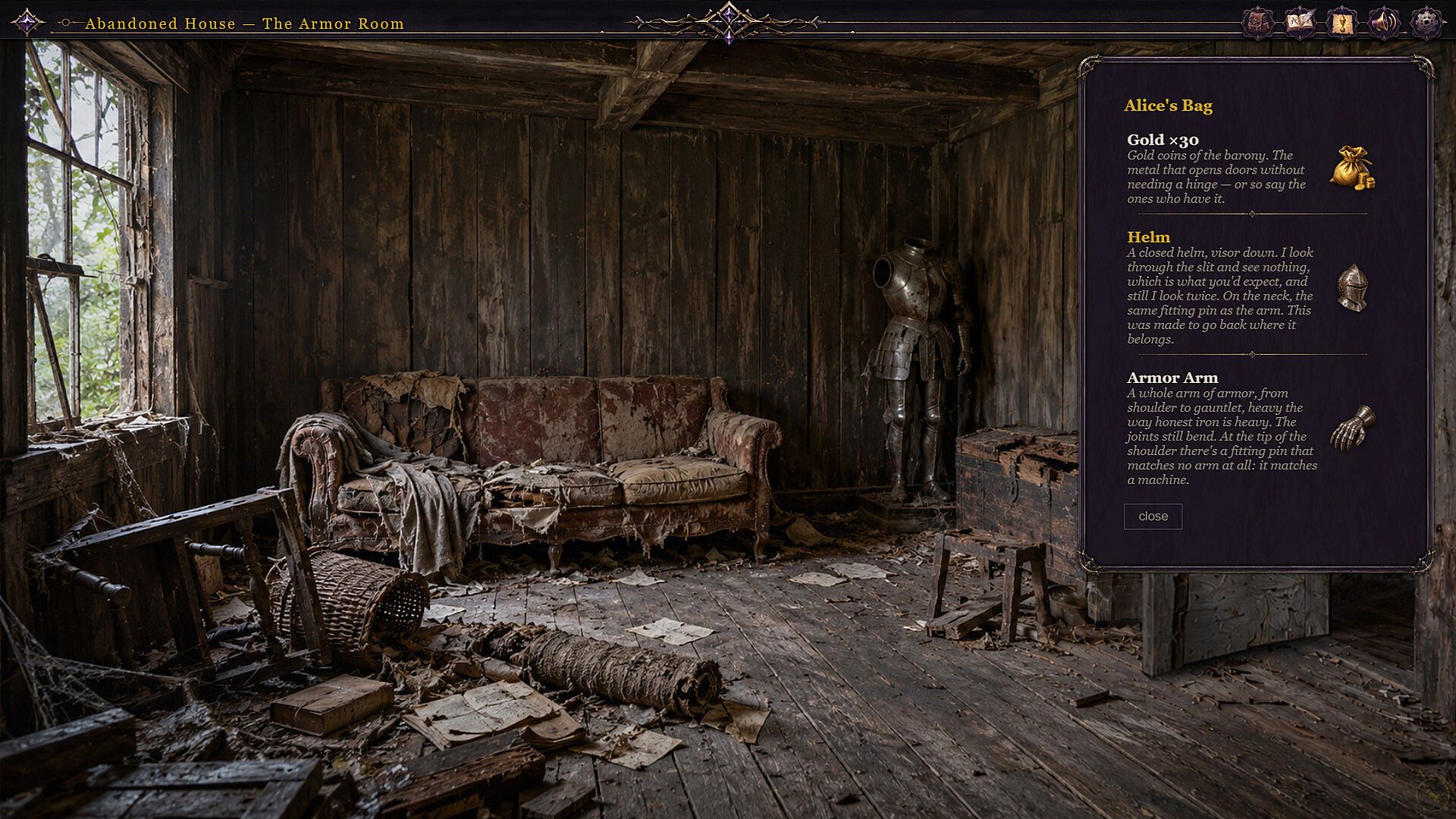
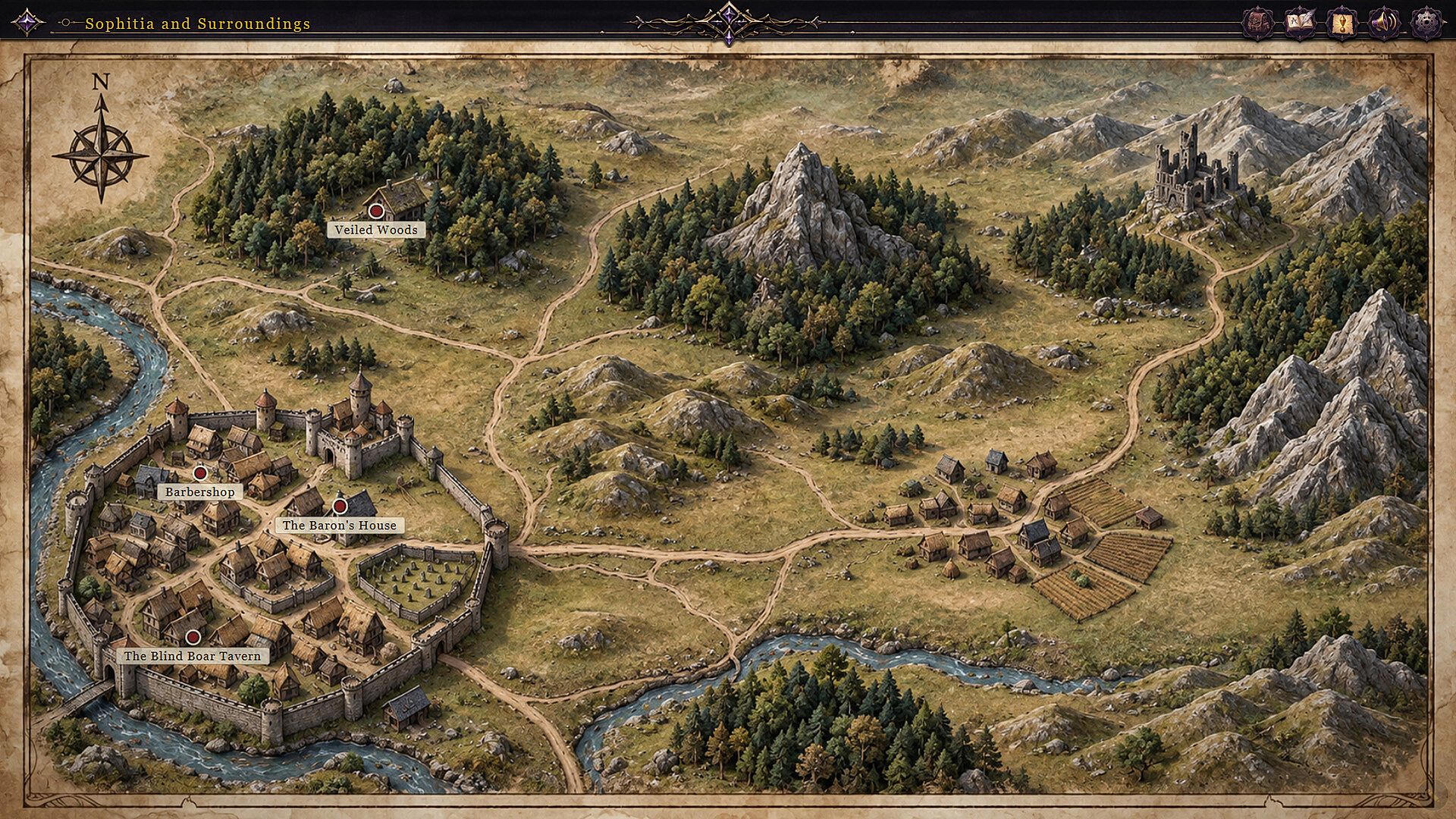
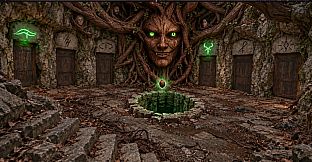
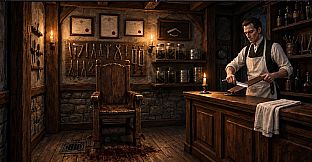
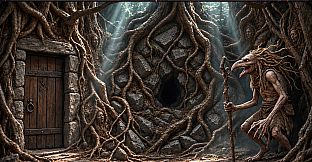
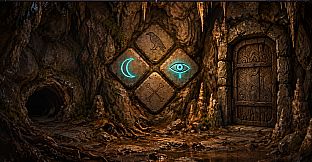
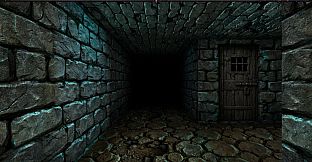
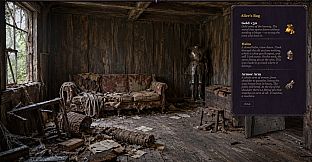
Players navigate Sophitia and its surroundings in first person, moving from familiar spots like the tavern and graveyard to hidden areas beneath the roots of a great tree. Interaction centers on gathering objects, learning spells, and examining environmental details that often contain puzzle solutions. Clues appear in plain sight or require careful observation of the scenery itself rather than separate menus or inventories alone.
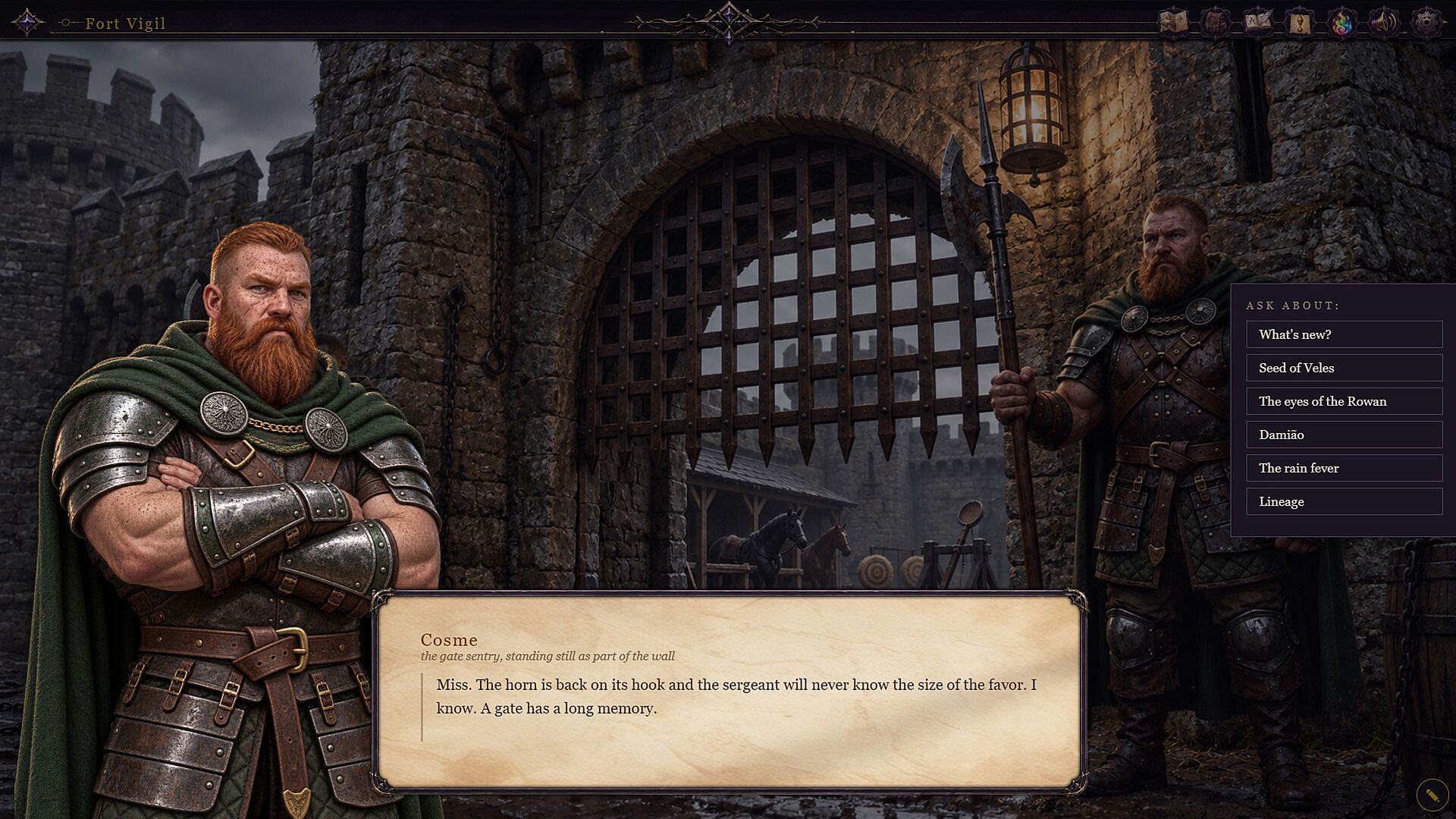
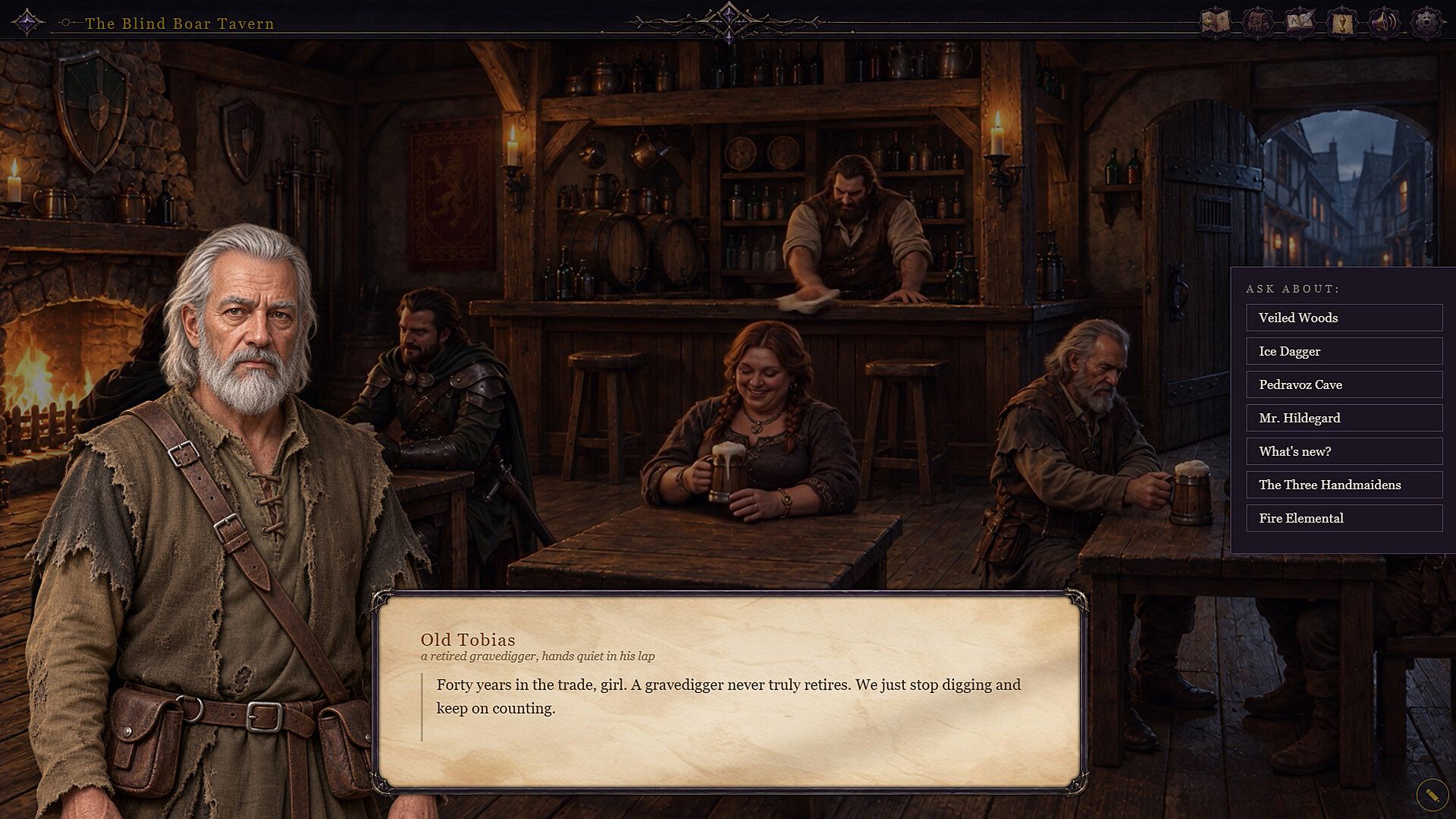
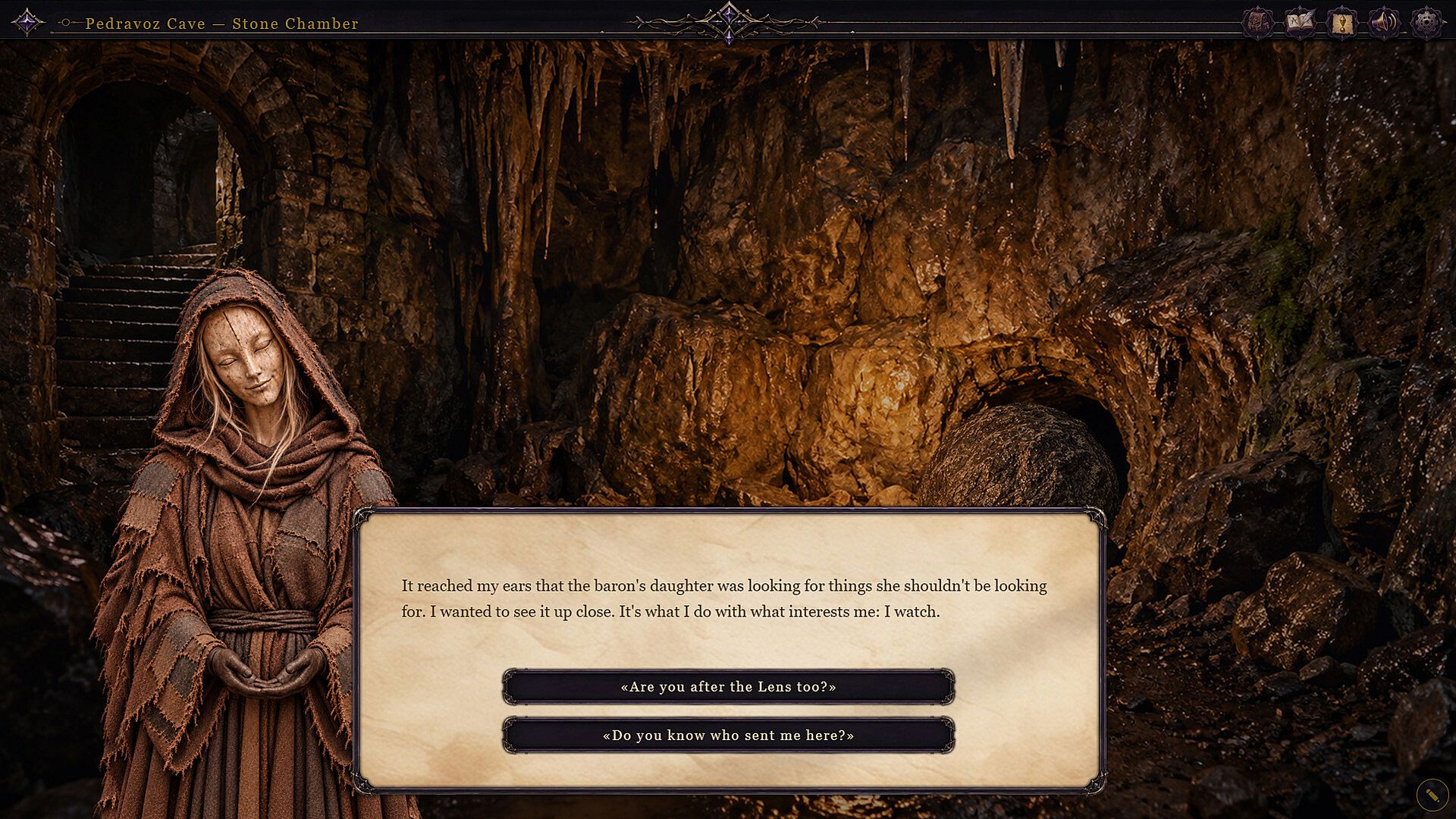
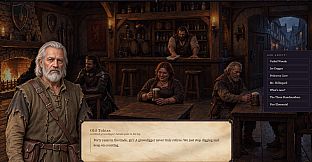
Dialogue plays a central role. Conversations with dozens of townsfolk yield specific words that unlock further questions or responses from others. A passing remark from one character can become the exact key needed to advance with another, turning social exchanges into practical tools for progress. This system rewards attentive listening and repeated visits as relationships and information evolve.
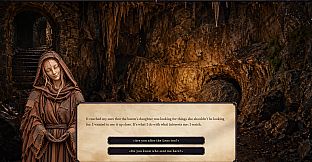
Choices carry direct consequences. Players decide whether to pay or steal, respond with kindness or cynicism, and accept or reject offered lessons. As Alice grows more corrupted, the surrounding world shifts in response, altering available paths and leading toward distinct endings. These mechanics integrate moral weight into everyday actions without requiring combat as the primary focus.
Game Modes
The experience remains strictly single-player with no multiplayer components. Progression unfolds through a single core campaign that branches according to player decisions on dialogue, resource management, and acceptance of magical instruction. Different choices produce varied routes through the village and its secrets, culminating in multiple endings that reflect the degree of Alice's corruption and the alliances or conflicts she forms along the way.
Exploration and puzzle-solving form the consistent backbone across all playthroughs. The game encourages thorough investigation of each location rather than speed or repetition, with word collection and spell learning serving as persistent systems that expand options over time. No separate difficulty settings or alternate modes appear in the available details, keeping emphasis on narrative flow and consequence-driven storytelling.
Story and Setting
The world of Sophitia draws from dark medieval fantasy traditions, where ancient prohibitions and forgotten histories shape daily life. The Veiled Woods represent a boundary few cross, and Alice's decision to enter sets events in motion that reveal layers of the village's past. Dialogue and environmental storytelling convey the atmosphere without relying on lengthy cutscenes.
Corruption serves as a central theme. Alice's growing involvement with magic changes how others perceive and interact with her, opening new opportunities while closing others. This gradual transformation influences both immediate choices and long-term outcomes, creating a sense of personal consequence that ties directly to the game's structure of branching paths.
Development and Presentation
The project originated from years of tabletop RPG sessions before transitioning to digital form. All script, dialogue, riddles, and puzzles were crafted by hand, while background images, character portraits, and certain video sequences received AI generation under direct author guidance followed by manual retouching. Production has proceeded scene by scene over several years, allowing each element the attention required for cohesion.
The game supports multiple languages, with the original text written in Brazilian Portuguese before translation. System requirements remain modest, targeting a broad range of PCs with emphasis on mouse-driven interaction suited to the point-and-click style.
Is It Worth Playing?
Alice and the Necromancer targets players who enjoy narrative-driven first-person adventures built around exploration, conversation, and meaningful choices. Its focus on environmental puzzles, word-based dialogue systems, and corruption mechanics that alter the world offers a deliberate pace suited to those who value discovery over action sequences. The upcoming release in Q2 2027 means no player reviews or completed playthrough data exist yet, so interest rests on the described systems and the developer's emphasis on hand-crafted content with AI-assisted visuals.
Fans of point-and-click titles that integrate story consequences into everyday decisions will find the core loop appealing. Those seeking fast-paced combat or large-scale multiplayer features should look elsewhere, as the game prioritizes intimate village-scale interactions and personal moral progression. Availability on PC with family sharing support adds accessibility once launched.