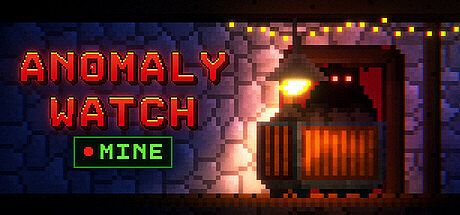


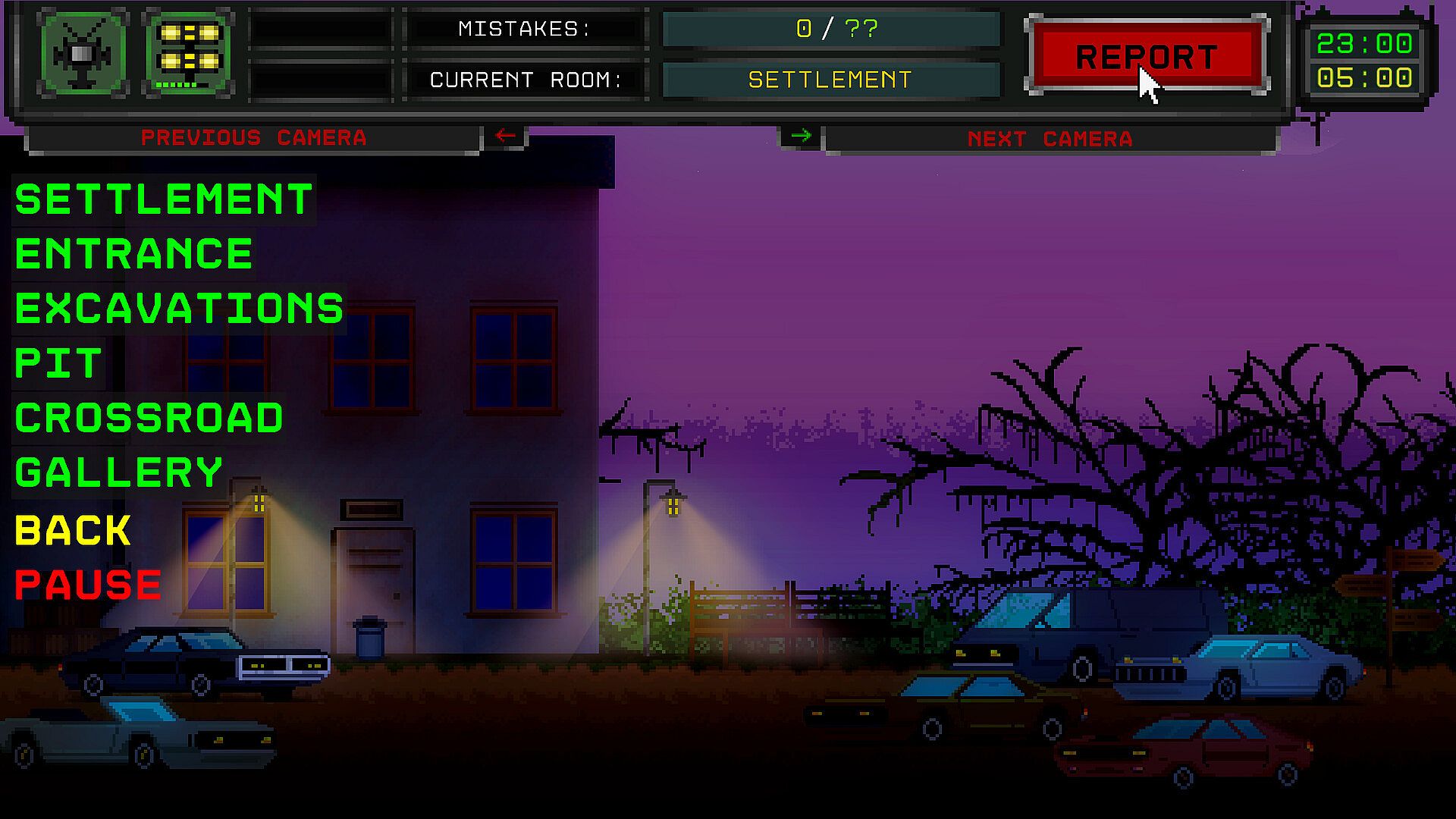
Anomaly Watch: Mine is a single-player indie simulation game centered on overnight security monitoring in an abandoned mine setting. Players take on the role of a night-shift operator from 10 PM to 5 AM, switching between six security cameras that cover surface structures and underground tunnels. The core loop involves spotting subtle changes in the environment and reporting them before anomalies accumulate to a dangerous level.
Gameplay
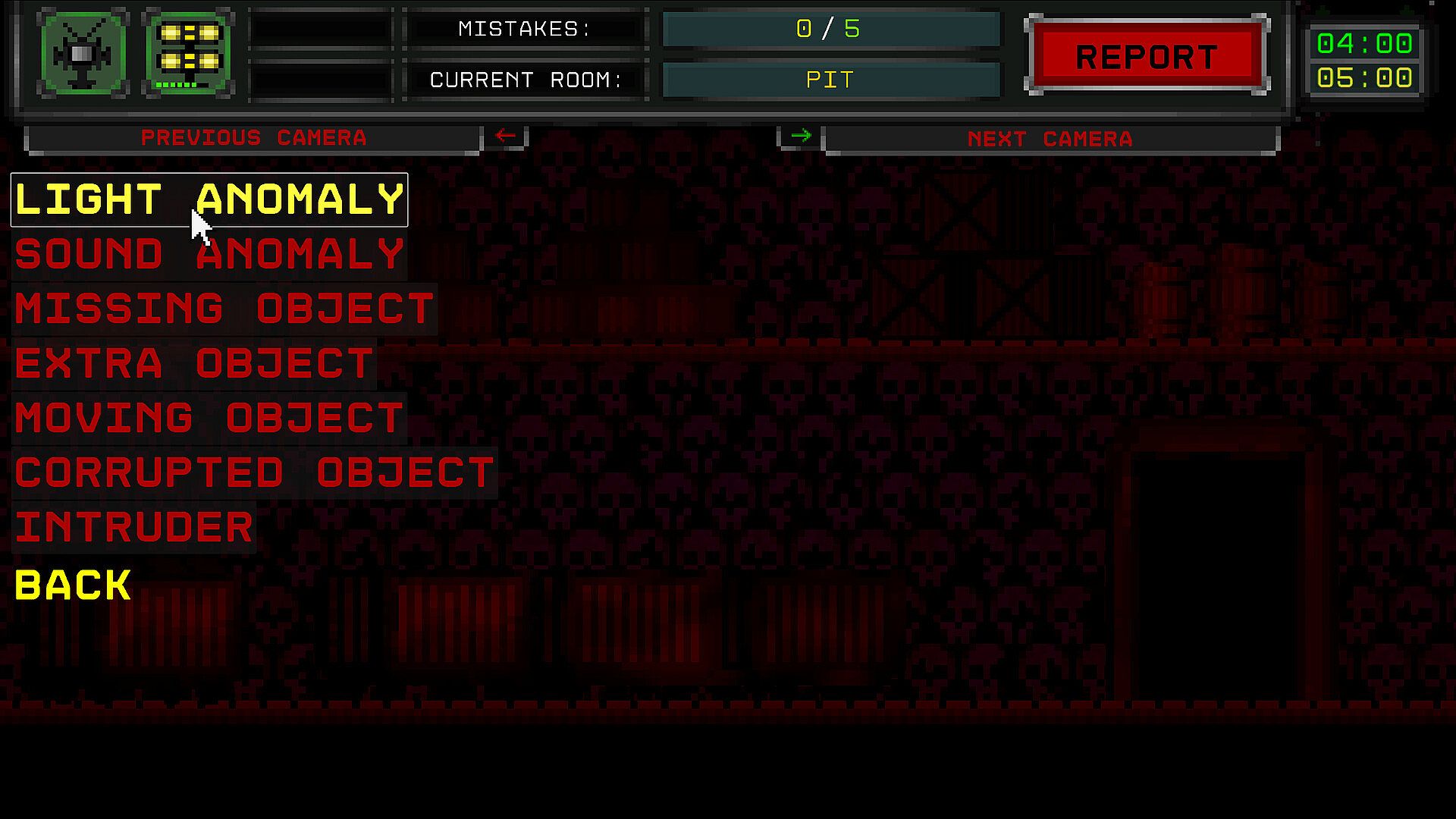
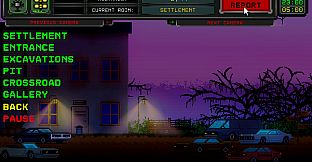
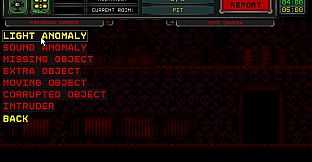
The experience revolves around careful observation across fixed camera feeds. Lights may flicker or shift in color, objects can vanish, relocate, or transform entirely, and unexpected sounds or figures may appear in empty spaces. An EMF detector provides real-time feedback on anomaly density in each monitored area, while a flashlight helps clarify details in darker sections. Screen filters such as VHS, CRT monitor, security camera, and digital recorder alter the visual presentation to match different recording styles. A built-in tutorial walks through every anomaly category to help new players recognize patterns quickly.
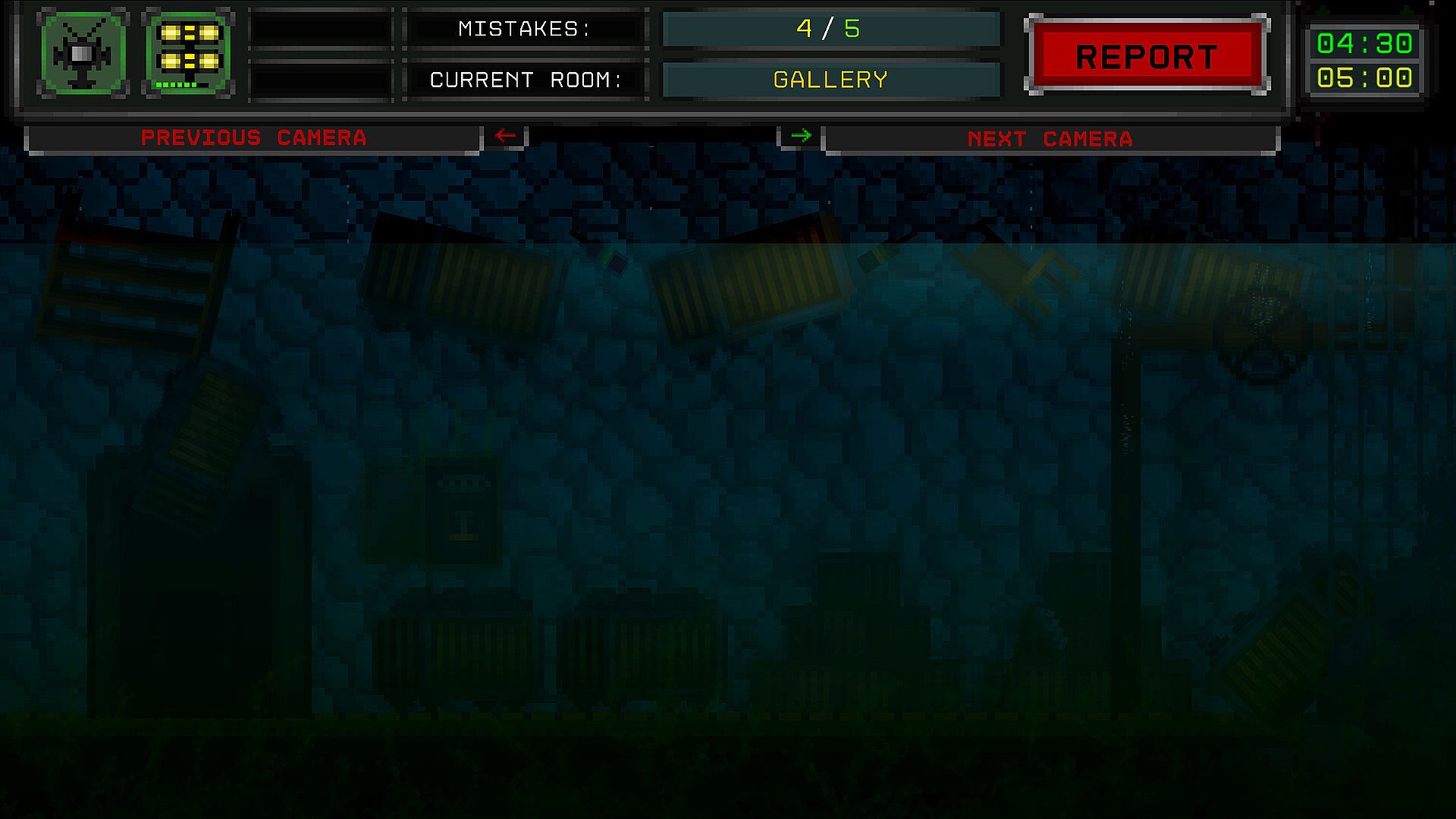
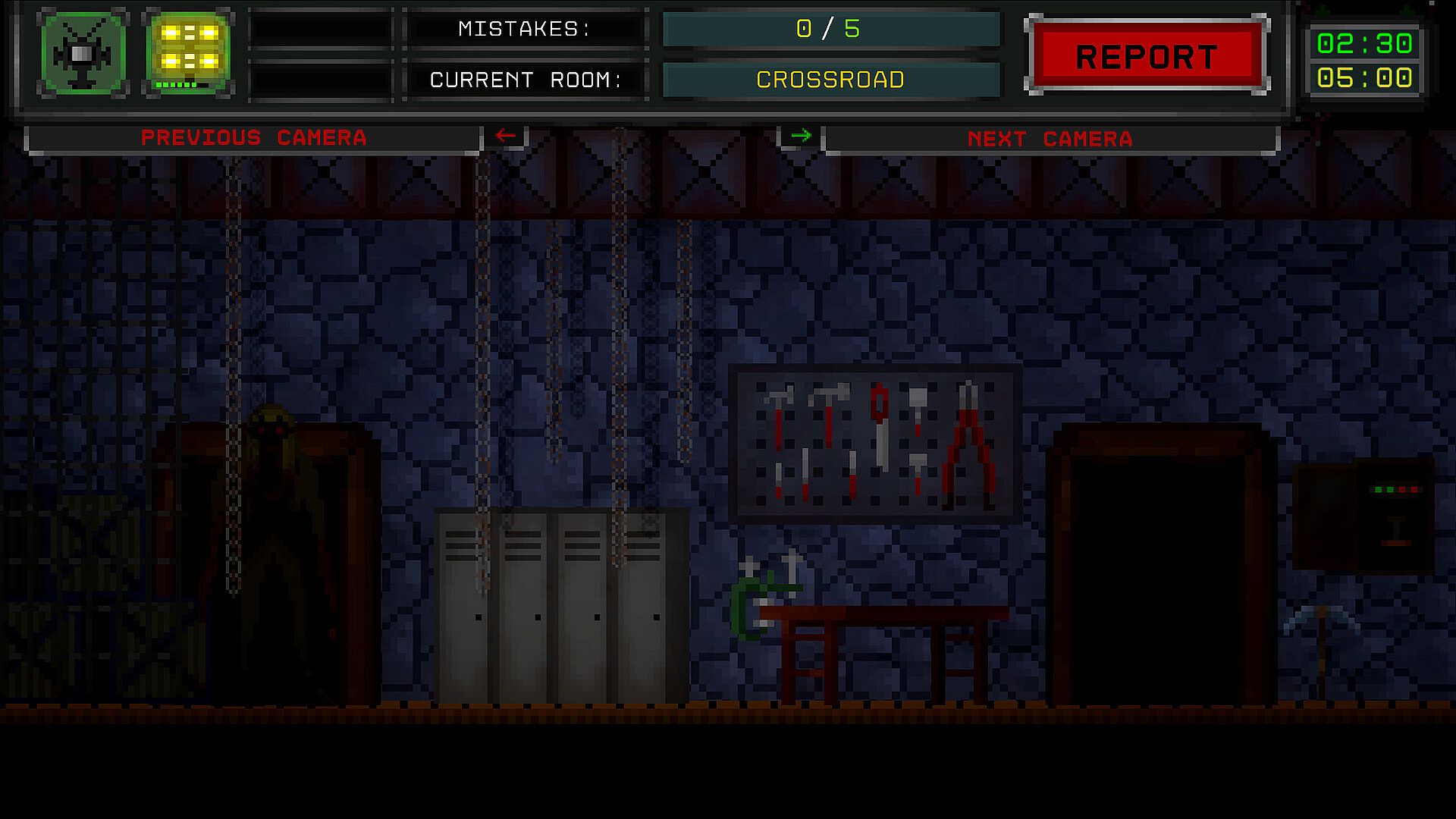
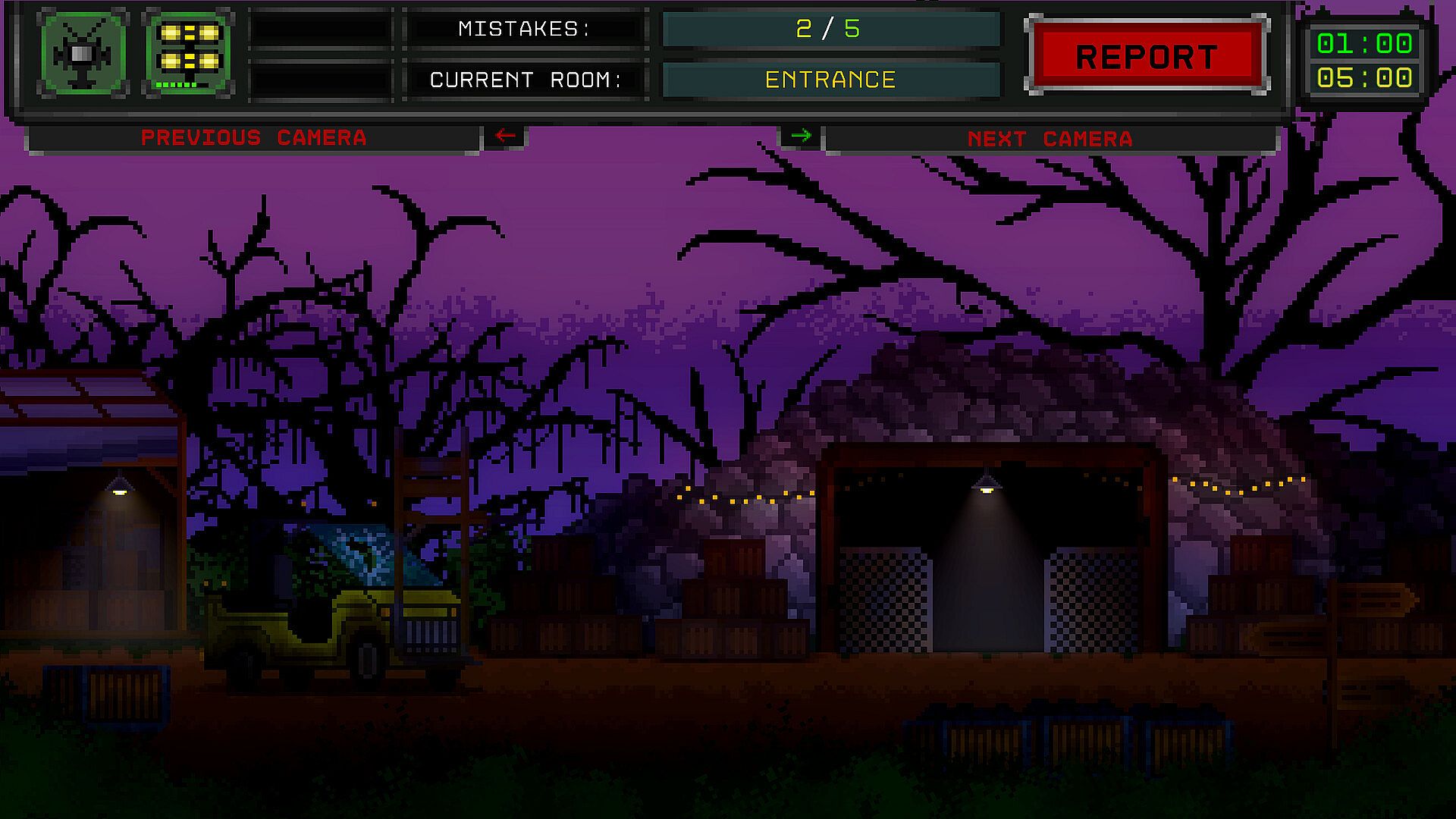
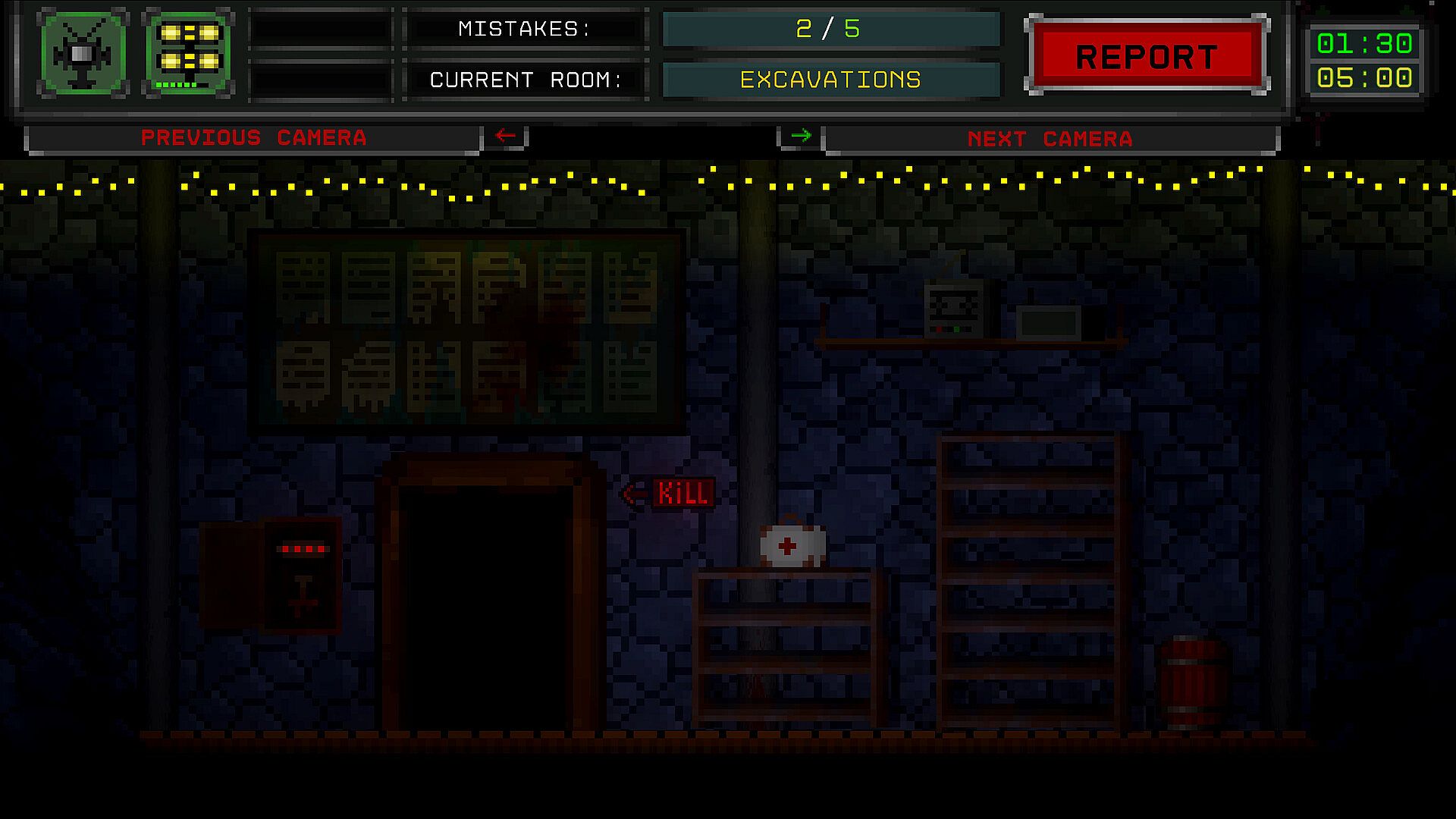
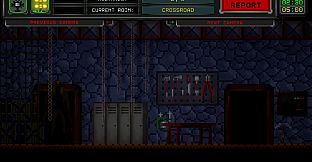
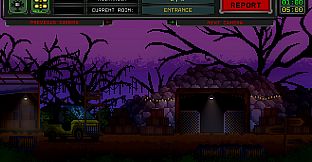
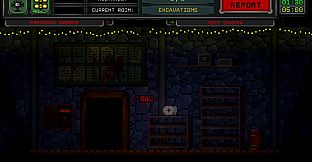
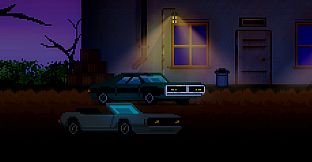
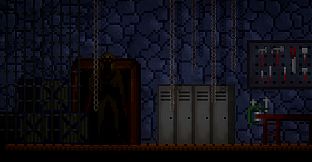
Randomization ensures that no two shifts play out identically. Changes build gradually at first but accelerate on tougher settings, demanding faster reactions and fewer errors to reach morning. The mine itself features distinct zones including the Excavations with their glowing lights, the Crossroad with hanging chains, the water-filled Gallery, and the Entrance area with its yellow loader that may alter appearance. These locations create varied backdrops for the anomalies to manifest against.
Game Modes
Four difficulty levels adjust the pace and tolerance for mistakes. Lower settings suit beginners by slowing anomaly appearance rates and allowing more leeway, while higher ones ramp up speed and reduce error margins for experienced players seeking greater challenge. The base gameplay remains consistent across levels, focusing on camera switching, anomaly identification, and timely reporting without additional named variants or separate campaigns.
Replayability stems directly from the procedural nature of the anomalies rather than distinct modes. Each attempt presents fresh combinations, encouraging repeated shifts to improve detection speed and accuracy.
Setting and Atmosphere
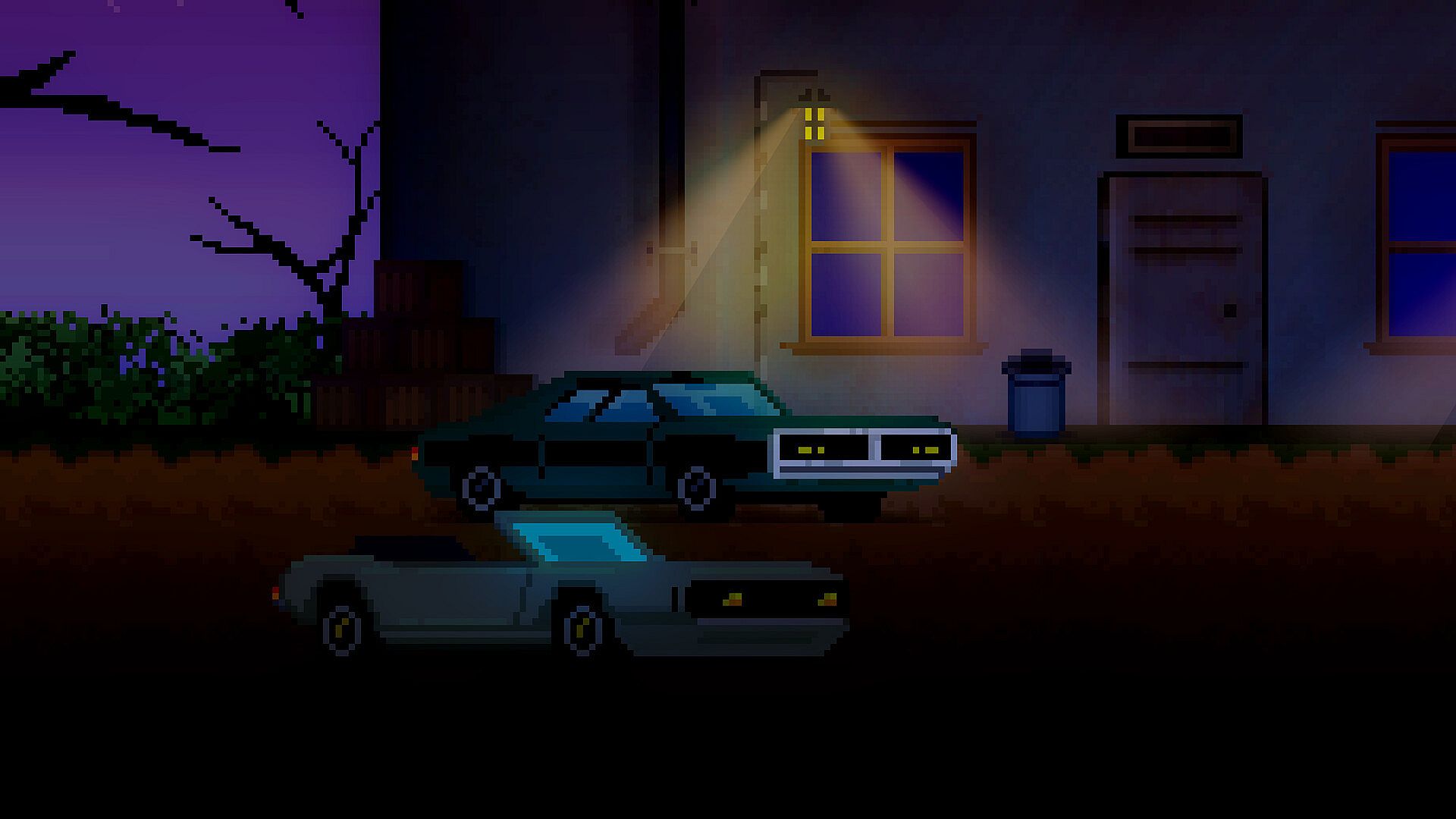
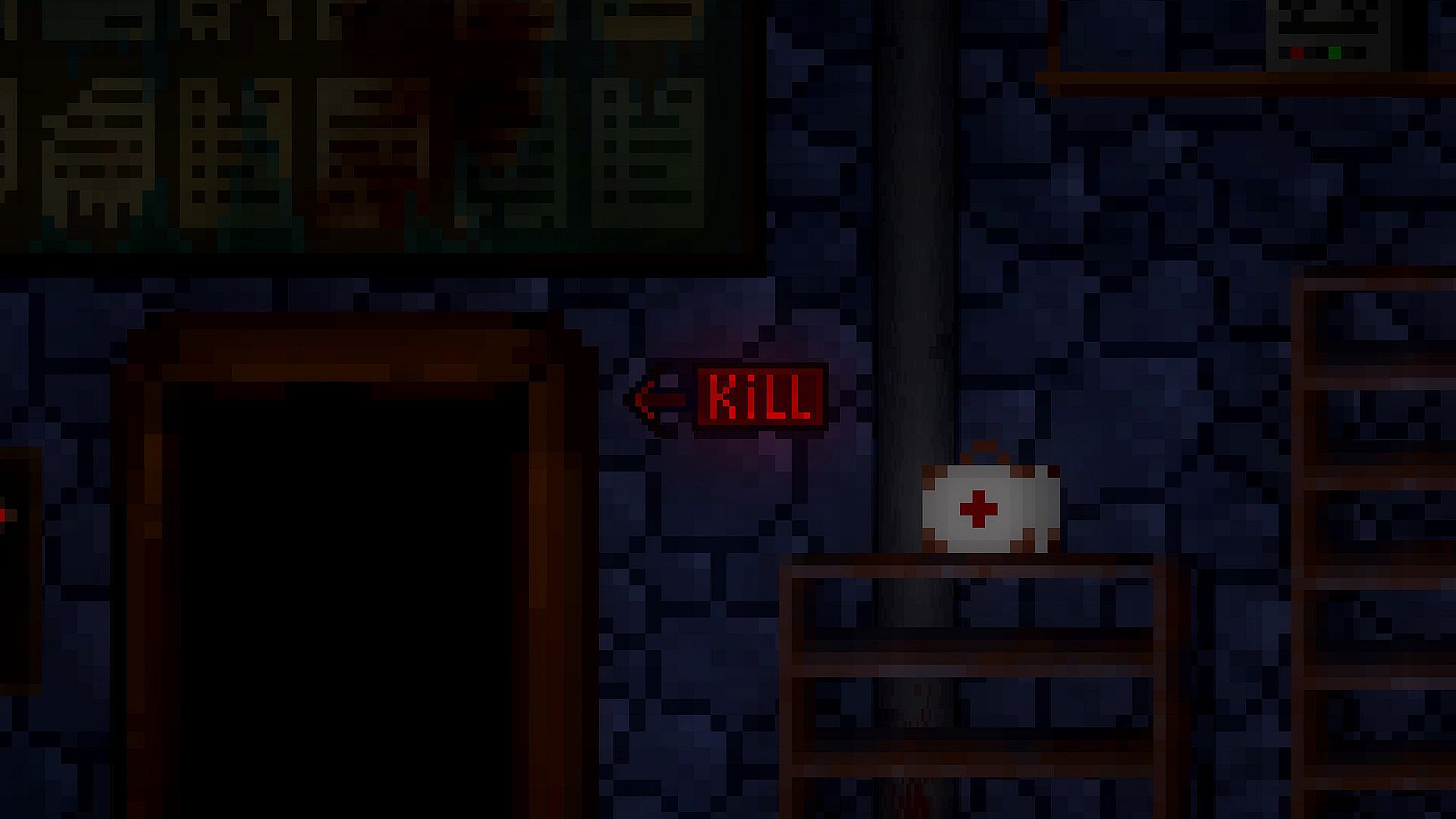
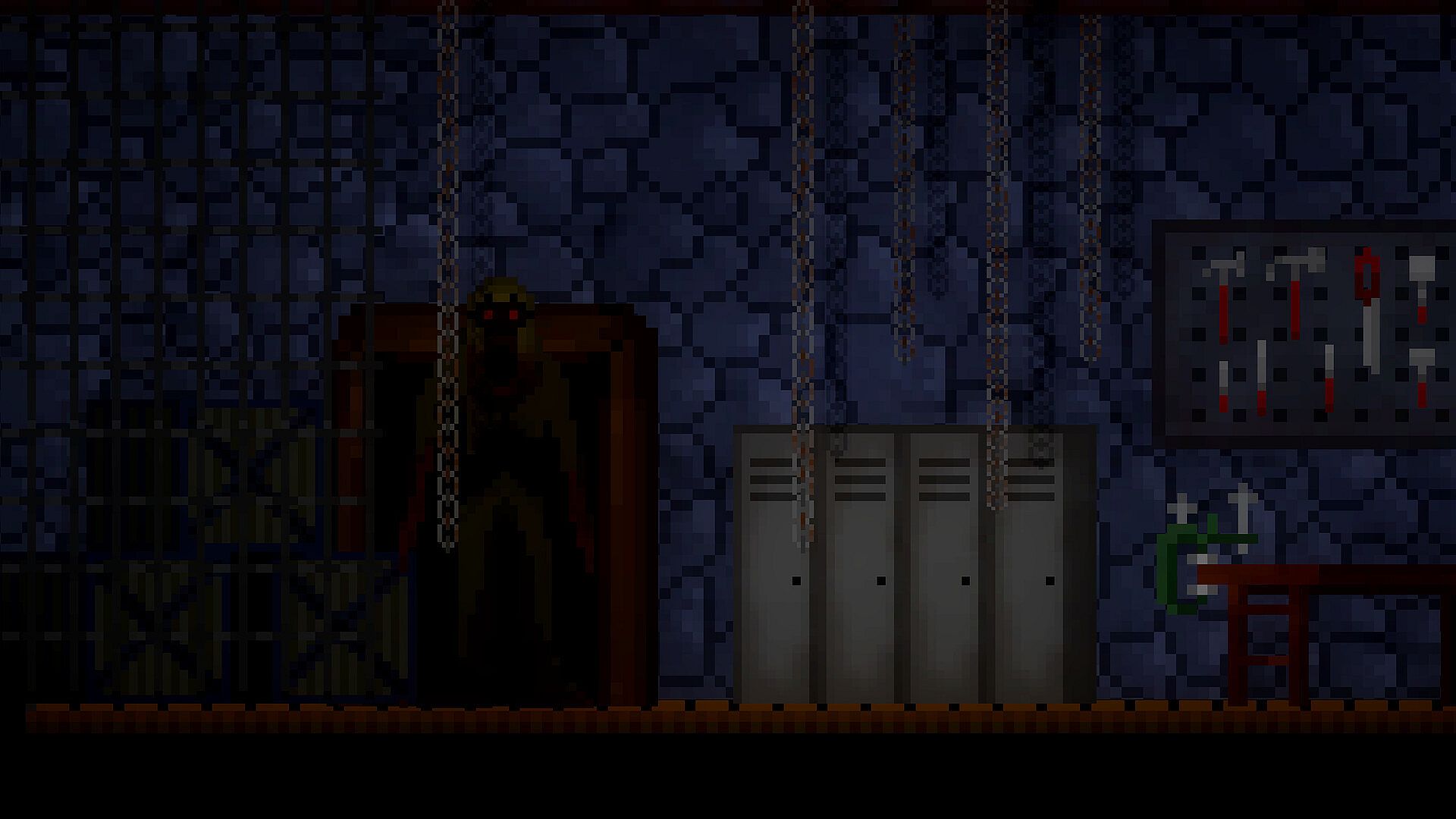
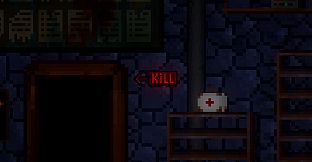
The mine operates under a purple night sky with bare trees overhead. Surface lights persist in the Excavations even as work ceases, while deeper areas like the Gallery hold standing water and the Crossroad features dangling chains. Anomalies introduce eerie transformations, such as the loader shifting from yellow to grey or blue illumination flooding the Excavations, alongside sudden appearances like a red-eyed creature in a doorway. These elements combine to build tension through environmental storytelling and unexpected visual shifts.
Is It Worth Playing?
Anomaly Watch: Mine targets players who enjoy deliberate observation puzzles and atmospheric single-player experiences in the casual simulation and indie horror space. Its emphasis on pattern recognition, randomized events, and escalating pressure suits those comfortable with slower-paced gameplay that rewards attention to detail over action or combat. With its tutorial support and adjustable difficulties, the title accommodates newcomers while offering replay depth for veterans of similar camera-based anomaly detection games. As an upcoming release with no player reviews available yet, its value will depend on how well the full implementation delivers on the described systems once it launches.