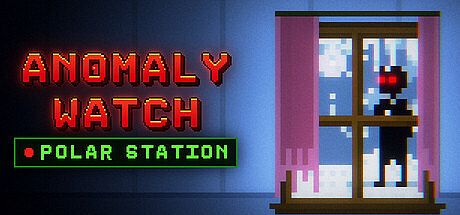


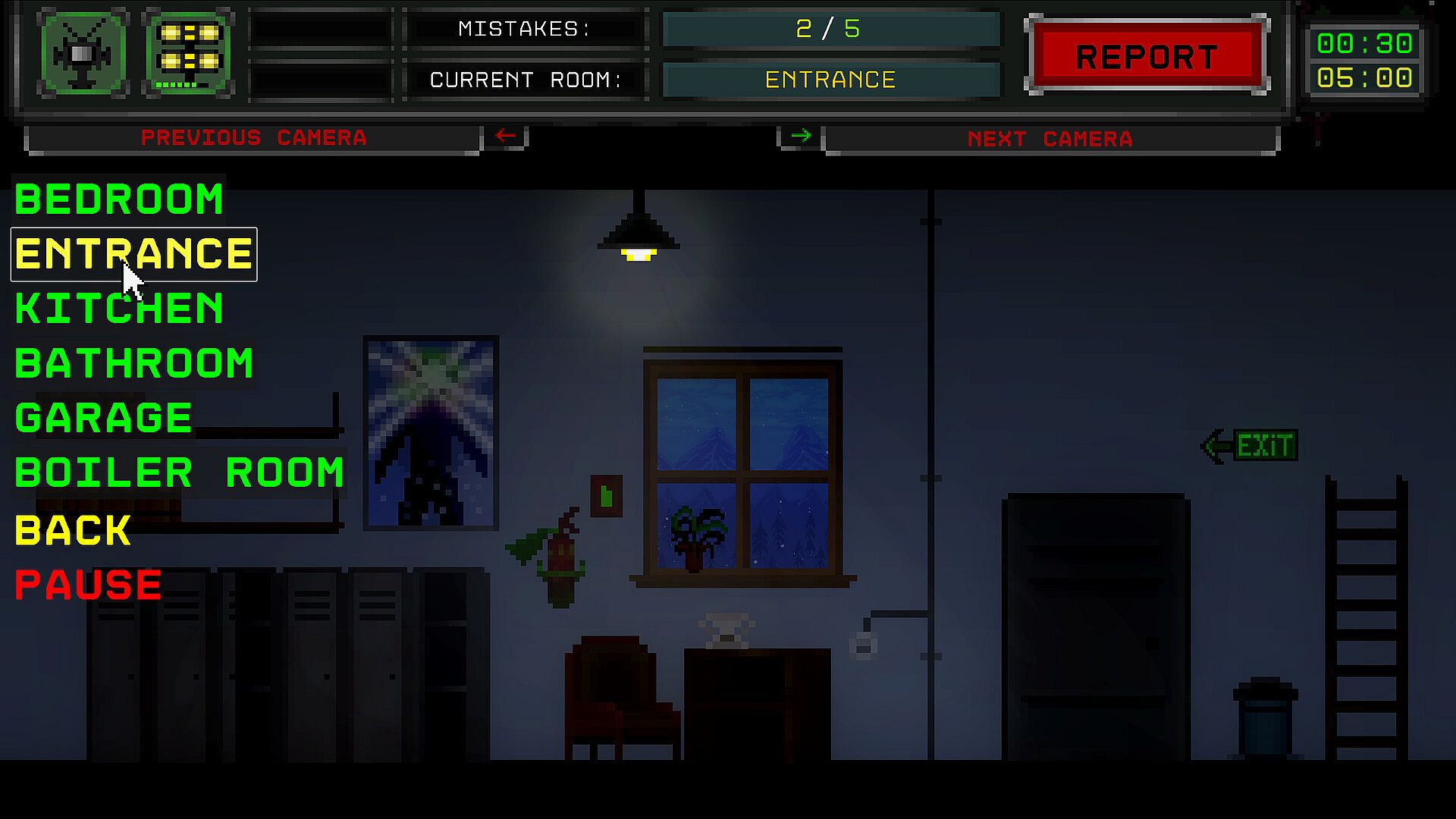
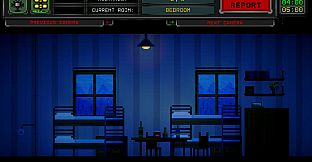
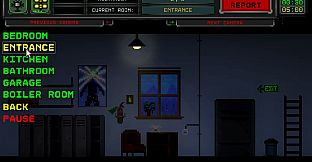

Anomaly Watch: Polar Station is an indie casual simulation game built around solitary observation and quick decision making. Players step into the role of a night watch operator at a remote polar research facility, monitoring security feeds from 10 PM to 5 AM while identifying subtle shifts in the environment before they escalate.
Gameplay
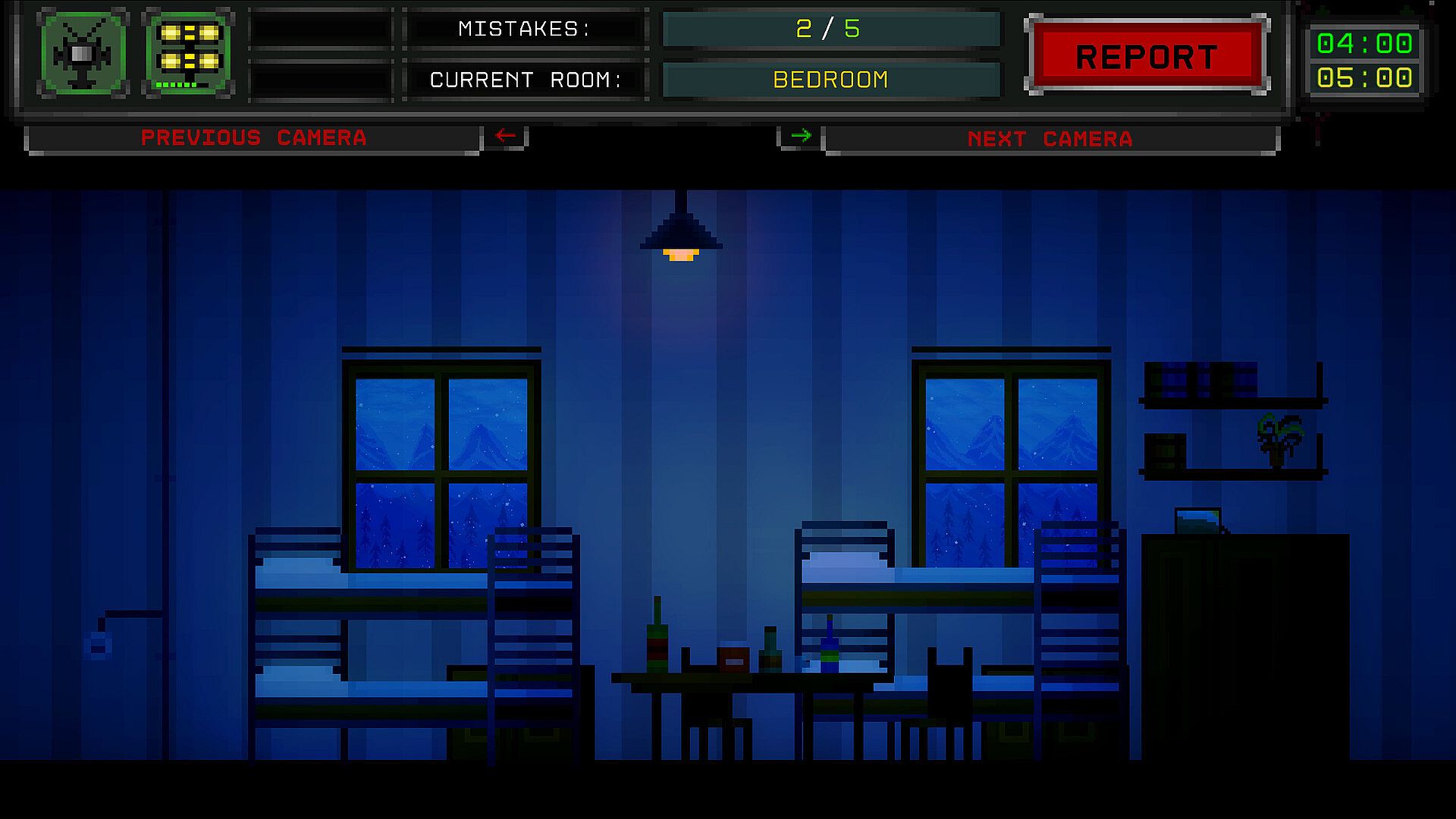
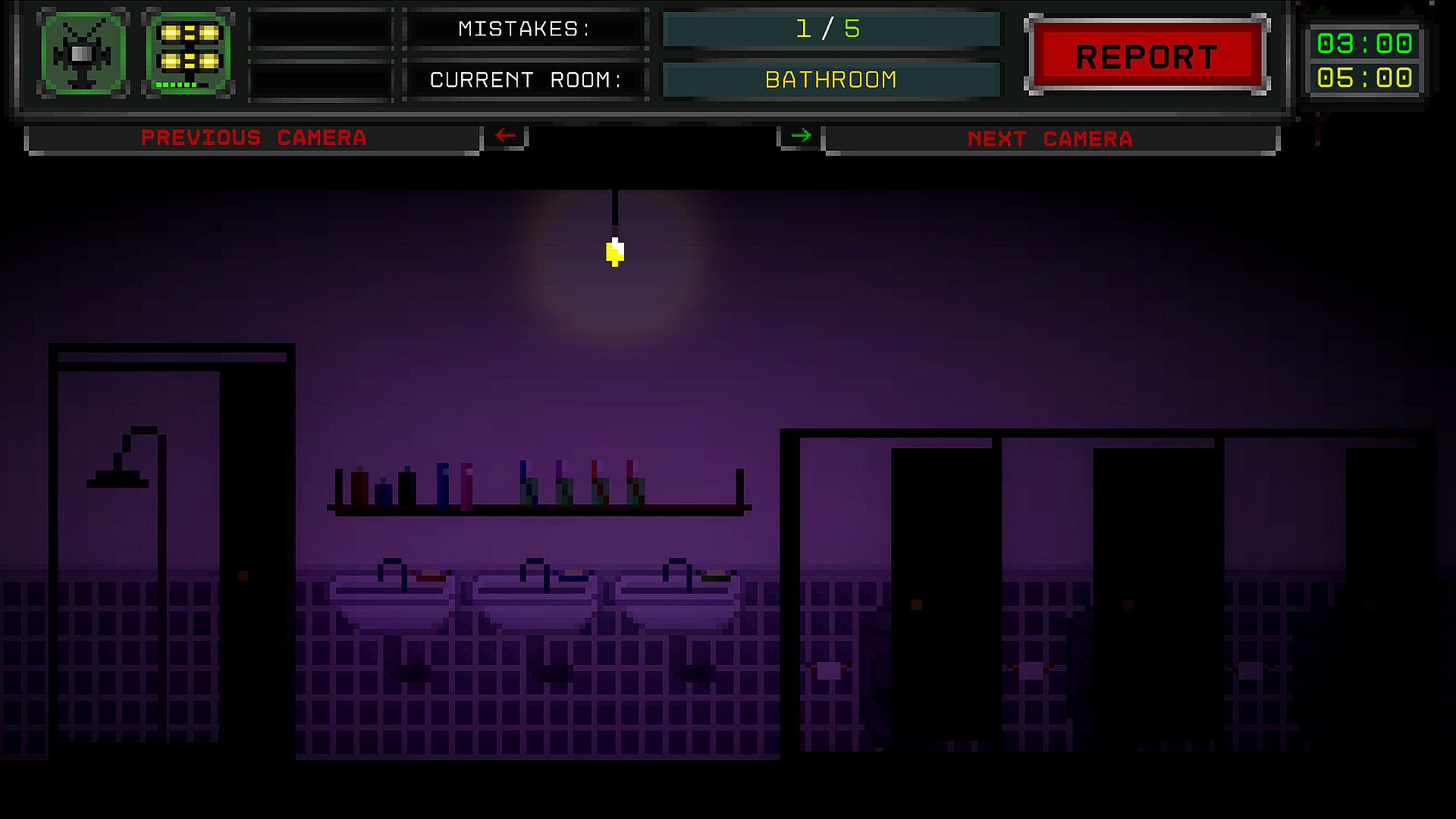
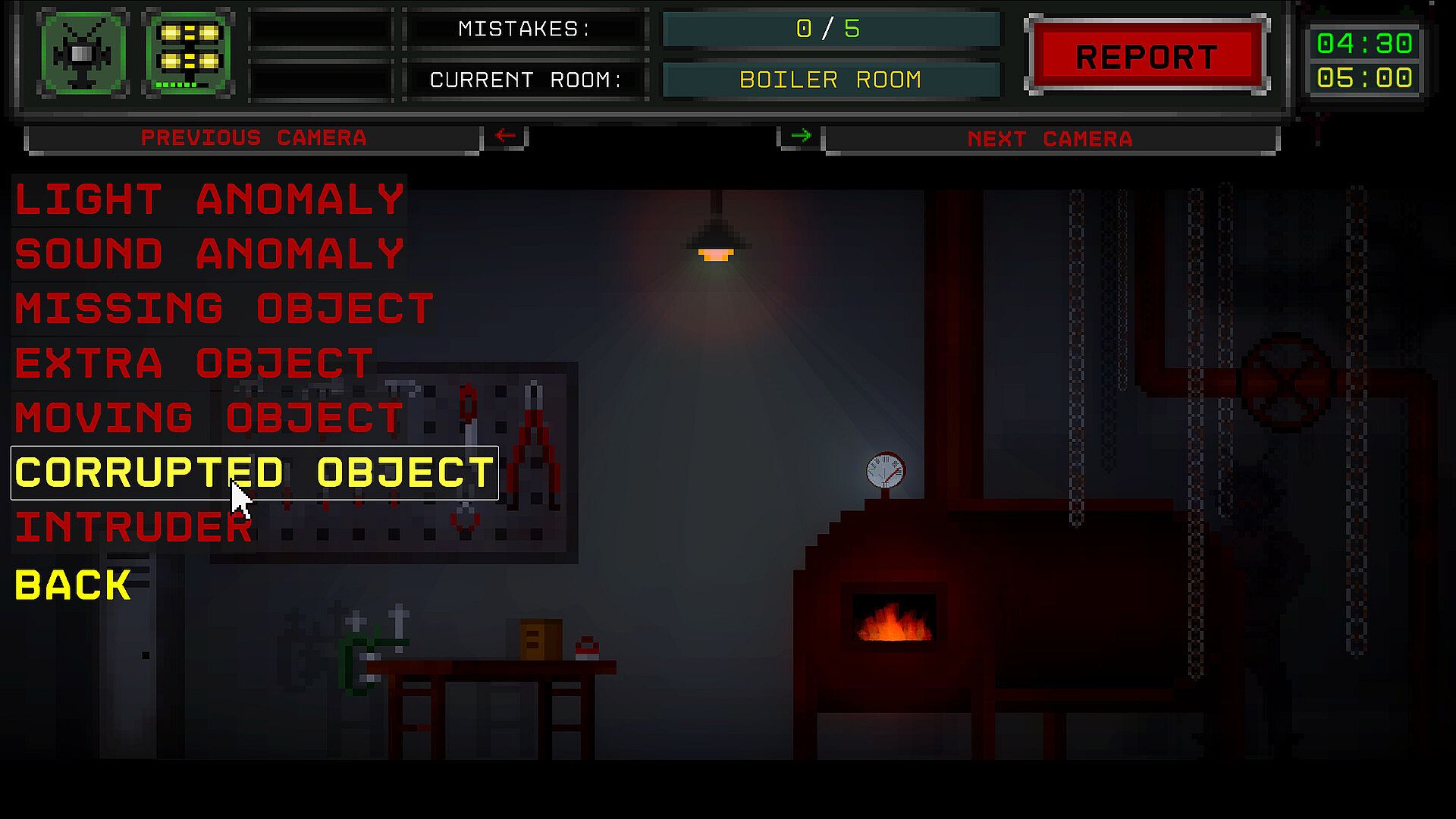
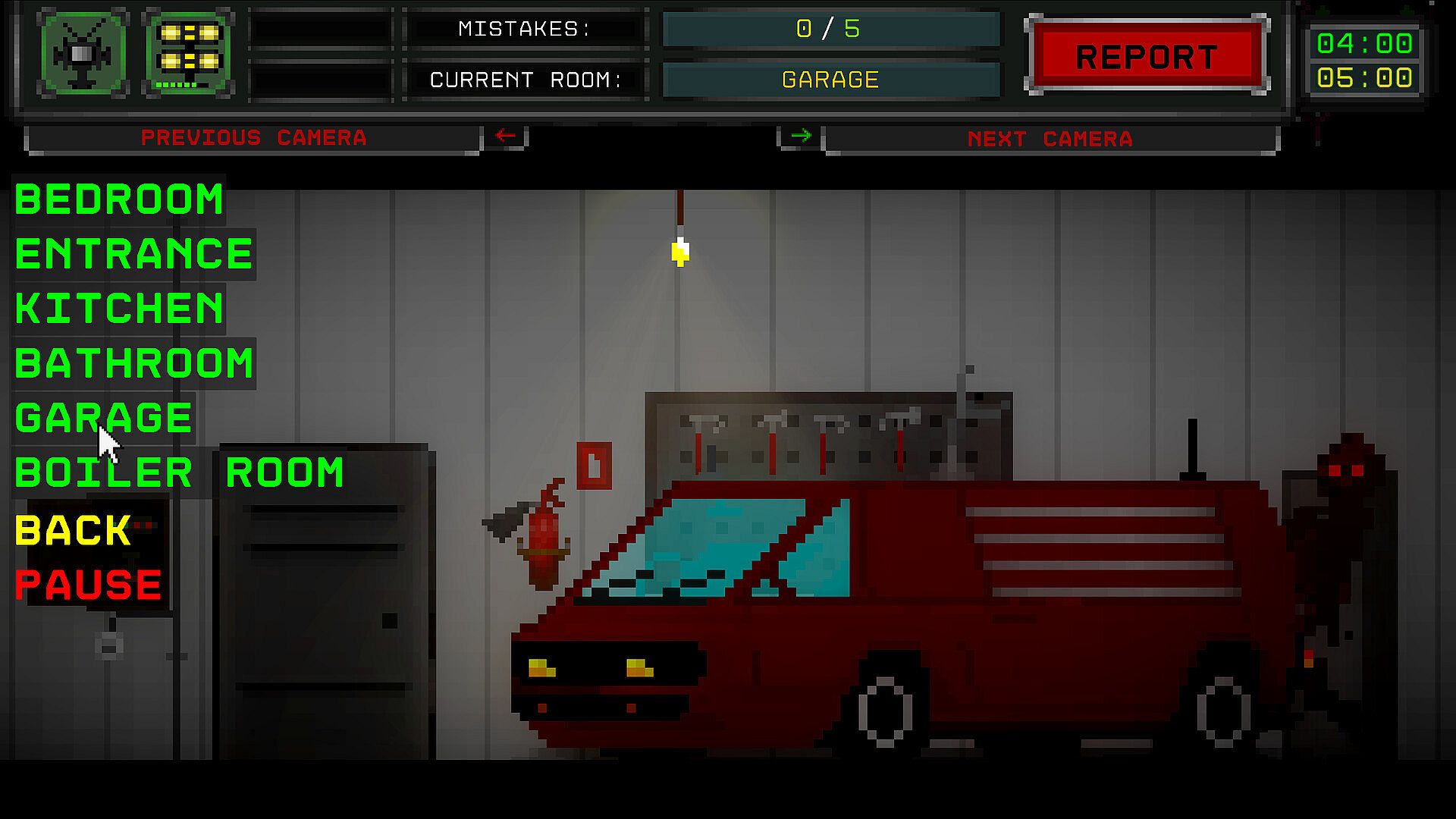
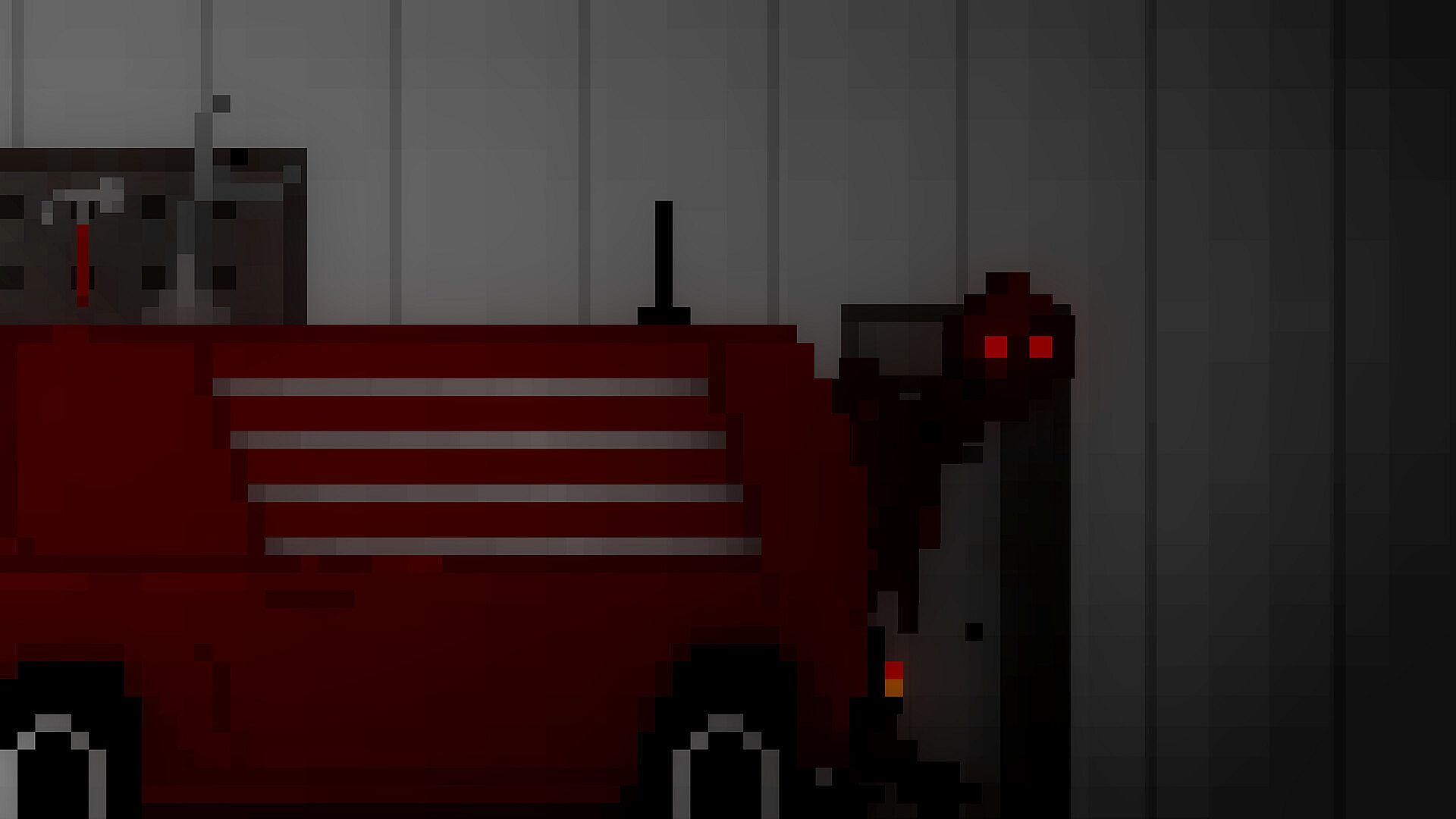
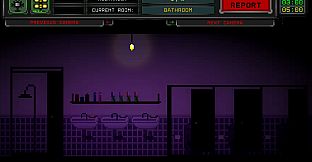
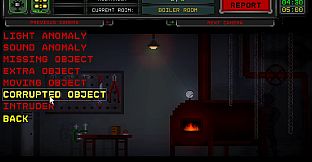
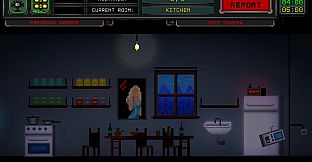
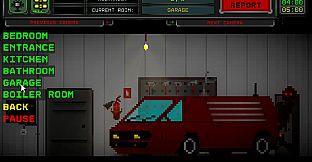
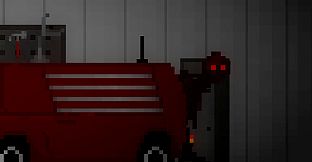
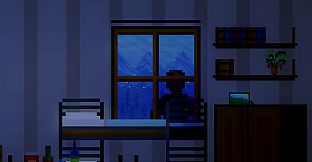
The core loop centers on switching between six fixed security cameras placed throughout the station. Each feed shows a static view of rooms such as the garage, bathroom, kitchen, and exterior areas. Anomalies appear randomly on every playthrough, altering lights, objects, sounds, or even introducing unexpected figures. A player must spot these changes, select the correct report option, and clear the issue before the count grows too high. Failure occurs when too many anomalies accumulate or mistakes are made in identification.
Supporting tools help during shifts. A flashlight improves visibility in darker camera angles, while an EMF detector highlights rooms with active anomalies. Screen filters can be applied to mimic VHS tape, CRT monitors, security camera feeds, or digital recorder output, altering the visual style without changing the underlying mechanics. A built-in tutorial walks through each anomaly category so new players learn the patterns before attempting full shifts.
Game Modes
Four difficulty levels adjust the pace and tolerance for errors. Lower settings introduce anomalies more slowly and allow more reports before the shift ends. Higher settings accelerate the rate of changes and reduce the margin for mistakes, creating tighter windows for observation and reporting. No separate game modes exist beyond these difficulty tiers; every session follows the same camera-based observation structure but scales the challenge accordingly.
The Polar Station Setting
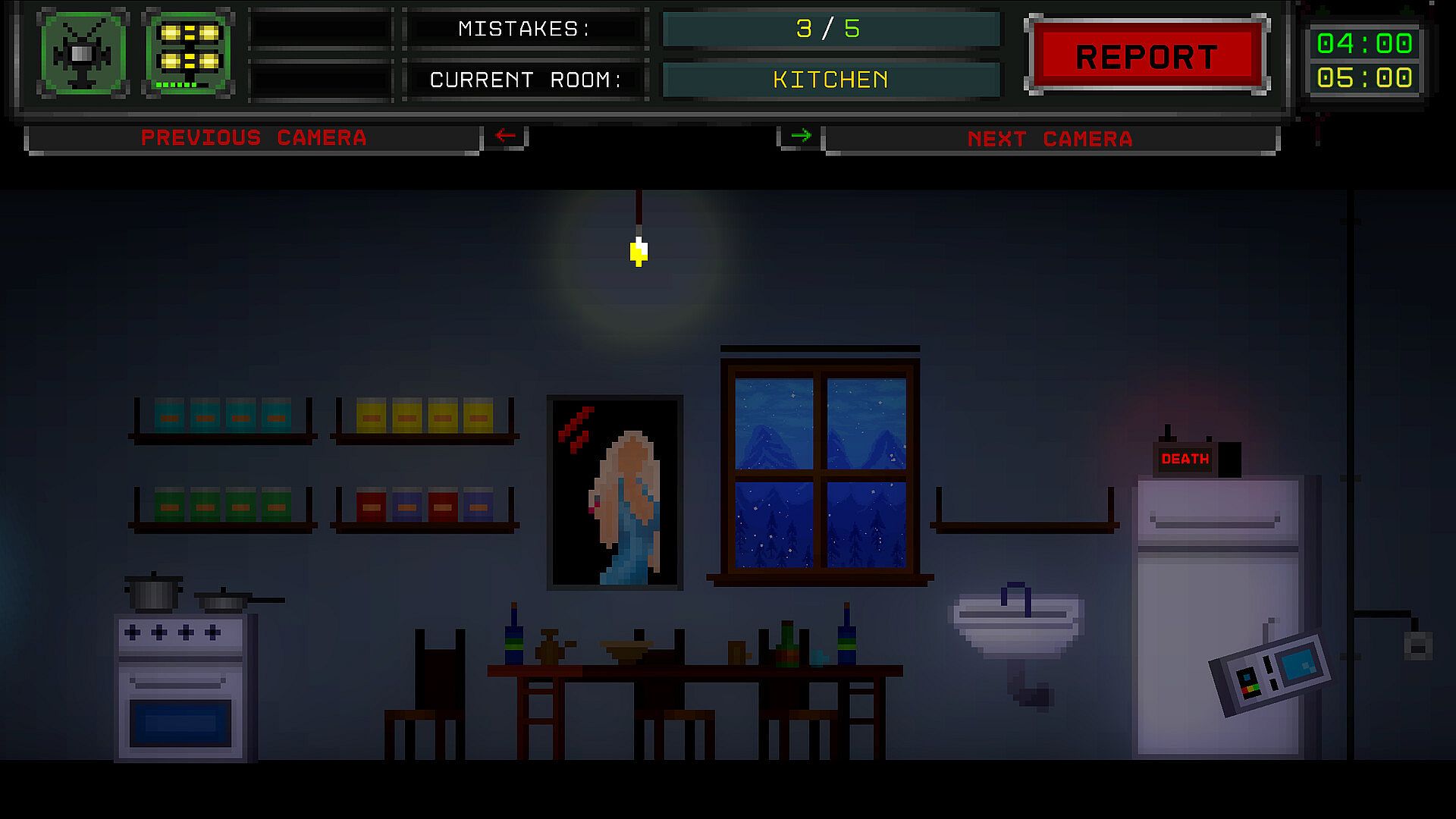
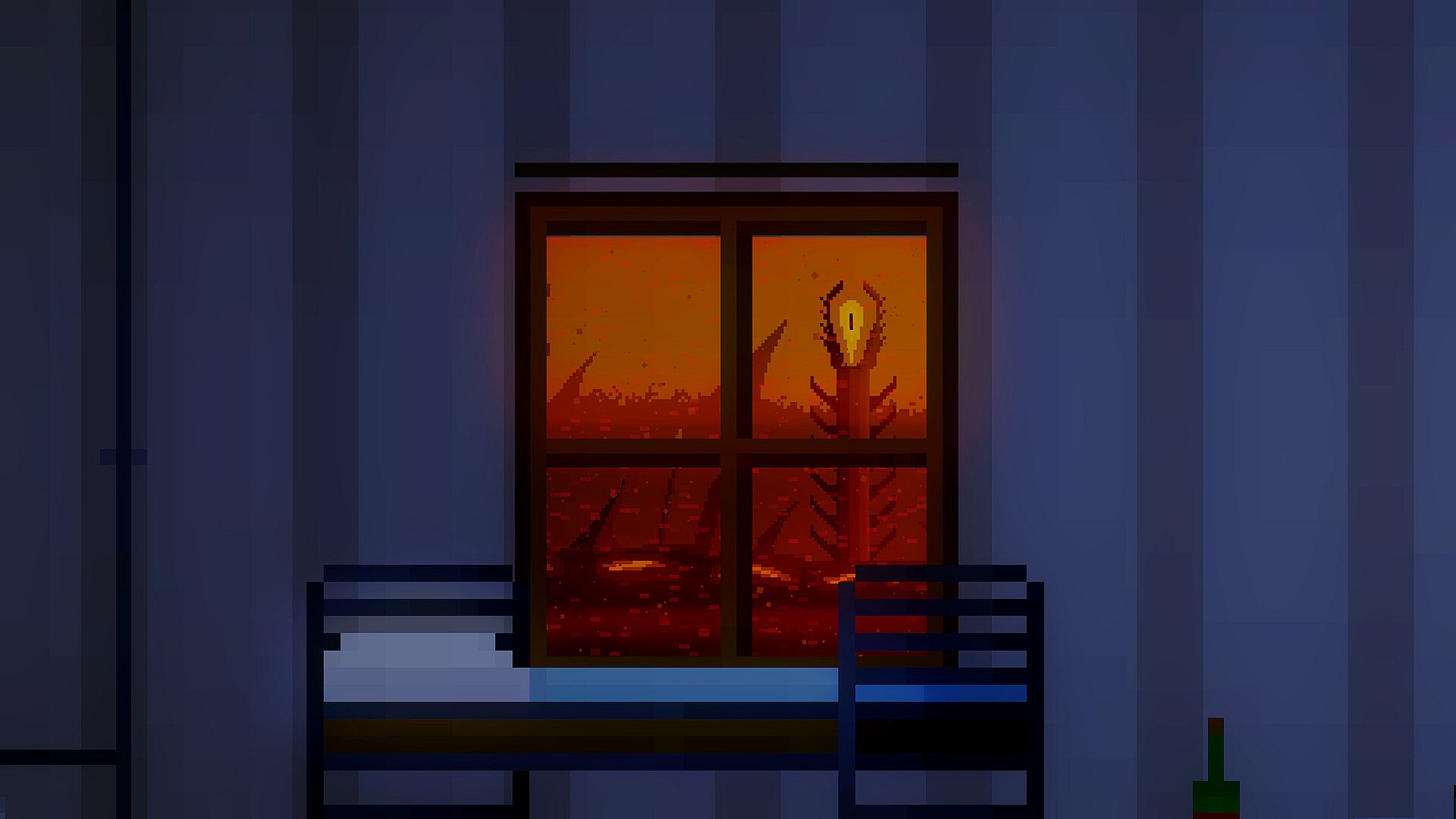
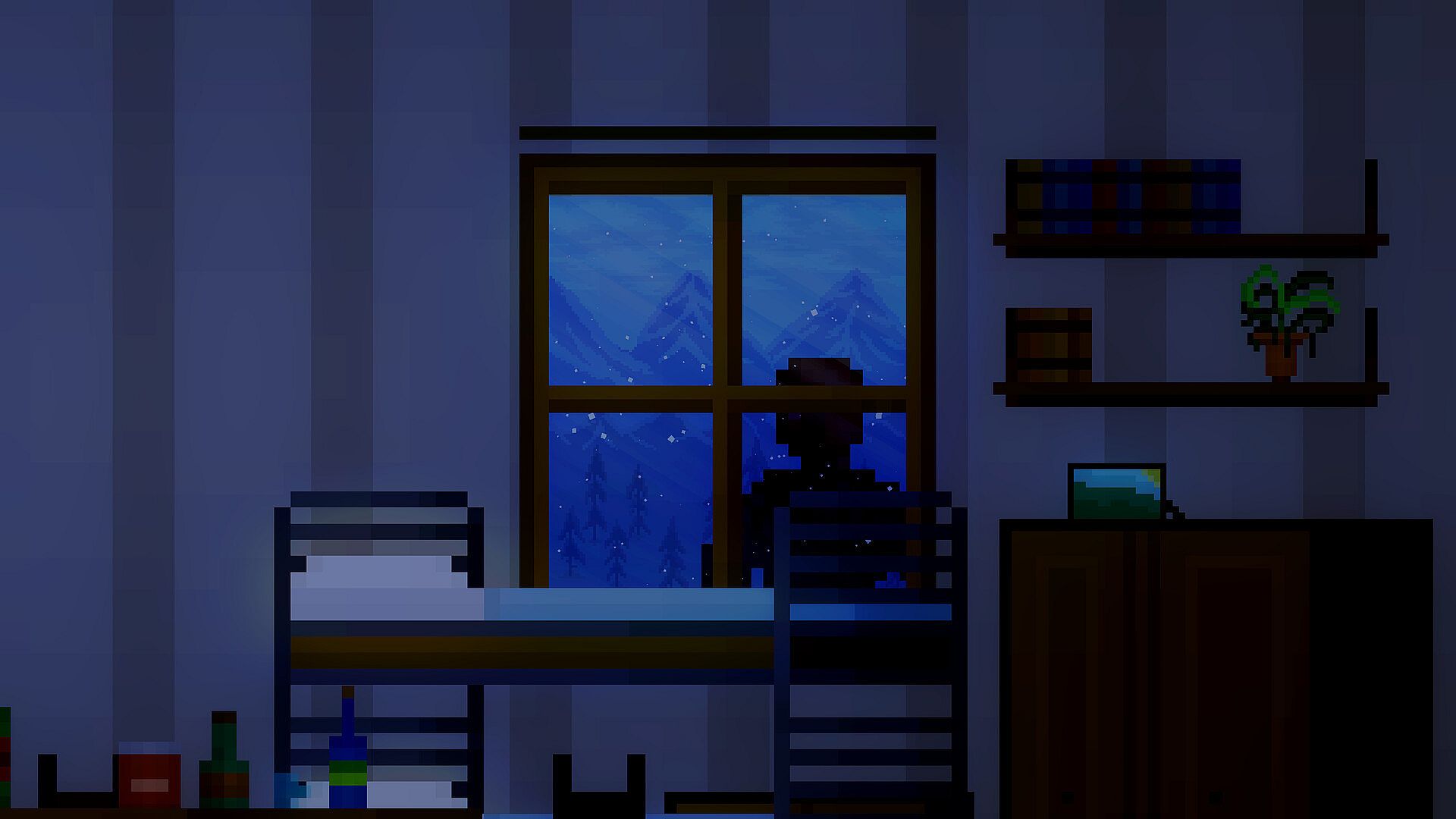
The isolated facility sits in snowy mountains with no other people for miles. Snow falls steadily outside the windows, and interior spaces remain eerily empty. Specific anomalies include a red van in the garage shifting to blue, the bathroom bathed in purple light, the kitchen plunging into darkness, and a refrigerator clock displaying the word DEATH. Additional events feature unexplained noises from empty rooms or figures appearing where none should be. These details reinforce the single-player simulation focus on atmosphere and attention to detail.
Is It Worth Playing?
Anomaly Watch: Polar Station suits players who enjoy methodical observation games and short, repeatable sessions. The random anomaly generation ensures no two shifts play out identically, supporting repeated play without repetition. Four difficulty options make it accessible for beginners while offering stricter challenges for experienced players. The combination of camera switching, reporting tools, and escalating tension creates a focused experience centered on memory and pattern recognition. With its planned 2026 release and emphasis on unique procedural events, the game appeals to those seeking a concise indie simulation rather than expansive narratives or multiplayer elements.