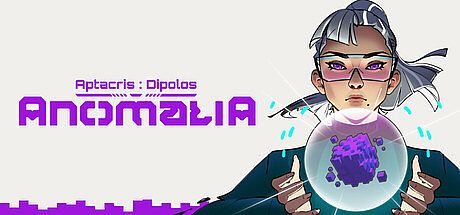


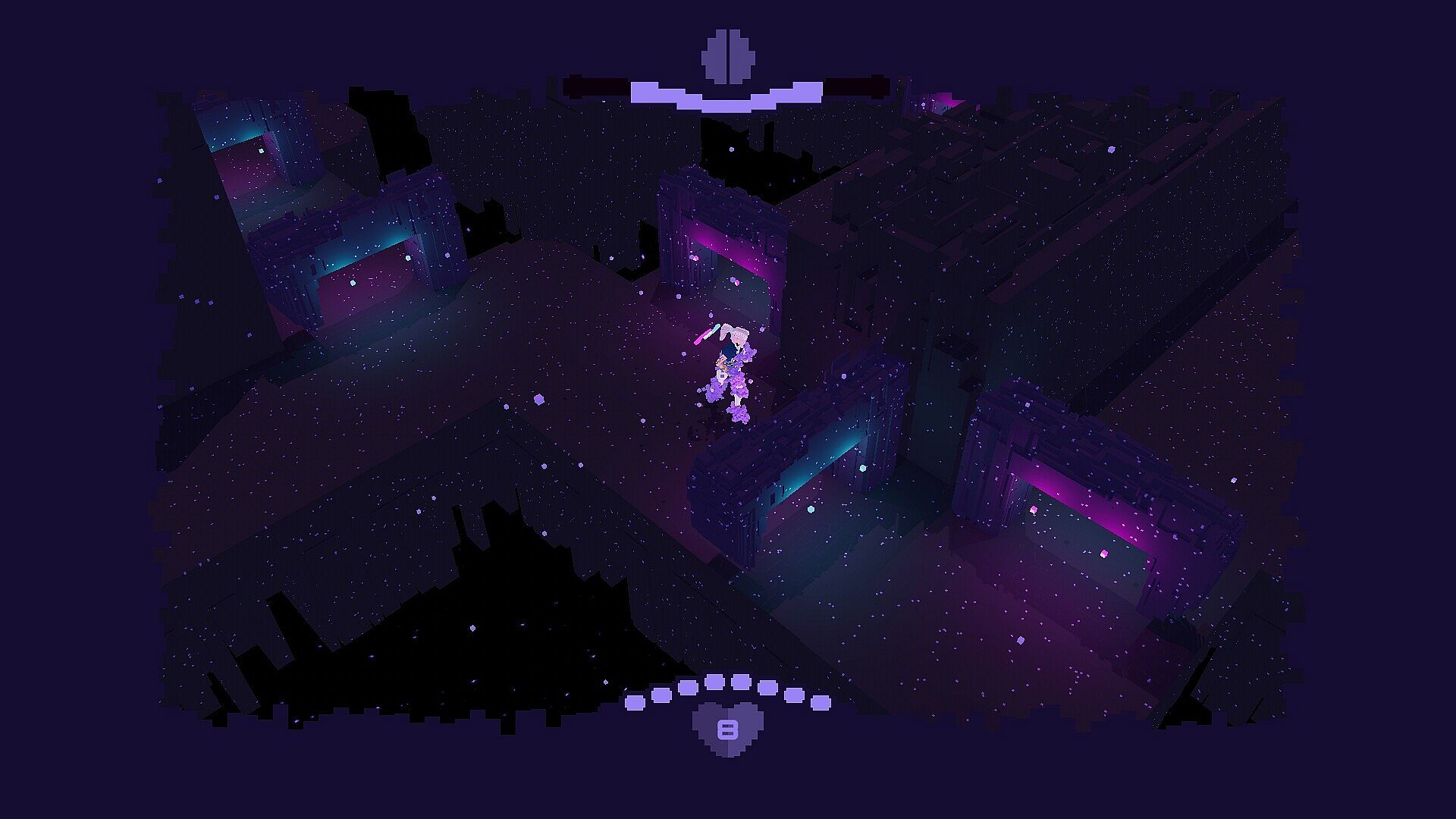
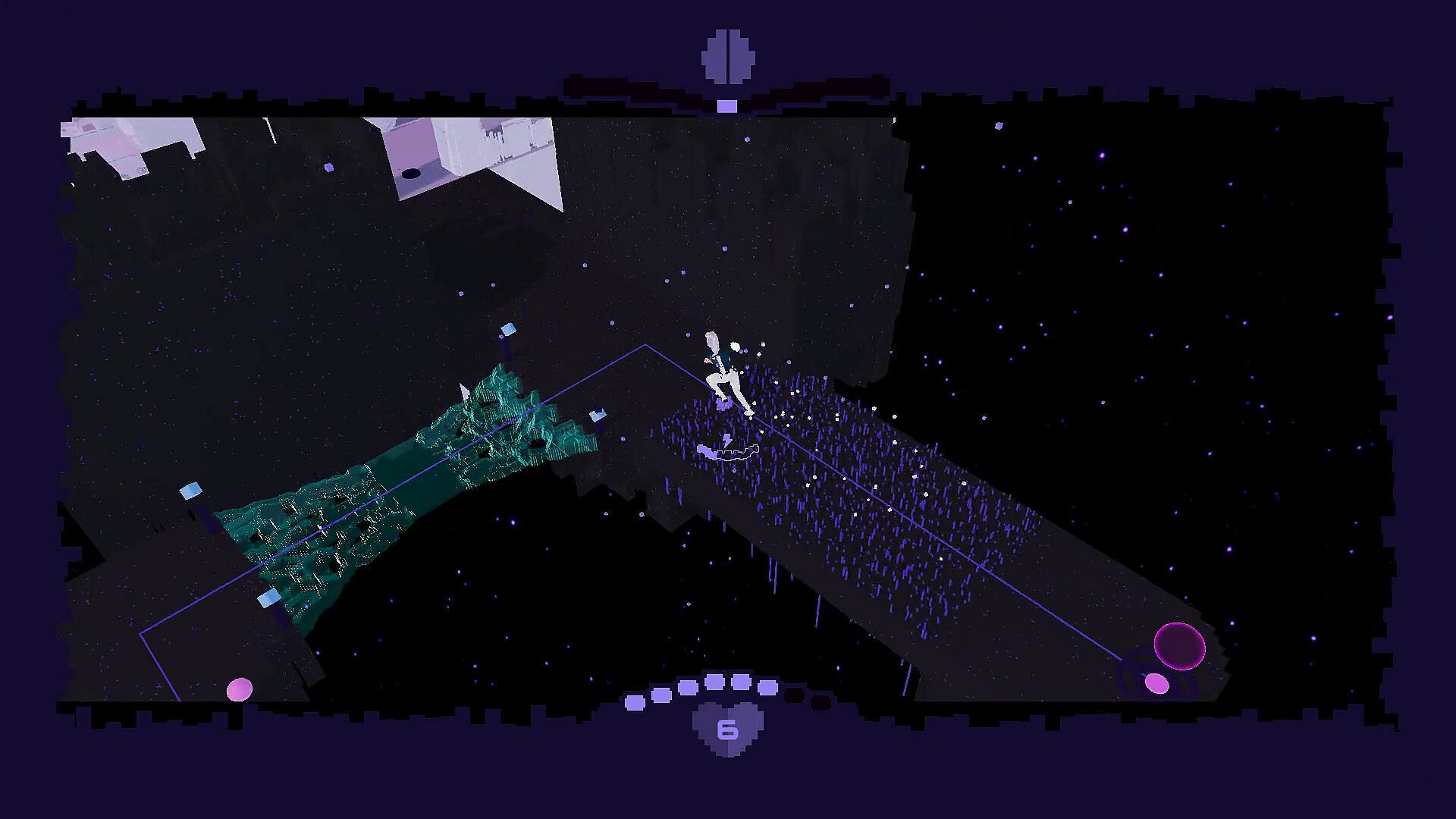
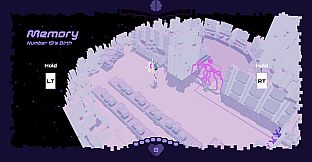
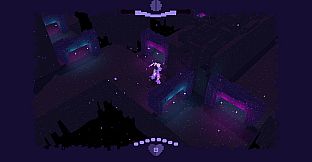
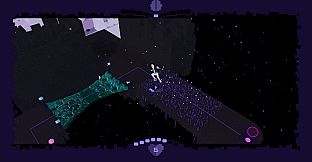
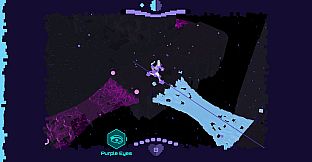
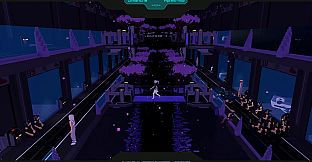
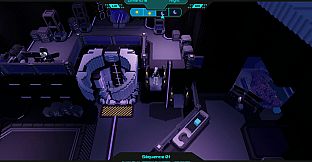
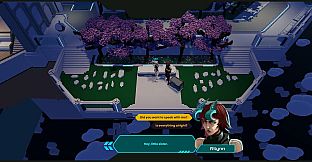
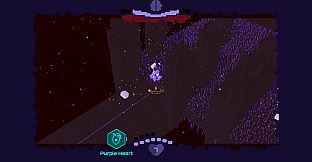
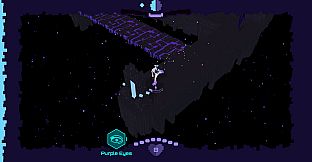
Aptacris : Dipolos Anomalia ist ein Einzelspieler-Puzzle-Abenteuer, das Action und Erkundung in einer solarpunk-dystopischen Welt verbindet. Die Spieler steuern Ai'Lynn, deren Fähigkeit, Erinnerungen zu betreten und umzugestalten, sowohl die Geschichte als auch die Herausforderungen prägt. Im Mittelpunkt steht die Navigation durch fragmentierte Erinnerungswelten, in denen die Wahrnehmung bestimmt, was existiert und wie Hindernisse funktionieren.
Gameplay
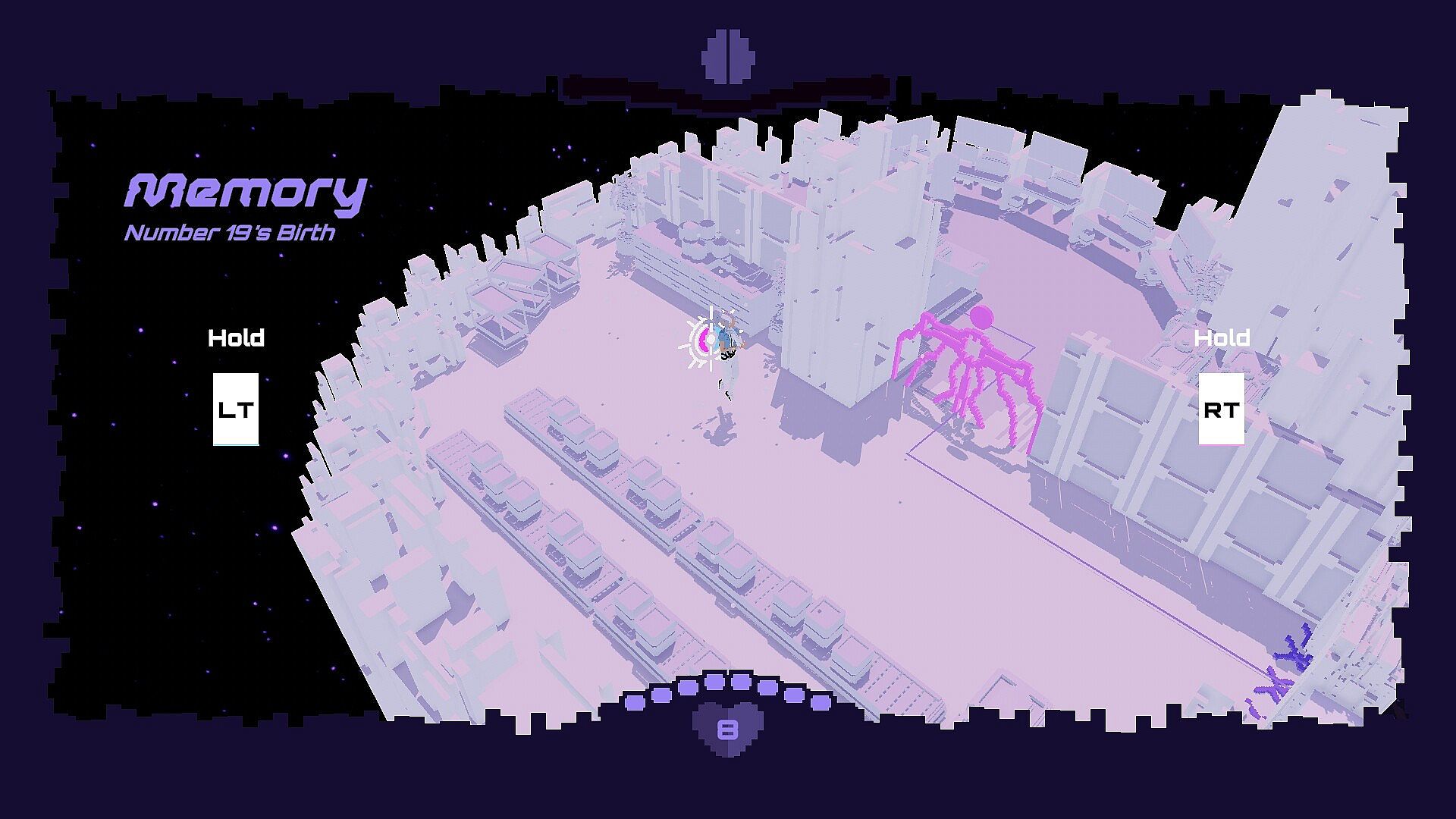
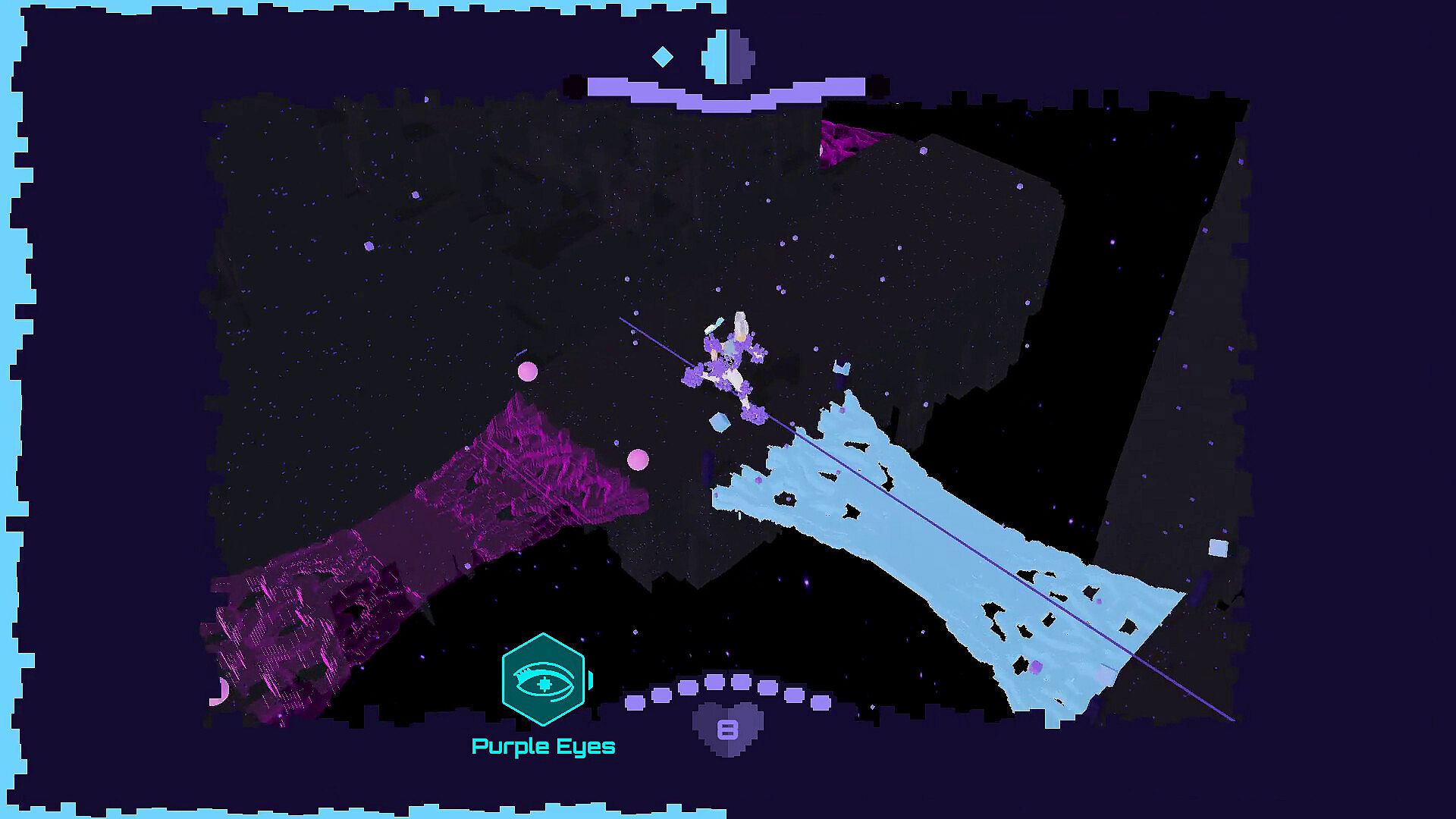
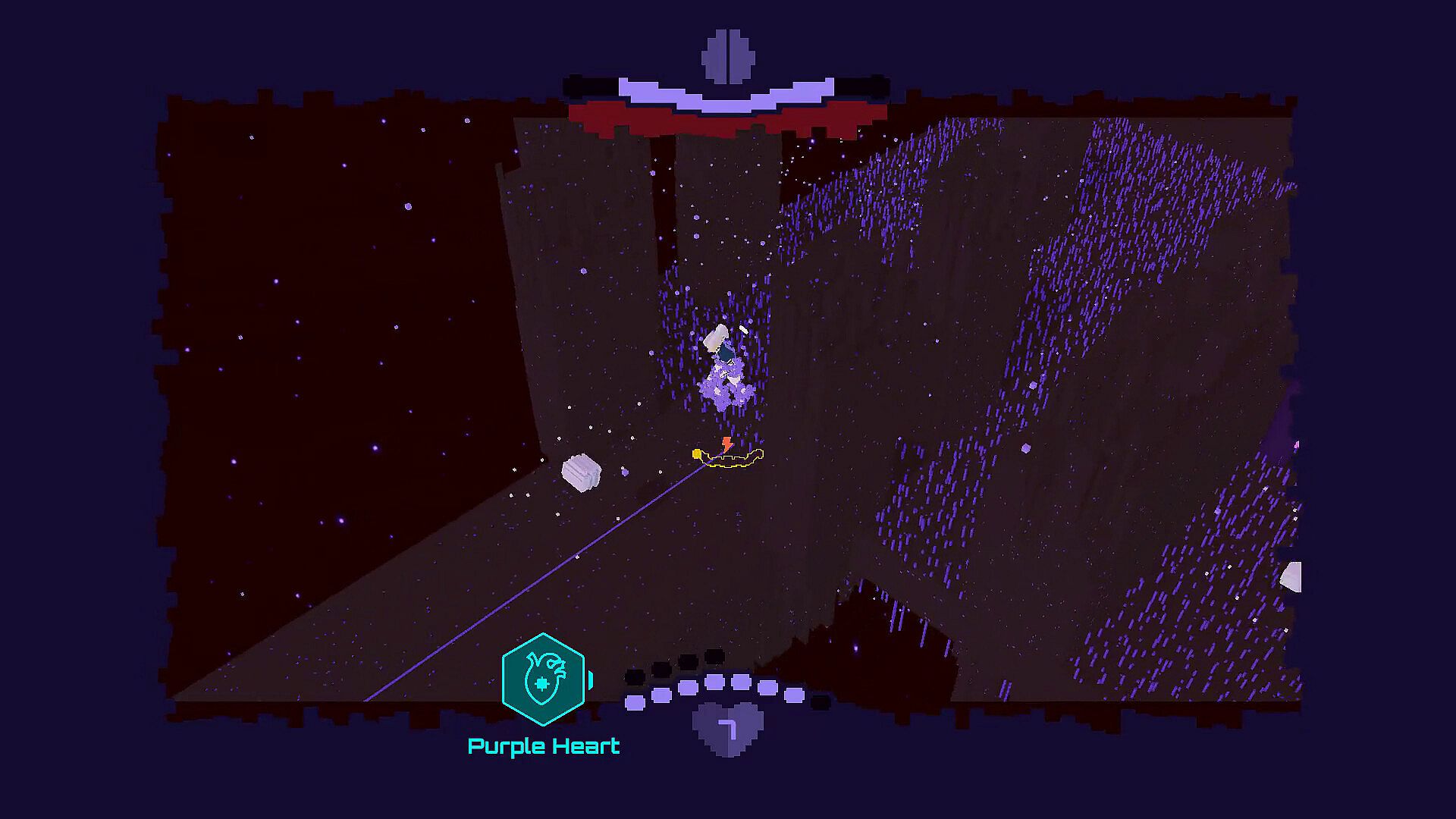
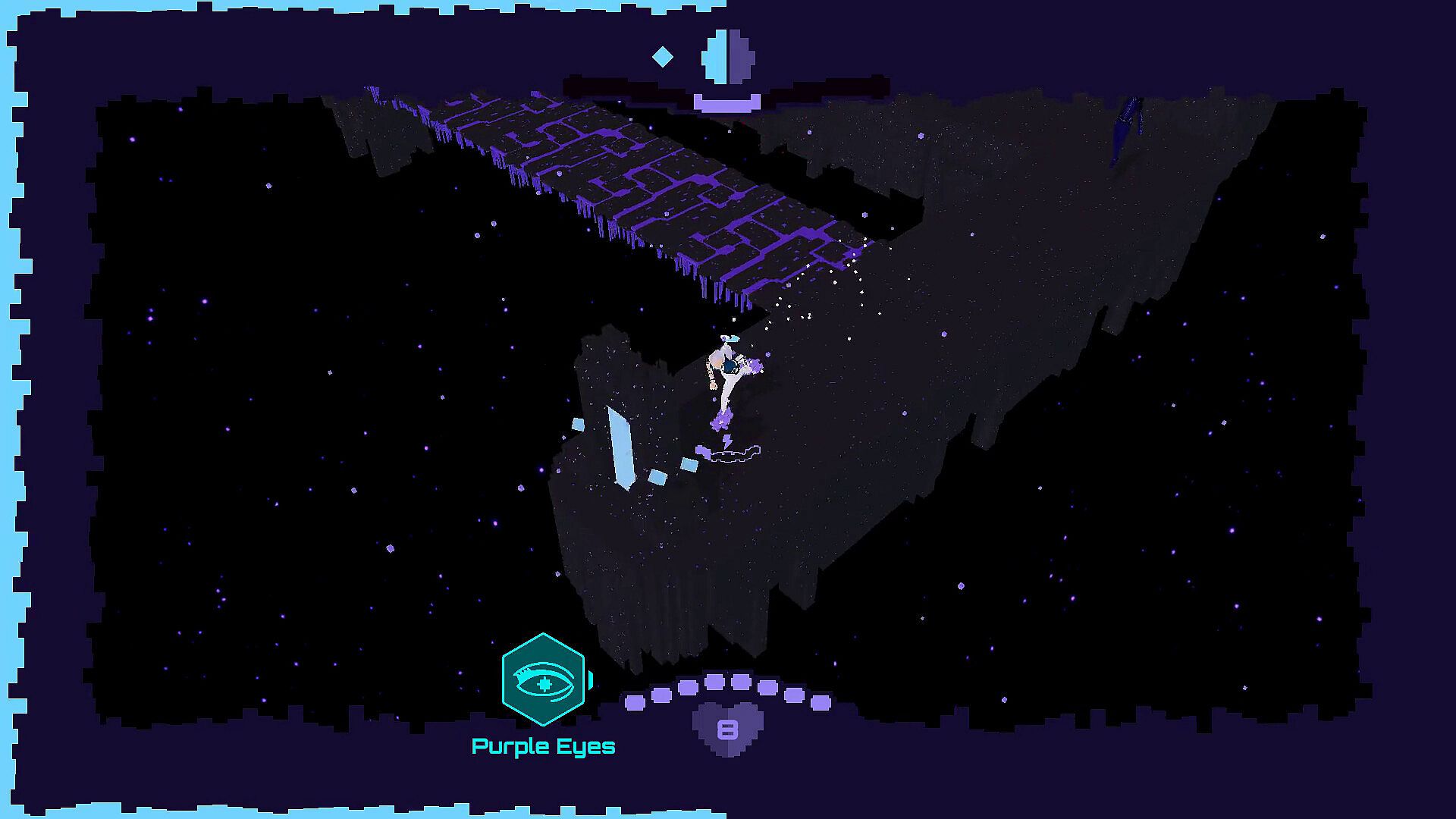
Das zentrale Element ist der Wechsel zwischen zwei Wahrnehmungsmodi, der die Umgebung in Echtzeit verändert. Objekte, Wege und Gefahren erscheinen oder verschwinden je nach aktiviertem Zustand und zwingen zu ständiger Neubewertung der Umgebung. Versteckte Brücken und Routen öffnen sich nur in einem Modus, während Strukturen, die im anderen den Weg versperren, nutzbar oder inaktiv werden. Dadurch wird jede Zone zu einem dynamischen Puzzle, bei dem der rechtzeitige Wechsel tödliche Anomalien und Umweltgefahren vermeidet.
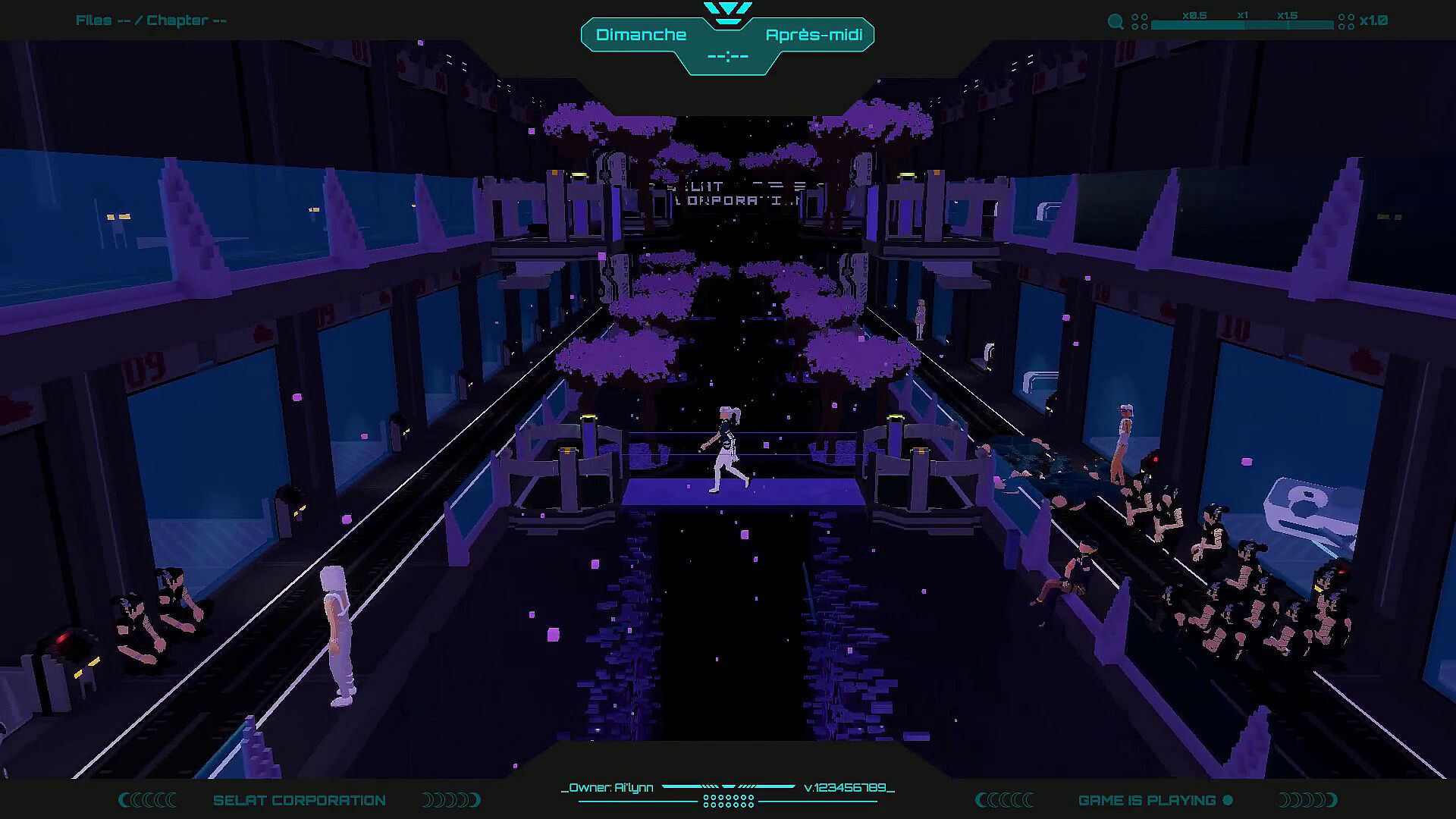
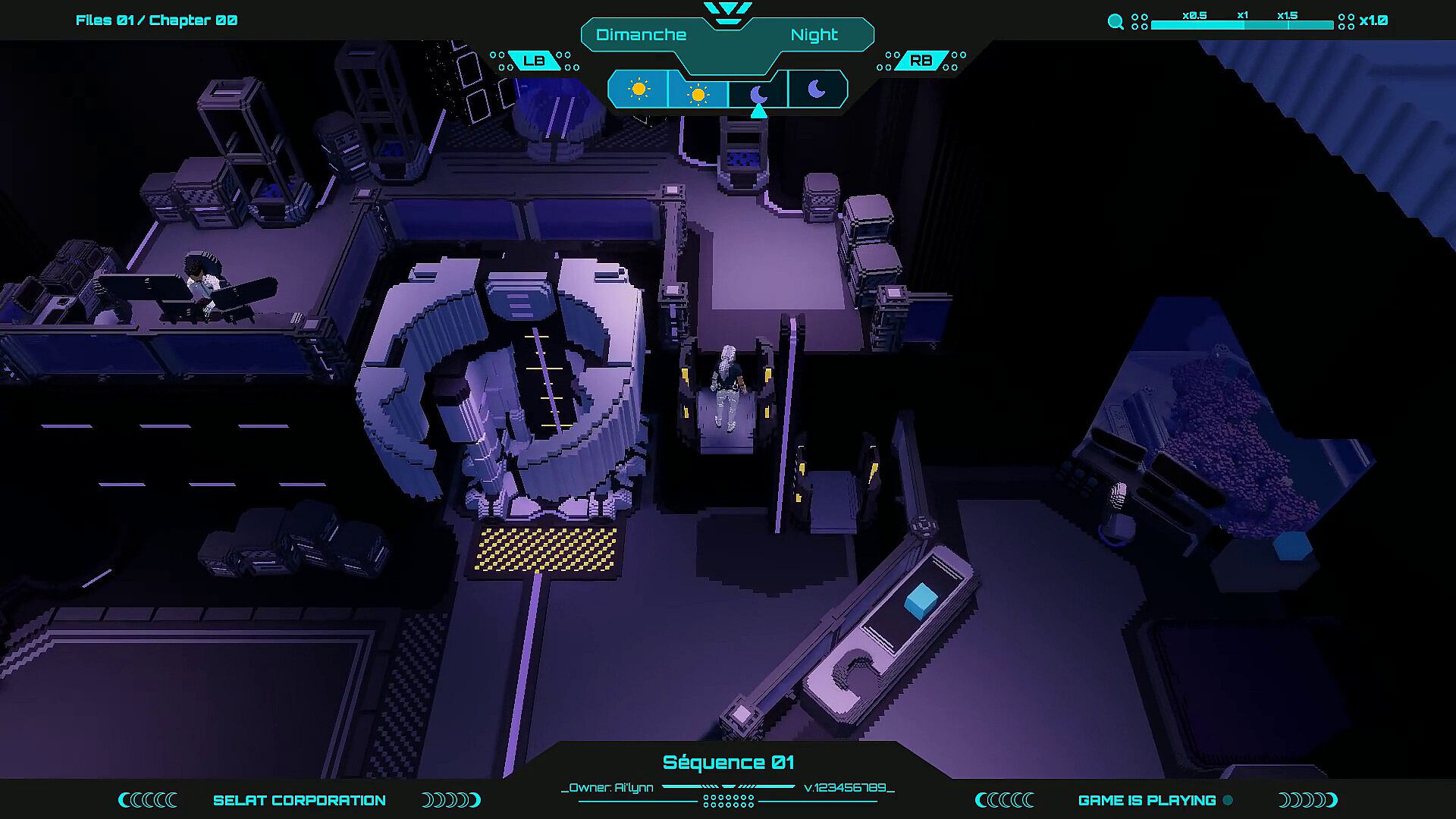
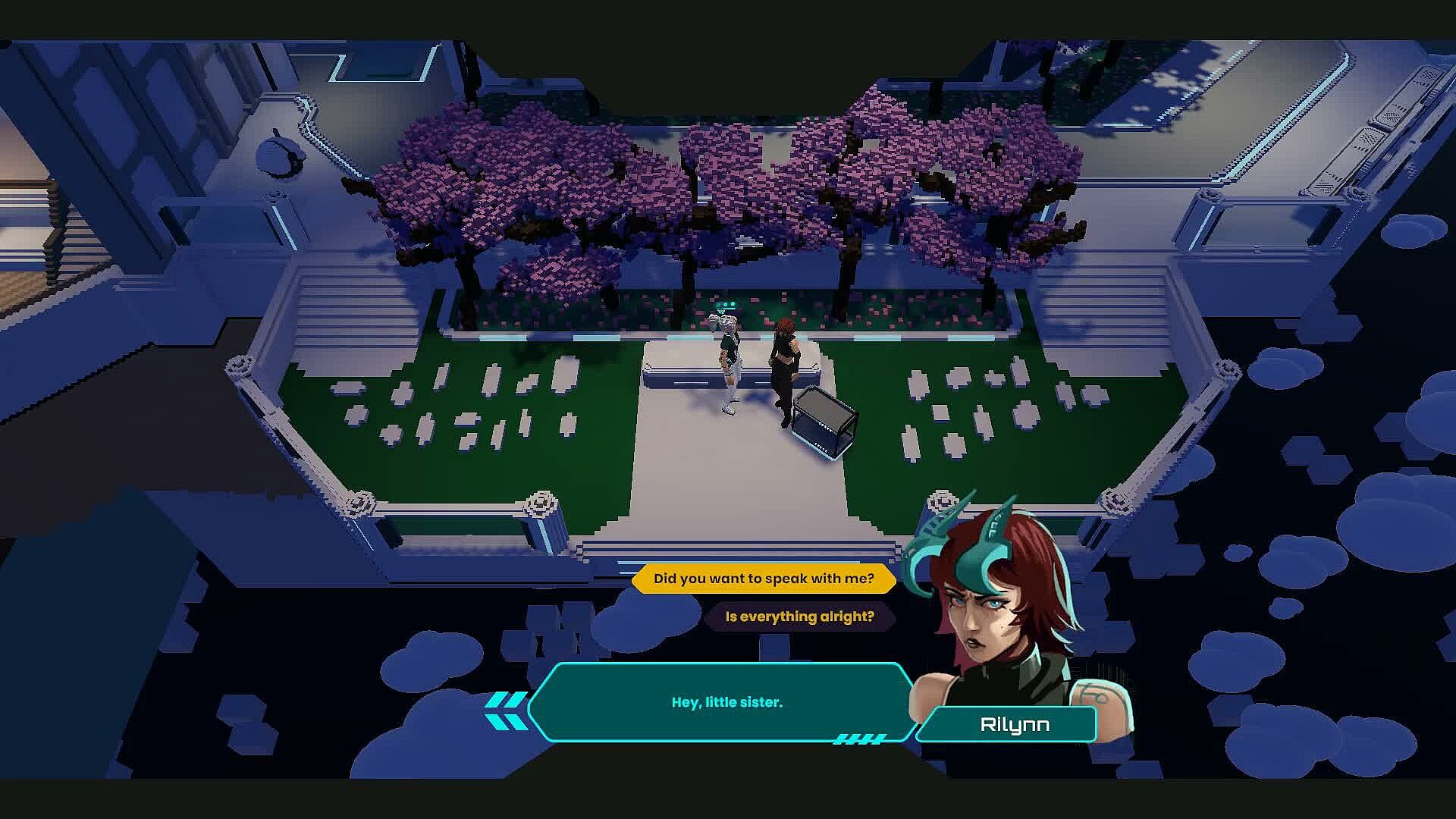
Die Erkundung erstreckt sich über Erinnerungen verschiedener Charaktere. Jede Erinnerung basiert auf persönlichen Emotionen und vergangenen Ereignissen und erzeugt eigene Layouts sowie Rätselregeln, die diese Verzerrungen widerspiegeln. Nach jeder Sequenz kehrt man in ein zentrales Hub zurück, wo sich die Handlung weiterentwickelt und neue Wege freigeschaltet werden. Dieses Hub dient als erzählerischer Anker, offenbart Verbindungen zwischen den Charakteren und verdeutlicht Ai'Lynns übergeordnetes Ziel, sich selbst zu klonen, um A.P.T.A.-Energie aus der Menschheit zu entfernen.
Ai'Lynns Fähigkeiten basieren auf A.P.T.A.-Energie. Ihre spezielle Kraft erlaubt es ihr, Erinnerungsfragmente umzuschreiben, doch ihre eigenen bruchstückhaften Erinnerungen an ein früheres Ereignis mit ihrer Schwester bringen zusätzliche Unsicherheit in die Reise. Ein Verbündeter namens Lepheus unterstützt sie bei diesen Tauchgängen und liefert im Hub Kontext. Die Top-Down-Perspektive und Voxel-Grafik legen den Fokus auf präzise Bewegung und Beobachtung statt auf Kampf und betonen damit Umweltmanipulation und Entdeckung.
Spielmodi
Das Spiel läuft ausschließlich im Einzelspielermodus ohne Multiplayer-Optionen. Der Fortschritt folgt einer linearen, aber verzweigten Struktur durch aufeinanderfolgende Erinnerungssequenzen, die jeweils auf dem Wahrnehmungswechsel basieren. Dazwischen fungiert das Hub als beständiger Raum für Handlungsfortschritt und Routenwahl, nicht als separater Modus.
Jede Erinnerungsumgebung bietet mehrere Lösungen, da die beiden Wahrnehmungszustände alternative Konfigurationen desselben Raums erzeugen. Dieses Design fördert Experimentieren, ohne separate Spielmodi oder Wettbewerbselemente einzuführen. Die grundlegende Schleife bleibt gleich: eine Erinnerung betreten, deren veränderliche Rätsel lösen, ins Hub zurückkehren und die Geschichte vorantreiben.
Handlung und Setting
Die Welt verbindet Natur und Technologie unter dem Einfluss von A.P.T.A., einer Energiequelle, die Individuen besondere Fähigkeiten verleiht. Ai'Lynns Ziel, diese Energie durch Selbstklonung zu beseitigen, treibt die Handlung an, doch ihre Methode der Erinnerungsveränderung führt zu persönlichen Erkenntnissen. Reisen durch die Erinnerungen anderer und ihre eigene fragmentierte Vergangenheit decken Widersprüche in ihren Überzeugungen über die Energie, ihre Mission und die dystopische Gesellschaft auf.
Charakterverbindungen kommen nach und nach durch Hub-Ereignisse und Erinnerungs-Erkundung ans Licht. Diese Enthüllungen verändern das Verständnis der Spieler von Ai'Lynns bruchstückhafter Geschichte und den weitreichenden Folgen ihrer Kraft, ohne auf externe Erläuterungen zurückzugreifen.
Lohnt es sich?
Das Spiel richtet sich an Spieler, die methodisches Puzzle-Lösen um eine einzelne Kernmechanik schätzen. Der Fokus auf Einzelspiel und Wahrnehmungswechsel spricht diejenigen an, die narrative Indie-Abenteuer bevorzugen statt schnelle Action oder Multiplayer-Erfahrungen. Die Systemanforderungen bleiben moderat und unterstützen eine Vielzahl von Hardware für 720p- oder 1080p-Leistung bei 60 Bildern pro Sekunde.
Derzeit in Entwicklung mit geplanter Veröffentlichung im Q4 2026, bietet das Spiel noch keine abgeschlossenen Spielerbewertungen oder aggregierten Scores. Eine frühe Version steht auf itch.io zum Download bereit und ermöglicht direkte Tests der Wahrnehmungswechsel-Puzzles und Erinnerungsnavigation. Wer sich für solarpunk-Themen, erinnerungsbasiertes Storytelling und Umweltpuzzles interessiert, wird feststellen, dass die verifizierten Mechaniken eng mit den beschriebenen Systemen übereinstimmen. Das Fehlen zusätzlicher Modi oder Features hält die Erfahrung auf die zentralen Ideen konzentriert.