

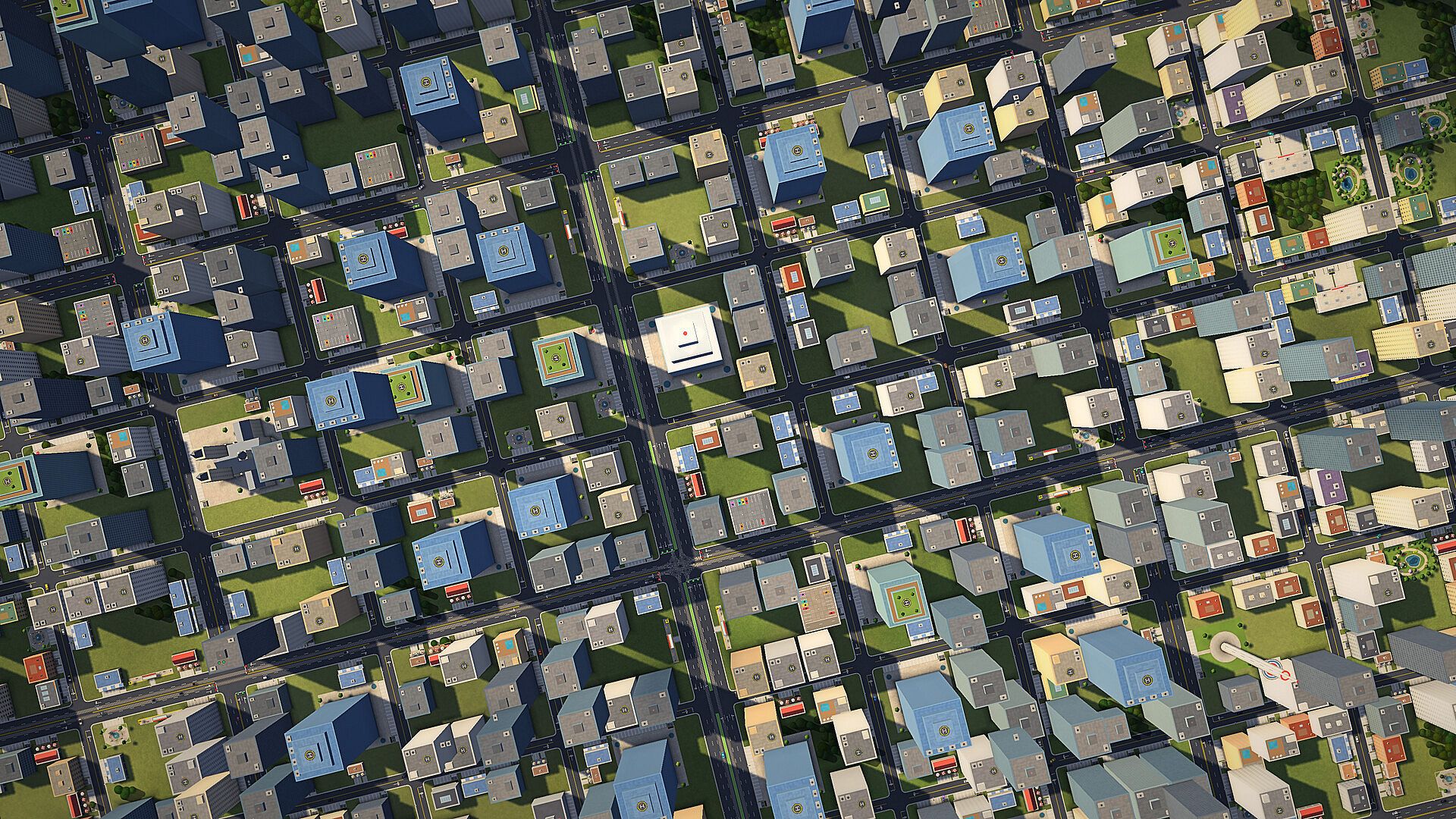
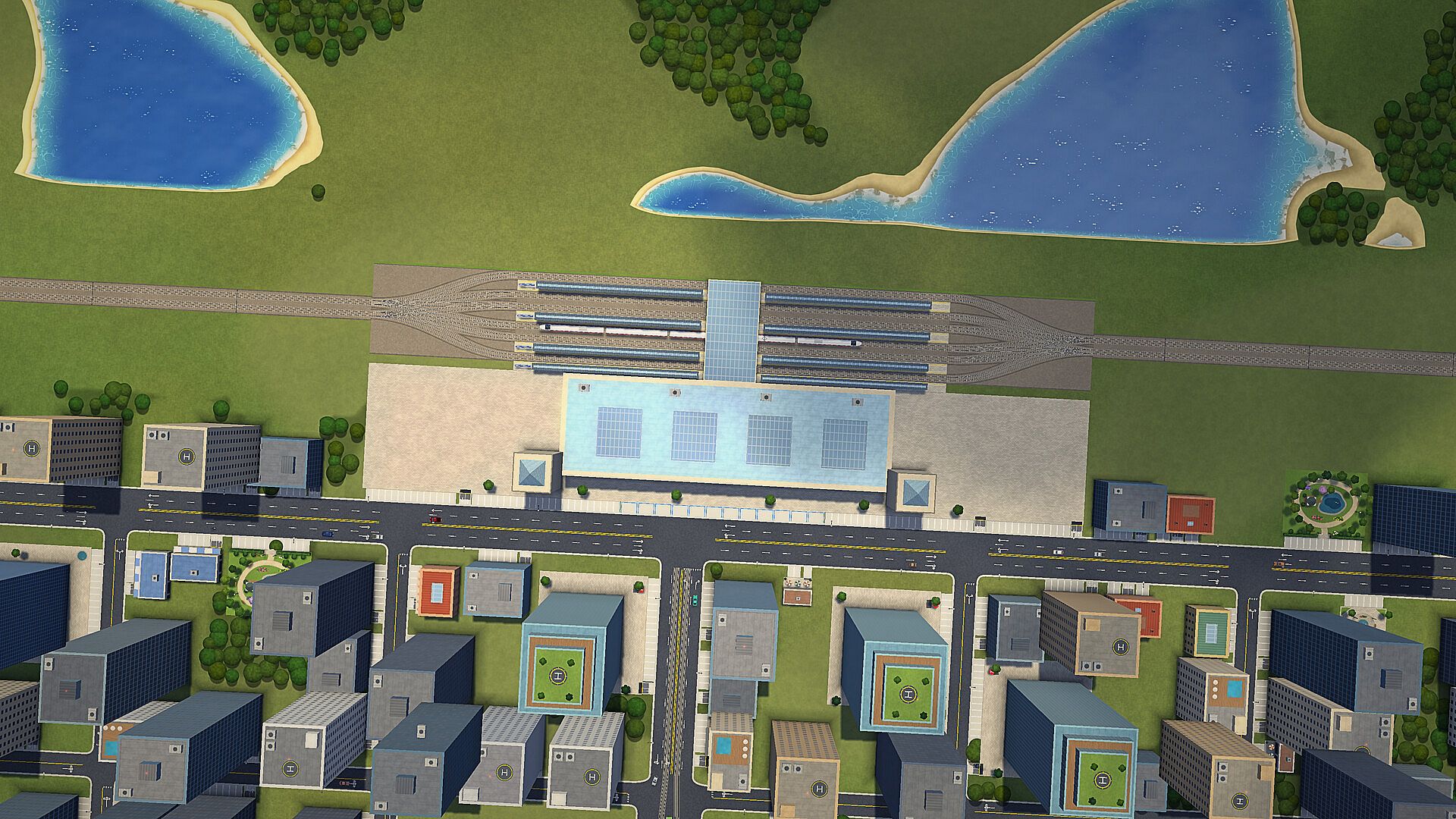
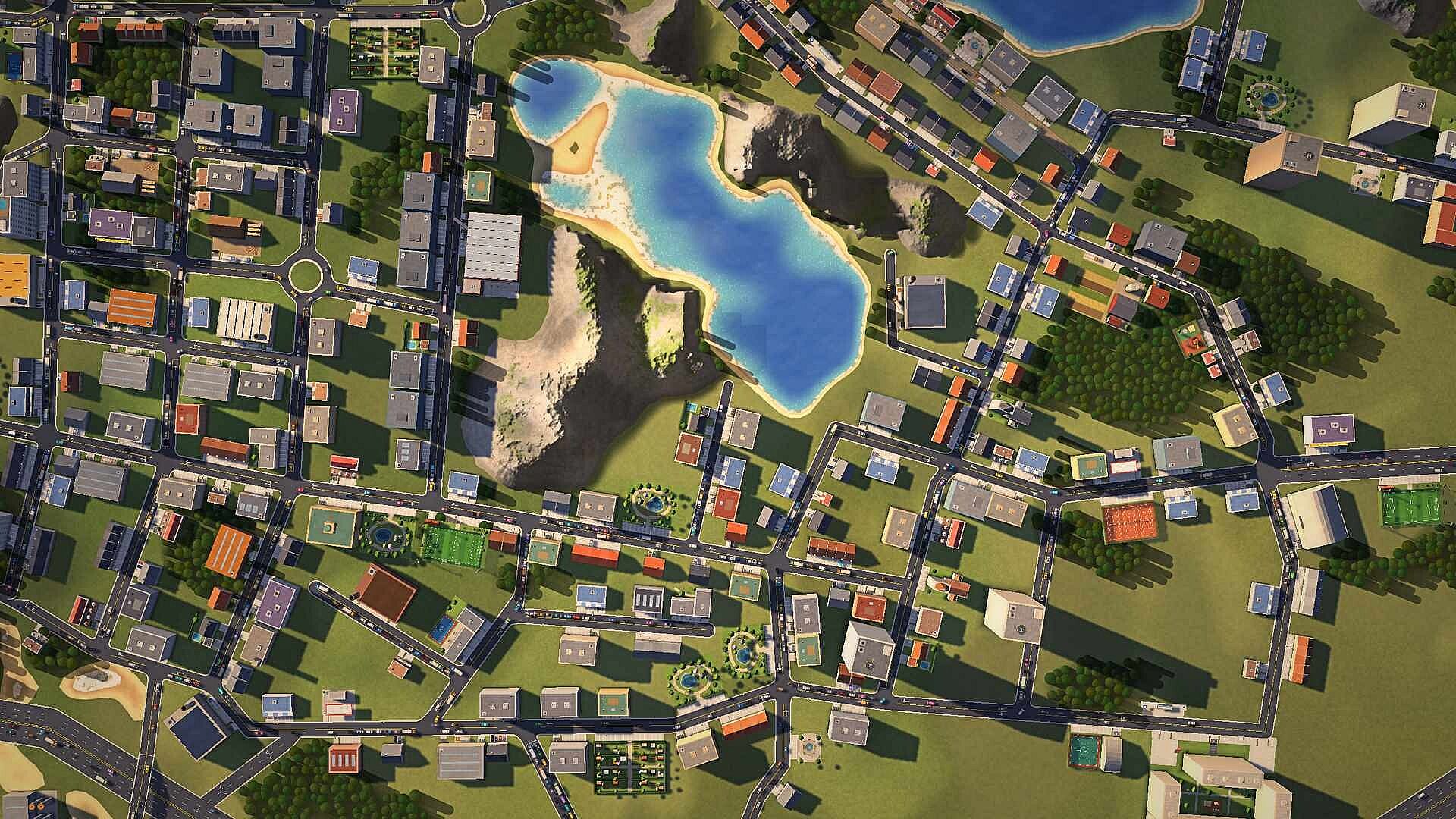
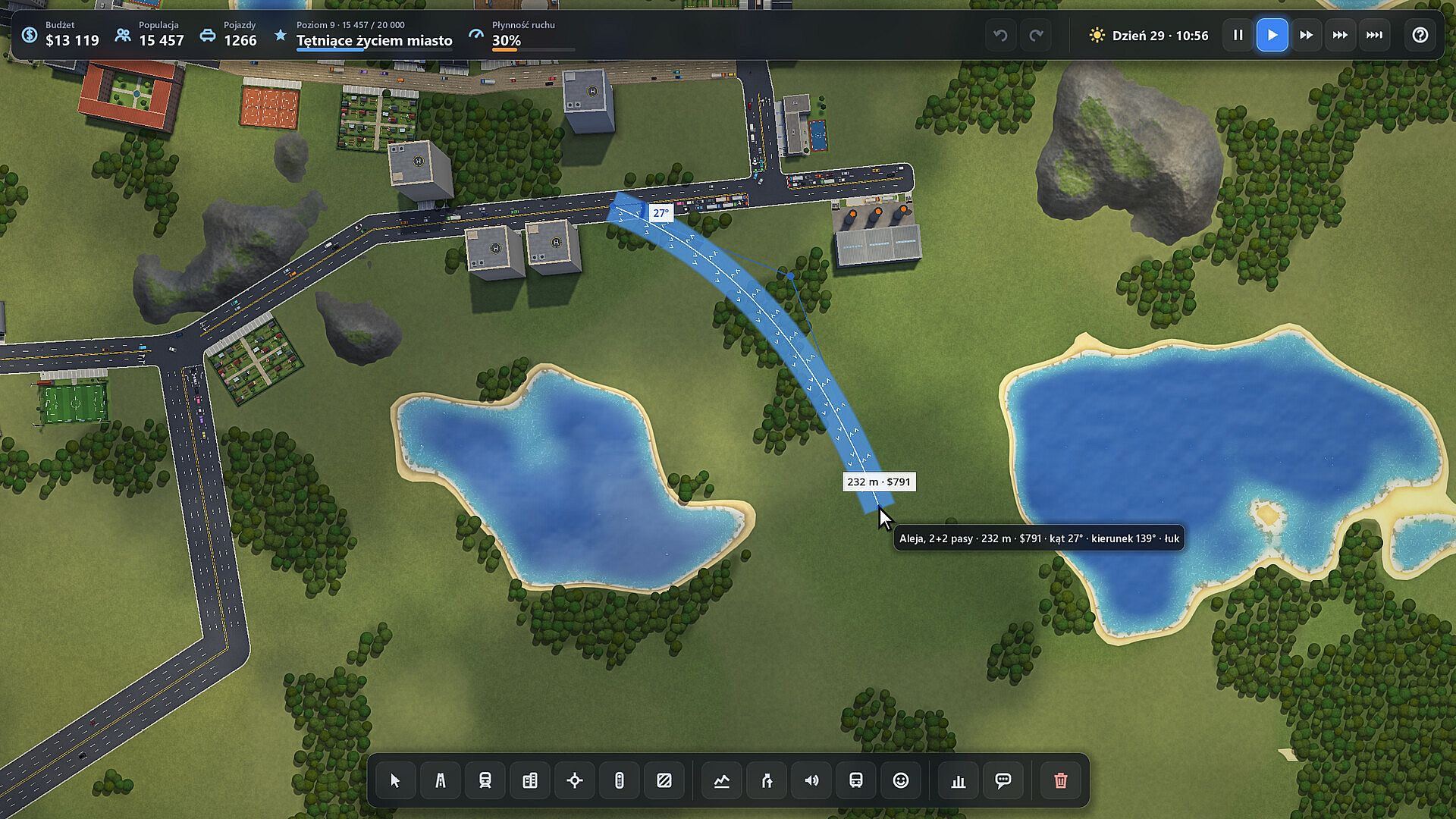
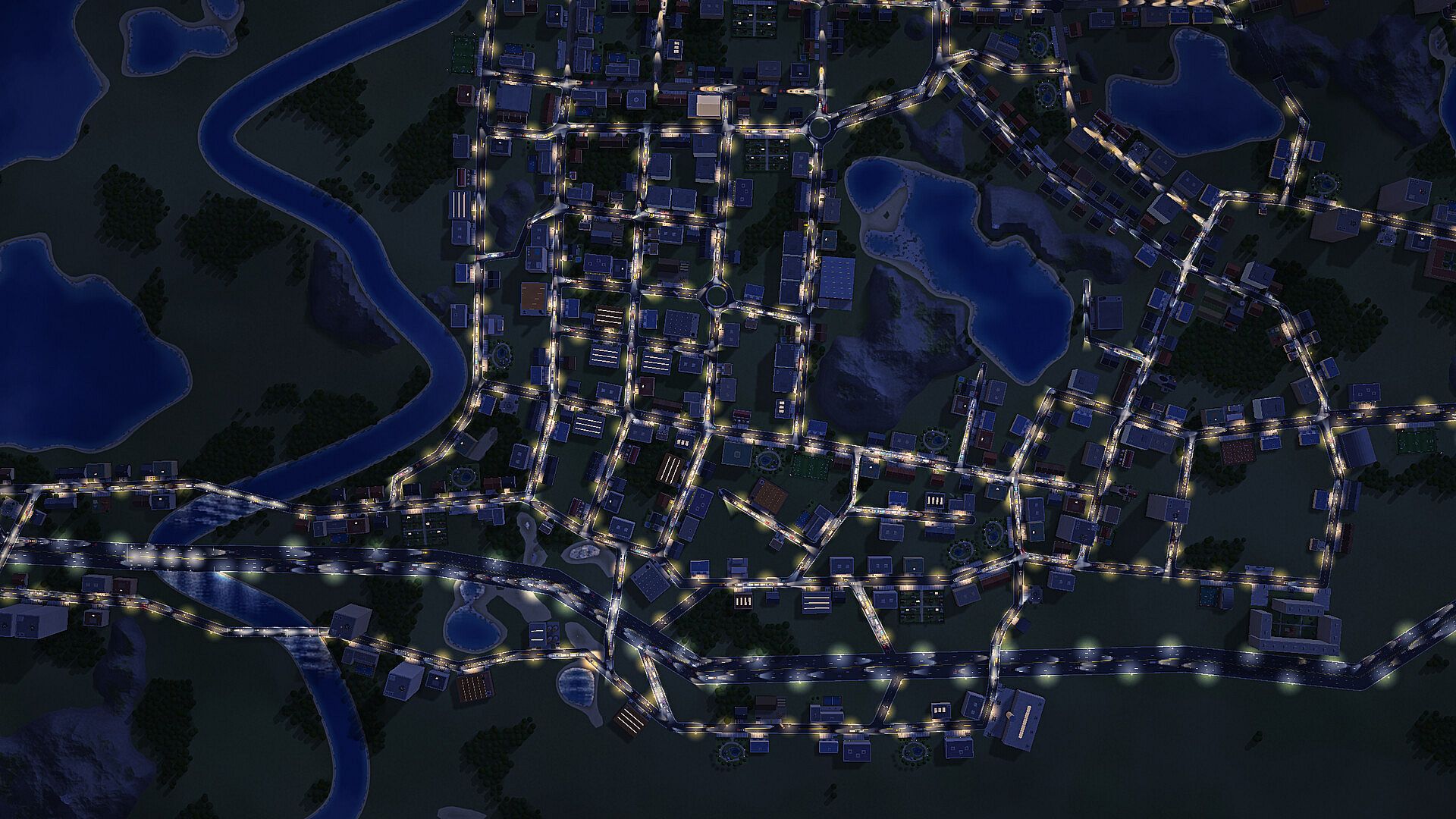
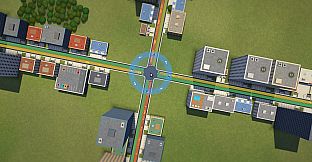
Arteria is a simulation city builder centered on realistic traffic management and organic urban growth. Players construct road networks that dictate where and how the city expands, with every vehicle tied to individual households, jobs, schools, and destinations that require actual parking upon arrival.
Gameplay
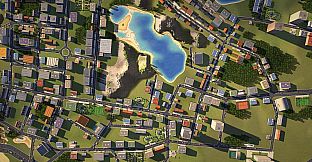
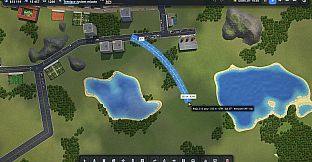
The core loop revolves around laying roads on procedurally generated maps across valley, desert, and rocky highland biomes. Cities begin as small crossroads settlements and expand only along connected routes, reaching populations exceeding 100,000 when traffic remains manageable. Congestion halts further growth, forcing careful planning of intersections, lanes, and alternatives.
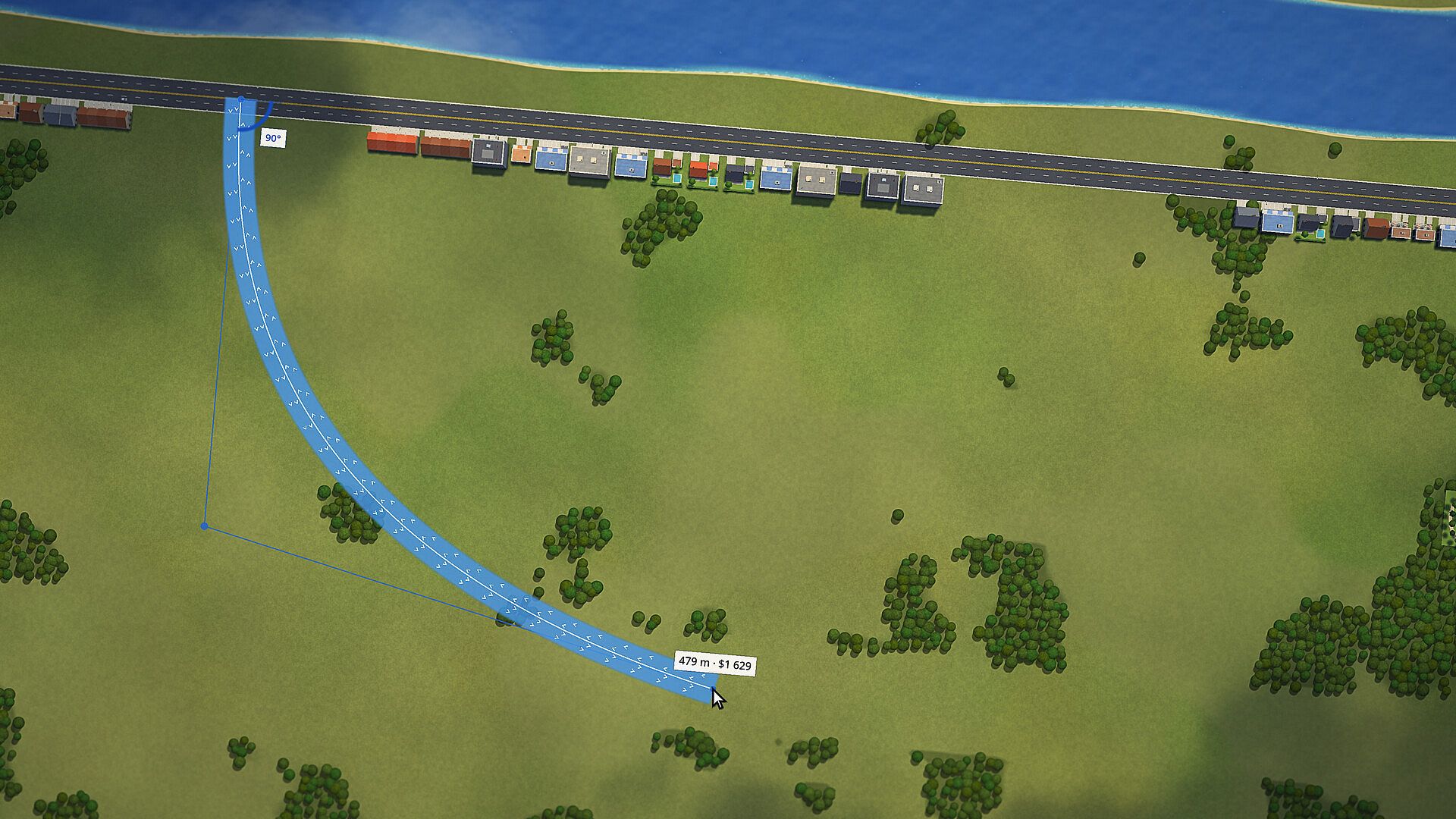
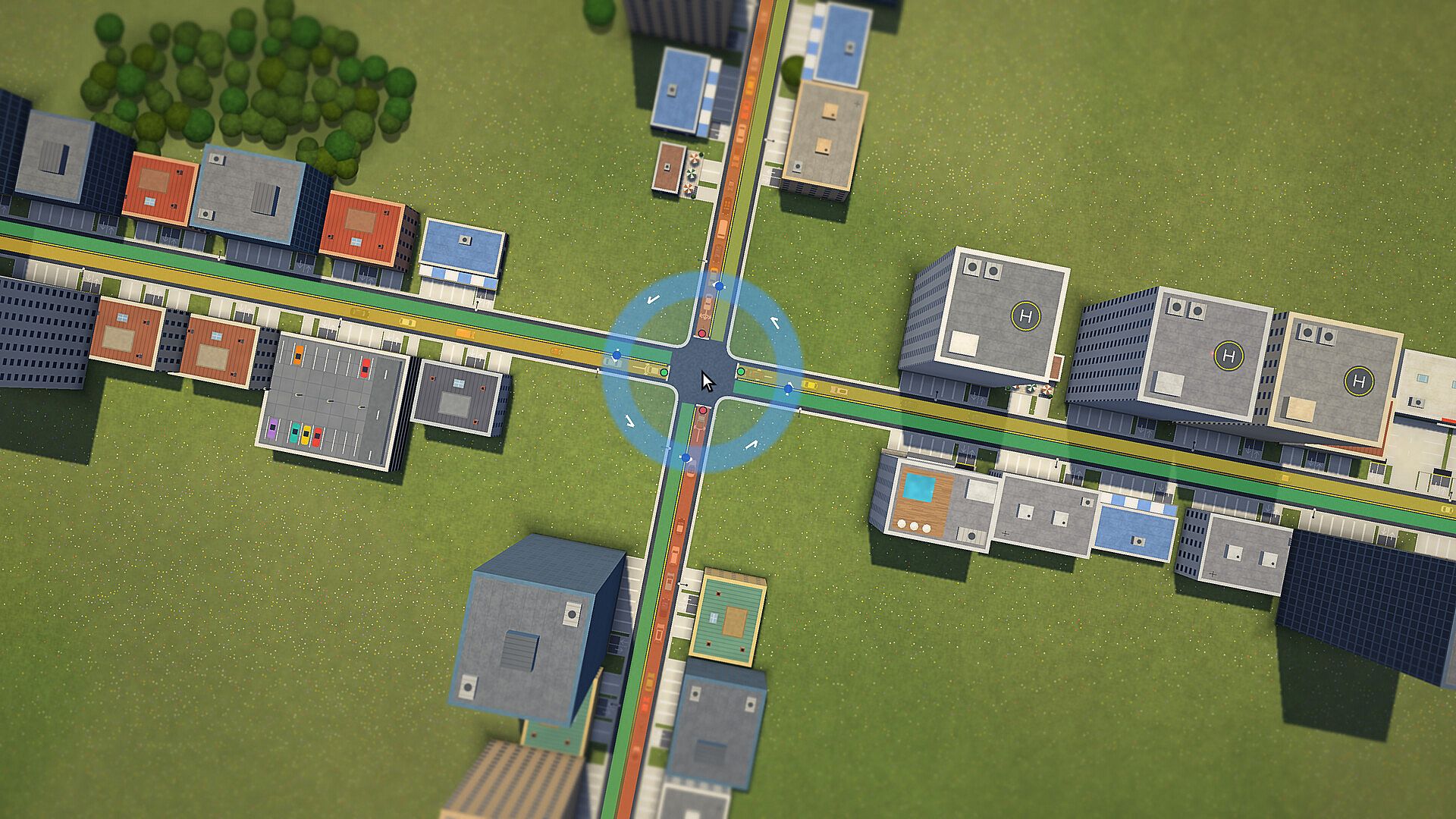
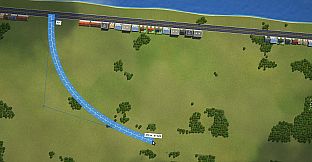
Road construction offers nine types from basic gravel paths to high-speed highways supporting 150 km/h travel. Each segment supports custom lane configurations up to eight lanes per direction, with asymmetric setups, dedicated turning lanes, and curbside parking. Lane arrows can be edited directly to control turns, and multi-lane merging follows zipper principles at reductions or ramps. Roundabouts come in four sizes, including three-lane variants, alongside adjustable traffic lights and priority rules.
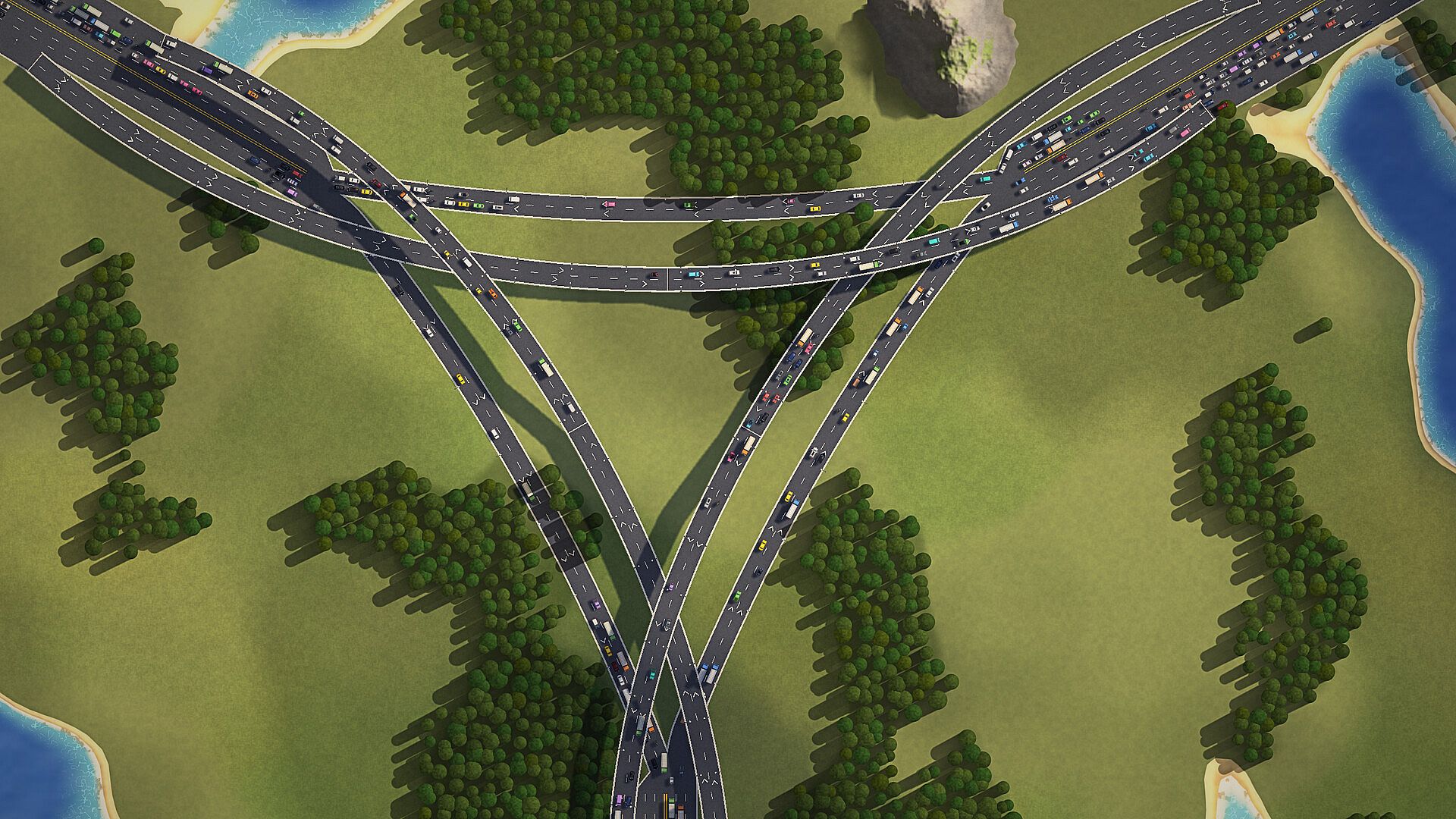
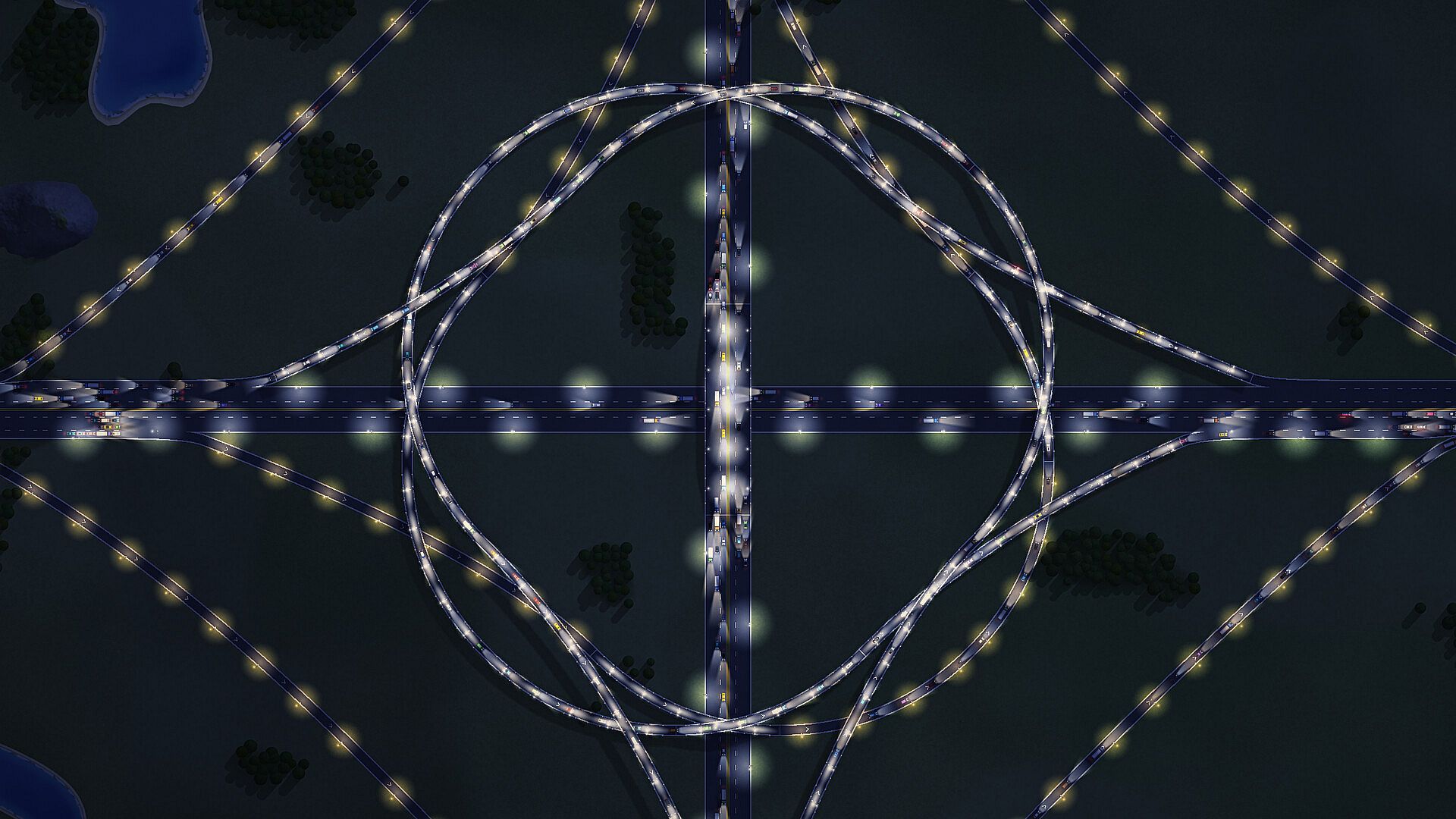
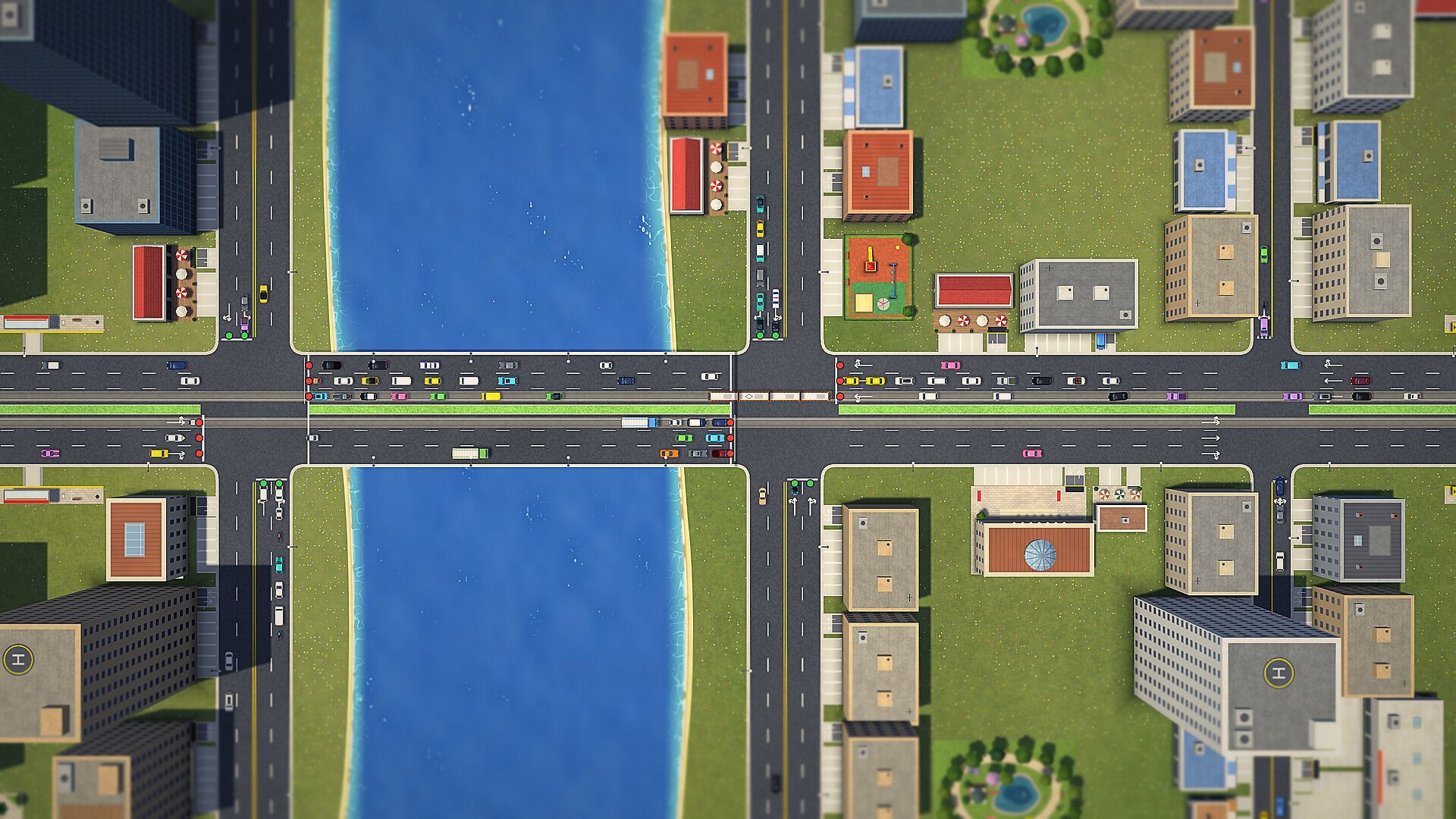
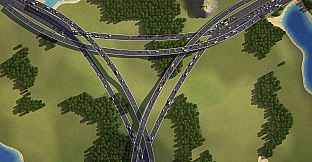
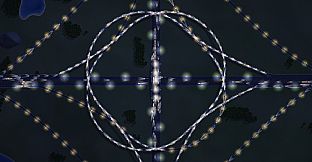
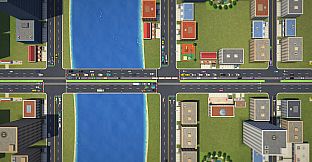
Bridges span three elevation levels and tunnels reach three depths, enabling complex interchanges such as cloverleaf or turbine designs beneath rivers or hills. All edits support full undo and redo with budget refunds. Vehicles include cars, vans, trucks, buses, motorcycles, trains, and trams, each driven by simulated agents that reroute around jams and yield realistically at merges.
Residents form households that share vehicles for daily routines like school runs or commutes. Individuals select transport modes including walking or public options, and parked cars occupy driveways, lots, or streets. Supply chains operate via dedicated trucks from factories and warehouses, while tourists and event-goers add further traffic layers. Over 100 building types span residential, commercial, industrial, public service, tourism, sports, recreation, parking, and transportation categories.
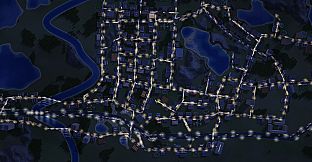
Diagnostic tools highlight bottlenecks by tracing vehicle routes through selected roads or buildings. Resident feedback pinpoints missing amenities, and layered maps display traffic density, noise, and happiness levels. Happiness directly influences tax revenue, with parks providing boosts and congestion imposing penalties. No-build zones reserve land for future infrastructure.
Game Modes
Three distinct modes shape the experience. Normal mode balances growth challenges with standard resource constraints. Hard mode intensifies traffic and economic pressures for experienced players. Sandbox mode removes financial limits, allowing unrestricted experimentation with road layouts, buildings, and large-scale projects.
City Development and Landmarks
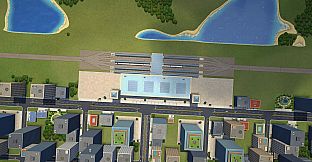
Progression unfolds across 13 stages, from initial crossroads settlement to full megalopolis, unlocking advanced roads, tools, and structures at each tier. Major additions include a national stadium, airport, container port, opera house, aquarium, TV tower, race track, and spaceport featuring rocket launches. Industrial scale encompasses car factories, chemical plants, aircraft production, shipyards, and battery gigafactories. Public transport integrates automatically placed bus stops with optional manual additions, tram tracks and depots, plus railways with five station types and train varieties ranging from railbuses to high-speed passenger and freight services.
Is It Worth Playing?
Arteria targets players who value precise traffic simulation and cause-and-effect urban systems over abstract resource management. Its detailed vehicle behavior, parking requirements, and supply chain mechanics create a focused single-player experience on PC. With a planned release in late 2026 and no public reviews available yet, the game appeals most to enthusiasts of intricate city builders seeking new emphasis on road networks and resident mobility. Those drawn to procedural maps, extensive customization of lanes and interchanges, and visible impacts from congestion will find the systems rewarding once available.