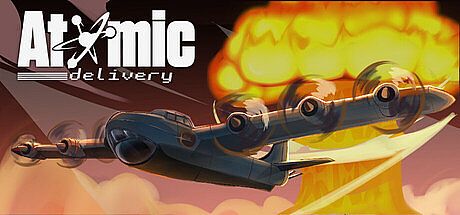


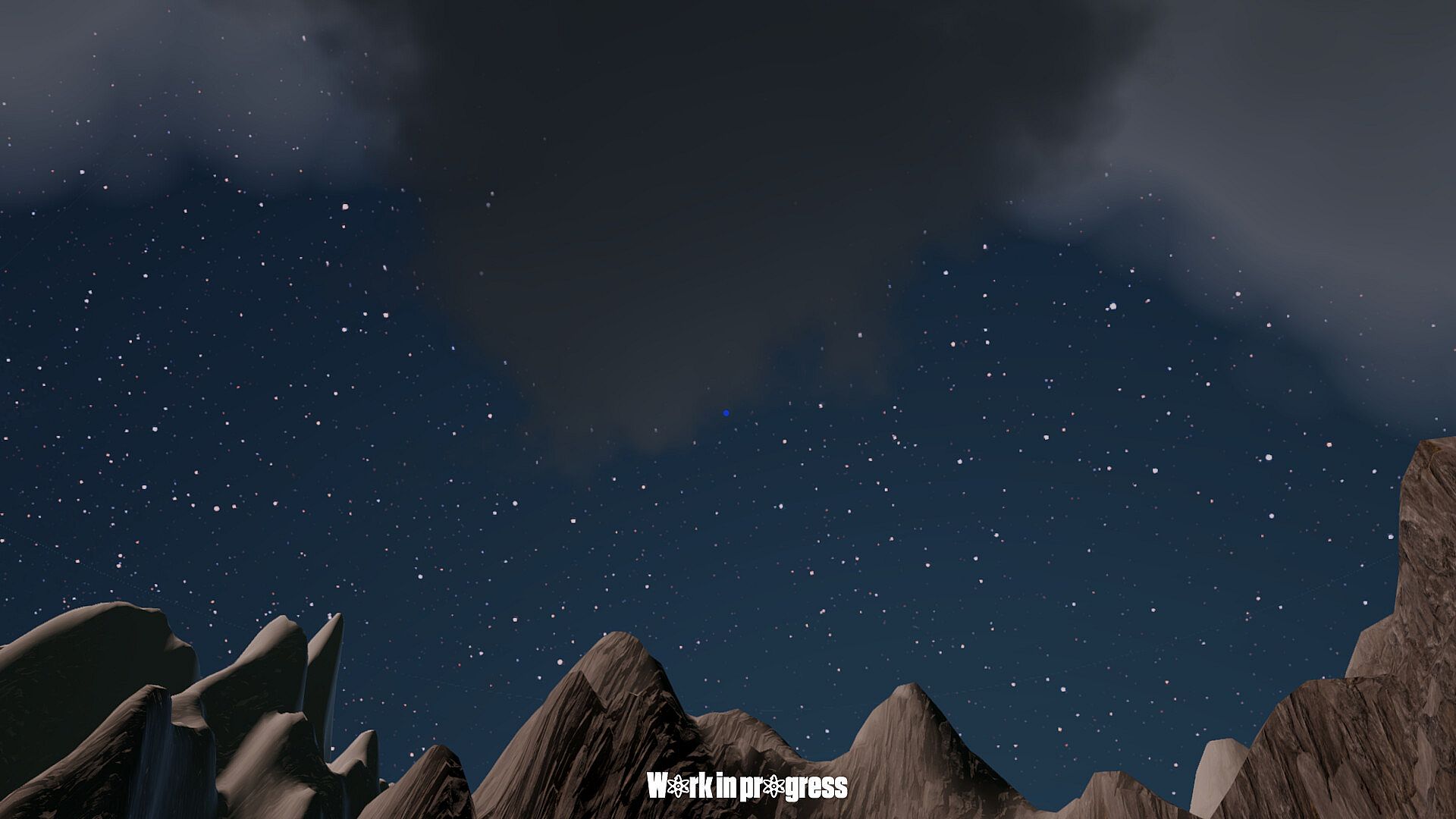


Atomic Delivery is a single player action strategy indie simulation adventure game for PC that places players in command of the BNS 1 Eclipse, a strategic bomber designed to build and deliver nuclear weapons during an alternate Cold War. The experience combines aircraft piloting, industrial manufacturing, navigation, and survival elements in a dieselpunk setting where Europe never fully recovered from the Second World War. Missions require careful preparation, real time adaptation, and precise execution as every strike leaves lasting changes to the world map and future operations.
Gameplay
Players begin each assignment by reviewing target details, yield requirements, and flight instructions from the General Staff. Stocking the aircraft involves ordering uranium, gunpowder, and industrial supplies, then loading the plane and organizing a flying workshop with supply crates. Budget decisions allow upgrades to the aircraft or purchases of pre refined materials that shorten preparation or improve performance in flight.
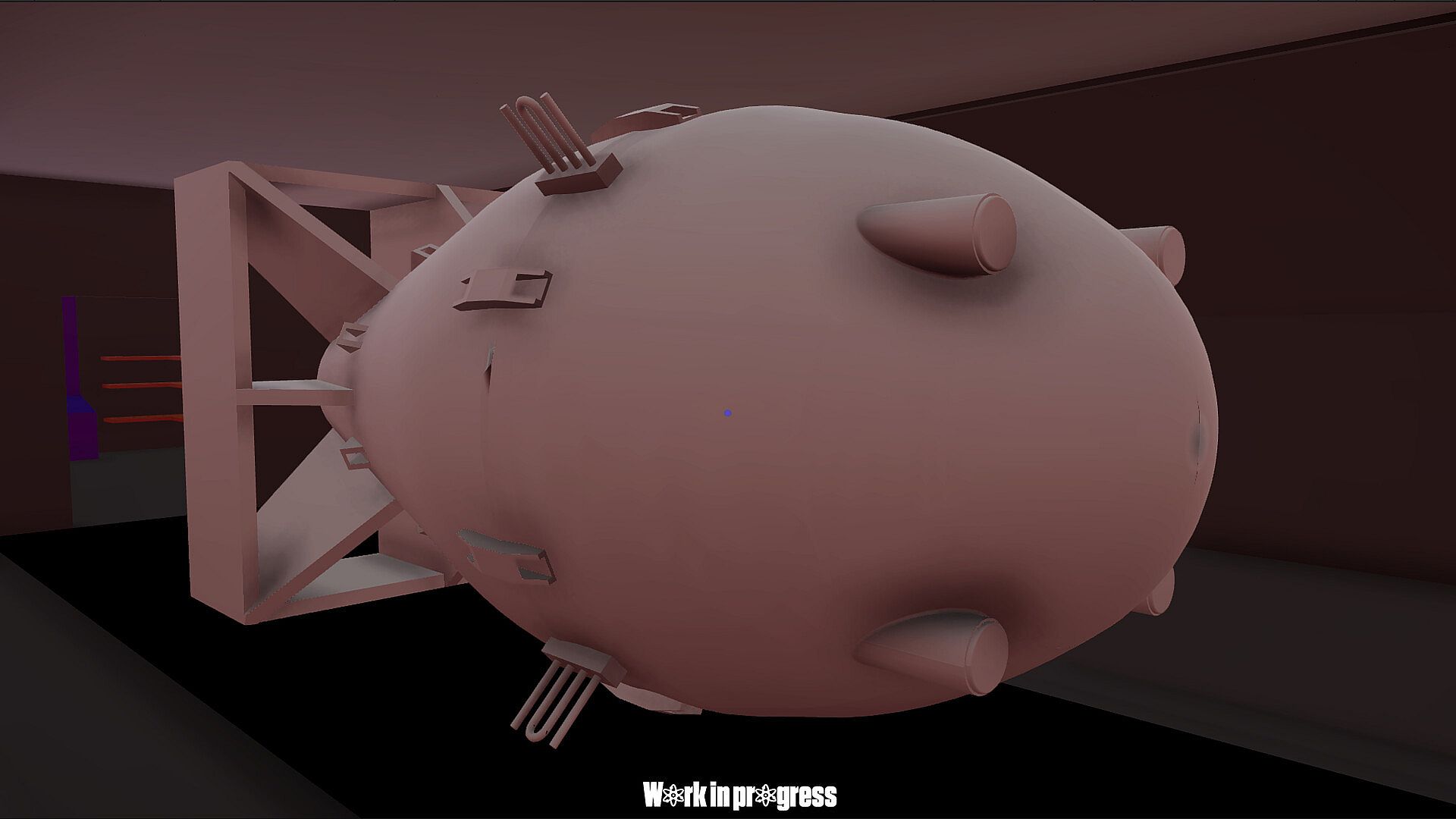
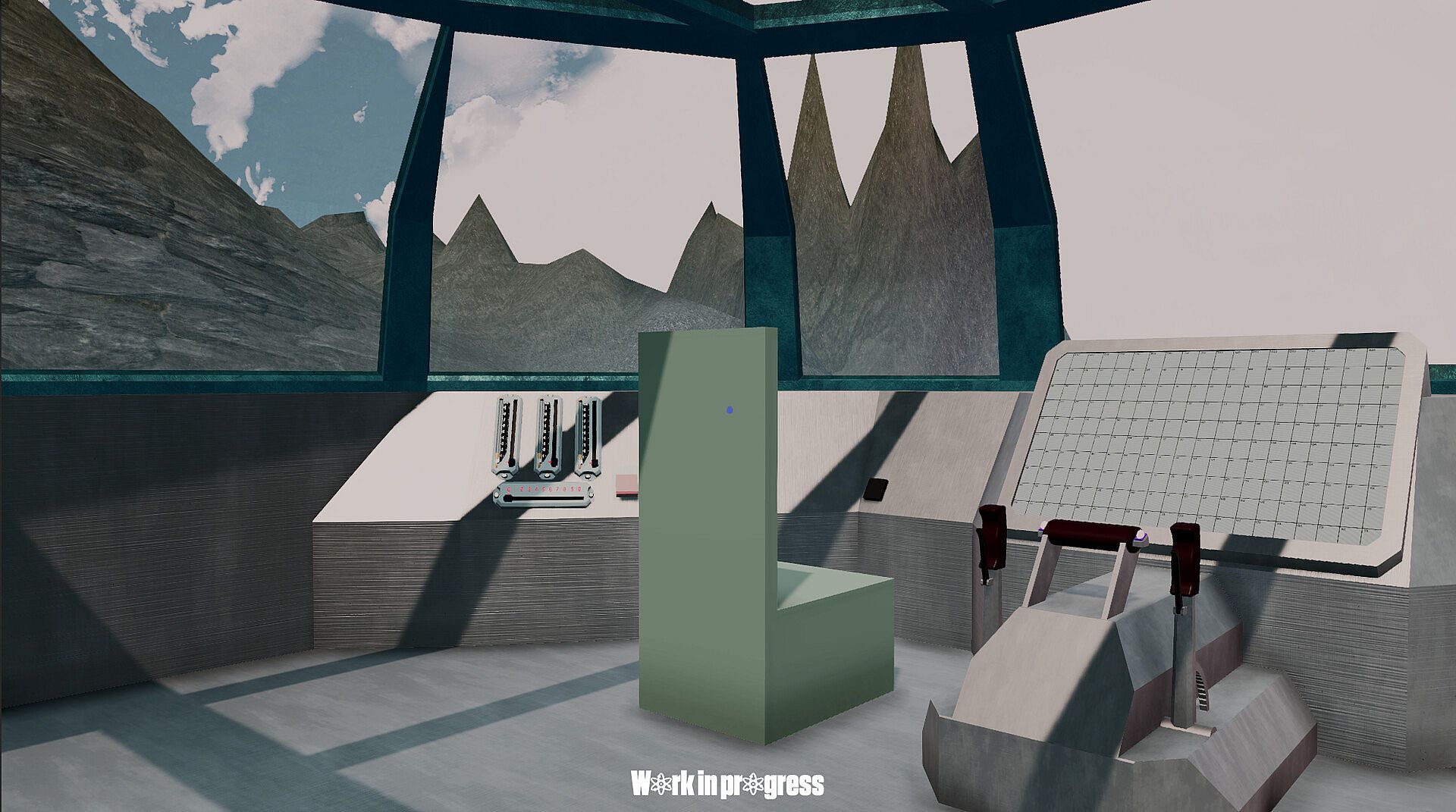
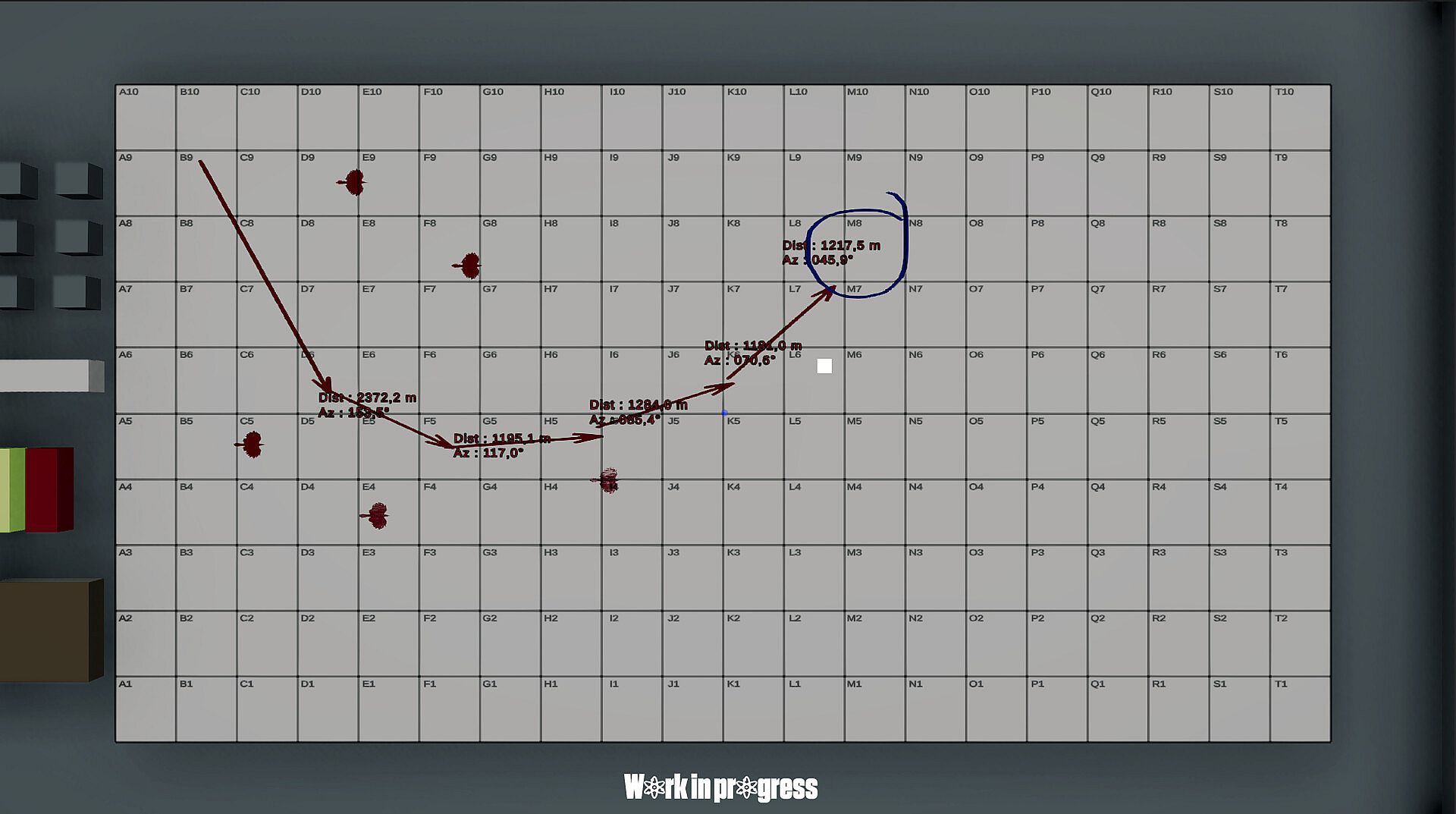
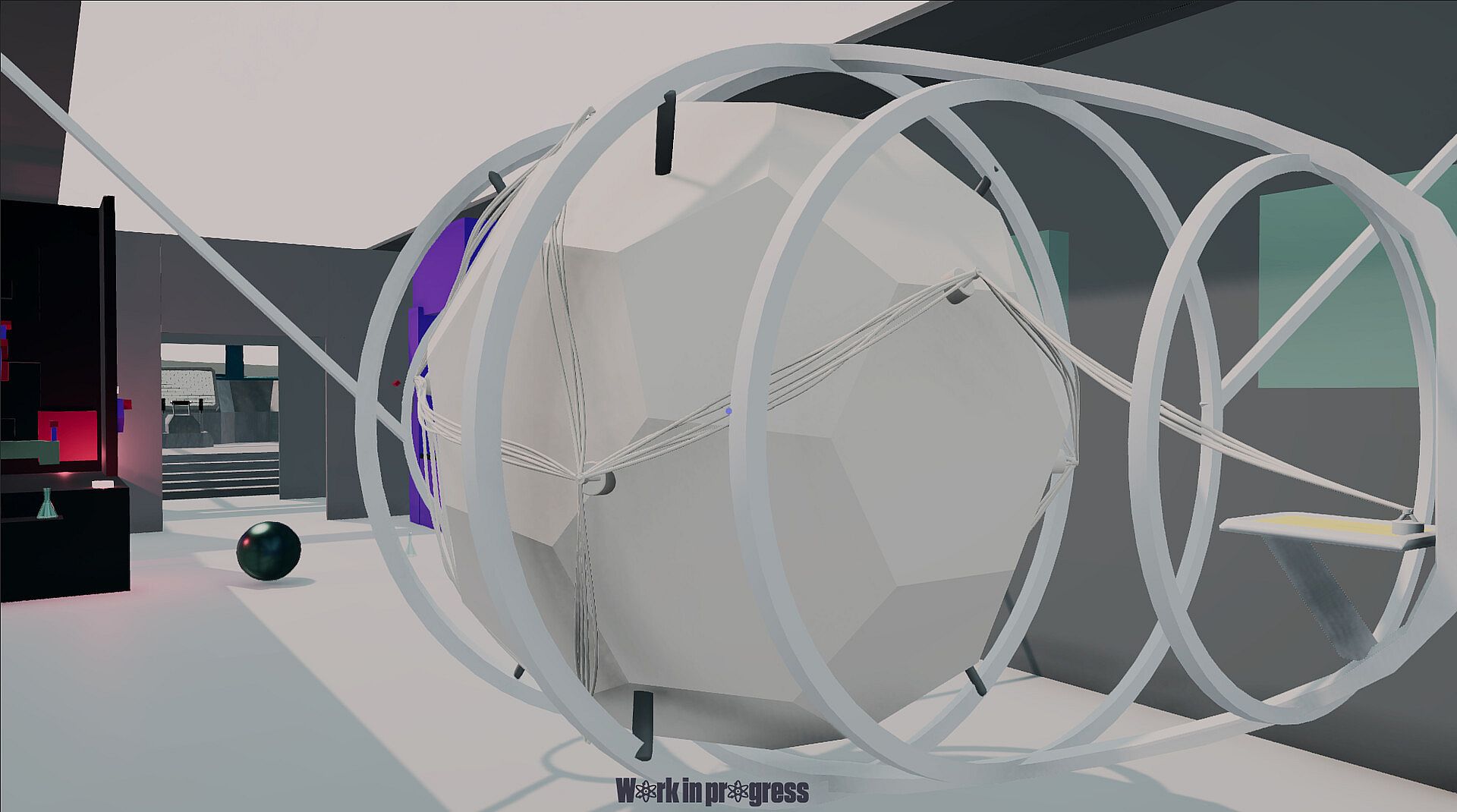
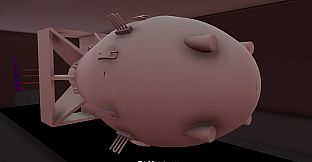
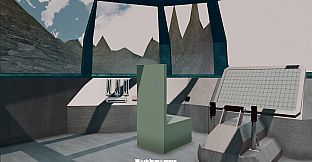
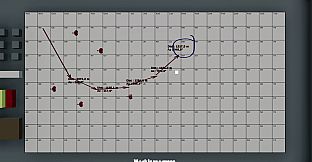
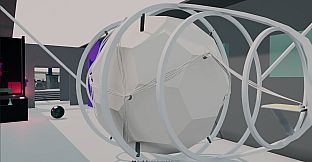
Bringing the BNS 1 Eclipse online means starting engines, regulating fuel injection, and completing takeoff procedures before plotting a course. Navigation relies on reading maps, calculating bearings, spotting landmarks from the air, and adjusting routes when weather or enemy activity shifts. Manufacturing the assigned nuclear weapon happens en route through refinement of uranium, operation of centrifuges, furnaces, and hydraulic presses, production of explosive charges, and assembly of weapons that range from historical designs like Little Boy and Fat Man to modern warheads. Ten or more unique industrial machines aboard the bomber each serve a distinct purpose in this process.
The mission continues without pause while work proceeds. Players must extinguish fires, repair failing systems, manage extreme cold, evade anti aircraft batteries, deploy countermeasures, and defend against enemy fighters and aces. Boss encounters add further pressure. The final phase requires arming the weapon, opening the bomb bay, and completing delivery, after which the resulting explosion creates permanent destruction and campaign consequences.
Game Modes
The core experience centers on a campaign of fifteen or more handcrafted missions that advance through the alternate Cold War setting. Each mission demands a specialized nuclear weapon, unique route, and tailored strategy while permanent world changes influence later operations. Challenge Mode provides additional tests with leaderboards for competitive play. The full feature set includes aircraft upgrades, logistics management, dynamic onboard emergencies, and dozens of interactive items that support both piloting and manufacturing workflows.
The Setting and Development
Atomic Delivery unfolds in an alternate history where nations pursue an escalating arms race through advanced aviation and nuclear engineering. The BNS 1 Eclipse functions as a self contained nuclear workshop that builds its payload while crossing hostile airspace. Every mission reshapes cities, landscapes, and subsequent objectives through lasting consequences. The project comes from developers Nerra Tolstoï and FLaV, who focused on handcrafted switches, machines, and workflows to capture the feel of operating a flying nuclear facility. An alternate Cold War dieselpunk aesthetic defines the visual and mechanical tone, with one noted interactive detail allowing players to make a pizza.
Is It Worth Playing?
Atomic Delivery suits players who enjoy detailed first person interactions, industrial simulation, and strategic decision making under pressure. The combination of manufacturing sequences, real time survival mechanics, and campaign progression with permanent effects offers a focused single player loop for those interested in aviation, engineering, and alternate history themes. Challenge Mode and leaderboards extend replay value for competitive users. Availability is limited to PC, and the experience emphasizes solo play without multiplayer components. Those drawn to methodical preparation followed by high stakes execution in a cohesive setting will find the systems rewarding, while players seeking fast paced action without management layers may prefer other titles. The handcrafted nature of the machines and workflows supports repeated engagement across the campaign missions.