


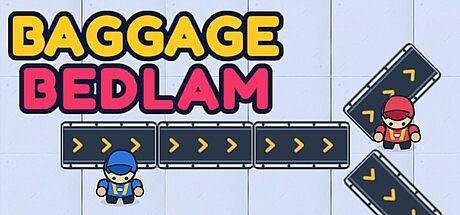


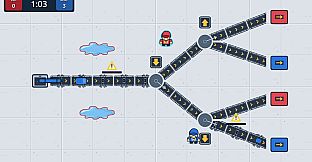
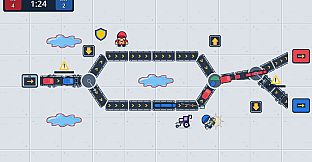
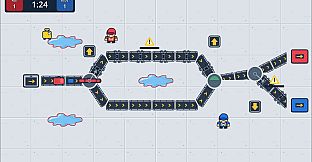
Baggage Bedlam is an action indie multiplayer party game for PC in which players compete to route luggage through a chaotic airport conveyor system during brief 90 second matches.
Gameplay
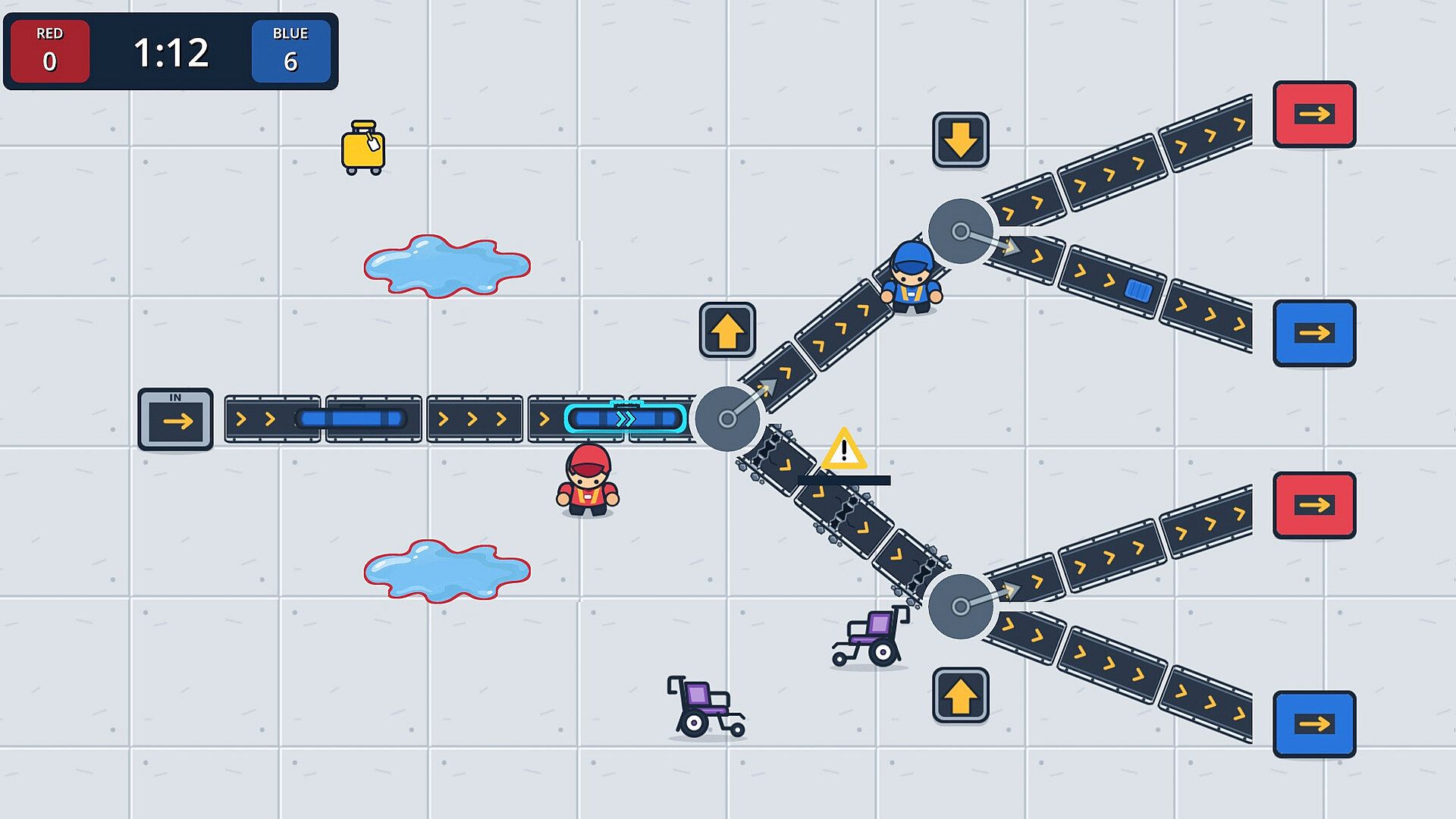
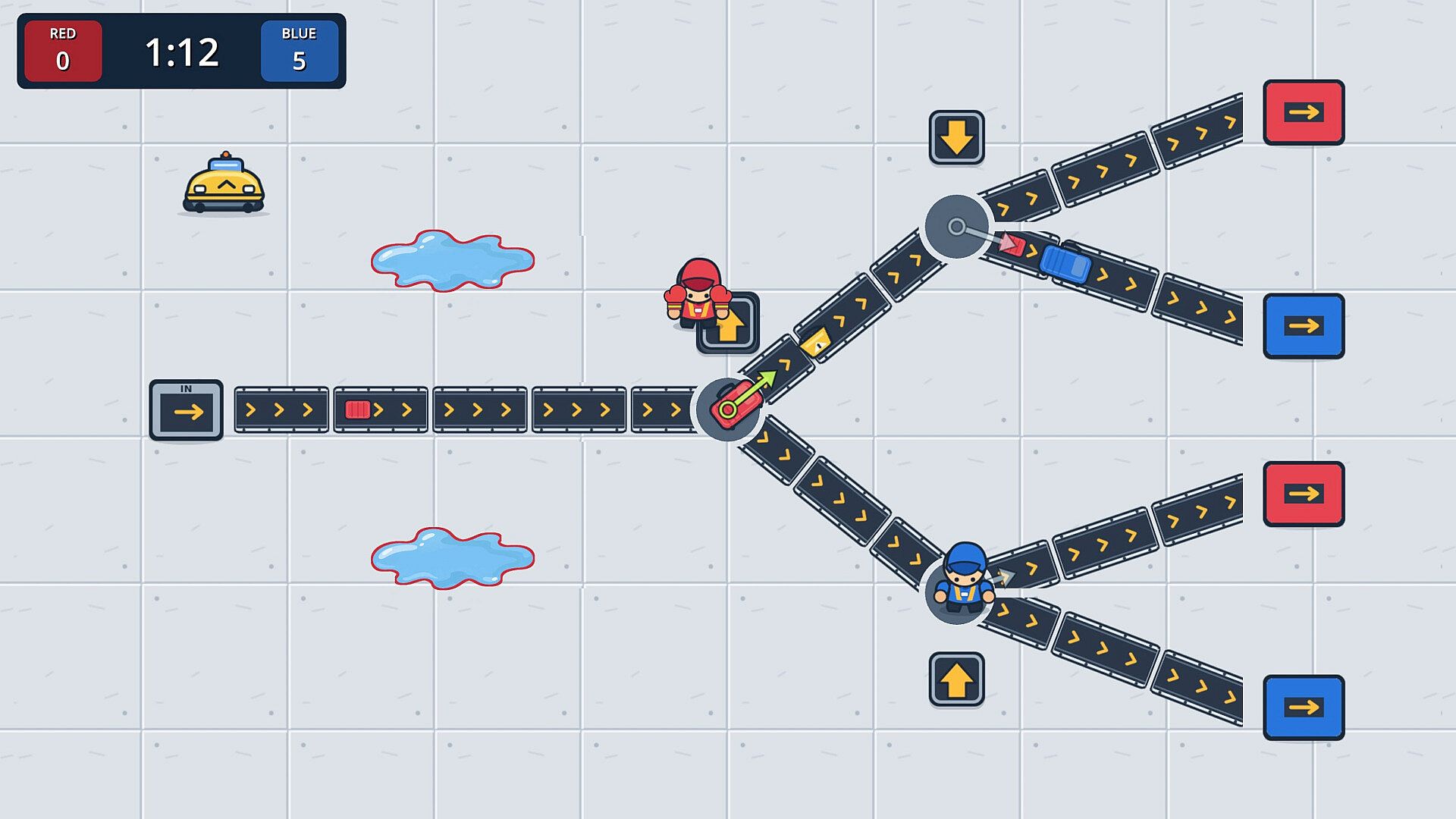
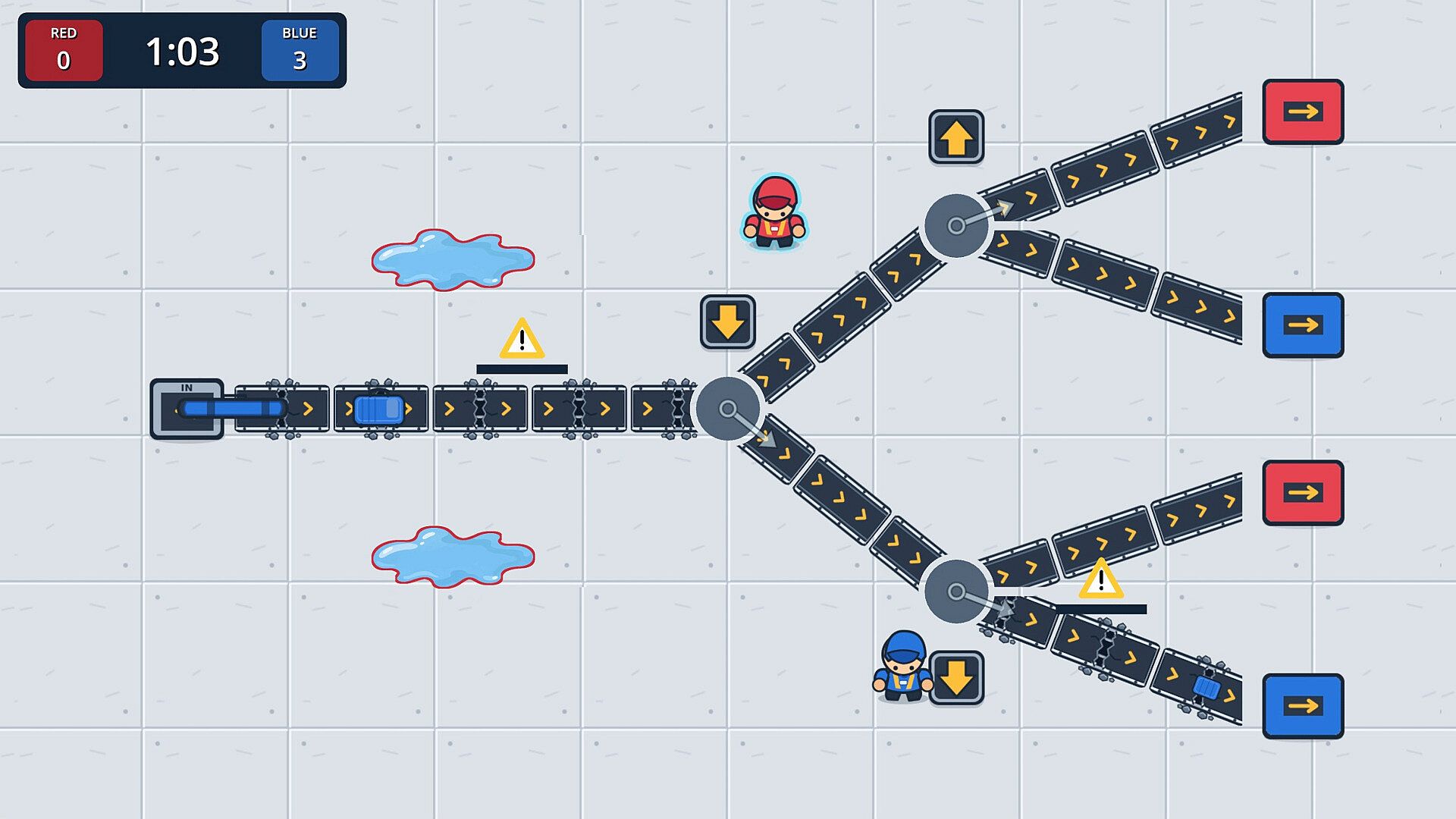
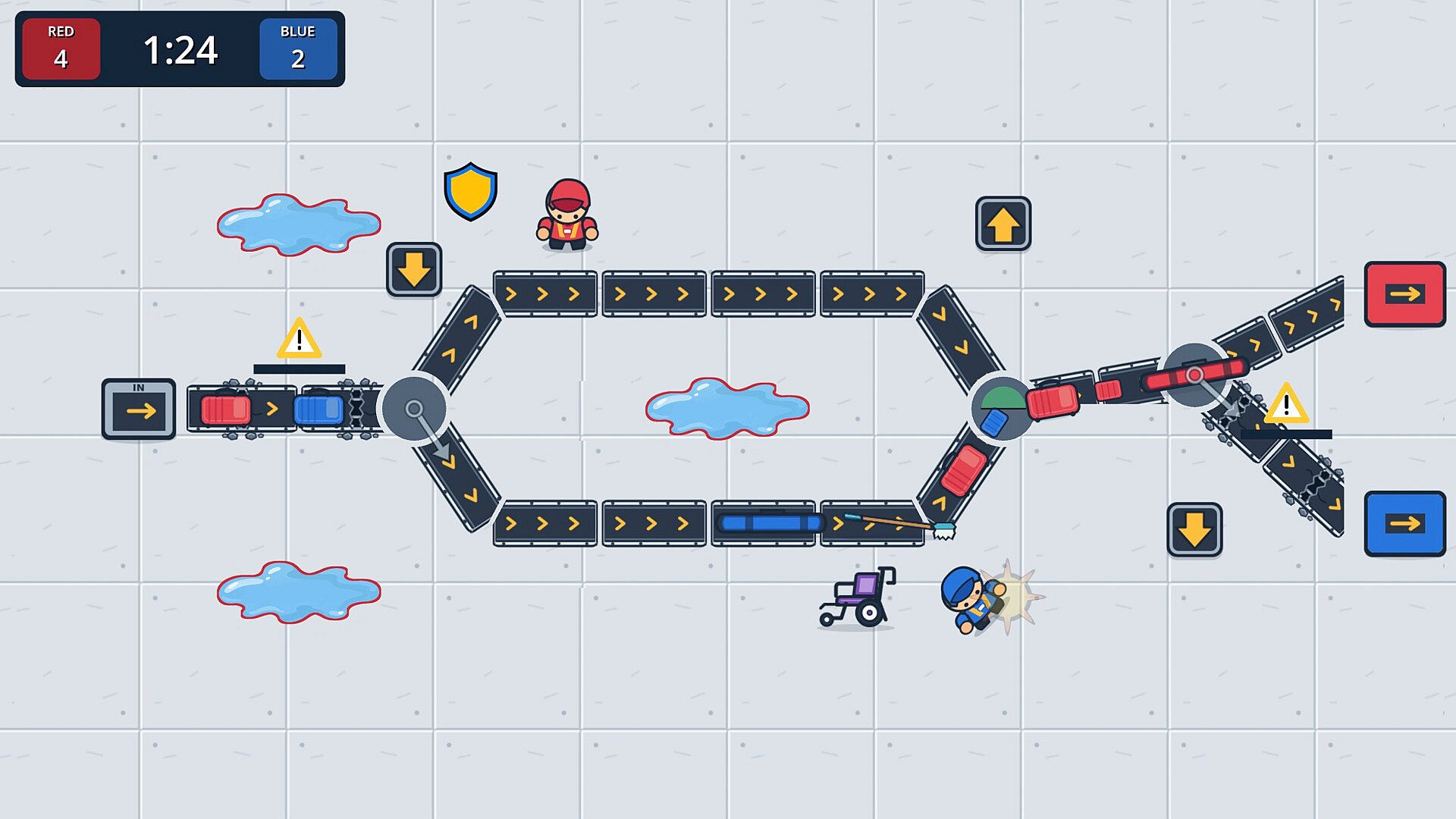
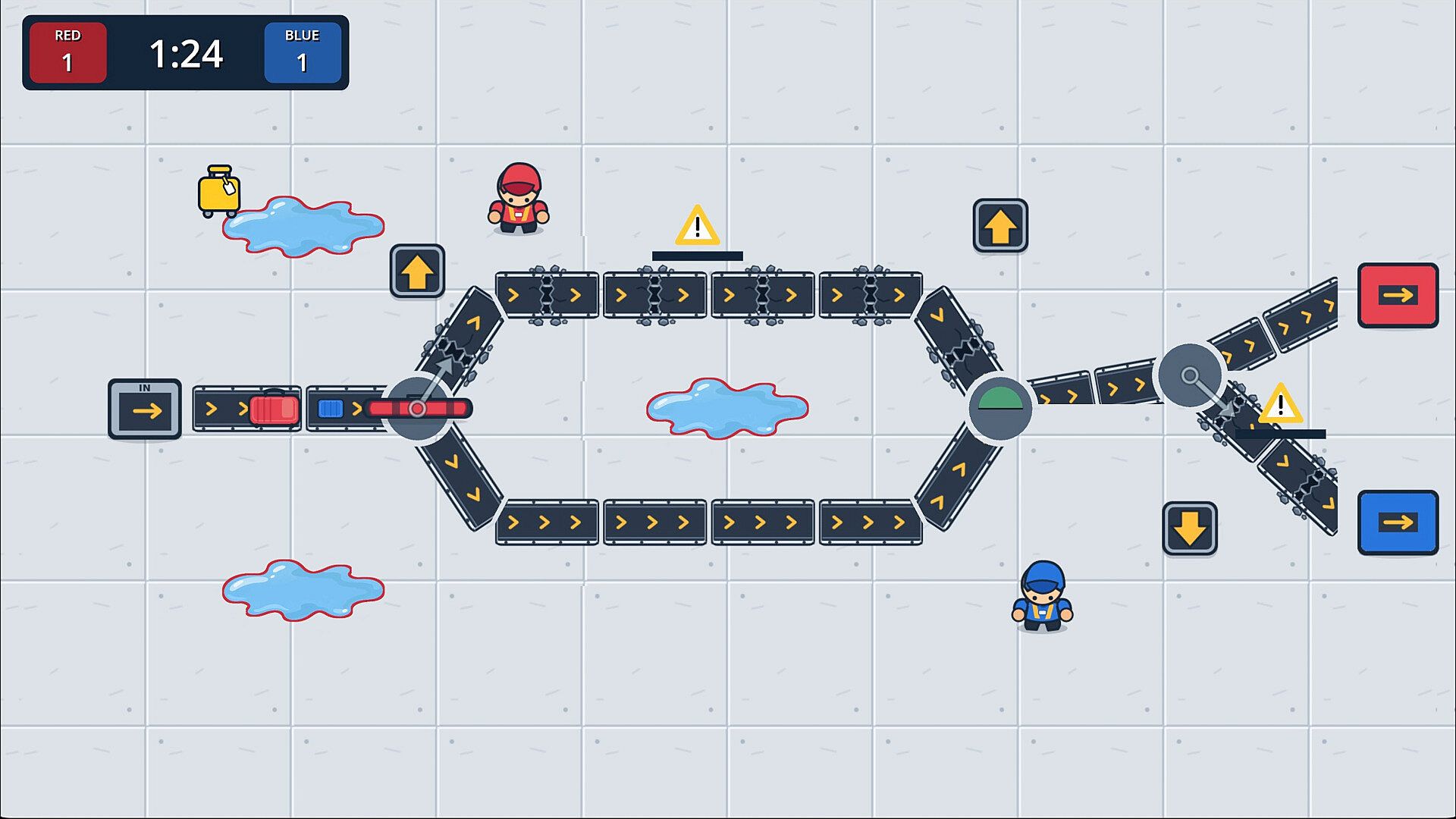
Matches unfold on conveyor belts where every participant directs bags toward designated exits while interfering with rivals. Players flip switches to alter routes, redirect luggage mid travel, and collect power ups that provide temporary edges or direct disruptions. The constant motion of bags combined with simultaneous control attempts from multiple players turns small errors into major pileups and lost deliveries.
Airport hazards add further layers of challenge. Floor obstacles such as water puddles or an errant racing wheelchair can send bags off course, while unexpected events like faulty lights require quick intervention at a circuit breaker to restore visibility. These elements force rapid adaptation as layouts grow more unpredictable over time.
Strategy centers on timing and positioning. A well placed switch can send an opponent's bags toward the wrong destination, and power ups reward quick thinking by turning the momentum of a close contest. The short match length keeps every second decisive and maintains a high tempo throughout each round.
Game Modes
Competition takes place in short action packed sessions against friends where the primary objective is guiding personal bags to the correct exits while sending rivals' luggage astray. Matches emphasize direct confrontation over the shared conveyor infrastructure rather than separate teams or persistent progression systems.
Players can pursue the highest score by successfully routing bags or focus on creating disruptions that derail opponents. Both approaches thrive in the same core setup, allowing groups to shift between cooperative sabotage and outright competition depending on the group dynamic and chosen level layout.
Level Design and Hazards
Multiple levels feature distinct conveyor configurations, switch placements, and environmental obstacles that alter optimal paths and defensive options. Each layout demands fresh adjustments because hazards interact differently with the belt networks and power up opportunities.
Environmental changes keep sessions varied. A puddle might slow or divert bags in one area while a racing wheelchair creates moving blockages in another, and lighting failures introduce temporary blind spots that reward players who locate and repair the circuit breaker fastest. These details encourage experimentation across the available stages without requiring long setup times.
Is It Worth Playing?
Baggage Bedlam suits players seeking quick competitive sessions with friends that reward timing, spatial awareness, and opportunistic sabotage. The 90 second format delivers repeated short bursts of activity ideal for casual gatherings or online play without demanding extended commitment per round.
Those who enjoy chaotic party games built around shared systems and direct interference will find the core loop engaging. The emphasis on conveyor control and hazard navigation creates consistent opportunities for comebacks and humorous mishaps that arise naturally from the mechanics.
Availability on PC makes it accessible for groups already using that platform, and the indie action focus keeps the experience streamlined around the central baggage routing concept. Groups that prefer fast rounds over lengthy campaigns or complex progression will likely appreciate the straightforward yet replayable structure.












