

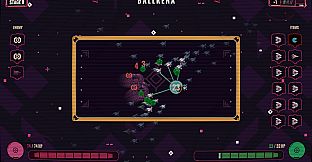
BALLRENA is a strategy indie casual game on PC that blends build-crafting with auto-battler roguelite elements driven by physical collisions. Players construct a battle ball on a constrained grid and send it into arenas where every impact and effect stems from prior design choices.
Gameplay
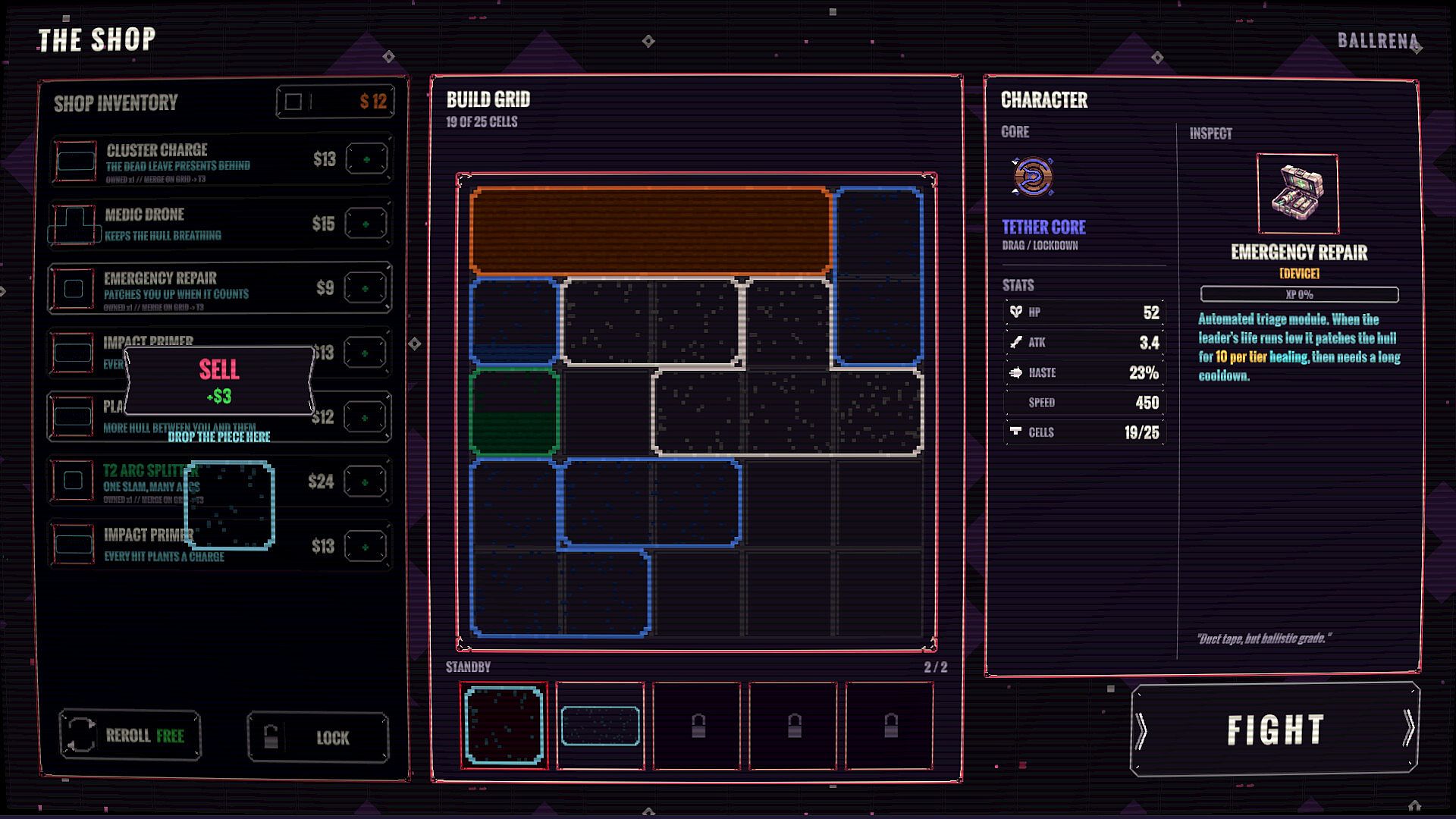
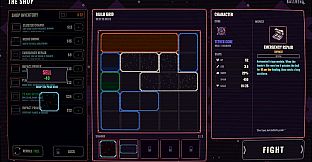
The core loop centers on selecting a CORE that sets the ball's fundamental ability and direction. From there, equipment components of varying shapes and sizes enter play through a shop system. These parts occupy real space on a 5x5 grid, requiring players to move, rotate, sell, or merge items to optimize limited slots. Duplicate components allow upgrades, while merges unlock permanent enhancements chosen from three options per tier increase. Some parts generate resources under specific conditions, adding layers to resource management across runs.
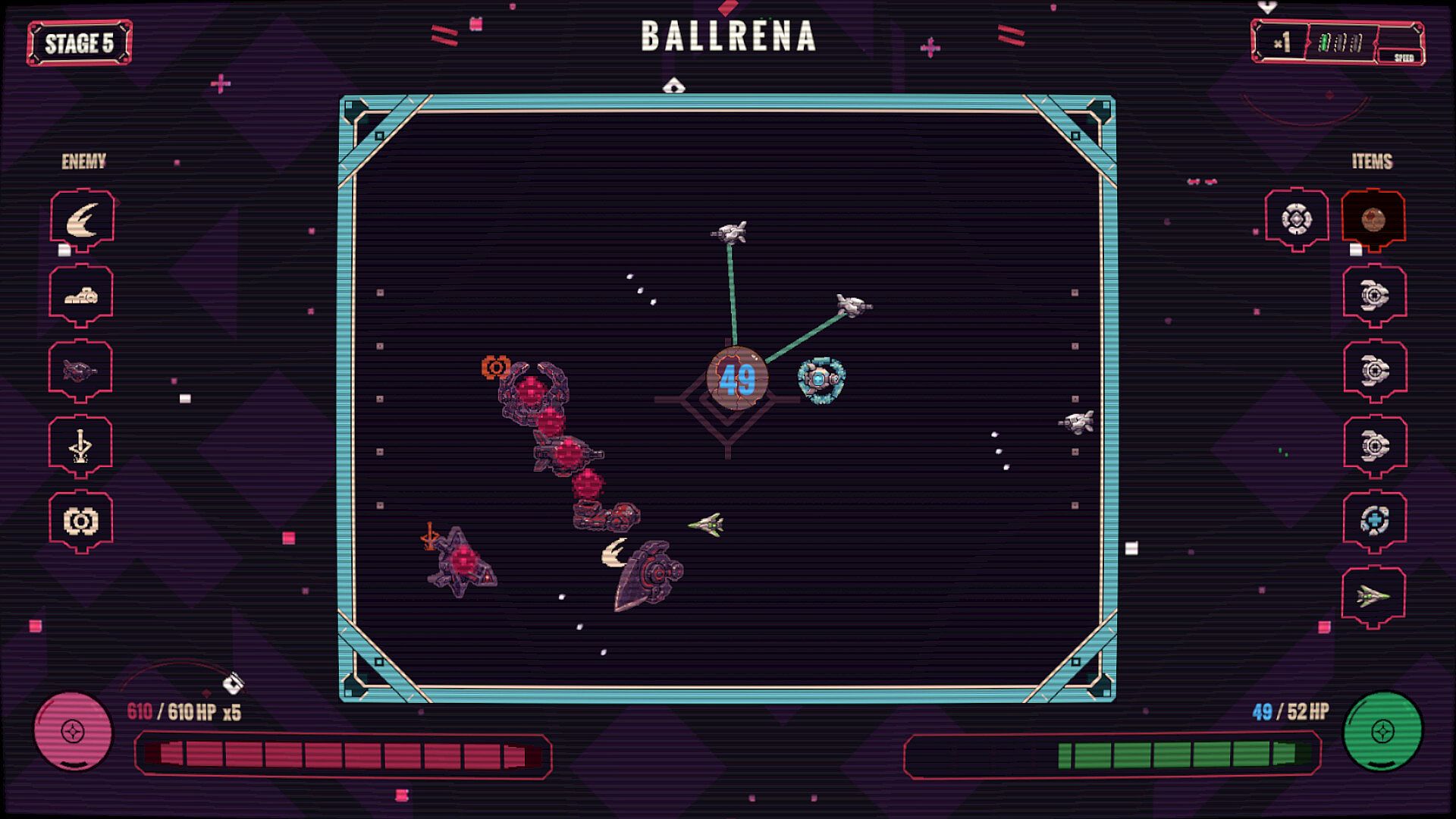
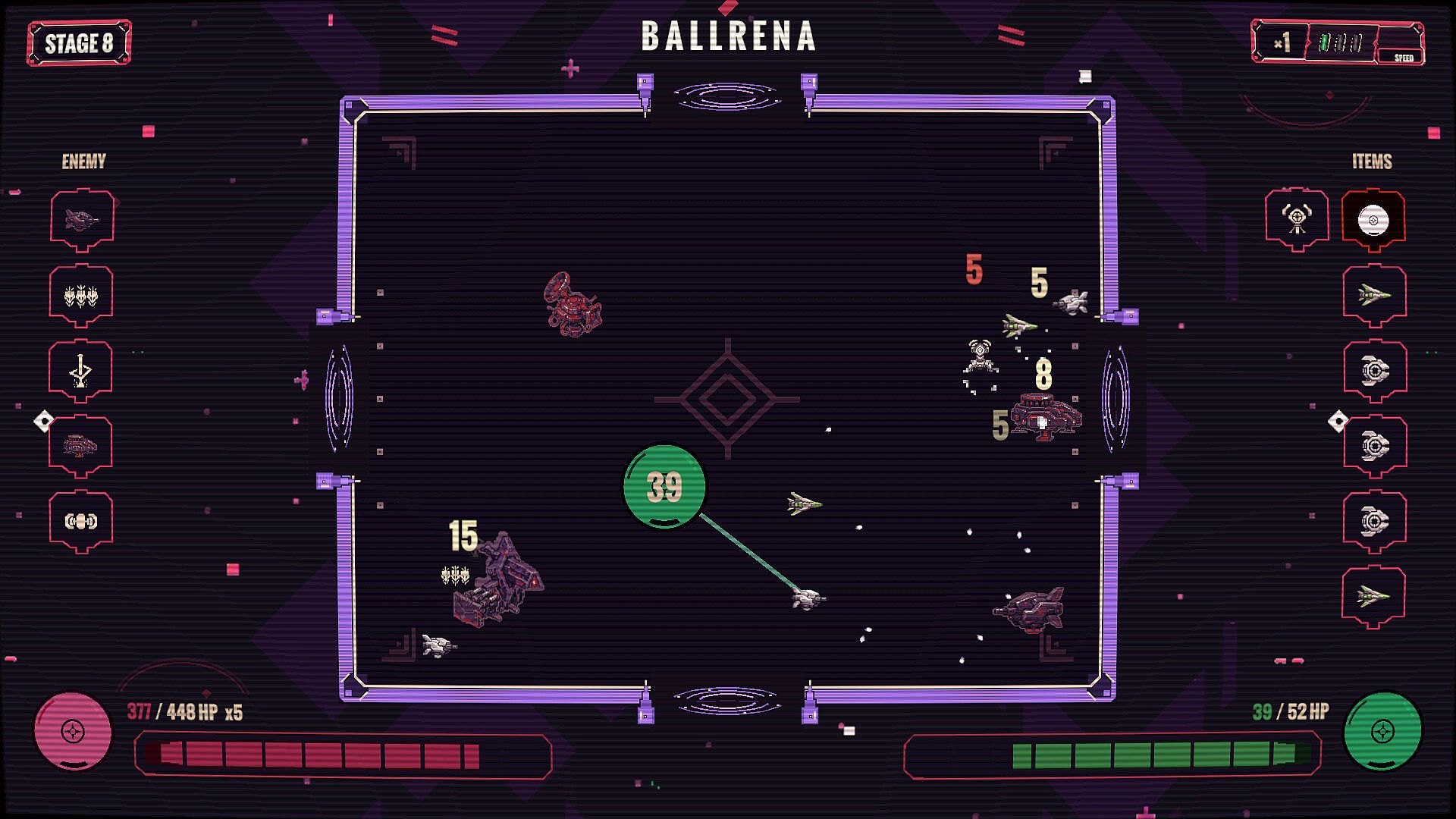
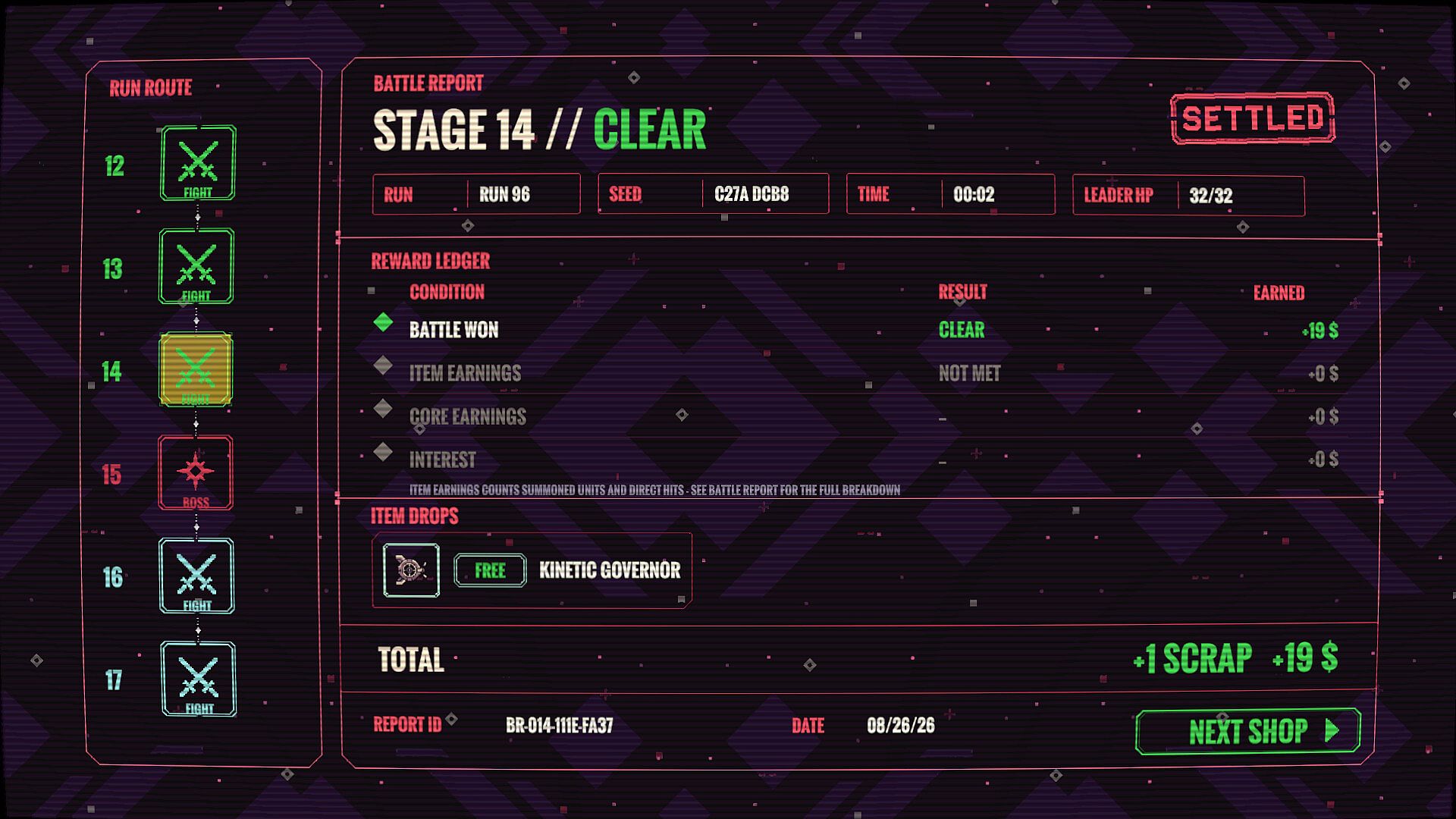
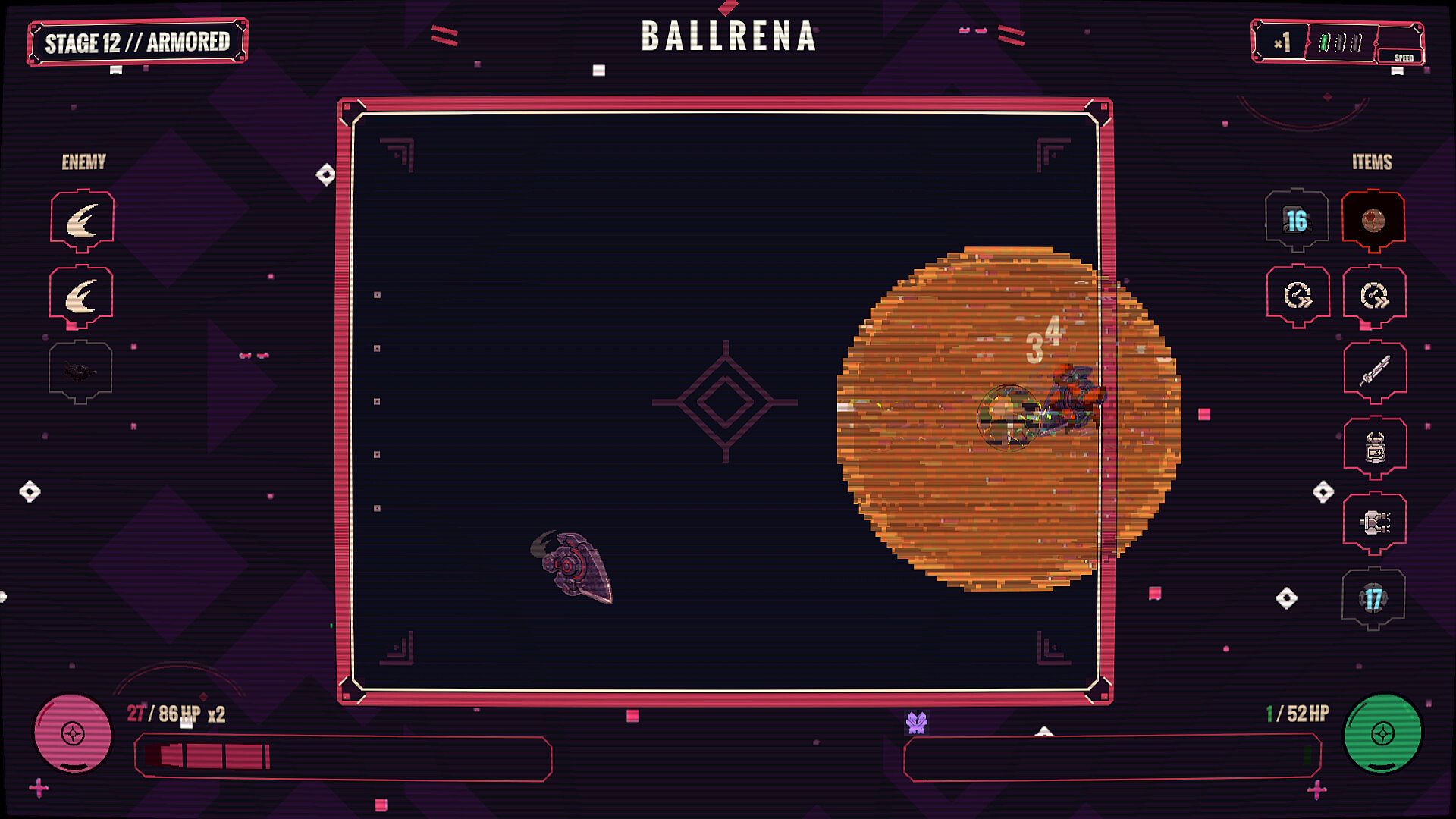
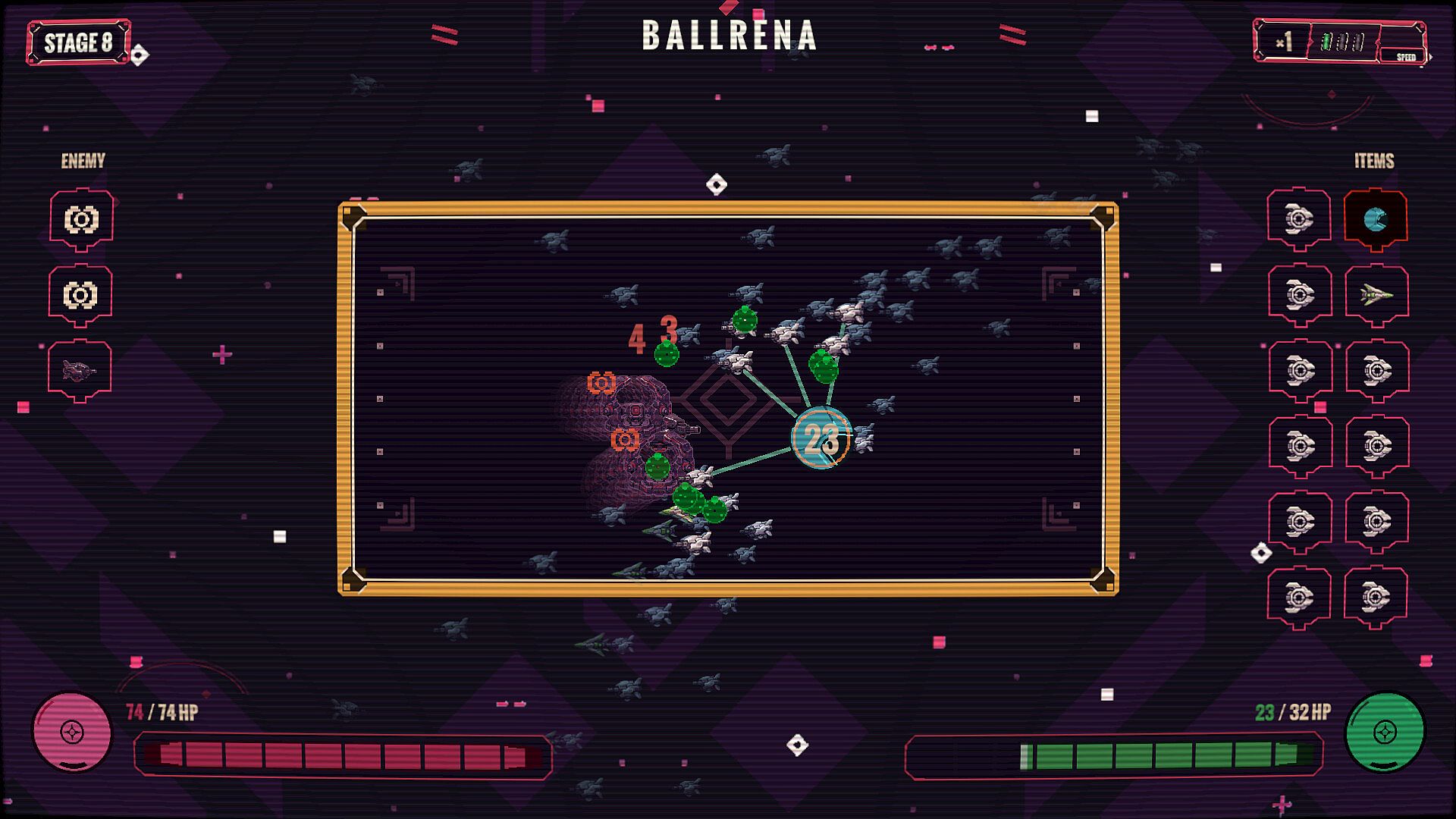
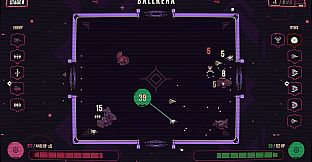
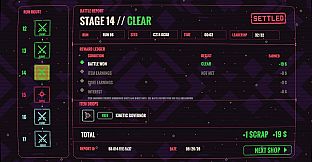
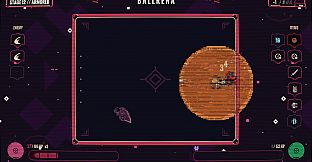
Combat unfolds automatically once the ball enters the arena. Weapons activate, abilities trigger, and collision chains unfold based entirely on the installed build. Enemies and arenas vary, demanding adaptation through different component combinations. Run-wide CORE skills provide additional flexibility to alter rules or gain advantages. The process repeats with returns to the shop after each encounter, where winnings fund new purchases that compete for both funds and grid space.
Visuals draw from retro arcade aesthetics with soft, distinctive styling and responsive collision feedback that emphasizes the physical nature of each clash. No pre-set loadouts exist; success depends on iterative experimentation within the tight spatial constraints.
Game Modes
Standard arena battles form the foundation, pitting the constructed ball against opponents in straightforward confrontations. Bounty options introduce higher-risk encounters against tougher foes for increased rewards. Assistance clauses offer an alternative path by reducing enemy strength in non-boss fights, though this comes with lowered payouts to balance the decision.
Boss encounters appear at set intervals, serving as major checkpoints that test overall build viability. Between battles, the shop phase acts as a consistent hub for refinement, allowing players to pursue either focused upgrades around key components or broader collections for complex interactions. The roguelite structure carries progress through a single run, with each choice influencing survival and escalation toward deeper challenges.
Build Systems and Progression
Component shapes dictate placement efficiency on the grid, turning spatial puzzles into a central strategic element. Matching equipment enables merges that elevate tiers and introduce new rules or stats. Players weigh immediate needs against future potential, deciding whether to reinforce weaknesses, expand around synergies, or reserve space for upcoming shop options.
CORE selection branches playstyles significantly, as the same starting point yields varied outcomes depending on attached equipment and upgrade paths. Resource generation from certain parts creates self-sustaining loops when integrated effectively. The system rewards careful planning without eliminating the impact of collisions and chain reactions during fights.
Is It Worth Playing?
BALLRENA appeals to players drawn to roguelite progression combined with hands-on construction in a compact format. The emphasis on physical interactions and grid-based decision making sets it apart from purely abstract auto-battlers. Those who enjoy experimenting with limited resources and observing emergent results from custom designs will find consistent engagement across runs.
Current playtest updates have introduced core upgrade systems and balance adjustments that refine early-game pacing and component interactions. Availability remains tied to testing phases, making it suitable for participants interested in providing feedback on mechanics like collision feedback and shop economies. The indie casual strategy blend suits shorter sessions while supporting deeper strategic investment through repeated builds and adaptations.