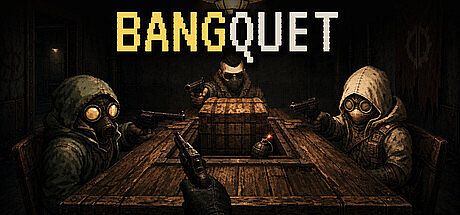



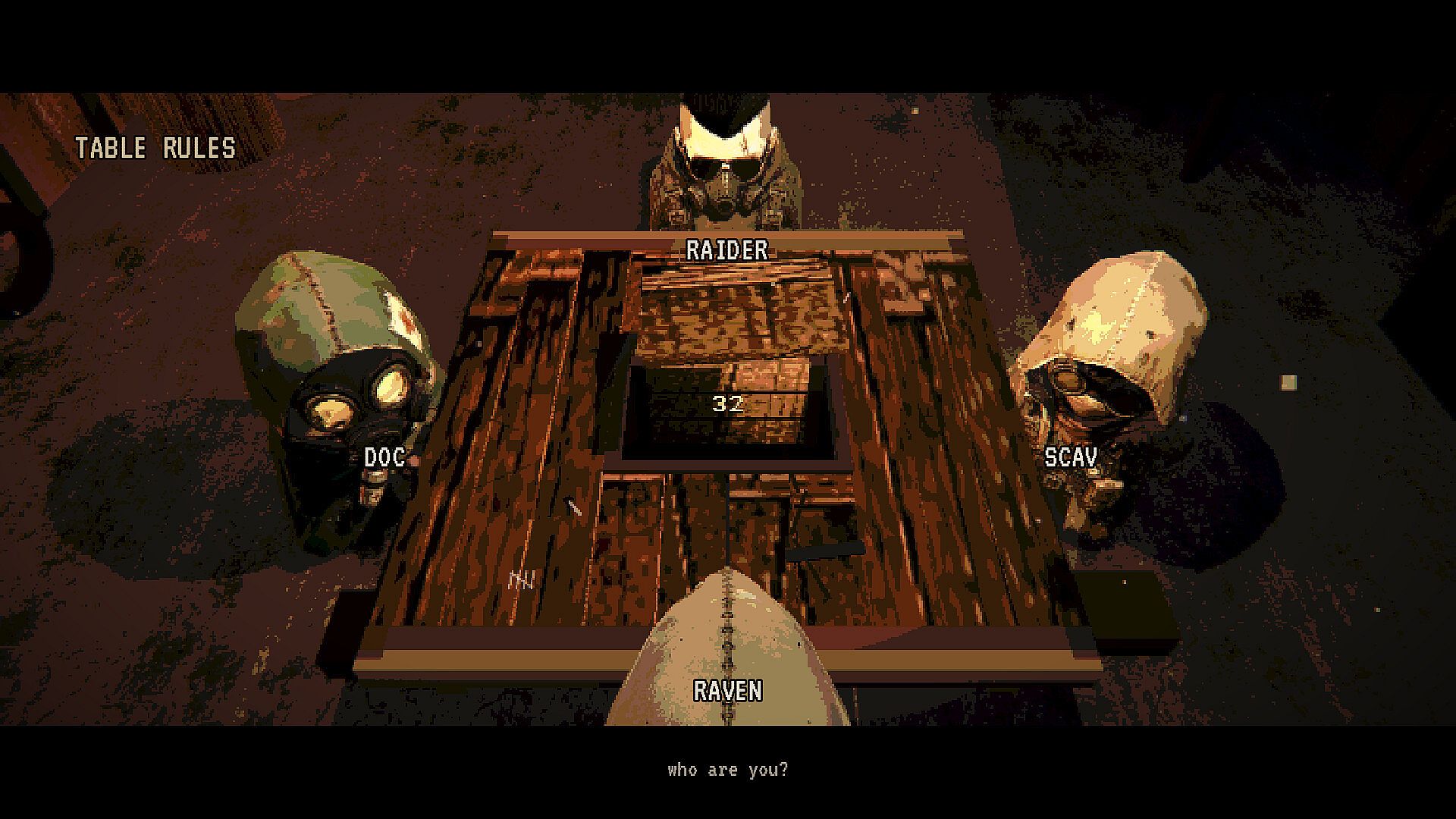
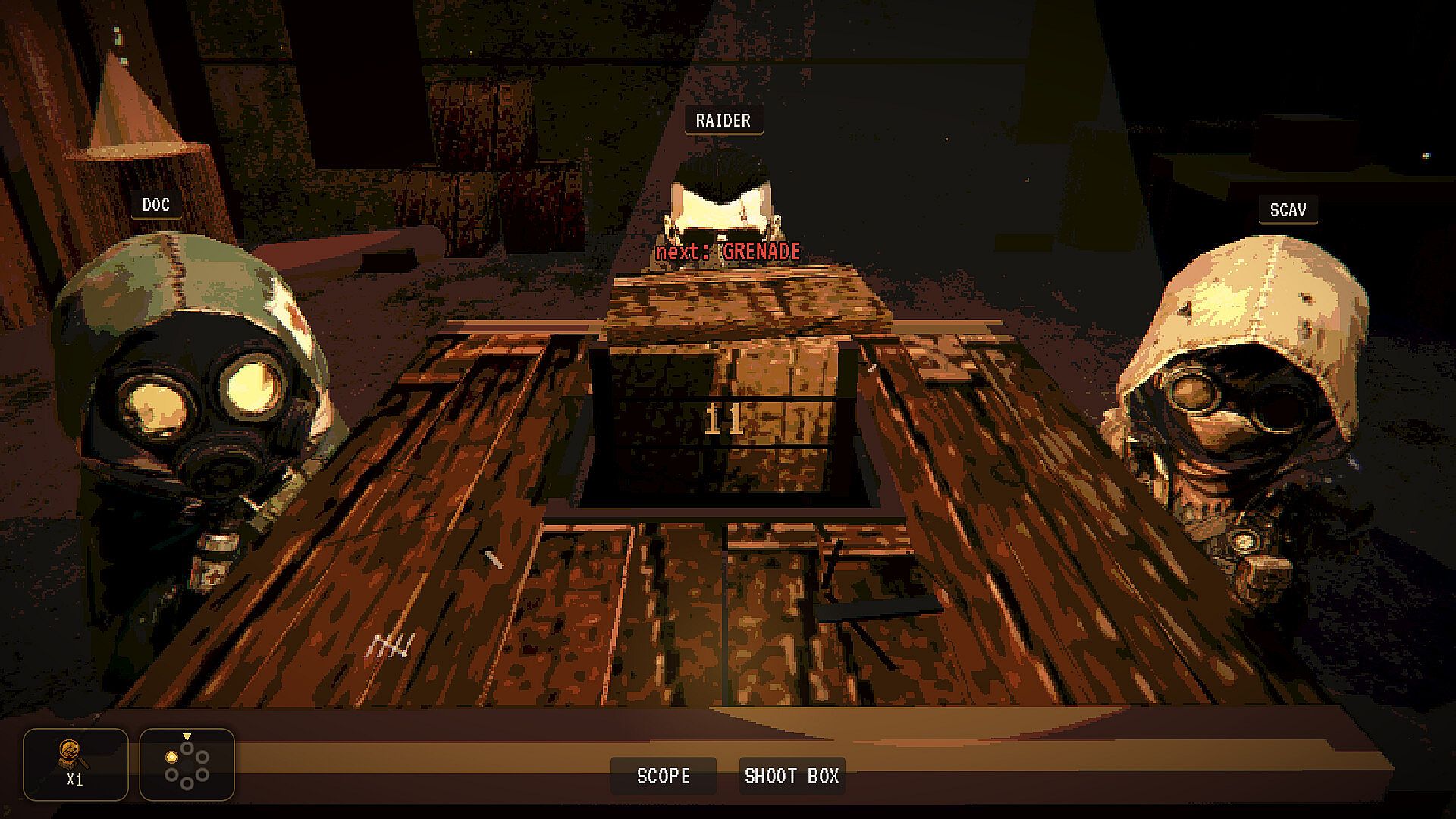
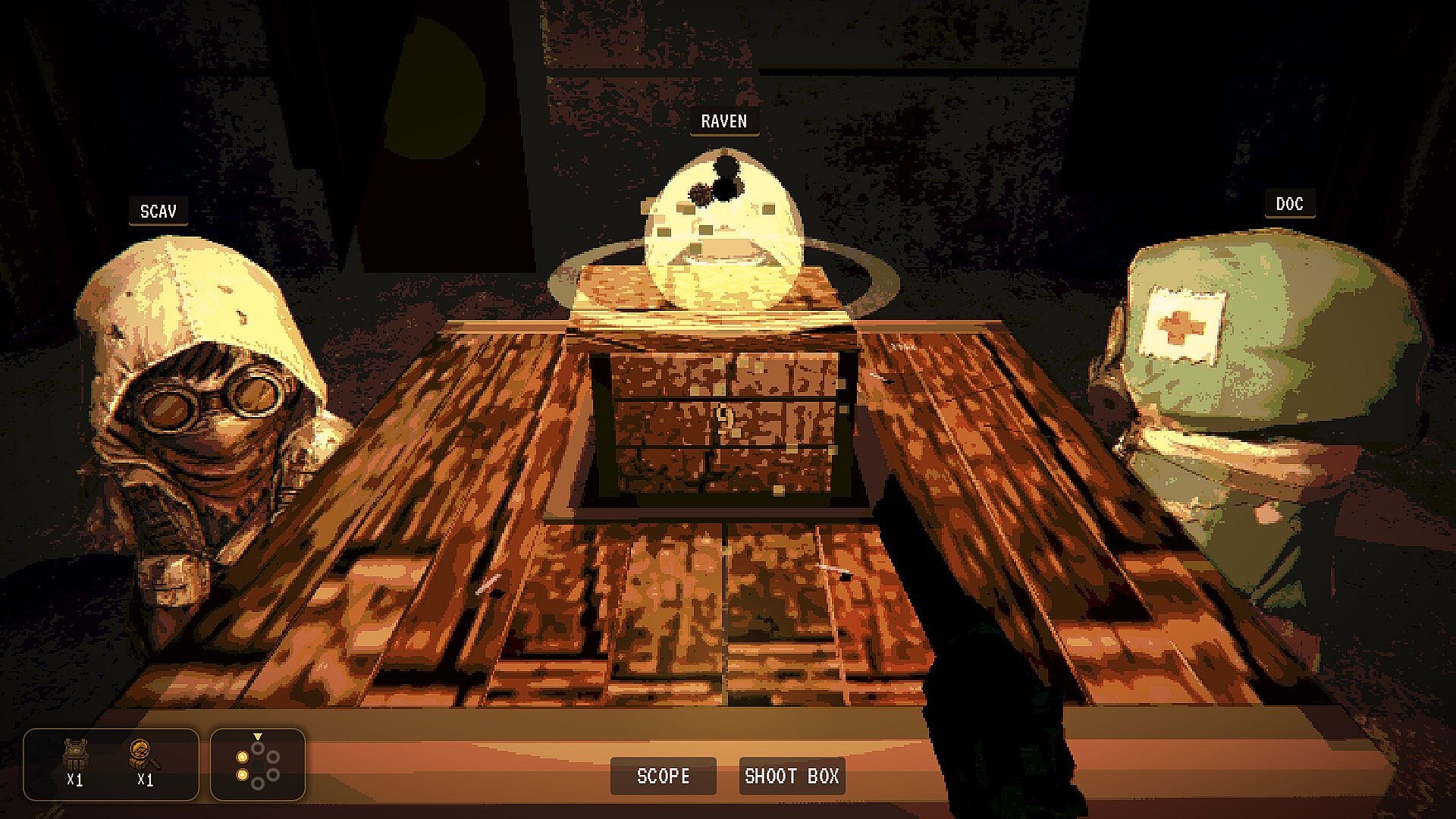
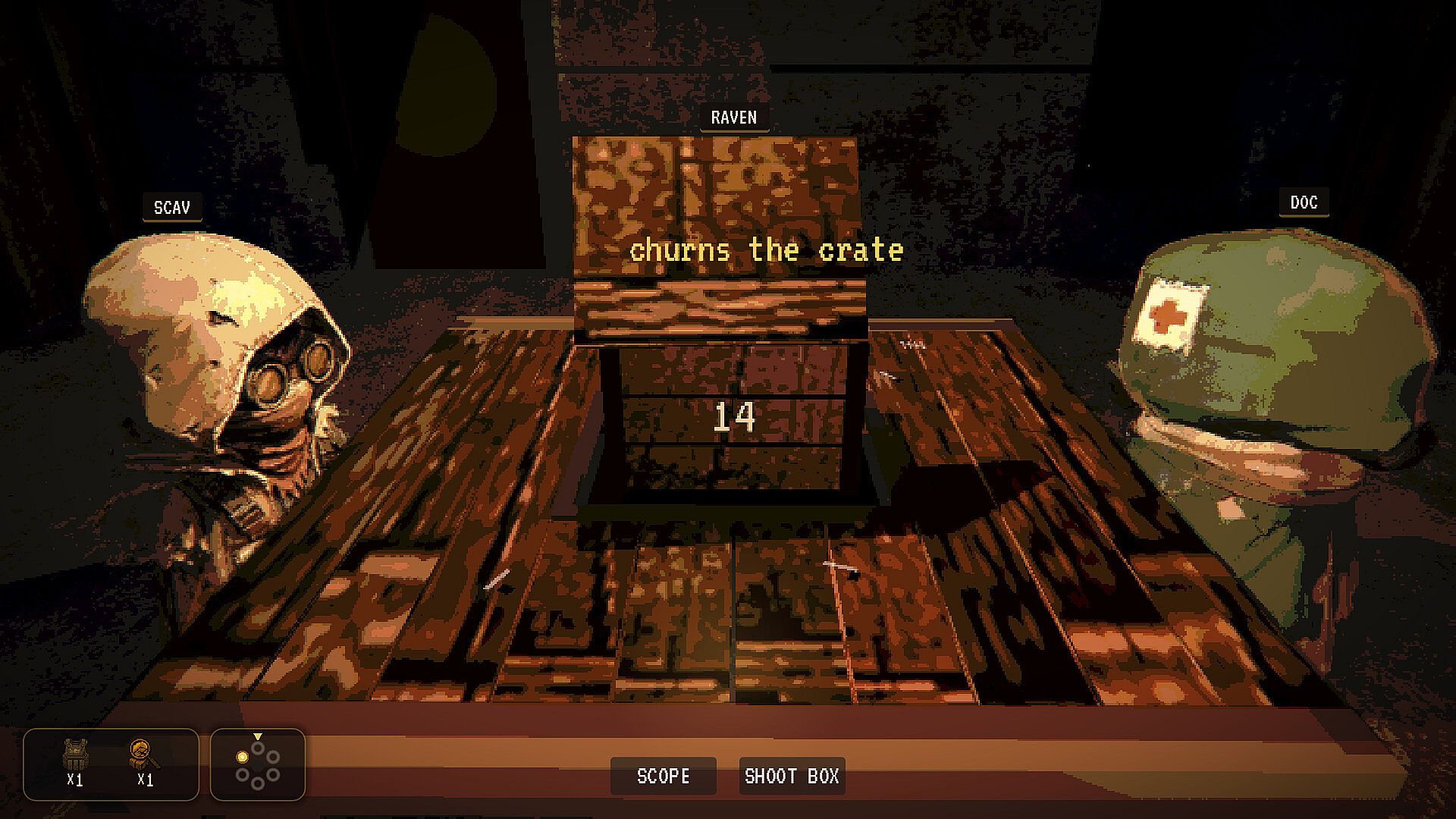
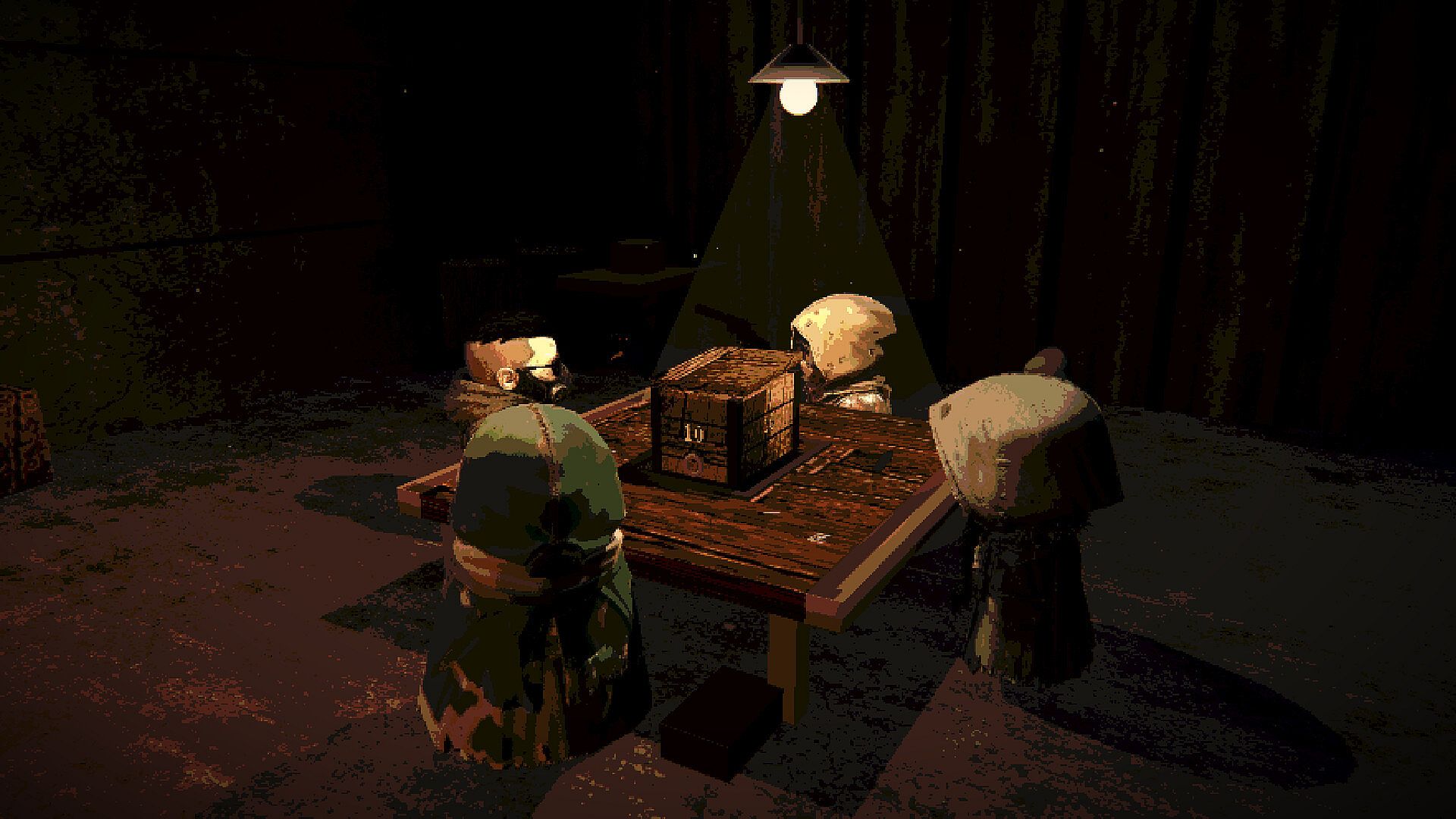
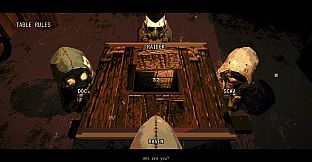
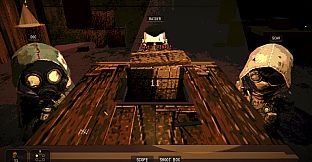
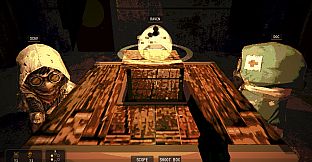
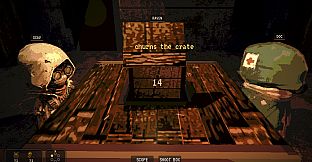
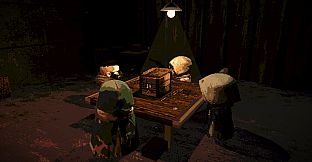
Bangquet ist ein rundenbasiertes Strategiespiel mit Action-Elementen für den PC. Im Mittelpunkt stehen Täuschung, versteckte Informationen und folgenreiche Entscheidungen rund um eine gemeinsame Kiste mit Paketen. Die Spieler sitzen mit zwei bis vier Überlebenden an einem Tisch in einer kargen Ödland-Welt, in der Ressourcen knapp sind und sich in einem der Pakete stets eine scharfe Granate befindet. Jede Runde ziehen die Teilnehmer versiegelte Gegenstände, verbergen deren Inhalt und versuchen, durch Lügen oder Drohungen zu überleben - während alle anderen am Tisch dasselbe tun.
Gameplay
Zu Beginn eines Zuges wird ein Paket aus der Kiste gezogen. Nur der ziehende Spieler erfährt, was sich darin befindet, und entscheidet anschließend, was er preisgibt oder geheim hält. Die Gegenstände reichen von nützlichen Hilfsmitteln wie einem Zielfernrohr, mit dem man künftige Pakete einsehen kann, ohne den Zug zu beenden, über eine Durchsuchung, mit der man die leere Waffe eines Gegners prüft, bis hin zu einem Sandsack, der die Wirkung der Granate blockieren kann. Dadurch entstehen unterschiedliche Informationsstände, die jede Interaktion prägen.
Schusswaffen sind das wichtigste Druckmittel. Zielen ist ohne Munition möglich, doch beim Abfeuern wird eine Patrone verbraucht. Mit einer Waffe kann man einem Zielspieler befehlen, ein weiteres Paket zu ziehen, einen Gegenstand abzugeben oder eine Runde auszusetzen. Der Angesprochene kann gehorchen, die Waffe blockieren oder die Drohung als Bluff entlarven. Wird geblufft, muss der Waffenbesitzer eine echte Patrone einsetzen, die einen Gegenstand zerstören oder den Zielspieler verletzen kann. So wird jede Konfrontation zu einem kalkulierten Risiko, bei dem eine Fehleinschätzung das gesamte Tischgefüge verändern kann.
Die Kiste selbst bietet weitere taktische Möglichkeiten. Spieler können die Position der Granate ausspähen, sie tiefer vergraben, nach oben legen oder andere dazu zwingen, zu ziehen, während die Kiste leerer wird. Wird jemand durch die Granate eliminiert, erscheint eine neue und die Spannung bleibt erhalten, da sich die Chancen für die verbleibenden Spieler verschlechtern. Öffentliche Aktionen wie Schüsse, Aufdeckungen und Übergaben werden zum gemeinsamen Wissen und beeinflussen künftige Entscheidungen.
Spielmodi
Bangquet unterstützt den Einzelspielermodus gegen unterschiedliche KI-Gegner, die verschiedene Überlebensstile an Tischen mit zwei bis vier Personen simulieren. Die Solo-Erfahrung enthält das vollständige Regelwerk und ermöglicht Übung im Bluffen und im Umgang mit Gegenständen, ohne dass menschliche Mitspieler nötig sind. Hausregeln sorgen für Abwechslung: schlankere Kisten mit weniger Paketen, Zwillingsbomben, die die Explosionsgefahr erhöhen, rationierte Munition, die den Waffeneinsatz einschränkt, oder reduzierte Startinformationen, bei denen bestimmte Gegenstände anfangs unbekannt bleiben.
Diese Varianten verändern Tempo und Risikoprofil, ohne die zentralen Mechaniken wie Ausspähen, Stehlen, Entschärfen, Umkehren, erzwungene Züge, Gegen-Zielen und Kistenmanipulation anzutasten. Eine geführte erste Partie führt neue Spieler direkt durch die aktiven Regeln, sodass der Lernprozess in das eigentliche Spiel eingebettet bleibt.
Kernmechaniken und Strategie
Erfolg hängt davon ab, den Unterschied zwischen eigenem Wissen und dem, was andere beweisen können, zu managen. Ein verstecktes Inventar an Werkzeugen verschafft Vorteile, doch zu viele Offenlegungen oder ein offensichtliches Überleben der Granate machen einen Spieler schnell zum nächsten Ziel. Jeder Gegenstand bietet spezifische Stärken: das Zielfernrohr erweitert die Informationsbeschaffung, während defensive Optionen wie der Sandsack vorübergehende Sicherheit bieten, aber auch Aufmerksamkeit erregen.
Da klassisches Kämpfen fehlt, liegt der Fokus auf psychologischem Druck und Timing. Jede Forderung testet die Bereitschaft eines Gegners, eine Patrone zu riskieren oder eine Schwäche zu zeigen. Gutes Spiel bedeutet, Muster in Aufdeckungen und Übergaben zu erkennen und diese Erkenntnisse zu nutzen, um Fallen zu stellen oder ungünstige Züge zu erzwingen. Die Kiste selbst wird zu einer gemeinsamen Ressource, die sorgfältiges Positionieren belohnt und übermäßiges Risiko bestraft.
Lohnt sich Bangquet?
Bangquet richtet sich an Spieler, die tense Bluff-Spiele mit unvollständigen Informationen und gezielter Täuschung schätzen. Der Einzelspielermodus gegen unterschiedliche KI-Gegner bietet durch wechselnde Hausregeln stets neue Herausforderungen und ermöglicht wiederholte Runden ohne weitere Mitspieler. Der Schwerpunkt auf Erinnerung, Risikobewertung und Gegenstandssynergie belohnt aufmerksames Beobachten statt schnelle Reflexe.
Wer Strategiespiele mit versteckten Zielen und direkter Konfrontation mag, wird das Waffensystem und die Dynamik der Kiste spannend finden. Die integrierte Einführung senkt die Einstiegshürde für Neueinsteiger, während der Kernmechanismus tief genug bleibt, um langfristig verfeinert zu werden. Als PC-Titel bietet Bangquet ein fokussiertes Indie-Erlebnis für Fans rundenbasierter Deduktionsspiele in einem kompakten, hochdruckigen Format.