


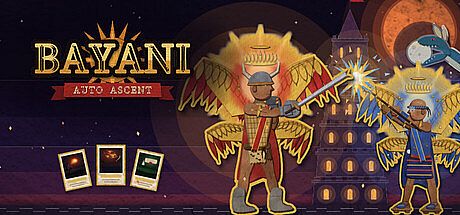



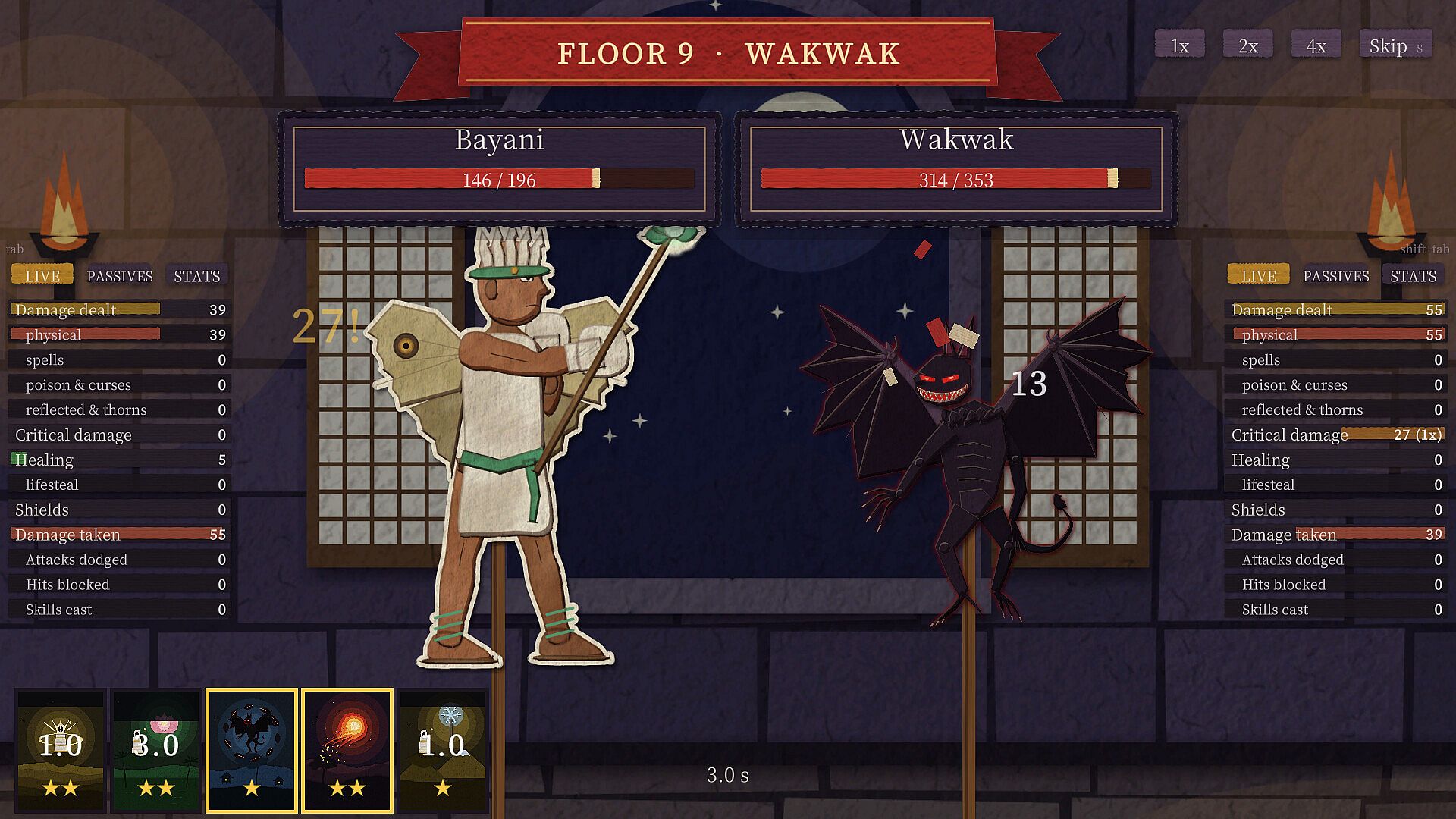
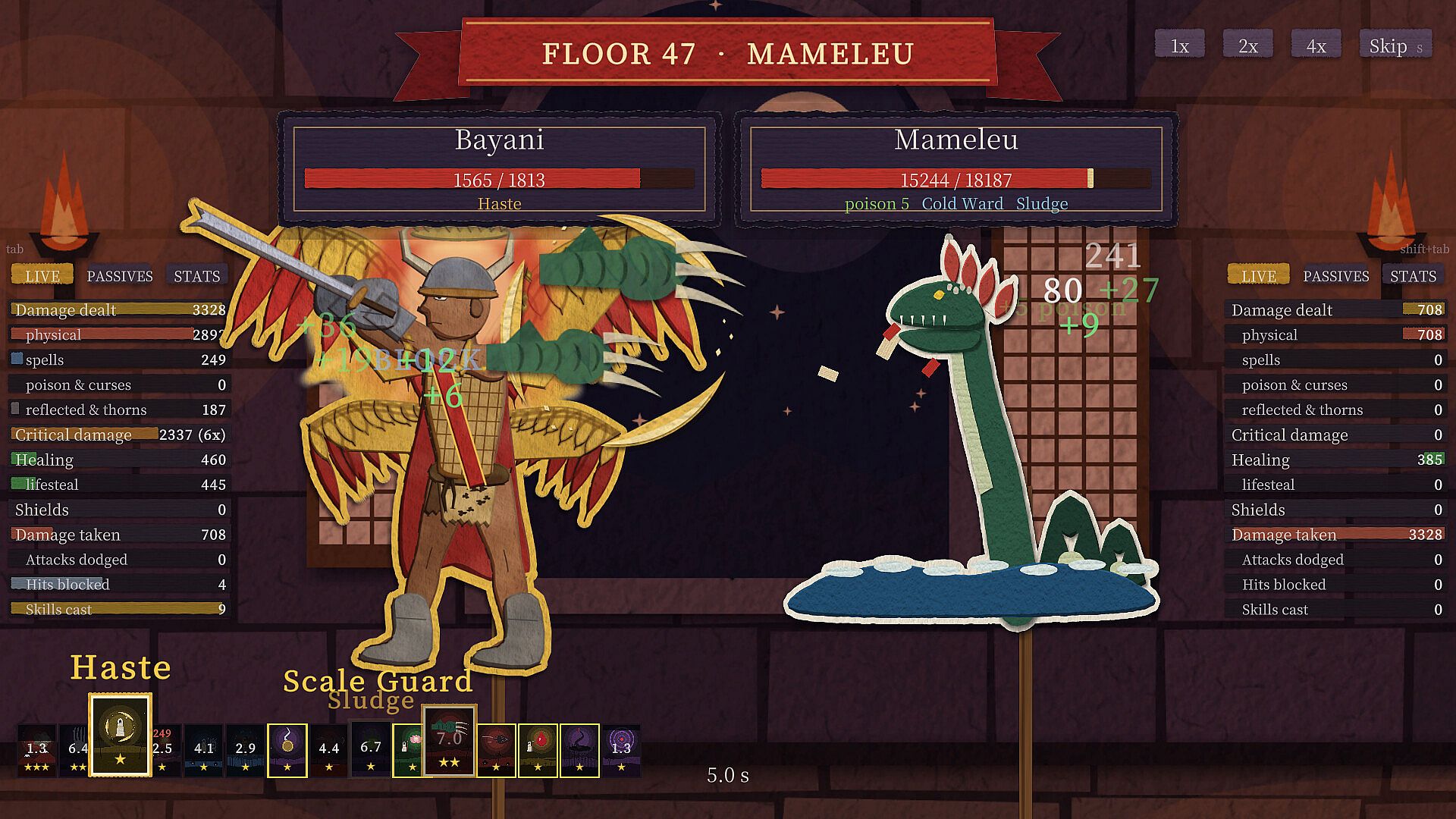
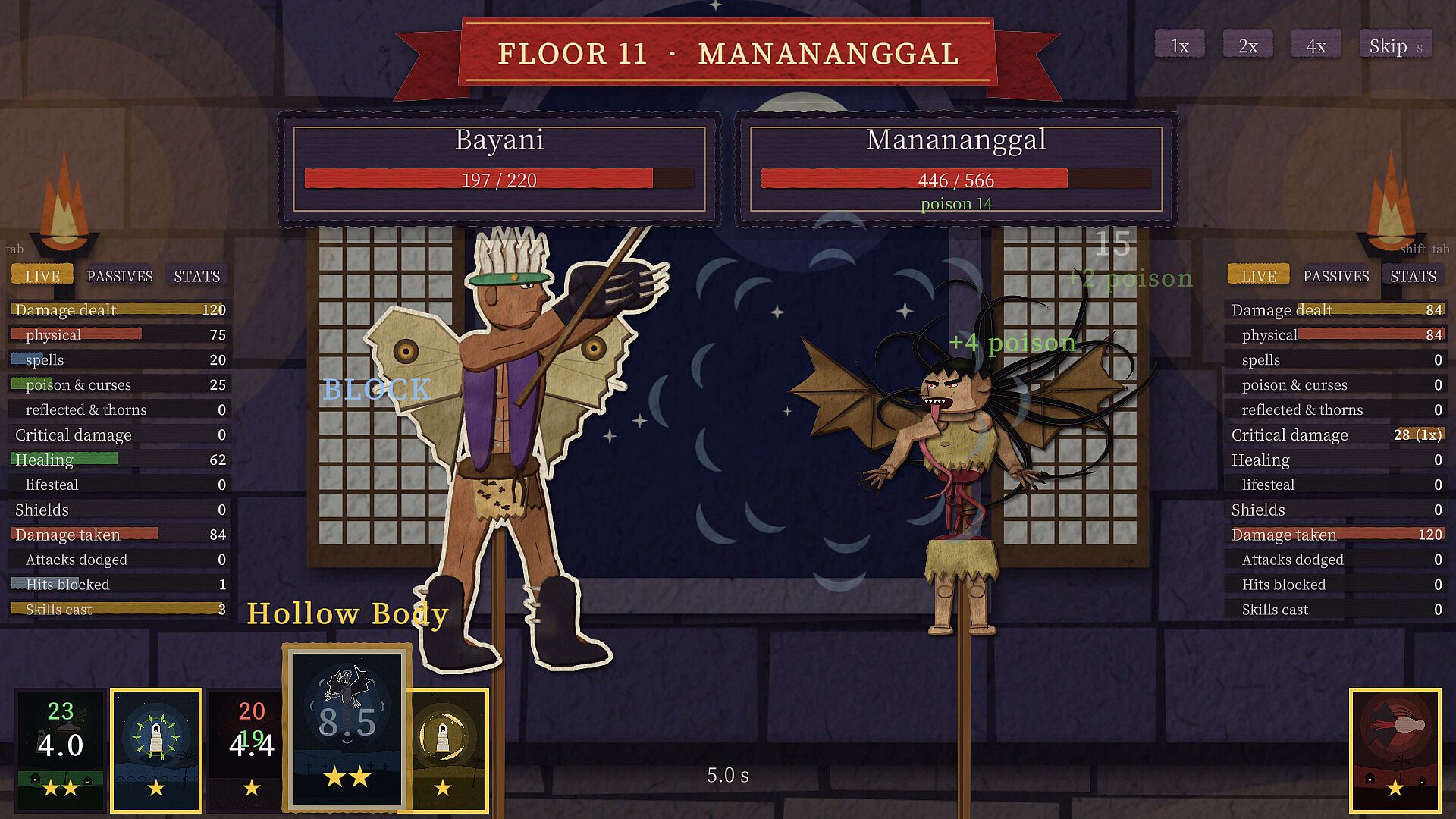
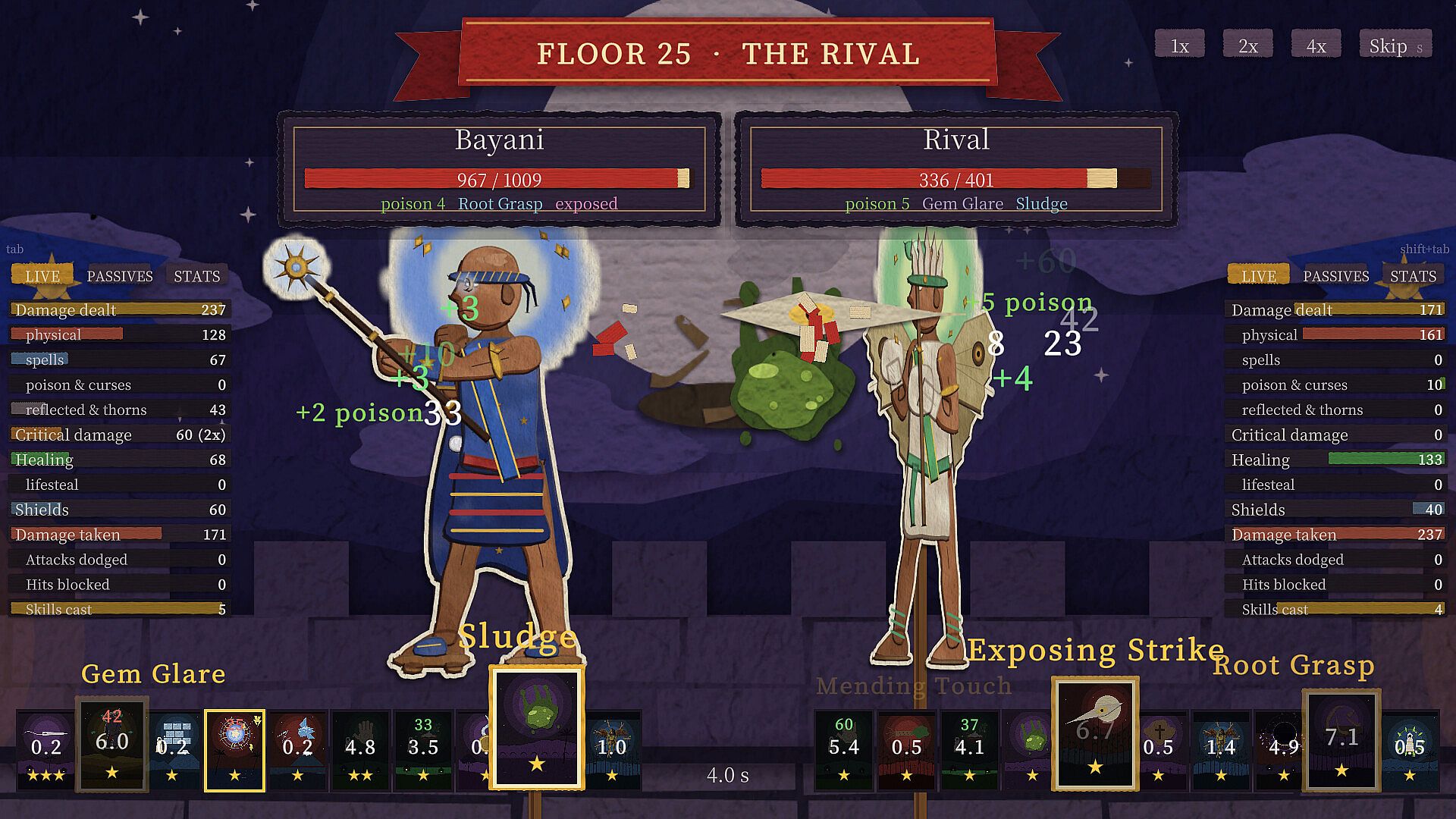


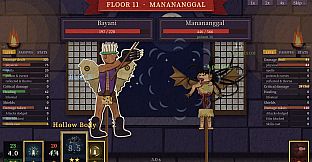

Bayani: Auto Ascent is a single-player strategy game that blends auto-battler mechanics with RPG progression and card drafting. Players guide a lone hero up a fifty-floor tower filled with creatures drawn from Philippine folklore, building power through careful choices between fights while every combat resolves automatically.
Gameplay
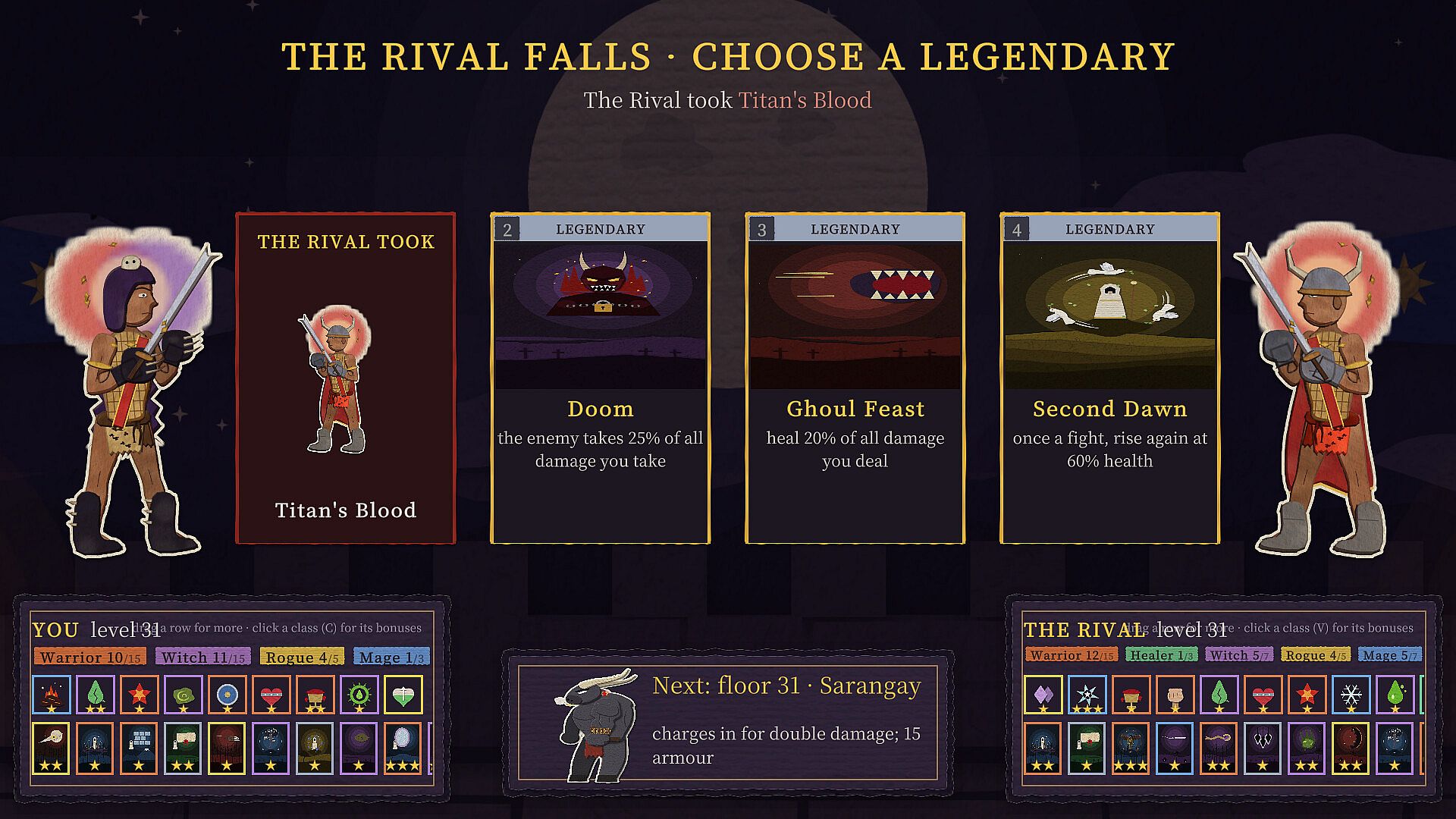
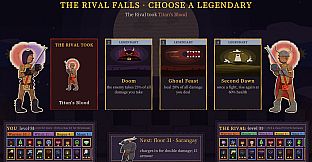
The core loop centers on drafting cards after each encounter. Four options appear, and players alternate picks with an AI Rival that can claim the same limited pool. Cards fall into three categories: spells that scale with spell power, techniques driven by attack stats, and passive effects from charms, weapons, or blessings that remain active at all times. Some cards carry blood prices, allowing a powerful effect in exchange for health that must be recovered later.
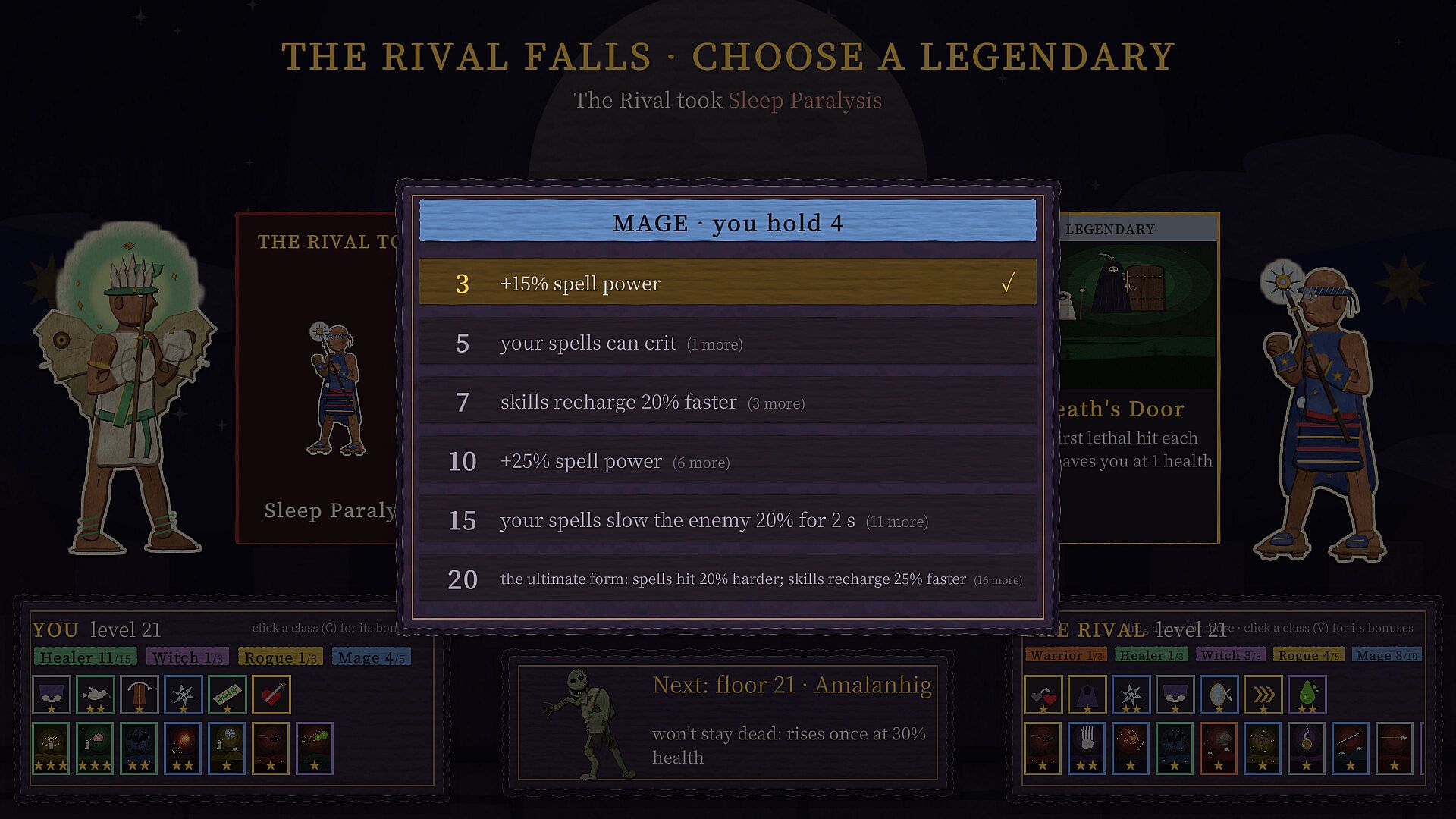
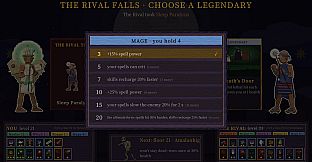
Over 130 cards exist, and duplicates can be collected to upgrade a card from one star to three stars for greater impact. Class synergies add another layer. Five base classes Warrior, Healer, Witch, Rogue, and Mage reward players with bonuses at specific thresholds of three, five, seven, ten, fifteen, or twenty cards of the same type. These bonuses range from stronger poison applications to critical spell hits or reflected damage. Each class also features a signature strike that improves as its count rises. The hero visually changes across six forms per class, culminating in god-like appearances, or combines the top two classes into hybrids such as Battle Mage, Trickster, or Shaman with distinctive visual markers.
Progression occurs across forty distinct Philippine folklore enemies, each with unique abilities. Three lives provide a buffer against losses to regular monsters, after which drafting continues with the player choosing first on retries. Rivals appear on floors ten, twenty, thirty, and forty for duels that do not cost lives, while the final confrontation on floor fifty offers no second chance.
Game Modes
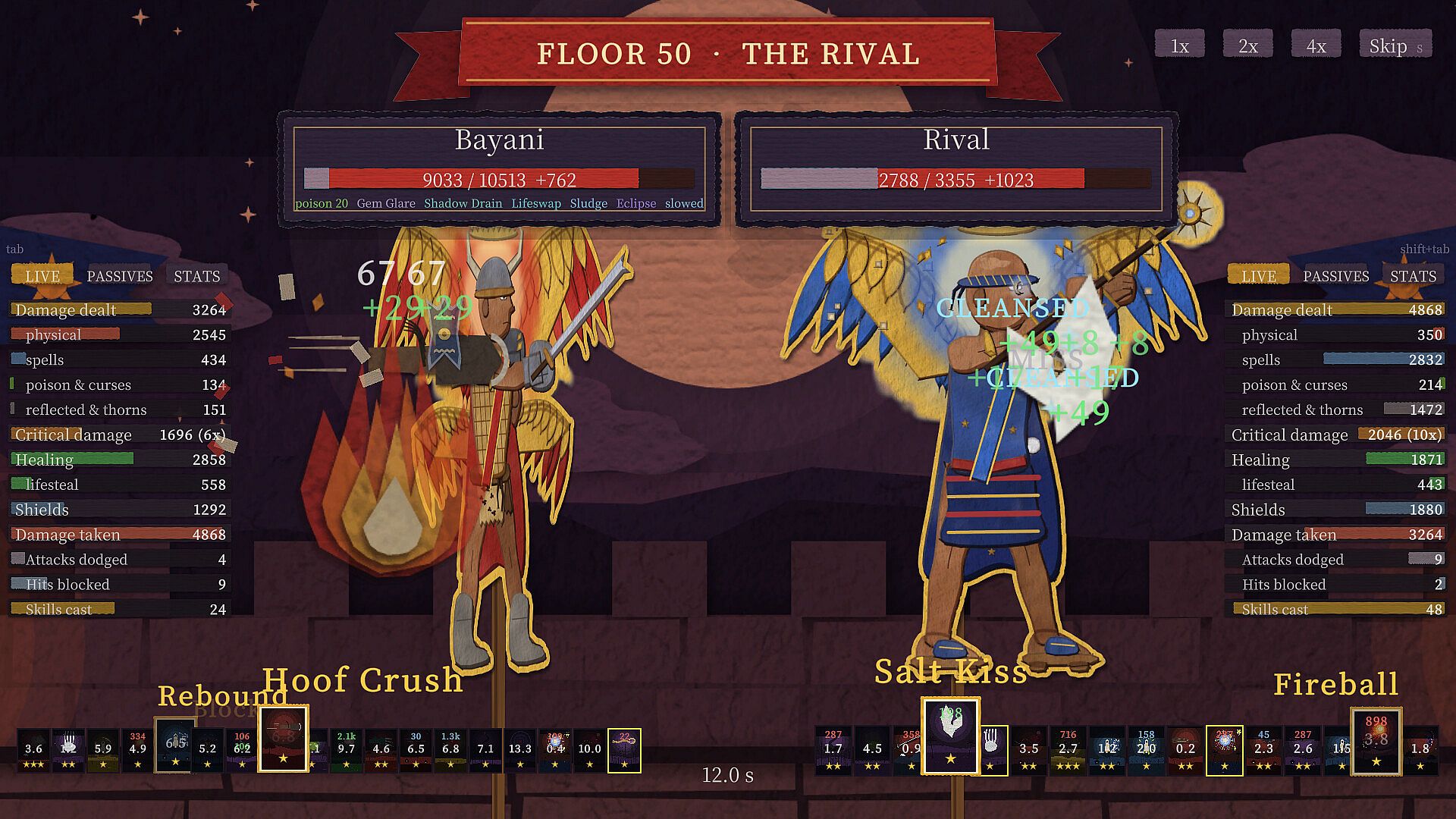
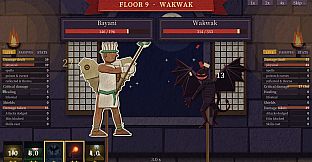
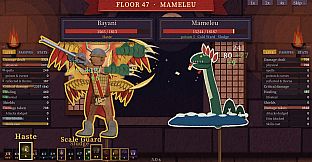
The game operates entirely in a single-player format focused on the tower ascent. Three distinct AI Rivals are available at the start, each following different drafting priorities: one that prioritizes its own needs, one that constructs strong independent builds, and one that actively counters the player by claiming desired cards. Every combat plays out automatically once the build is set, with options to adjust playback speed from normal to four times faster or to pause and review damage, healing, poison, and shield values in detail after defeats.
Controls support both mouse and keyboard, with every menu and action mapped to keys for precise navigation. The visual style uses hand-cut paper art throughout the interface and character representations.
Visuals and Presentation
Hand-cut paper artwork defines the aesthetic, giving creatures, heroes, and environments a tactile, layered appearance. The hero evolves visually with each class milestone, shifting from simple starting attire to elaborate forms that reflect accumulated power. Automatic fights display clear feedback through animated actions and tracking bars, allowing players to observe how their drafted cards interact without direct input during combat.
Is It Worth Playing?
Bayani: Auto Ascent targets players who enjoy strategic card drafting and auto-battler systems where decisions between rounds shape outcomes rather than moment-to-moment controls. The emphasis on rival drafting creates tension around shared resources, while class thresholds and hybrid options reward experimentation with different builds. Philippine folklore creatures provide distinctive enemy variety and thematic flavor. As an upcoming title scheduled for release in Q1 2027 with no user reviews available yet, its appeal rests on how well the described systems deliver engaging climbs and meaningful choices for fans of deliberate, single-player strategy experiences on PC.












