


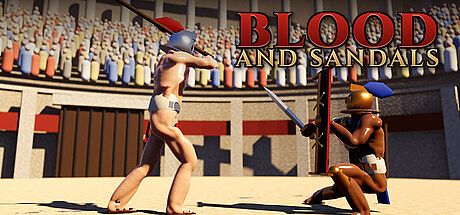


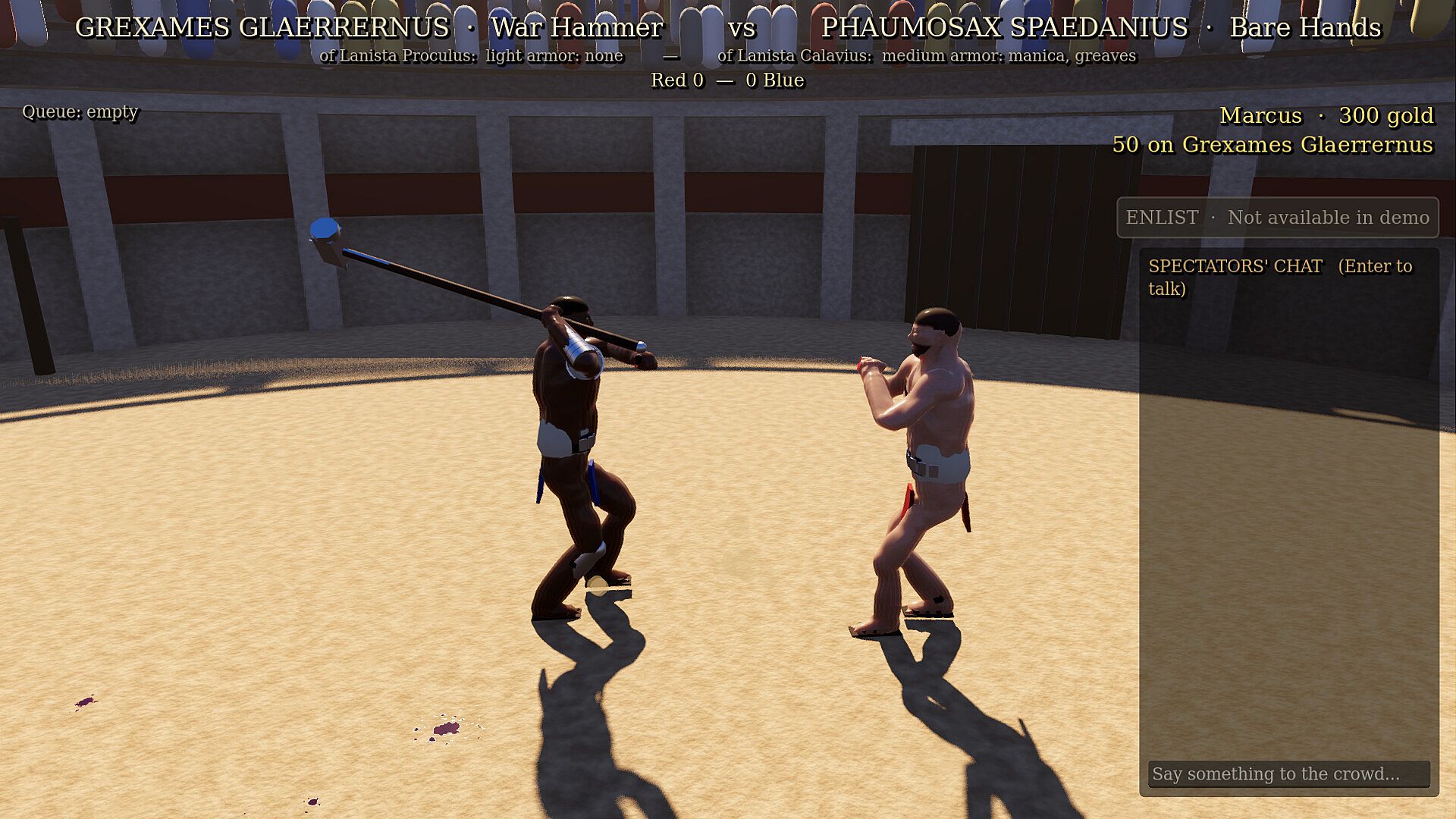
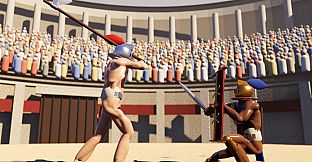
Blood and Sandals is a brutal gladiator autobattler that blends strategy, indie development, and simulation elements on PC. Players back fighters rather than control them directly in matches that unfold through detailed physics and anatomical modeling.
Gameplay
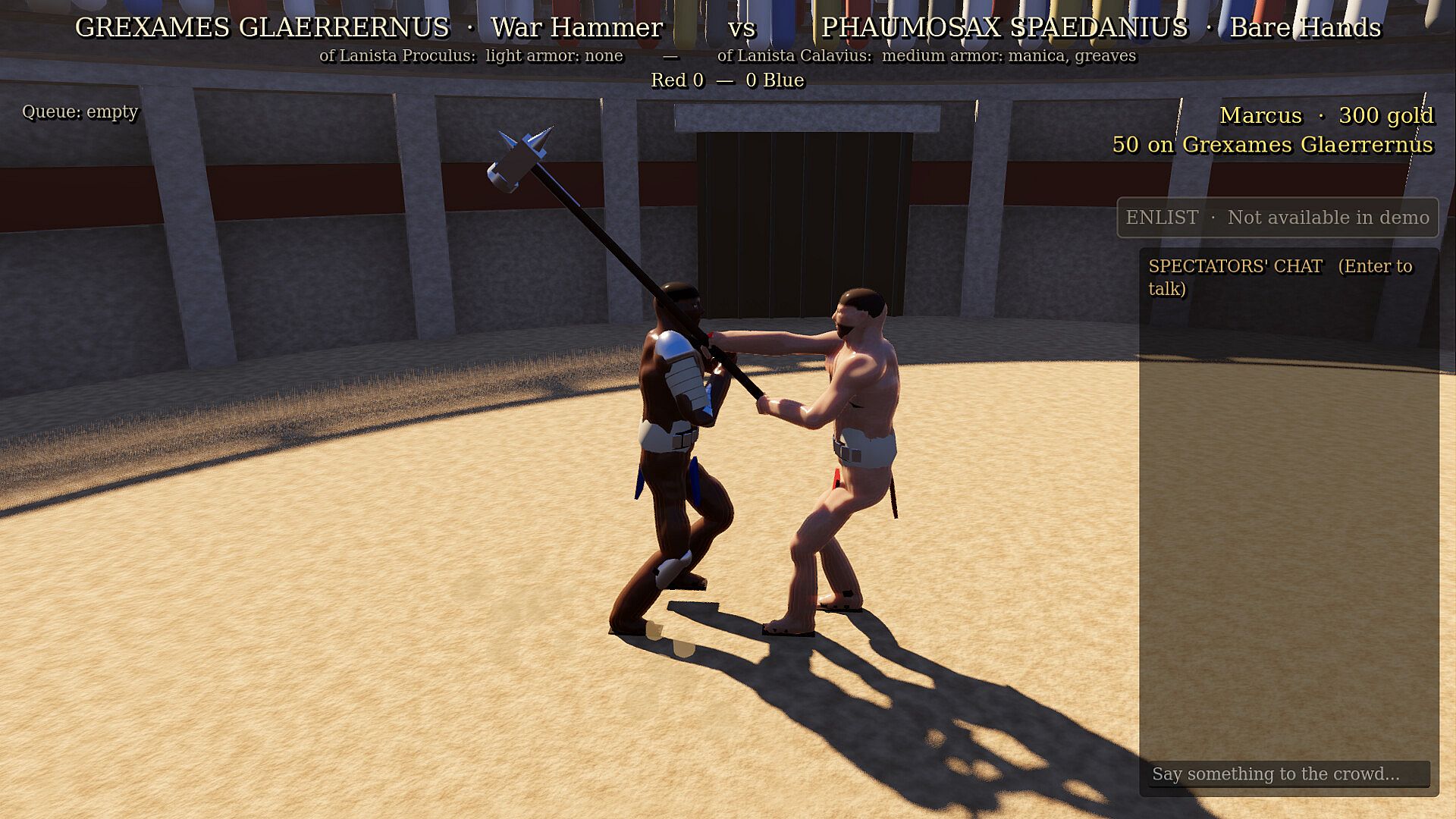
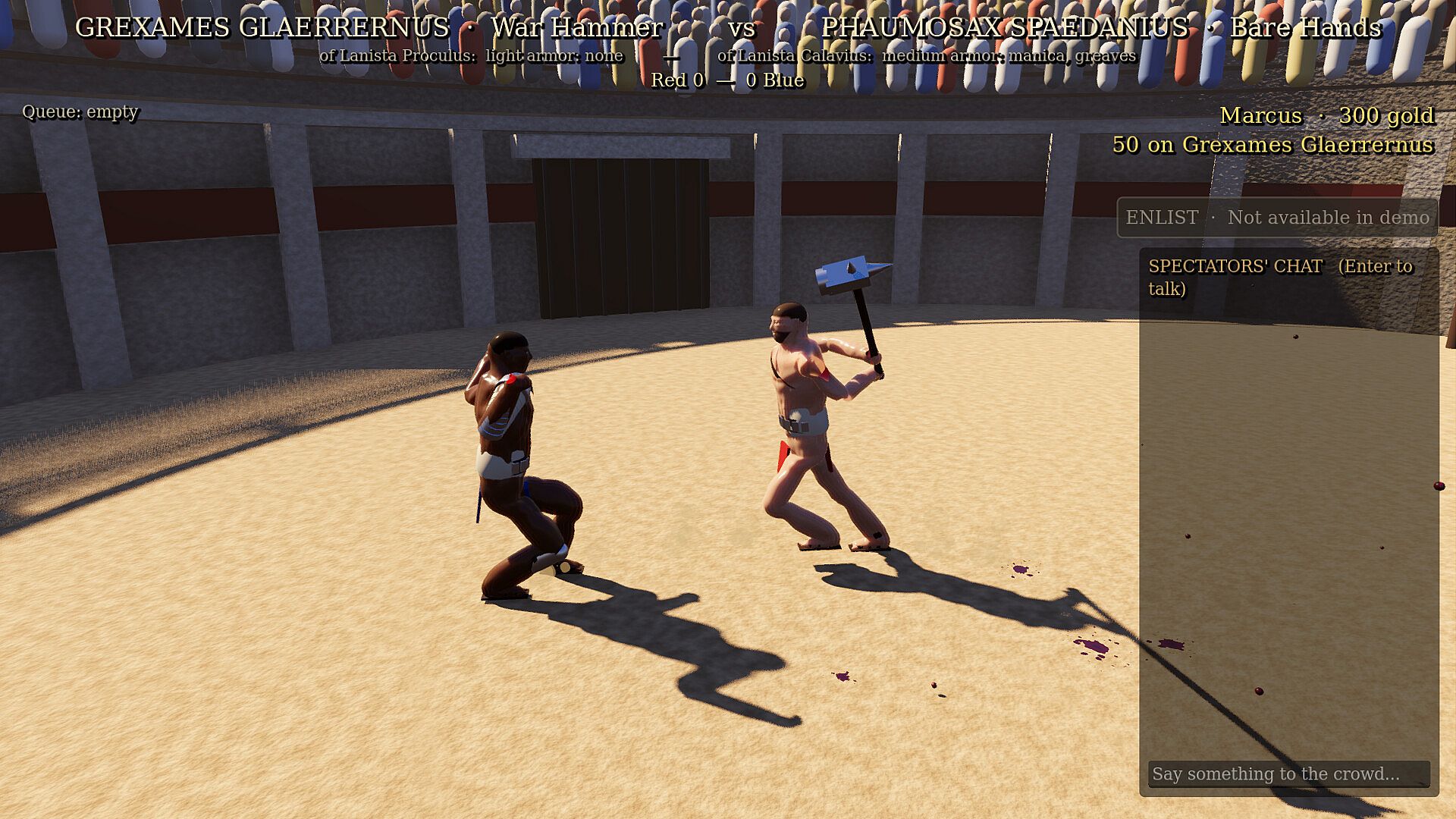
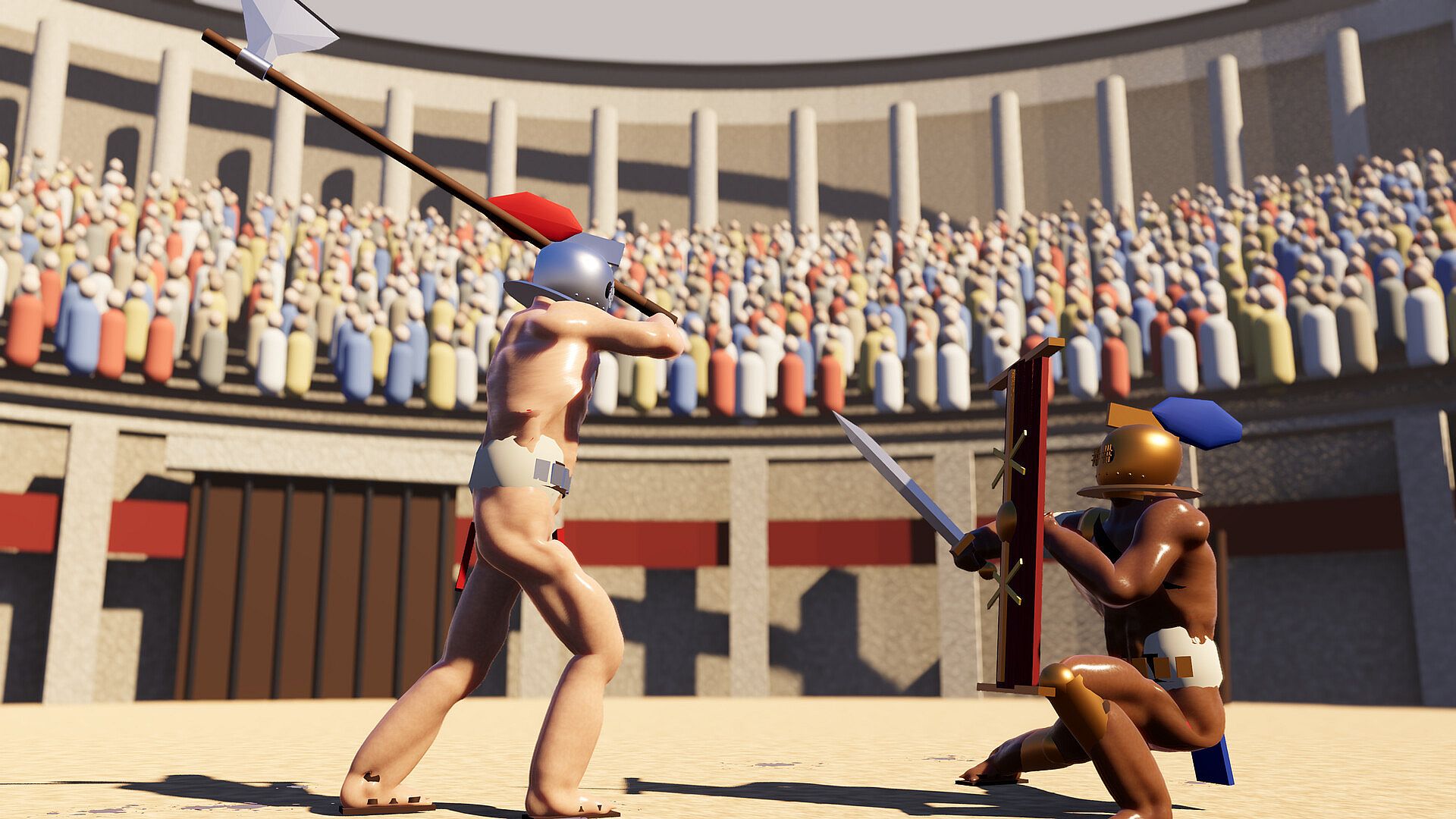
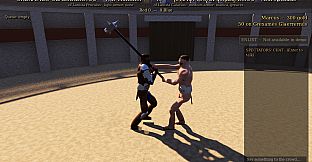
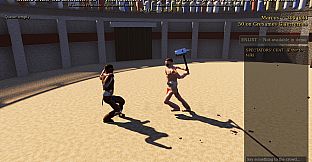
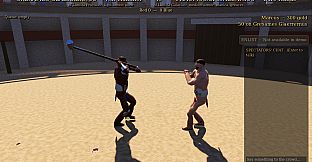
Every bout runs as a full simulation grounded in a human musculoskeletal model. Fighters exhibit real joint limits, muscle flexion during swings, and bone structure beneath the skin. Attacks follow historical patterns, with weapons loaded over the shoulder, hips driving the motion, and wrists snapping through on impact. A blade that connects bites into flesh, while armor absorbs or deflects blows, and a well-placed axe can sever an arm at the elbow.
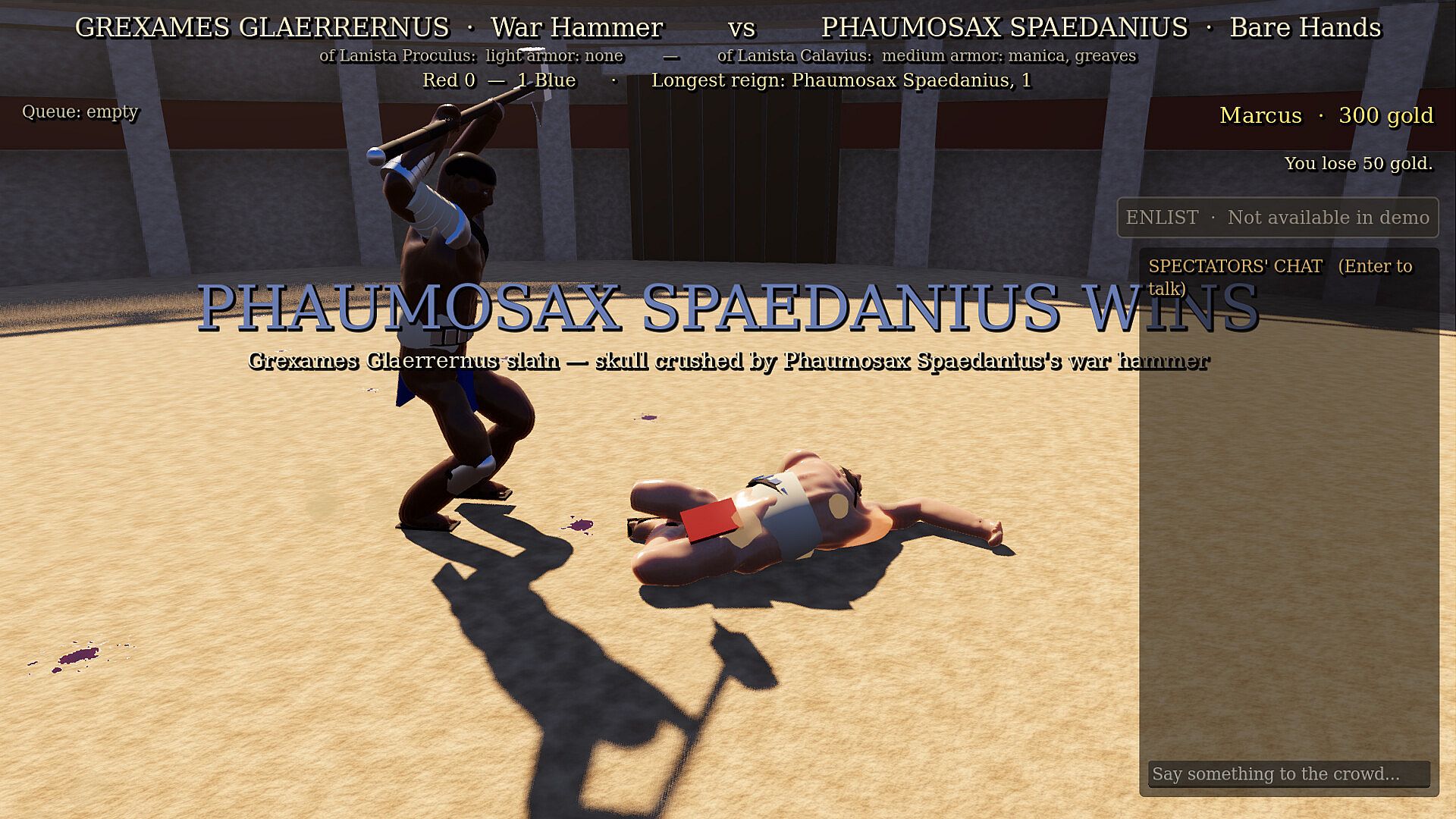
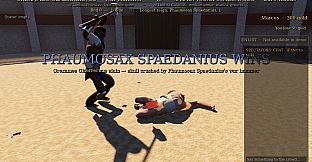
Combat remains entirely unscripted. Gladiators assess reach, dodge incoming strikes, block with shields, flank around defenses, wrestle for weapons, and attempt chokes. Wounds cause bleeding, exhausted fighters stagger, and even the winner can succumb to injuries after the crowd has dispersed. Location-based damage tracks armor coverage, bleeding effects, internal injuries, and limb loss across weapons that include the gladius, greatsword, axe, great axe, mace, war hammer, spear, daggers, and bare fists, paired with scutum, round, and square shields.
Game Modes
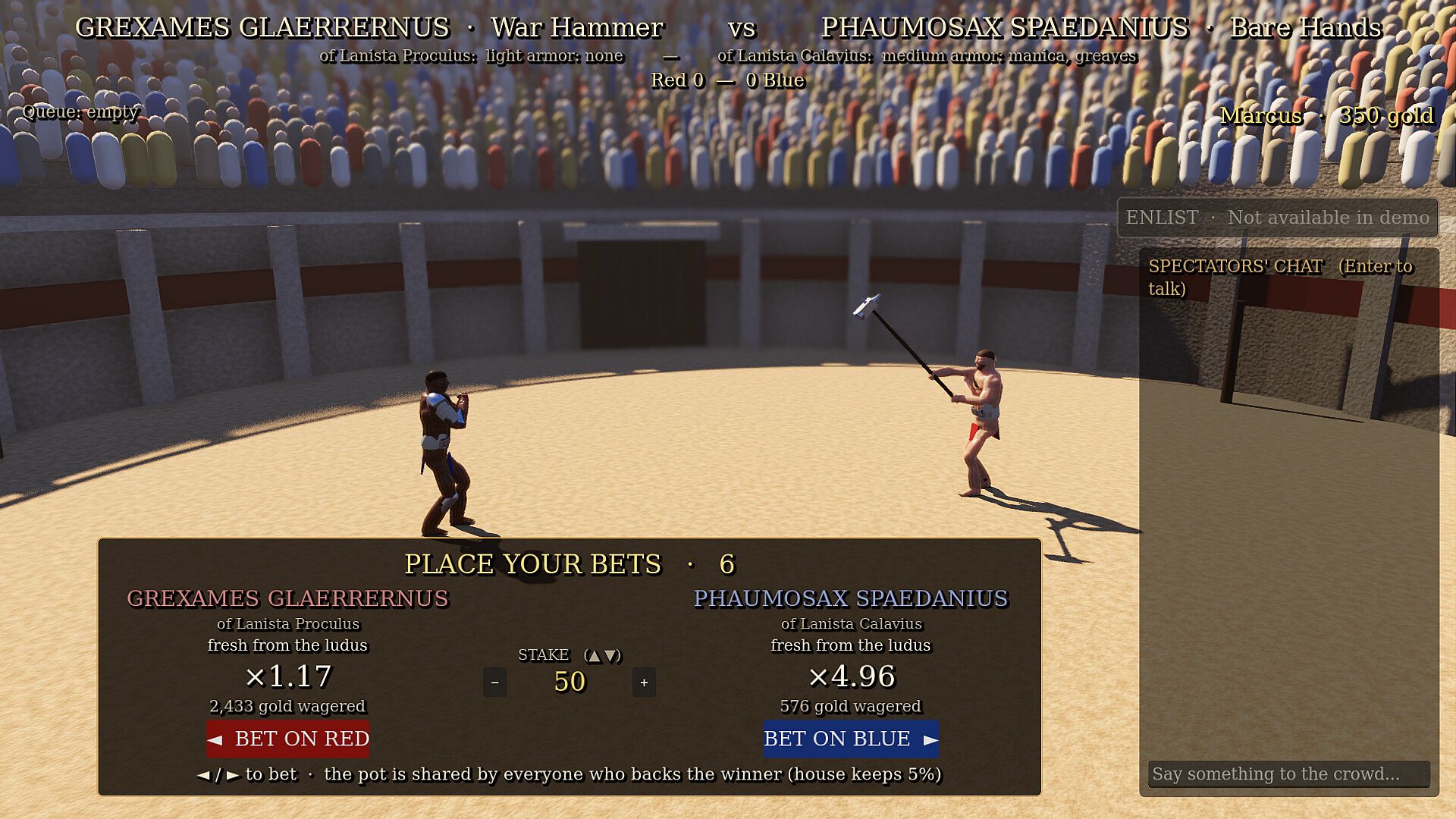
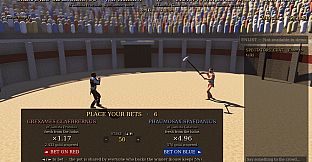
The core loop centers on observation and betting. Ten seconds before each bout begins, players place gold on the red or blue side. The pot distributes among those who backed the winner, so upsets deliver larger returns through pari-mutuel odds shaped by collective wagers.
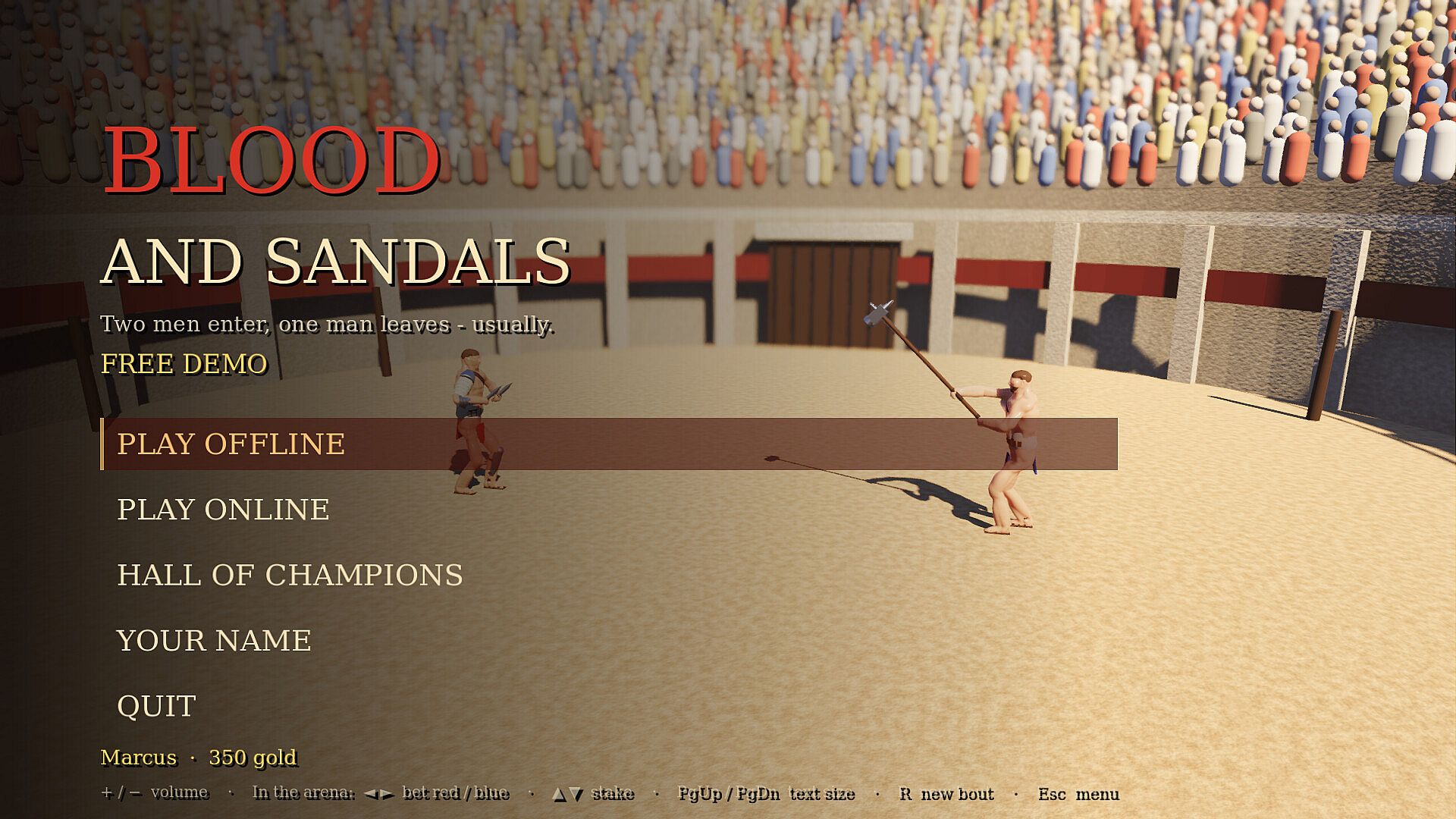
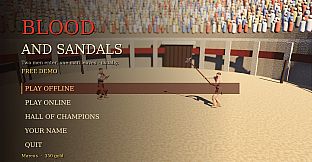
One shared online arena lets everyone watch the same fight in real time, bet against other participants, and chat during the action. Offline play supports the same experience at any time without requiring an internet connection. A separate progression system tracks the Hall of Champions, recording longest reigns, most kills, fastest kills, crowd favorites, the fallen, and individual betting records.
Core Mechanics and Features
Physics drives every duel from the ground up, producing varied outcomes based on fighter builds and in-fight decisions. Anatomical accuracy extends to muscle movement and joint behavior, while damage modeling accounts for specific body regions and equipment interactions. Weapons and shields follow grounded historical delivery methods rather than abstract animations.
Betting integrates directly with the spectator experience, turning each match into a shared event where crowd money influences payouts. The single arena format supports both competitive wagering against others and solitary offline sessions. Progression elements reward consistent performance across kills, survival, and betting accuracy.
Is It Worth Playing?
A free demo provides access to the full simulation systems, betting, arena viewing, and offline options. The complete version adds the ability to enlist personal gladiators for ongoing management and progression. The game suits players who enjoy watching detailed, unscripted combat unfold while participating through strategic bets and long-term records. Its focus on anatomical realism and pari-mutuel mechanics delivers a distinct simulation experience within the strategy and indie genres.












