





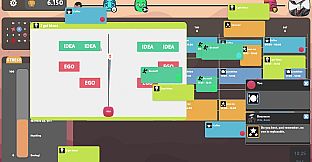

Burnout Simulator is an indie simulation game for PC that places players in the role of a new hire navigating the daily realities of corporate life at Peak Performance Inc. The experience centers on balancing personal well-being against the demands of employment, where self-worth ties directly to job performance and continued presence on the payroll.
Gameplay
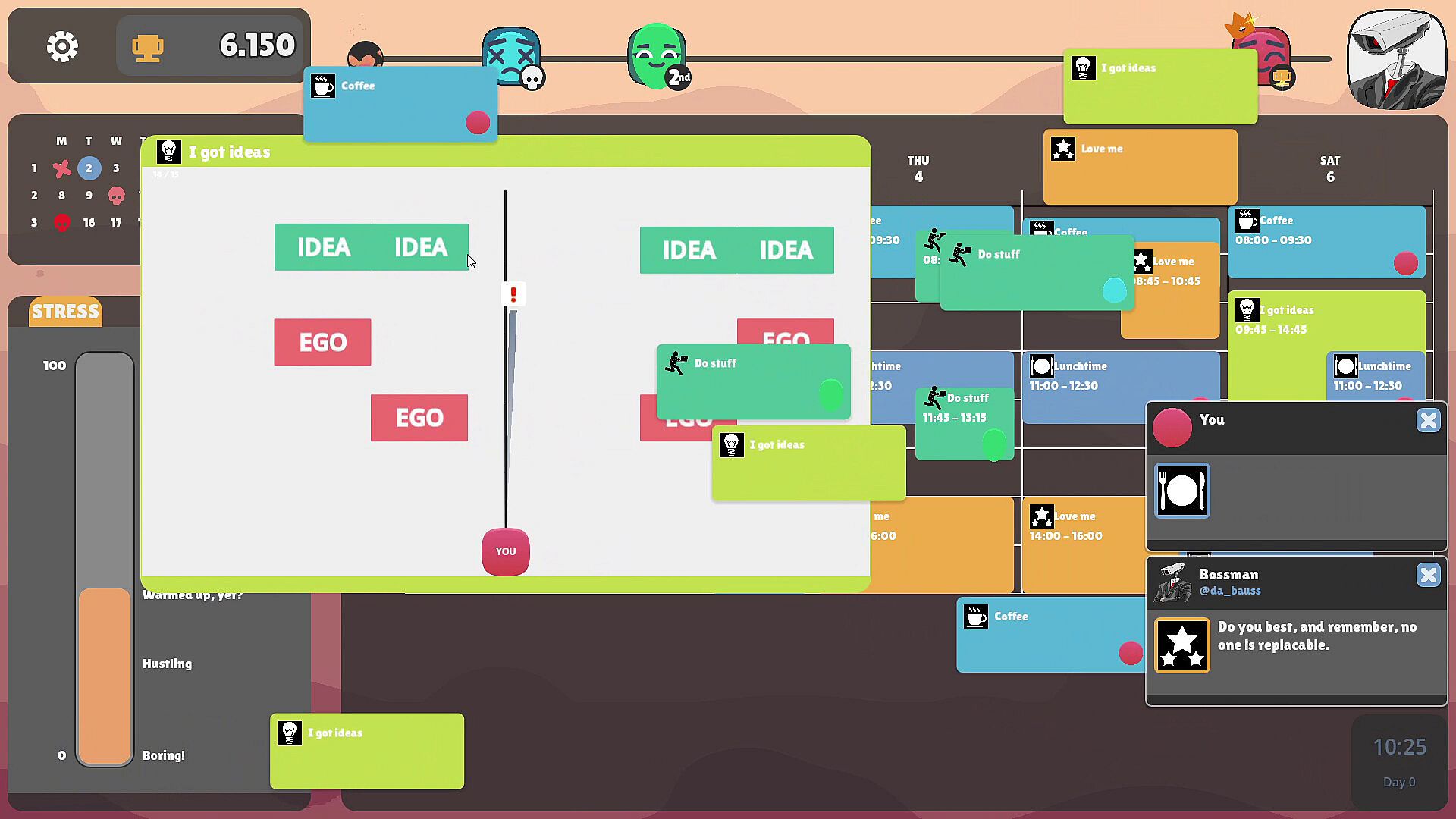
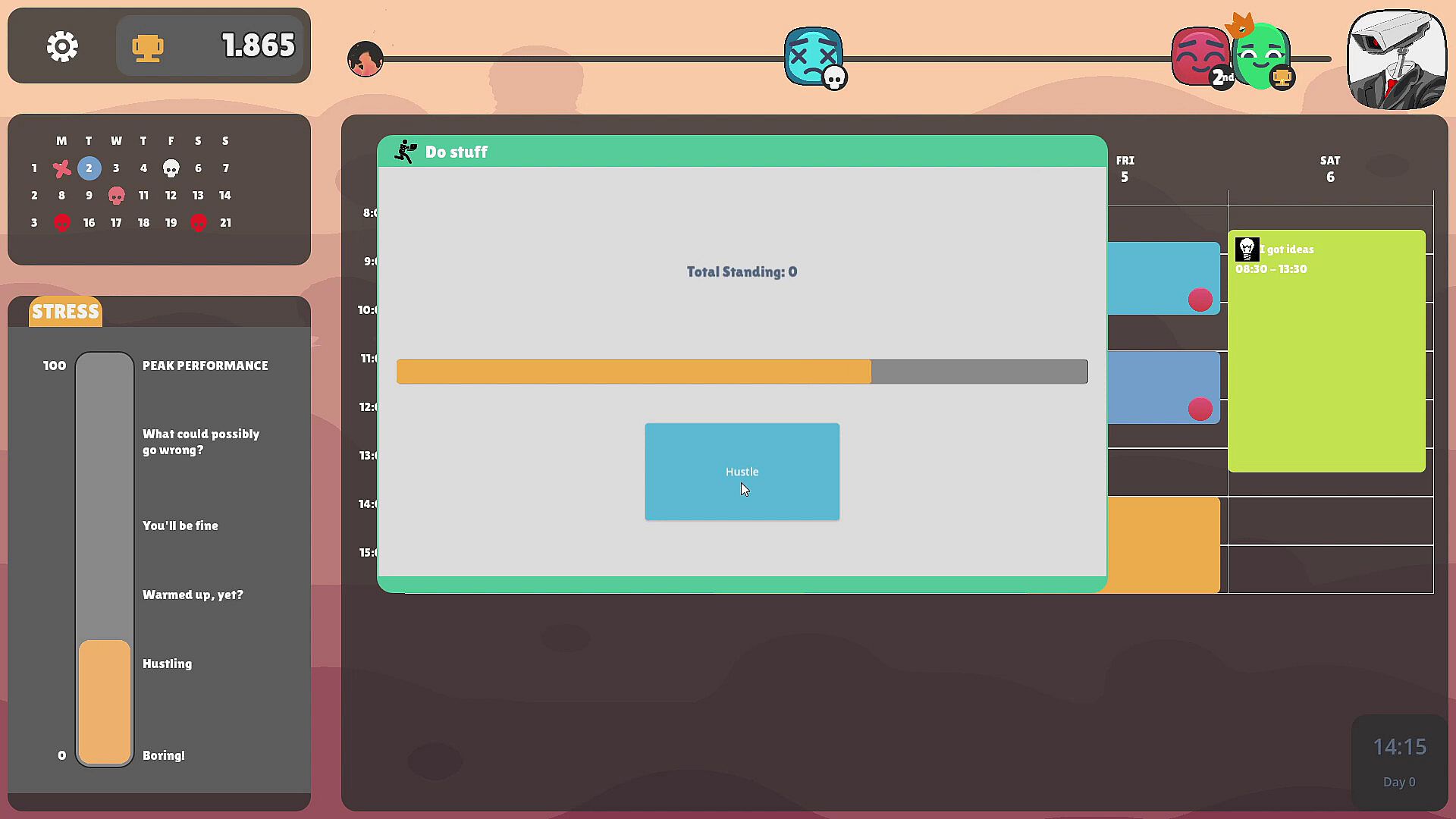
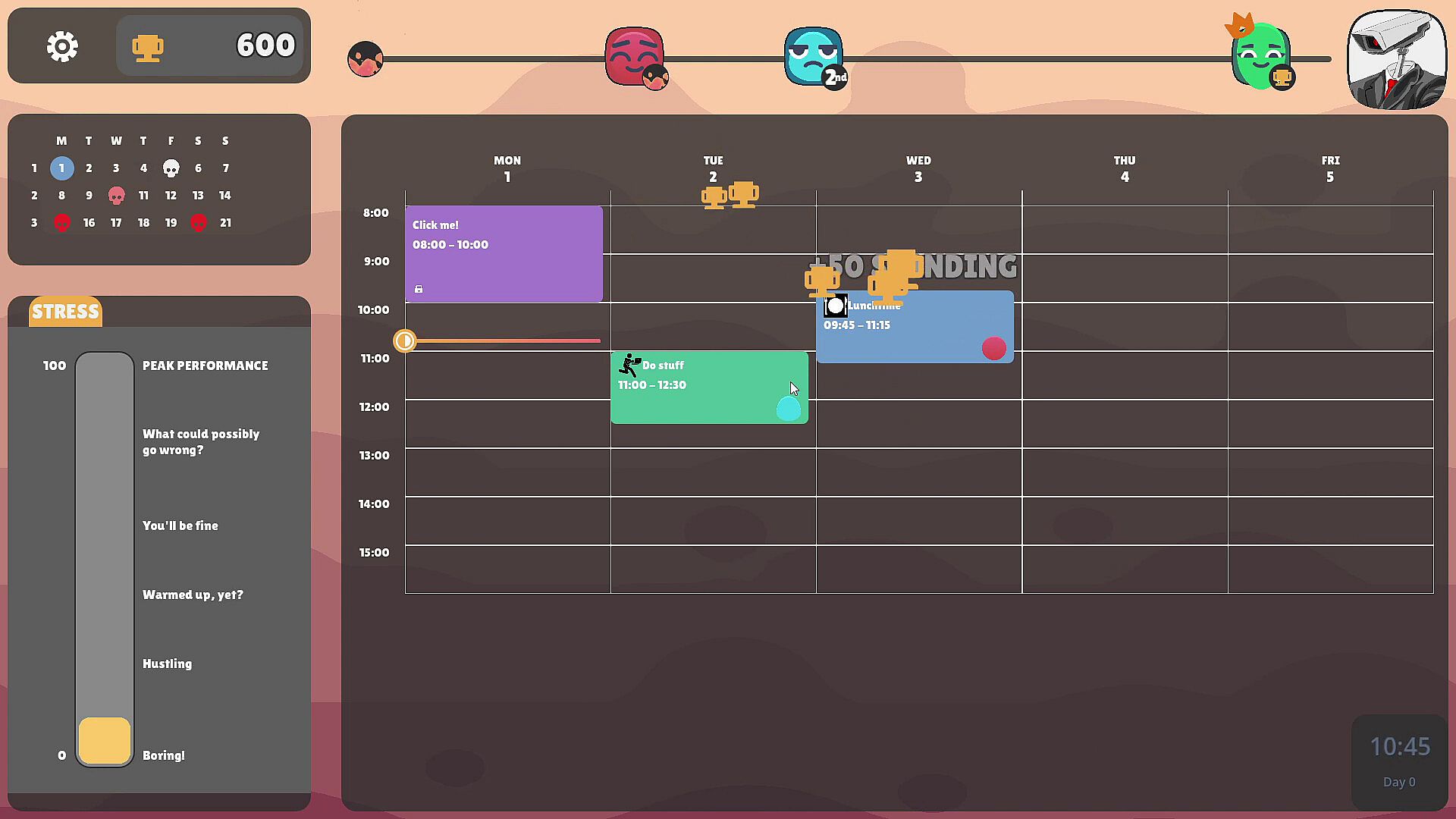
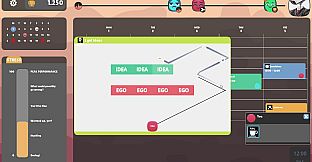
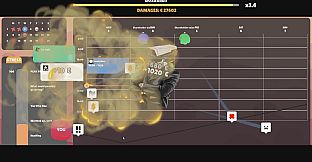
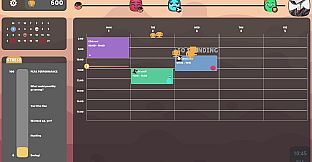
Players manage their own schedule with apparent freedom while facing fixed tasks and deadlines that remain outside their control. Daily decisions involve allocating time across work responsibilities and personal recovery, using company benefits to handle mounting stress. These benefits can lead to short-term relief but also introduce risks such as overdose or the development of lasting debilitating conditions that affect future performance.
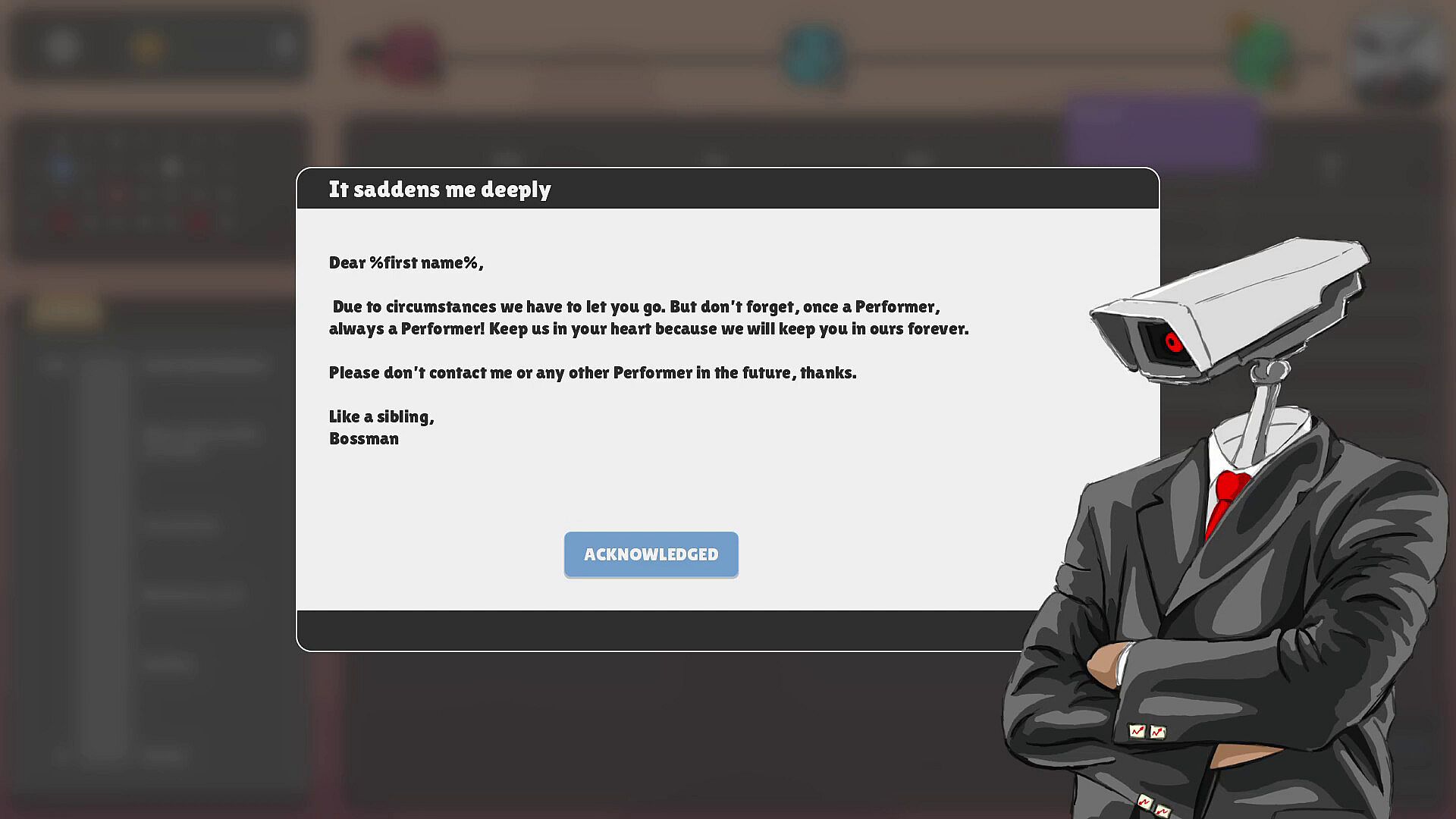
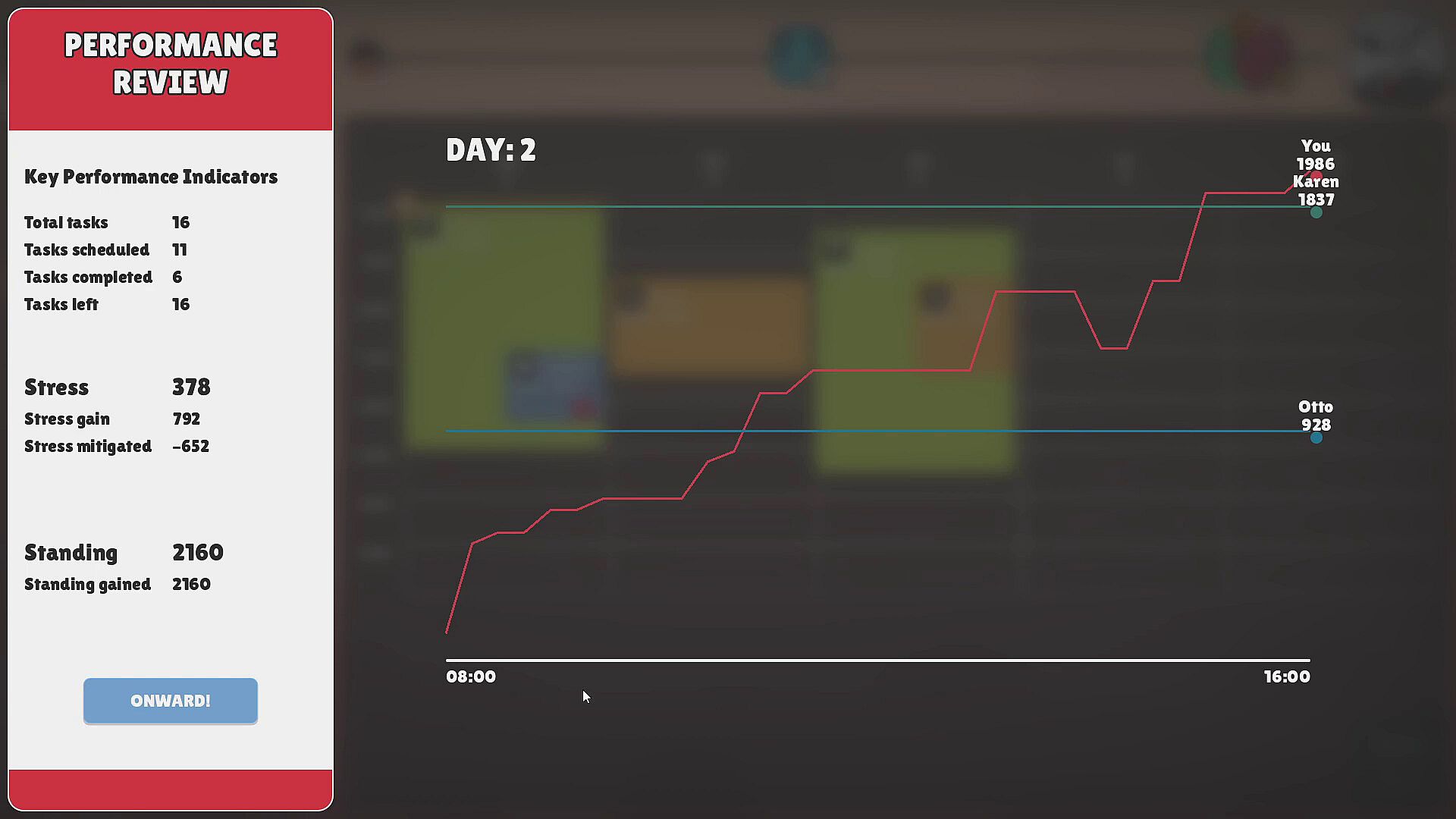
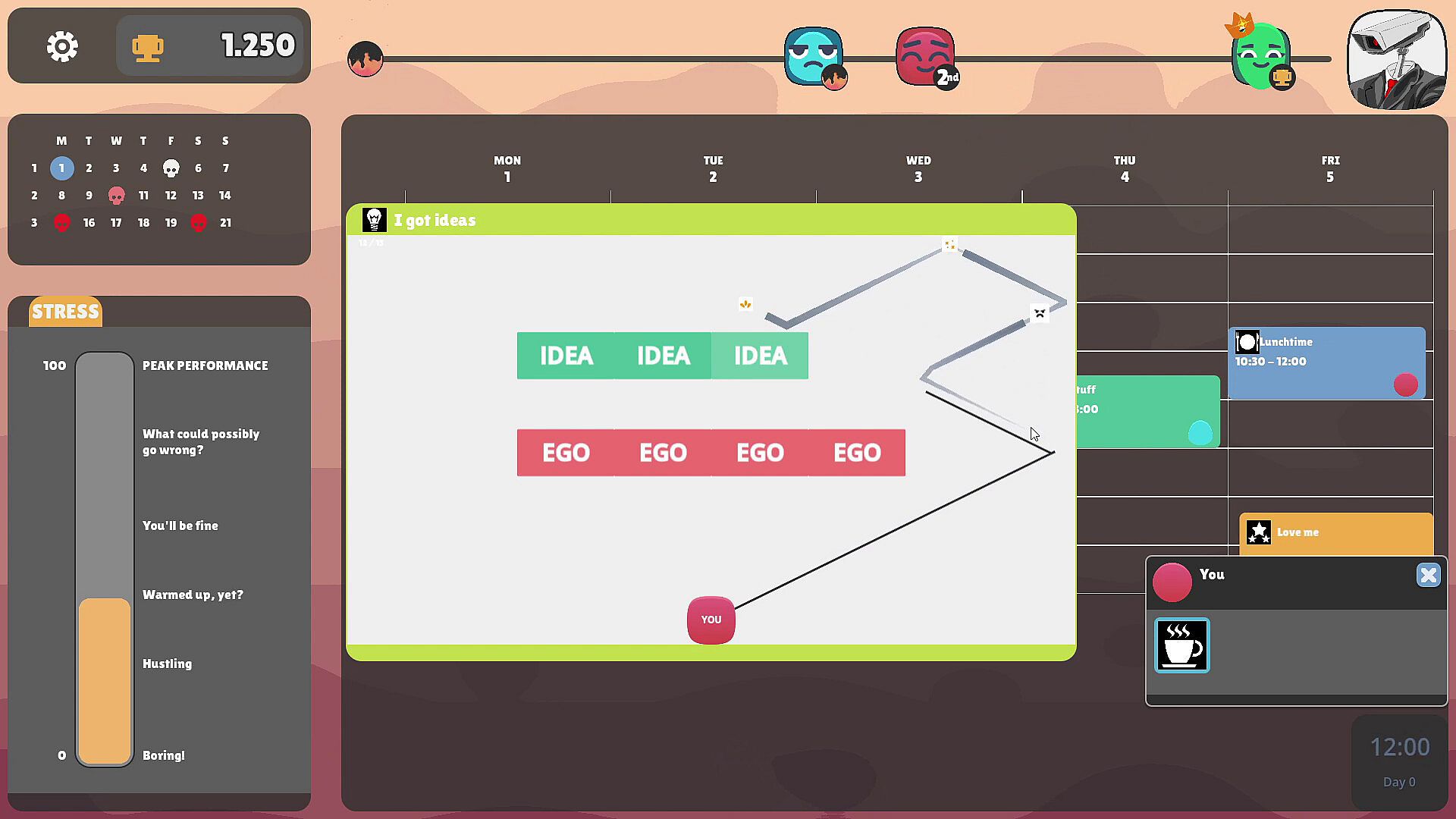
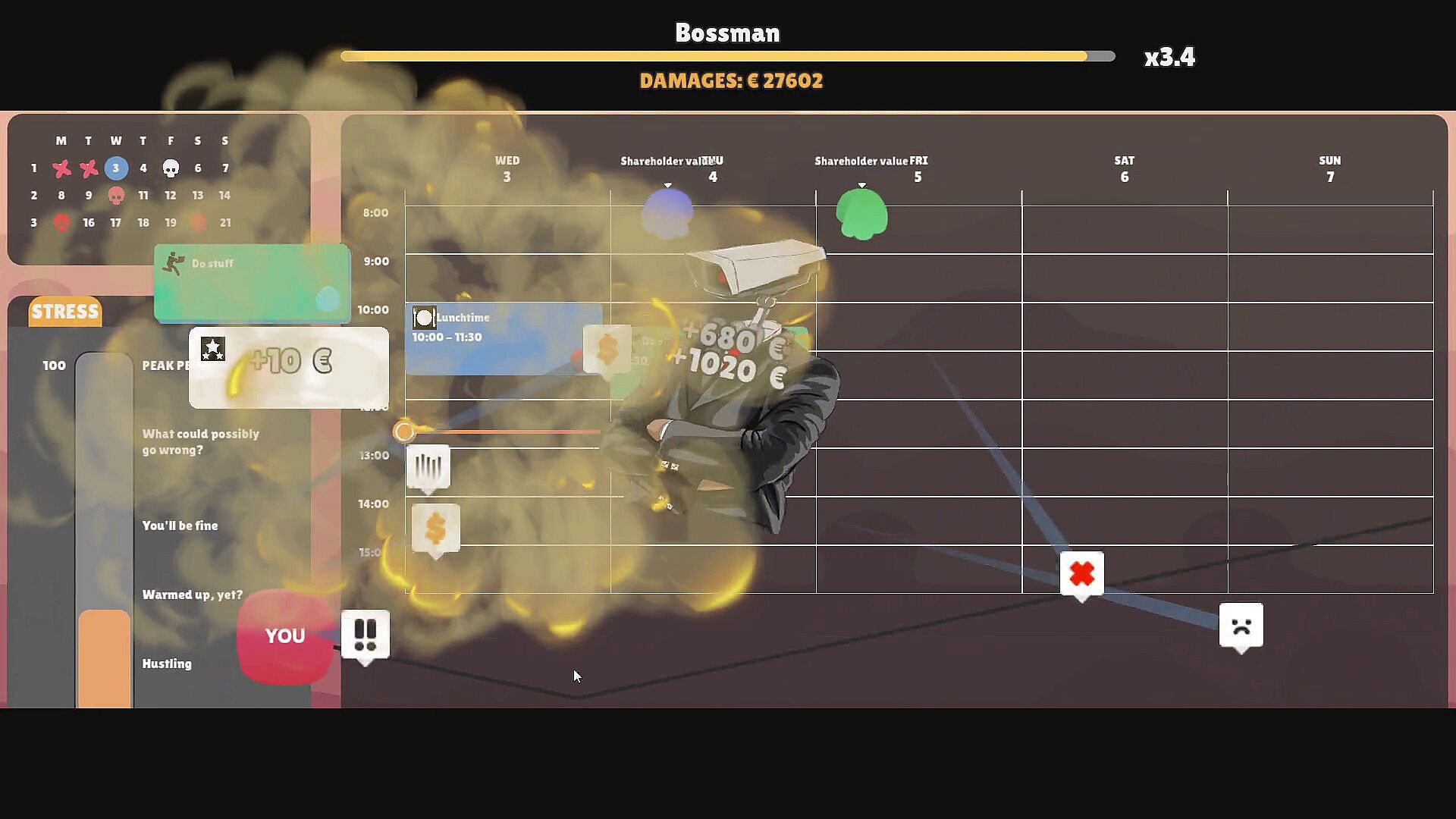
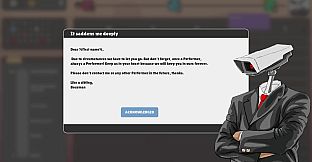
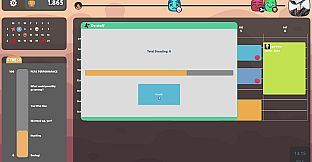
Relationship building forms a core part of the loop, as interactions with colleagues shape standing within the company hierarchy. Feedback flows through an open door policy, allowing input on ideas from leadership, yet any challenge requires careful handling to avoid damaging egos and losing favor. The lowest performer in the pecking order faces dismissal each day, creating constant pressure to maintain position through consistent output and social navigation.
Game Modes
The game operates as a continuous single-player simulation without separate named modes. Progression unfolds across a fixed period focused on survival and accumulation, where players track progress through employment stability and the collection of various conditions acquired along the way. The structure emphasizes repeated cycles of task management, interpersonal decisions, and resource use within the same overarching workplace environment.
Core Mechanics and Progression
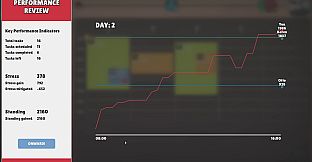
Central systems revolve around stress management and standing within the organization. Benefits serve as tools for coping but carry trade-offs that can compound over time. Schedule control allows prioritization of certain activities, yet the lack of influence over assigned work creates tension that players must resolve through careful planning and relationship maintenance. The three-week timeframe structures the entire experience around avoiding daily firings while gathering as many conditions as possible before the period ends.
Player choices influence both immediate outcomes and long-term viability, with each interaction and benefit use feeding into a broader picture of endurance. The simulation rewards awareness of hierarchy dynamics and the consequences of pushing personal limits in pursuit of validation tied to employment.
Is It Worth Playing?
Burnout Simulator suits players interested in satirical takes on workplace culture and the personal costs of corporate environments. Its mechanics highlight the contradictions of apparent autonomy alongside rigid structures, making it relevant for those who appreciate simulation games that explore stress, relationships, and incremental decline. The short three-week scope keeps the experience focused without requiring long-term commitment. Those drawn to dark humor in everyday scenarios will find the core loop engaging through its emphasis on coping strategies and social positioning. Availability on PC supports straightforward access for this style of indie title.












