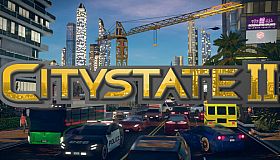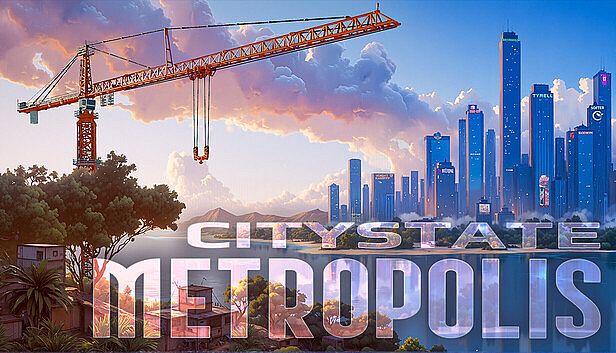


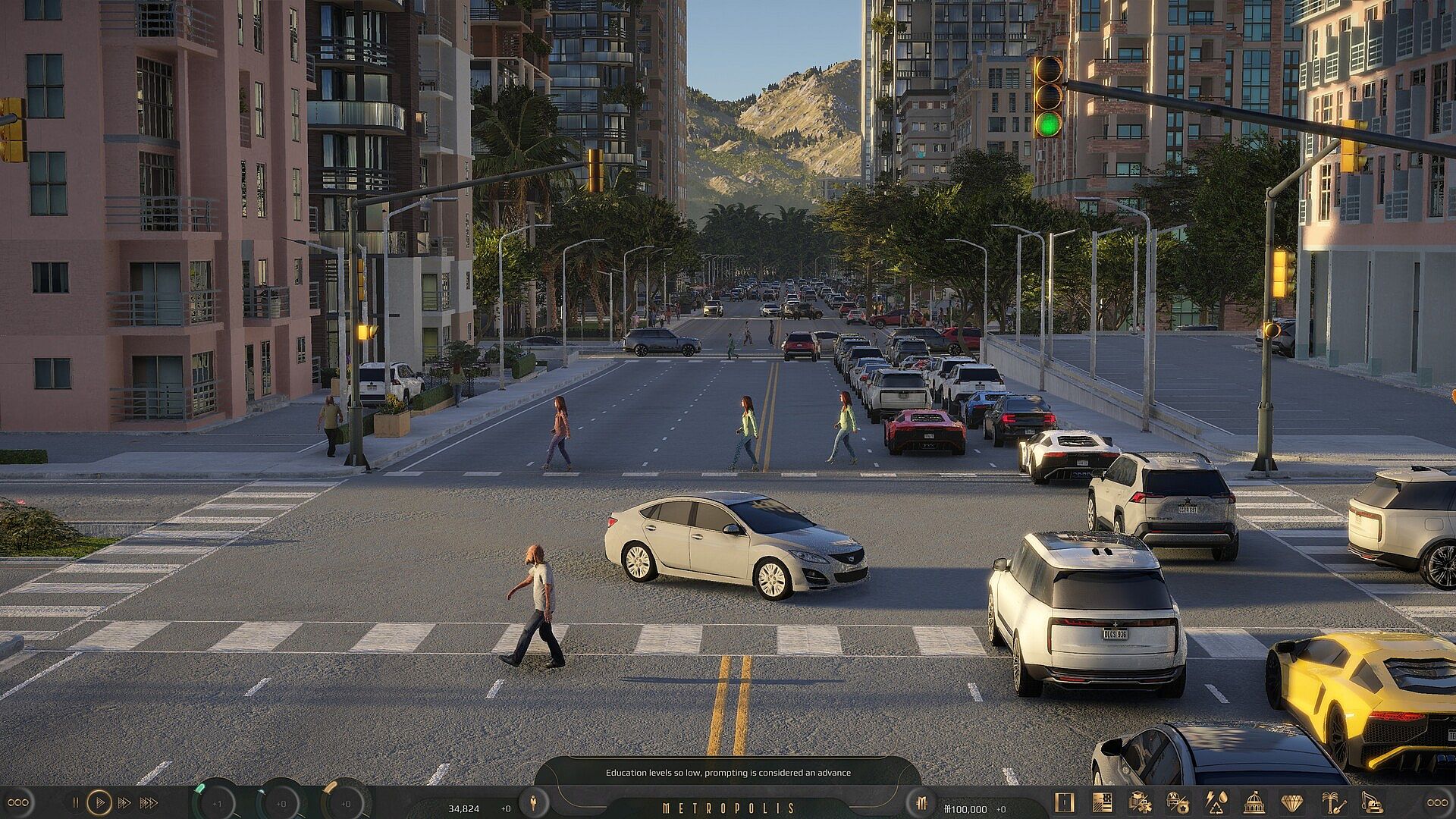
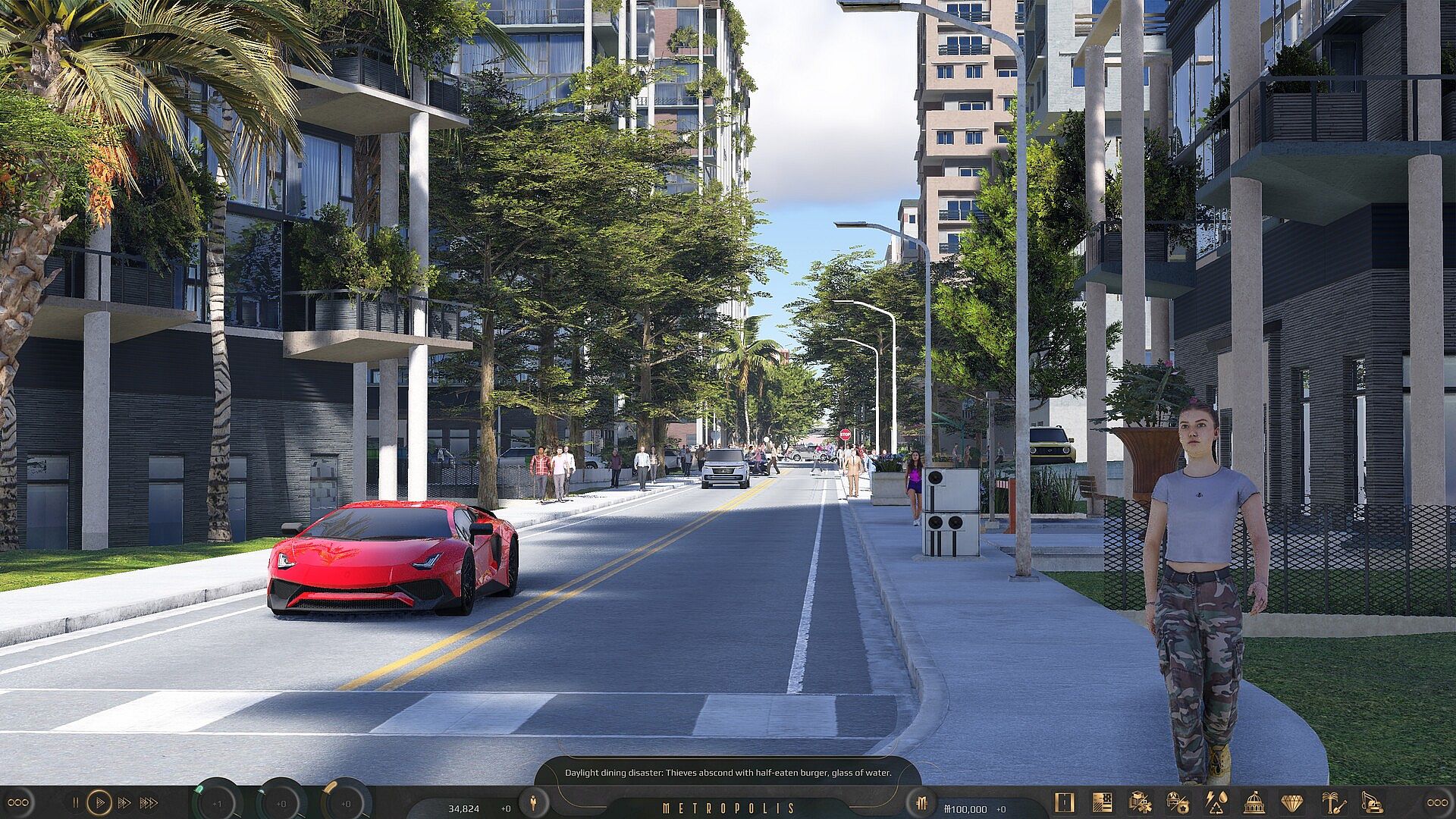

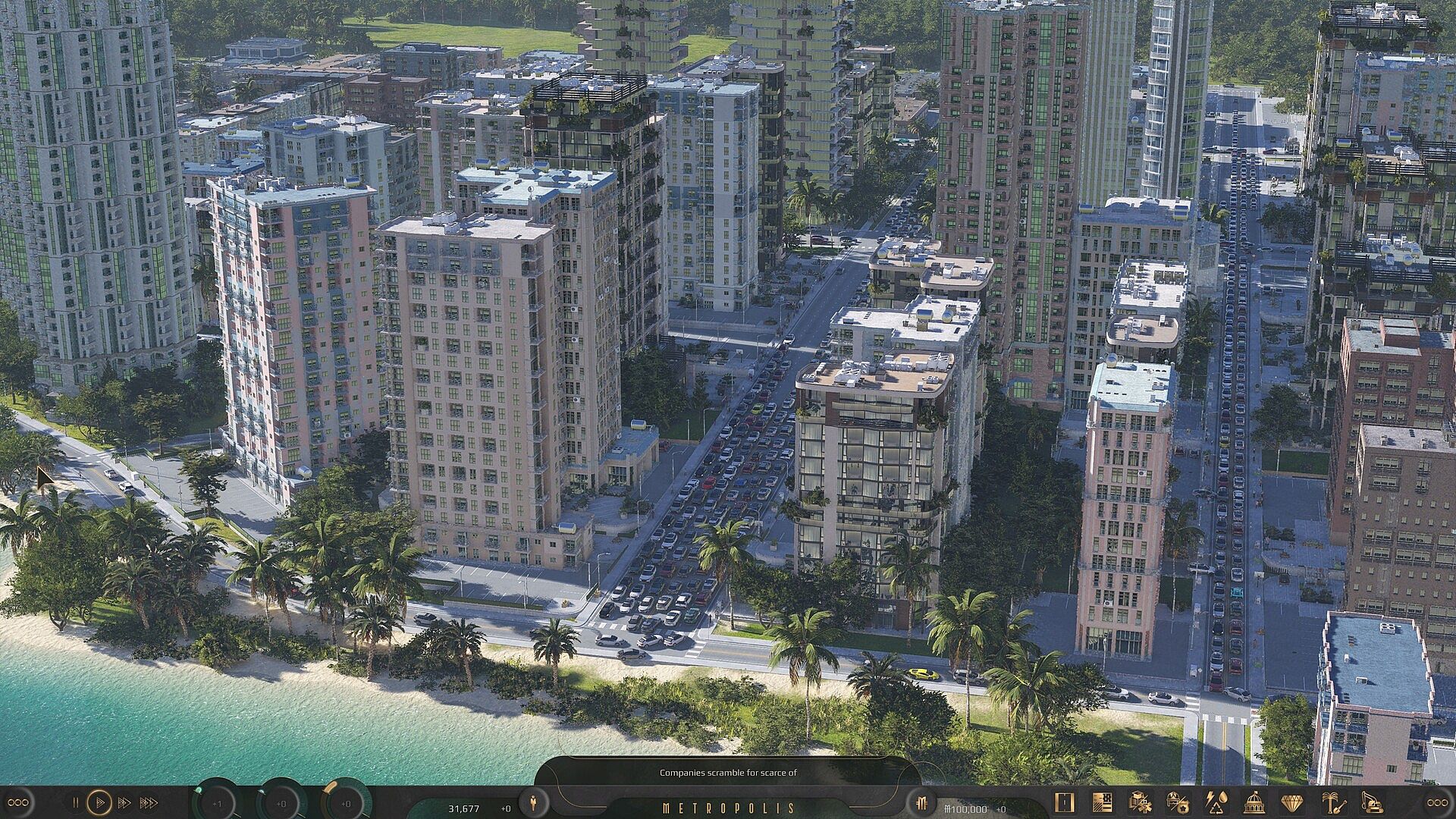
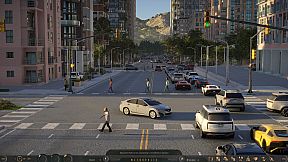
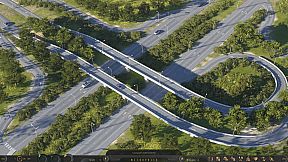
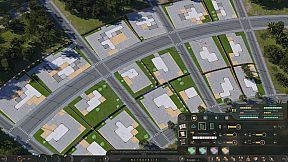
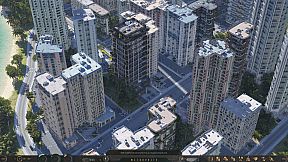
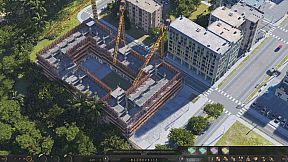
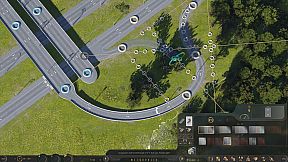
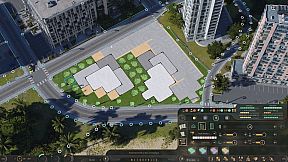
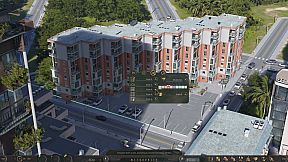
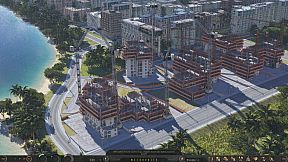
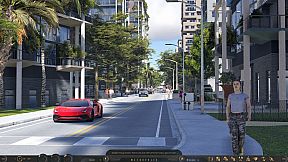
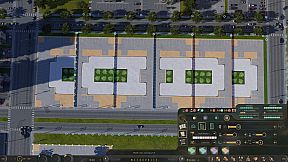
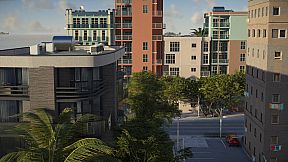
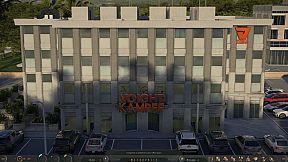
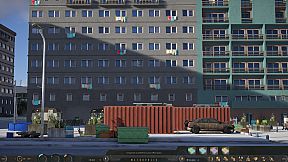
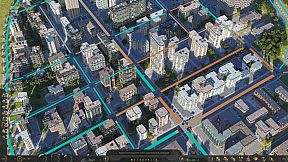

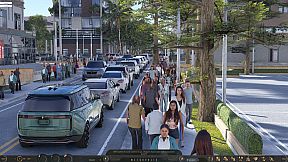
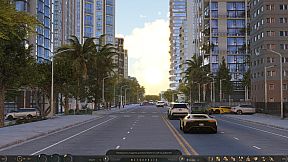
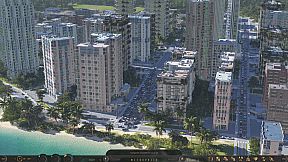
Citystate Metropolis ist ein Strategie- und Simulationsspiel zum Städtebau für den PC. Spieler gestalten und verwalten urbane Räume mit flexiblen Werkzeugen, die sowohl kreative Gestaltung als auch realistische sozioökonomische Entwicklungen in einer Einzelspielererfahrung verbinden.
Gameplay
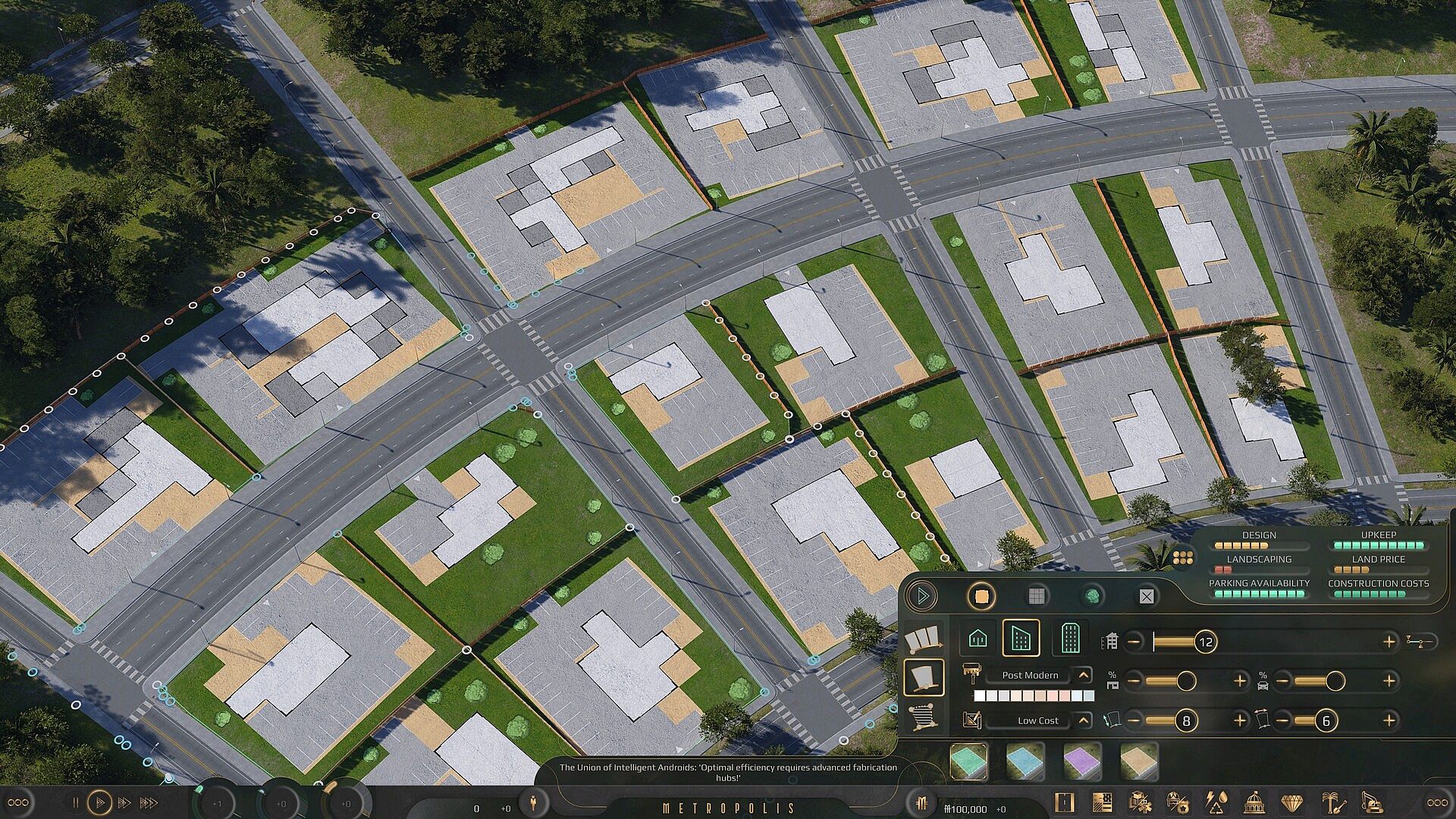
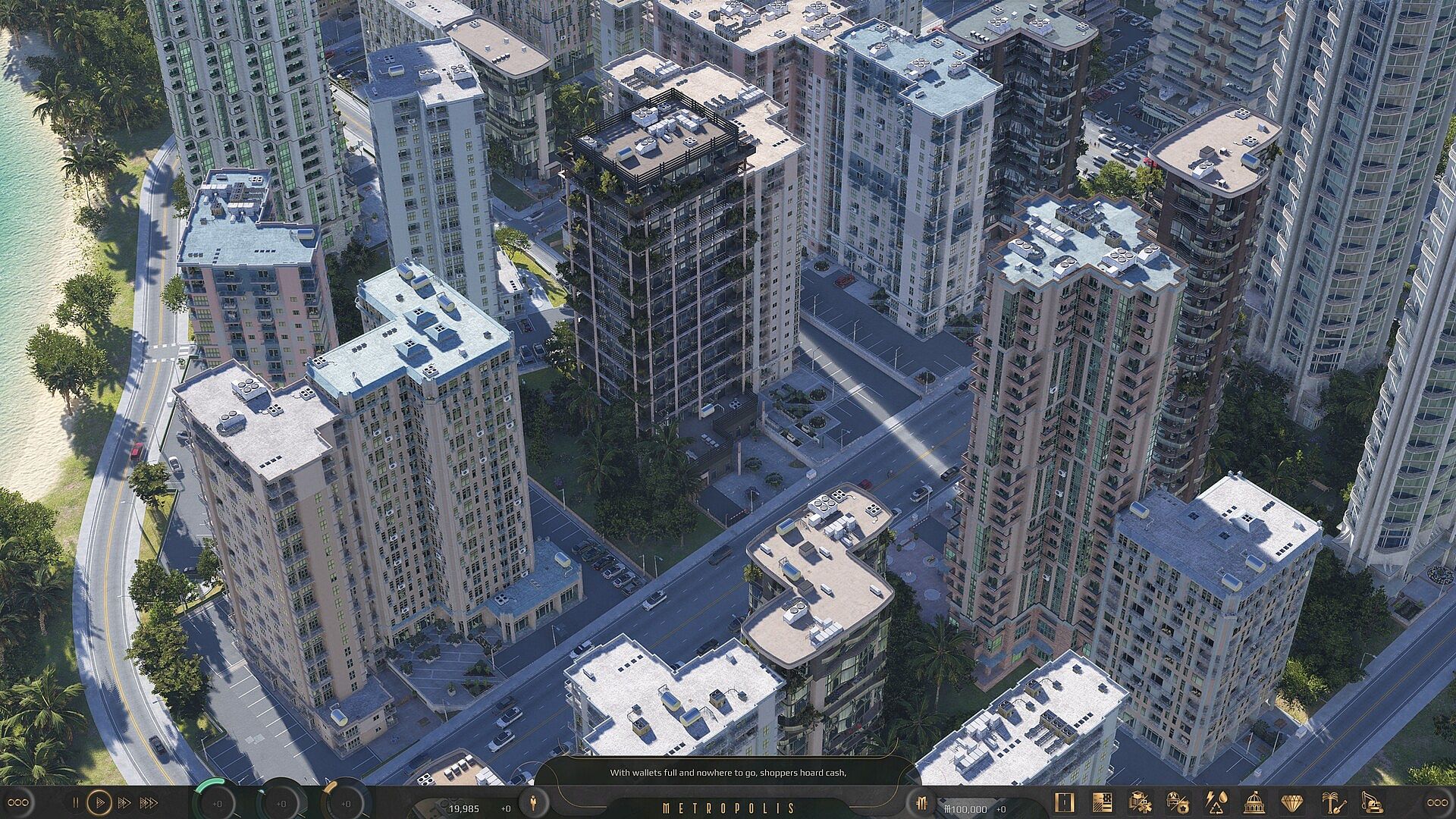
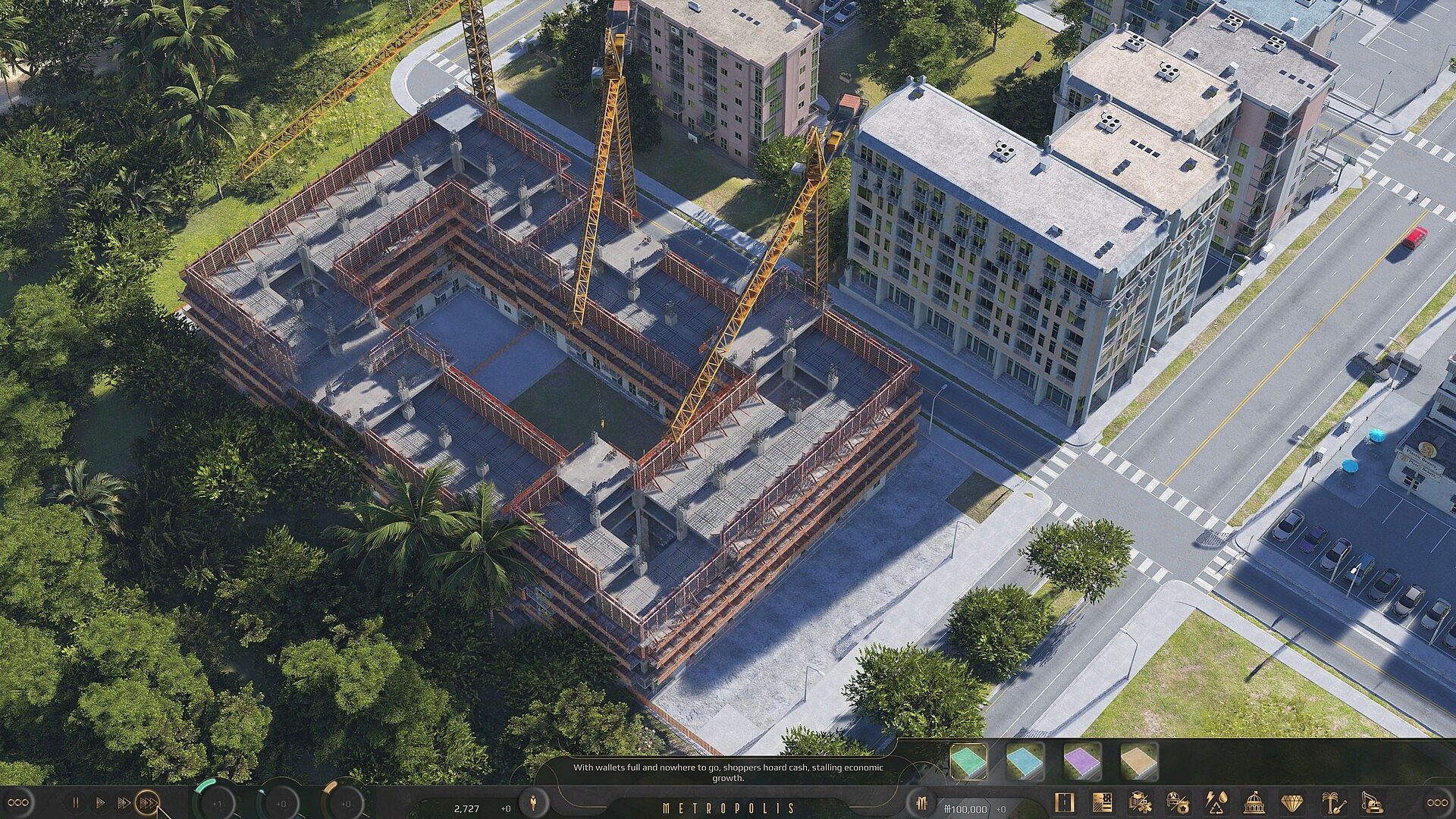
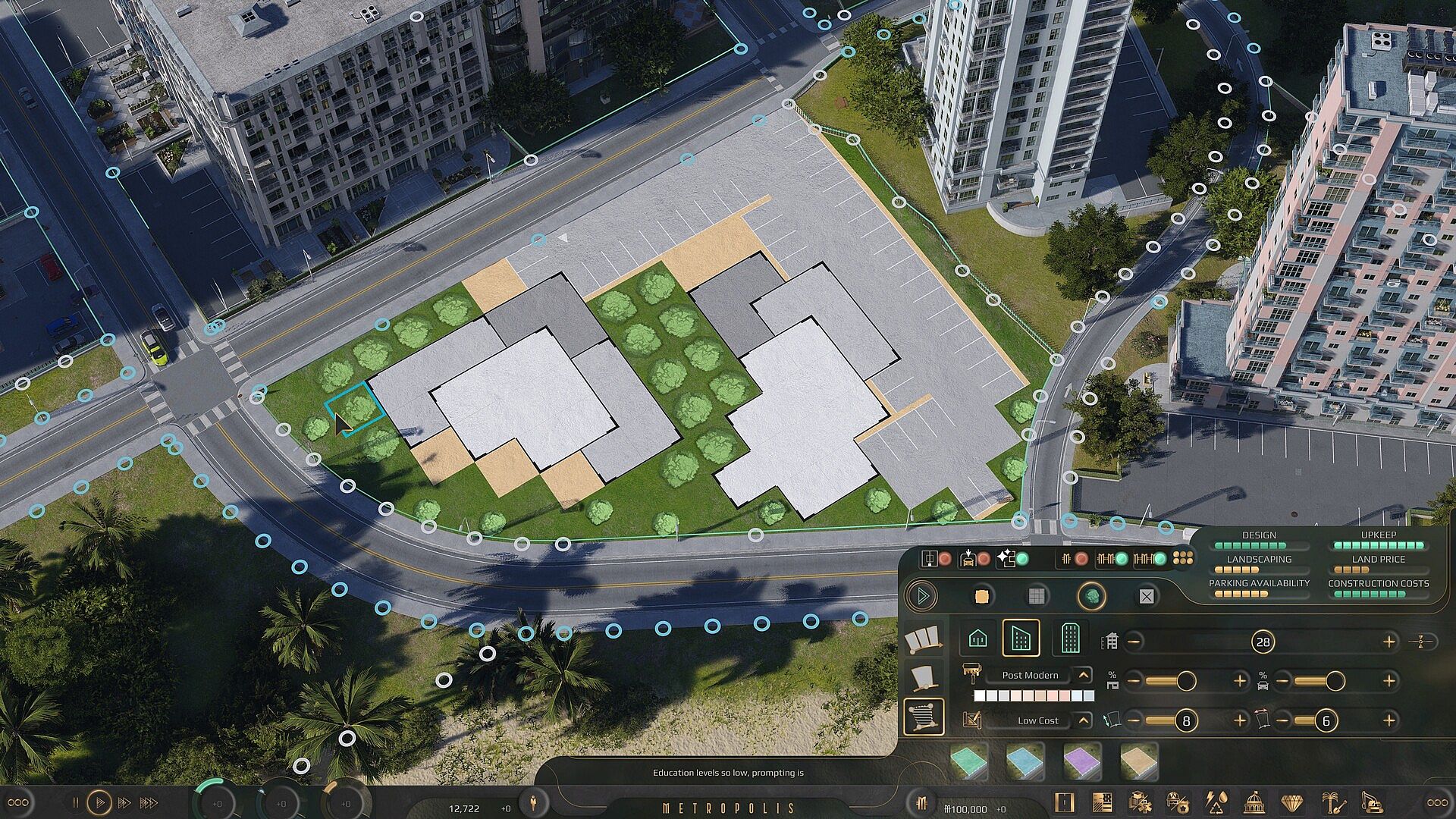
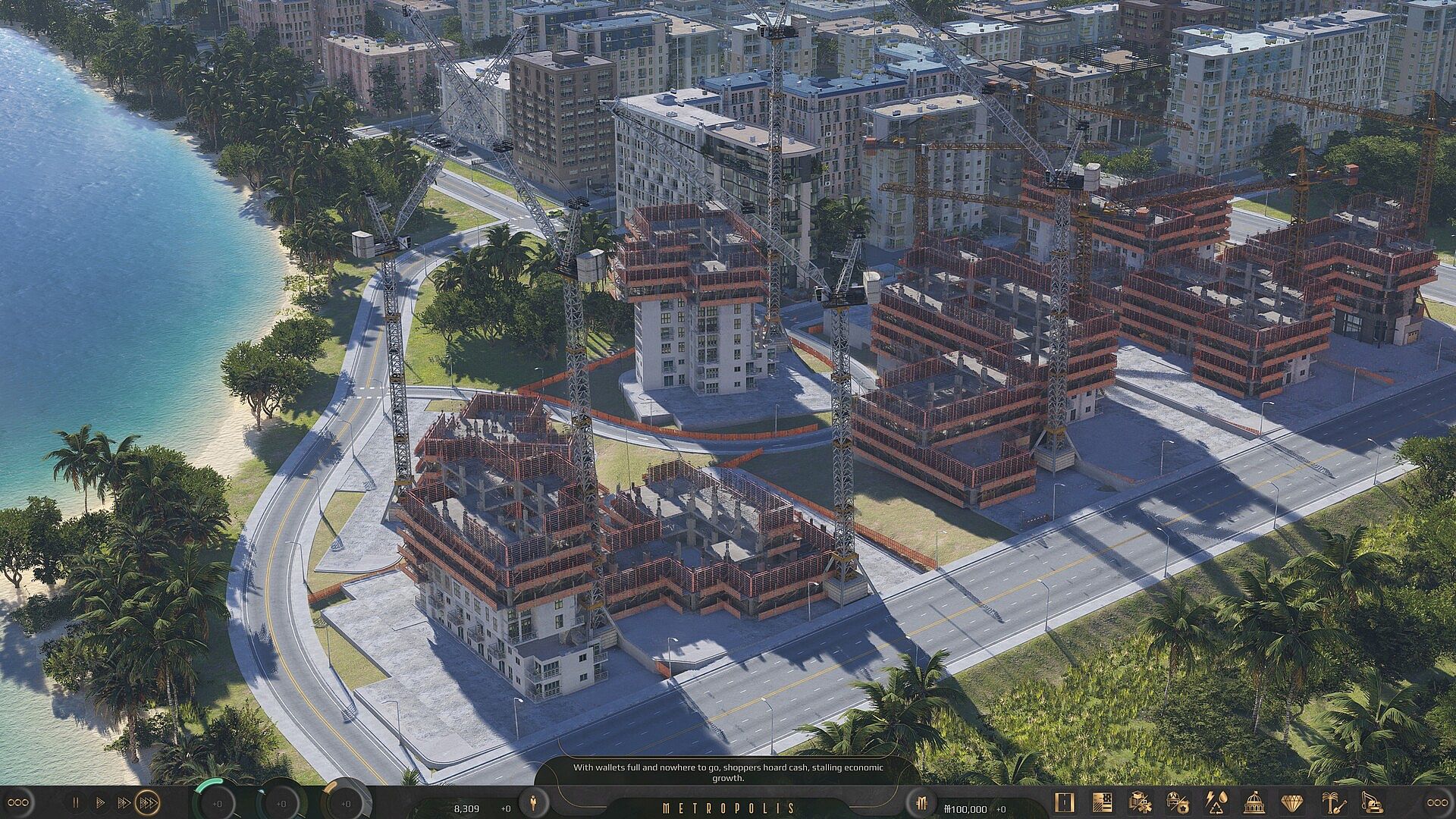
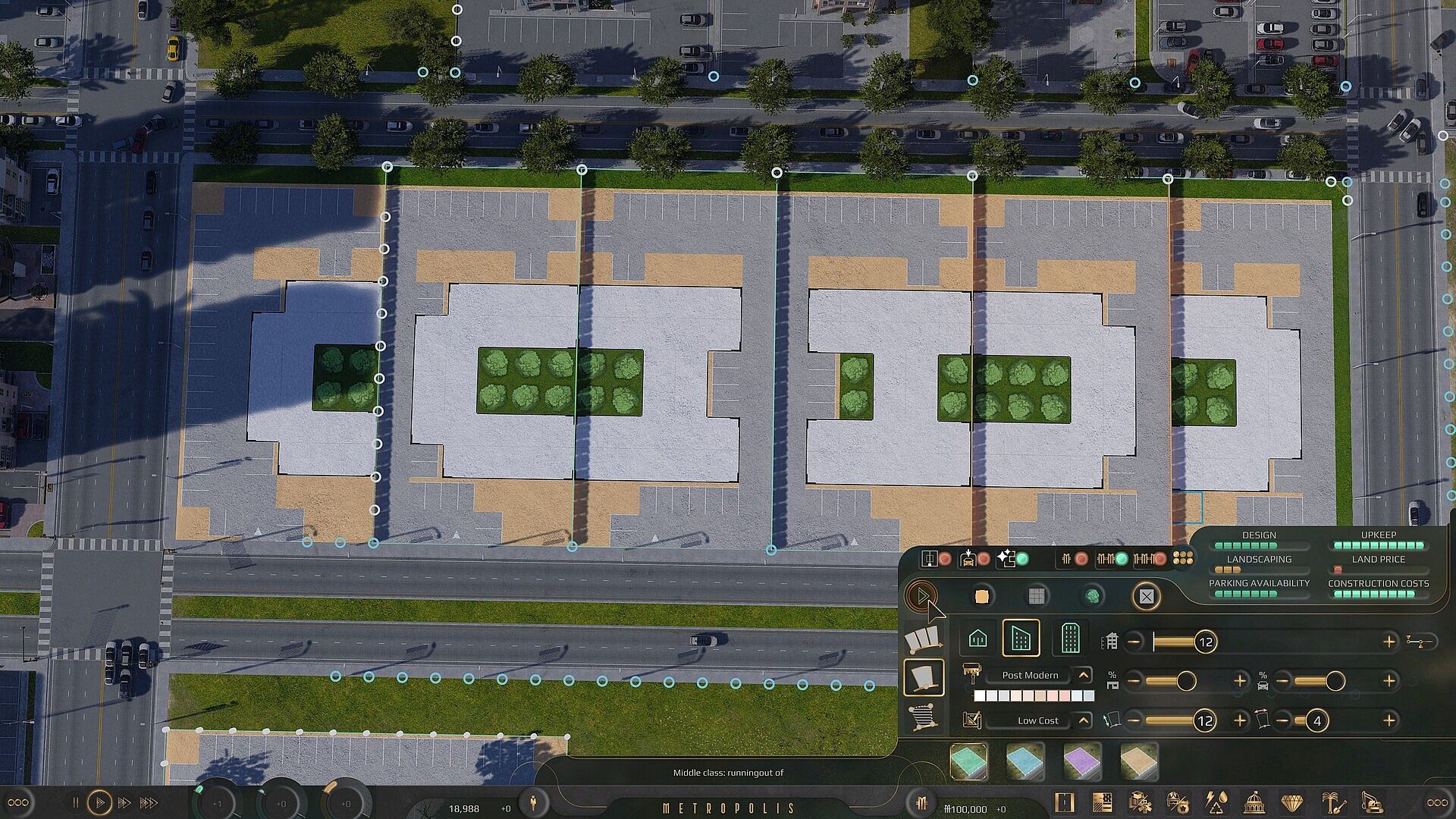
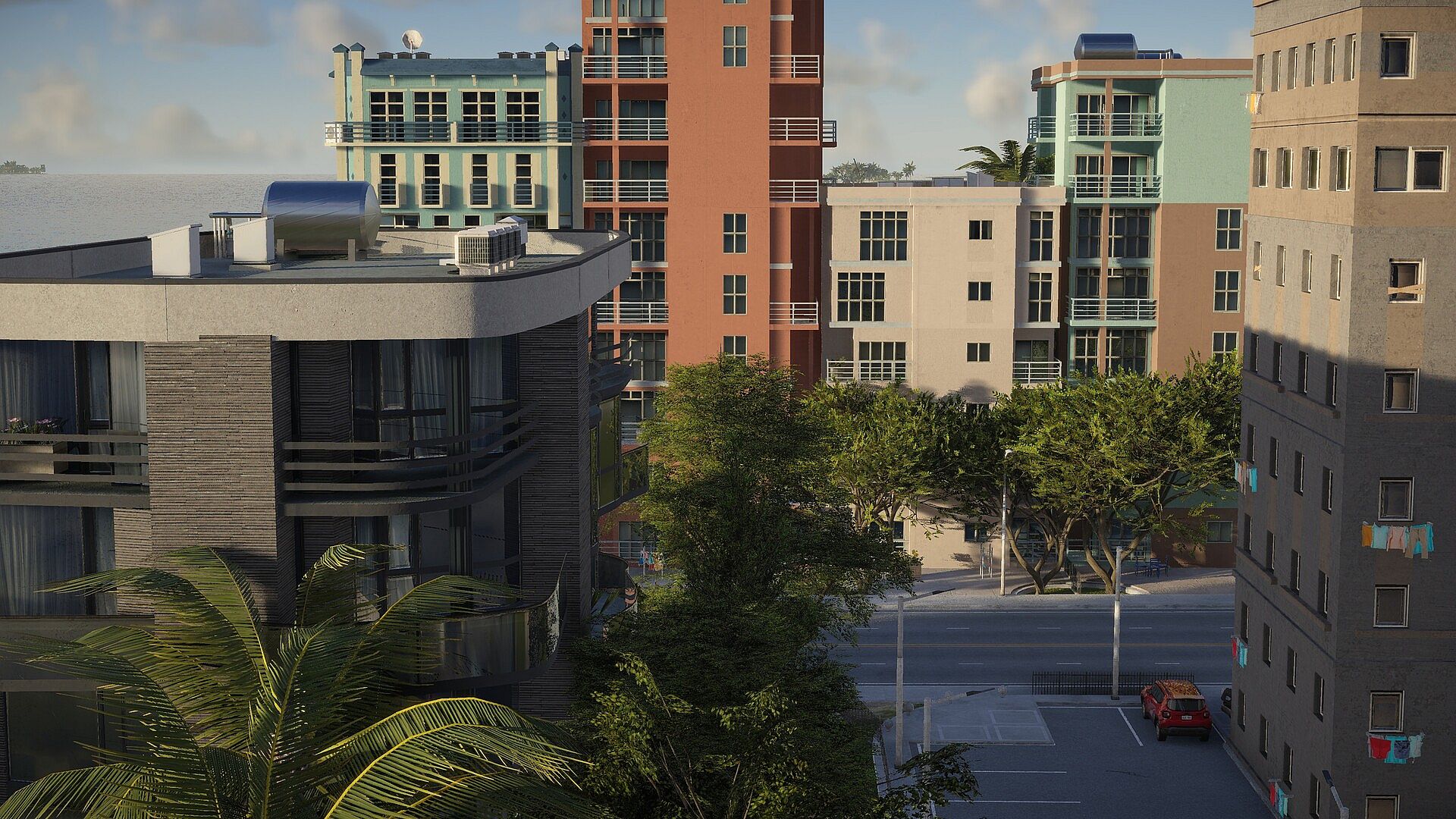
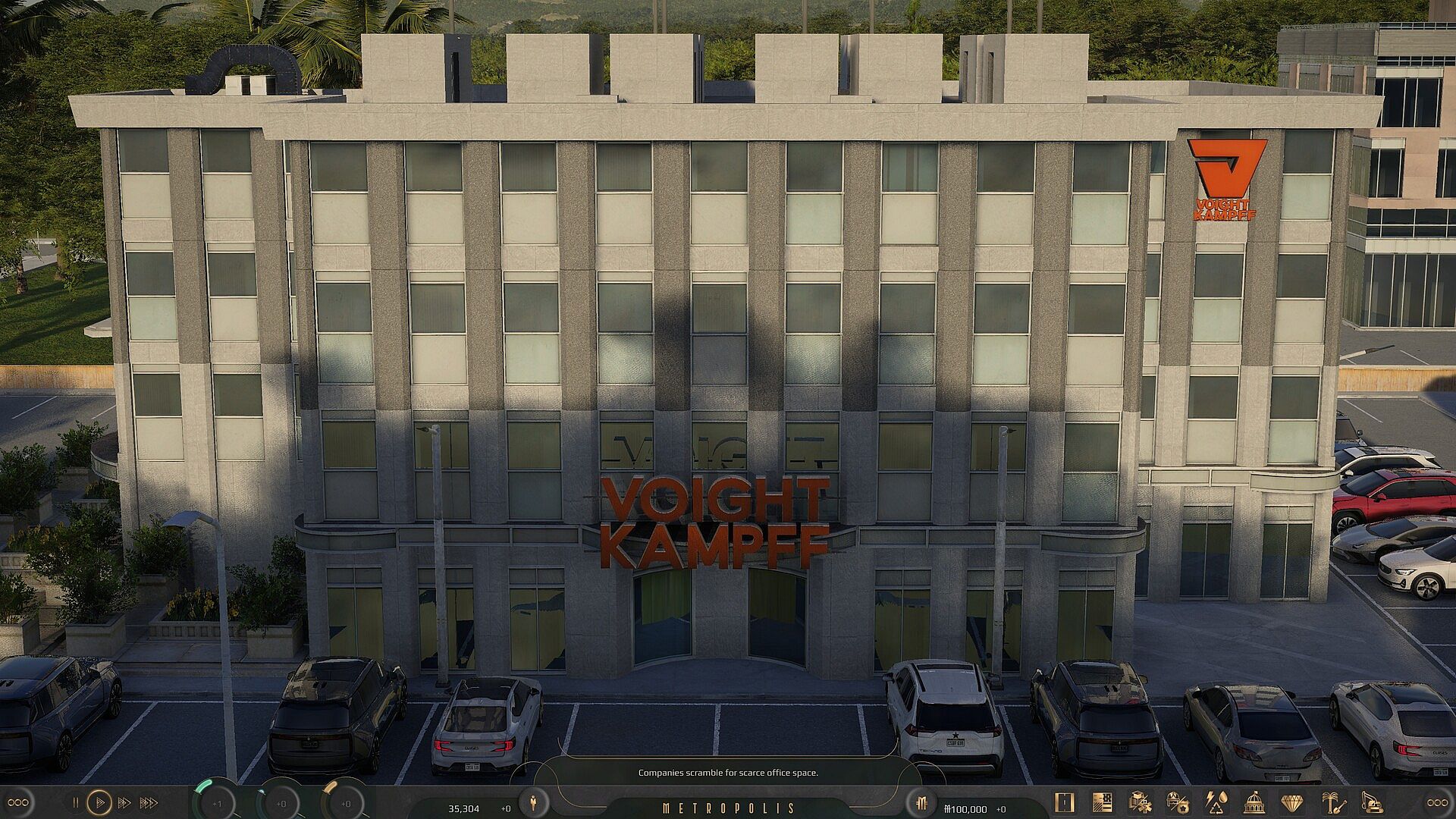
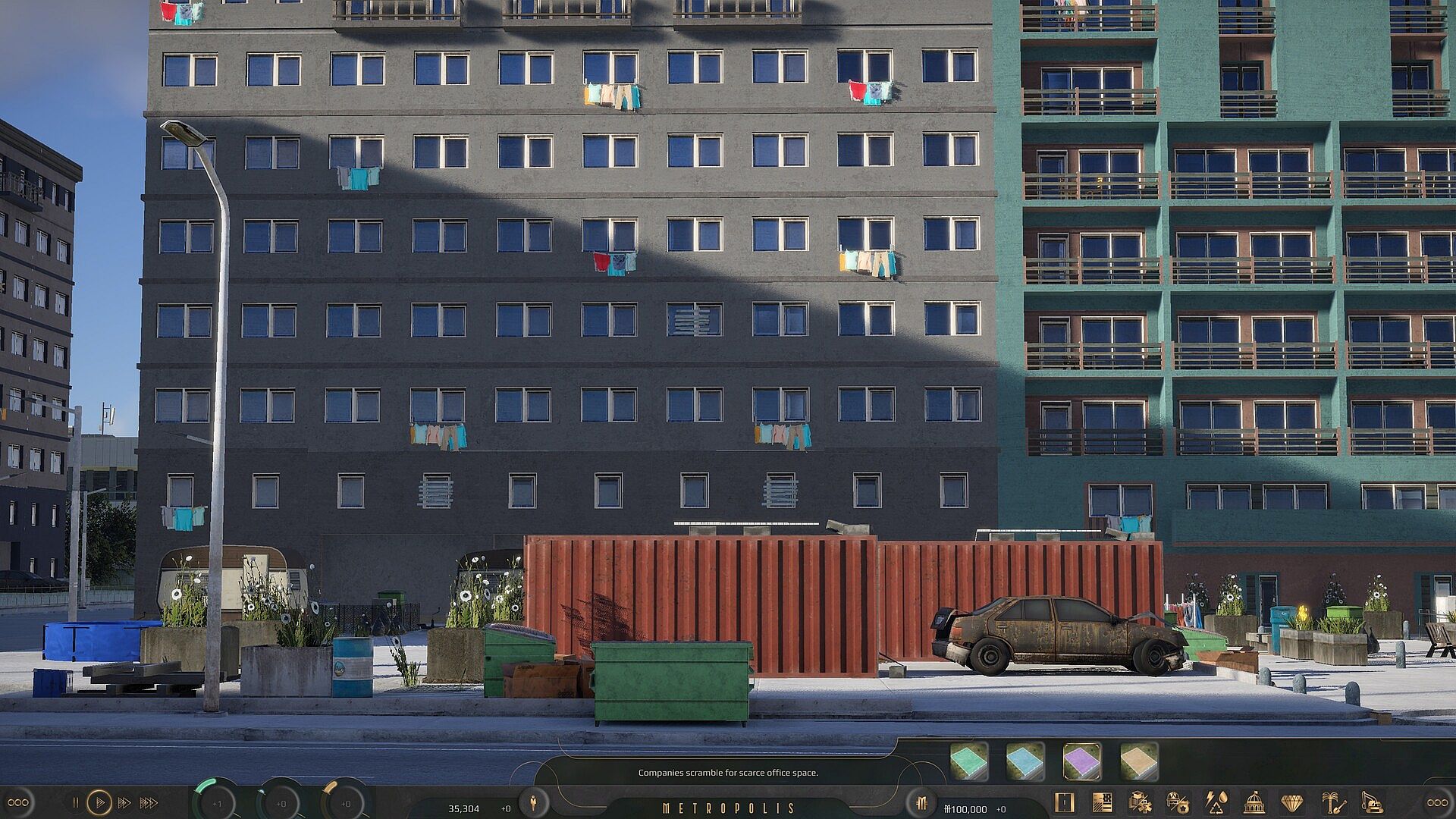
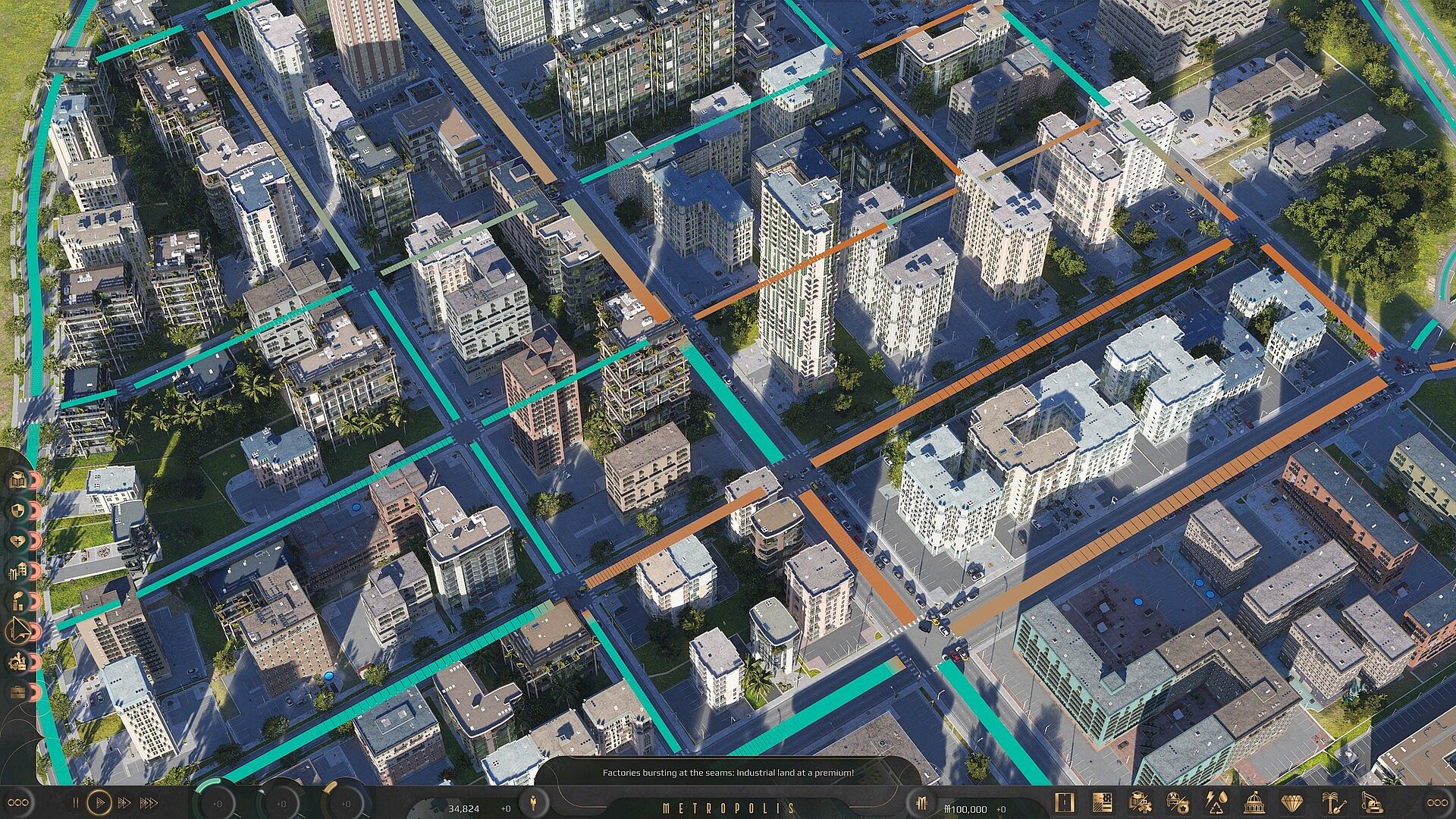
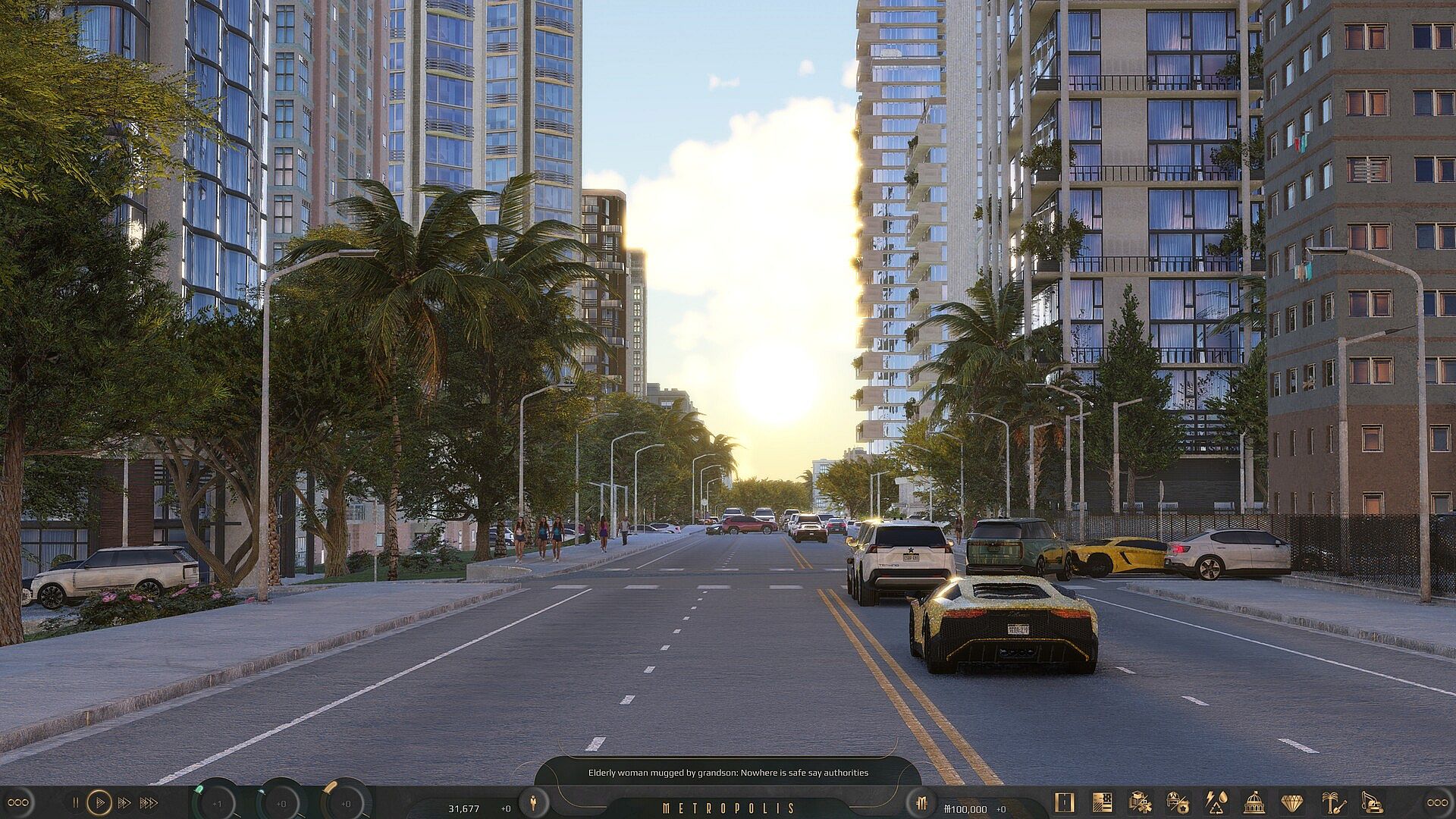
Im Mittelpunkt steht die Gestaltung von Stadtvierteln durch präzise Steuerung von Gebäudeplatzierung und Vorschriften. Ohne festes Raster lassen sich organische Strukturen schaffen, bei denen Grundfläche, Abstände, Stockwerke und Parkplätze frei angepasst werden können. Prozedural erzeugte Gebäude reagieren auf diese Vorgaben und bilden abwechslungsreiche Wohn-, Gewerbe-, Industrie- und Dienstleistungsgebäude, die sich in die geplanten Flächen einfügen.
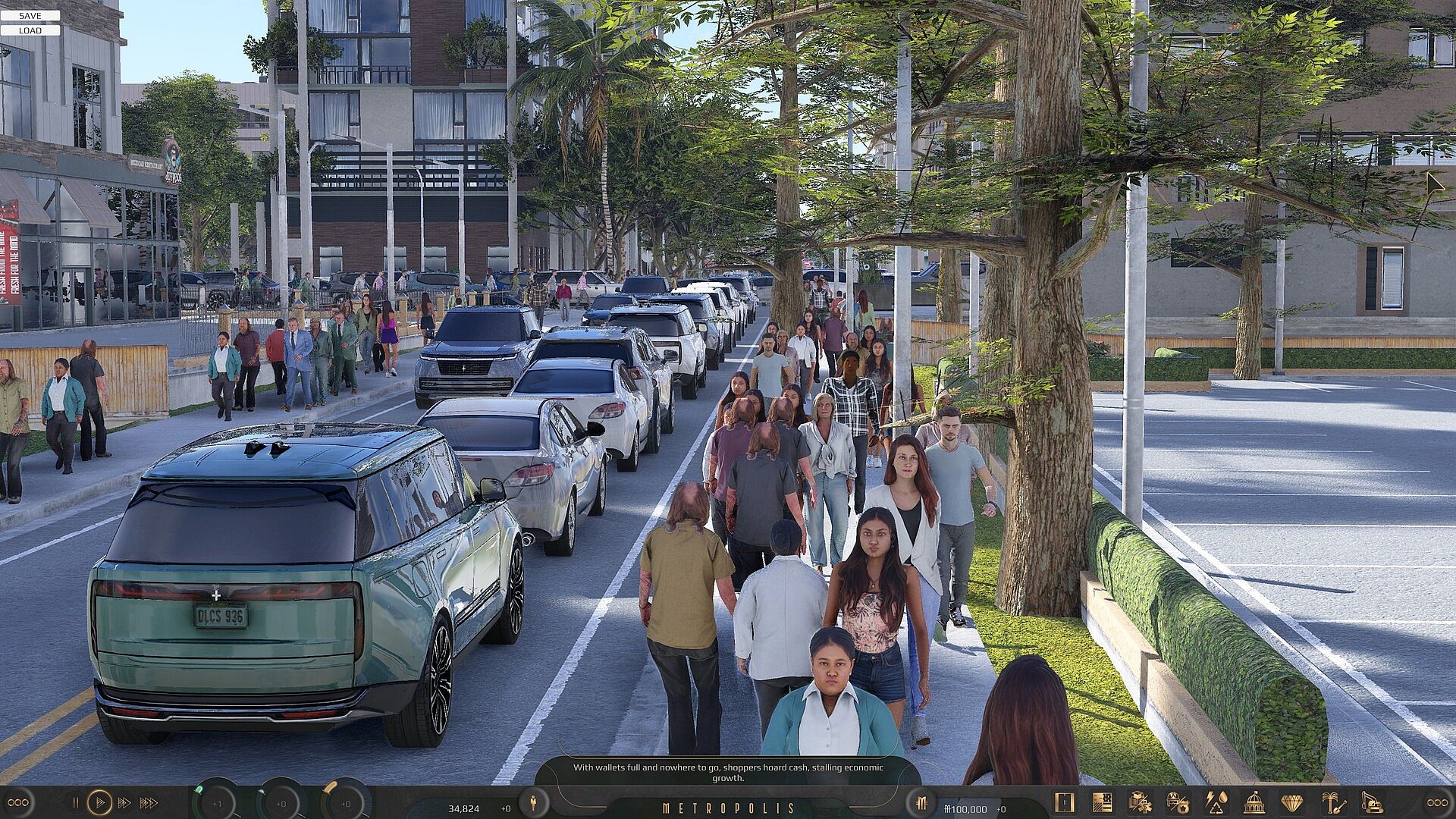
Die Simulation basiert auf einem Bevölkerungsmodell, das über eine Million Einwohner gleichzeitig abbilden kann. Gebäudevorschriften und Stadtpolitik wirken sich direkt auf Einkommensunterschiede, Gentrifizierung und Verfall aus. Entscheidungen zu Mietpreisen oder Grundstückswerten beeinflussen die soziale Mobilität und ziehen unterschiedliche Entwicklungen an. Spieler müssen Budgets ausgleichen, Steuern erheben und auf die sich verändernden Bedürfnisse der Bewohner reagieren.
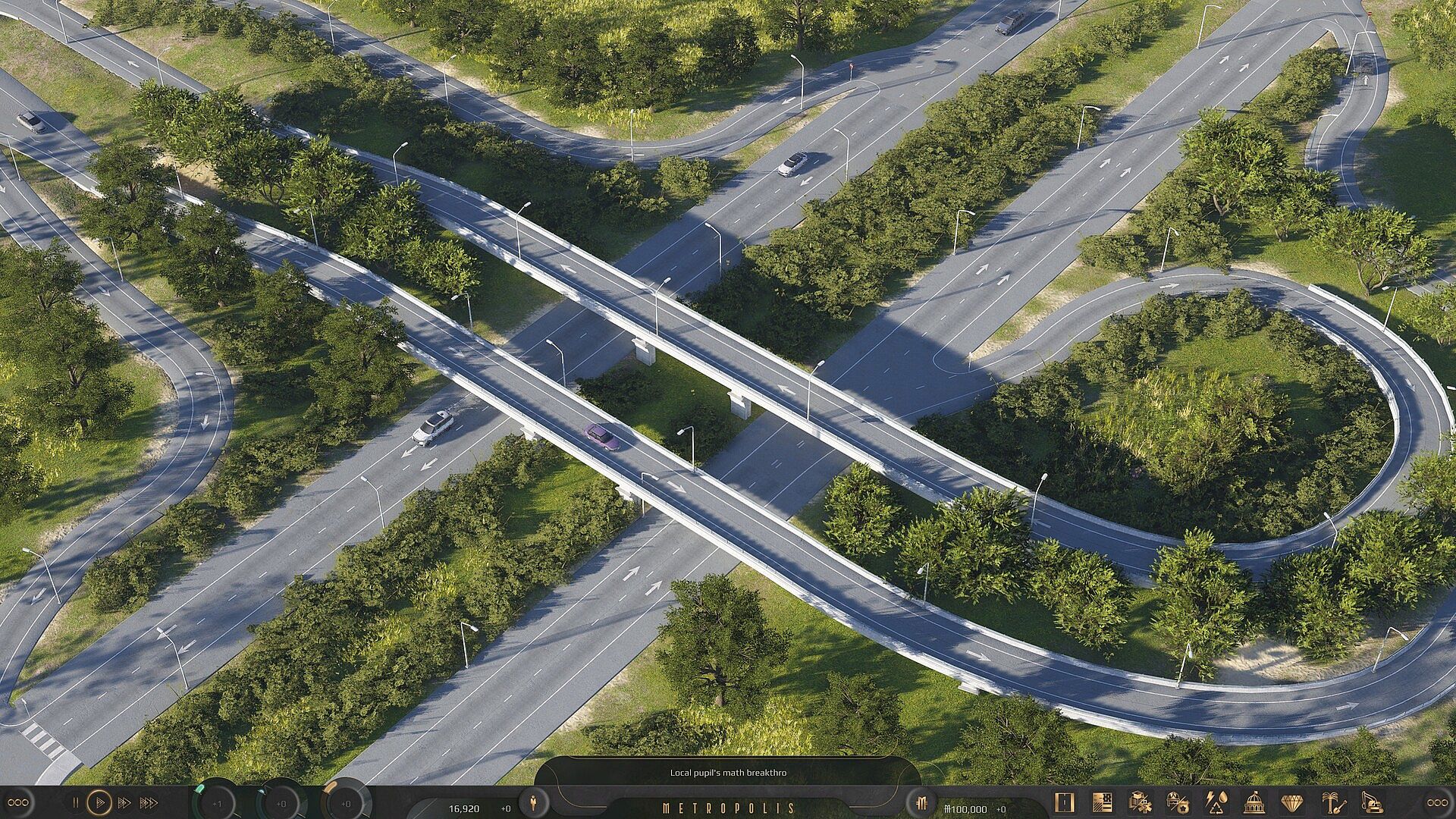
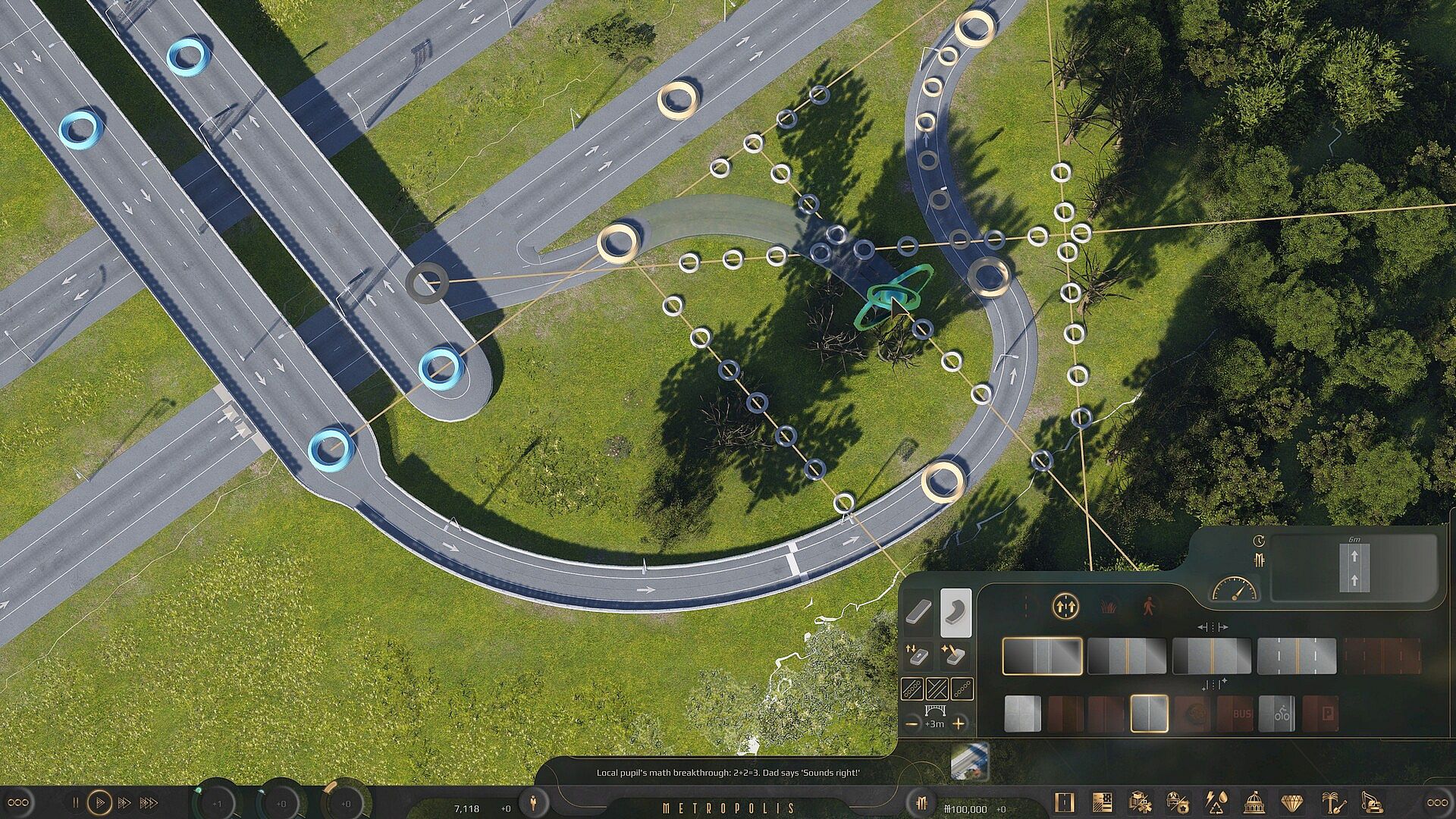
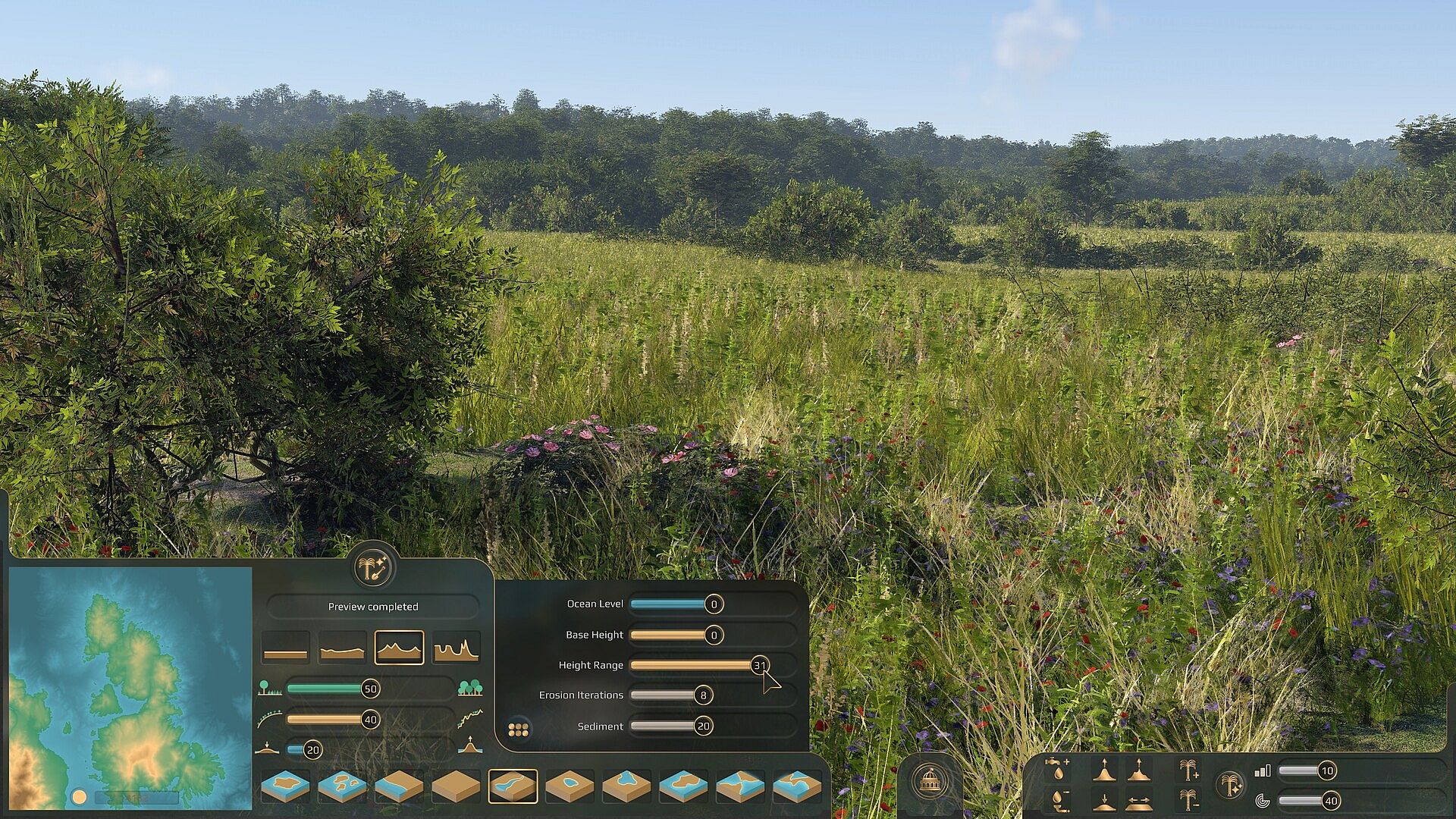
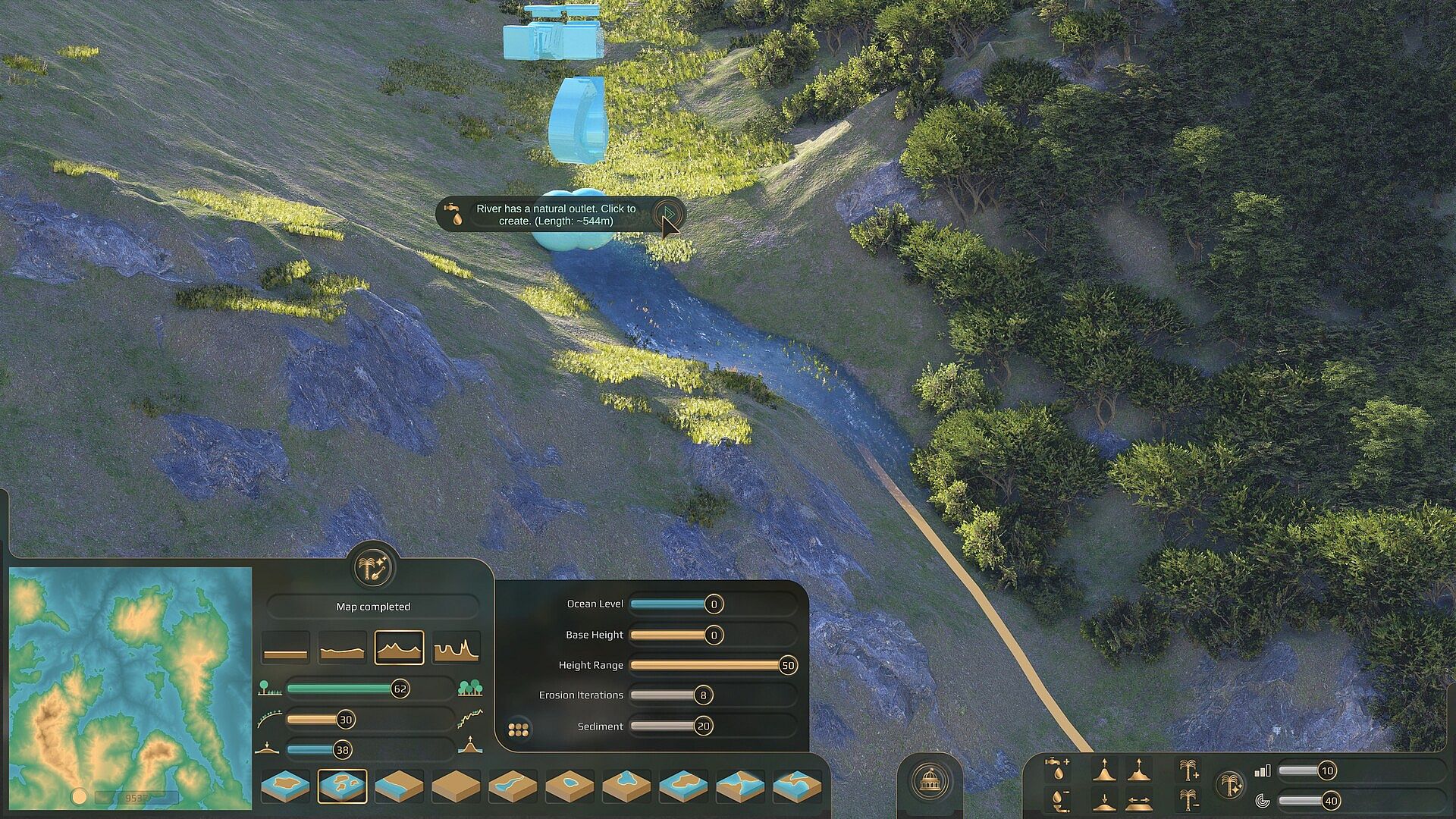
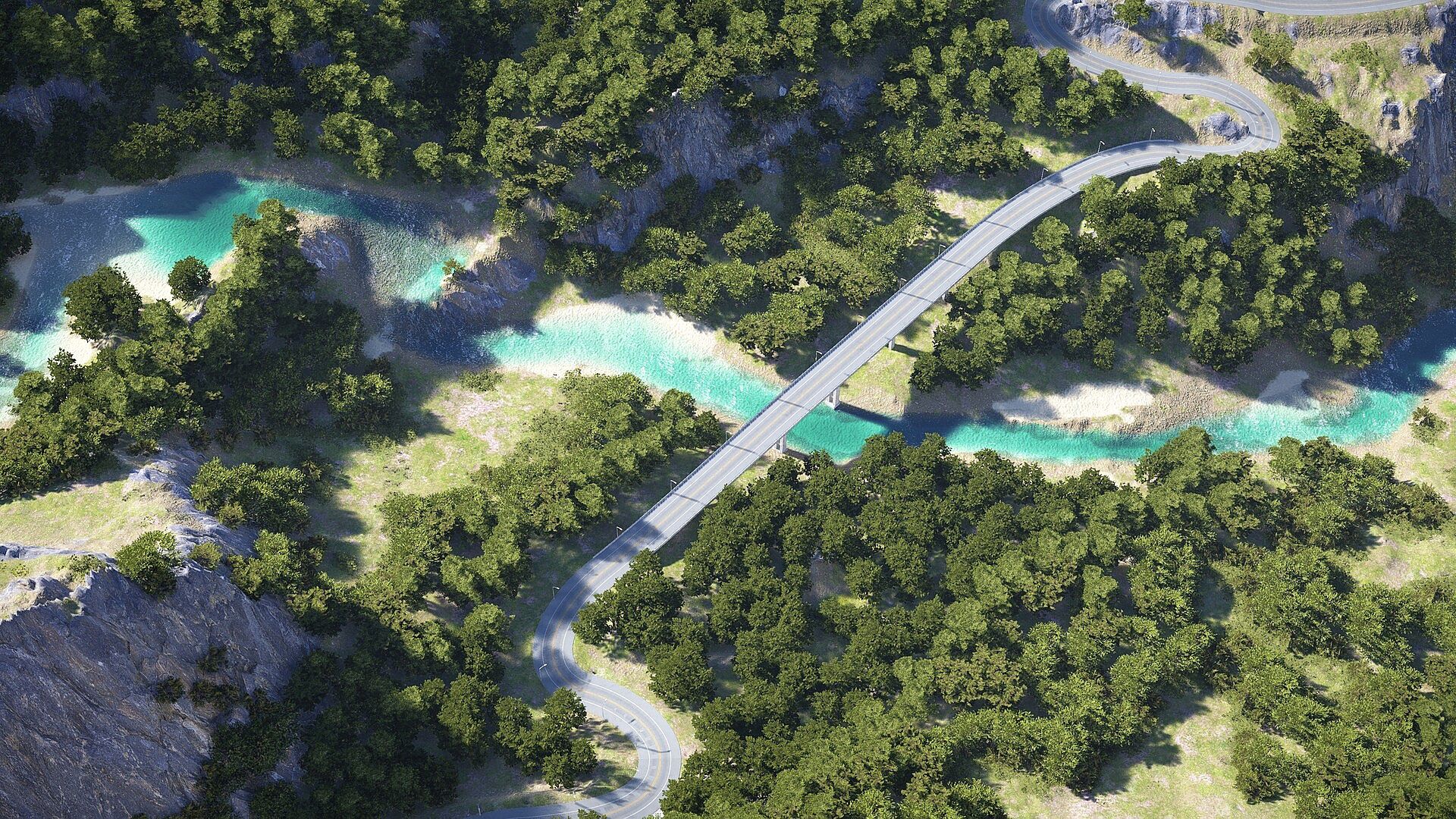
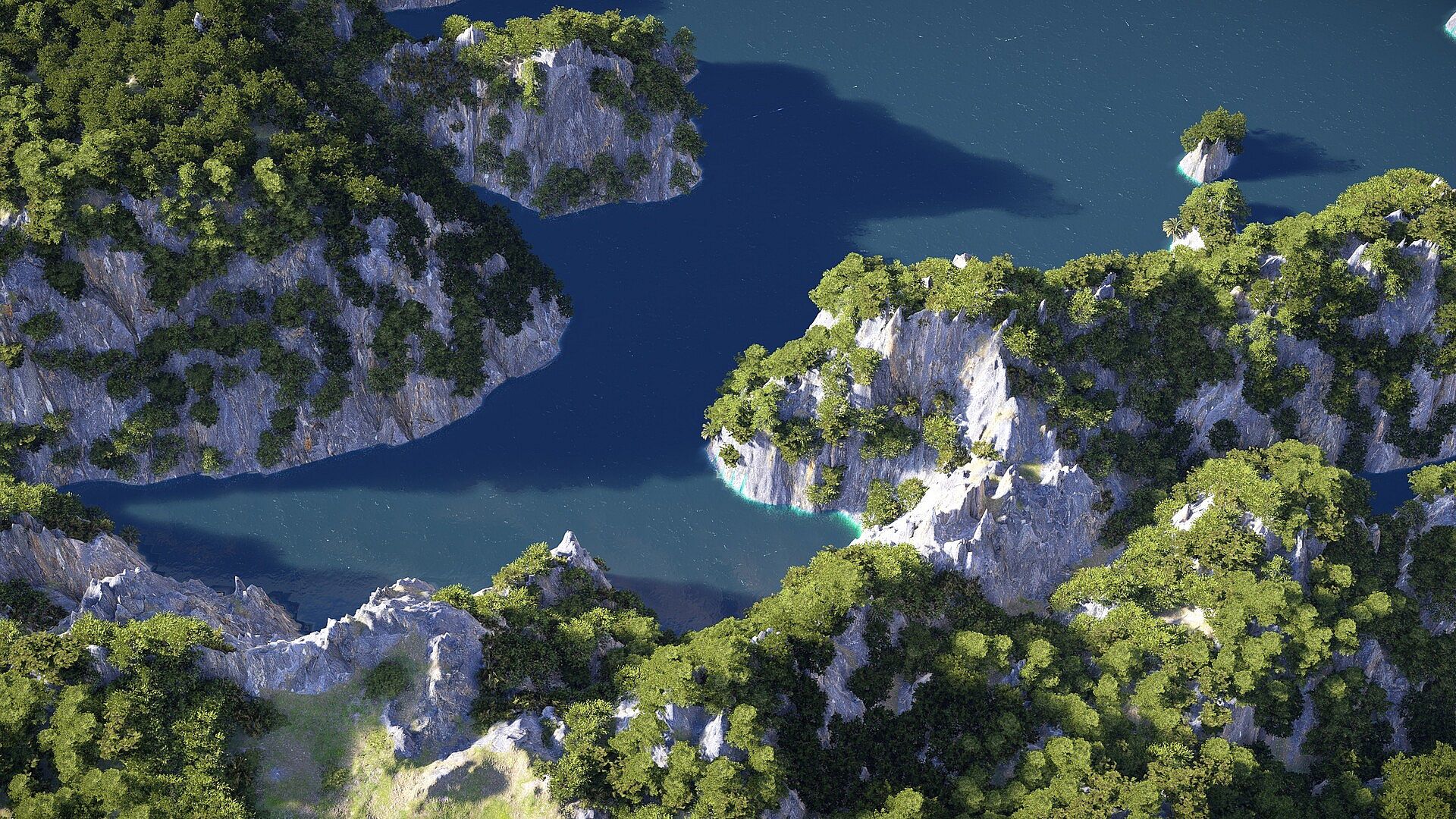
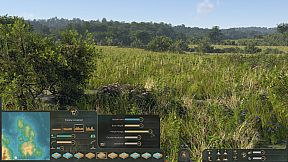
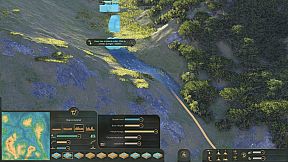
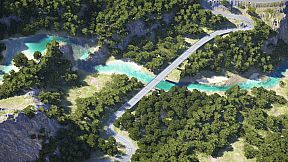
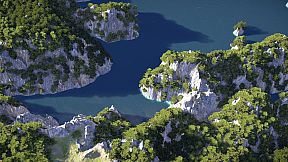
Die Geländewerkzeuge ermöglichen die Erstellung von Karten aus einer Mischung realer Daten und prozeduraler Elemente. Eine dynamische Wassersimulation bildet Flüsse und Seen ab, während sich Walddichte und Hangneigung großflächig anpassen lassen. Über 35 Straßenstile stehen zur Verfügung, und ein Parkeditor erweitert die Gestaltungsmöglichkeiten.
Spielmodi
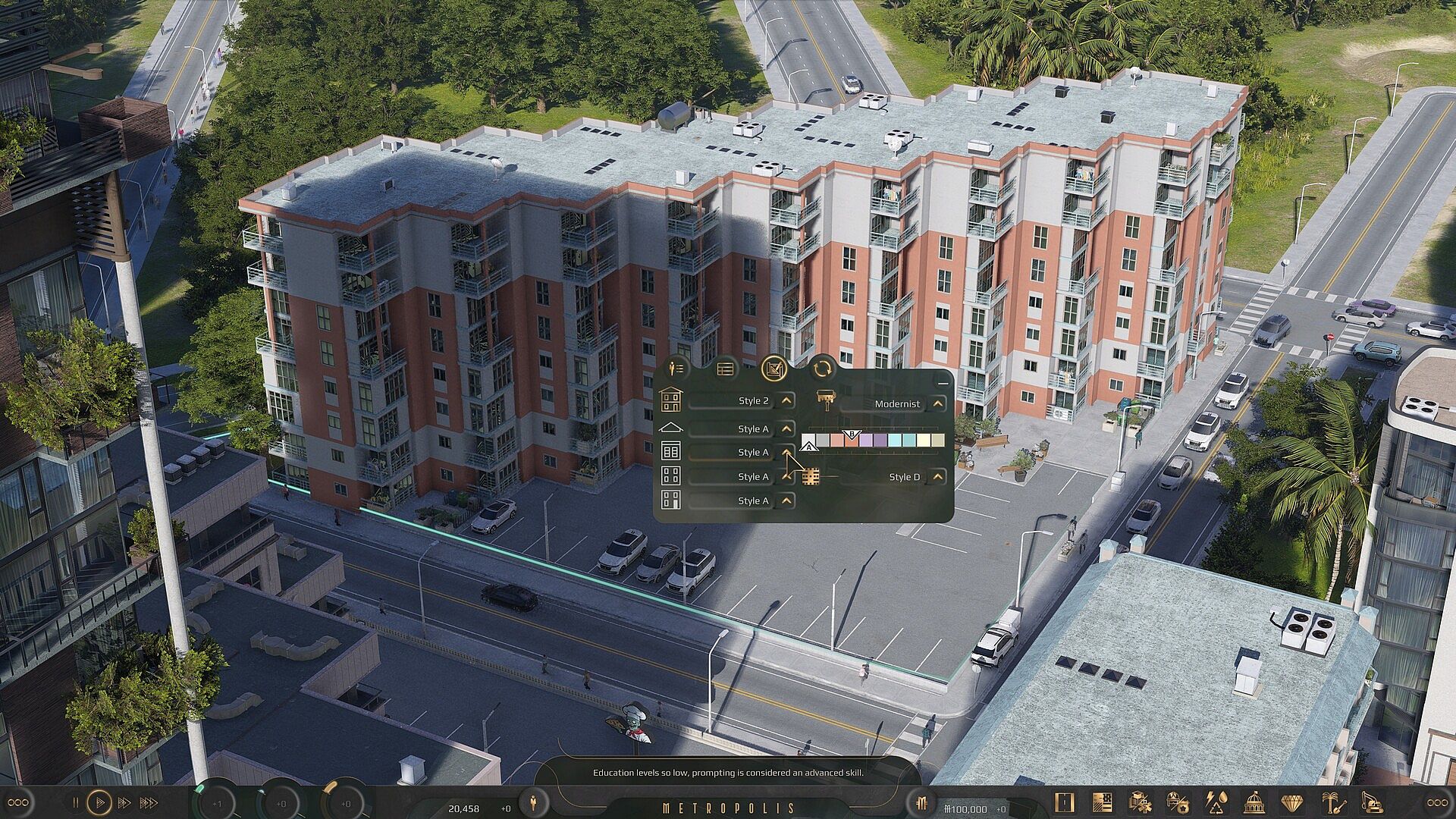
Drei unterschiedliche Ansätze prägen das Spielerlebnis. Im Architekt-Modus liegt der Fokus auf vollständiger gestalterischer Freiheit: Gebäudeabmessungen, Farben und Formen lassen sich von Grund auf festlegen, ergänzt durch vielfältige Straßen und Parkgestaltung für ästhetische und funktionale Experimente.
Der Governor-Modus legt den Schwerpunkt auf Politik und Wirtschaft. Spieler setzen Vorschriften, um Ziele wie schnelles Wachstum durch günstige Bauten oder höhere Einnahmen durch Premium-Projekte zu verfolgen, und steuern dabei Steuern und Haushalt, um das Gesamtbild der Stadt zu formen.
Im World-Builder-Modus steht die Gestaltung von Gelände und Umgebung im Vordergrund. Der Karteneditor unterstützt Tausende realistischer Landschaften mit Werkzeugen für Wasserflächen sowie großflächige Anpassungen von Vegetation und Höhenverlauf - die Grundlage für Stadterweiterungen in jedem gewünschten Tempo.
Kreative Freiheit und Simulationsumfang
Die Bausysteme sind direkt mit den Wachstumsmechanismen verknüpft. Einfache, kostengünstige Gebäude können die Wohnkosten senken und den Zugang zu Chancen erweitern, während hochwertige oder umweltbewusste Entwürfe Grundstückswerte steigern und externe Investitionen anziehen. Durch Ausprobieren zeigen sich die Abwägungen zwischen optischer Wirkung und praktischer Leistung in verschiedenen Stadtvierteln.
Das Wachstum bleibt vollständig spielerbestimmt, ohne feste Ziele. Kleine Siedlungen können sich durch schrittweise Entscheidungen zu großen Metropolen entwickeln, die sowohl äußerlich als auch in ihren inneren Strukturen geprägt werden. Das System baut auf bewährten Städtebauspielen auf und verbindet kreative Steuerung mit Mechanismen, die reale Auswirkungen auf die Bewohner abbilden.
Aktueller Stand und Verfügbarkeit
Das Spiel befindet sich Mitte 2026 noch in aktiver Entwicklung. Eine Early-Access-Version ist für später im Jahr geplant. Kernfunktionen wie prozedurale Gebäude, rasterfreie Planung, Spline-Straßen und grundlegende Simulationssysteme sind bereits implementiert und spielbar. Weitere Inhalte wie erweiterte Verkehrsoptionen und Dienstleistungsgebäude sind für die Early-Access-Phase vorgesehen.
Lohnt sich das Spiel?
Citystate Metropolis richtet sich an Spieler, die detaillierte Kontrolle über urbane Formen mit der Simulation politischer Auswirkungen auf Bevölkerungsentwicklungen verbinden möchten. Der Fokus auf kreative Planung und pragmatische Steuerung bietet eine eigenständige Alternative für alle, die sich für sozioökonomische Modellierung in Städtebaustrategien interessieren. Da noch keine Spielerdaten oder abgeschlossenen Updates vorliegen, hängt die Eignung von der Vorliebe für flexible Bebauung und bevölkerungsgestützte Rückkopplungsschleifen auf dem PC ab.