






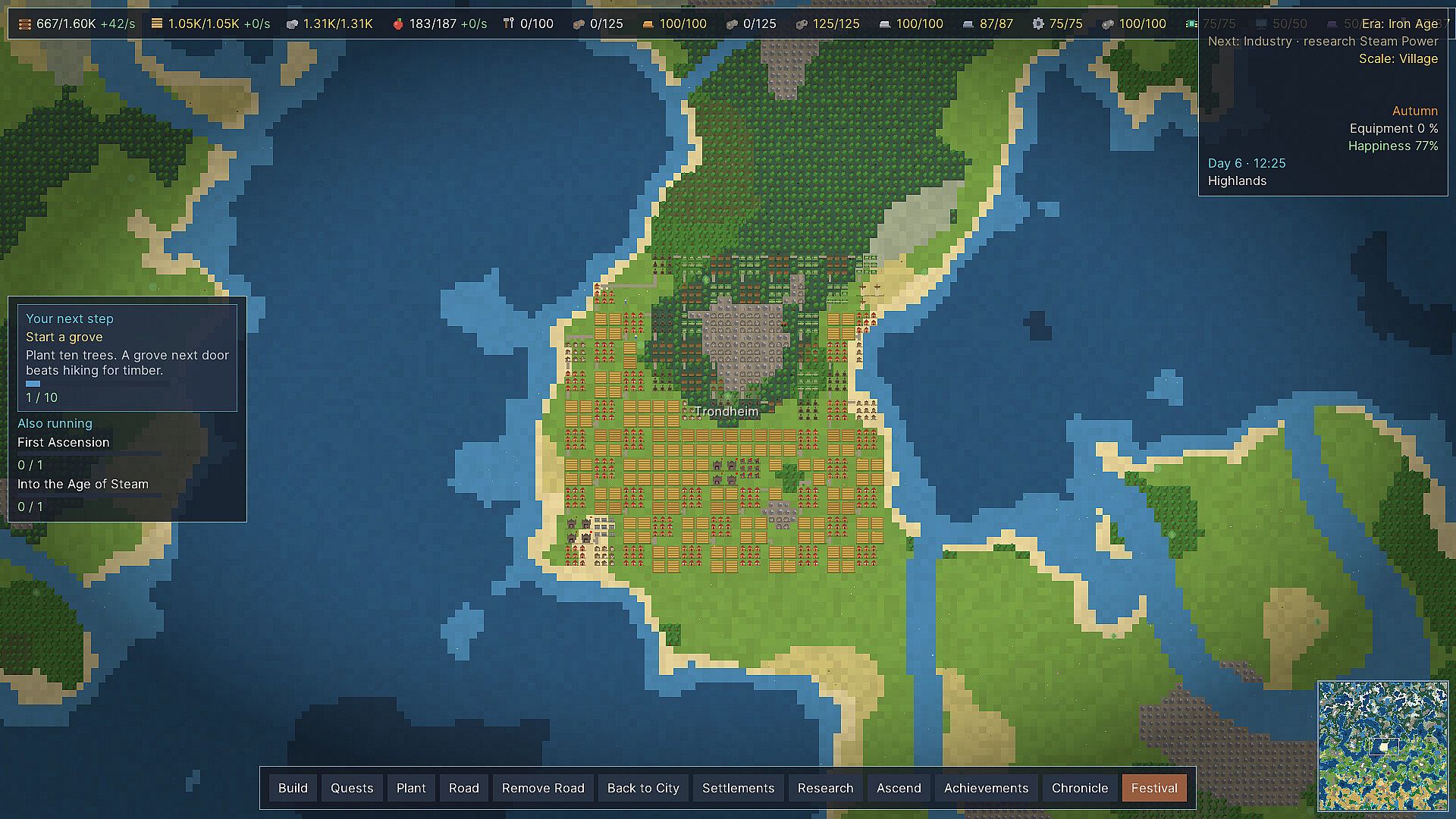
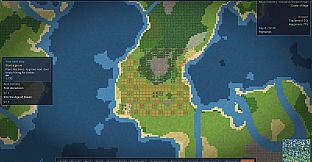

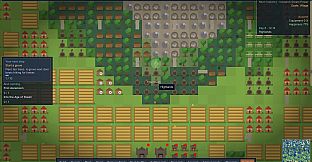
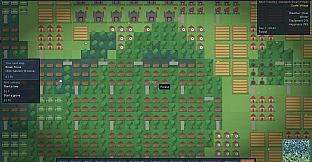
CivDle ist ein Einzelspieler-Strategiespiel mit Simulationselementen, das Idle-City-Building und inkrementelles Fortschreiten auf dem PC miteinander verbindet. Aus einer einfachen Siedlung entsteht schrittweise eine ausgedehnte Zivilisation, die sich durch automatisierte Systeme und gezielte Spielereingriffe weiterentwickelt.
Gameplay
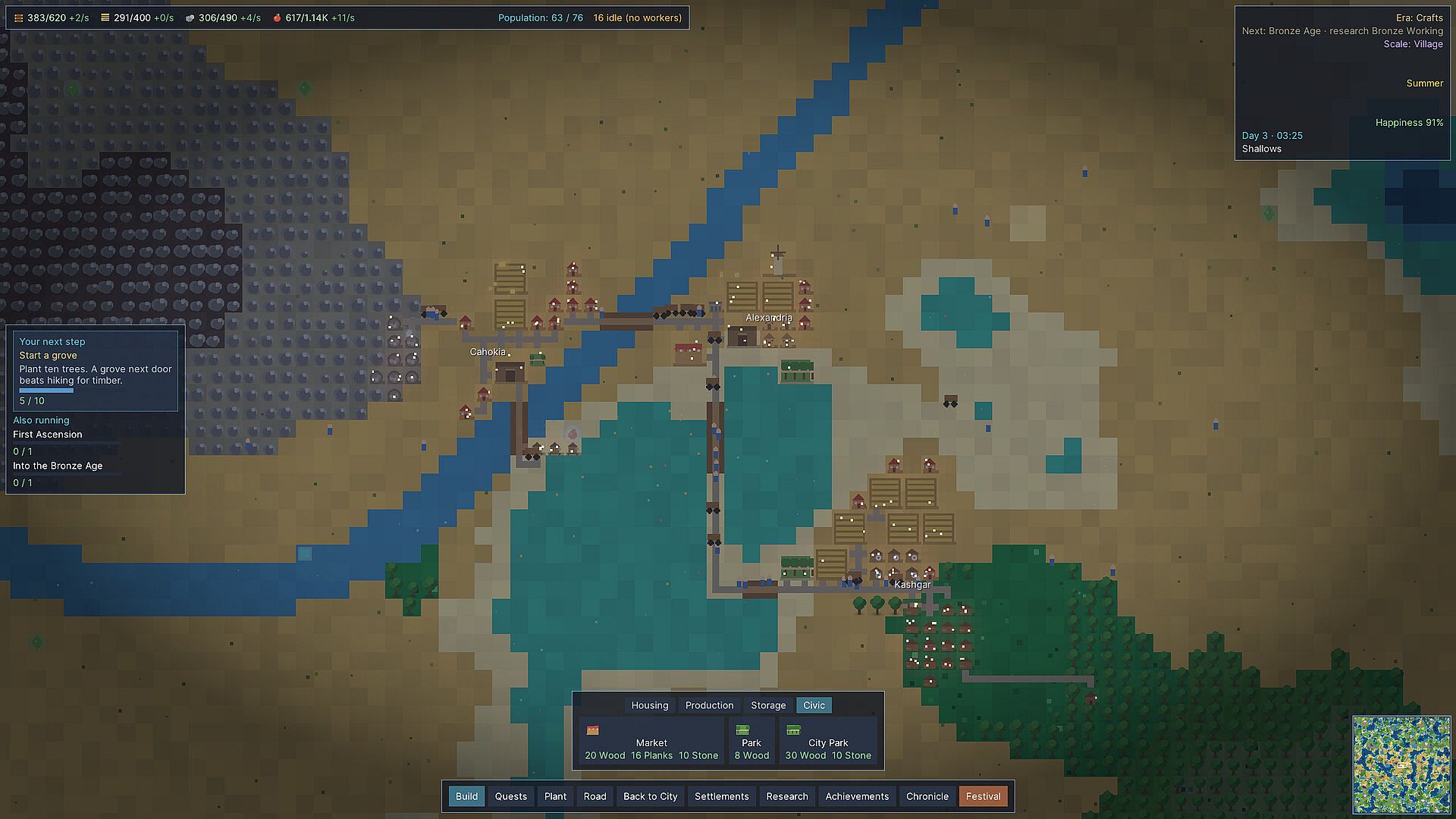
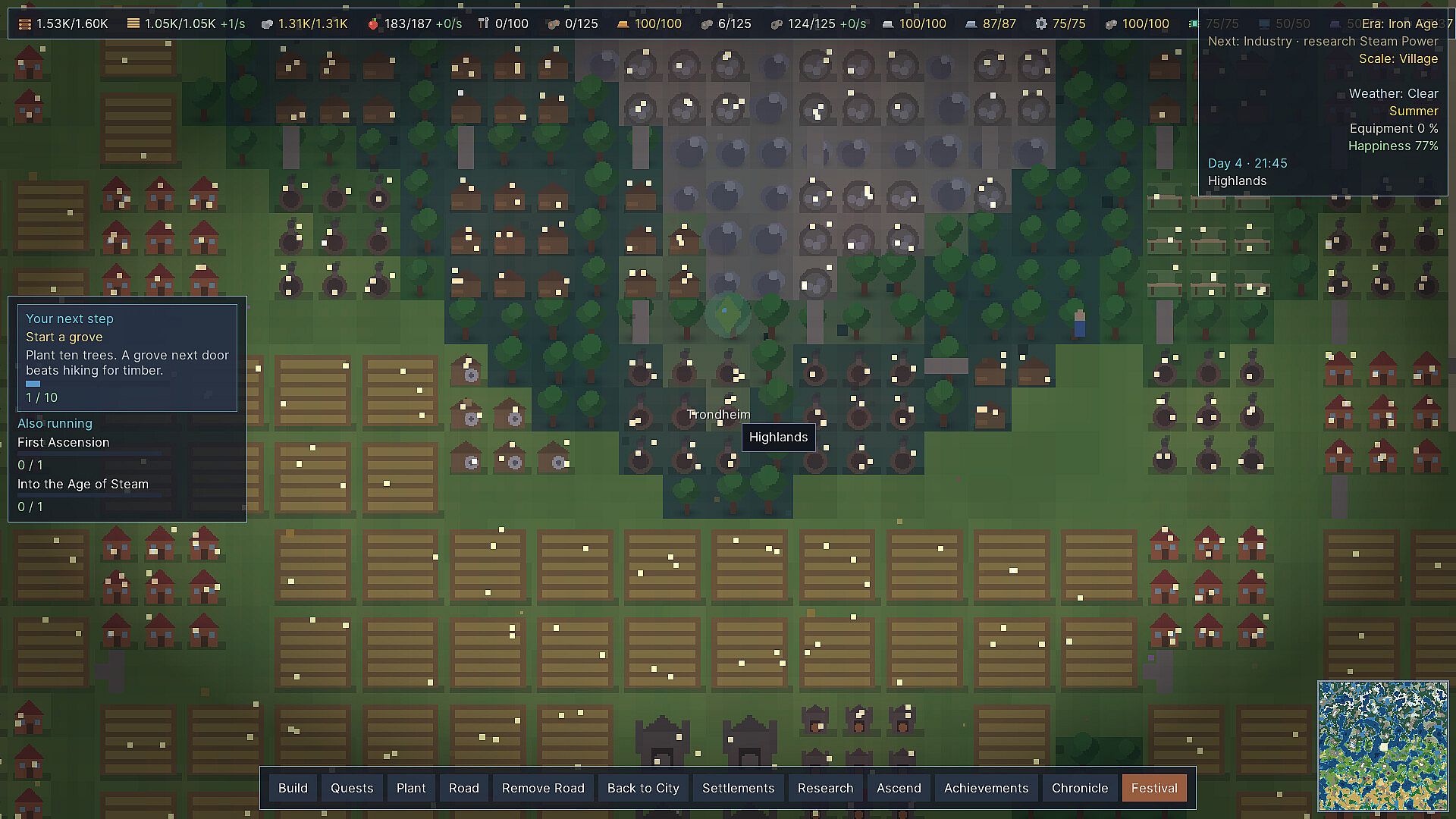
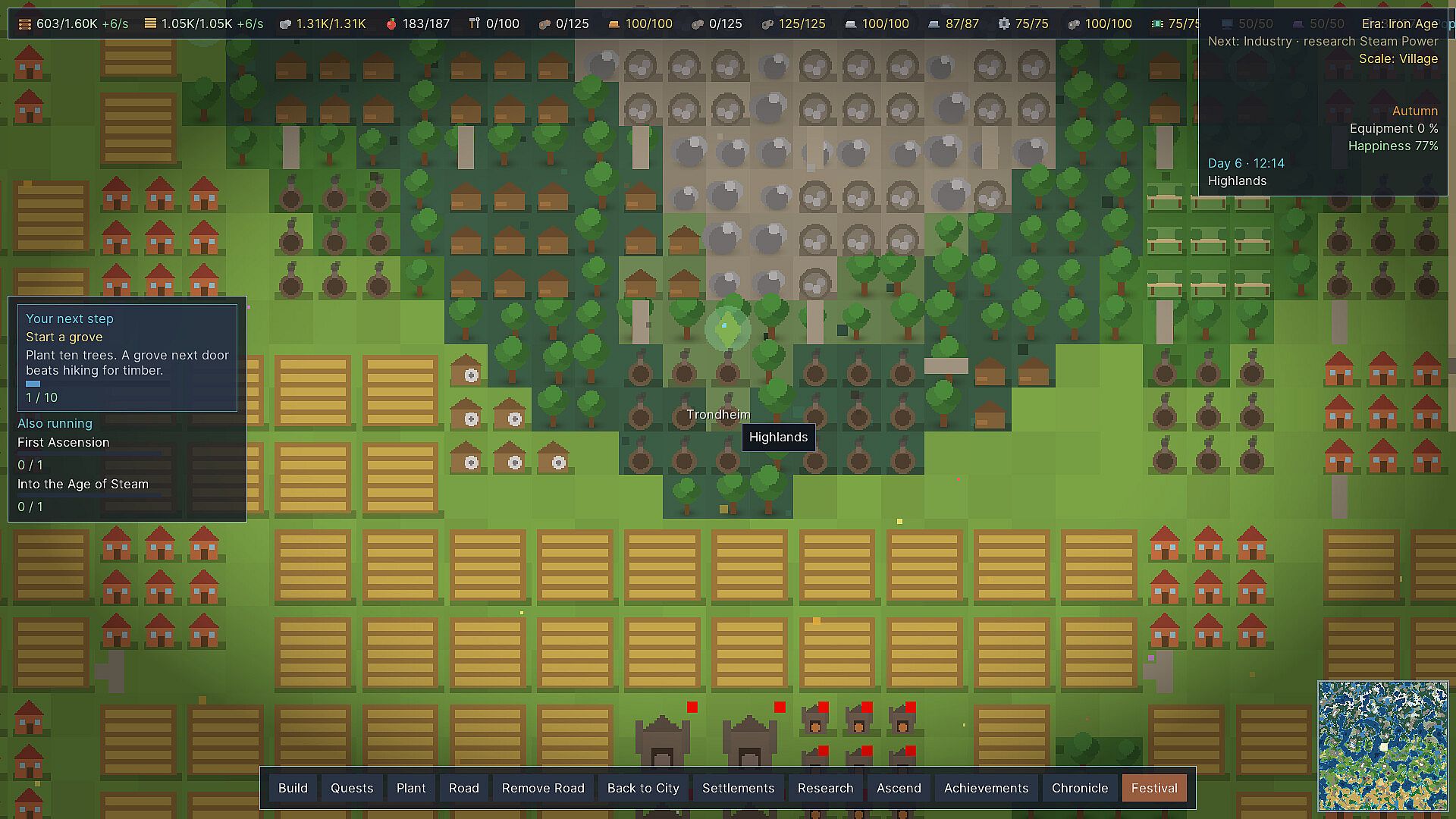
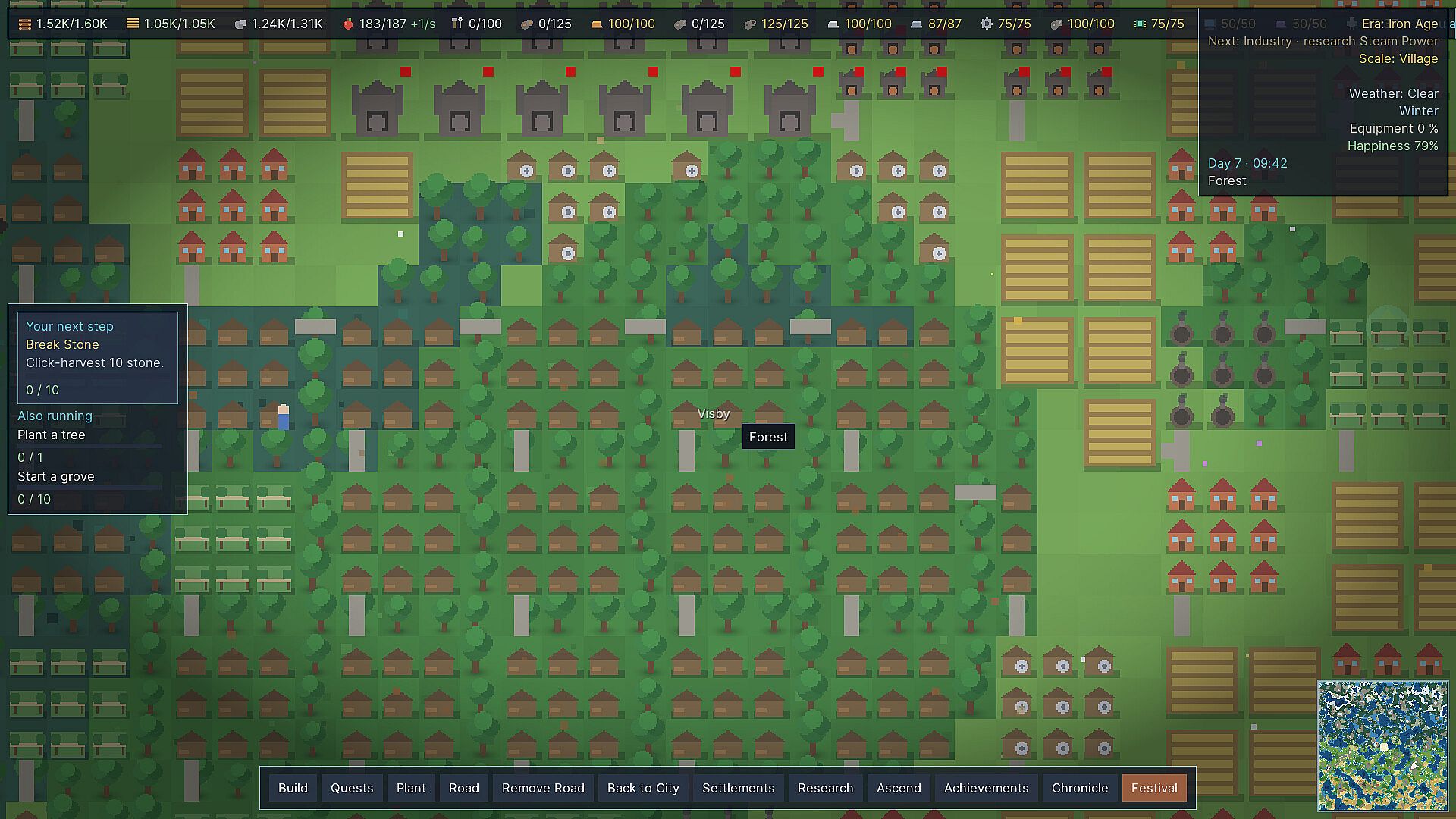
Im Mittelpunkt steht der Aufbau von Produktionsketten: Aus Holz werden Bretter und Möbel, aus Erz Stahl und schließlich Maschinen. Jedes Gebäude benötigt bestimmte Rohstoffe und Arbeitskräfte, sodass sich ein eng verzahntes System ergibt, das kontinuierliches Wachstum ermöglicht. Die Simulation zeigt sichtbare Details wie Fahrzeuge auf Straßen, Bürger mit individuellen Bedürfnissen sowie jahreszeitliche und wetterbedingte Veränderungen der Umgebung.
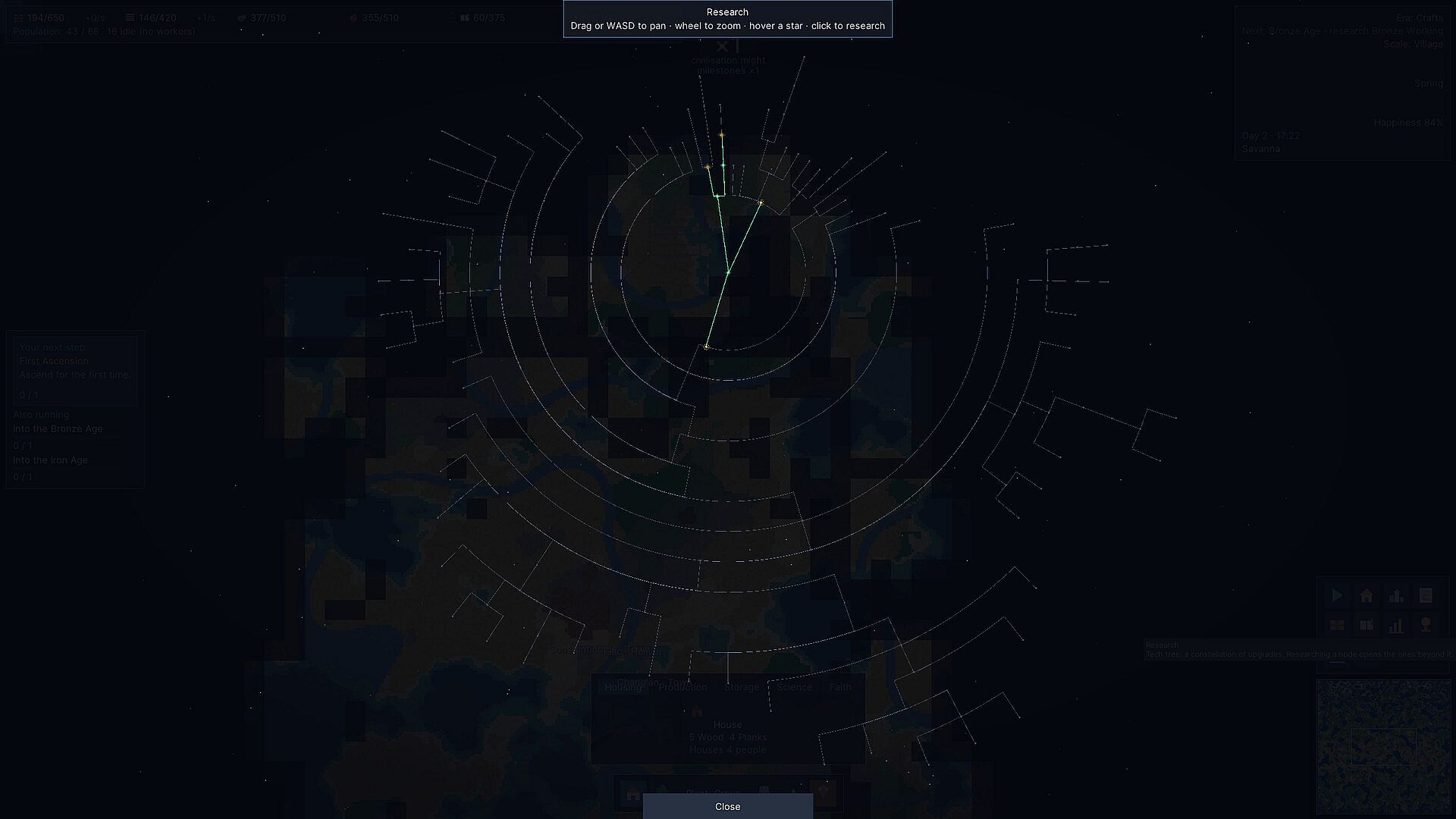
Die Erweiterung erfolgt weitgehend automatisch über einen Gouverneur-Mechanismus, der fehlende Gebäude entsprechend der verfügbaren Ressourcen und der festgelegten Zonierung errichtet. Spieler legen Entwicklungsflächen fest, woraufhin sich Bezirke organisch bilden und Synergieeffekte zwischen Gebäuden Boni gewähren. In sieben Epochen werden neue Technologien erforscht - von einfachen Holz- und Steinbauten bis hin zu Fusionsenergie und Nanotechnologie. Mit Terraforming-Werkzeugen lässt sich das Gelände verändern, Wasserflächen hinzufügen oder entfernen und die Höhe des Untergrunds anpassen.
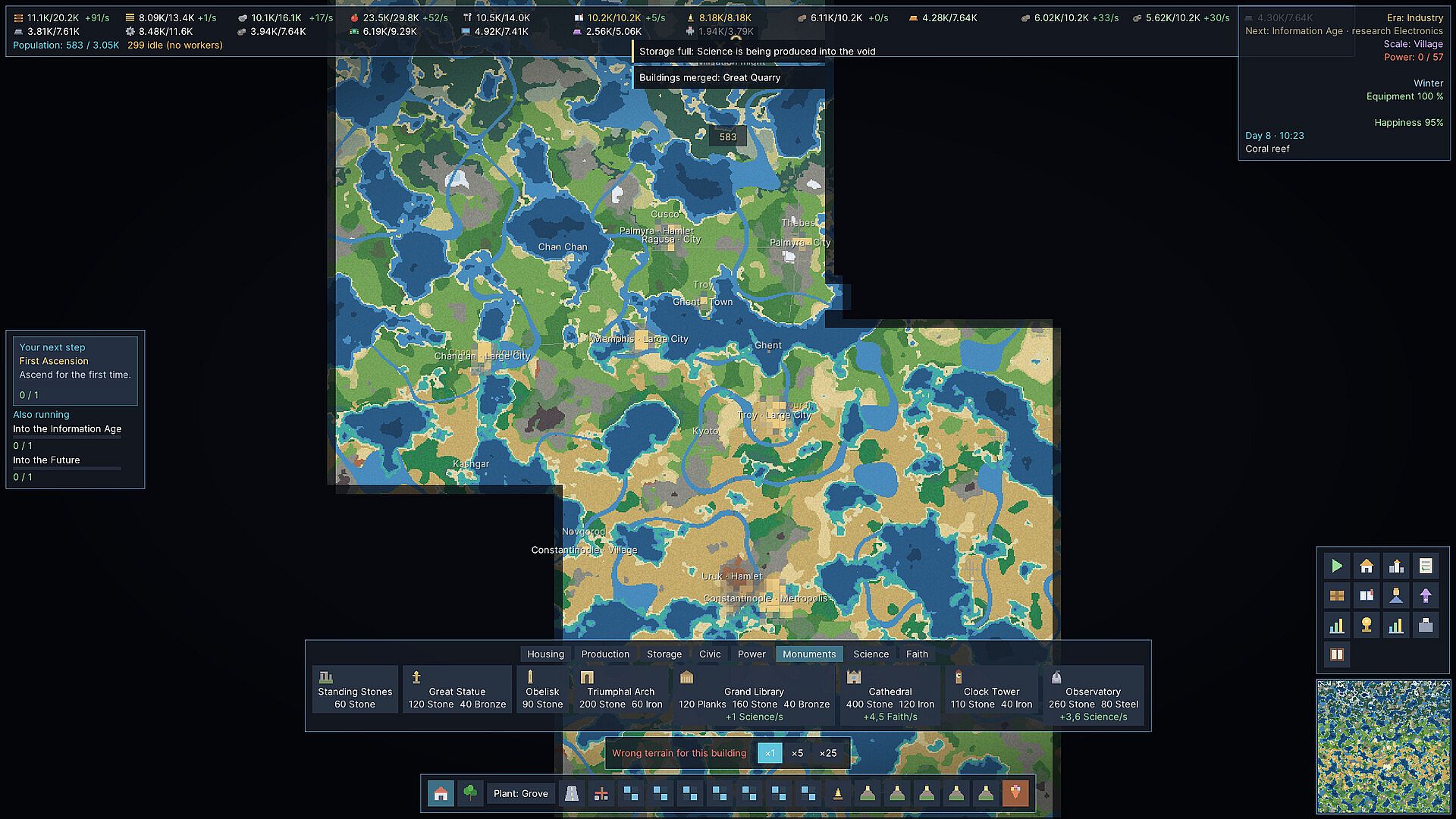
Erkundungselemente umfassen Nebel des Krieges, der fremde Siedlungen enthüllt. Diese können über Handel oder direkte Integration ihrer Infrastruktur einbezogen werden. Glaubensmechaniken bringen Gebete mit Risiken und Belohnungen mit sich, etwa das Herbeirufen von Regen oder das mögliche Auftreten von Meteoriten. Ein integriertes Chronik-System zeichnet den Fortschritt mit Diagrammen und Zeitraffer-Aufnahmen jeder Runde auf, während der Fotomodus detaillierte Ansichten einzelner Szenen ermöglicht.
Spielmodi
CivDle ist ausschließlich als Einzelspielererlebnis konzipiert und bietet weder kompetitive noch kooperative Modi. Der Fortschritt basiert auf wiederholten Durchläufen mit Reset-Mechaniken, die bestimmte Verbesserungen beibehalten. Bei der Ascension wird die aktuelle Stadt zurückgesetzt, während permanente Upgrades erhalten bleiben und nachfolgende Zivilisationen schneller wachsen. Legacy ermöglicht einen umfassenderen Reset, bei dem Kerninfrastruktur, Straßen und Wunder übertragen werden können - der Spieler entscheidet, was übernommen wird.
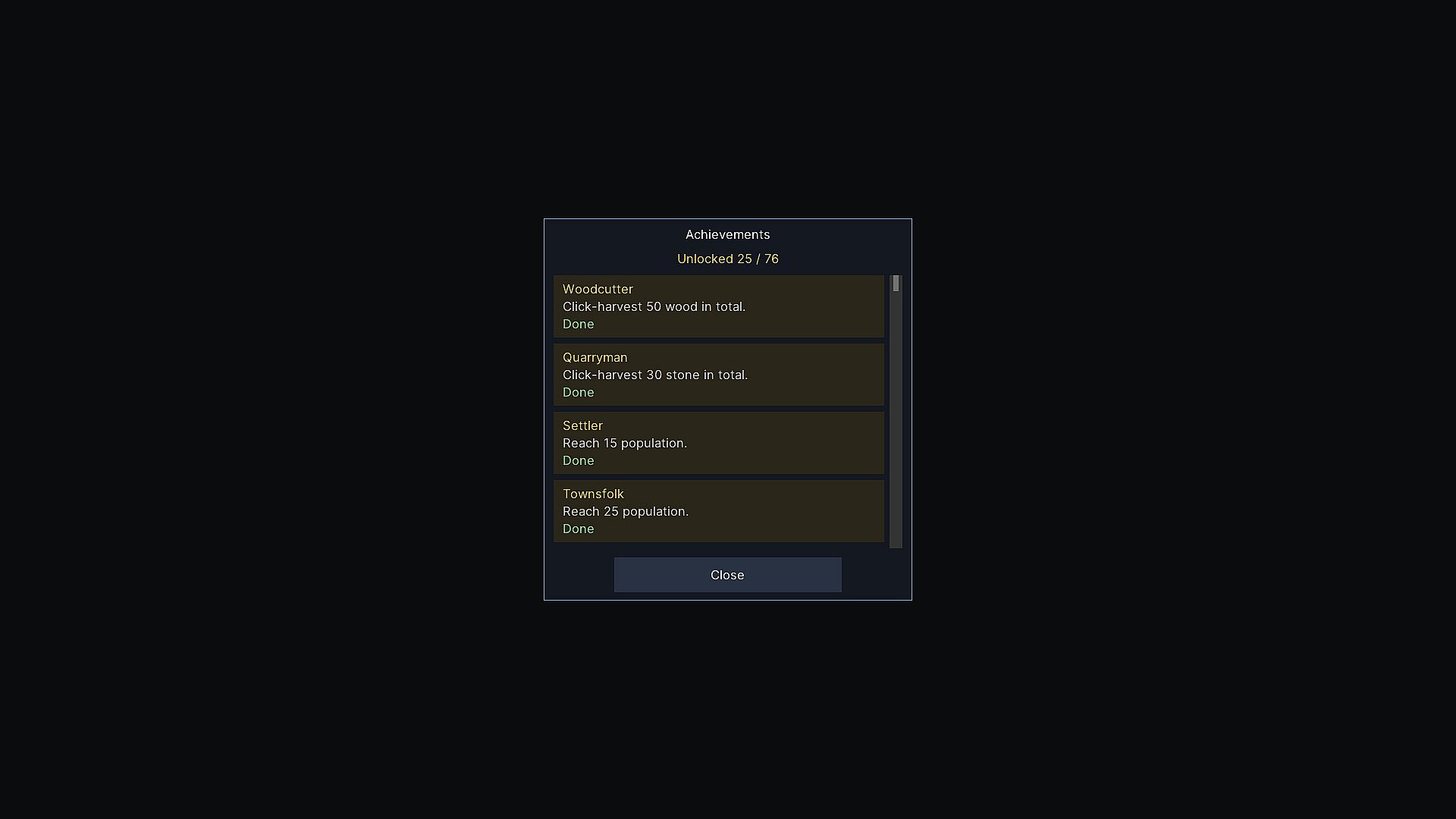
Tägliche Herausforderungen und Verträge geben strukturierte Aufgaben innerhalb der laufenden Simulation vor. 96 Erfolge dokumentieren spezifische Leistungen über verschiedene Durchläufe hinweg. Über das Modding-System können Spieler JSON-Dateien für Gebäude, Ressourcen, Forschungsbäume, Ereignisse, Biome und Wetter direkt im Editor anpassen und Änderungen sofort testen, bevor sie sie auf den Workshop hochladen.
Fortschritt und Features
Über 90 Gebäude aus allen Epochen - von einfachen Hütten bis zu Orbitalringen - werden durch einen verzweigten Technologiebaum freigeschaltet. Gamepad- und Steam-Deck-Unterstützung sorgen für komfortable Steuerung auch bei langen Sitzungen. Das Spiel läuft im Hintergrund weiter und berücksichtigt die vergangene Zeit beim nächsten Start.
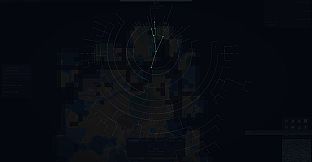
Visuell liegt der Fokus auf realistischen Details: einzigartige Häuserdesigns, dynamische Beleuchtung von Tag zu Nacht mit aktivierbaren Straßenlaternen sowie atmosphärische Effekte wie flirrende Luft über Industrieanlagen oder im Wind bewegte Bäume. Aus der Ferne erscheint die Zivilisation als Lichtermeer auf einer dunklen Karte.
Lohnt sich das Spiel?
CivDle richtet sich an Spieler, die Strategiesimulationen mit starken Idle-Elementen schätzen, bei denen Automatisierung die Routine übernimmt und Entscheidungen auf Zonierung, Forschungsprioritäten und langfristige Planung konzentriert sind. Die Reset-Mechaniken laden zu mehreren Durchläufen ein, um permanente Verbesserungen zu optimieren und unterschiedliche Technologiepfade oder Bezirksanordnungen auszuprobieren. Mit integrierter Mod-Unterstützung und ohne zusätzliche Ingame-Käufe spricht das Spiel vor allem Fans von anpassbaren und experimentellen City-Buildern an. Erscheinen soll CivDle im November 2026. Die detaillierte Simulation lebendiger Städte in Kombination mit weitgehend autonomem Fortschritt macht es besonders attraktiv für Spieler, die komplexe Systeminteraktionen beobachten möchten, statt jede Aktion manuell steuern zu müssen.











