





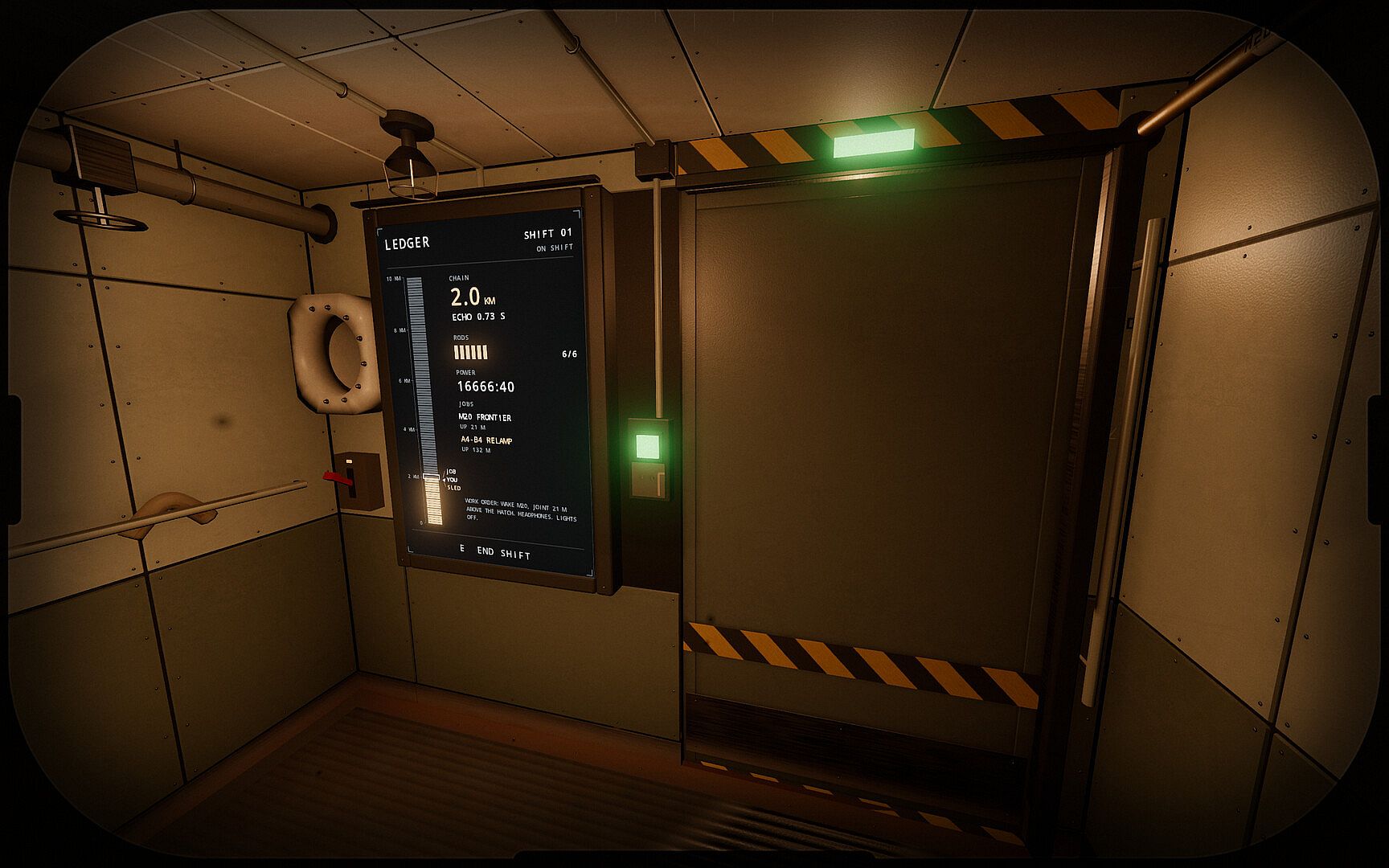


Cold Weld is an indie adventure game for PC in which a lone worker maintains a vast underwater megastructure whose six legs each stretch ten kilometres into the depths. The experience centres on solitary shifts spent inspecting and repairing the structure while the surrounding water and darkness press in from every side.
Gameplay
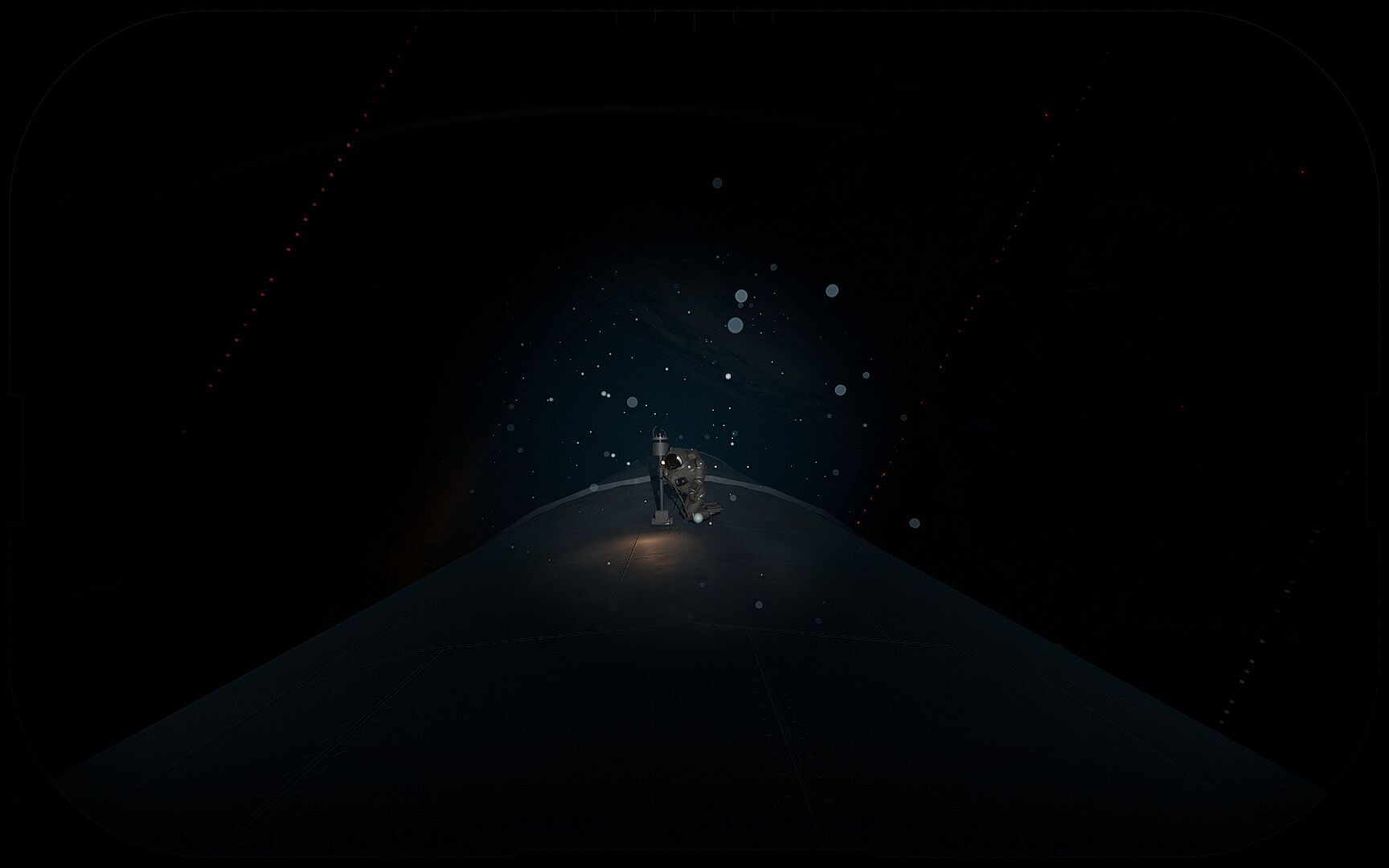
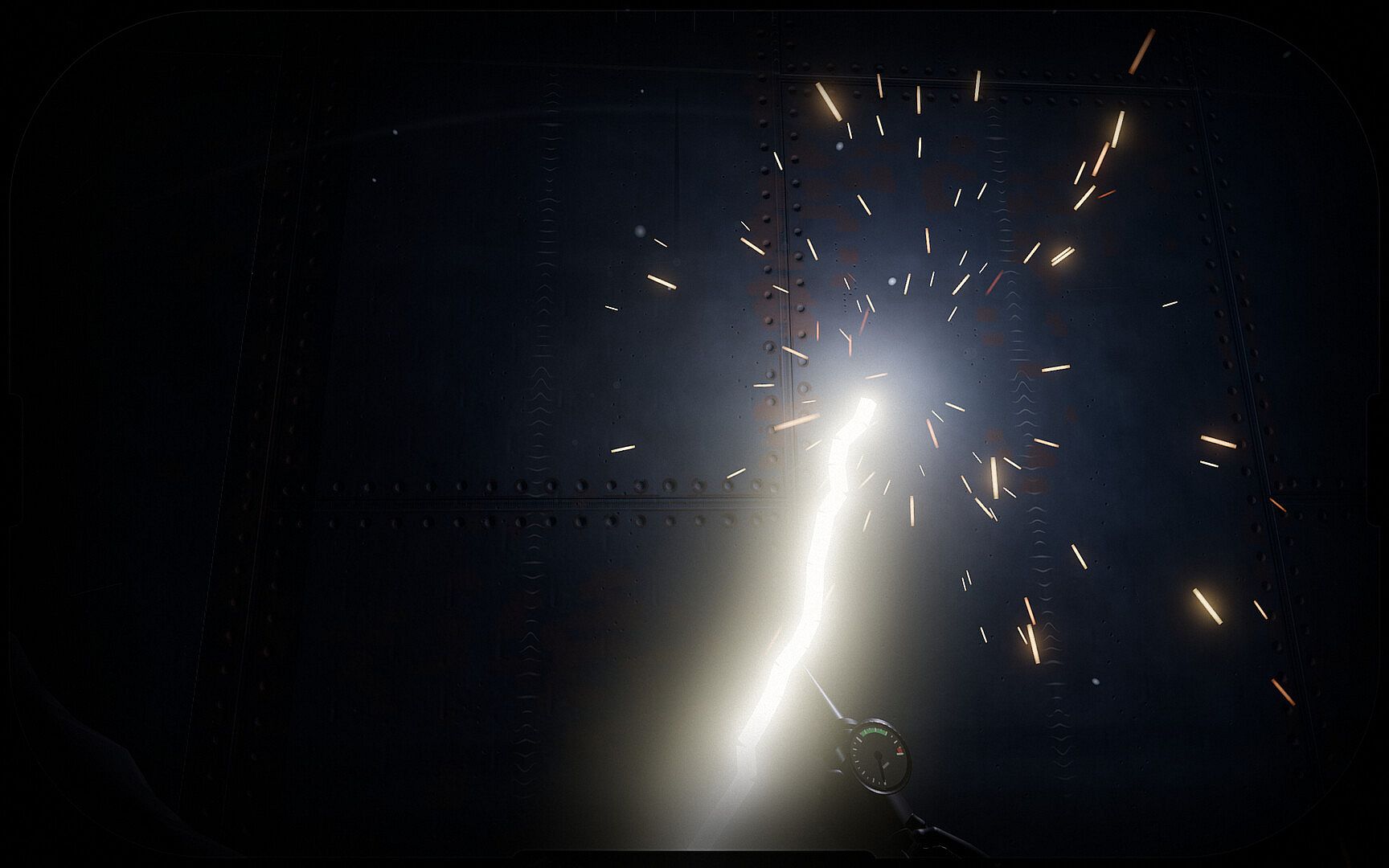
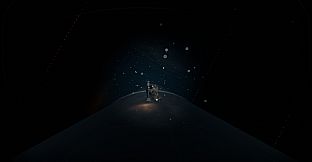
Each shift begins in the single warm hut before the player steps onto the exposed steel. The core loop involves knocking on surfaces and interpreting the echoes to locate failing metal. Once a weak point is identified, the player welds the damage and pulls a lever to activate a lamp that sends light upward into the black water. The wrist computer, gauge, and welding rods appear directly on the gloves, keeping the interface minimal and hands-on.
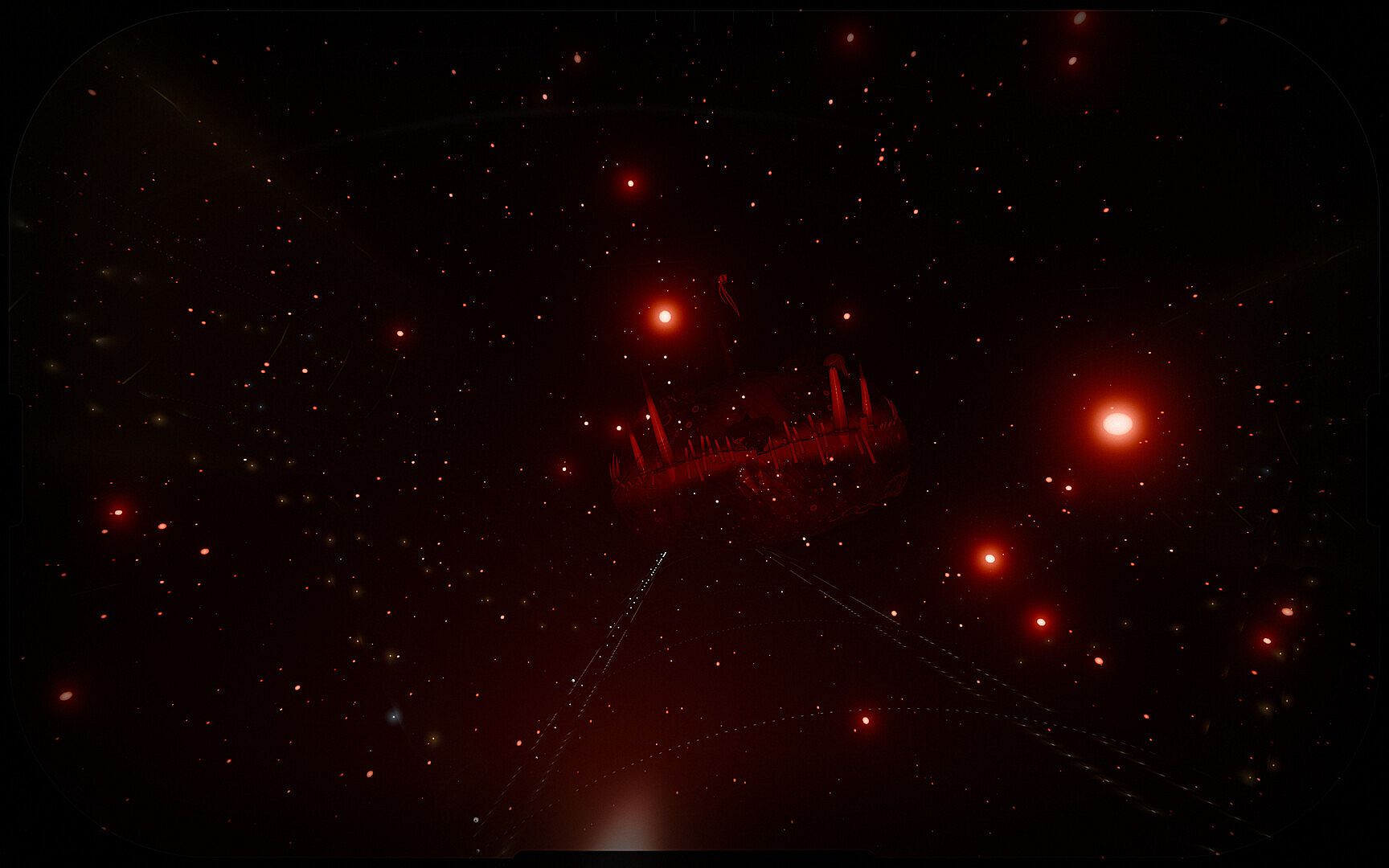
Progress comes through repeated cycles of inspection and repair. Each new lamp extends visibility and reveals more of the structure's true scale, along with hints that other presences share the depths. The mechanics stay grounded in physical actions rather than menus or abstract systems, and the environment itself responds through sound, light, and the growing sense of the structure's immense size.
Game Modes
Cold Weld presents a single continuous experience without separate game modes or multiplayer options. The entire session unfolds as one unbroken sequence of shifts on the megastructure, with progression tied directly to the player's exploration and decisions about what the discovered evidence means.
The Environment and Scale
The megastructure remains at full ten-kilometre size with no artificial scaling. Water swallows light quickly, forcing players to rely on the lamps they place to push back the dark. This setup creates a constant awareness of depth and distance, where even small movements on the steel feel insignificant against the surrounding void. Visual and auditory cues convey the weight of the machinery and the pressure of the ocean without additional overlays or explanations.
Story and Interpretation
No cutscenes or dialogue guide the narrative. Instead, the story emerges from what the lamps illuminate, what the structure's echoes reveal, and what conclusions the player draws from those fragments. Evidence accumulates through the work itself, and meaning forms from personal observation rather than delivered exposition. The approach leaves room for individual readings of the events and the entities encountered below the surface.
Is It Worth Playing?
Cold Weld suits players who value atmospheric exploration and interpretive storytelling over traditional objectives or combat. The focused mechanics of inspection and repair, combined with the emphasis on scale and isolation, deliver a consistent tone throughout. Those drawn to experiences that reward careful observation and personal reflection will find the game's deliberate pace and environmental detail engaging. Availability remains limited to PC, and the title stands as a self-contained indie project without ongoing seasonal content or additional modes.











