


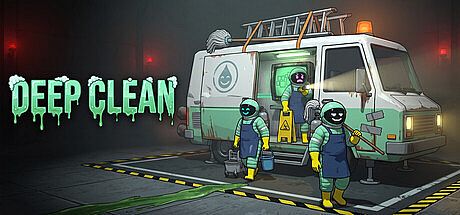


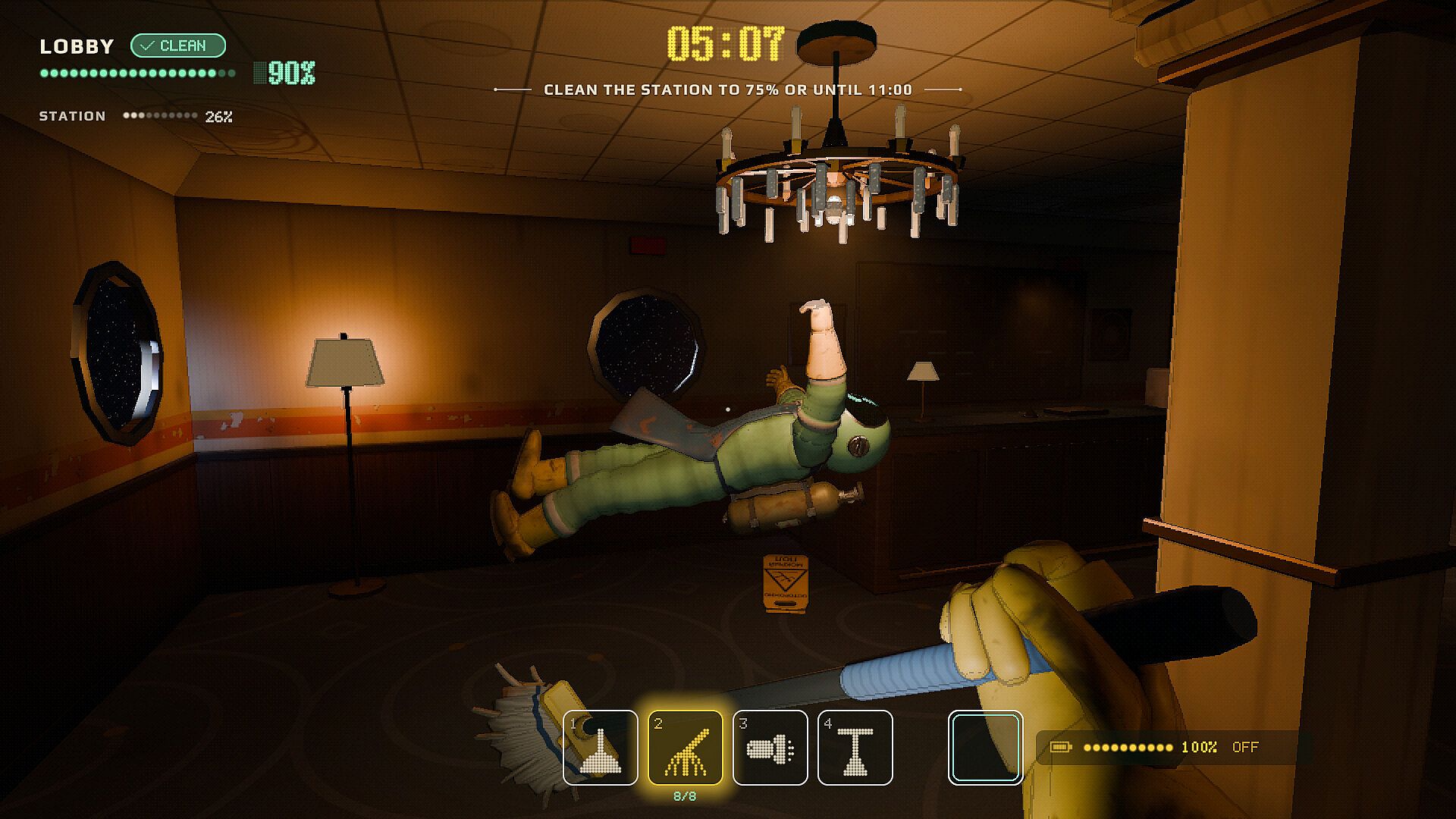
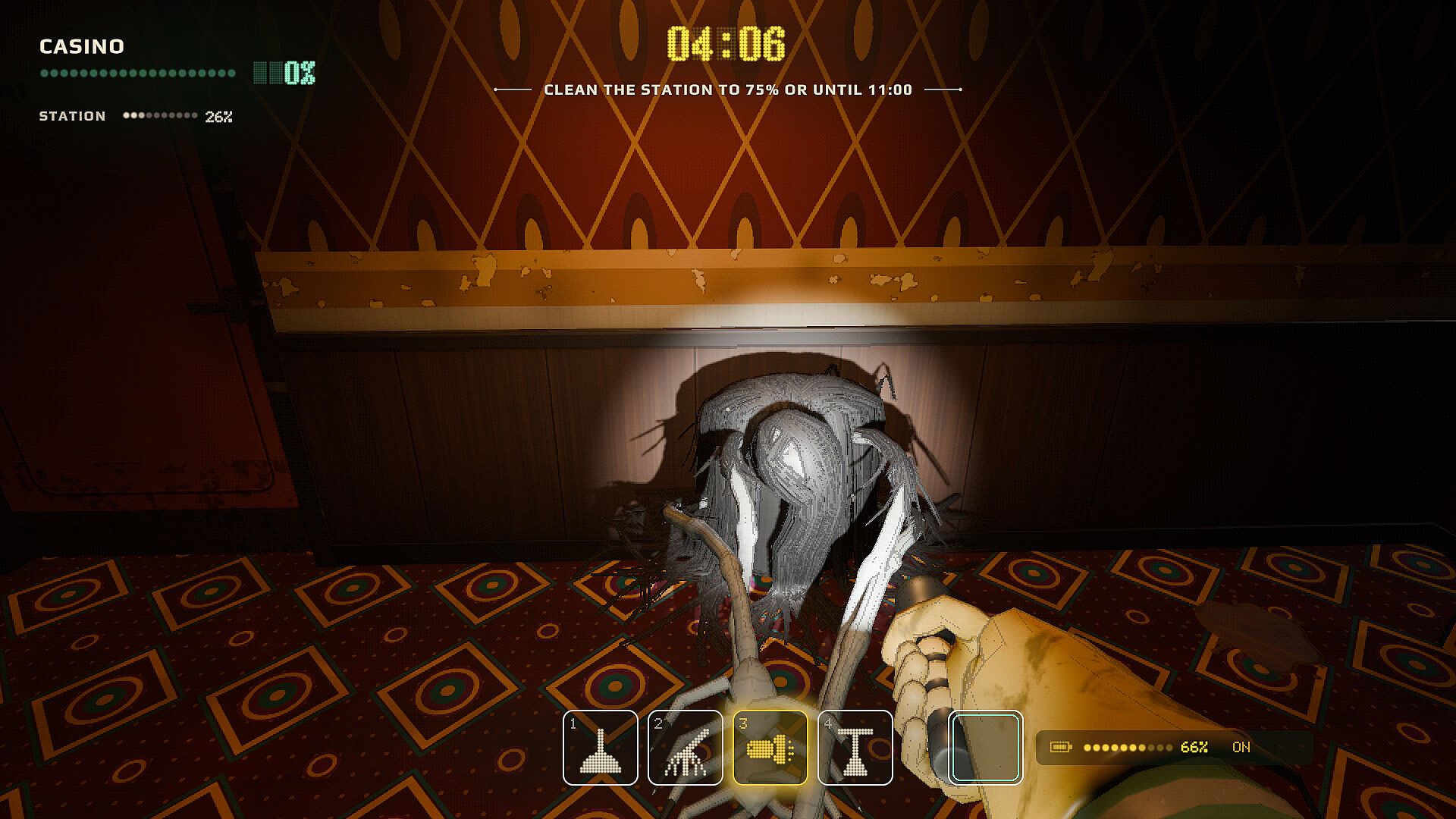
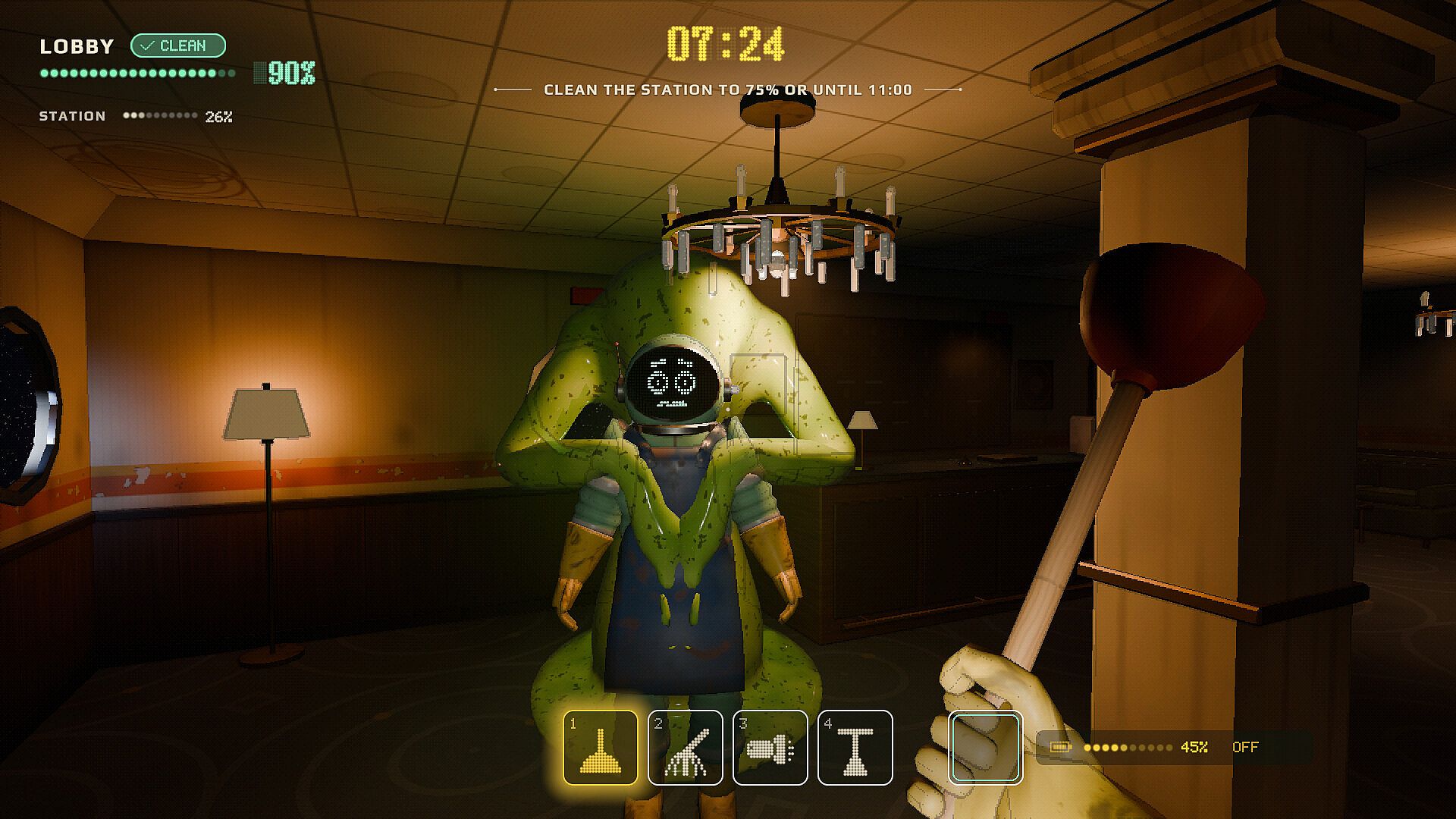
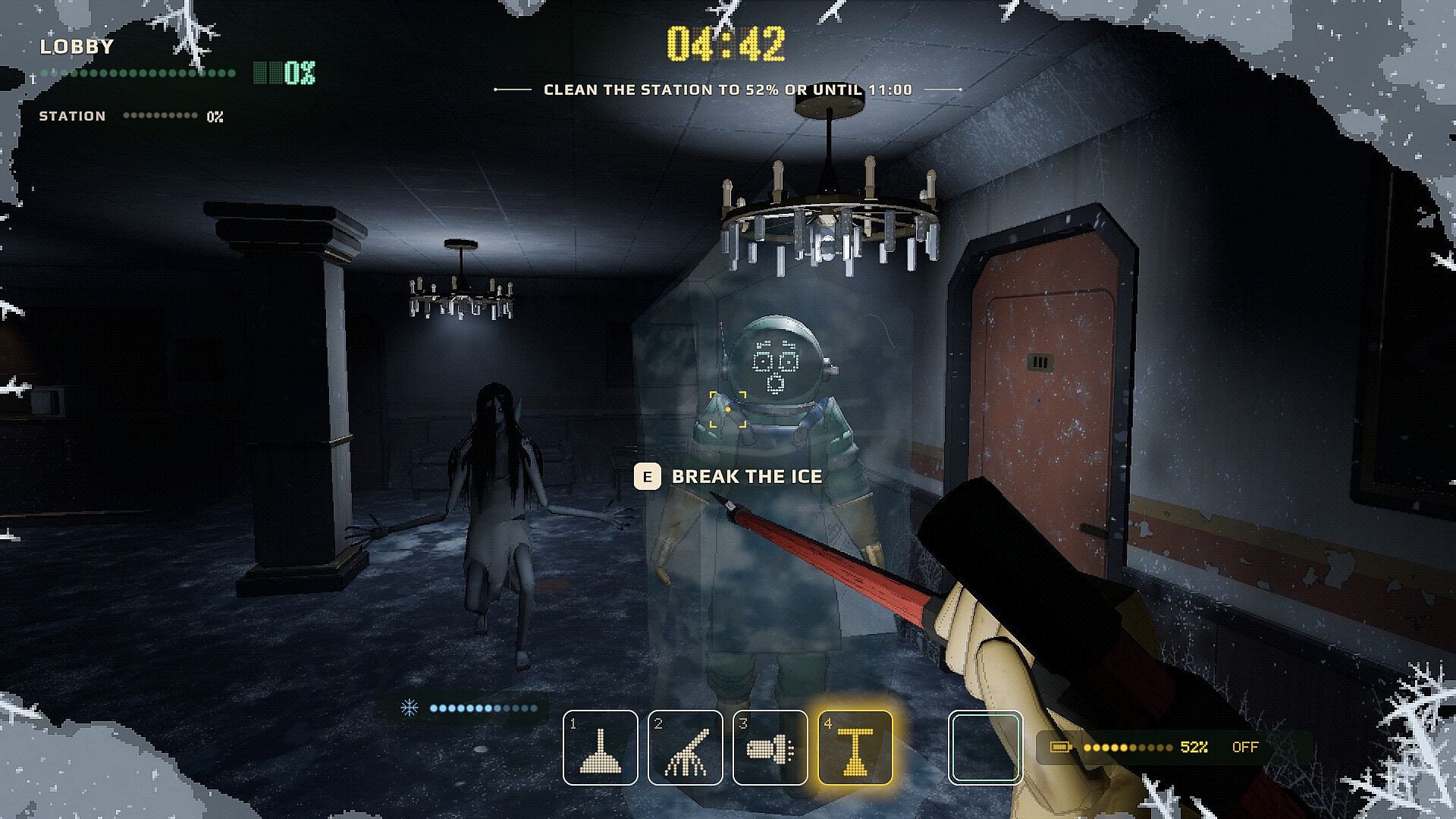
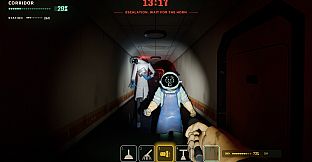
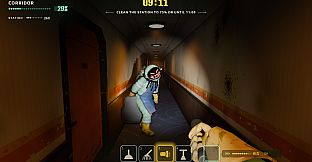
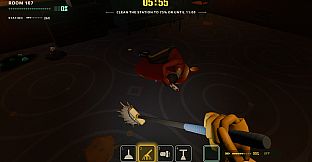
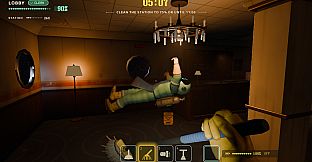
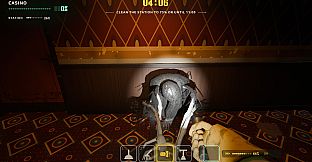
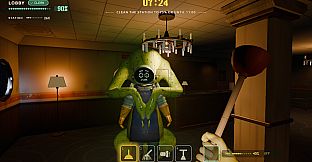
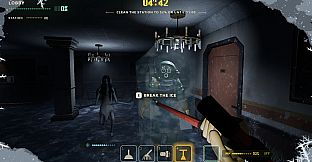
Deep Clean is a co-op horror comedy adventure game set aboard derelict space stations where players take on the role of a janitorial crew handling the aftermath of mysterious incidents. Developed for PC as an Early Access title, it blends cleaning simulation with survival elements and investigative discovery in a multiplayer format that supports up to four participants. The core loop revolves around completing contract work while uncovering threats that the employer refuses to detail, creating tension between routine tasks and unpredictable dangers.
Gameplay
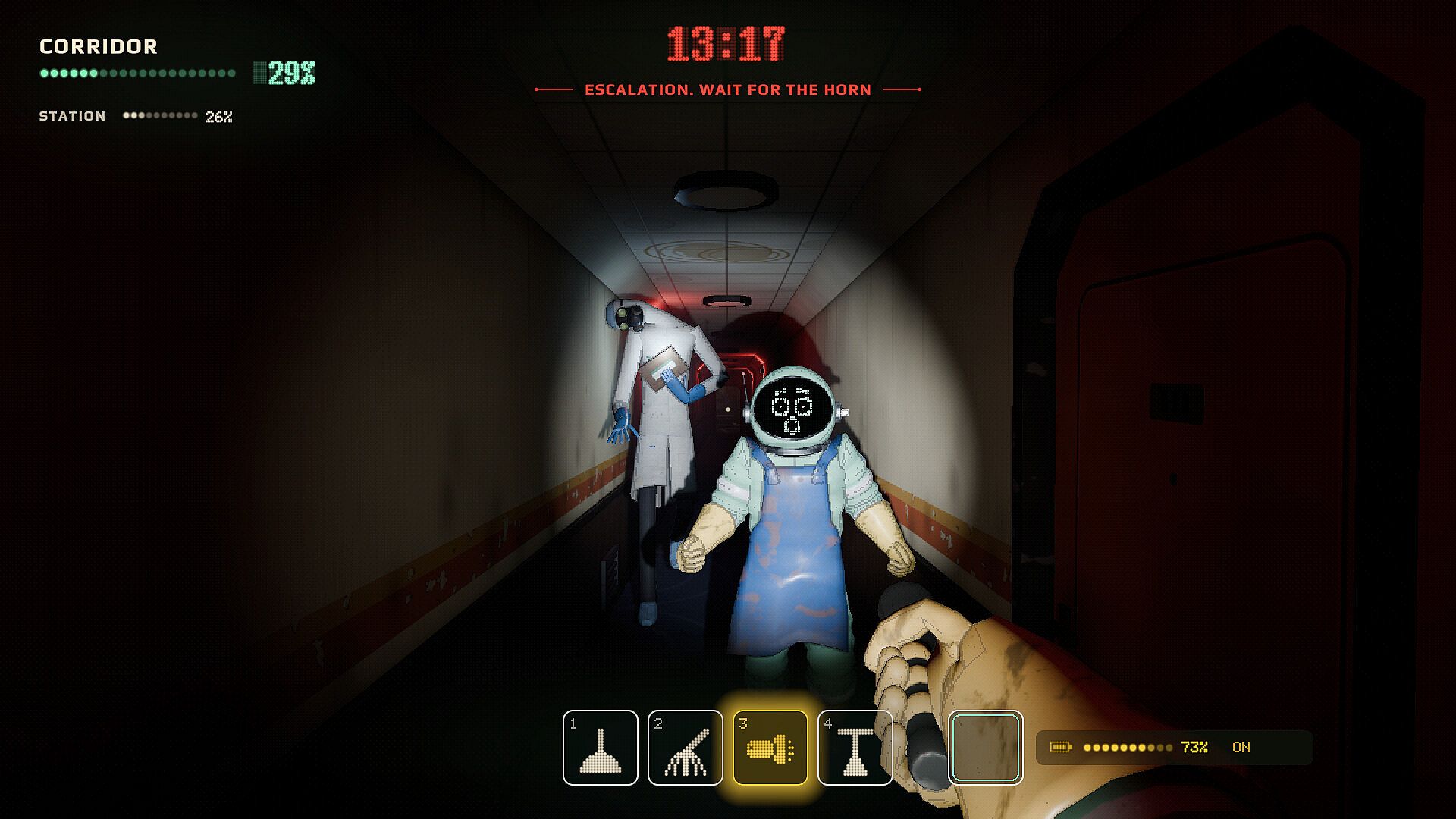
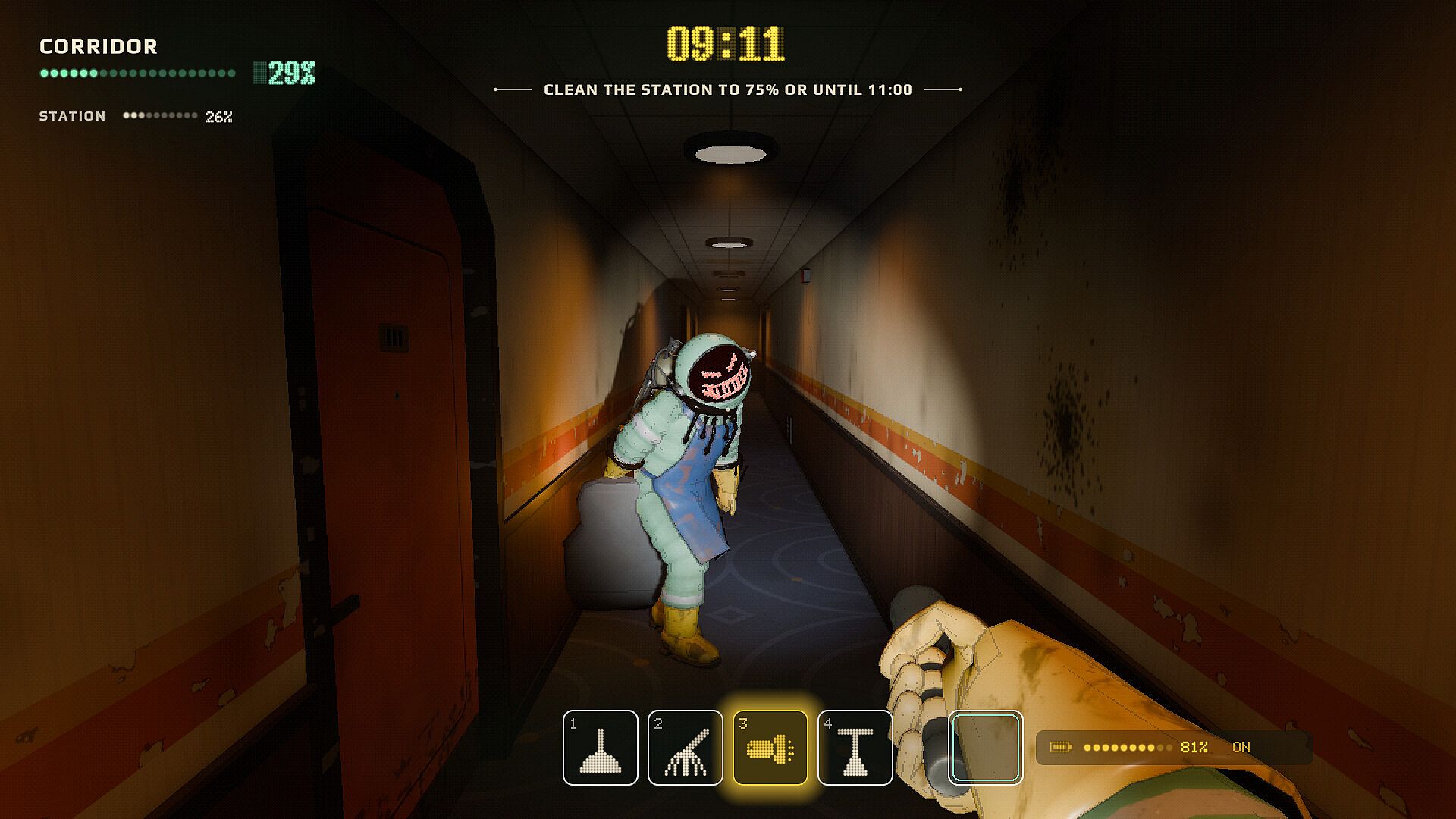
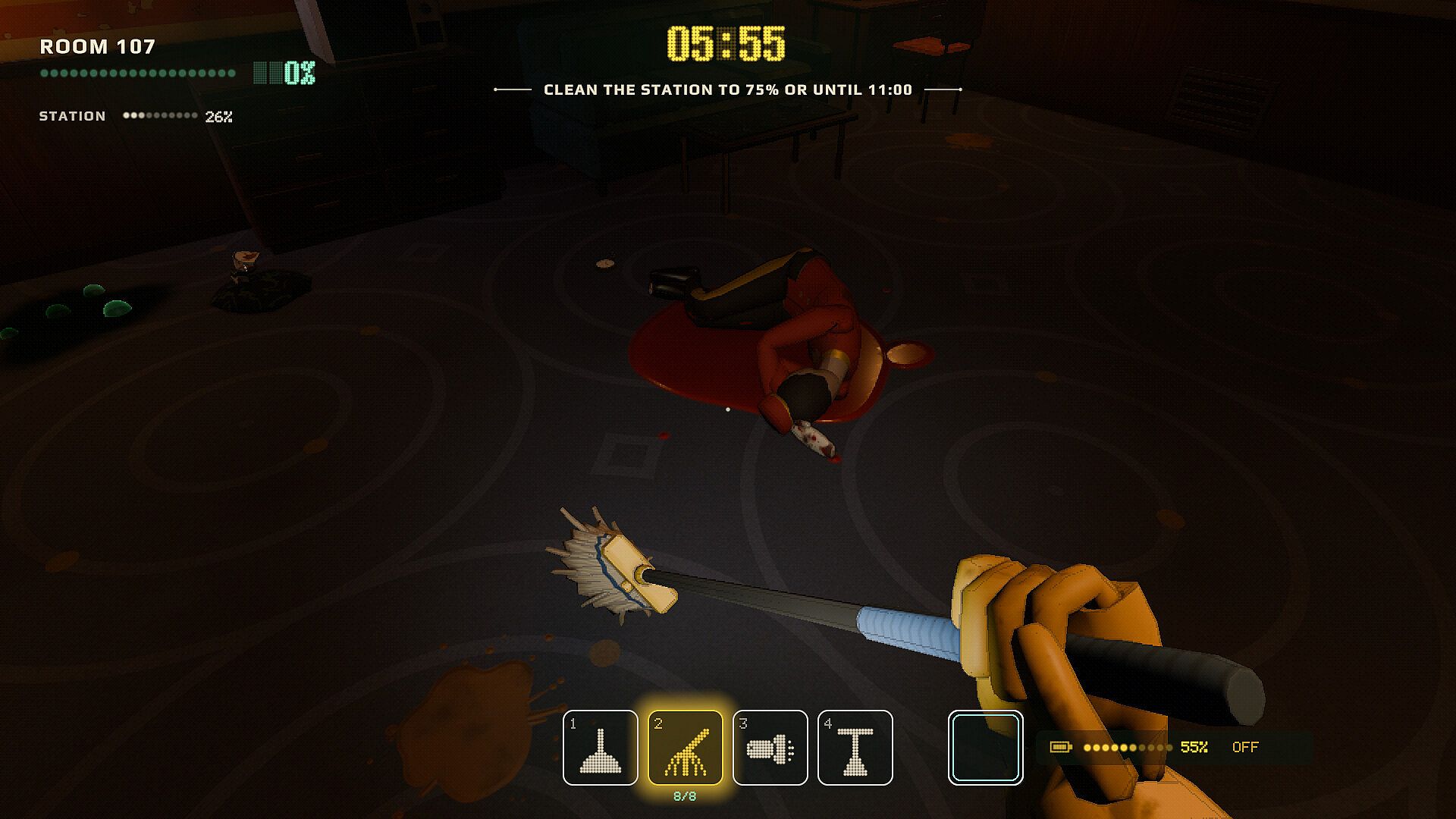
Players assume the duties of space station cleaners equipped with basic tools like mops and buckets. The primary activities include scrubbing stains from surfaces, bagging trash, packing up bodies, and searching for valuables that contribute to payouts. Each shift takes place on one of several distinct sites, such as a hotel, an icy environment, a flooded area, or an infection zone, each presenting unique hazards and layout rules that demand adaptation. Proximity voice chat enables real-time coordination among the crew, while ragdoll physics and slippery wet floors add physical comedy and risk during hurried movements. An LED visor replaces facial expressions, enforcing a uniform appearance that includes mandatory smiles even amid chaos.
Investigation forms a key layer beyond cleaning. Without any provided instructions, crews must experiment with approaches to unknown entities: approaching or fleeing, creating noise or remaining still, interacting with or avoiding anomalies. Discoveries populate a shared crew glossary that builds page by page, gradually revealing patterns about the stations and their inhabitants. This system encourages repeated runs as players refine their understanding through trial and error. The employer imposes growing weekly quotas tied to cleanliness scores, client reviews, fines, and memos, with failure resulting in layoffs that reset progress and force a new attempt.
Game Modes
The game centers on online co-op sessions for one to four players, allowing solo play or group expeditions through the contract system. Shifts occur in a van base that serves as a hub for preparation and returns between sites. Contracts dictate the cleaning objectives, with payouts determined by performance metrics. The structure supports repeated playthroughs across the four available sites, each rebuilt before every landing to maintain variety in layout and surprises. No separate single-player campaign or competitive modes exist; the emphasis remains on collaborative survival and task completion within the co-op framework.
The Employer and Station Hazards
Quotas escalate weekly, incorporating penalties from poor reviews or overlooked details that can trigger layoffs and restarts. This pressure shapes decision-making, as crews balance thorough cleaning against time spent investigating threats or hunting valuables. Station-specific rules create distinct challenges: icy surfaces introduce slipping risks, flooded zones alter movement, infection areas demand careful containment, and hotel environments may hide different anomalies. The absence of official guidance on dealing with living entities forces crews to log observations in the glossary, turning each run into an incremental puzzle about survival tactics and the true nature of the incidents.
Is It Worth Playing?
Deep Clean suits players who enjoy co-op experiences that mix practical task completion with horror discovery and light comedy. The verified features, including proximity voice chat, glossary progression, quota management, and site variety, deliver a focused loop centered on experimentation and teamwork. As an Early Access title planned for December 2026, it offers the full playable contract and shift system across four sites with monsters to figure out independently. Those drawn to indie action-adventure games with survival cleaning mechanics and multiplayer coordination will find the core systems engaging from the start. The lack of current user reviews reflects its pre-release status, but the described mechanics emphasize replayability through glossary building and adapting to employer demands. It appeals most to groups seeking shared stories from trial-and-error runs rather than polished single-player narratives.











