

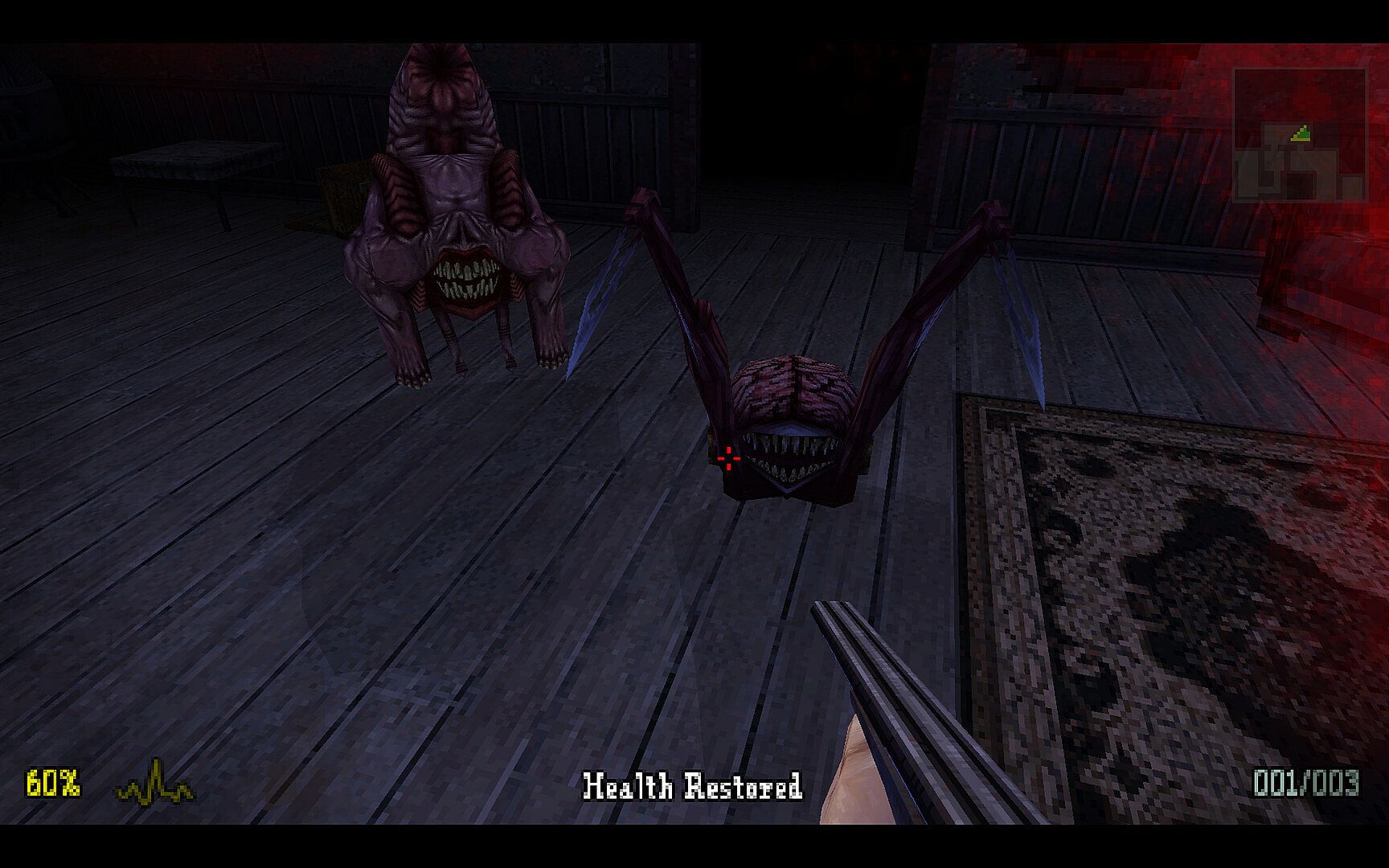
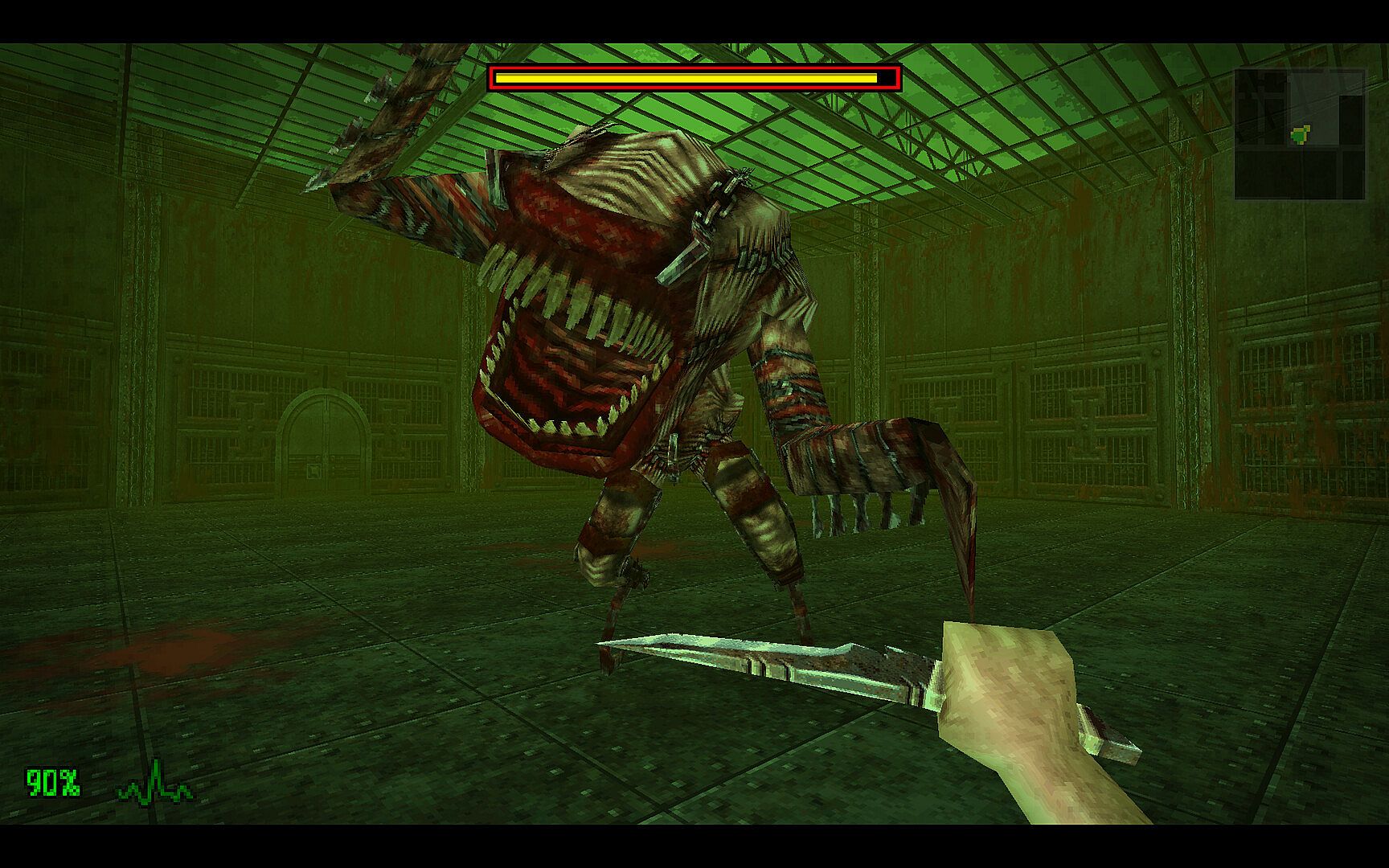
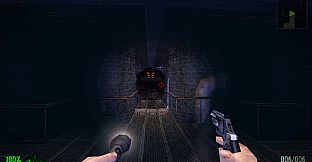
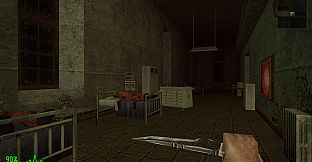
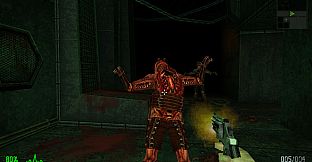
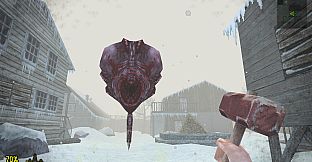
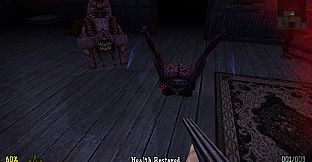
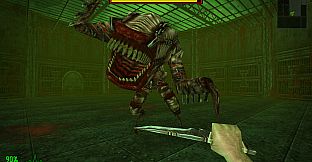
Dementium II is a first-person survival horror adventure game that places players in the role of William Redmoor as he navigates a fractured reality inside and beyond the Bright Dawn Treatment Center. The experience blends tense exploration, resource management, and direct combat against grotesque creatures in a narrative-driven single-player campaign. Set on PC, the title rebuilds the original handheld experience with updated visuals, controls, and quality-of-life features while preserving the core atmosphere of dread and psychological tension.
Gameplay
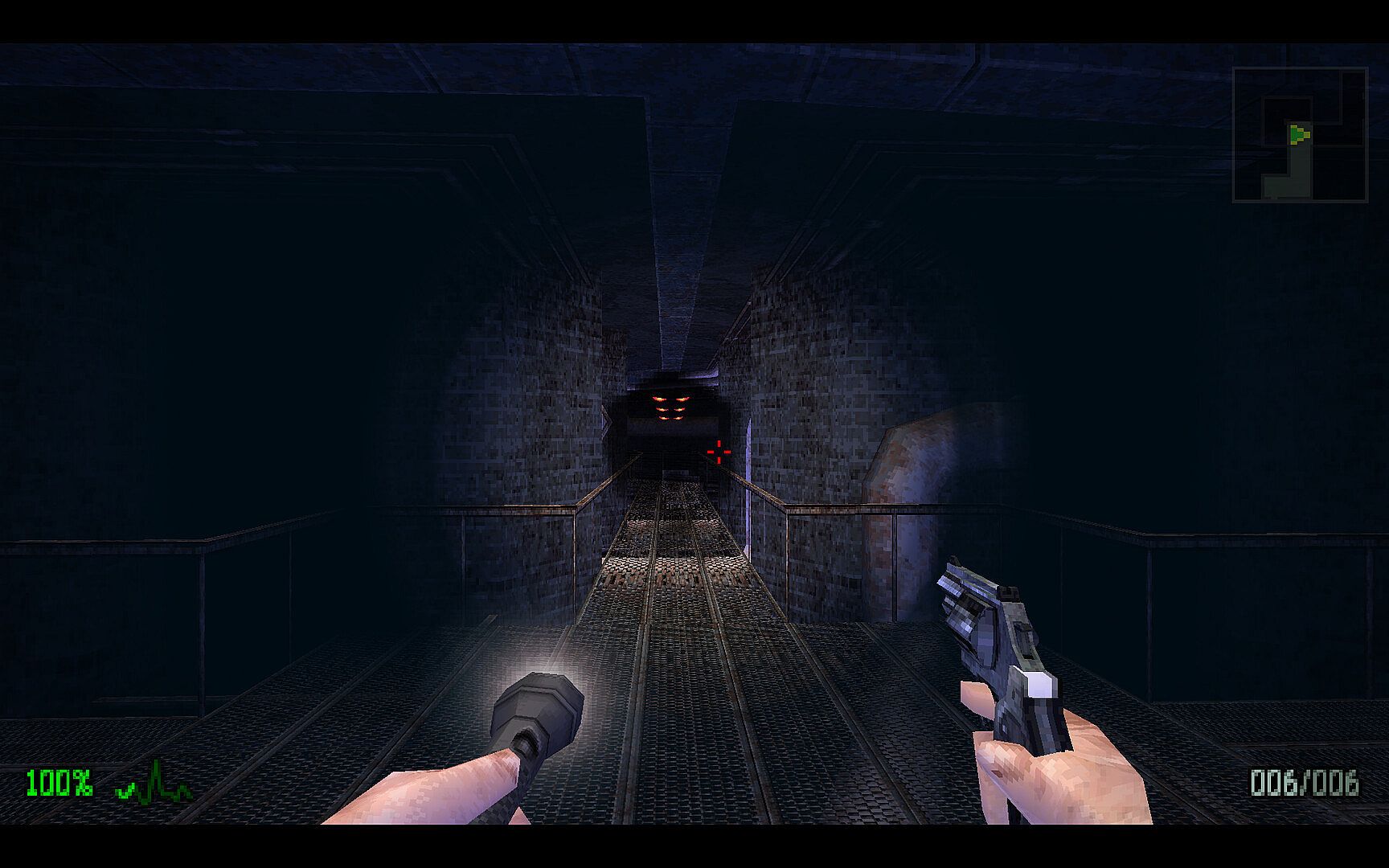
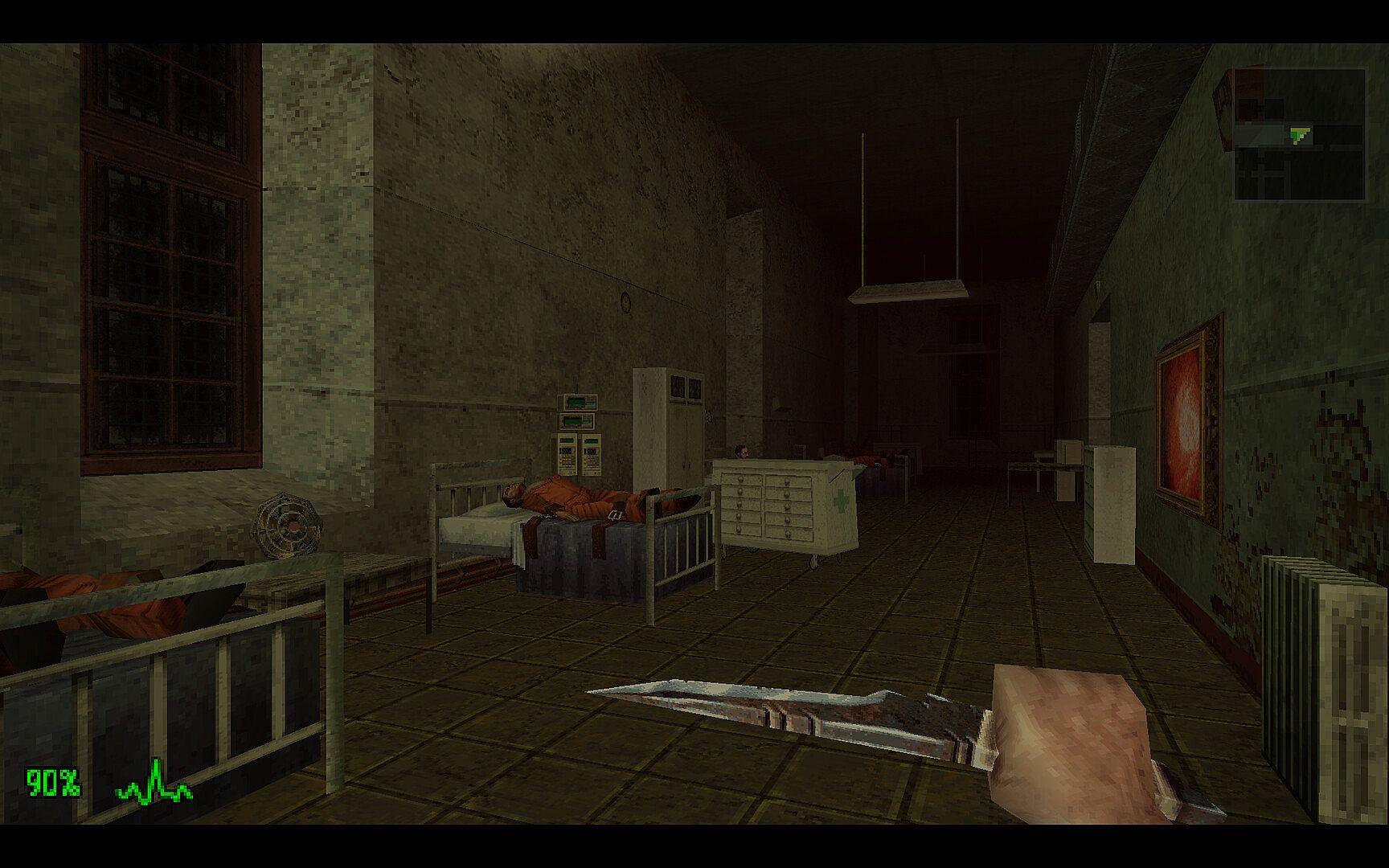
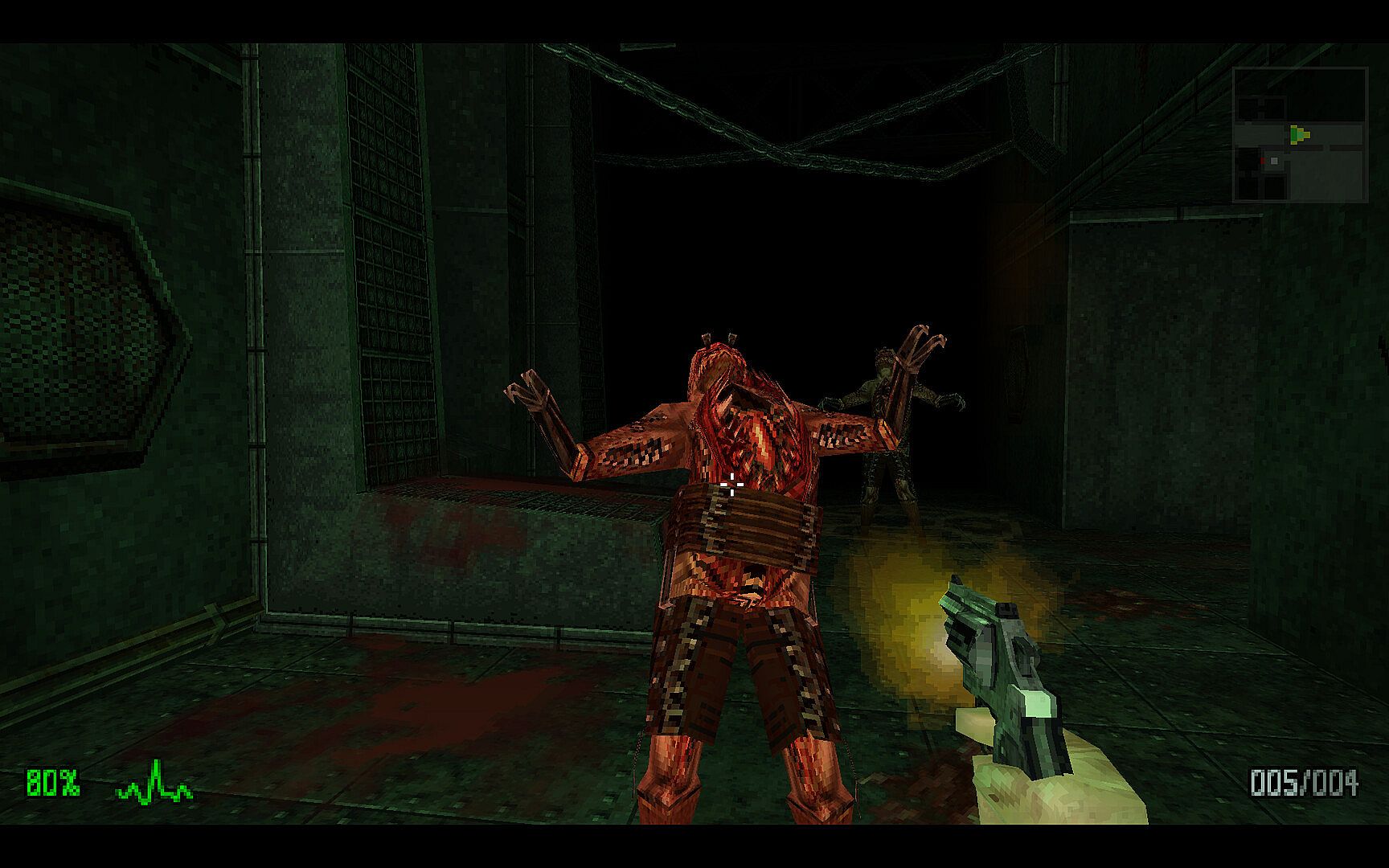
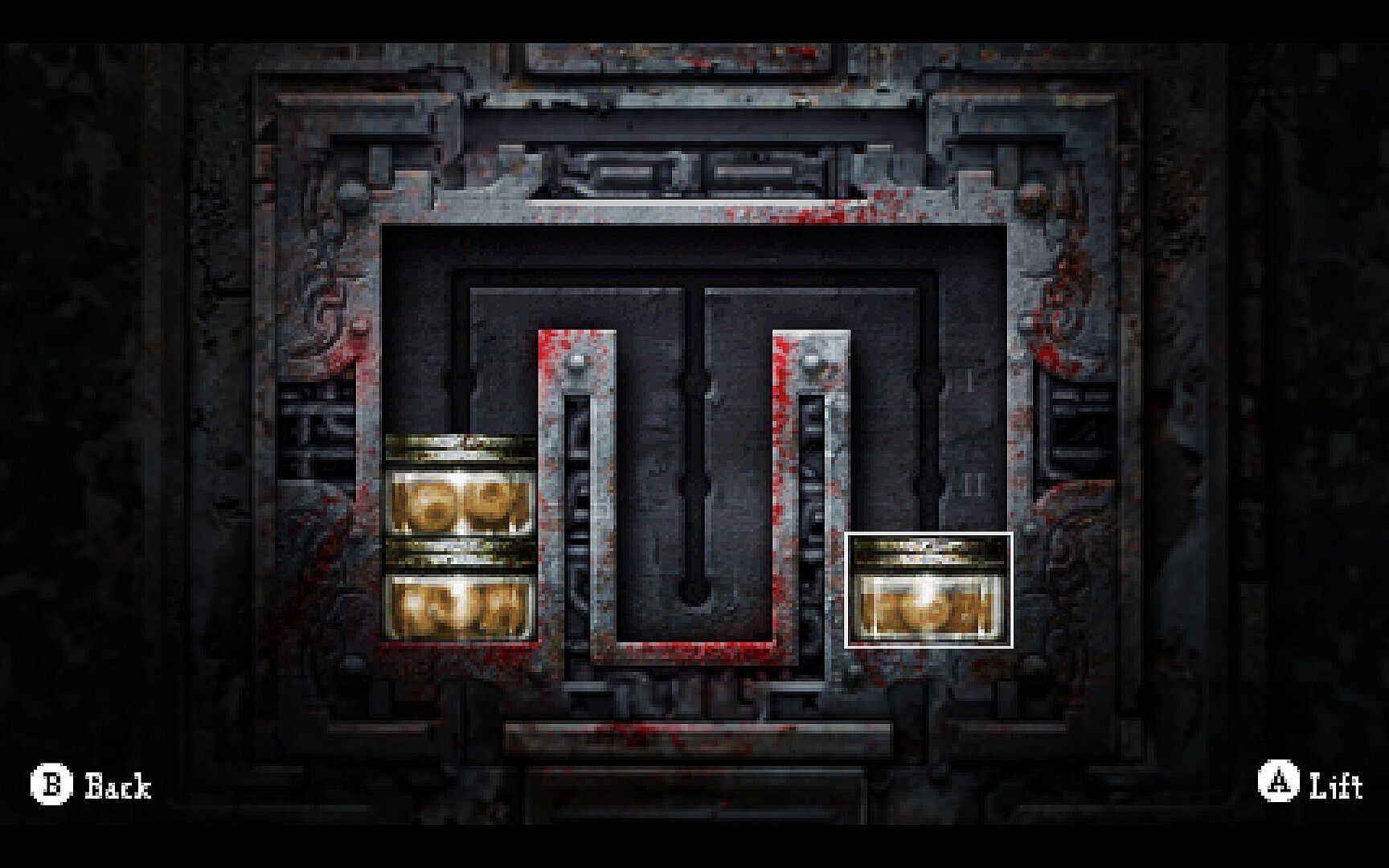
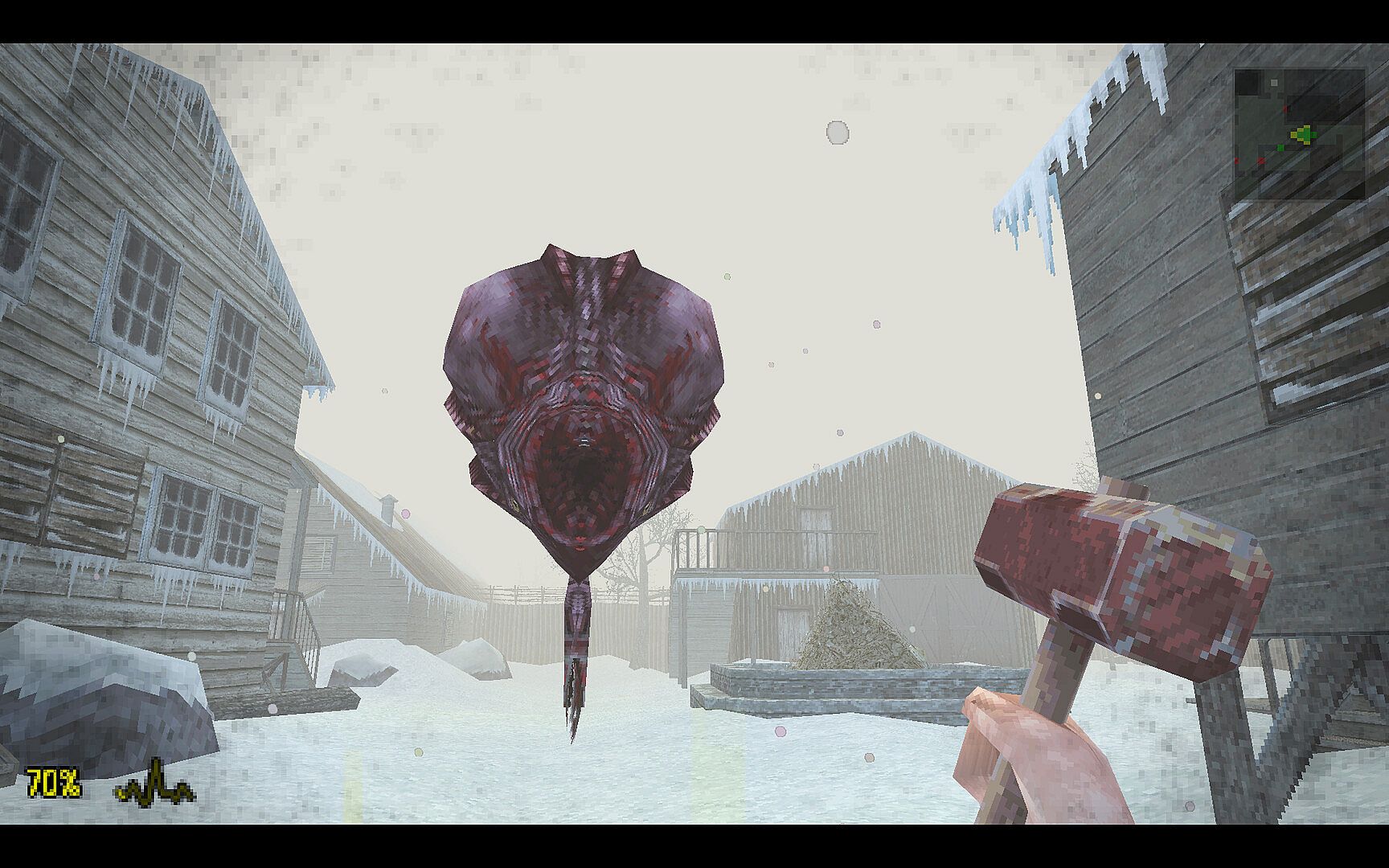
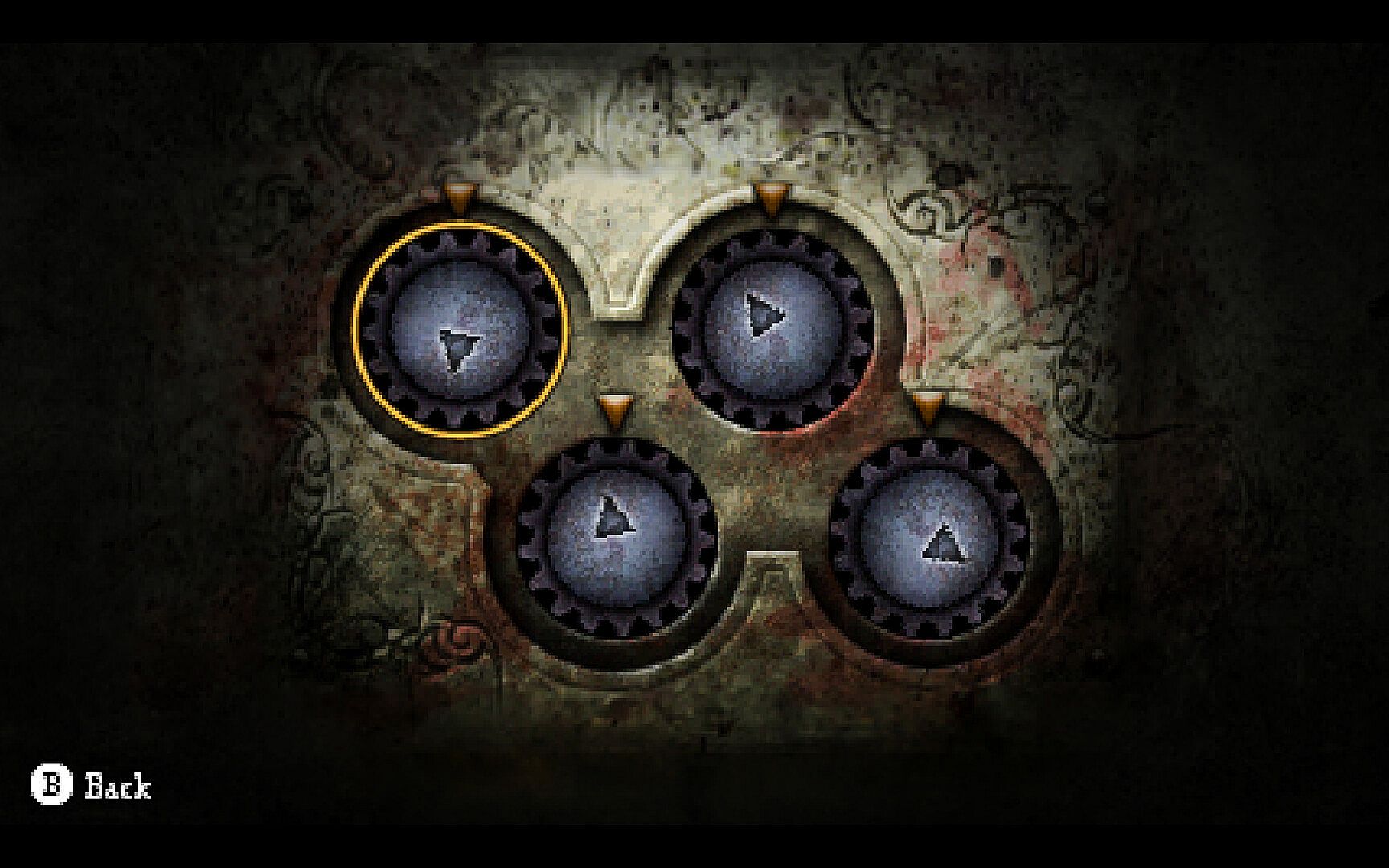
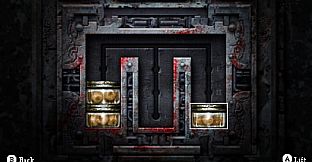
Players move through hospital corridors, an abandoned village, and increasingly distorted environments while managing limited ammunition and health items. The central loop involves searching for clues and supplies, solving light environmental puzzles, and confronting enemies that range from shambling horrors to more aggressive threats. A key mechanic allows simultaneous use of a flashlight and single-handed weapons, removing the need to switch between light and defense. Larger spaces support jumping and crawling to reach new areas or evade attacks, and cleared sections remain free of respawning foes once enemies are eliminated.
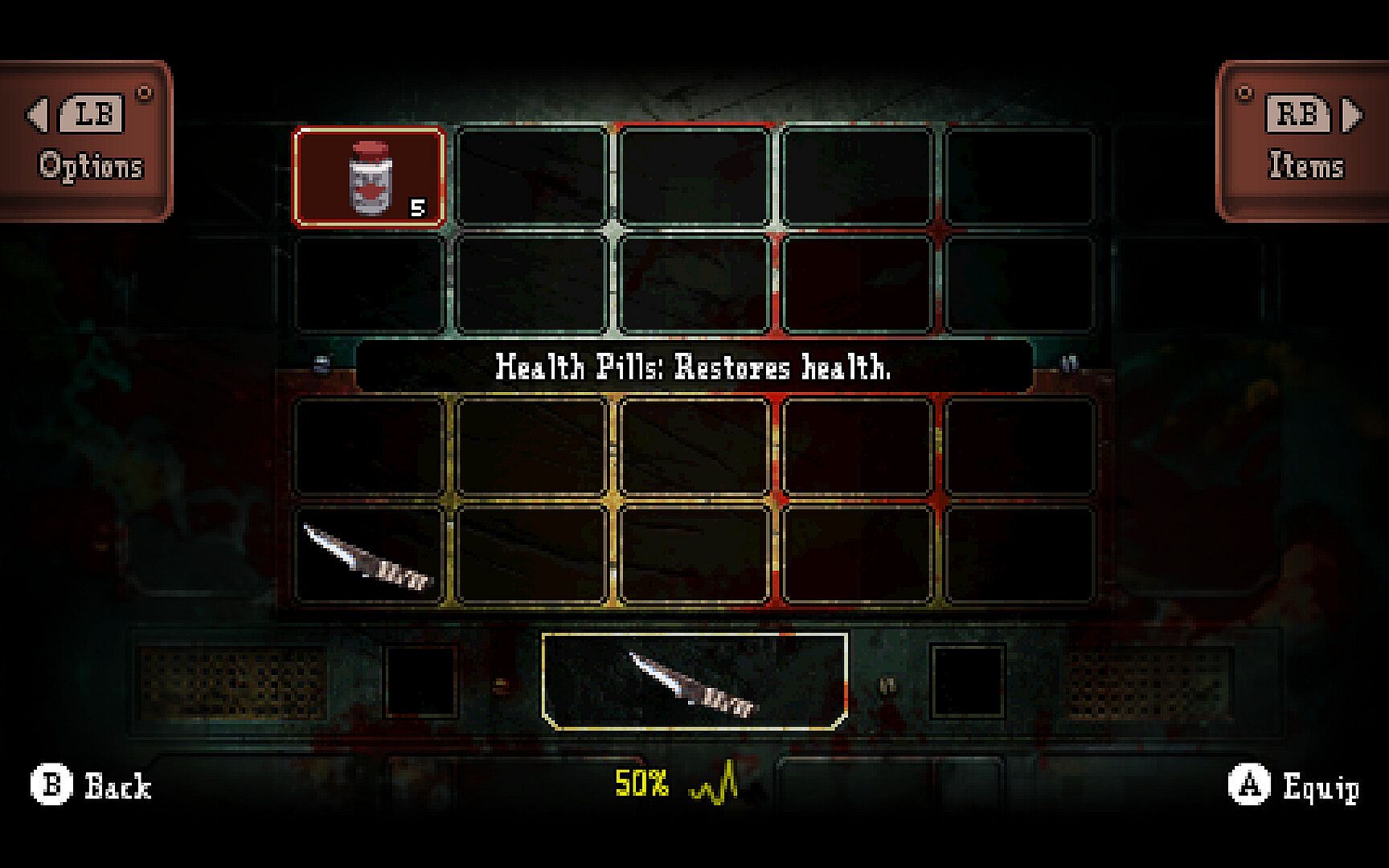
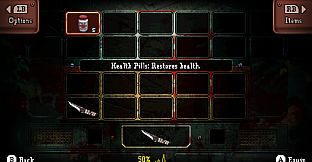
Inventory management supports carrying items for on-demand use rather than location-specific pickups, and manual save points appear at mirrors scattered through the levels. Weapons demand different approaches, from close-range melee options to ranged tools that suit specific monster types. The story unfolds through collected letters and environmental details, revealing William's past accusations and the Doctor's experiments without relying on heavy exposition. Options let players toggle between high-resolution rendering up to 4K or a retro pixelated style, along with a choice of realistic beam lighting or the original stencil-style flashlight effect. Music cues that once warned of nearby threats can be disabled for a more unpredictable experience, and a mini-map aids navigation on the single screen.
Game Modes
The primary experience is the linear story campaign that follows William's escape and search for answers across multiple connected locations. After completing the main narrative, an unlockable Survival mode becomes available. This mode shifts focus to arena-style encounters where players battle successive waves of creatures across cleared environments, testing weapon strategies and endurance without the exploration or puzzle elements of the campaign. No additional modes such as multiplayer or time trials appear in the verified feature set.
Story and Setting
William Redmoor awakens after surgery with no memory of events leading to his confinement. Hospital records accuse him of murdering his wife, yet a postcard in his own handwriting urges him to flee. Reality fractures around him, blending the treatment center with nightmarish versions of the outside world. Letters signed by his wife guide him forward while the Doctor observes and theorizes that the procedure released something dangerous from within William's mind. The narrative connects directly to the events of the prior game, though new players receive enough context to follow the central mystery of guilt, escape, and confrontation.
Technical Features and Accessibility
Full controller support pairs with mouse-and-keyboard controls for flexible input. The game runs verified on Steam Deck hardware, allowing portable play sessions. Achievements track progress through combat feats, exploration milestones, and story revelations. Visual toggles accommodate different preferences for clarity versus nostalgic presentation, and the single-screen layout consolidates all information without the dual-display split of the original hardware.
Is It Worth Playing?
Dementium II suits players who enjoy focused single-player horror adventures that mix exploration, deliberate combat, and atmospheric storytelling over long campaigns or competitive elements. The persistent cleared areas, dual-wield flashlight system, and varied enemy strategies create a satisfying loop for those who appreciate resource tension and incremental progress through hostile spaces. The short campaign length encourages a complete playthrough in one or two sittings, while Survival mode extends replay value for combat-focused sessions. Availability on PC with modern display and control options makes the experience accessible to newcomers and returning fans alike. Those seeking dense narrative puzzles or extended open-world freedom may find the directed structure limiting, but the title delivers a cohesive horror package built around its core mechanics and setting.