


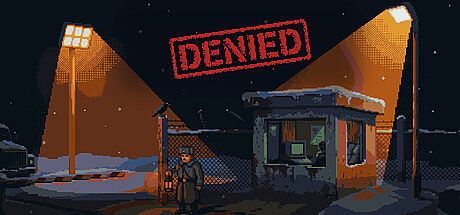


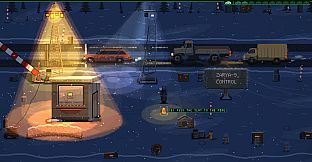
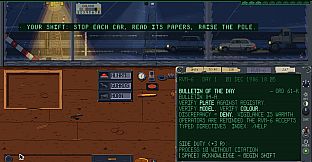
DENIED: Zarya-9 is an indie simulation game set in a fictional authoritarian state during the winter of 1986. Players take on the role of a night-shift inspector at a remote highway checkpoint called Zarya-9. The experience centers on processing vehicles that arrive at the barrier, examining documents, and deciding whether to approve passage, deny entry, or detain travelers while managing personal financial pressures and family obligations.
Gameplay
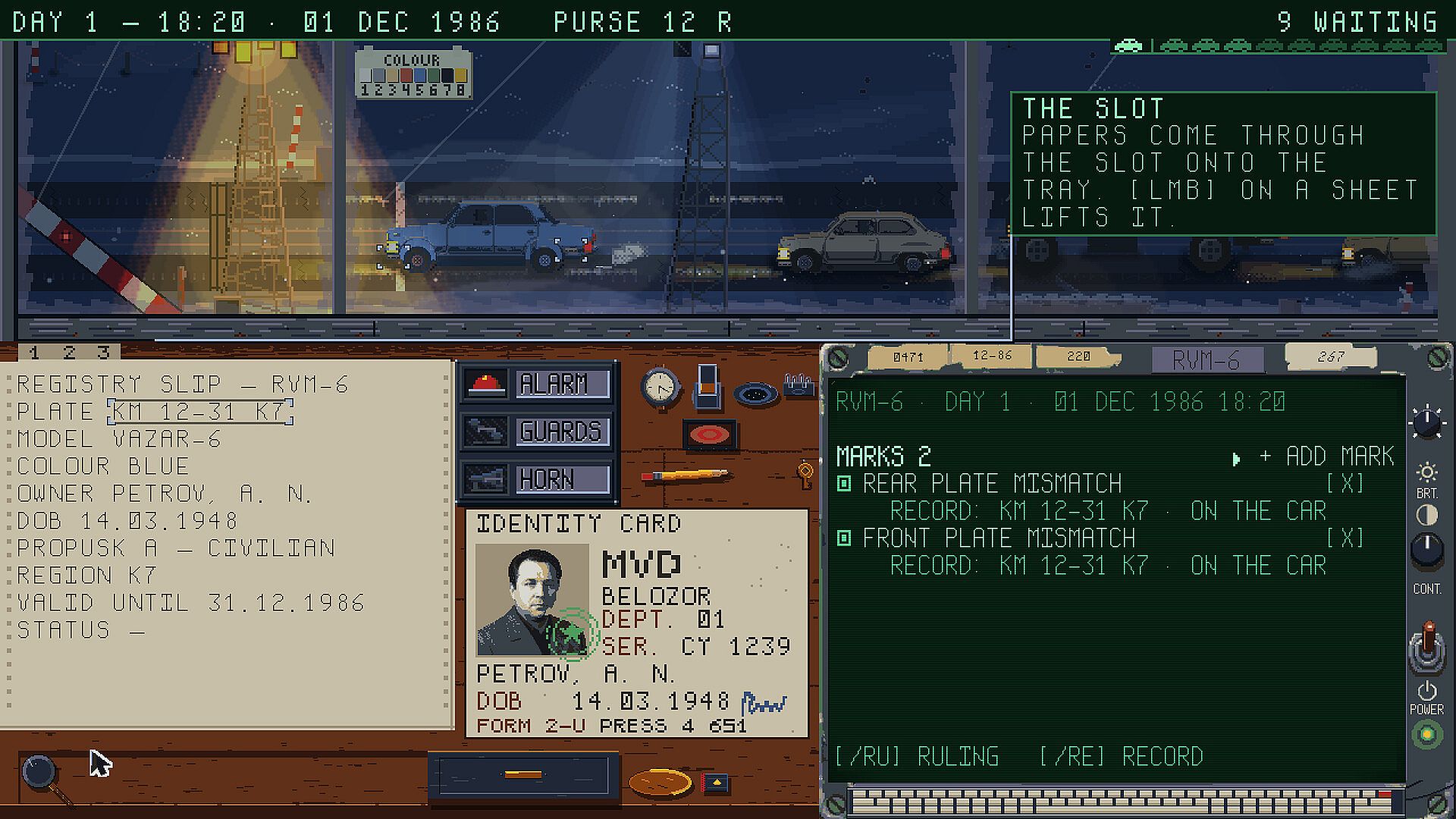
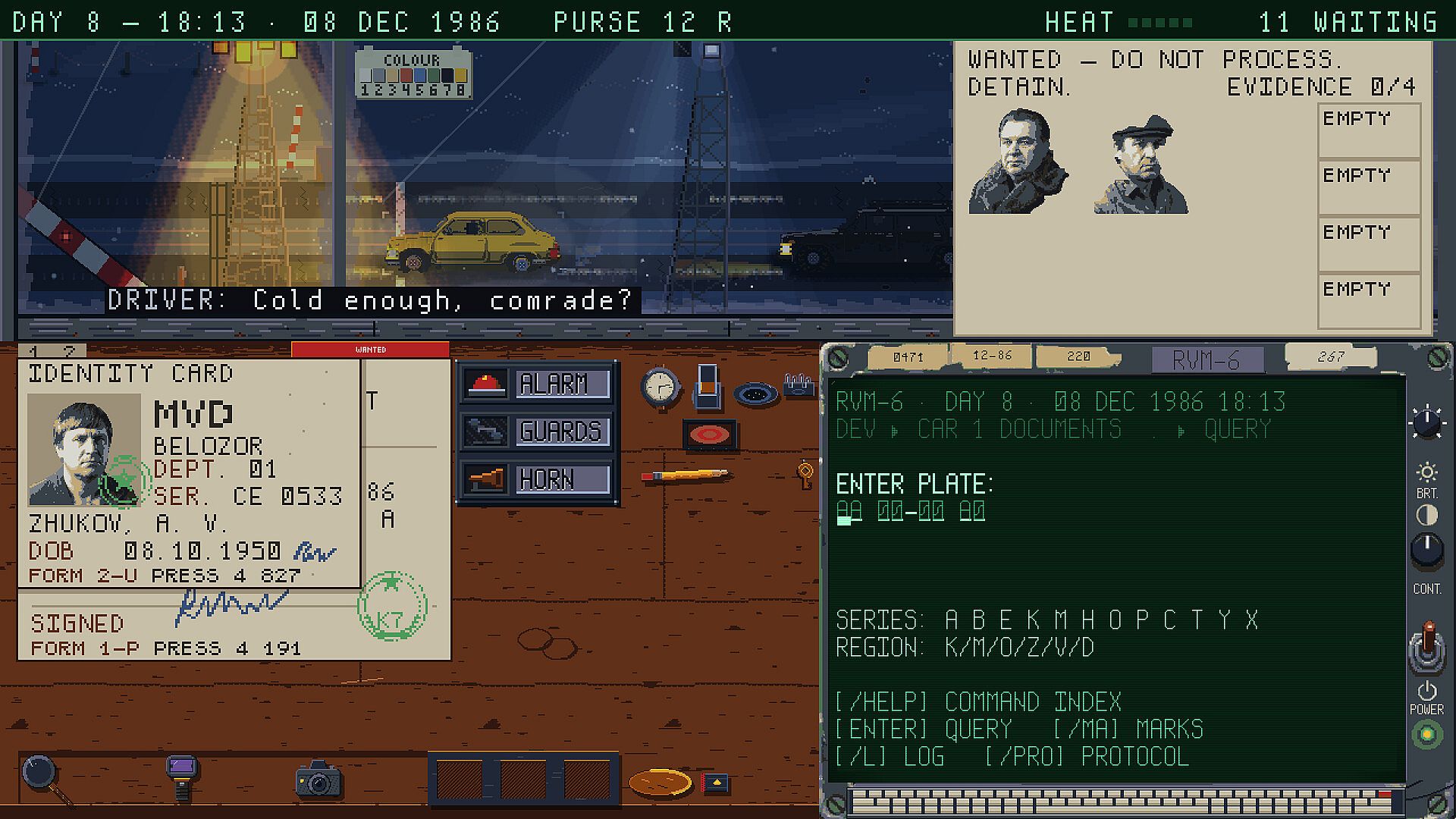
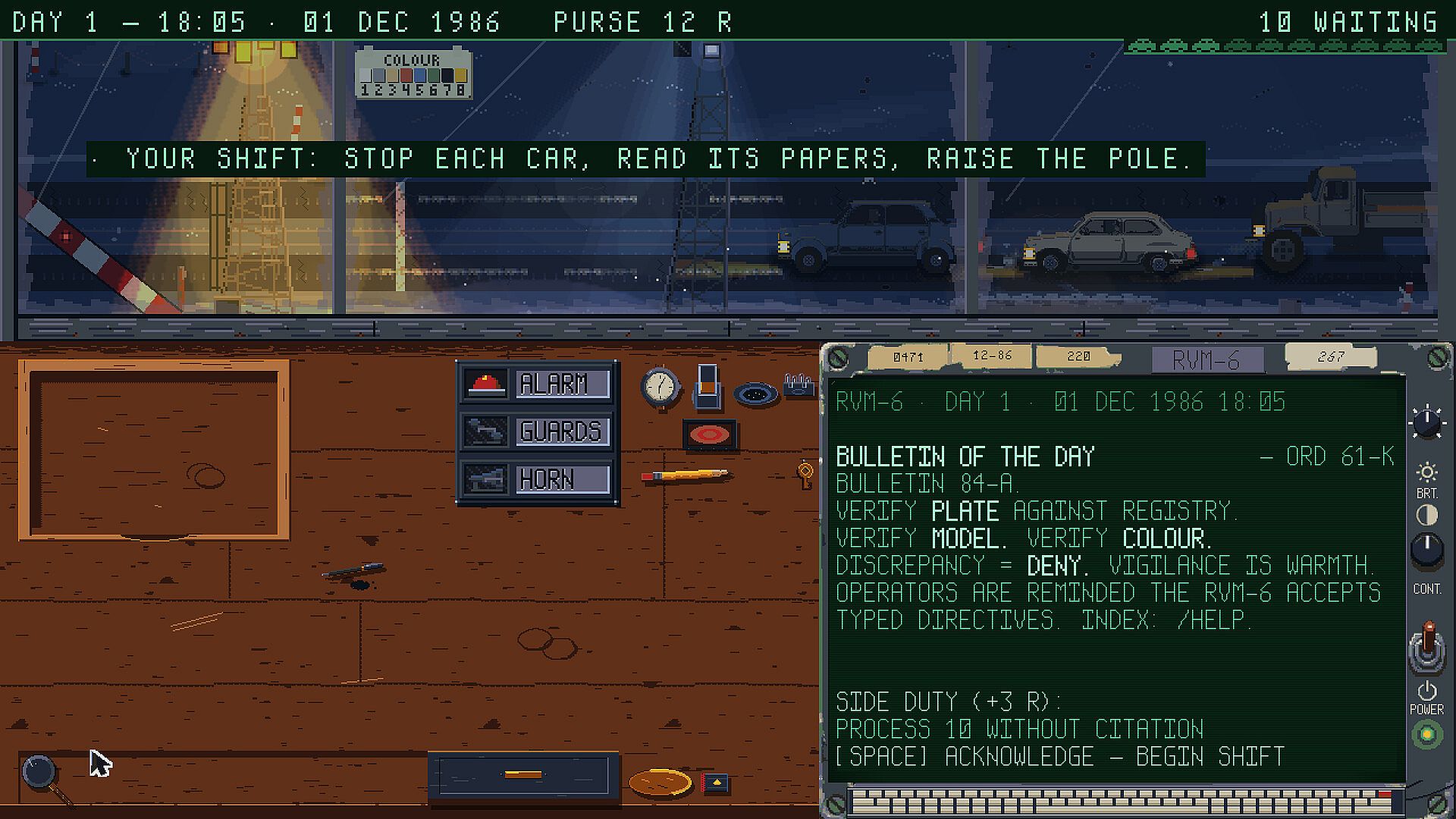
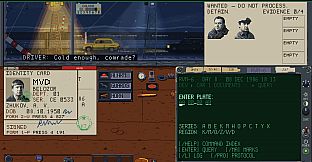
The core loop revolves around the green-phosphor RVM-6 registry terminal inside the checkpoint booth. Players query vehicle plates, cross-reference state records against the details visible on arriving cars, and note discrepancies such as mismatched models, stolen plates, or forged stamps. Each decision carries consequences for pay and for drawing attention from higher authorities. When records conflict with physical evidence, such as a vehicle listed as scrapped years earlier or a driver exhibiting unusual behavior, the inspector must decide whether to report the anomaly without further inquiry.
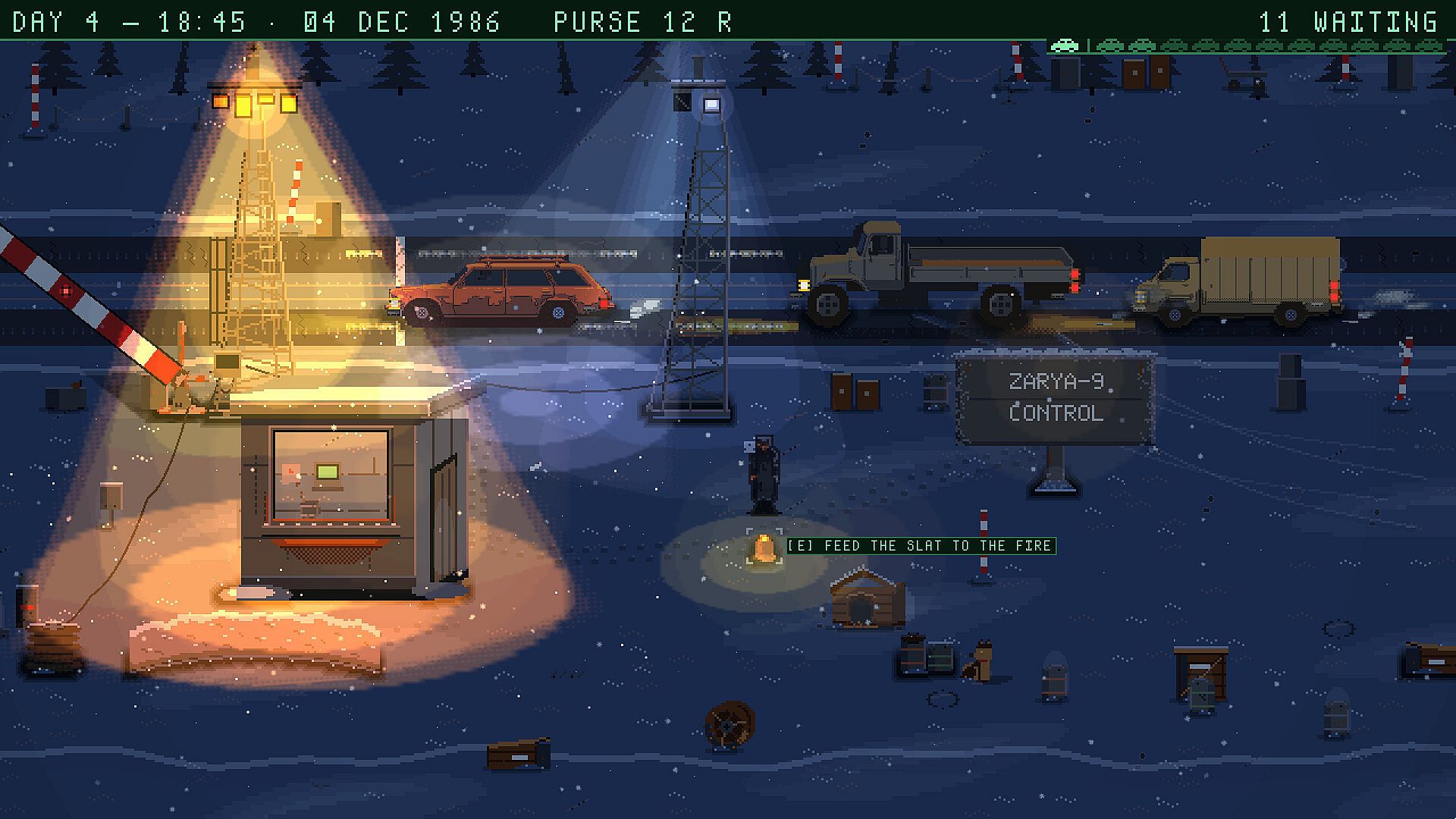
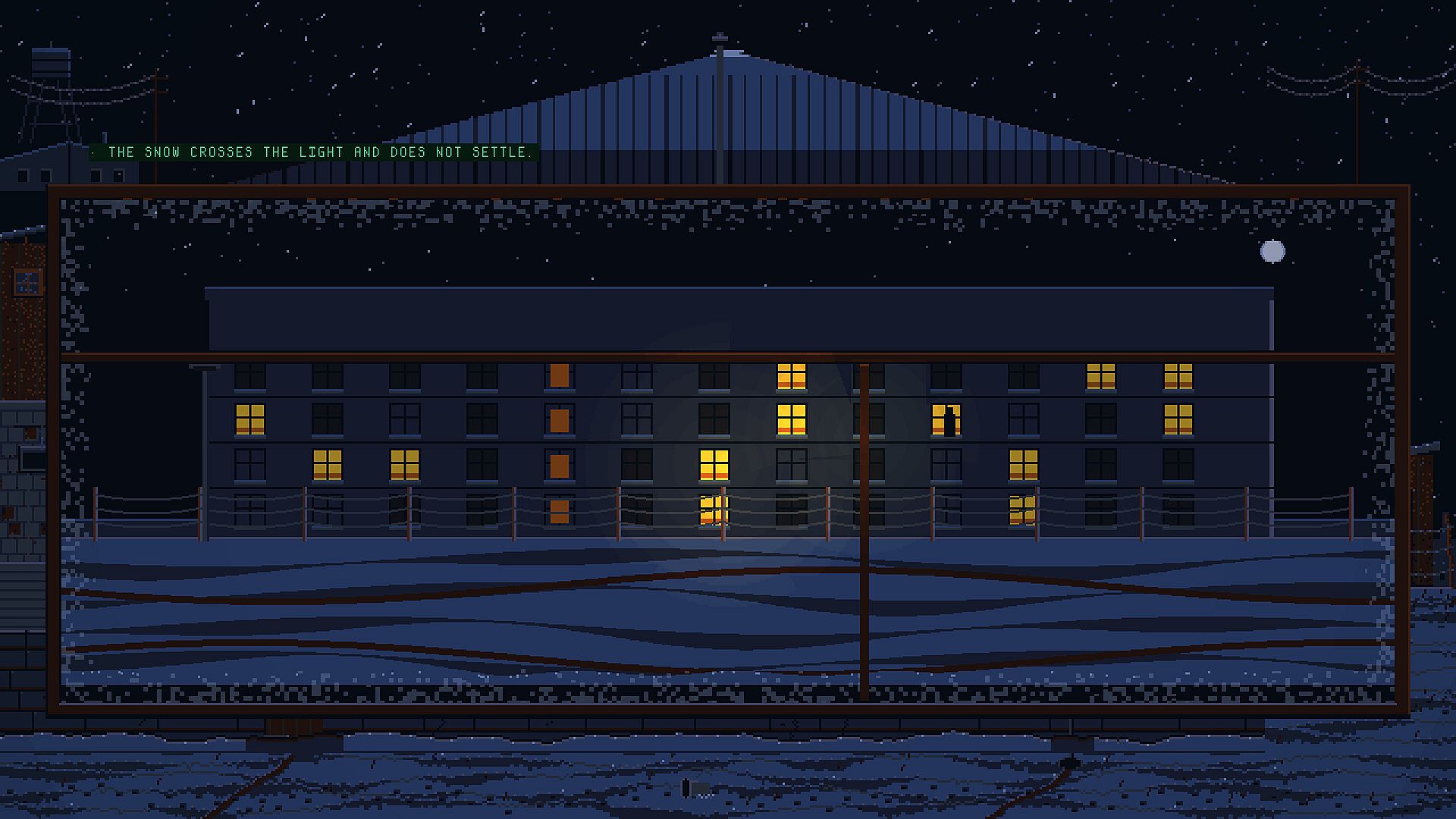
Outside the booth, the cold environment requires stepping into subzero temperatures to verify rear plates, inspect cargo, apply a UV lamp to documents, or photograph unexplained details. A growing rulebook introduces new bulletins at the start of each shift, forcing players to adapt by reading faster and recognizing patterns in forgeries or when the terminal itself should be trusted. Mistakes reduce earnings and increase scrutiny, though the game avoids abrupt failure during active shifts.
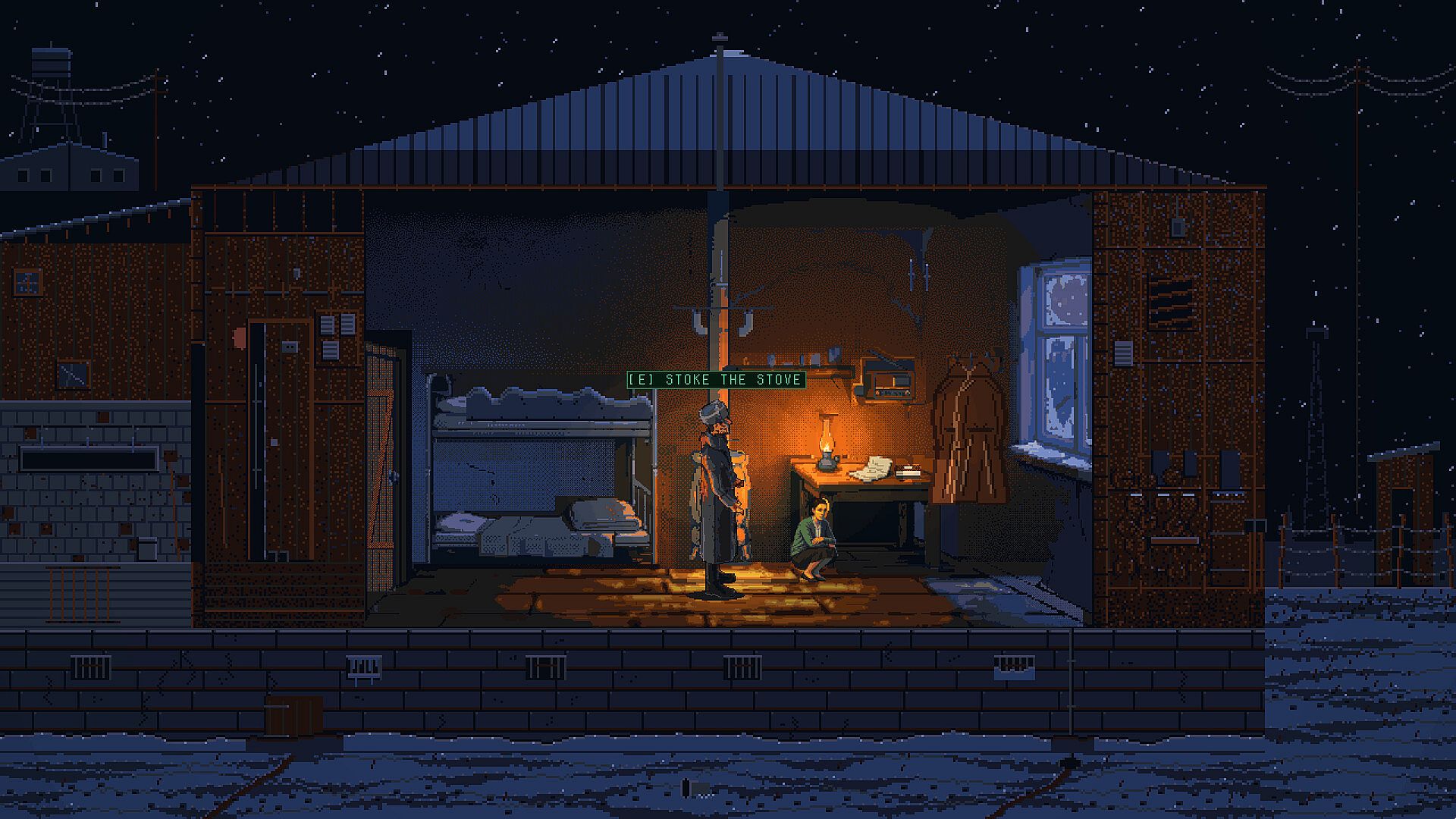
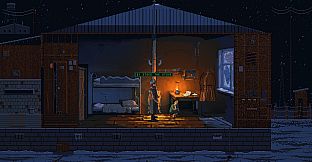
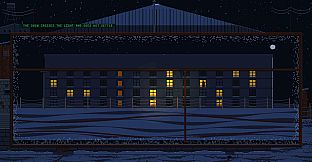
Between shifts, time spent in the barracks involves settling bills, reading correspondence from family, listening to the radio, and resting. From the fifth shift onward, Directorate 12 involvement formalizes certain anomalies, introducing elements like plates that appear to change or cargo emitting specific frequencies. The full narrative spans ten shifts across ten nights and concludes in one of four endings determined by cumulative choices about approvals, reports, and items retained.
Game Modes
The game operates entirely as a single-player experience with no multiplayer components. Progression follows a linear sequence of ten night shifts at the checkpoint, each beginning with updated directives that alter inspection priorities. Between shifts, the barracks segment provides a consistent interlude for resource management and narrative reflection rather than separate modes. The structure emphasizes deliberate pacing over varied formats, with difficulty arising from the expanding rulebook and the need to balance efficiency against accuracy.
Narrative and Setting
The story unfolds in the People's Republic of Belozor, where state surveillance and bureaucratic control intersect with personal survival. Anomalies grow more frequent and unsettling as shifts progress, blending routine paperwork with hints of the impossible. Four distinct endings emerge from player decisions: obey directives, expose irregularities, attempt escape, or face a different outcome tied to accumulated actions. The two-hour runtime delivers a complete arc focused on the inspector's mounting isolation and the weight of each stamped document.
Is It Worth Playing?
DENIED: Zarya-9 targets players who appreciate methodical inspection mechanics and choice-driven narratives within a simulation framework. Its emphasis on cross-referencing records, handling environmental checks, and navigating personal stakes offers a focused alternative to faster-paced genres. The game remains in a pre-release state with a confirmed single-player structure and keyboard-and-mouse controls on PC. Those drawn to atmospheric tension built through administrative tasks and gradual escalation of rules will find the described systems align closely with that preference. Availability is limited to the upcoming launch on Windows and Linux platforms.












