





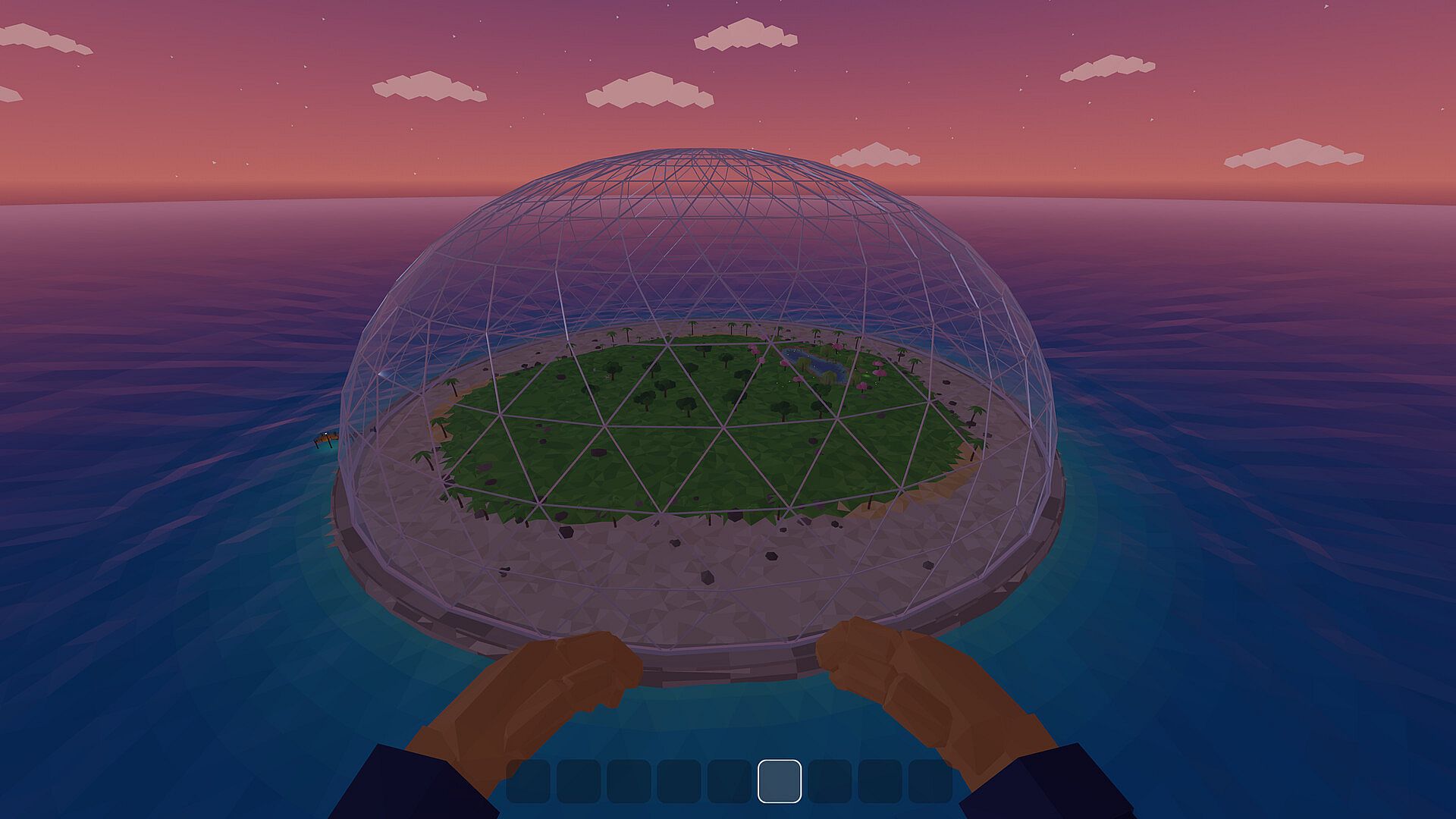
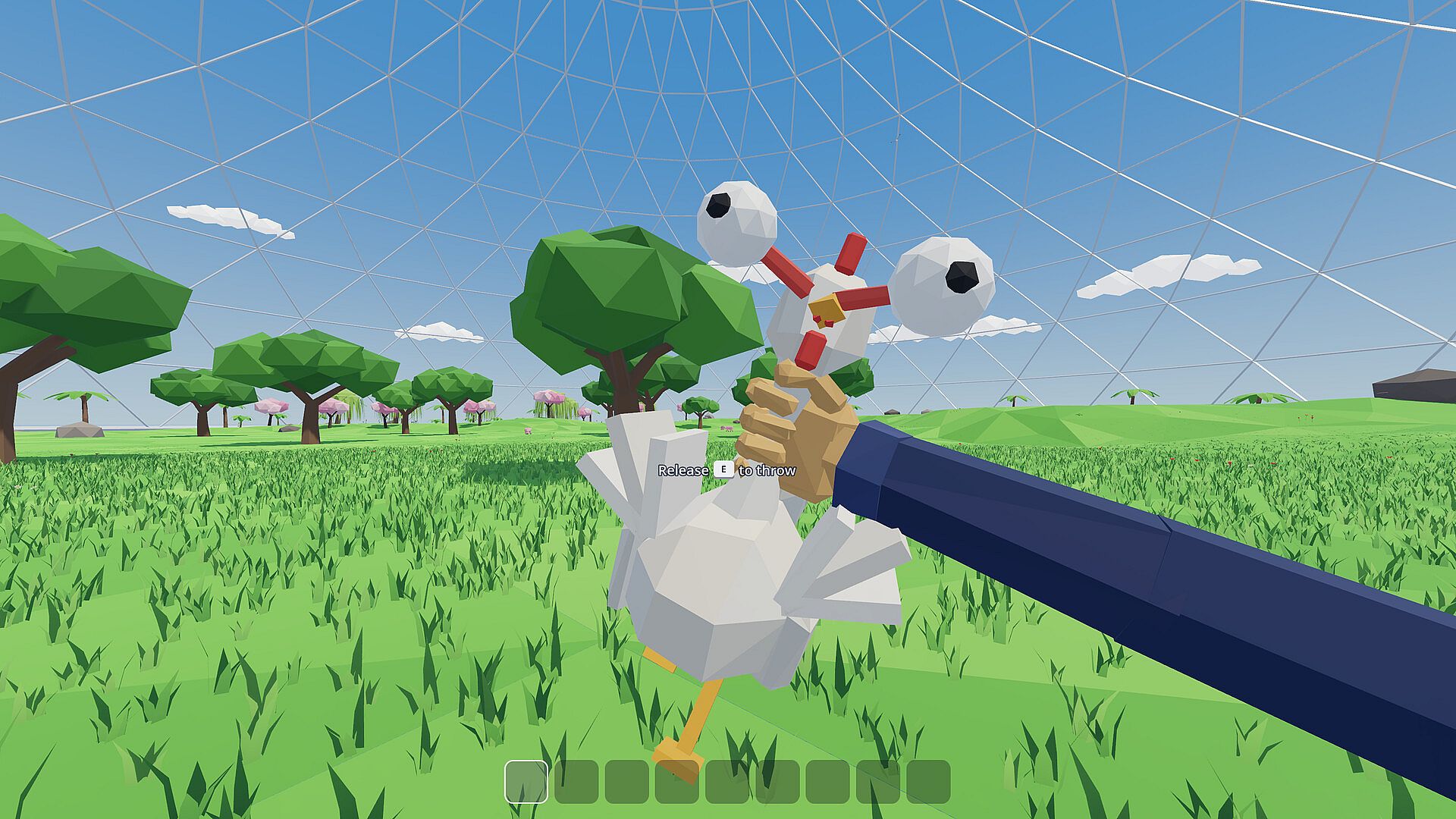
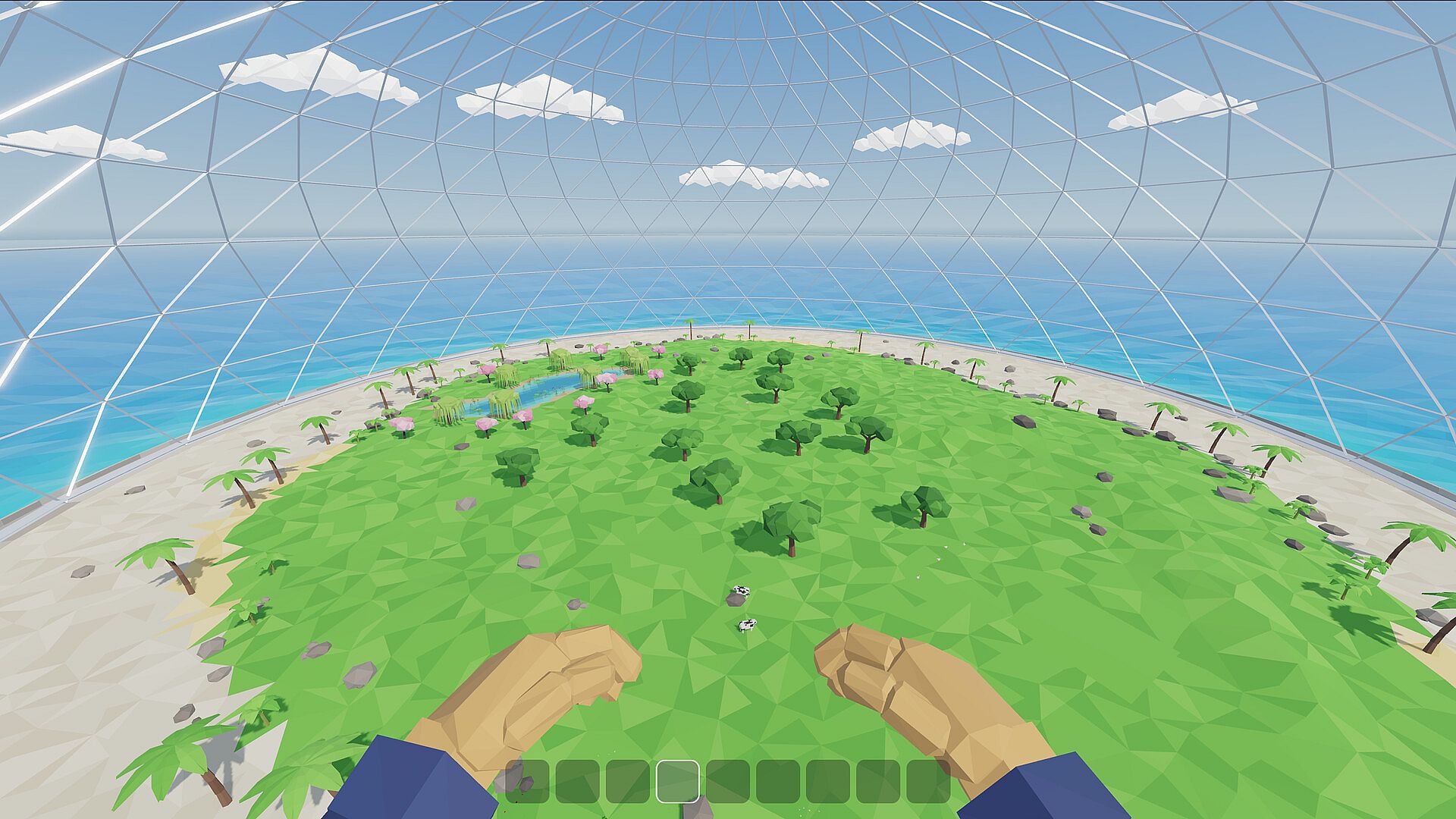
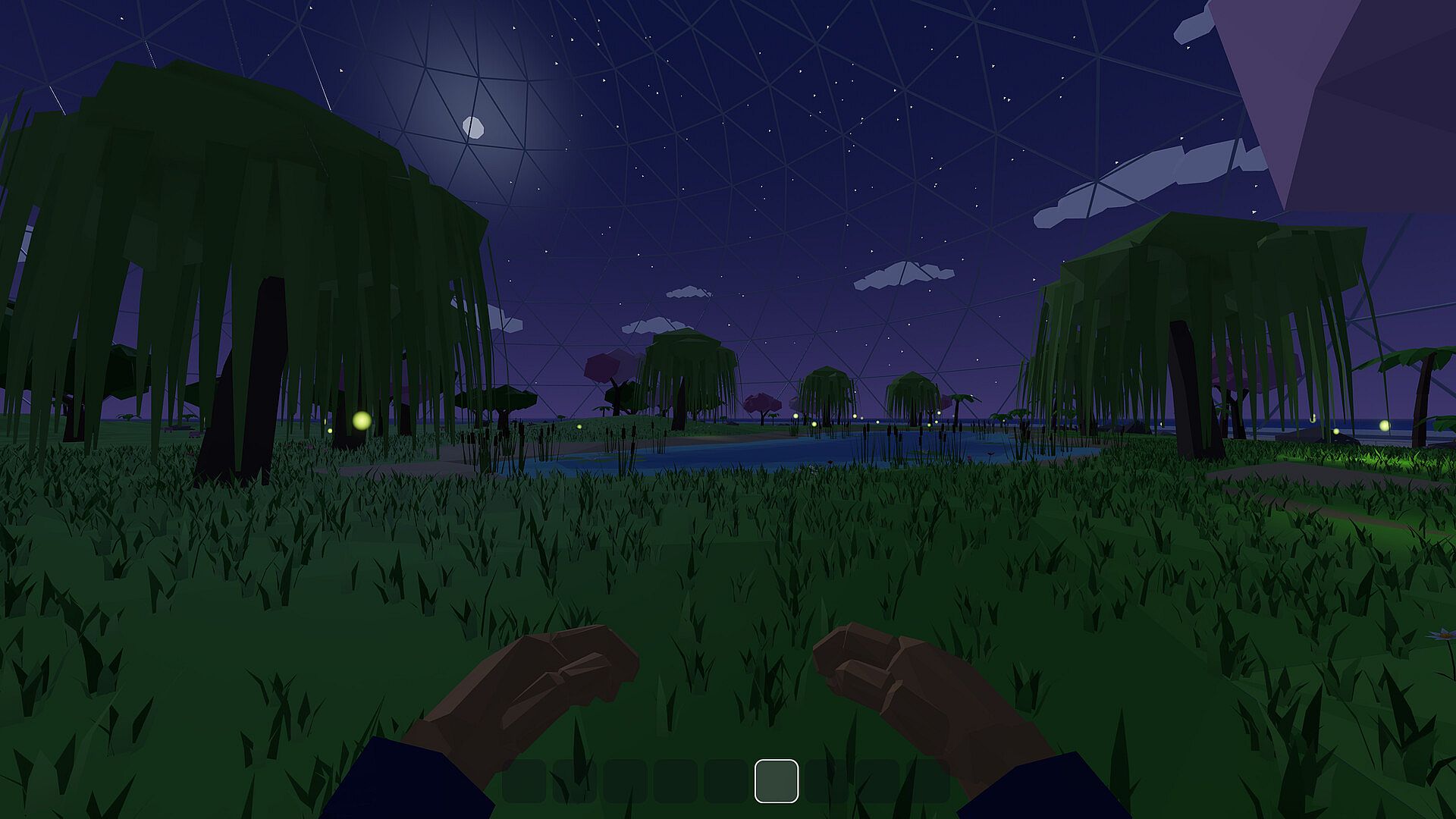
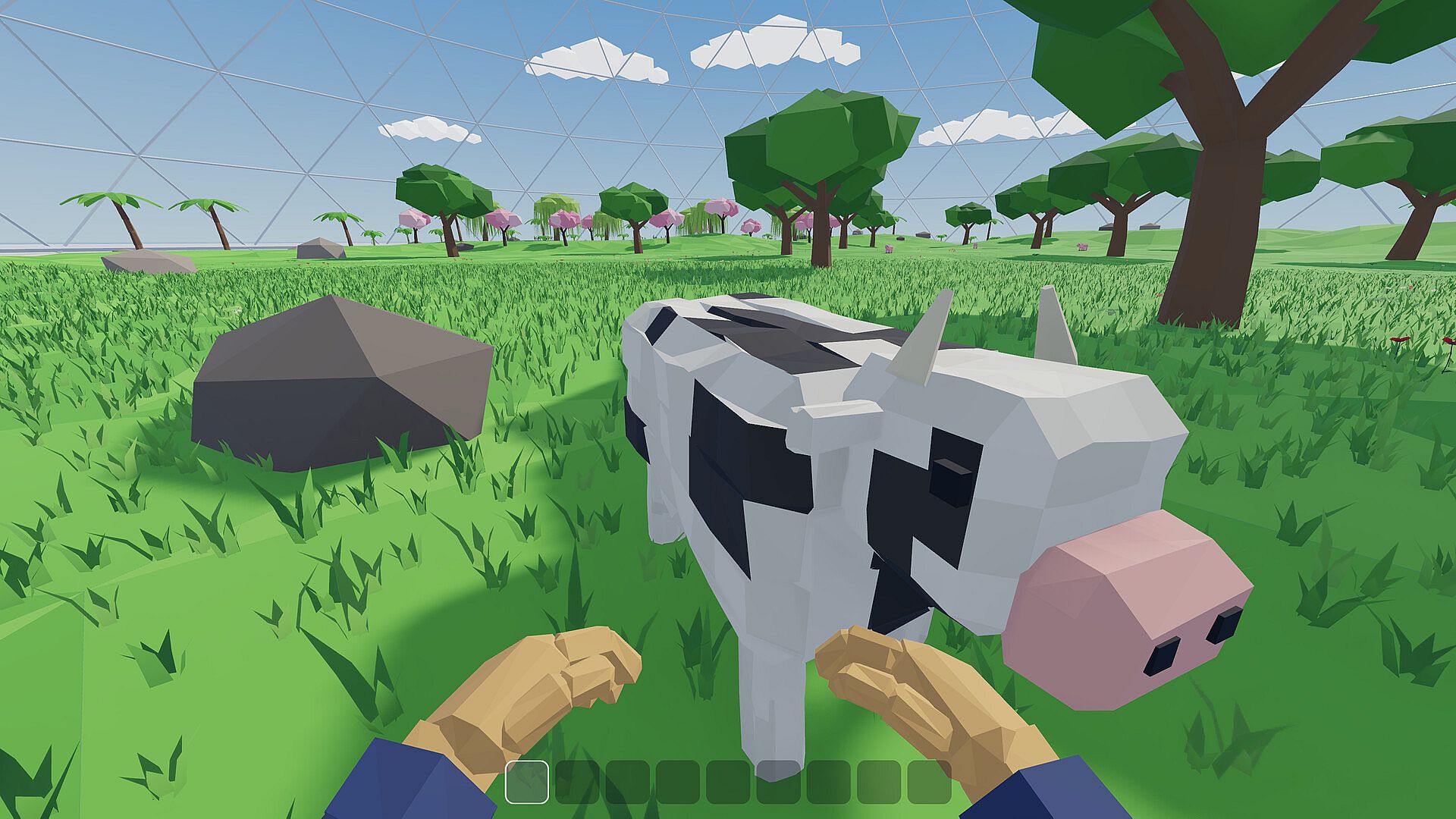
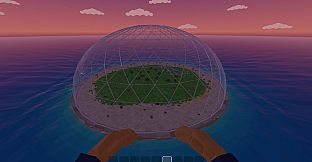
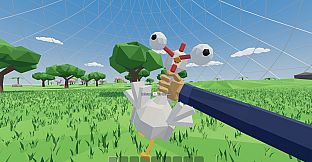
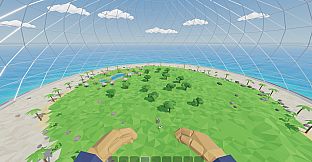
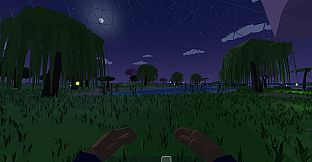
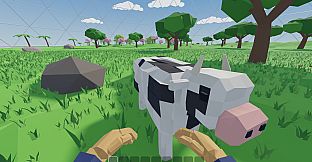
Dome Bonkers stands out as an action, indie, casual, and simulation title built around a single core premise on PC. Players shape a contained world inside a dome through direct input rather than following a fixed script. The setup begins with a basic environment that expands based on collective choices submitted and selected by the community each week.
Gameplay
The central loop revolves around idea submission followed by voting and implementation. Anyone can propose additions to the dome environment, ranging from creature groups and structures to unusual mechanics. Developers then code the top-voted concepts into playable elements. This process repeats on a weekly cycle, with new features revealed each Sunday and a fresh round of voting opened immediately afterward. The result is a simulation that grows through repeated community decisions rather than predetermined levels or story beats.
Mechanics stay flexible because the content itself changes over time. Early sessions focus on basic movement and interaction within the dome. Later updates introduce new objects, behaviors, and interactions that alter how players navigate or experiment inside the space. The casual tone encourages light experimentation while the action and simulation layers support more involved testing of the latest additions.
Game Modes
No traditional singleplayer campaign or competitive multiplayer modes exist in the conventional sense. Instead, the primary experience centers on the ongoing community cycle itself. Players participate by submitting concepts, casting votes on active proposals, and then exploring the updated dome once changes go live. This structure blends casual browsing with active contribution, allowing sessions to range from quick checks on the latest build to extended time spent testing new elements with others.
Exploration within the dome serves as the main activity once updates arrive. Players move through the space, interact with whatever the community has added, and observe how different ideas combine or clash. The simulation aspect comes from seeing how new features affect the overall environment, while action elements emerge when proposals introduce movement, combat, or dynamic behaviors.
Community Involvement
Participation extends beyond playing. The official site linked from the store page serves as the hub for submitting ideas and voting. Weekly announcements detail the winning proposal from the previous round and outline the next voting period. This direct feedback loop keeps the simulation responsive to player input without requiring traditional development roadmaps or patches.
The open nature of submissions means the dome can incorporate almost any feasible concept. Examples from early discussions include large groups of animals, organized factions of characters, production facilities, or oversized creatures acting as central figures. Each addition receives coding attention only after community selection, ensuring the focus stays on ideas that gain broad support.
Is It Worth Playing?
Dome Bonkers suits players who enjoy watching a project evolve through collective input rather than consuming a complete package at launch. The indie scale and casual accessibility make it approachable for short sessions, while the simulation depth rewards repeated visits to see how new features integrate. Those seeking a static experience with fixed objectives may find the weekly changes refreshing or unpredictable depending on their preference for ongoing evolution.
Availability remains tied to the PC platform with all activity routed through the linked community site. The two-developer team emphasizes that feasible ideas receive implementation, which keeps expectations grounded in what the small studio can deliver on a consistent schedule. For audiences interested in community-shaped simulations within the action, indie, casual, and simulation genres, the format offers a distinctive alternative to conventional releases.











