


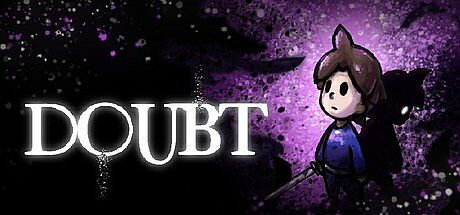


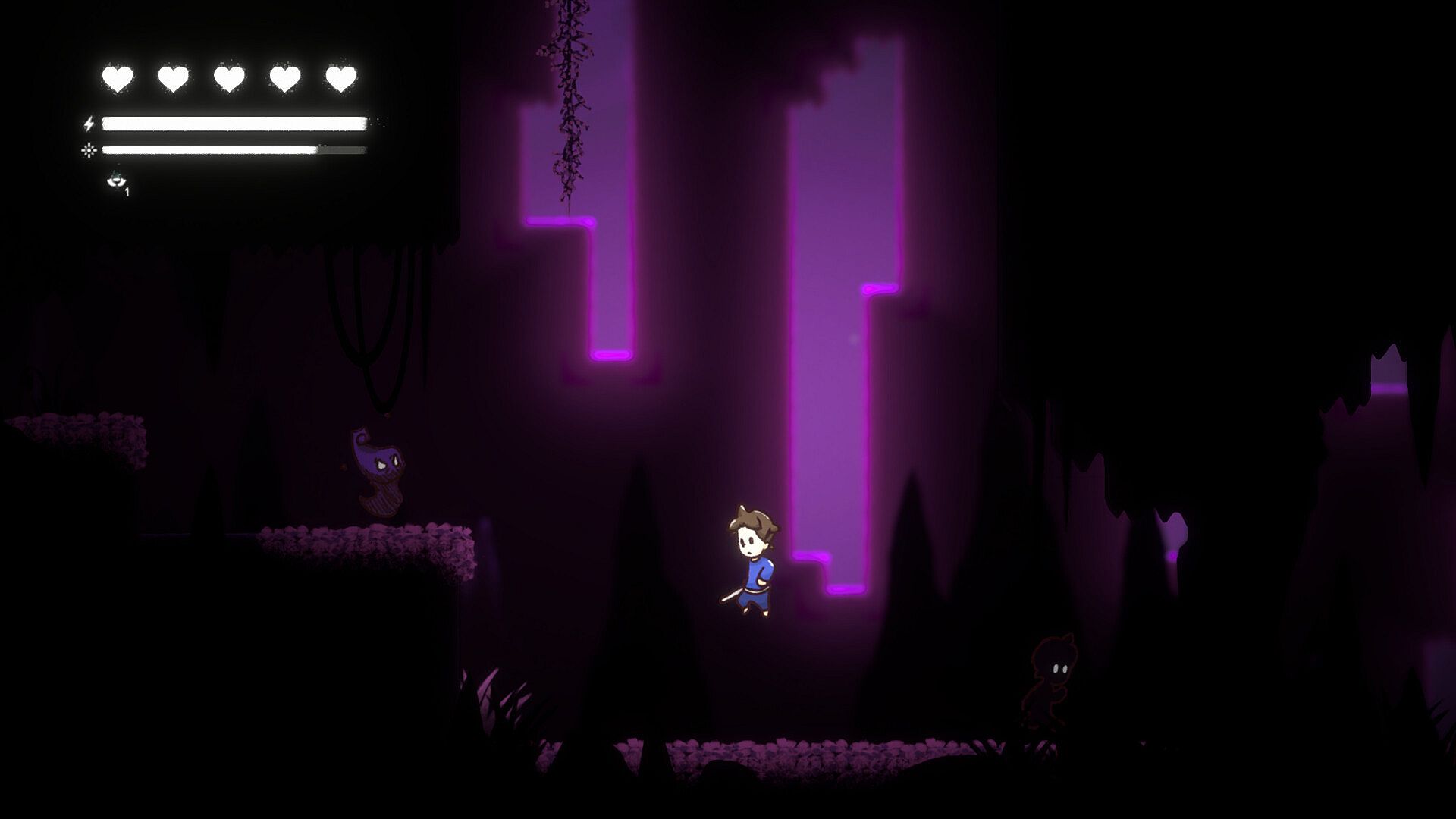
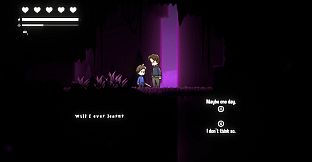
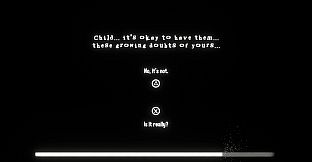
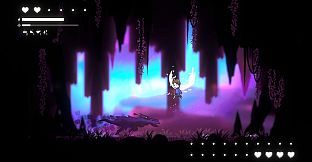
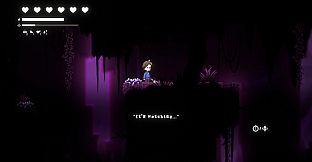
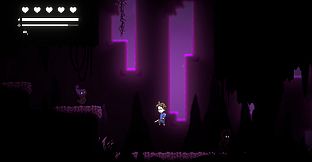
Doubt is a single-player action, indie, and adventure game on PC that blends visual novel storytelling during the day with 2D platforming action during the night. The experience unfolds across seven days and seven nights, where a boy confronts growing uncertainty about the world around him while struggling to hold onto his faith amid encroaching doubts.
Gameplay
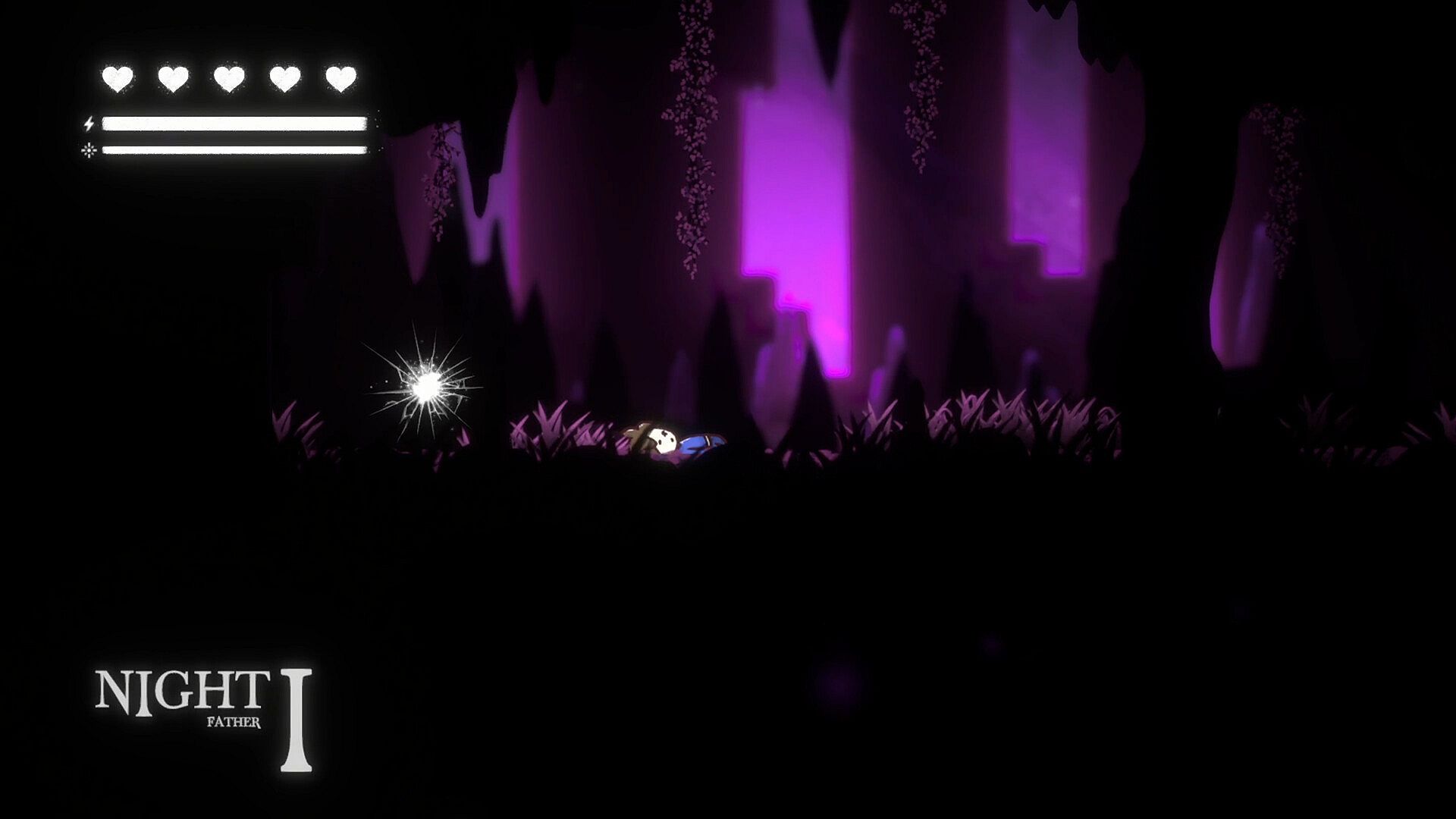
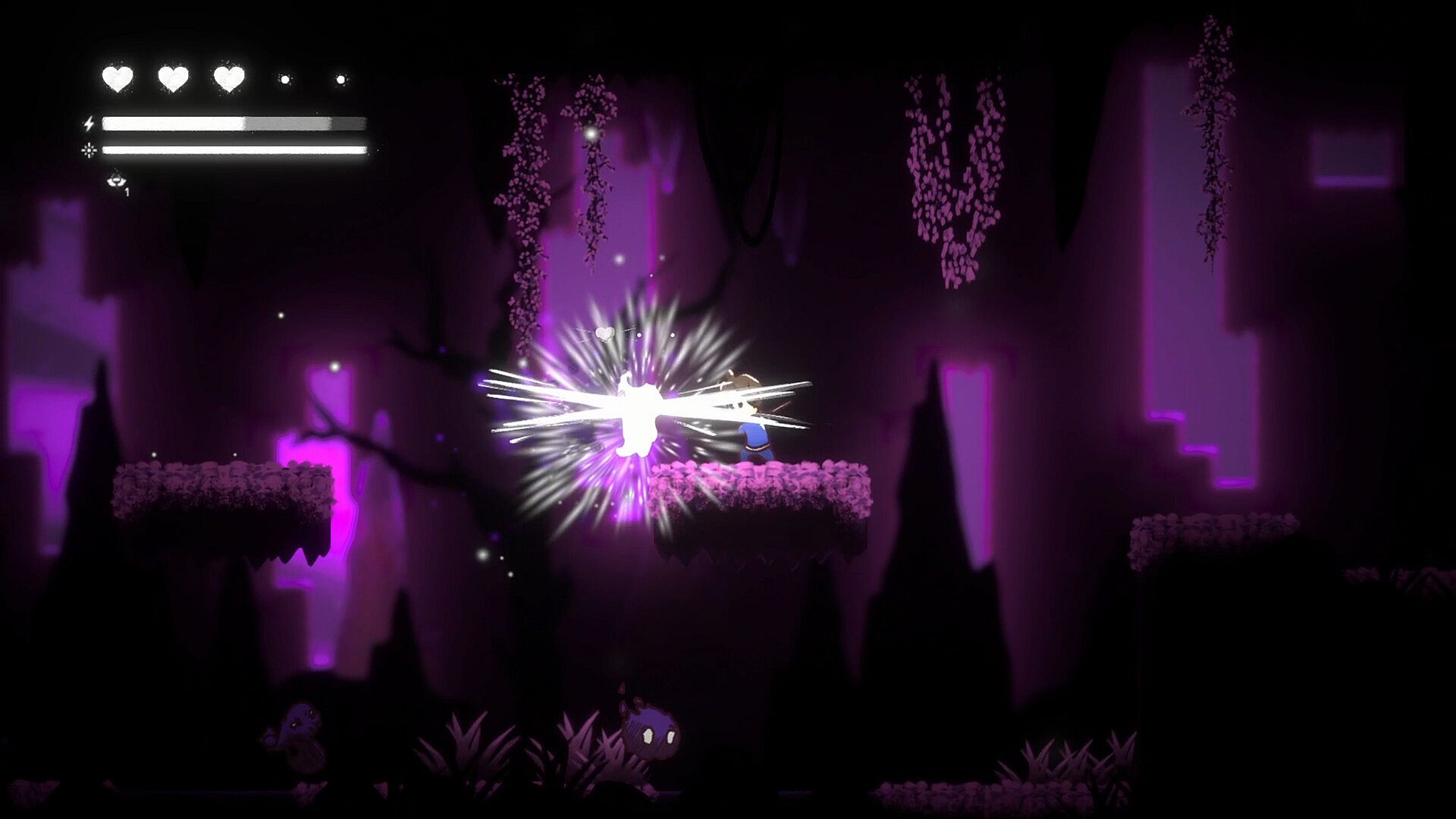
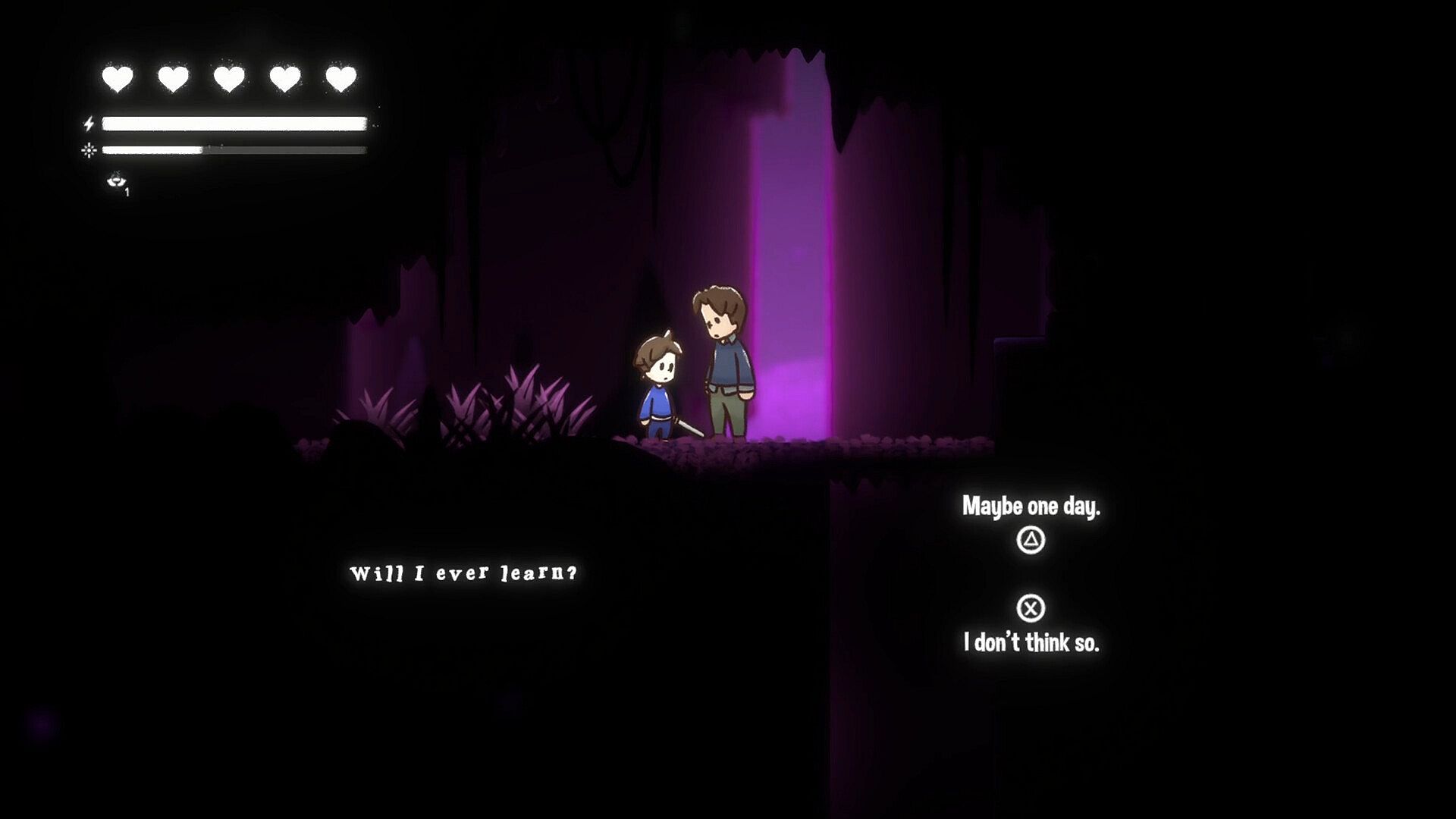
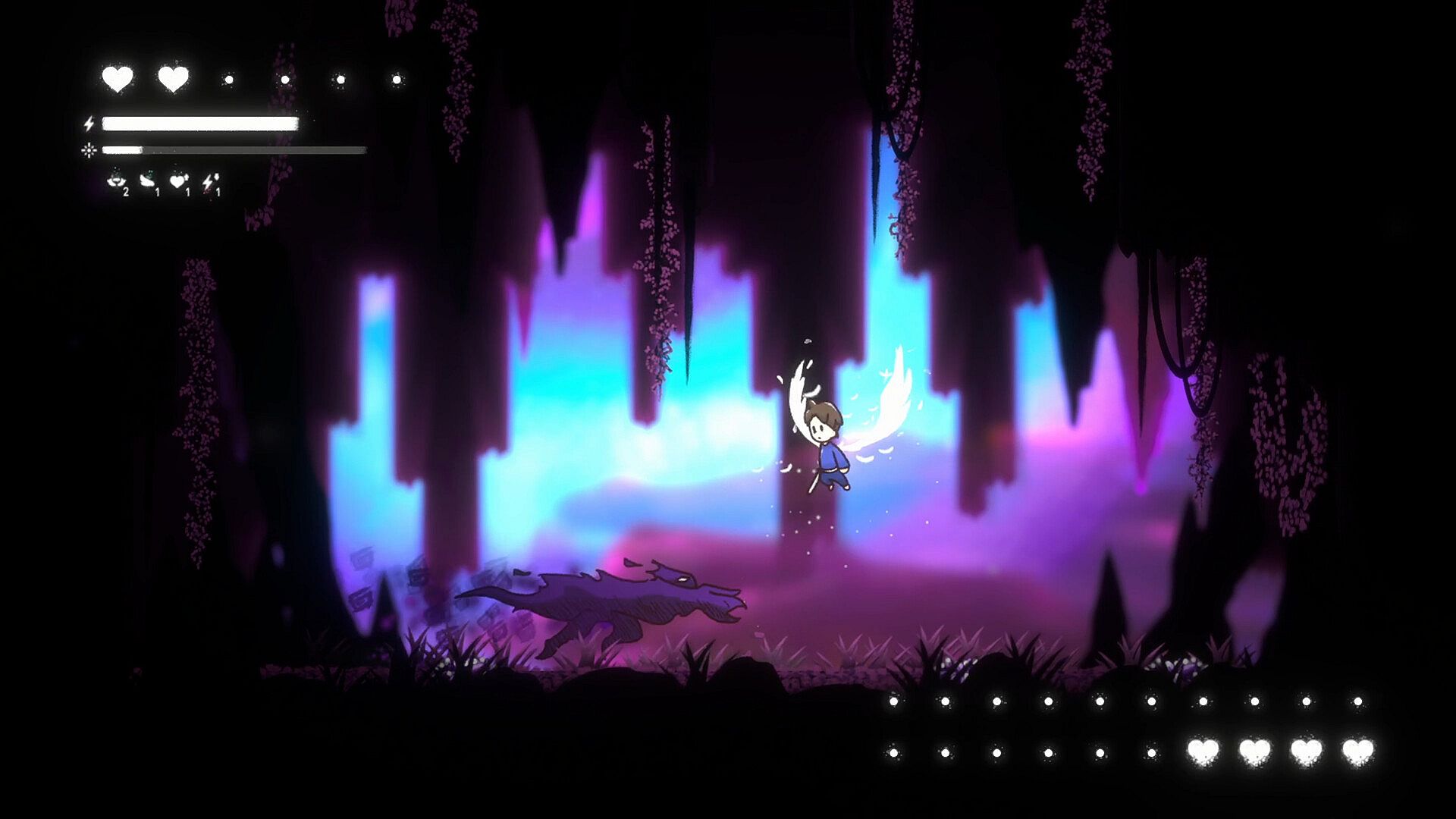
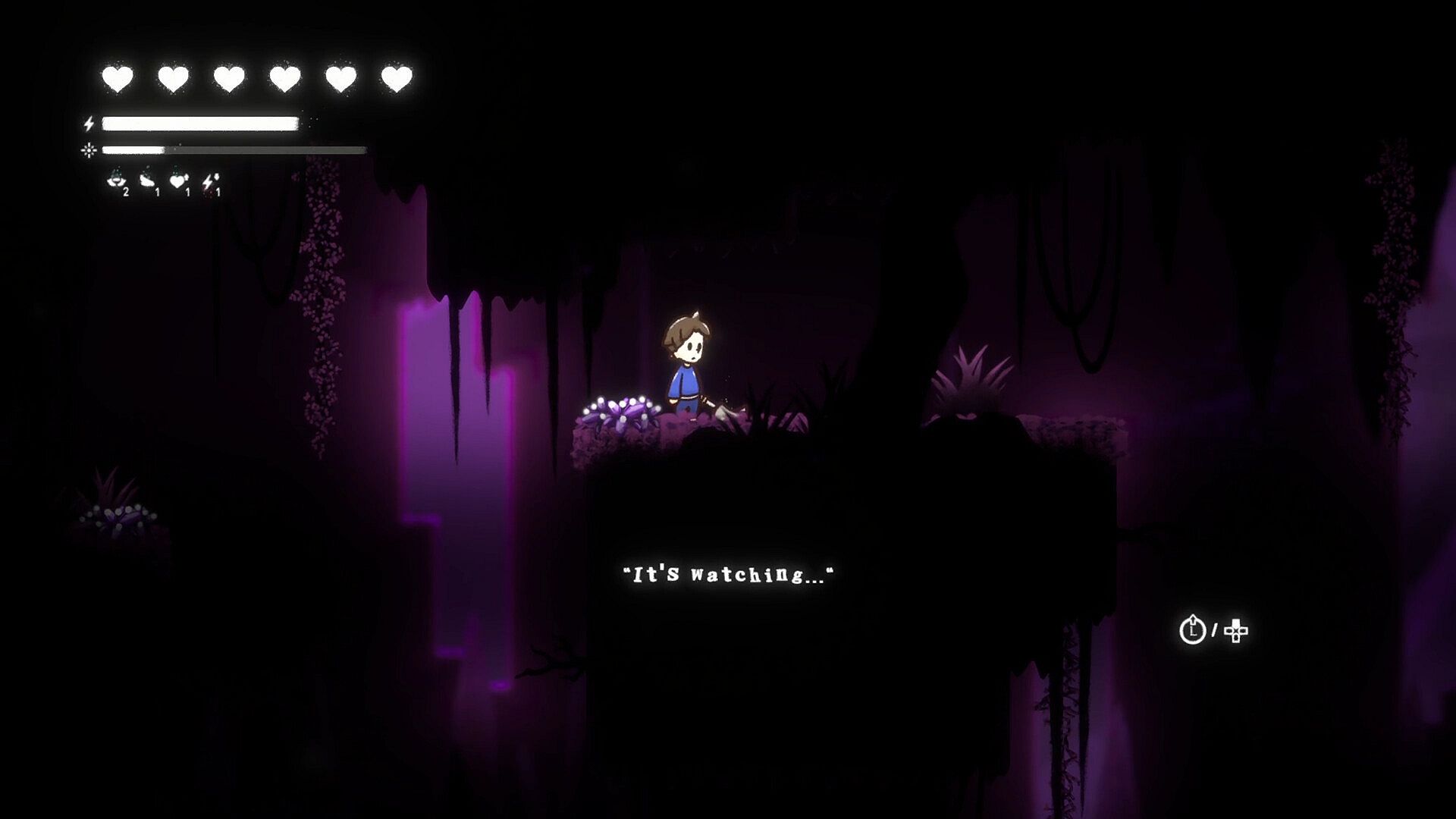
The core loop alternates between daytime visual novel segments and nighttime platforming sequences in dream environments. During the days, players make decisions through dialogue and interactions that shape the narrative and influence the boy's capabilities for the nights ahead. At night, the focus shifts to exploration and combat in labyrinthine dream levels filled with challenges and hidden secrets.
Controls emphasize precision and commitment, requiring players to plan actions carefully since mid-action cancellations are not possible. Resource management plays a central role, as stamina and willpower limit attacks, dodges, and healing attempts, forcing strategic choices during traversal and fights. Boss encounters vary in design, ranging from direct confrontations to more unconventional setups that demand observation and adaptation.
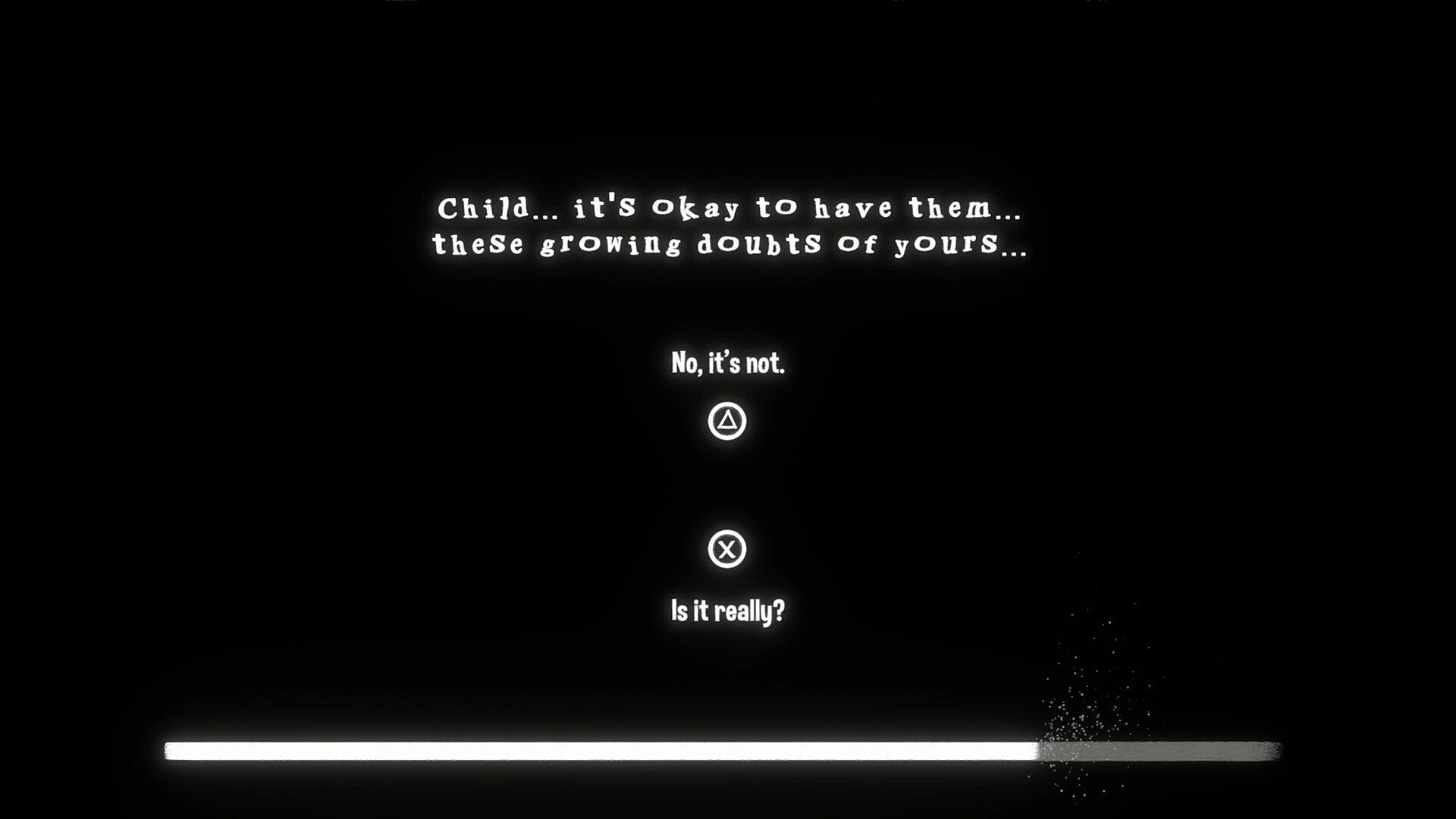
Choices carry lasting effects on the boy's attributes. Positive decisions can grant extra health or piercing projectiles, while negative ones might increase damage taken or reduce jump height. Dying during a dream simply wakes the boy and advances to the next day, allowing players to retreat when risks outweigh rewards rather than pushing through every encounter.
Game Modes
The game operates as a single continuous experience without separate multiplayer or competitive modes. Progression follows the fixed structure of seven daytime visual novel sections and seven nighttime platforming sections, with player choices determining story branches, ability changes, and variations in dream sequences across different playthroughs.
Exploration in each dream level encourages mapping landmarks and discovering shortcuts for efficient travel. Survival elements reward caution, as repeated deaths simply move the story forward without permanent loss beyond the immediate night.
Story and Choices
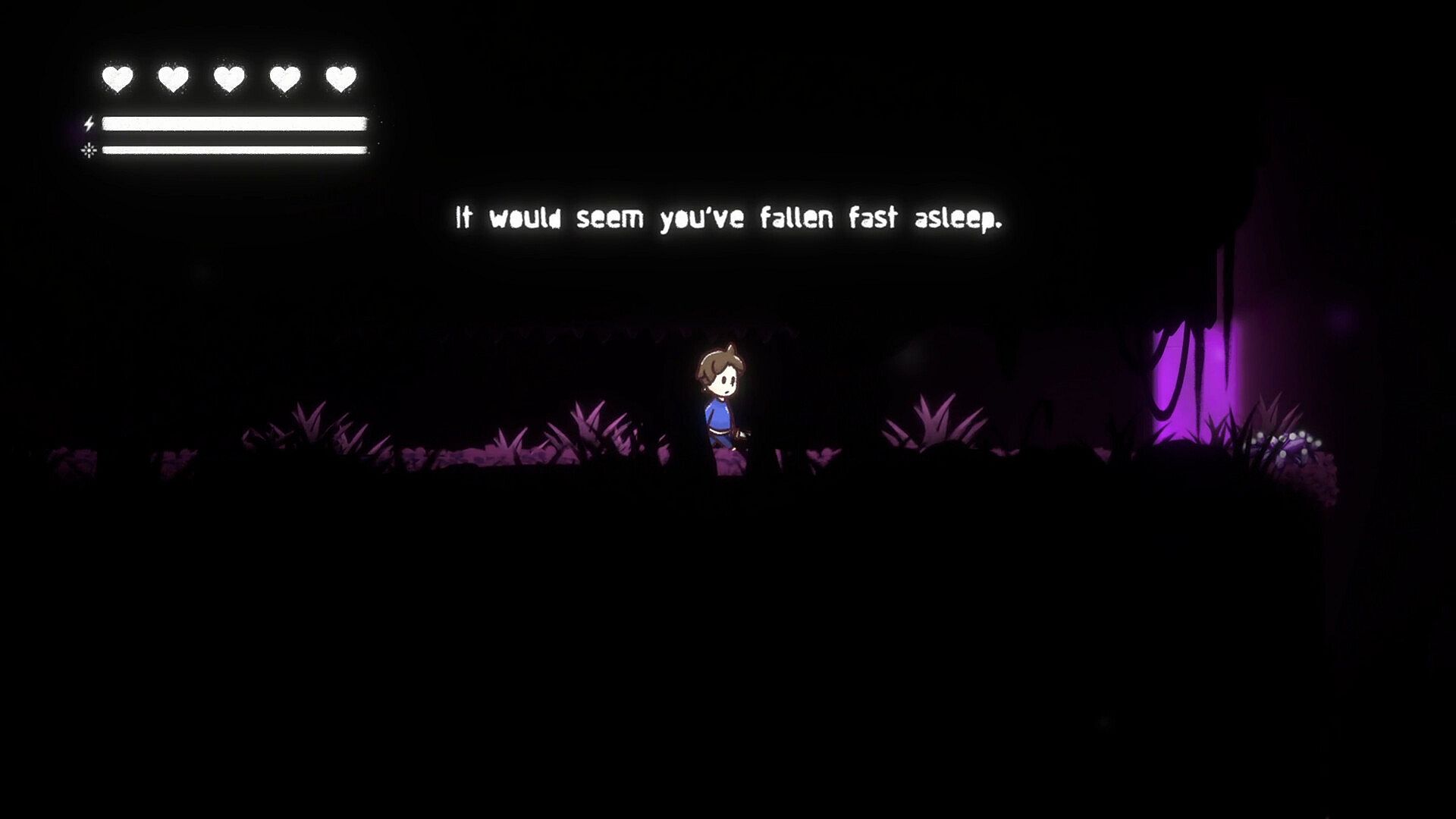
The narrative centers on the boy's fading certainty and his efforts to maintain faith through daily interactions and nighttime struggles. Decisions made in the visual novel portions alter not only the ending but also character reactions and events throughout the full length of the story. Dream sequences can shift in layout or challenges depending on prior choices, encouraging multiple playthroughs to uncover different outcomes.
Landmarks and secrets within the sprawling dream levels add layers of discovery, while the overall structure ties daytime reflections directly to nighttime performance and progression.
Presentation
Hand-drawn sprites and frame-by-frame animation evoke the look of classic children's storybooks, creating a contrast with the darker underlying themes of doubt and uncertainty. The soundtrack draws from classical piano influences such as Chopin and Debussy, layered with adaptive dreamlike soundscapes that respond to gameplay events and emotional beats.
Is It Worth Playing?
Players who enjoy narrative-driven single-player experiences with meaningful choice consequences and a mix of story and action will find the structure engaging. The tight platforming controls, resource systems, and adaptive abilities create a loop where daytime decisions directly impact nighttime success, while the visual novel segments provide context and branching paths. Multiple endings and variable dream sequences support replayability for those interested in exploring different outcomes. The distinctive art style and piano-inspired score further distinguish the presentation for fans of indie titles that blend genres in unconventional ways. Availability on PC makes it accessible for those seeking this specific combination of visual novel pacing and platforming challenge.











