


Dream Cage is a single-player psychological horror adventure game set on the PlayStation 5. Players take on the role of Robert, a 50-year-old man dealing with insomnia, memory problems, and medication dependence as he confronts recurring episodes of sleep paralysis across five nights.
Gameplay
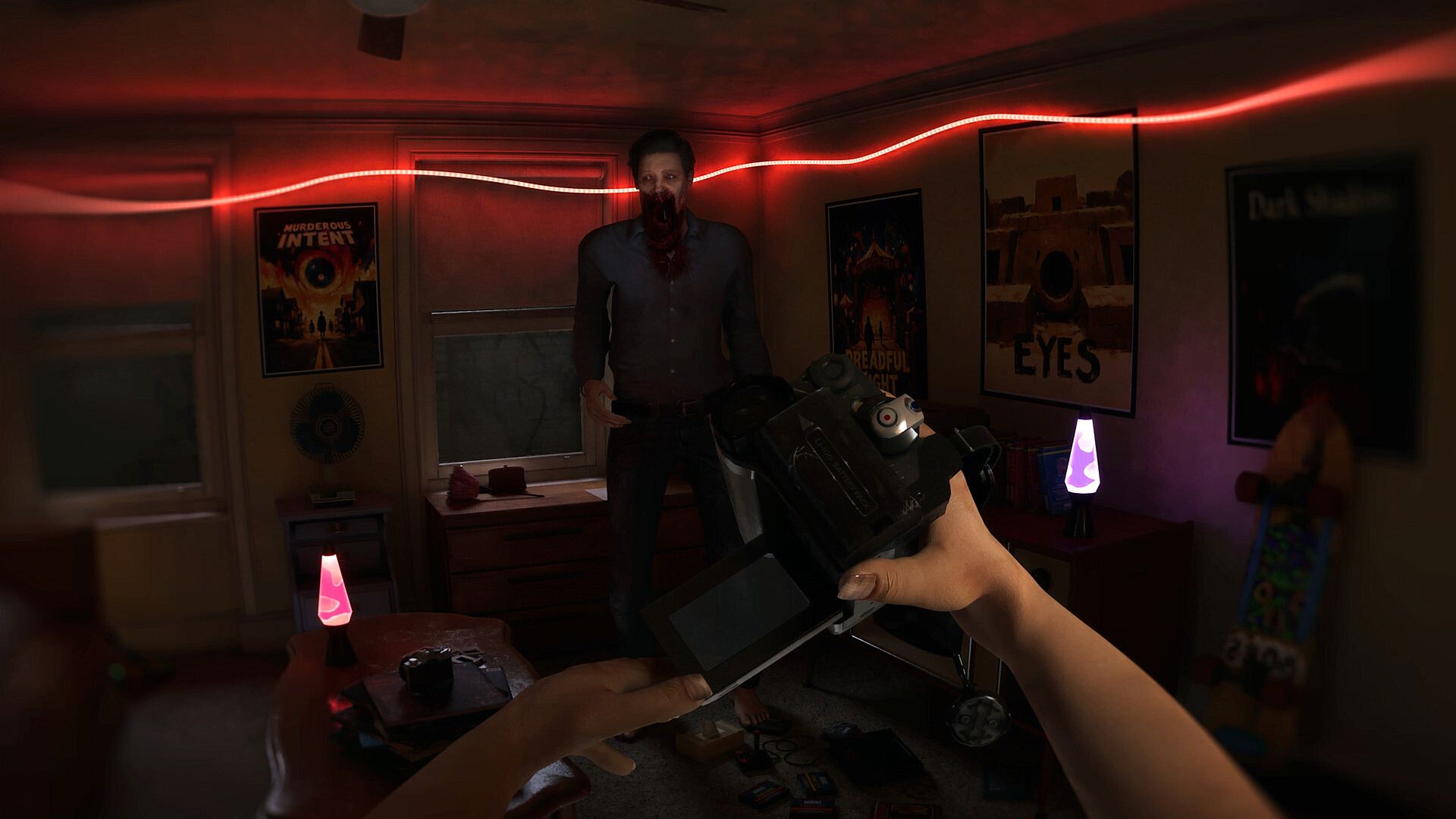
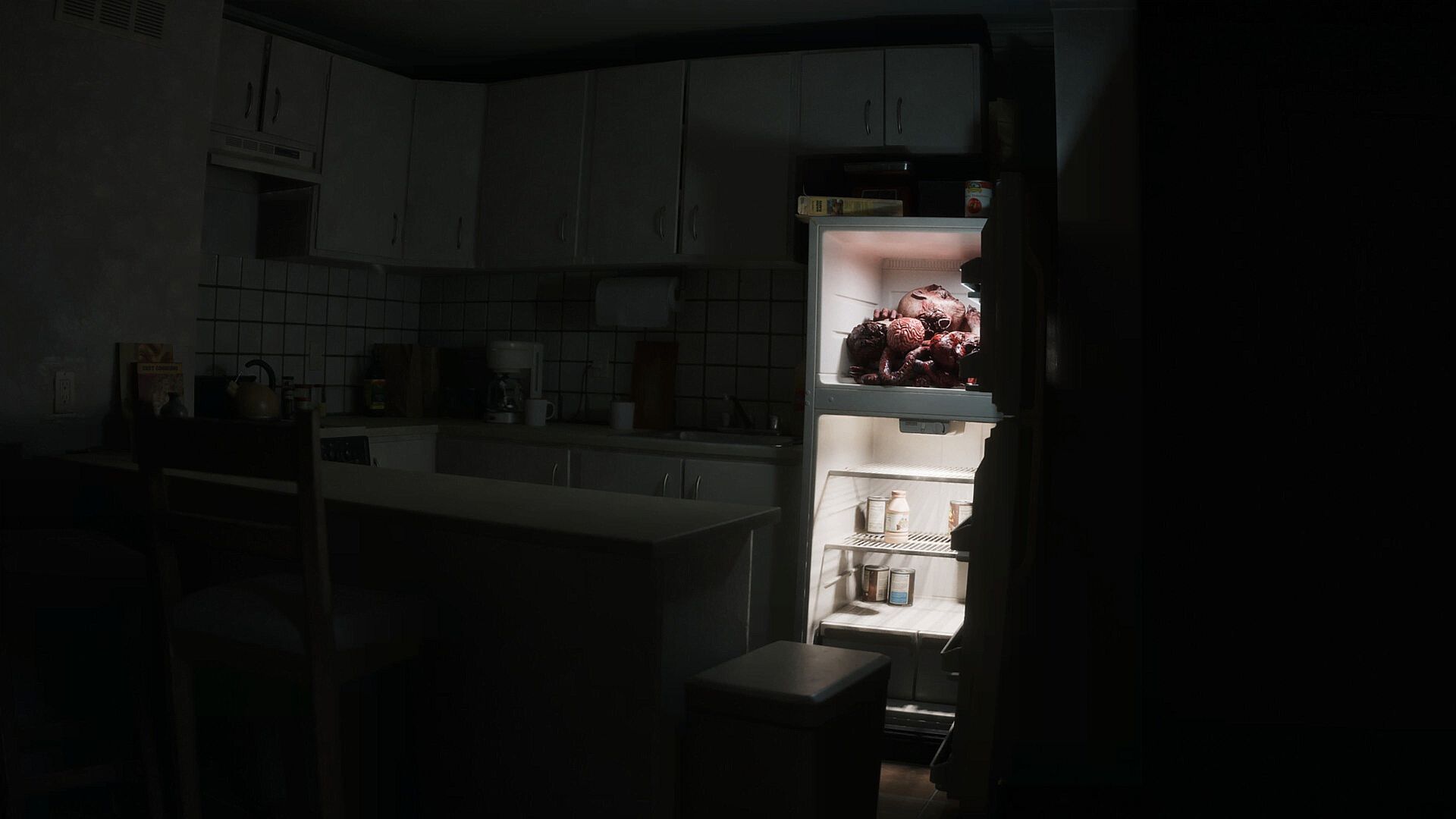
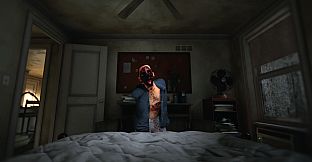
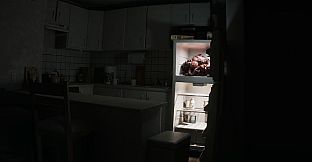
The core loop centers on surviving each night while searching a confined bedroom environment for anomalies. These visual and auditory distortions appear in specific locations and must be identified using a camera that drains battery power quickly. Players scan the room methodically, noting changes that signal deeper issues in Robert's condition.
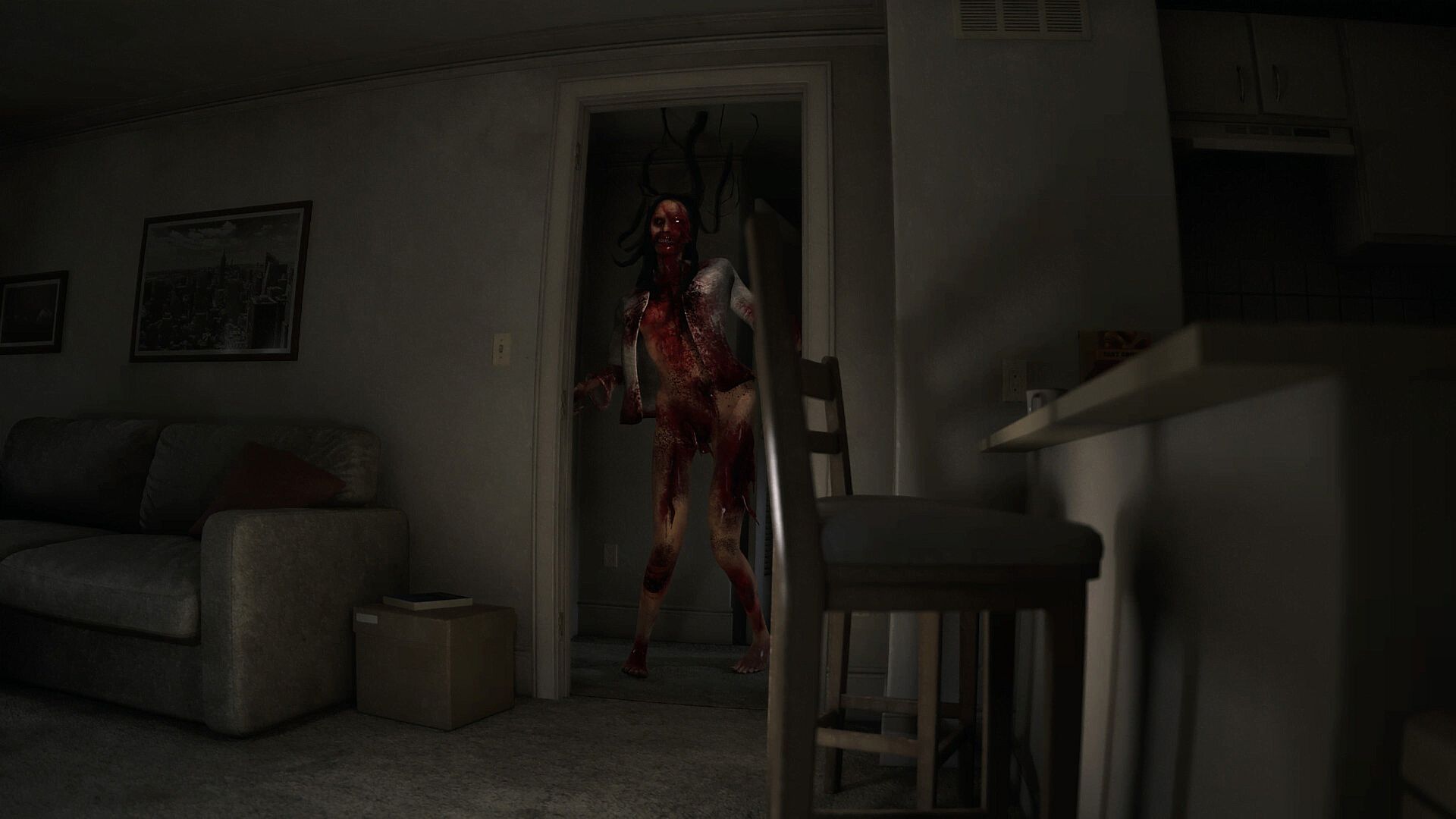
Memory lapses interrupt progress and require locating scattered pills to restore focus and prevent failure. Random hauntings interrupt searches with sudden appearances that raise tension levels. The microphone on the PS5 controller or headset listens for any vocalization or noise, forcing complete silence to avoid drawing attention from entities. Movement stays limited due to paralysis, emphasizing careful observation and timing over action.
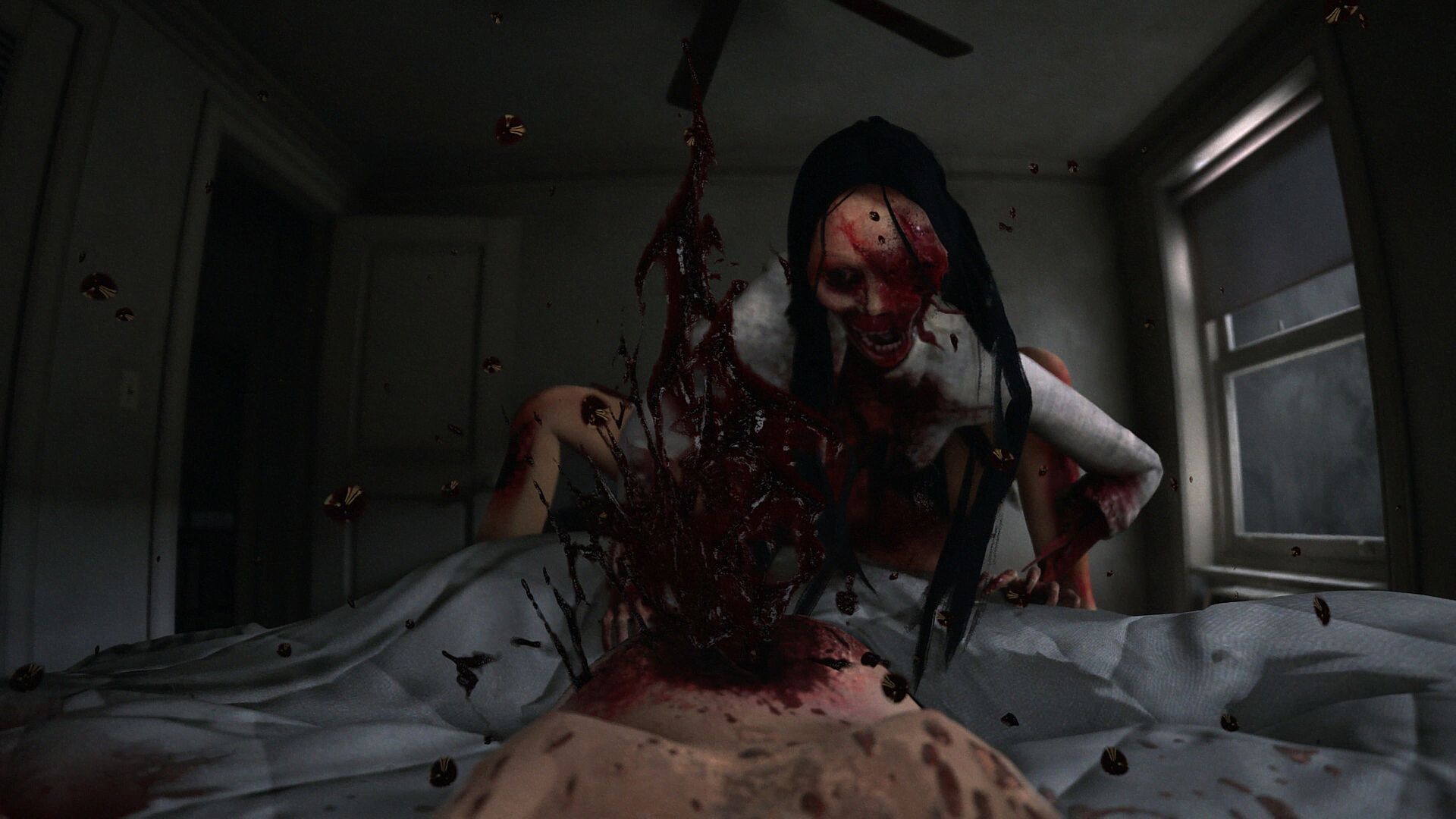
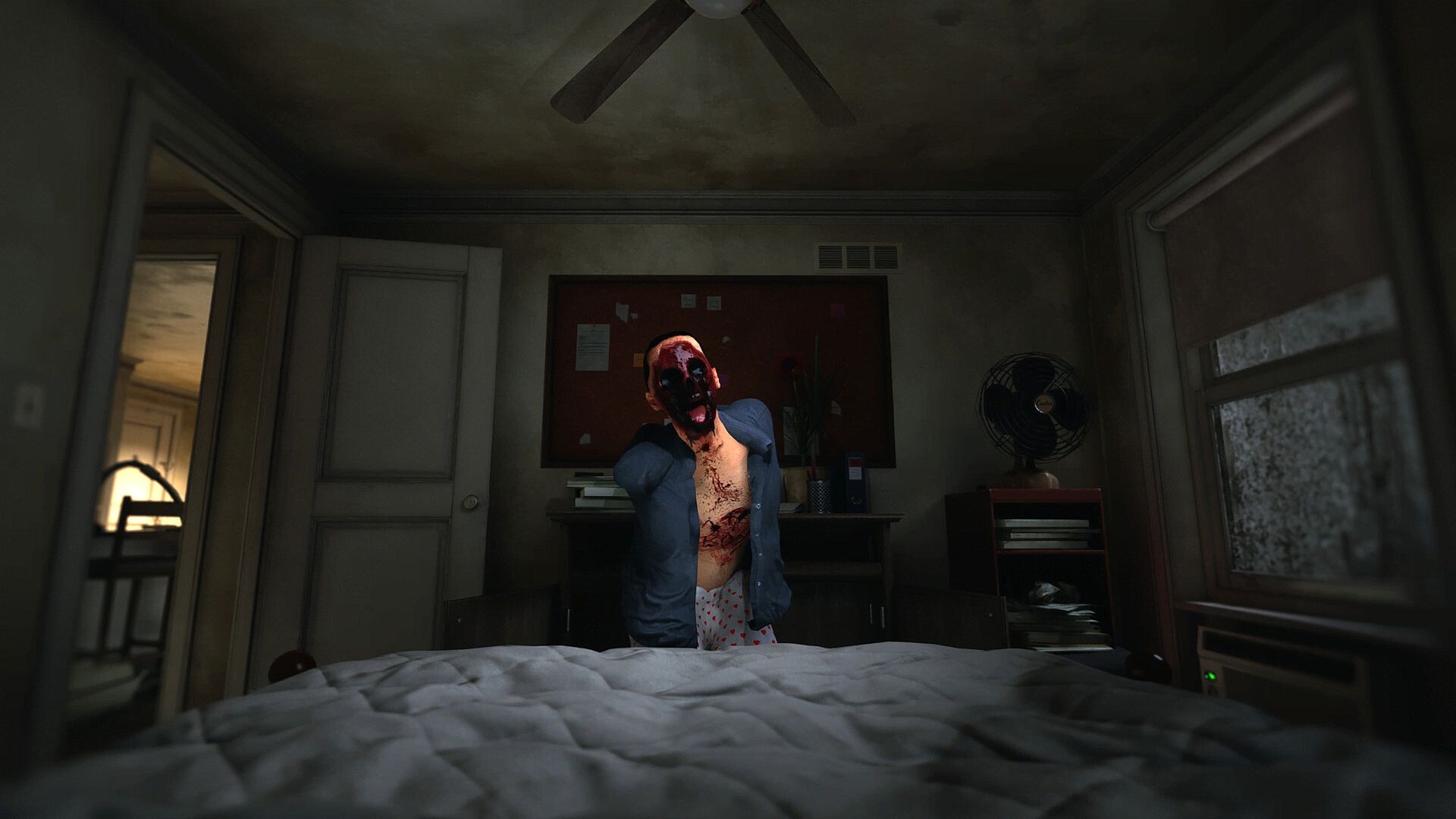
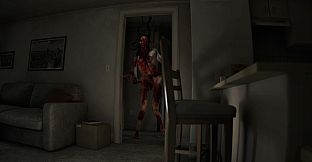
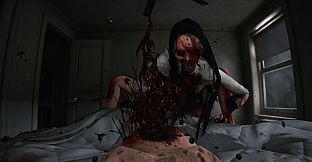
Five distinct entities appear across the nights, each with tailored animations and behaviors that react to player sounds or incomplete anomaly collection. Finding all anomalies unlocks additional story layers, while partial progress leads to different conclusions.
Game Modes
Dream Cage structures its experience around a single narrative campaign divided into five sequential nights. Each night functions as a self-contained challenge that builds on the previous one, requiring survival until dawn while documenting anomalies and managing Robert's deteriorating mental state.
Progression relies on completing anomaly hunts without triggering fatal reactions from the entities. The structure encourages replay attempts to locate every anomaly and reach the full story resolution, though no separate difficulty settings or alternate modes alter the core rules.
Story and Themes
Robert's condition blurs the line between medical symptoms and possible external forces. Journal entries and environmental clues gradually reveal fragments of his past, tying personal history to the anomalies encountered. The narrative draws from documented sleep paralysis accounts to shape the entities and sensory details, creating a grounded yet unsettling atmosphere.
Two possible endings exist. One provides closure on the root causes, while the other leaves key questions unresolved. Memory mechanics and pill collection directly influence how much information surfaces during each night.
Technical and Accessibility Features
The game runs in first-person perspective with emphasis on audio cues and visual subtlety rather than high-fidelity graphics. Controller support includes full functionality for the microphone feature on PS5. Sessions typically last two to four hours for a complete playthrough, making it suitable for focused single sittings.
Randomized item and anomaly placements add variability on repeat attempts without changing the fundamental ruleset.
Is It Worth Playing?
Dream Cage targets players interested in short, atmospheric horror experiences centered on psychological tension and real-world inspired fears. The microphone integration creates genuine restraint during play sessions, heightening immersion for those comfortable with the concept. Steam user feedback shows mixed results, with praise for the unique premise offset by notes on repetitive scanning and limited scope.
The PS5 version arrives shortly after its PC release, bringing the same five-night structure and anomaly collection to console players. Those seeking a brief, focused horror title with a distinct audio mechanic may find value in its approach, while players preferring longer campaigns or varied gameplay loops might look elsewhere.