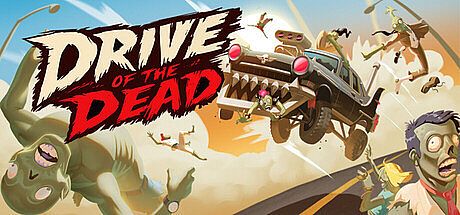


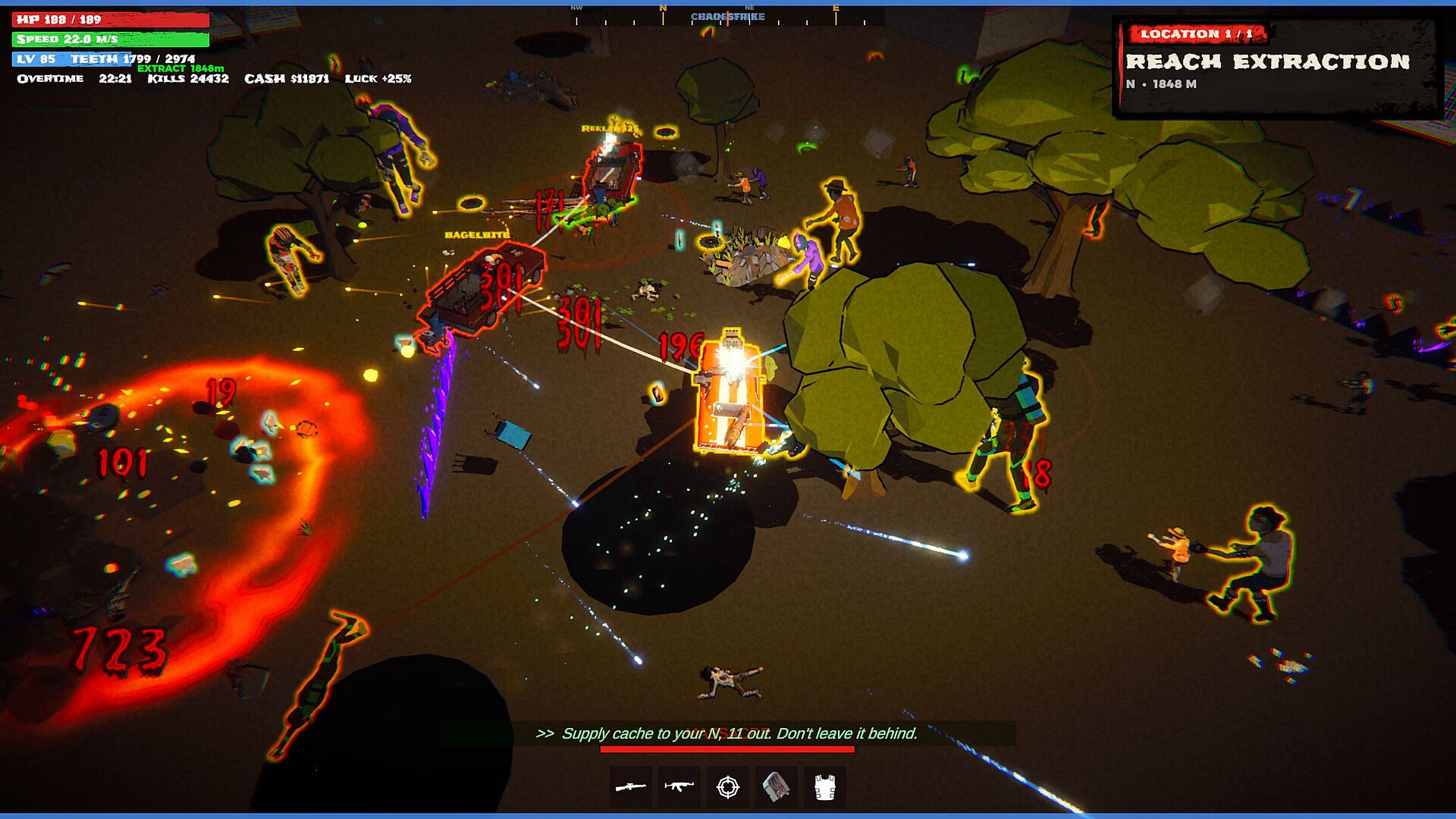
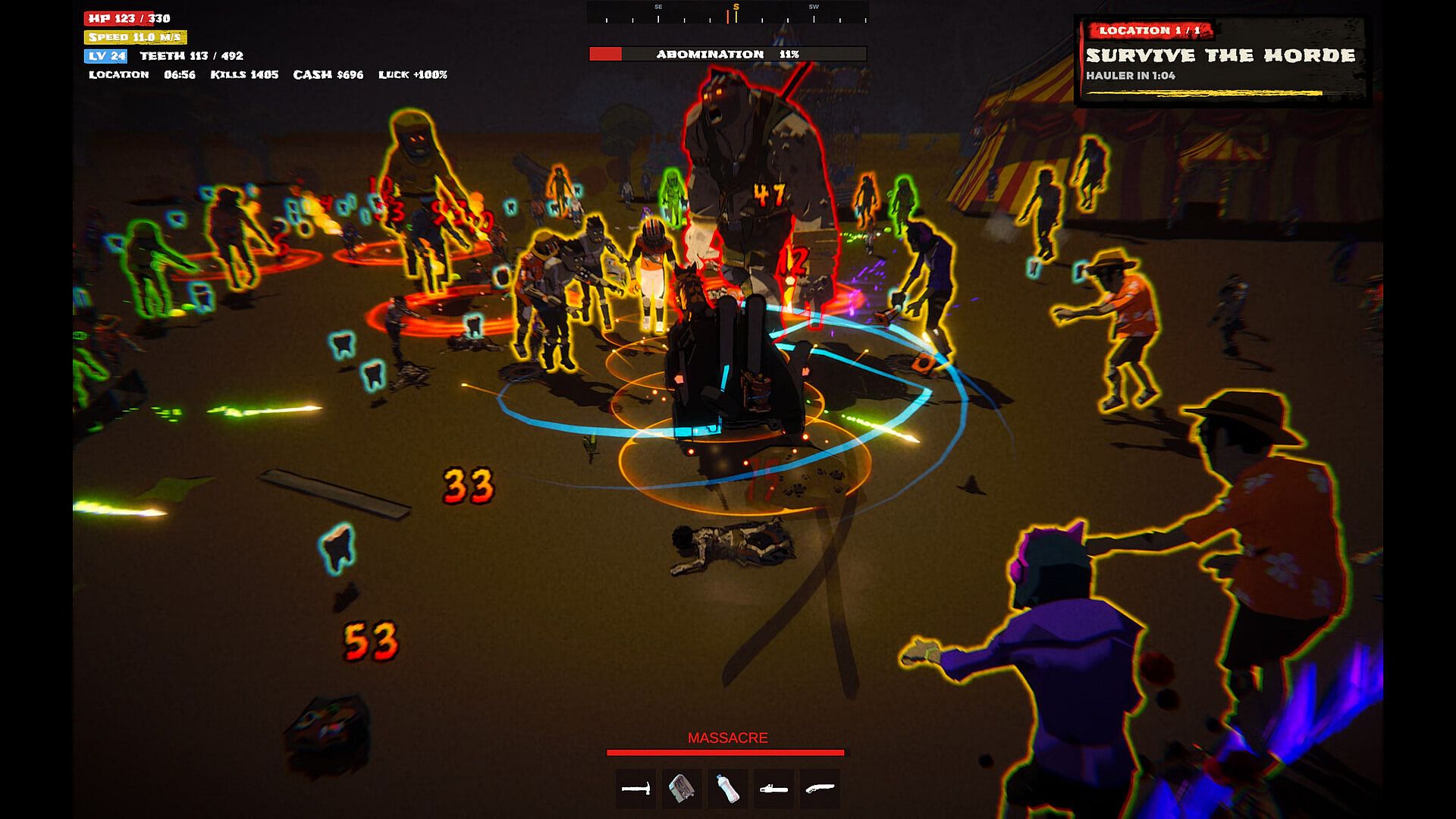
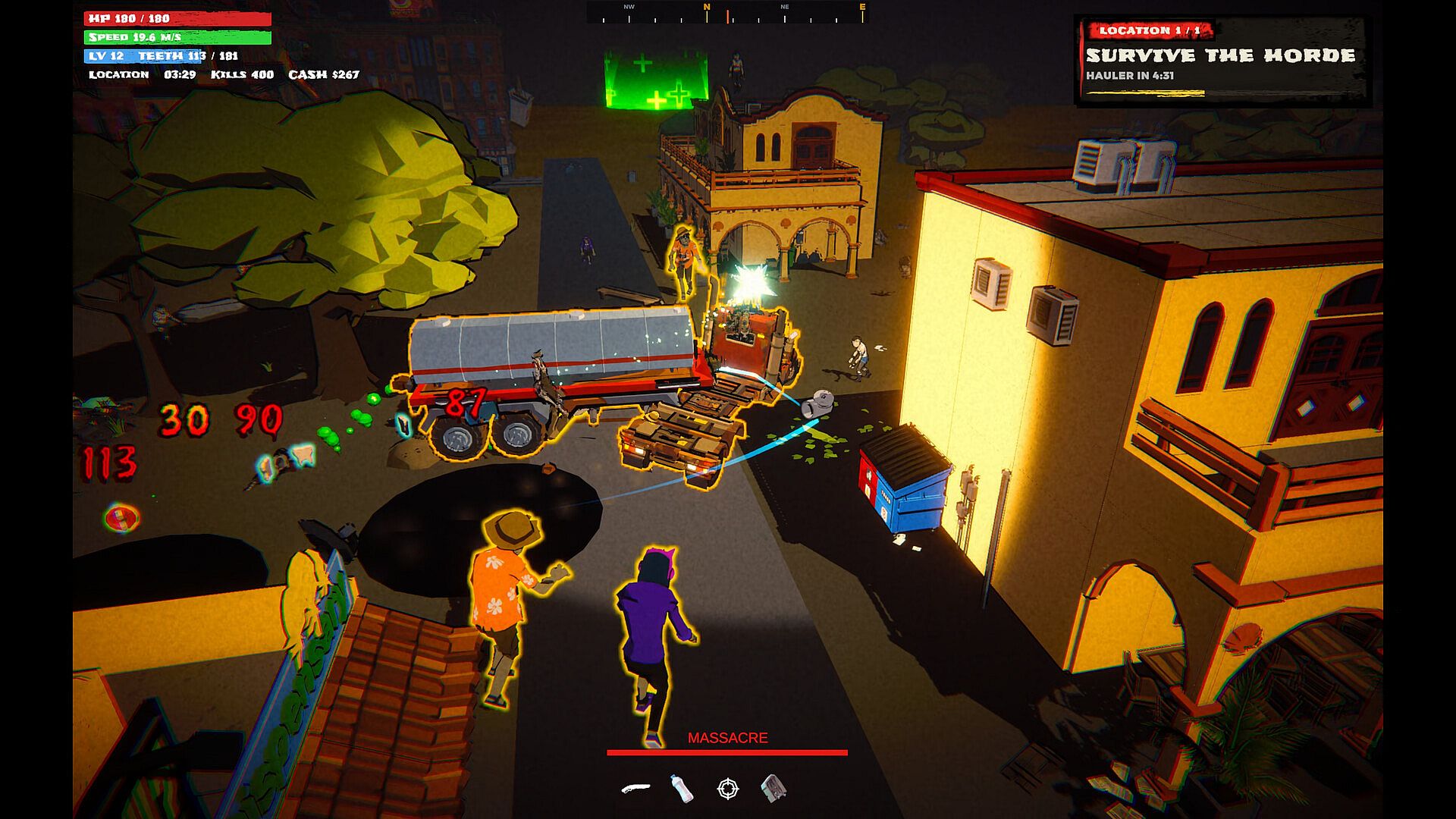
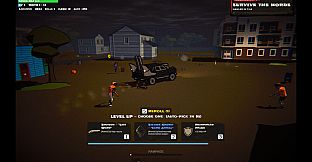
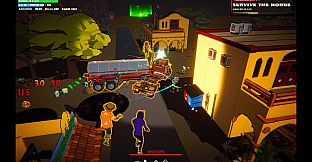
Drive of the Dead is an action indie casual co-op roguelite auto-shooter on PC in which players steer weaponized cars through zombie hordes. The core loop centers on driving while auto-firing guns handle the shooting, with runs lasting between five and twenty minutes. Players ram enemies, drift through crowds, and manage a convoy of vehicles that grows stronger through upgrades collected during each attempt.
Gameplay
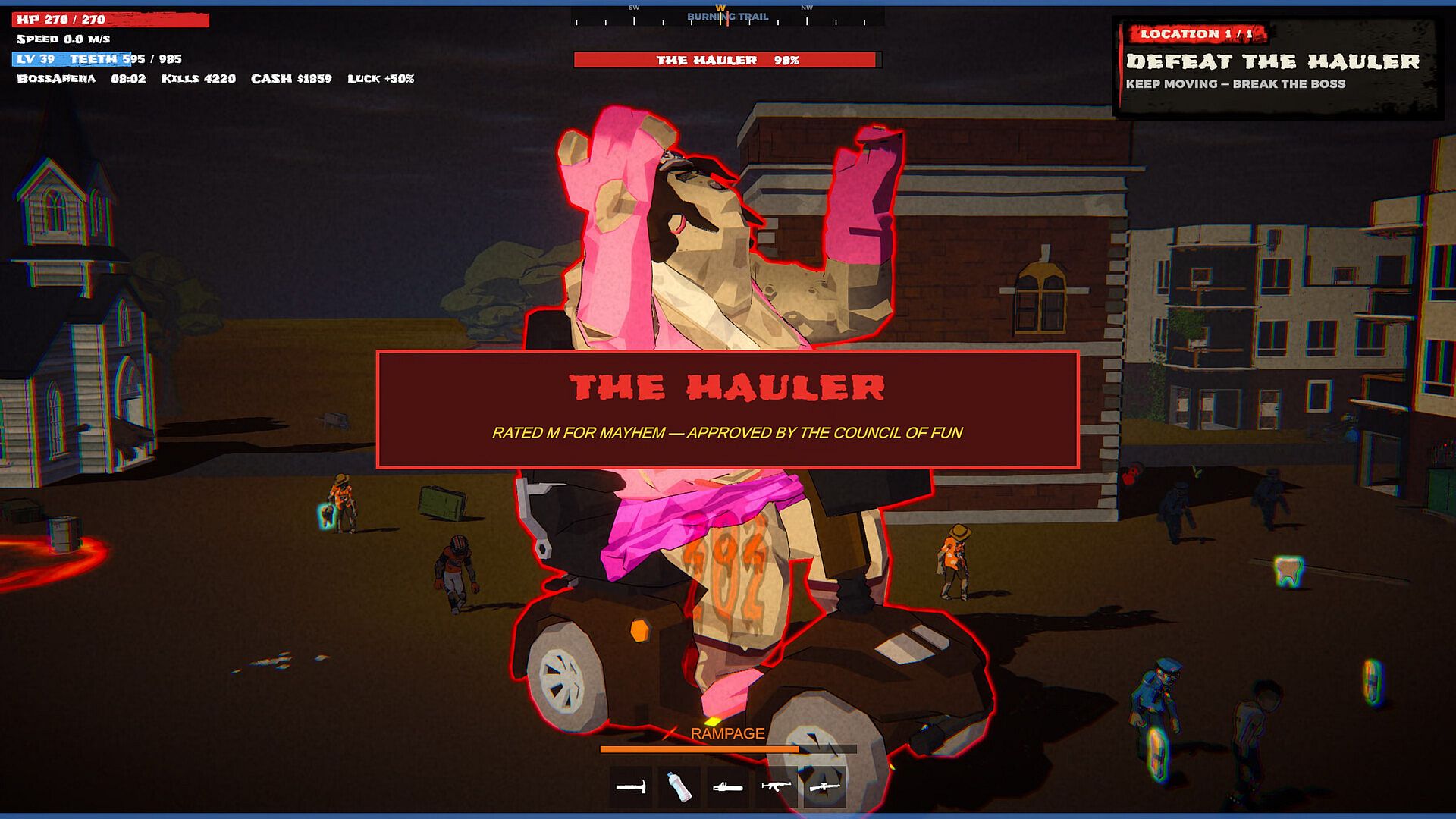
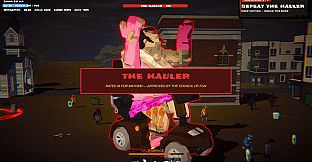
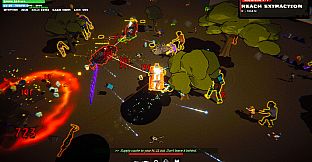
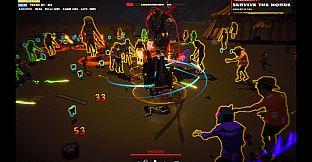
The gameplay focuses on vehicle control and build crafting in a top-down or third-person driving perspective through procedurally generated biomes. Weapons activate automatically once equipped, freeing the player to focus on steering, avoiding obstacles, and positioning for maximum horde clearance. Each run features escalating threats that adapt based on progress, including acid-spitting Spitters, exploding Bombers, and hulking Brutes. Stage bosses such as the Hauler and the rampaging Abomination appear at key points, alongside the signature Convoy Ambush event that tests group coordination.
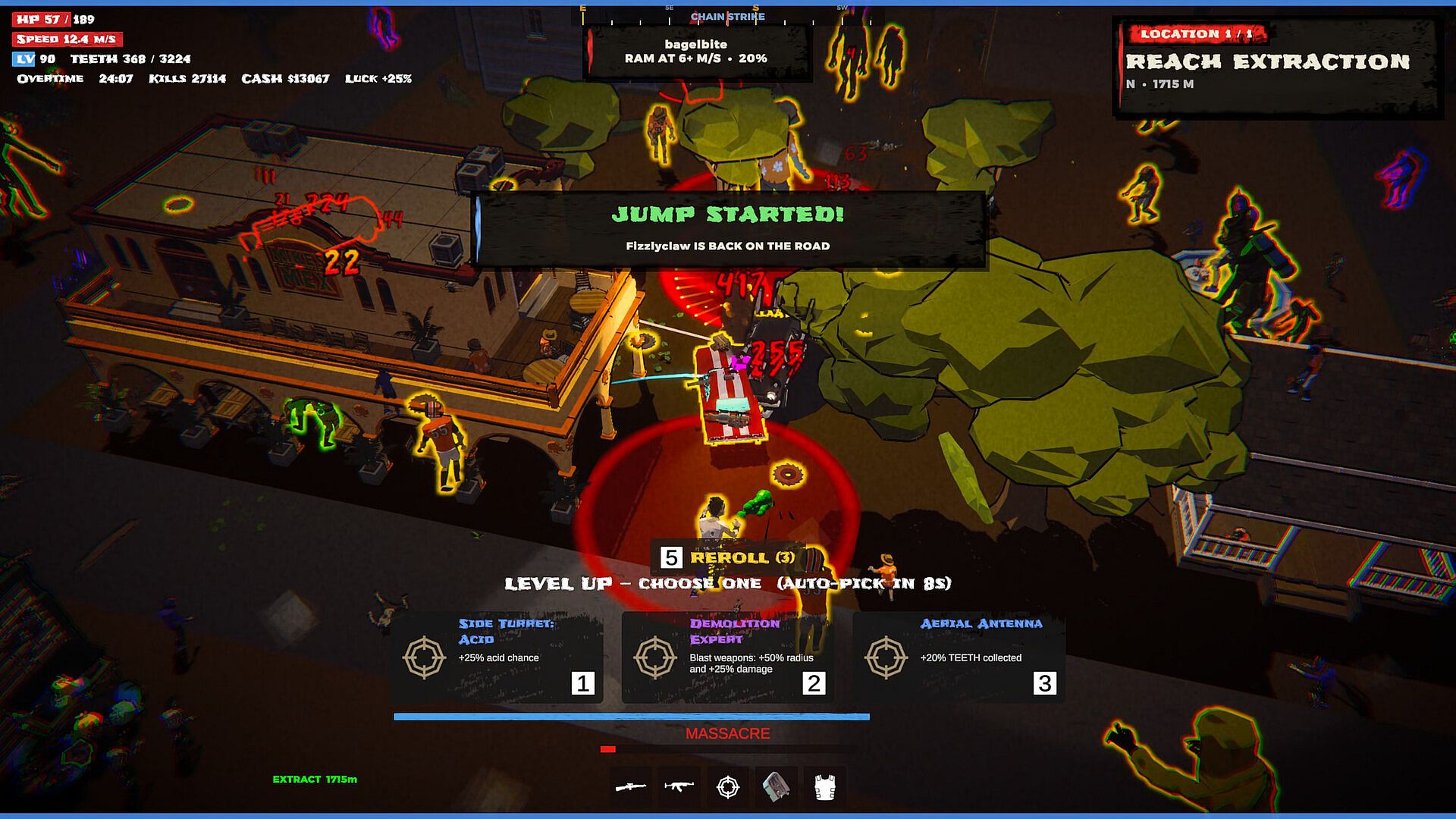
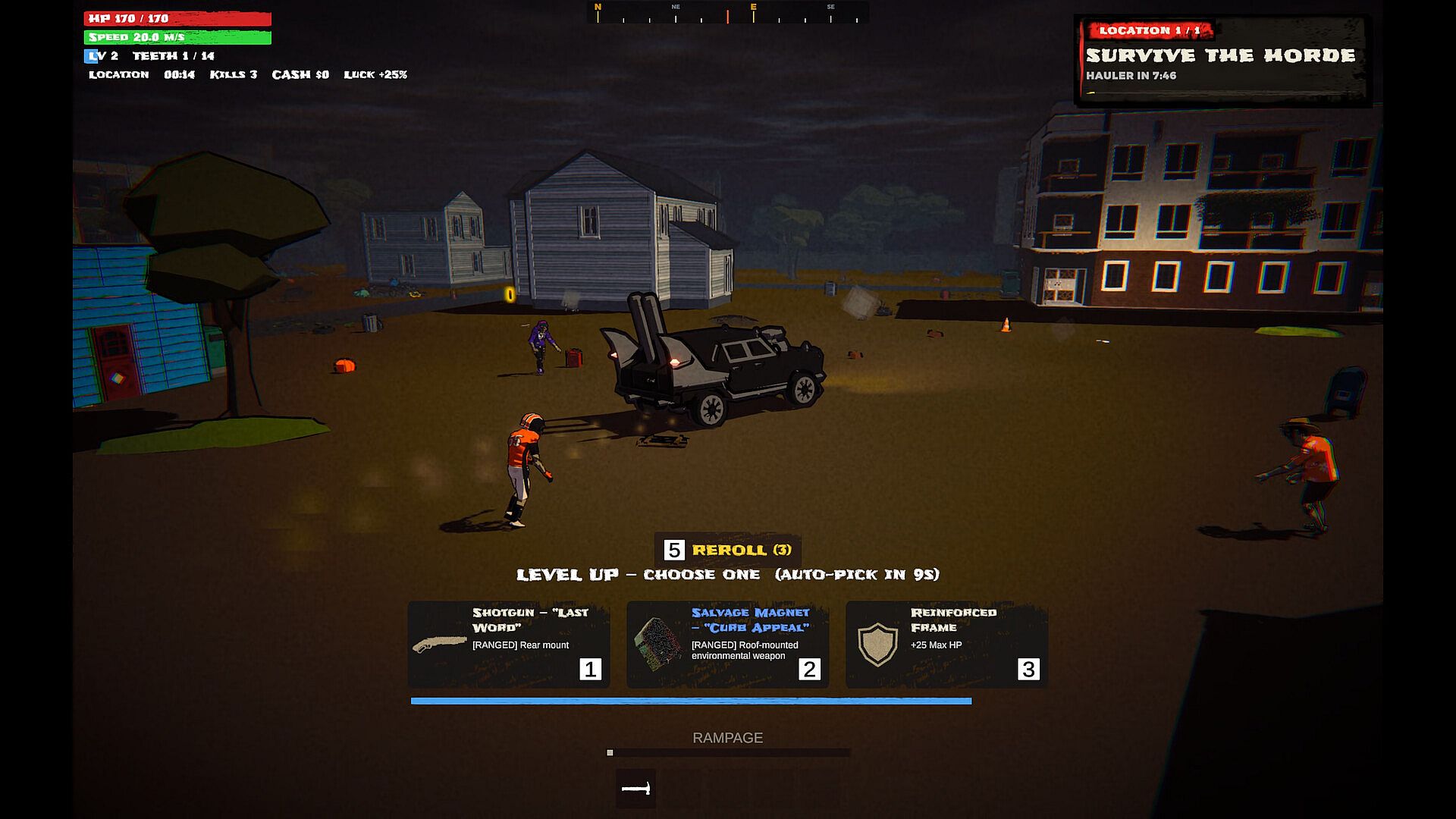
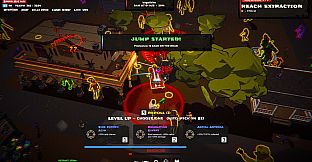
Upgrade cards appear at set intervals, allowing choices that stack weapons like front-mounted machine guns, side turrets, rear shotguns, mortars, spinning sawblades, or snow plows designed to bowl over bodies. These choices create varied builds across runs. Stranded survivors provide permanent boons that carry over between attempts, while meta-progression systems let players earn cash to unlock additional cars and weapons. Run modifiers introduce curses and blessings that alter each session, and shareable Build Codes consisting of five characters enable friends to replicate successful loadouts.
Game Modes
The primary experience revolves around short, repeatable runs that can be tackled solo or in online co-op with up to three friends for a total of four players. Co-op emphasizes slipstream convoys that share damage and regeneration, cross-car weapon combos, and the ability to revive downed teammates before the horde overwhelms them. No public matchmaking exists, so sessions require direct invites among known players. Solo play remains fully supported and offline-capable, though the design highlights the advantages of coordinated convoy tactics during intense sections.
Procedural generation ensures each run differs through biome variety and enemy placement, while the escalating director system adjusts swarm density and special infected spawns. The loop encourages repeated attempts to reach the highway gate at the end of each corridor, with failure common due to the relentless pressure from the undead.
Progression and Builds
Meta-progression rewards successful runs with currency for permanent unlocks across a roster of distinct cars and more than ten weapons. The thirteen level-up upgrade cards combine with over thirty survivor boons to support diverse strategies, from heavy frontal firepower to area-control setups with sawblades and plows. Modifiers add further variety by layering temporary effects that can hinder or enhance performance. Build Codes streamline sharing effective combinations without requiring external tools or lengthy descriptions.
Visual Style and Atmosphere
The game adopts a cel-shaded B-movie aesthetic with exaggerated violence, boss title cards, and deadpan radio chatter that fits its schlocky apocalypse theme. Hordes ragdoll and burst in stylized fashion without realistic gore, aligning with the mature rating for cartoonish action. The soundtrack and environmental details reinforce the drive-in movie vibe across the procedural journey.
Is It Worth Playing?
Drive of the Dead suits players who enjoy short-session roguelites combined with driving mechanics and light co-op coordination. The emphasis on auto-firing weapons and convoy systems creates a distinct loop that rewards positioning and upgrade experimentation over precise aiming. With no user reviews available prior to release and the game listed as coming soon, potential buyers should monitor launch feedback on performance and balance. Those seeking fast five-to-twenty-minute runs with friends or solo will find the core systems align closely with the described features, while others preferring deeper narrative or competitive multiplayer may look elsewhere.