




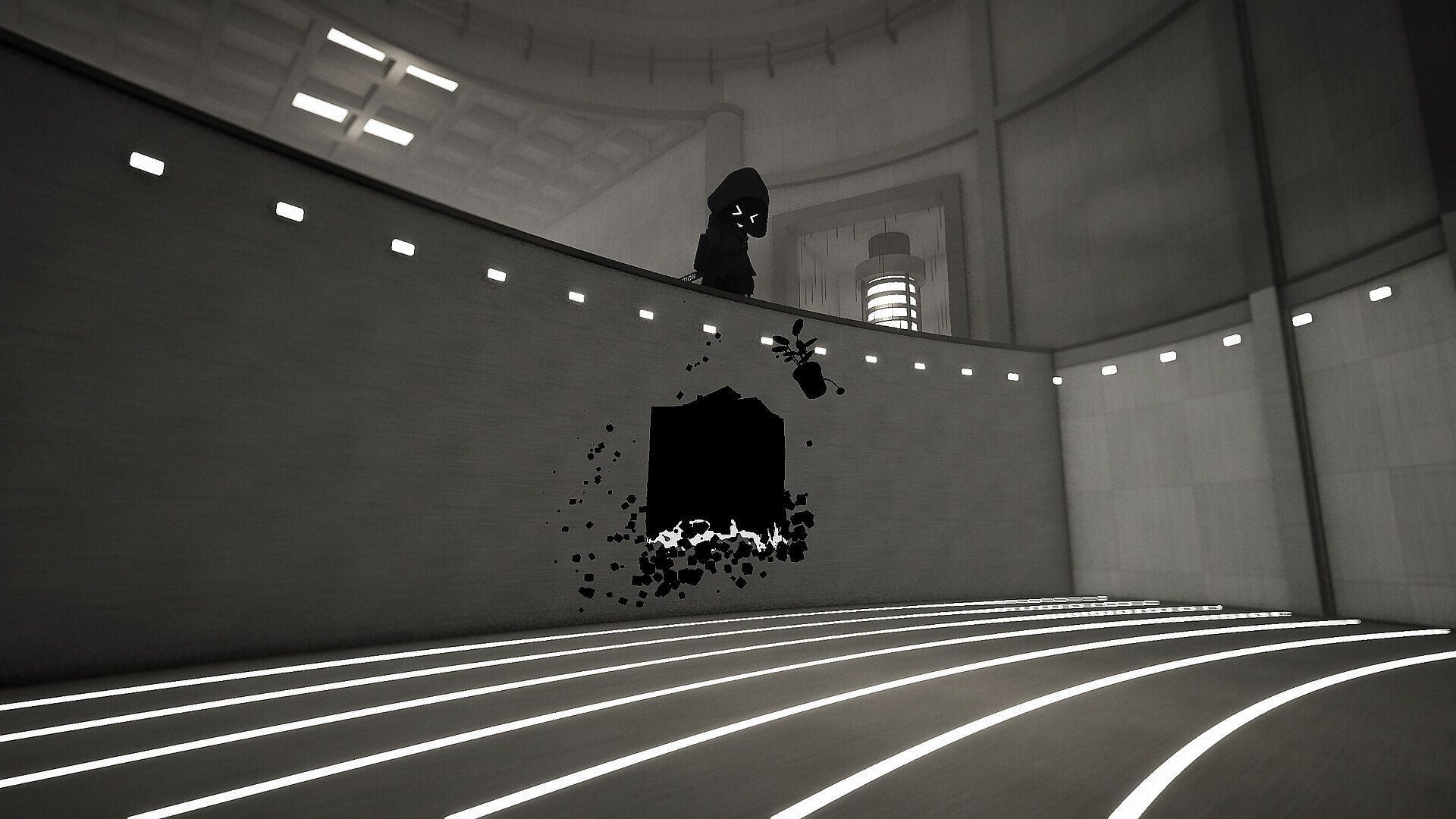




Dual Breach is a co-op horror extraction game for one to six players on PC. Players take on the role of a crew dispatched by F.Corp into a massive, procedurally generated alien structure to extract valuable items while surviving the dangers inside. The experience blends tense survival elements with physics-driven interactions and a unique dual-reality system that alters visibility, sound, and threats depending on which side of the structure a player occupies.
Gameplay
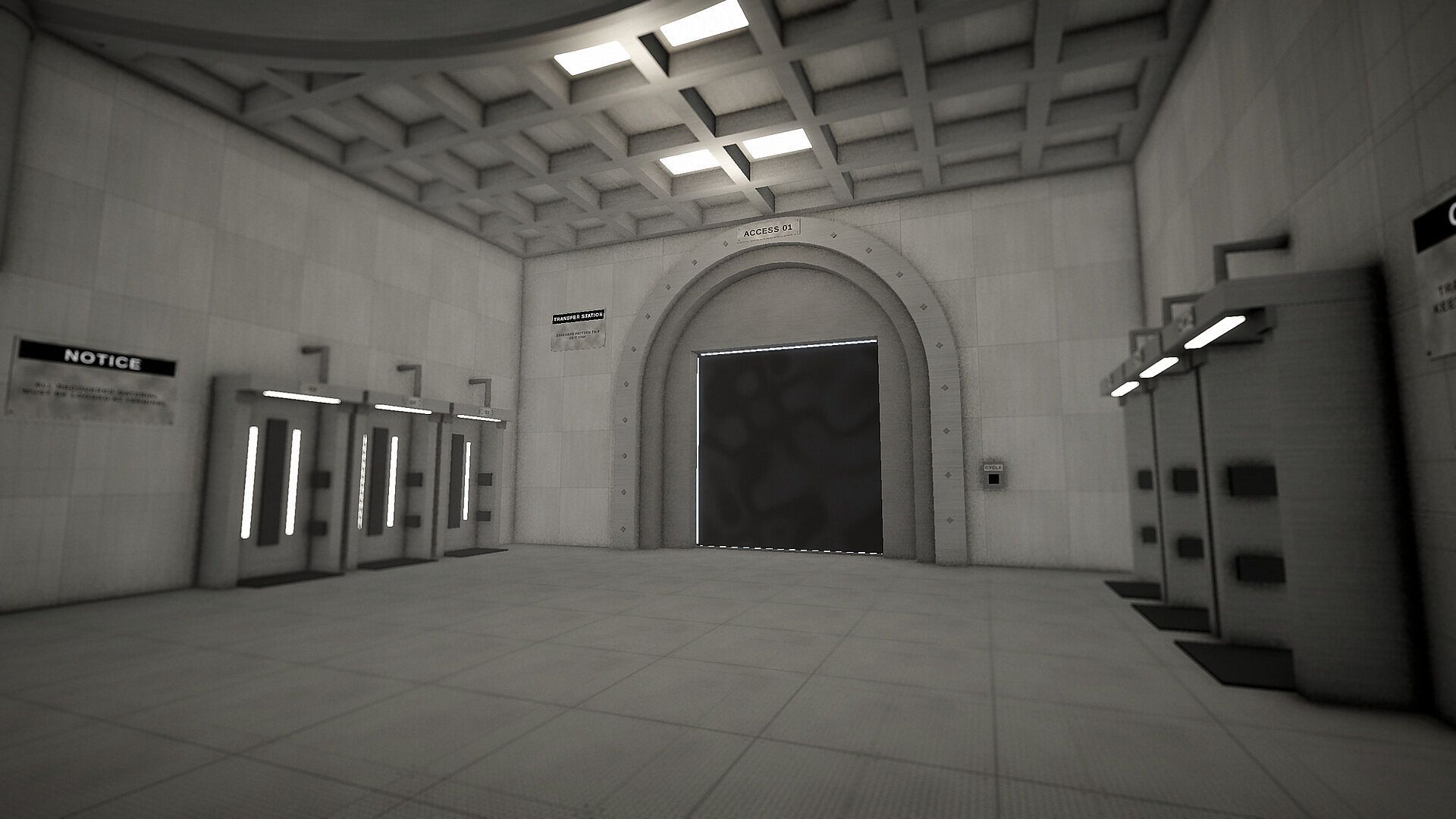
The core loop centers on entering procedurally generated stages that increase in size and danger with each run. Crews navigate halls filled with loot that follows realistic physics rules, allowing players to carry items, throw them for quick movement, or drop them during moments of panic. Extraction runs continue until the team is eliminated, emphasizing careful planning and adaptability over any strict timer. Sound and sight play critical roles in survival, with different rules applying across the two connected realities that make up the structure.
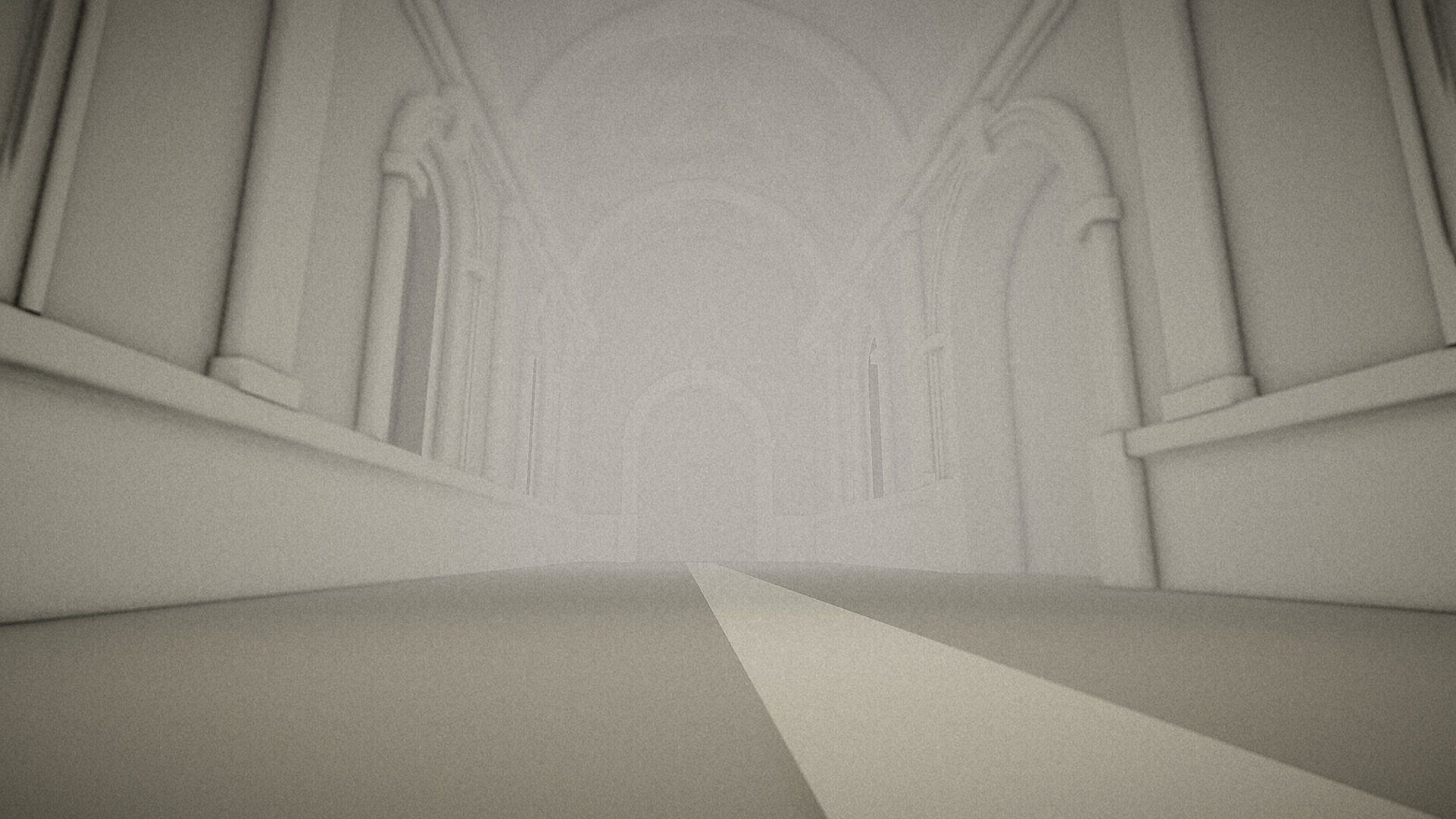
Switching between realities happens at any moment, but doing so separates the player from teammates who remain on the opposite side. In the Light reality, long sight lines help spot distant threats, though sound carries poorly and enemies rely primarily on vision. The Dark reality limits visibility to short ranges, forcing reliance on audio cues for navigation and enemy detection, while any noise risks alerting nearby creatures. This mechanic creates constant tension as players must decide when to cross over and risk isolation.
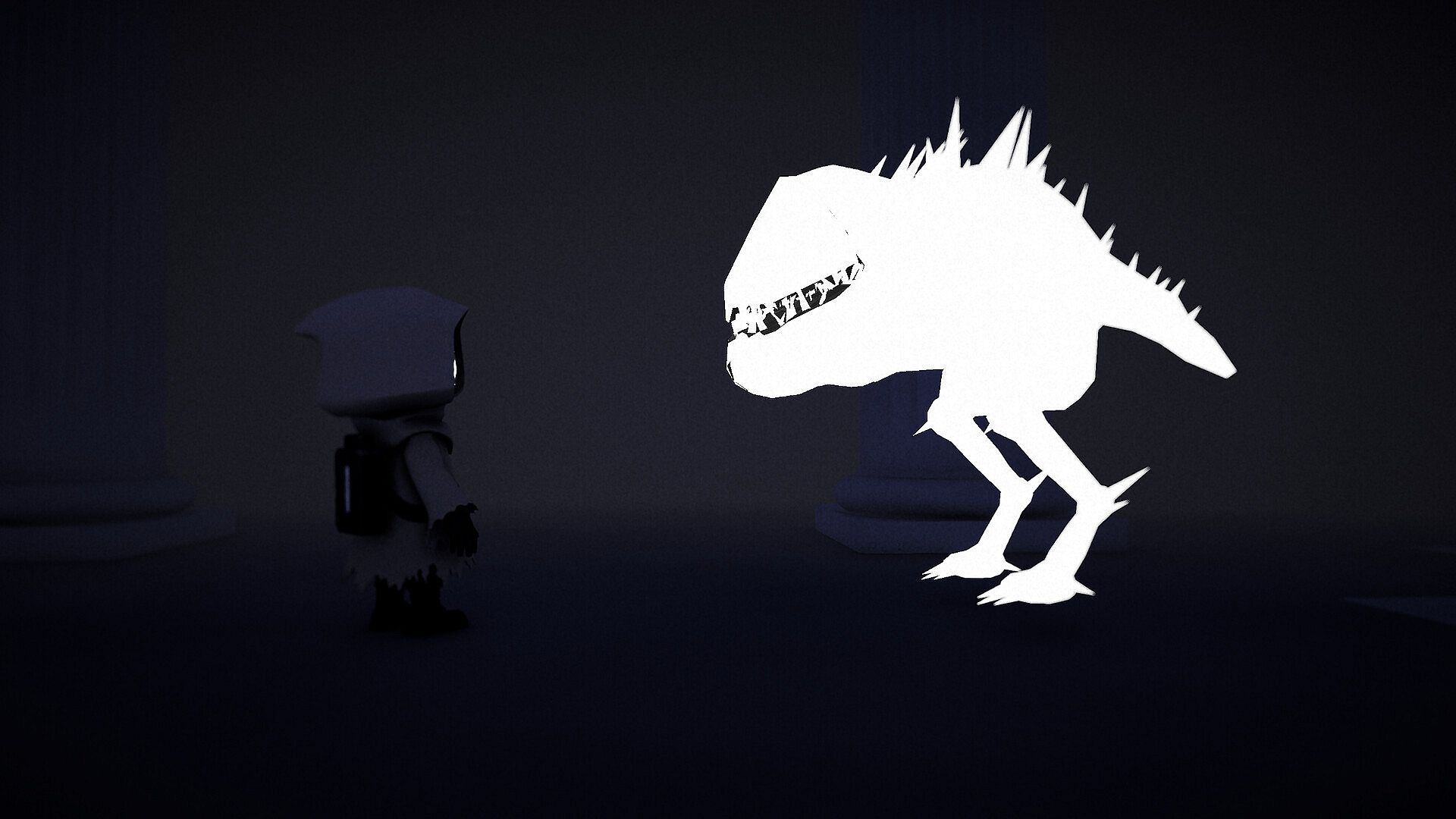
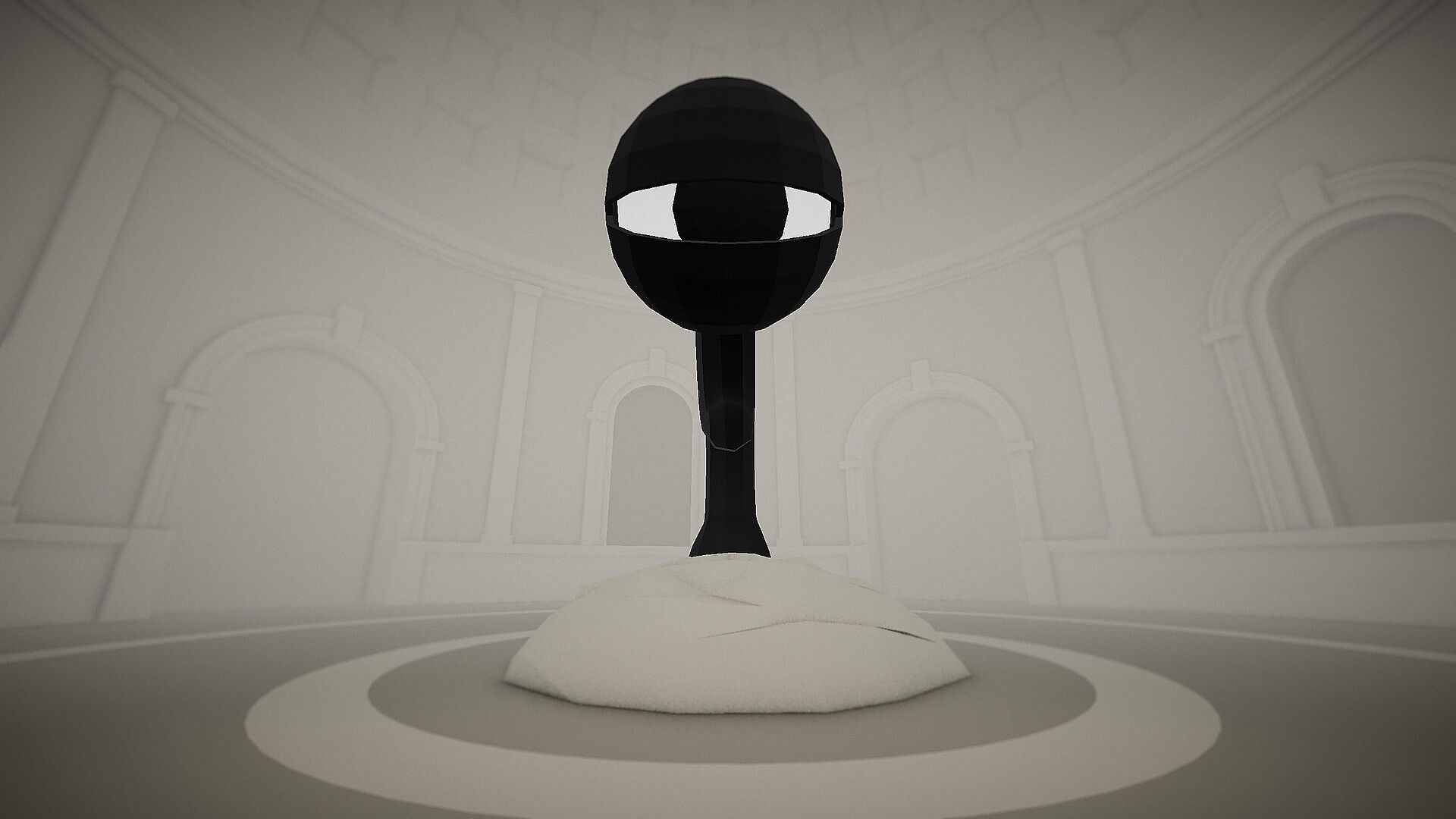
Creatures within the structure are intelligent and purpose-built for their environment. Each type serves a distinct role and behaves differently based on the reality it inhabits. Deeper stages introduce new variants that demand fresh strategies. Solo play remains fully supported and often heightens the fear factor, while groups of up to six can coordinate through proximity voice chat to manage chaos across split realities.
Game Modes
Dual Breach focuses on extraction runs as its primary activity. These runs support solo play or cooperative sessions with one to five additional players. The two-reality system functions as an integrated mechanic rather than a separate mode, allowing any participant to shift sides freely during a run. Proximity voice chat encourages close coordination when players stay on the same reality or frantic warnings when separated.
No time limits restrict exploration, letting crews set their own pace as stages expand and grow more hazardous. Physics-based item handling adds another layer, turning simple loot collection into moments of improvisation or mishap. The structure resets with fresh layouts each time, ensuring varied paths and encounters even on repeated attempts.
Creatures and Progression
Enemies adapt to their reality and the halls they patrol. Early stages feature basic threats, while deeper levels bring specialized creatures that require observation and teamwork to overcome. The absence of time pressure allows players to study behaviors and experiment with approaches before committing to riskier extractions.
Procedural generation ensures no two stages feel identical. Layouts grow larger and introduce new dangers as crews advance, rewarding those who learn from prior runs. The single-developer approach emphasizes ongoing free content additions, including planned custom difficulty modifiers and permanent run-altering options that increase replay depth without additional cost.
Is It Worth Playing?
Dual Breach suits players who enjoy co-op horror extraction experiences that remain viable and engaging in solo sessions. The dual-reality switching and physics-driven loot create distinctive moments of tension and comedy, especially when plans unravel across realities. Those drawn to procedural stages, smart enemy AI, and the freedom to explore without timers will find consistent reasons to return.
With support for one to six players and proximity voice chat, the game scales from intimate solo scares to group coordination challenges. The developer commitment to free updates and self-imposed challenge options points to long-term replay value. Fans of horror titles that mix genuine fear with chaotic teamwork should consider trying it, particularly if they appreciate mechanics that reward careful listening and quick decisions over rushed objectives.












