




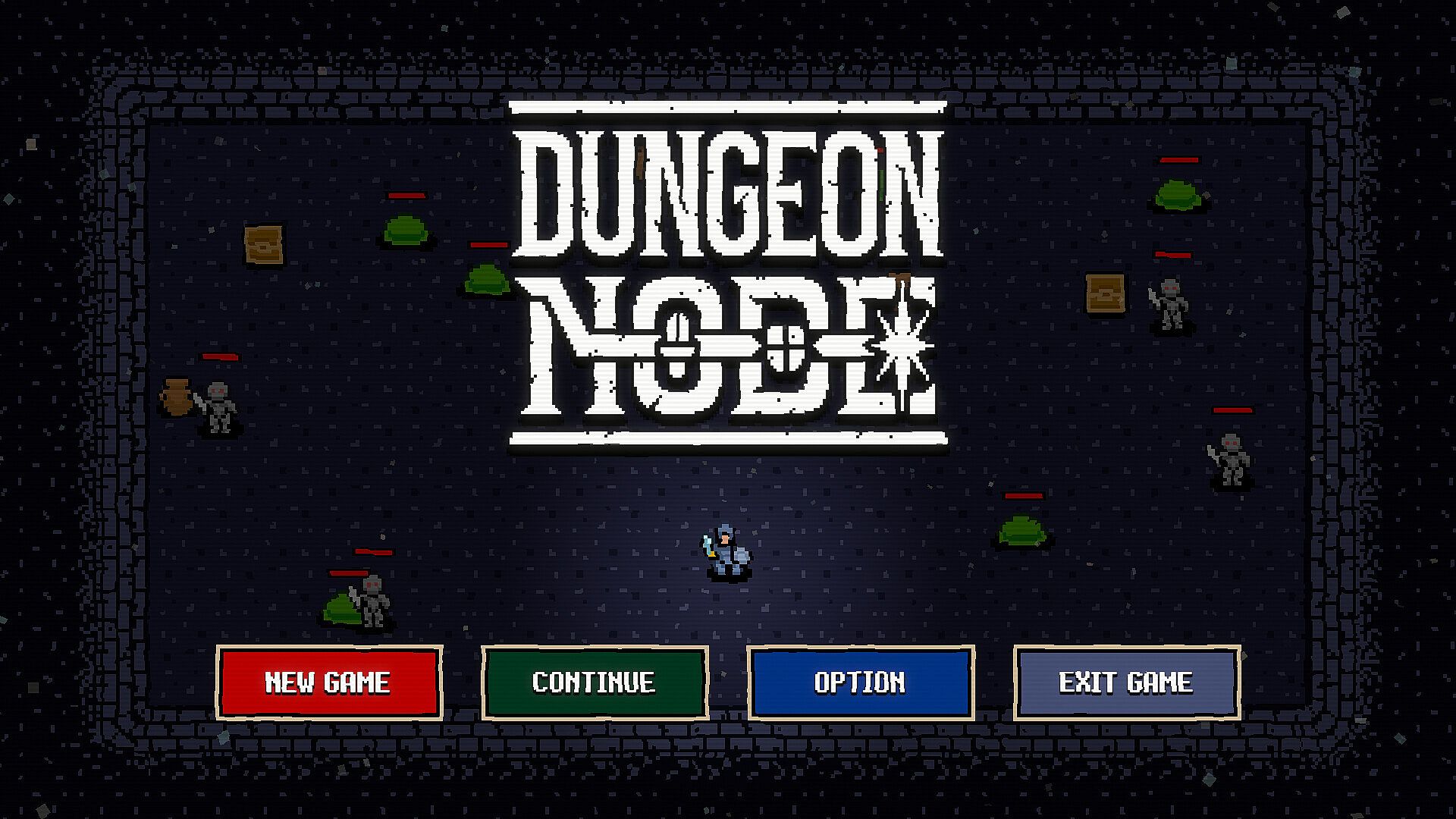
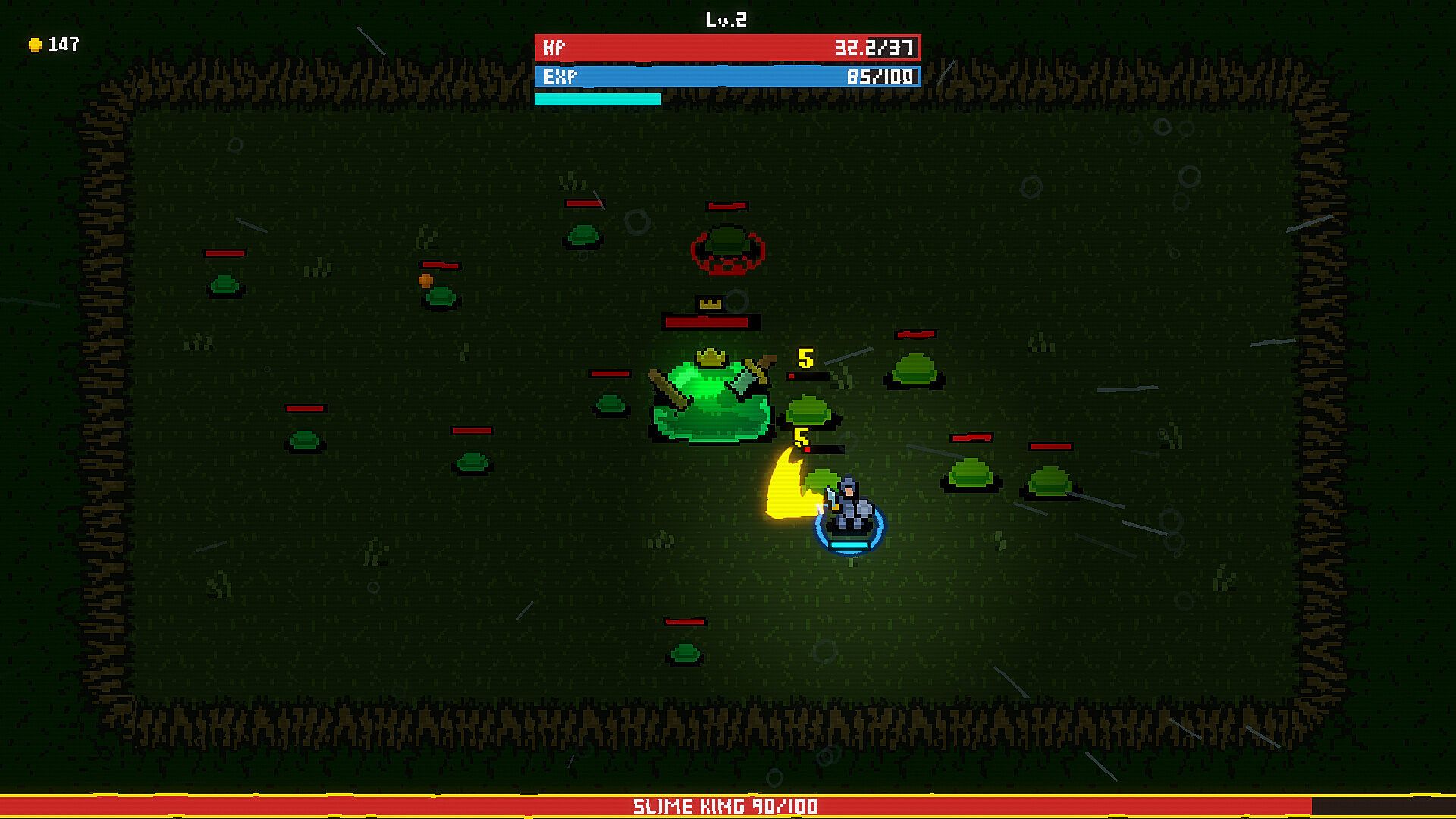
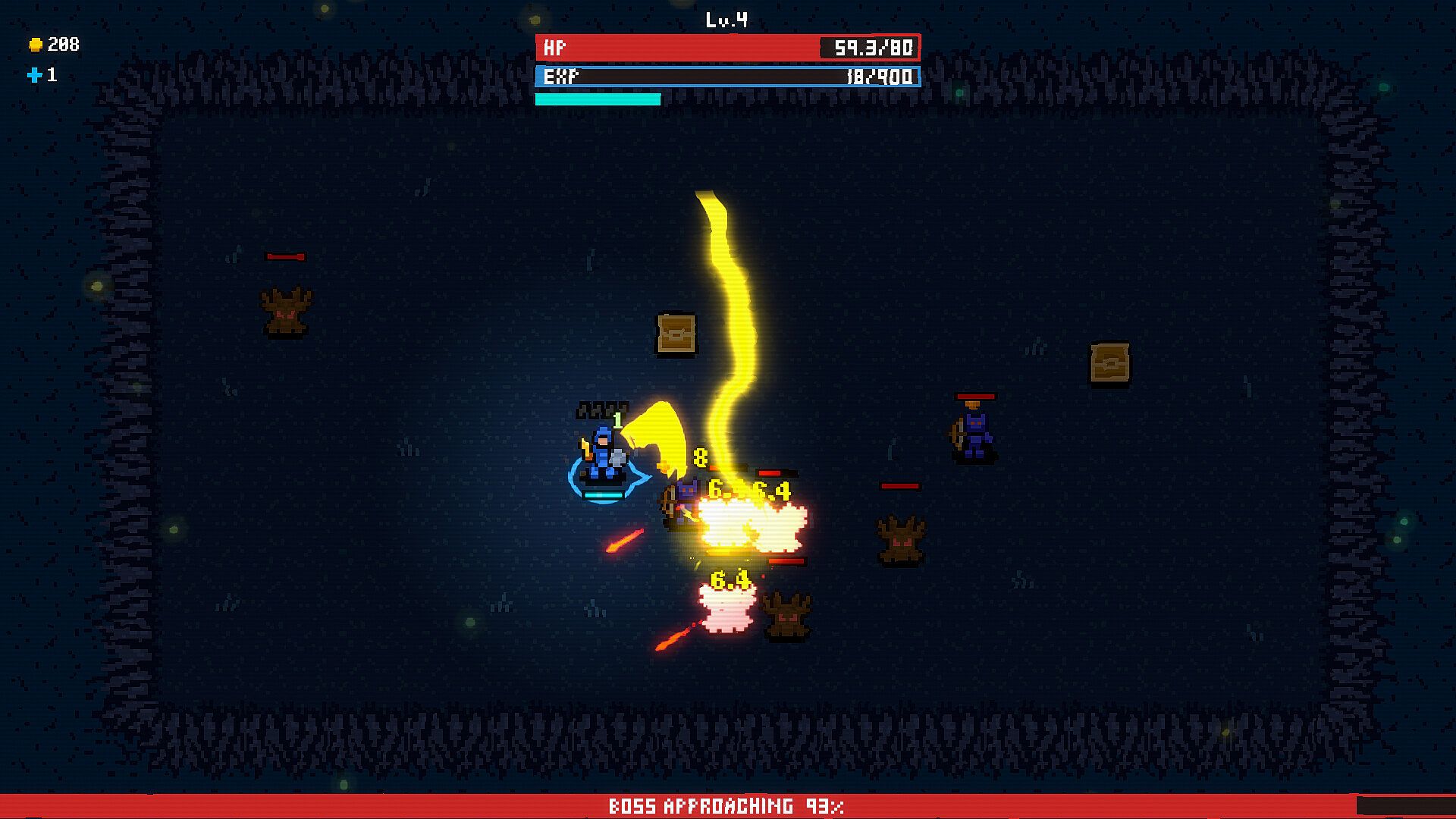
Dungeon Node is a pixel-art action RPG developed for PC that centers on descending through procedurally shifting dungeon layers while building power via a node-based skill system and recruiting mercenaries for support in combat.
Gameplay
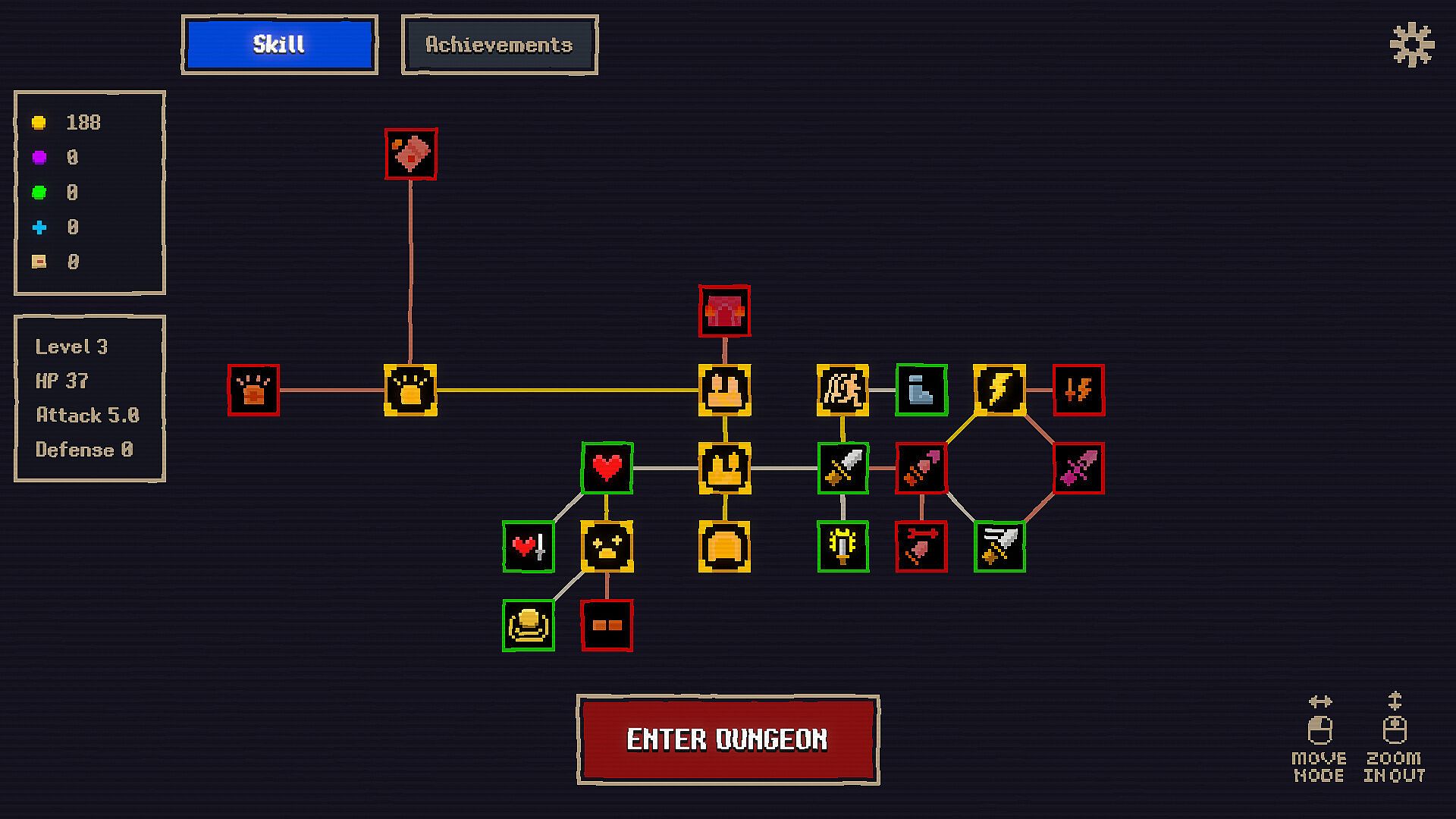
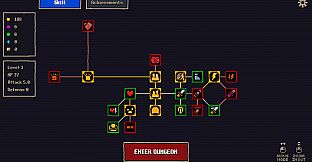
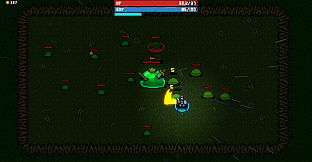
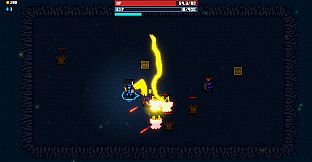
The core loop involves fast-paced combat against waves of enemies that grow tougher with each new stage. Players control a character who fights in real time using pixel-art animations and responsive controls. Progression happens through an interconnected network of skill nodes that unlock abilities, passive bonuses, and new movement or attack options. Selecting nodes creates branching paths that influence both combat effectiveness and access to deeper, more hazardous areas of the dungeon.
Mercenaries add another layer to encounters. Four distinct recruits join the party, each filling a different role such as tanking damage, dealing ranged attacks, or providing utility. Building a balanced group lets players adapt to enemy types and boss patterns encountered from the initial dark forests through ruined structures and finally into the infernal depths. Upgrades collected along the way alter attack patterns, add effects, or scale stats in meaningful ways that shift how fights unfold.
Game Modes
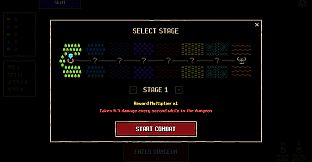
Dungeon Node operates as a single-player experience without separate multiplayer modes or competitive elements. The primary structure is a linear descent across multiple stages, each featuring unique enemy compositions, environmental hazards, and boss encounters. Progression through these stages is gated by node unlocks and party composition choices, encouraging repeated runs to experiment with different skill combinations and mercenary lineups.
Player decisions during node selection and mercenary recruitment lead to multiple possible endings. The game does not feature named sub-modes like endless runs or challenge variants in its confirmed description, focusing instead on the core descent loop where each attempt builds familiarity with enemy behaviors and optimal node connections.
Progression and Choices
Skill nodes form the central advancement system. Interconnected options allow players to specialize in offense, defense, or hybrid approaches while opening shortcuts or new routes deeper into the dungeon. This creates a sense of meaningful growth where early choices compound over time through stronger abilities and better party synergy.
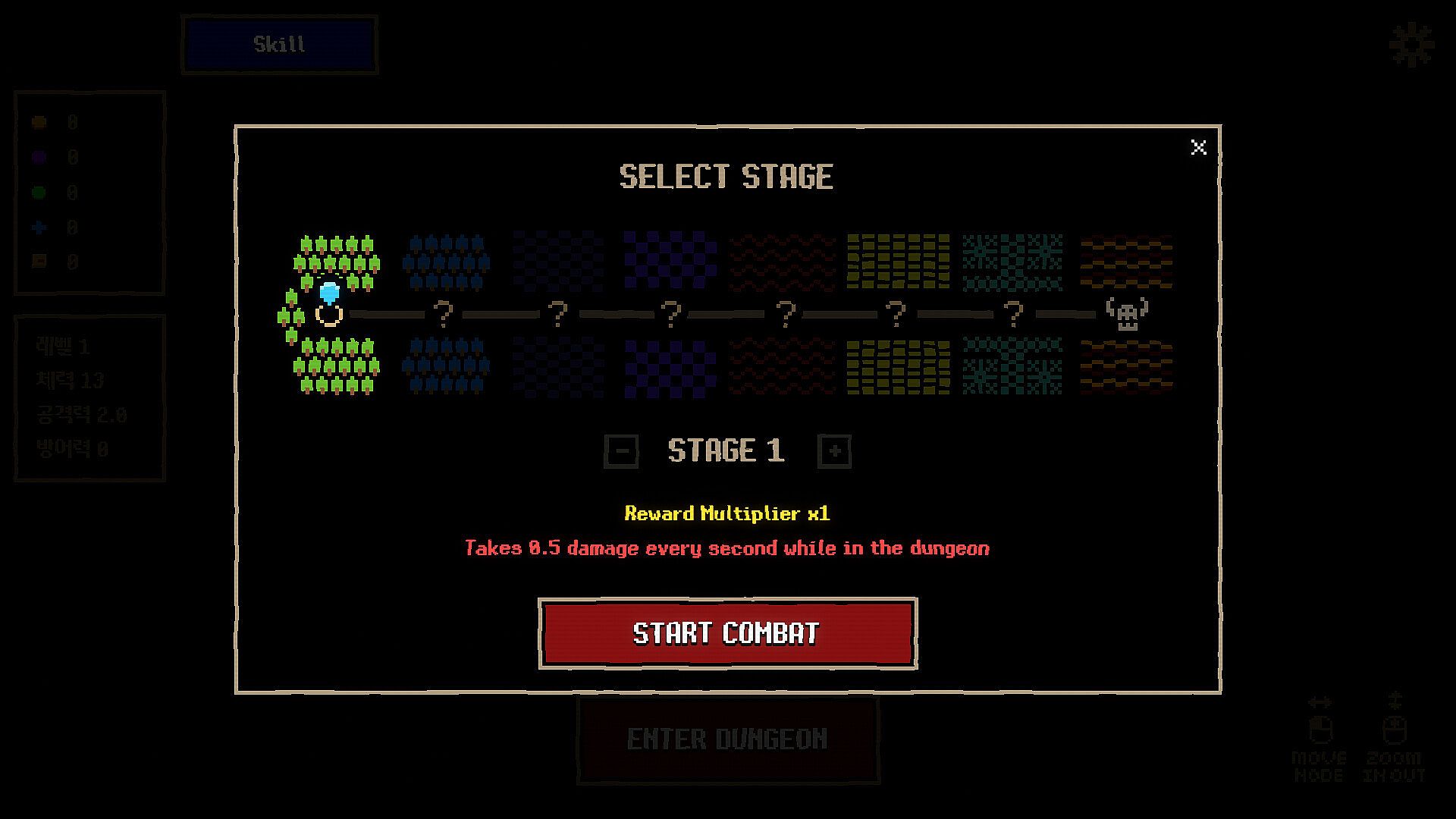
Stages introduce variety through distinct visual themes and enemy sets. The journey begins in forested areas before moving into ruins and then hellish environments, with bosses that test the effectiveness of the current build. Mercenary recruitment happens at specific points, and their roles encourage thoughtful party composition rather than simple stat stacking.
Is It Worth Playing?
Dungeon Node targets players who enjoy pixel-art action RPGs with emphasis on buildcrafting through node systems and light party management. The single-player focus and choice-driven endings provide replay value for those interested in experimenting with different node paths and mercenary combinations across the stages from forest to hell.
With a planned release in November 2026 and no user reviews available yet, the game remains untested by a broader audience. Its confirmed features align with indie action RPG fans seeking fast combat paired with interconnected progression rather than open-world exploration or multiplayer elements. Those drawn to the described mechanics of node unlocking, mercenary recruitment, and escalating dungeon descent may find it a solid fit once it launches.












