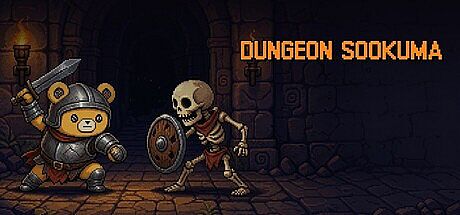


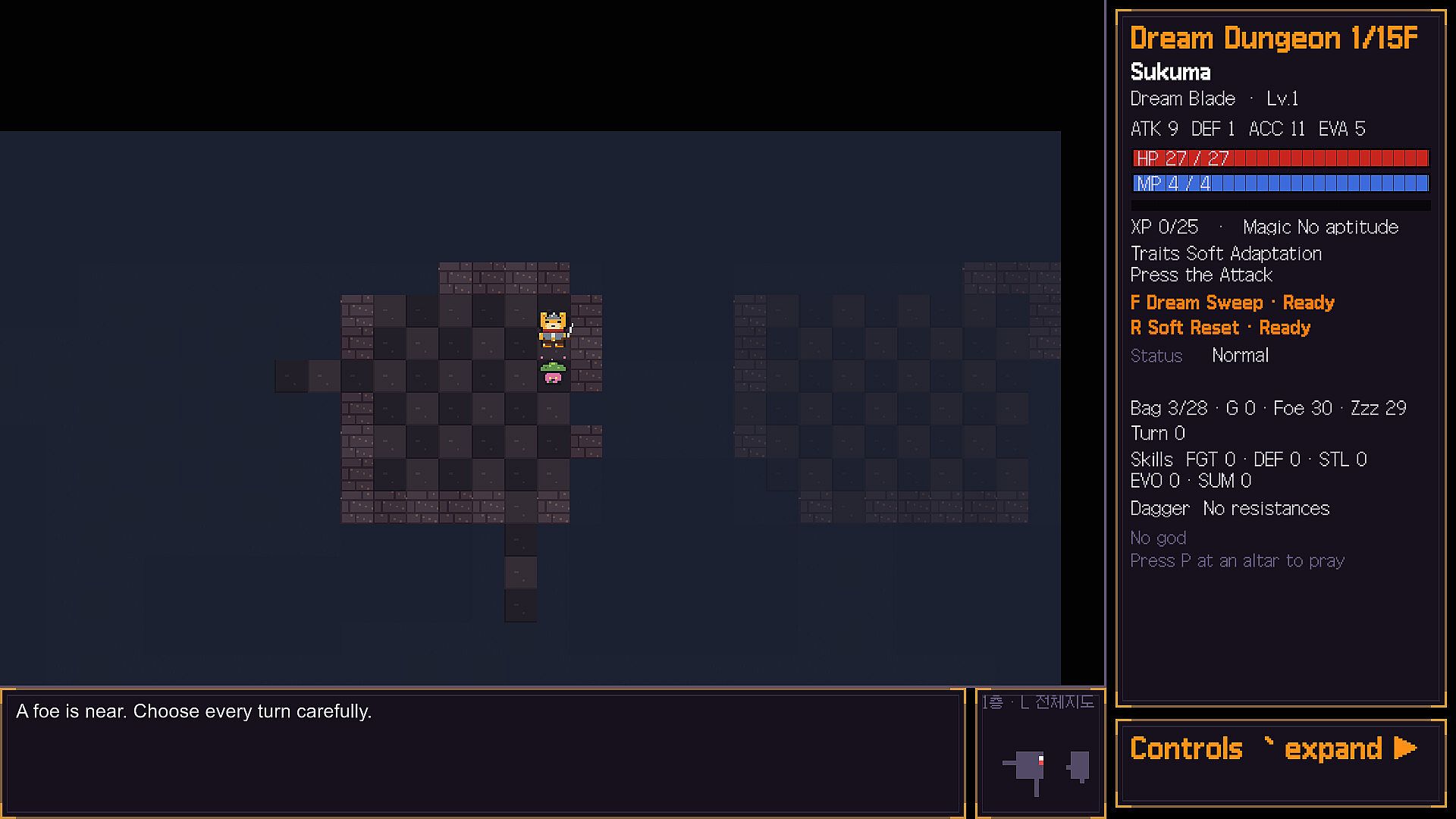
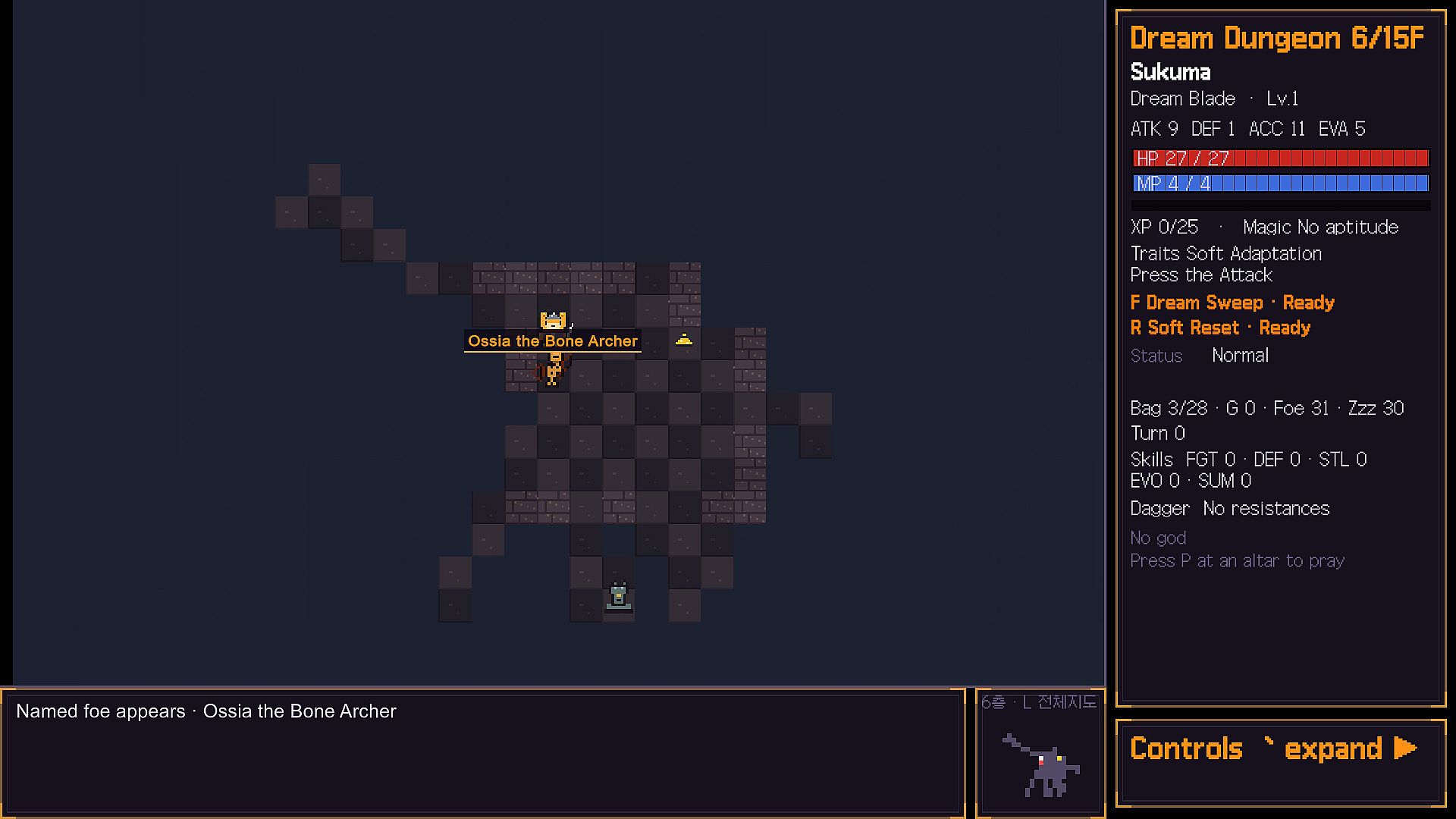
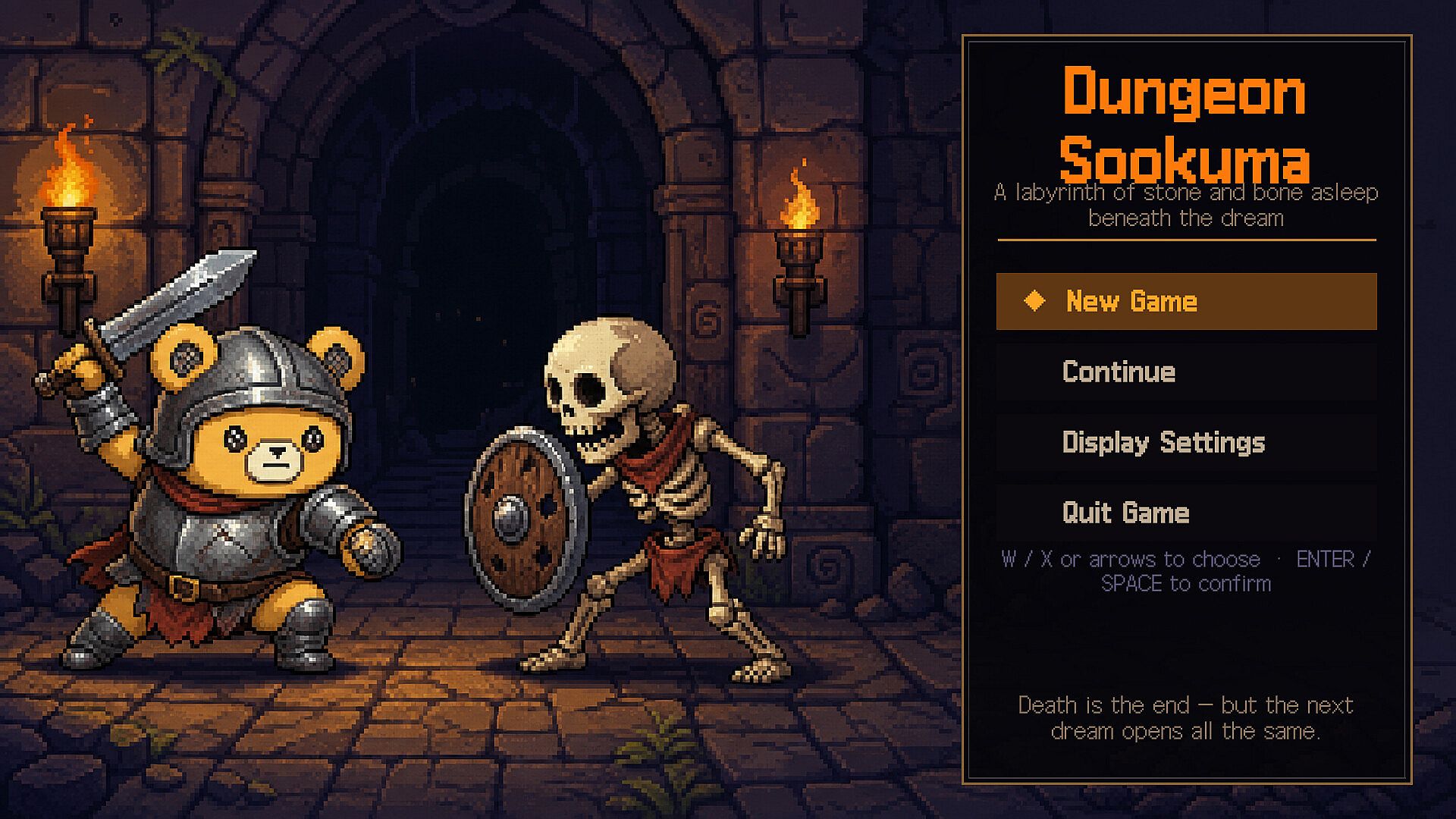
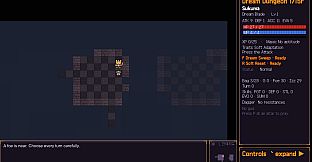
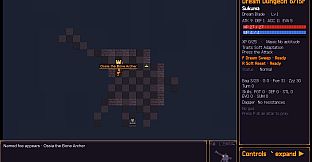
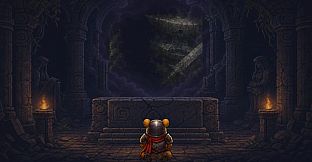
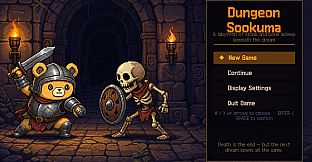
Dungeon Sookuma ist ein rundenbasiertes Roguelike-Strategy-RPG für den PC, in dem man als Sookuma durch ein sich ständig veränderndes Traumverlies navigiert. Die zentrale Spielschleife besteht darin, prozedural erzeugte Ebenen hinabzusteigen, den Traumkern zu finden und anschließend den Aufstieg zu überleben, sobald das Verlies erwacht und die Regeln ändert. Jede Handlung läuft in Runden ab, wobei sich Geräusche ausbreiten und in der Nähe befindliche Gegner aufmerksam machen können, während die Sichtweite durch Fackellicht begrenzt bleibt.
Gameplay
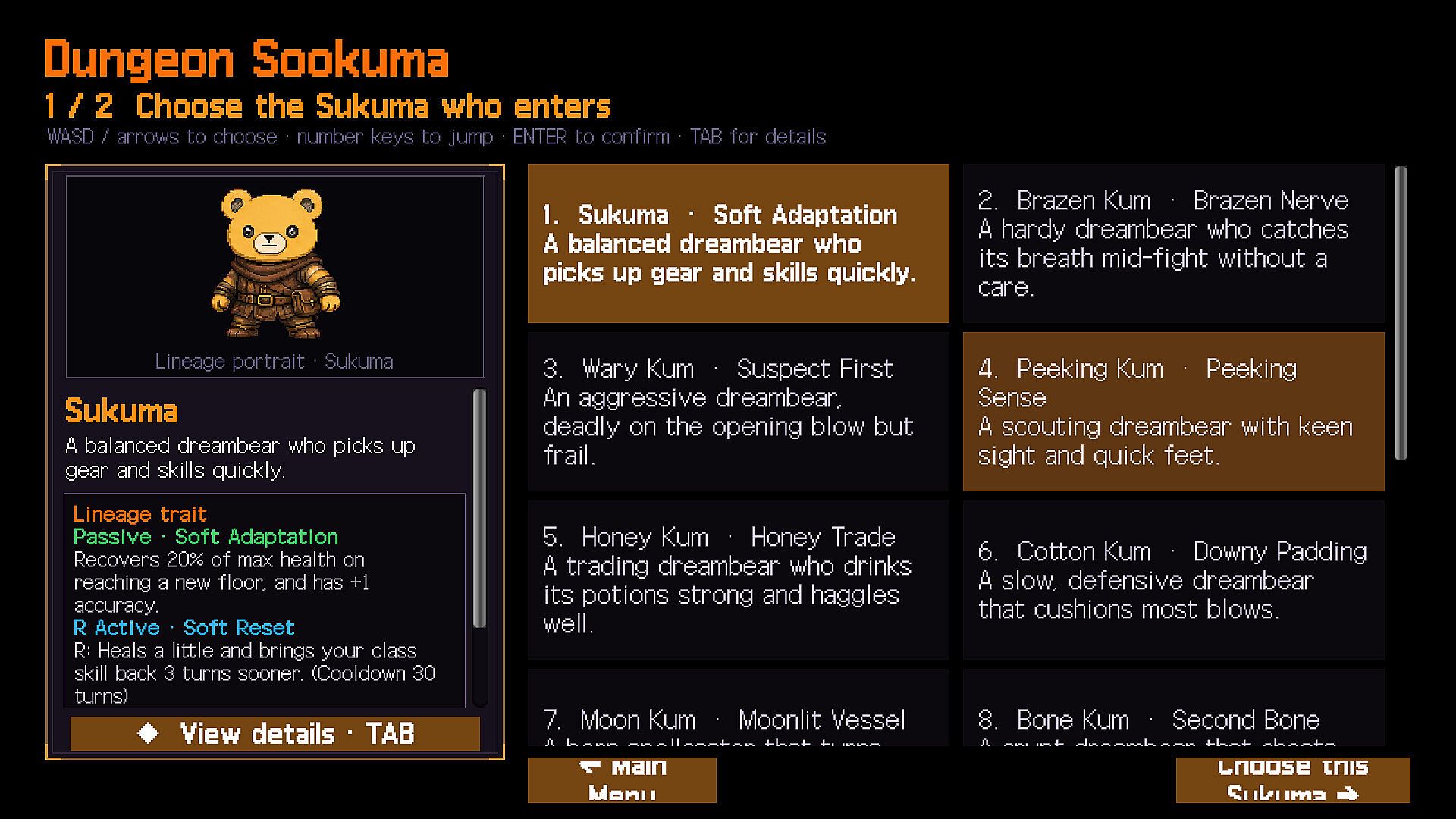
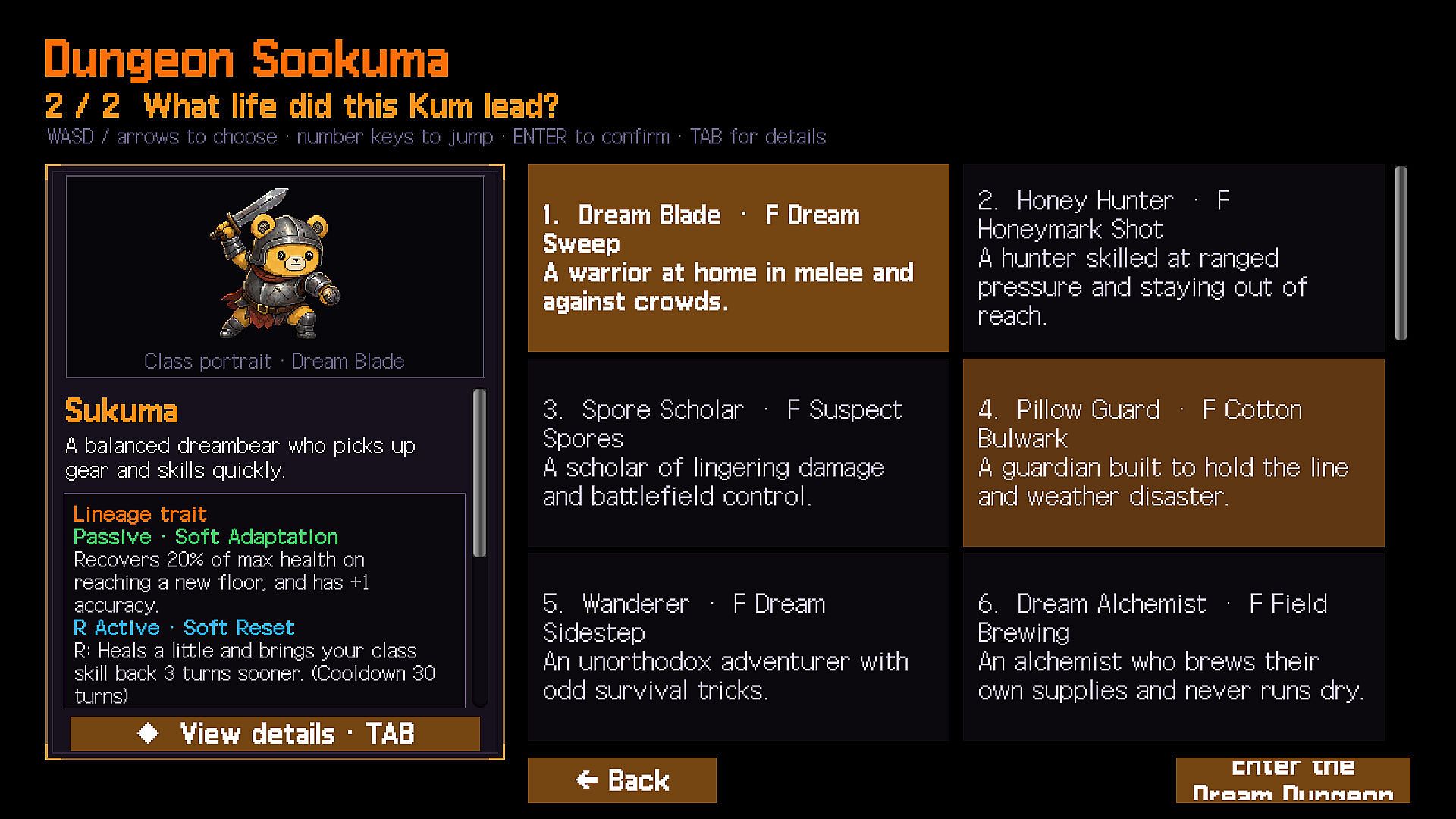
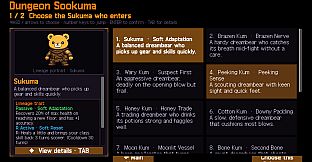
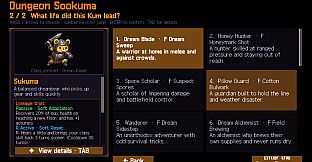
Zur Charaktererstellung stehen 14 Abstammungen zur Auswahl, die Aussehen und passive sowie aktive Fähigkeiten beeinflussen. Jede Abstammung lässt sich mit einer von 19 Klassen kombinieren, die unterschiedliche Kampf- und Überlebensstile abdecken. Fünf Disziplinen - Kampf, Verteidigung, Heimlichkeit, Beschwörung und Herbeirufung - steigen durch wiederholte Nutzung während eines Durchlaufs auf. Kämpfe finden auf einem achtseitigen Raster statt, bei dem Trefferchance, Ausweichen, Rüstung, Resistenzen, Positionierung und Status-Effekte den Ausgang bestimmen.
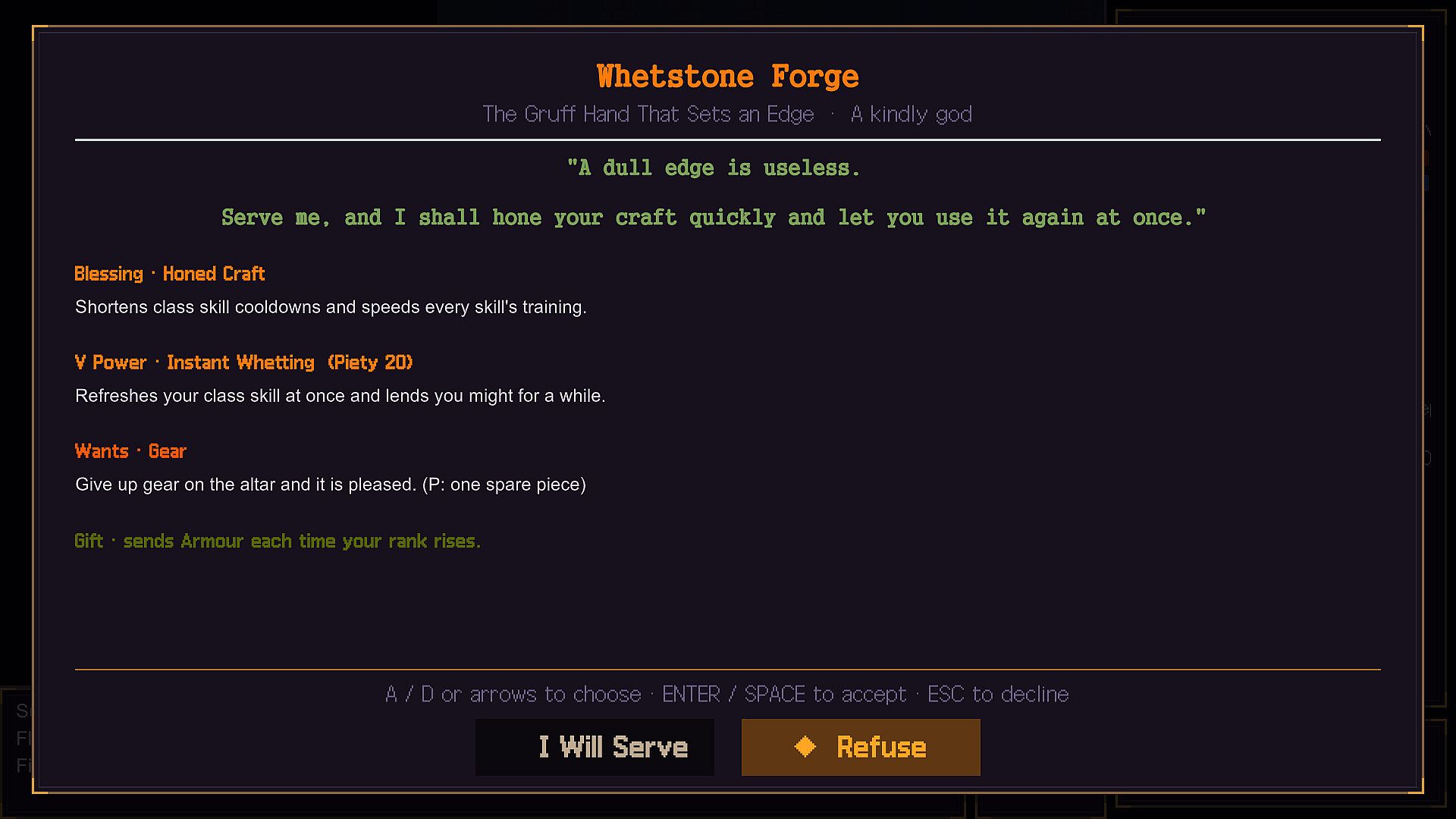
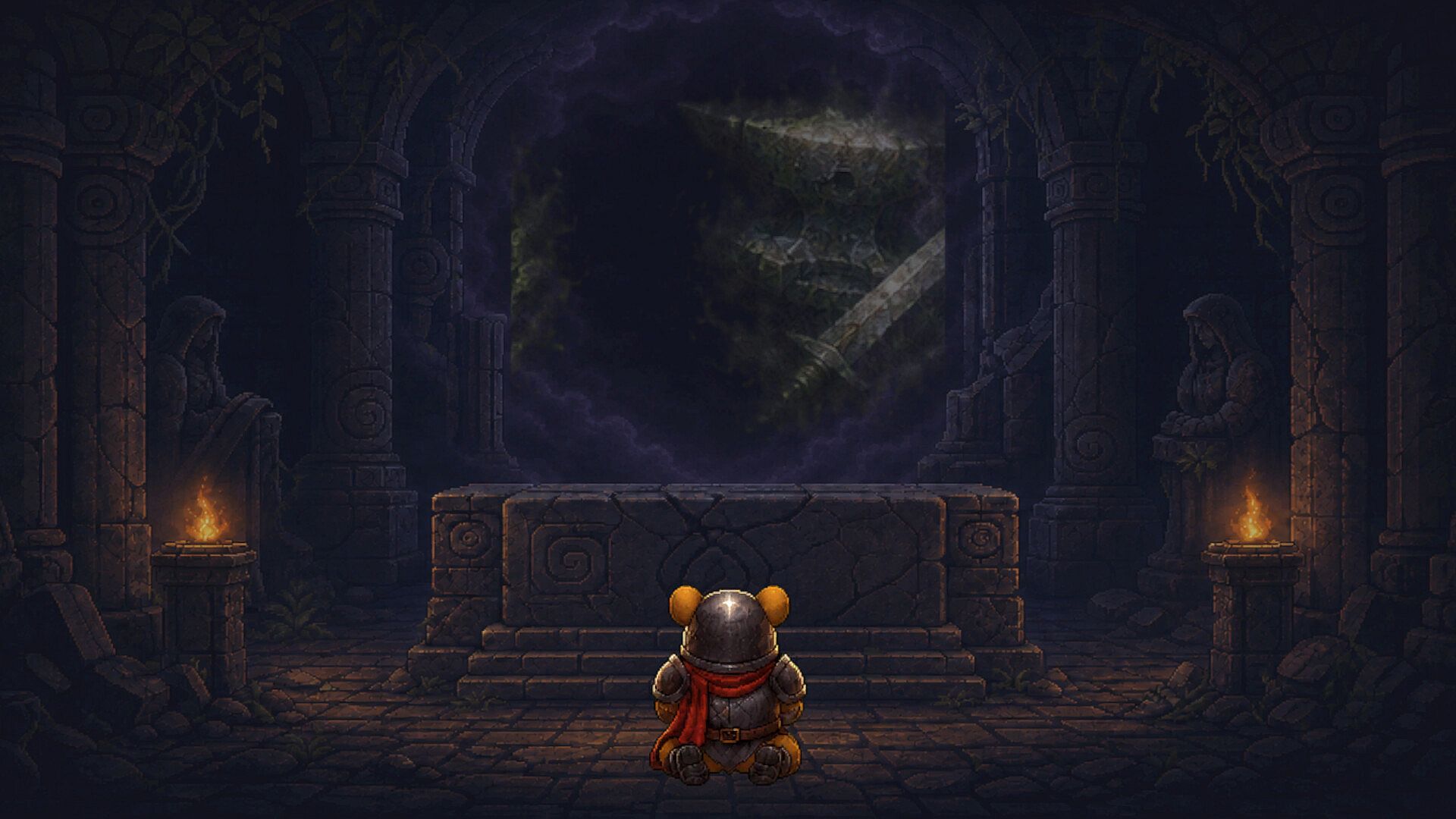
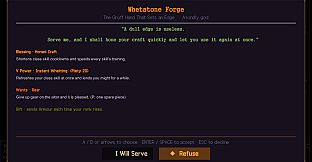
Gegenstände bleiben zunächst unidentifiziert und müssen durch Ausprobieren oder Identifikation enthüllt werden; rund 100 Items verfügen über einzigartige Verzauberungen, Marken und Flüche. Zwanzig Zauber und zehn Beschwörungstypen beziehen ihre Kraft aus Traum-Scherben. Das Verlies umfasst einen 15-Ebenen-Hauptpfad sowie sechs Nebenäste und drei einmalige Portalgewölbe, die aus sechs prozeduralen Layout-Familien bestehen. 39 Monsterarten, darunter Rudel, Elite-Gegner und benannte Bosse, können über Ebenen hinweg verfolgen. Persistenter Ebenenzustand, versteckte Fallen und Nebel des Krieges erhöhen das Risiko. Neunzehn Götter bieten an Altären Bündnisse an; Frömmigkeit gewährt Fähigkeiten, während ein Wechsel oder die Verweigerung göttlichen Zorn nach sich ziehen kann.
Spielmodi
Das Spiel ist ein Einzelspieler-Roguelike, dessen Kern aus wiederholten Durchläufen besteht, die mit Tod oder erfolgreicher Flucht enden. Jeder Versuch gliedert sich in eine Abstiegsphase bis zum Traumkern und eine anschließende Aufstiegsphase, in der neue Bedrohungen aktiviert werden. Drei unterschiedliche Enden richten sich nach dem Zustand des Kerns und dem Grad der Eroberung. Prozedurale Generierung sorgt für wechselnde Layouts und Item-Platzierungen, während Auto-Explore, automatisches Aufheben, Zielvorschauen und kontextbezogene Logs die Steuerung erleichtern, ohne Entscheidungen abzunehmen.
Charakterentwicklung und Fortschritt
Builds entstehen aus der Kombination von Abstammungsmerkmalen, Klassenfähigkeiten, Startausrüstung und während des Laufs erworbenen Fertigkeiten. Disziplinen verbessern sich organisch durch Nutzung statt separater Level-Systeme. Gegenstandsvergleiche helfen bei der Bewertung neuer Ausrüstung, und unbekannte Verbrauchsgegenstände erfordern vorsichtiges Testen mit potenziell nützlichen oder schädlichen Folgen. Läden und NPC-Begegnungen bieten gelegentlich Ressourcen oder Informationen, ohne den Fokus auf das Überleben zu verlagern.
Lohnt sich das Spiel?
Dungeon Sookuma richtet sich an Spieler, die klassische Roguelike-Mechaniken mit starkem Fokus auf Identifikation, schallbasierte Wahrnehmung und göttliche Interaktion schätzen. Die Struktur belohnt Experimente über viele kurze bis mittellange Durchläufe, wobei die Aufstiegsphase zusätzliche Spannung erzeugt. Da sich das Spiel noch im Vorab-Release befindet und weder Rezensionen noch abgeschlossene Updates vorliegen, sollten Interessierte die offiziellen Kanäle im Blick behalten. Wer prozedurale Strategy-RPGs mit Elementen aus Heimlichkeit, Beschwörung und Bündnis-Entscheidungen sucht, findet hier passende Systeme.