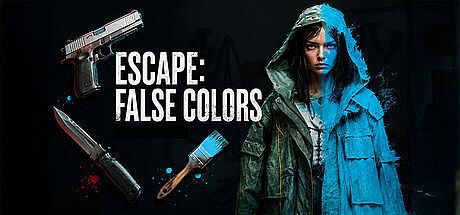


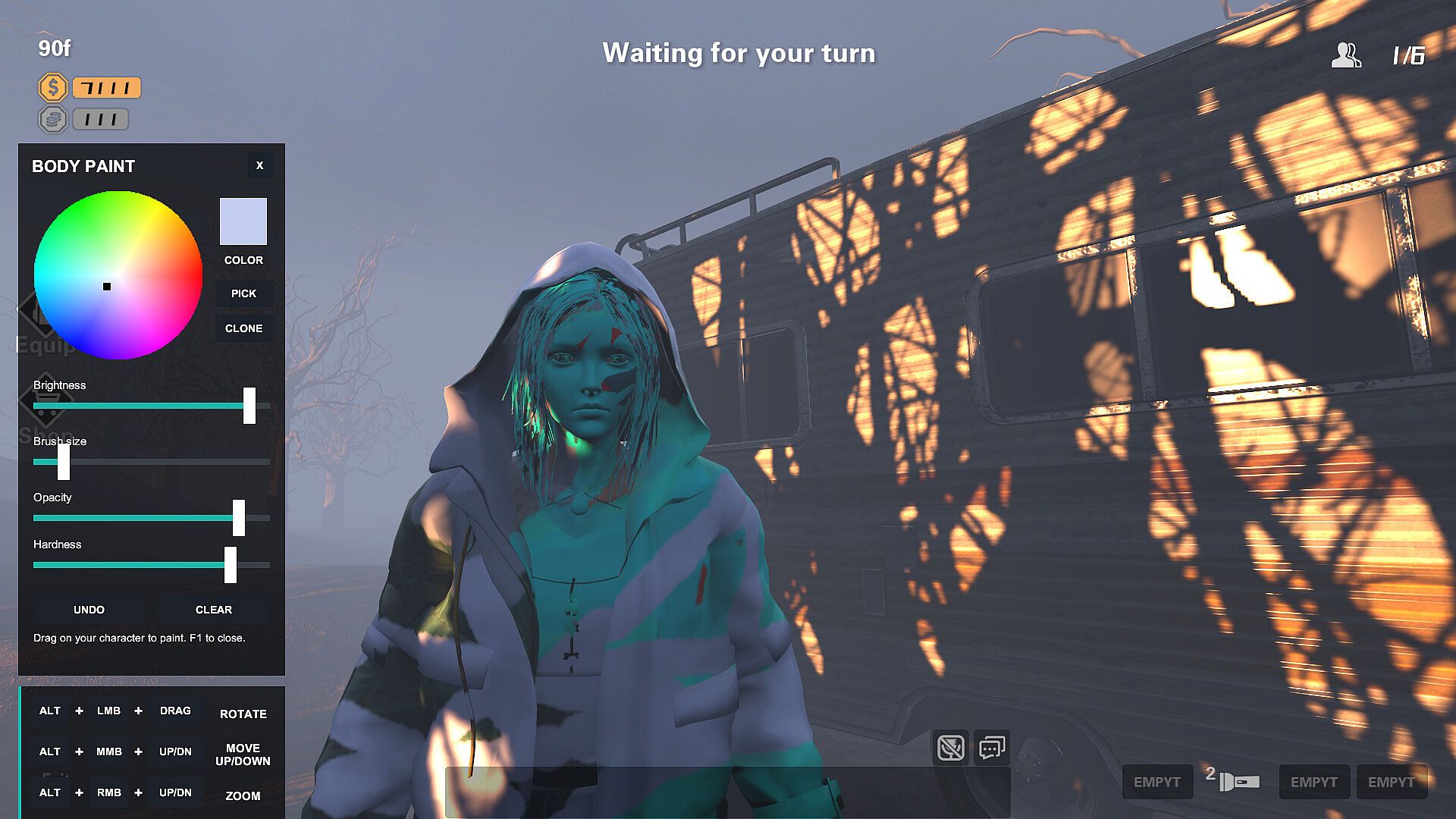
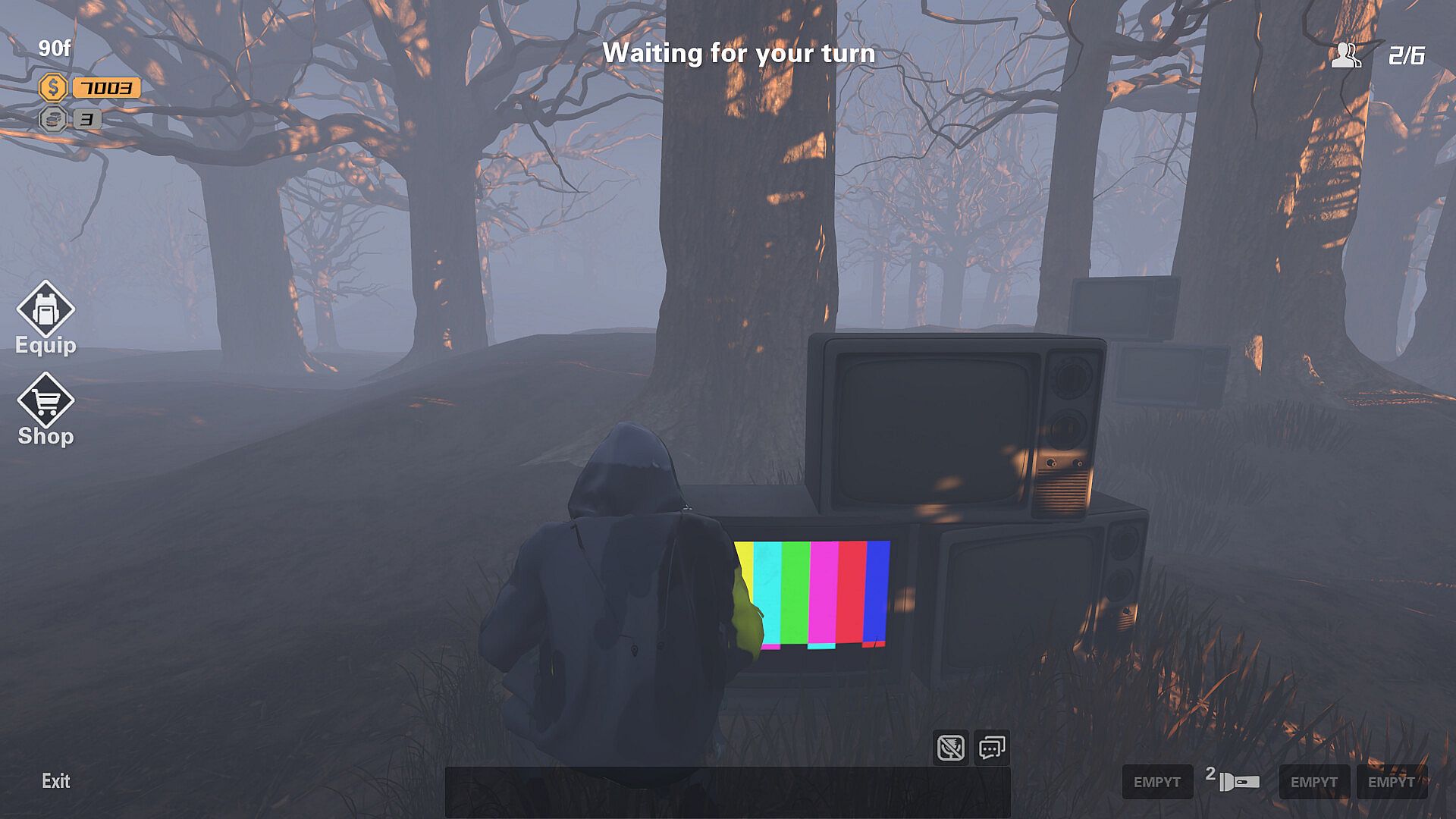
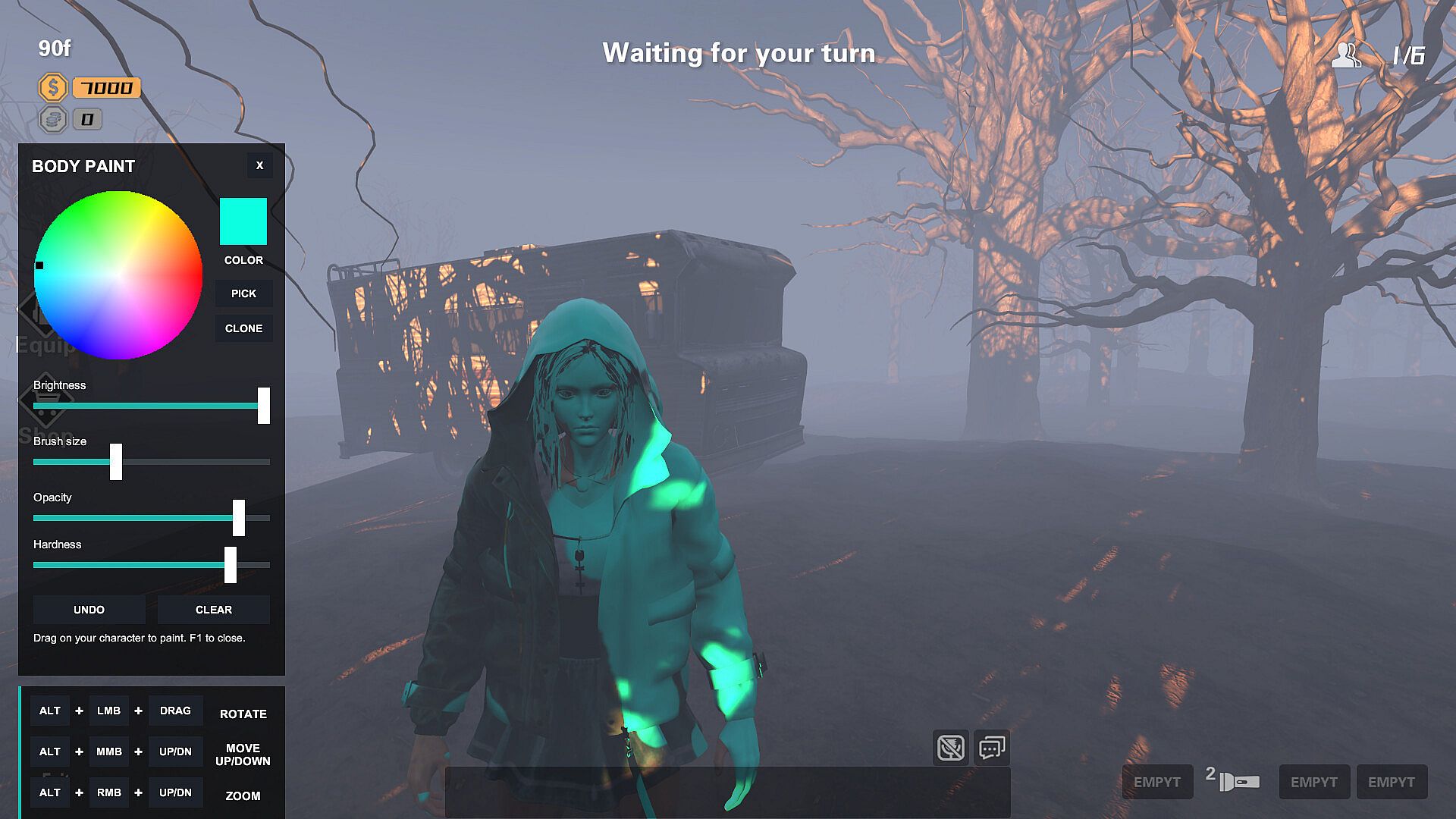
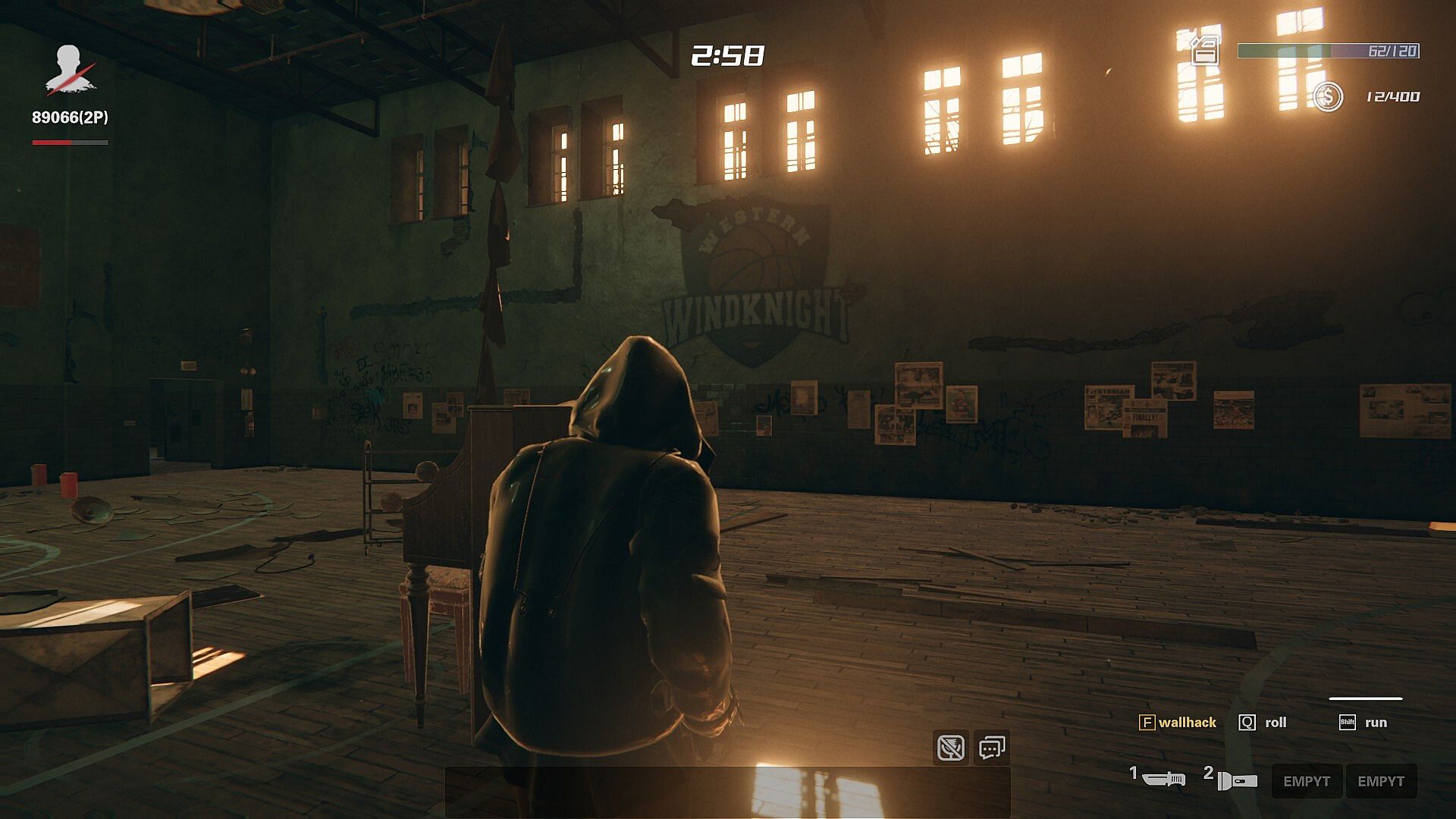
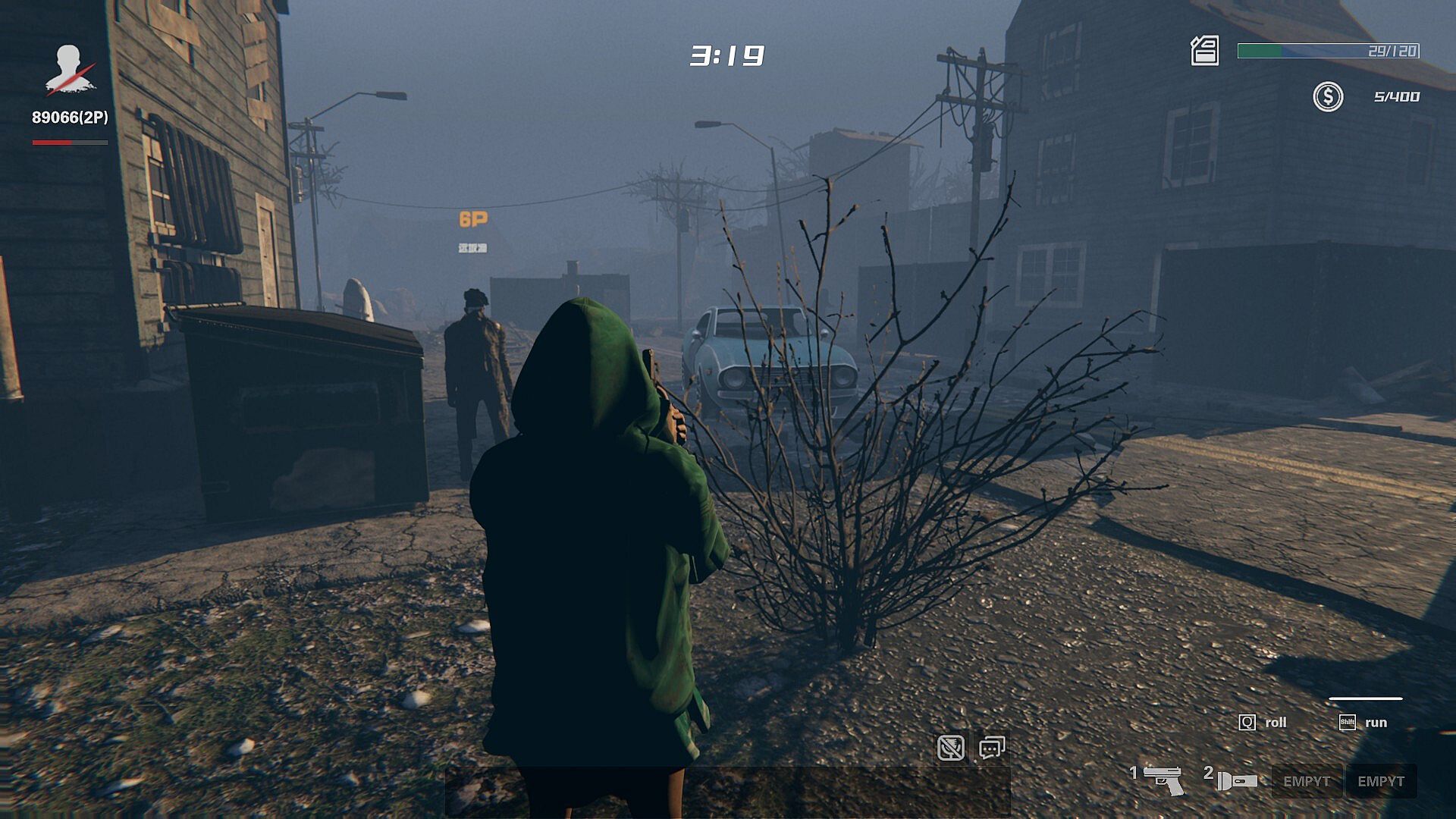
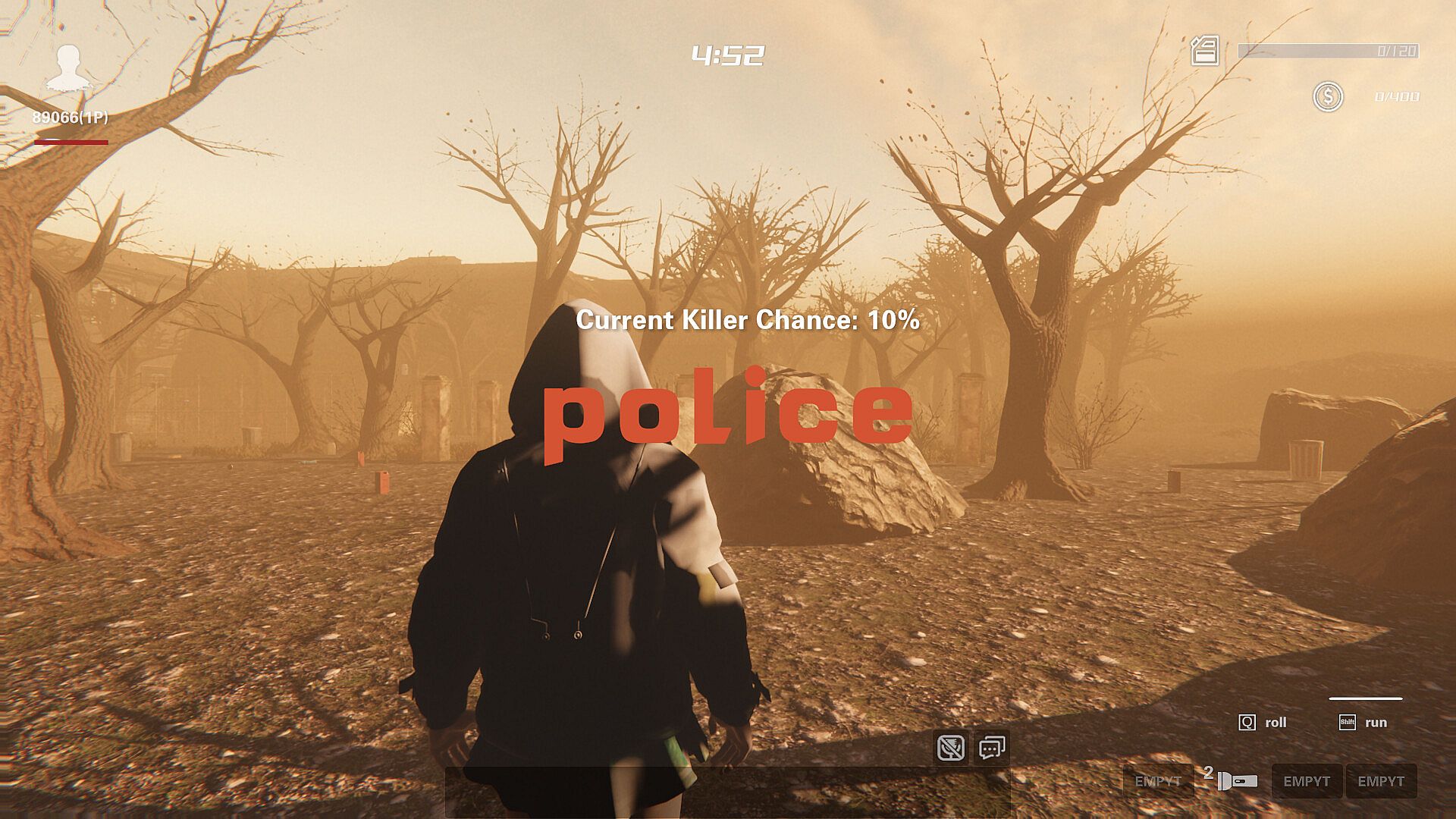
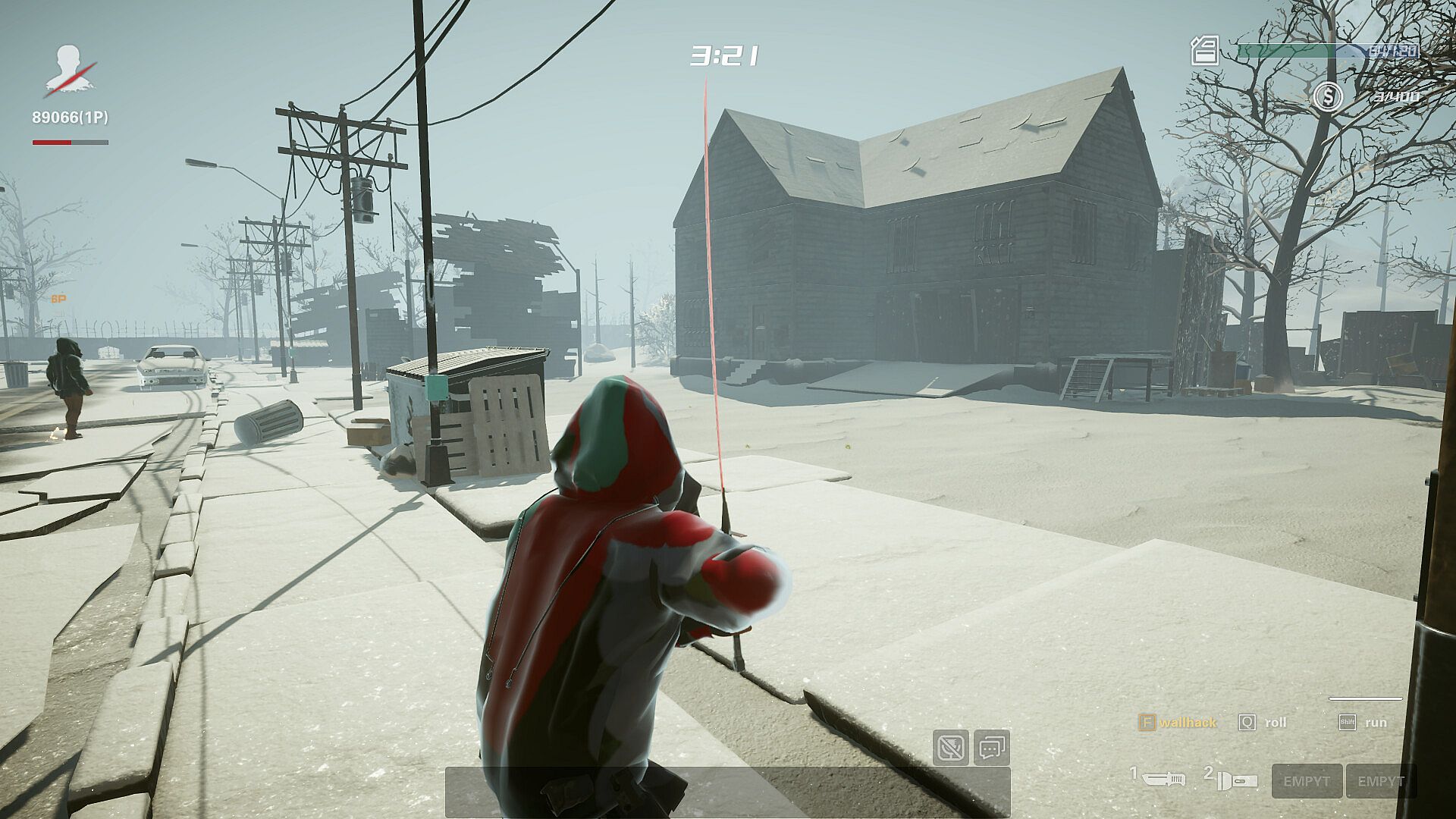
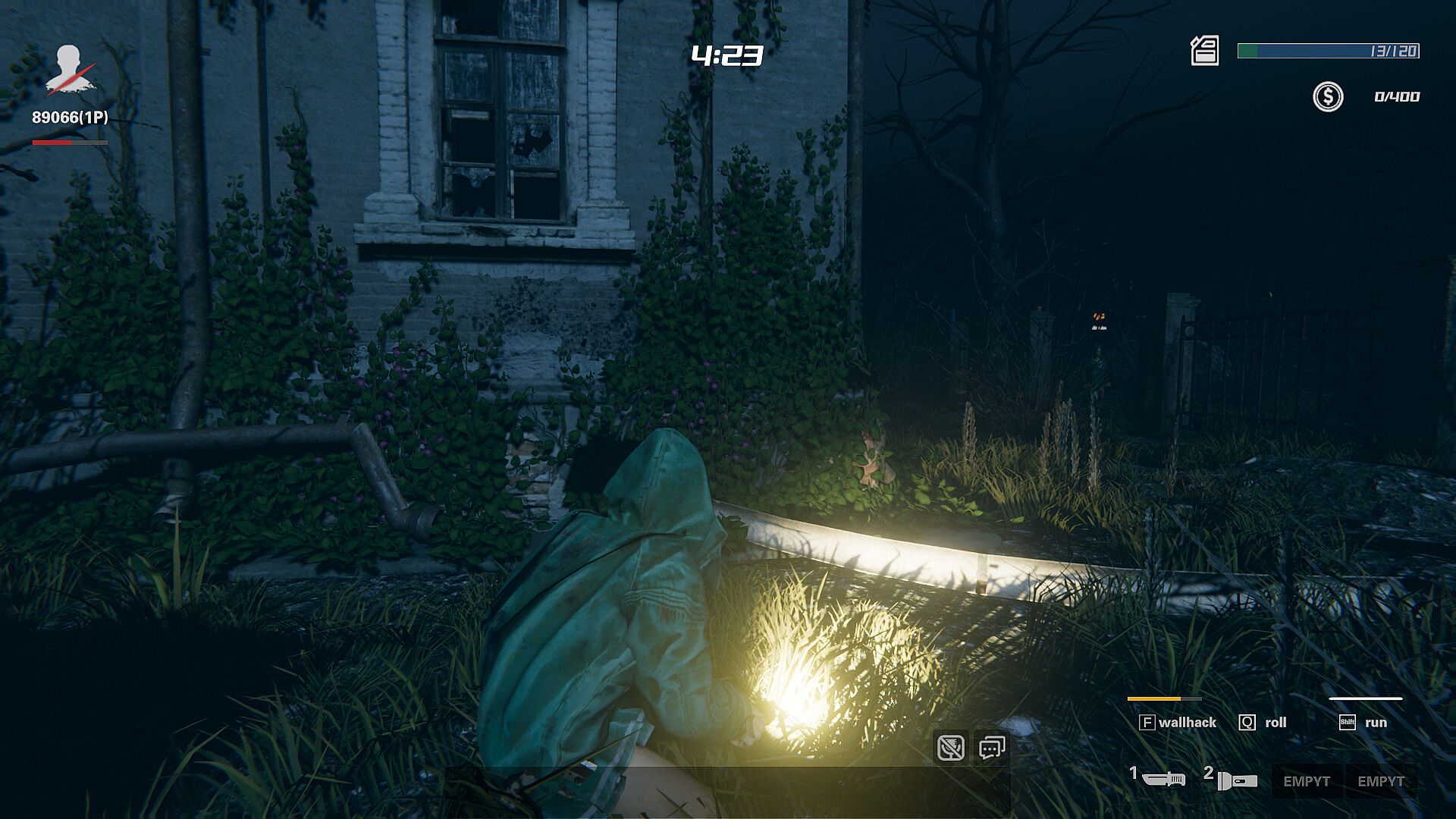
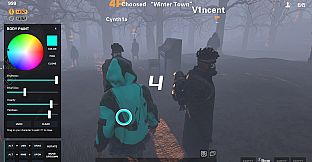
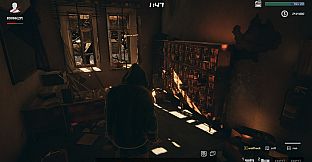
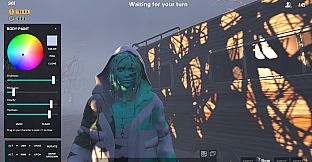
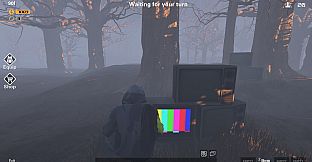
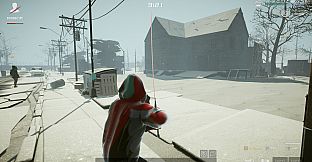
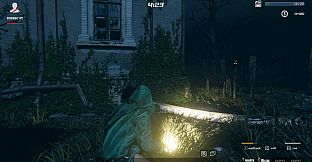
ESCAPE: FALSE COLORS is a multiplayer party game that blends action, indie creativity, casual accessibility, and adventure exploration on PC. Players enter a mysterious game world where they paint custom disguises, navigate hidden roles, and survive light-horror chases while searching for resources and clues across varied maps.
Gameplay
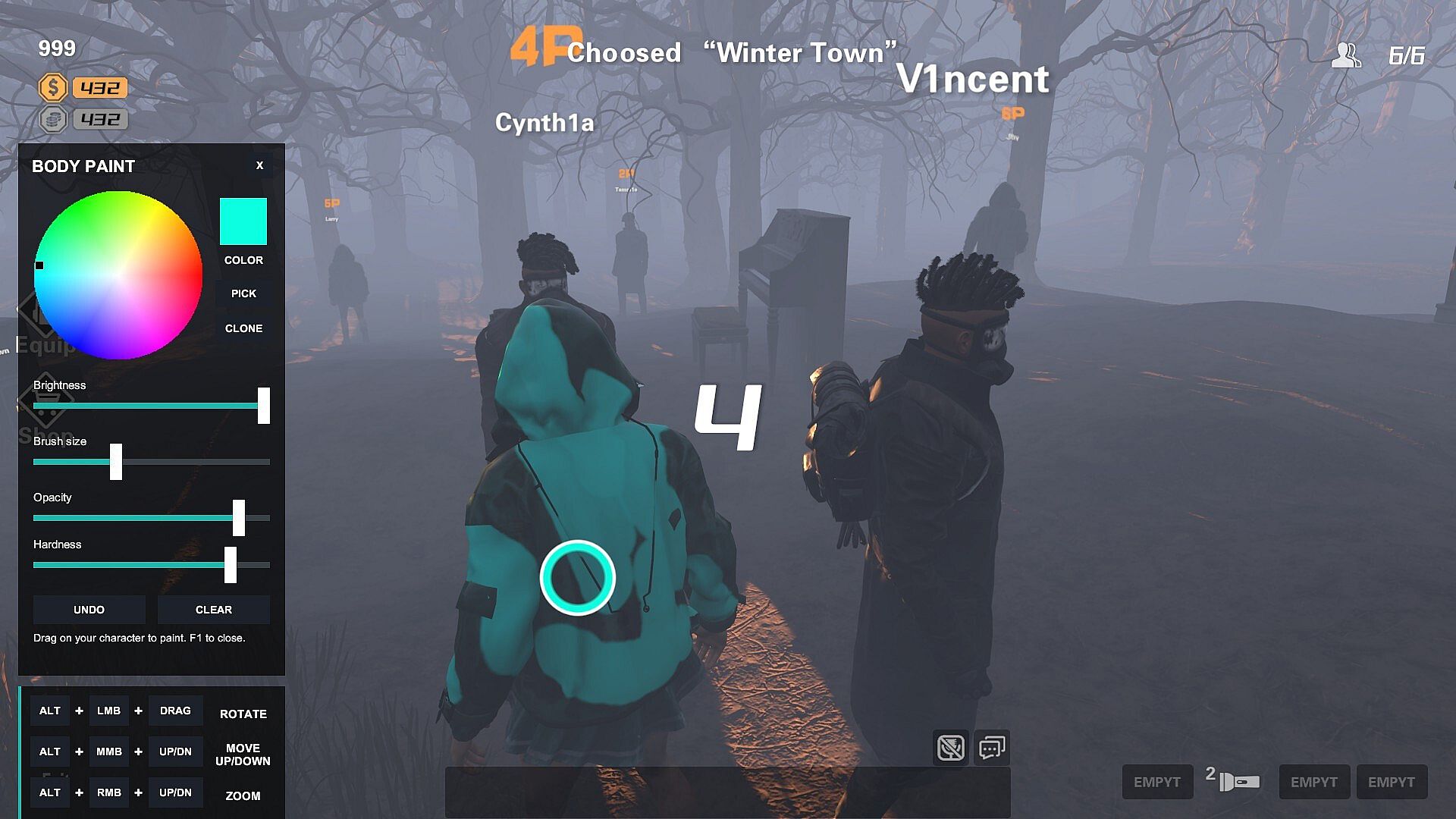
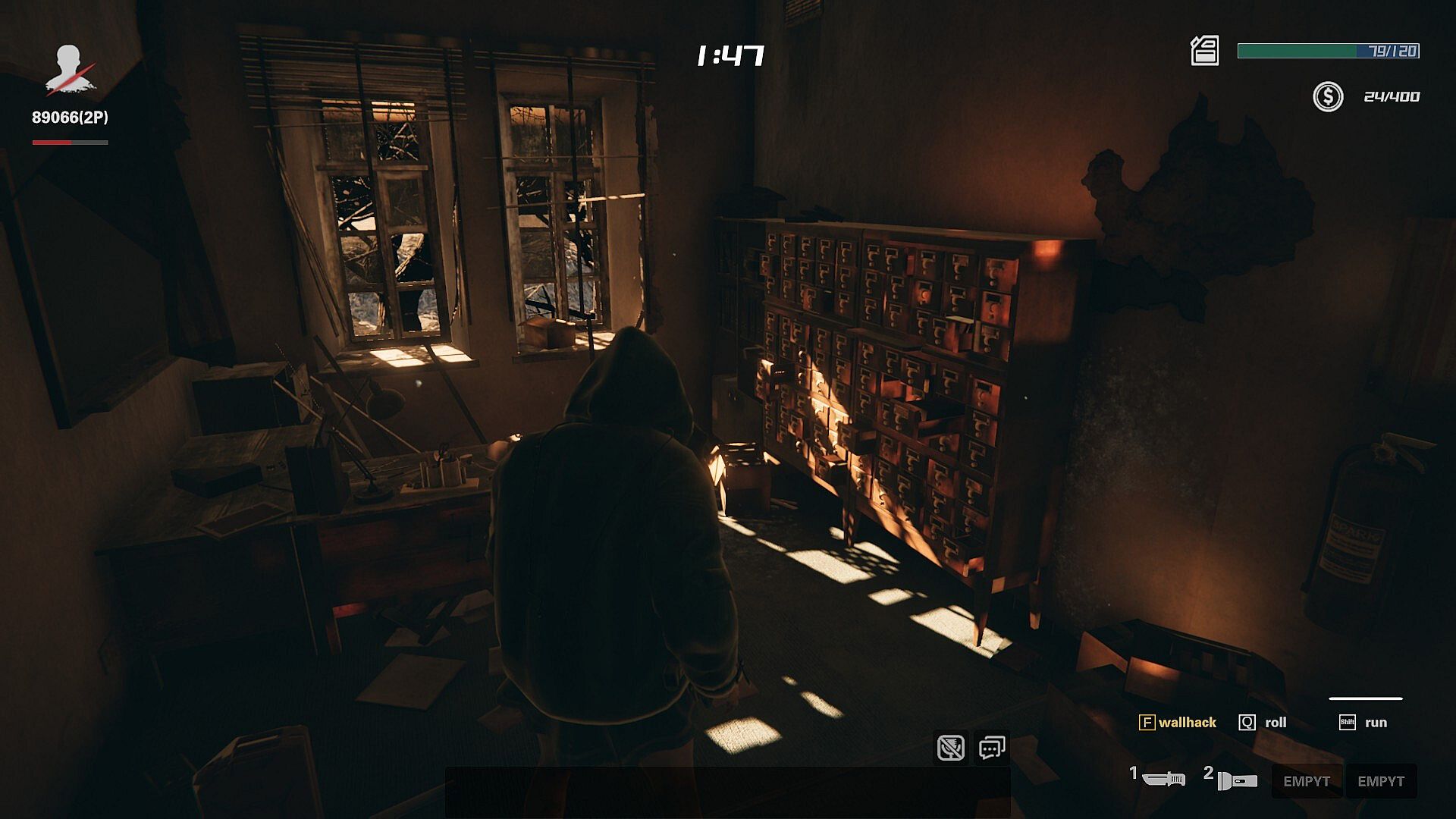
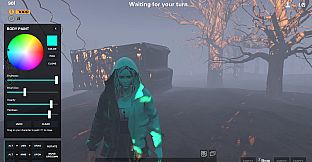
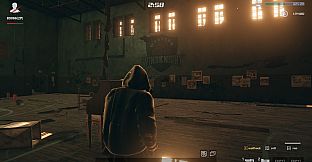
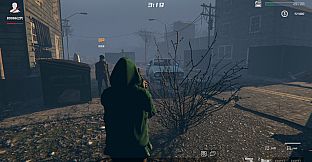
The core loop centers on preparation and execution within each match. Before entering a map, participants customize their character by painting colors and patterns that serve as functional disguises. Once inside the environment, the focus shifts to movement and resource gathering. Fuel, coins, and hidden clues appear scattered throughout locations such as schools, forests, and abandoned towns. Staying mobile becomes essential because resources deplete and threats emerge unpredictably.
Disguises allow players to blend into surroundings, potentially evading detection during close encounters. Environmental interaction plays a key role in evasion, with opportunities to deceive others through positioning and timing. The system encourages constant reassessment of surroundings while balancing search objectives against immediate survival needs. Matches build tension through these layered decisions rather than relying on complex controls or lengthy tutorials.
Game Modes
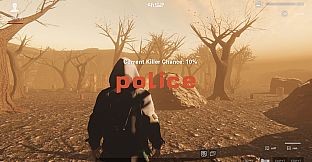
Matches operate around a single core structure where participants receive secret role assignments at the start. These roles include Killer, Police Officer, and Civilians distributed among the group. No one knows who holds which assignment, which forces ongoing observation of behavior and trust evaluation. The setup creates shifting alliances and betrayals as players pursue individual or group objectives tied to their hidden identity.
Each session unfolds as a self-contained trial within the larger world mystery. Objectives involve collecting items and completing tasks while managing the risks posed by other players. The absence of fixed teams means every round generates fresh dynamics based on how individuals interpret actions and respond to emerging threats. This format supports repeated play without requiring prior coordination.
Hidden Roles and Social Elements
Role assignment drives the social layer of the experience. Killers pursue targets, Police Officers enforce order, and Civilians focus on survival and clue collection. Because assignments remain concealed, participants must read subtle cues in movement, resource priority, and interaction patterns. Successful play often hinges on maintaining cover while advancing personal goals.
Deception extends beyond roles into disguise usage. A well-chosen paint scheme can allow a pursuer to pass by without notice, buying time for further exploration. The mechanic rewards creativity in customization and quick adaptation when cover fails. Light-horror elements surface during chases, emphasizing tension through pursuit rather than graphic content.
Is It Worth Playing?
ESCAPE: FALSE COLORS suits players who enjoy social deduction combined with light resource management and environmental navigation in a party setting. The emphasis on disguise strategy and hidden identities creates replayability through variable group dynamics. Maps encourage exploration that ties into an overarching narrative revealed across multiple trials.
The game remains in active playtest, with recent updates addressing technical issues such as parkour availability between rounds. This stage allows direct feedback on mechanics before wider release. Those drawn to indie multiplayer experiences with casual entry points and adventure undertones will find the current build offers a focused test of its core systems. Participation depends on interest in contributing to development while experiencing the blend of painting, role concealment, and survival chases firsthand.