









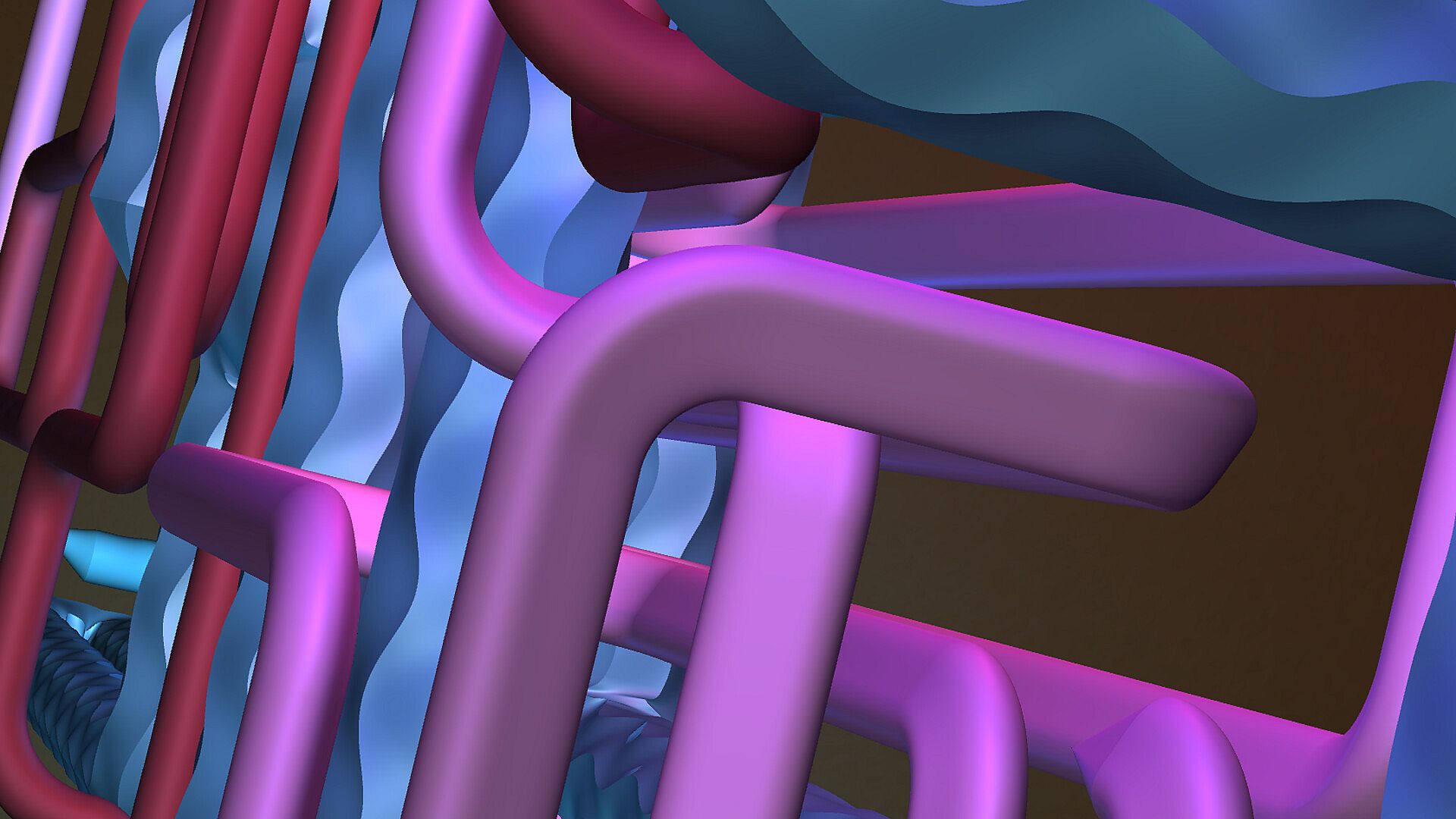
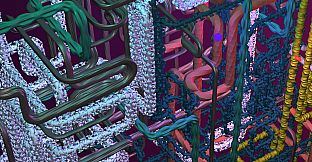
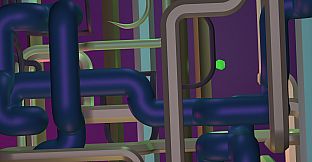

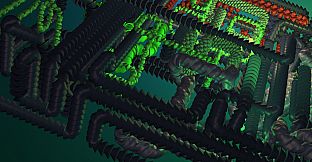
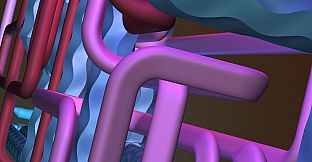
Eternitubes 3D is a casual simulation experience built around endless procedural generation of tubular forms and geometric structures. Released for PC, the title focuses on creating unique, never-repeating compositions of shapes that evolve continuously without repetition or external input. It operates as both a standalone application and an optional Windows screensaver, emphasizing resource efficiency through its custom implementation that avoids any game engine or artificial intelligence systems.
Gameplay
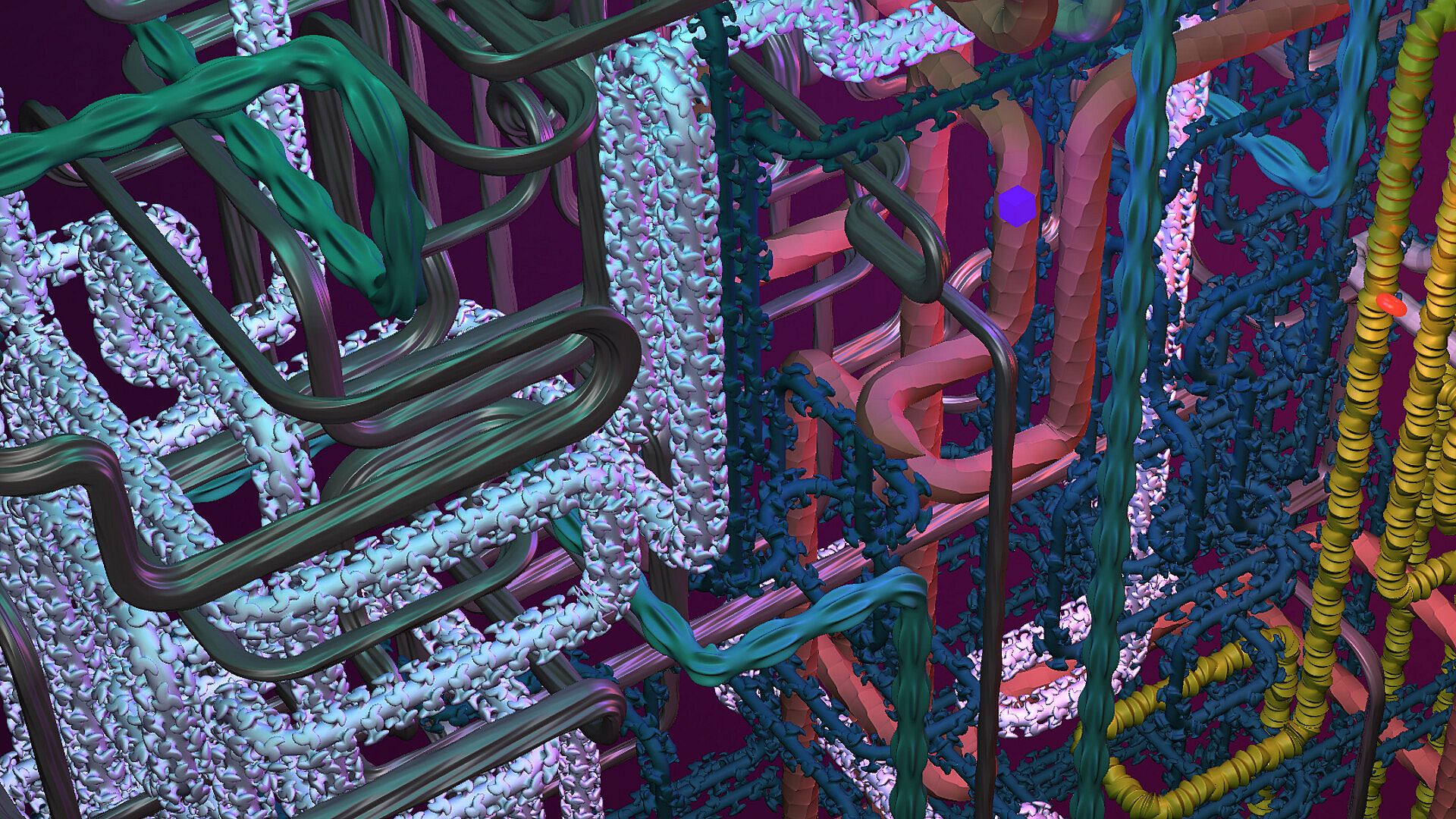
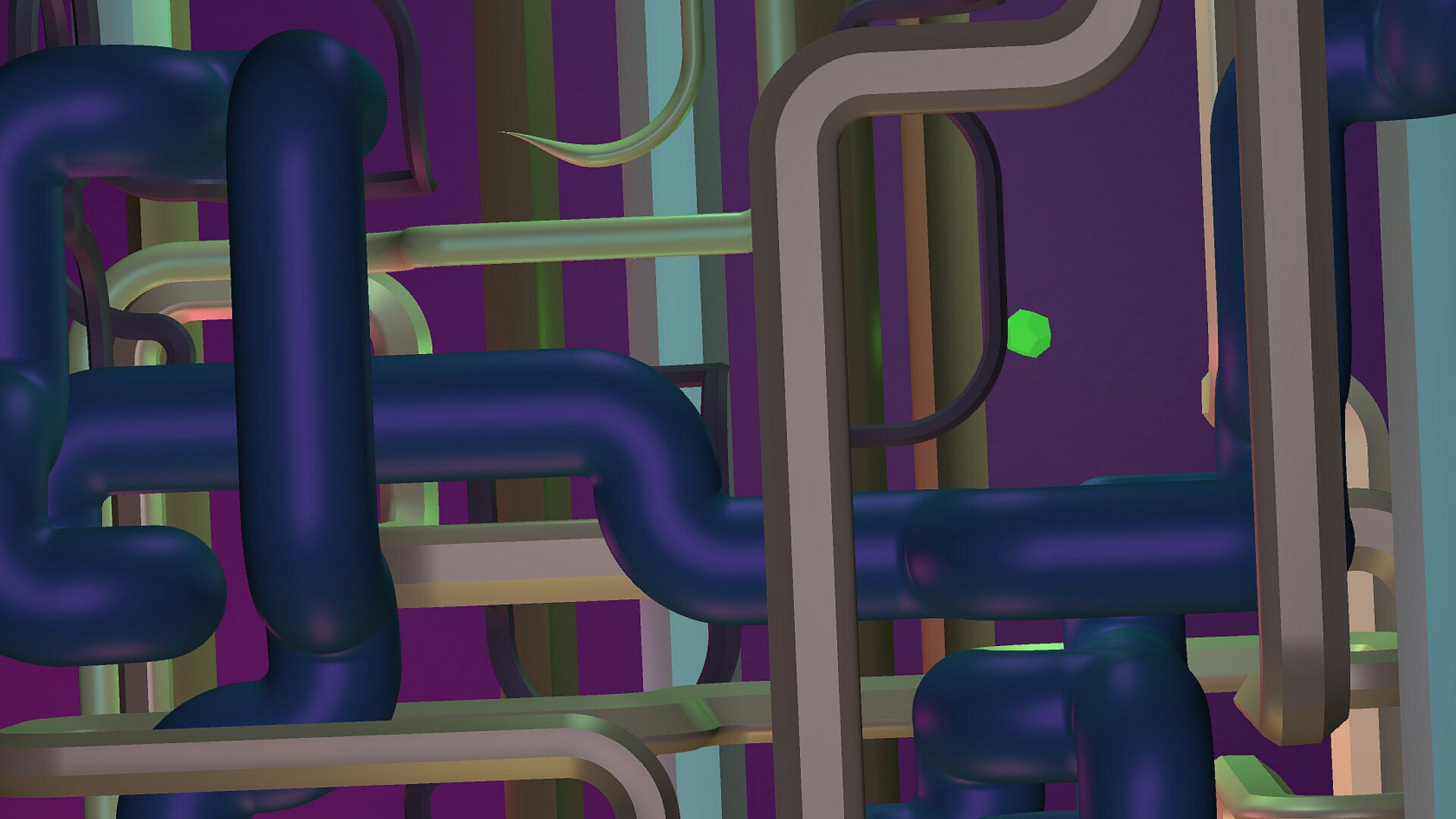
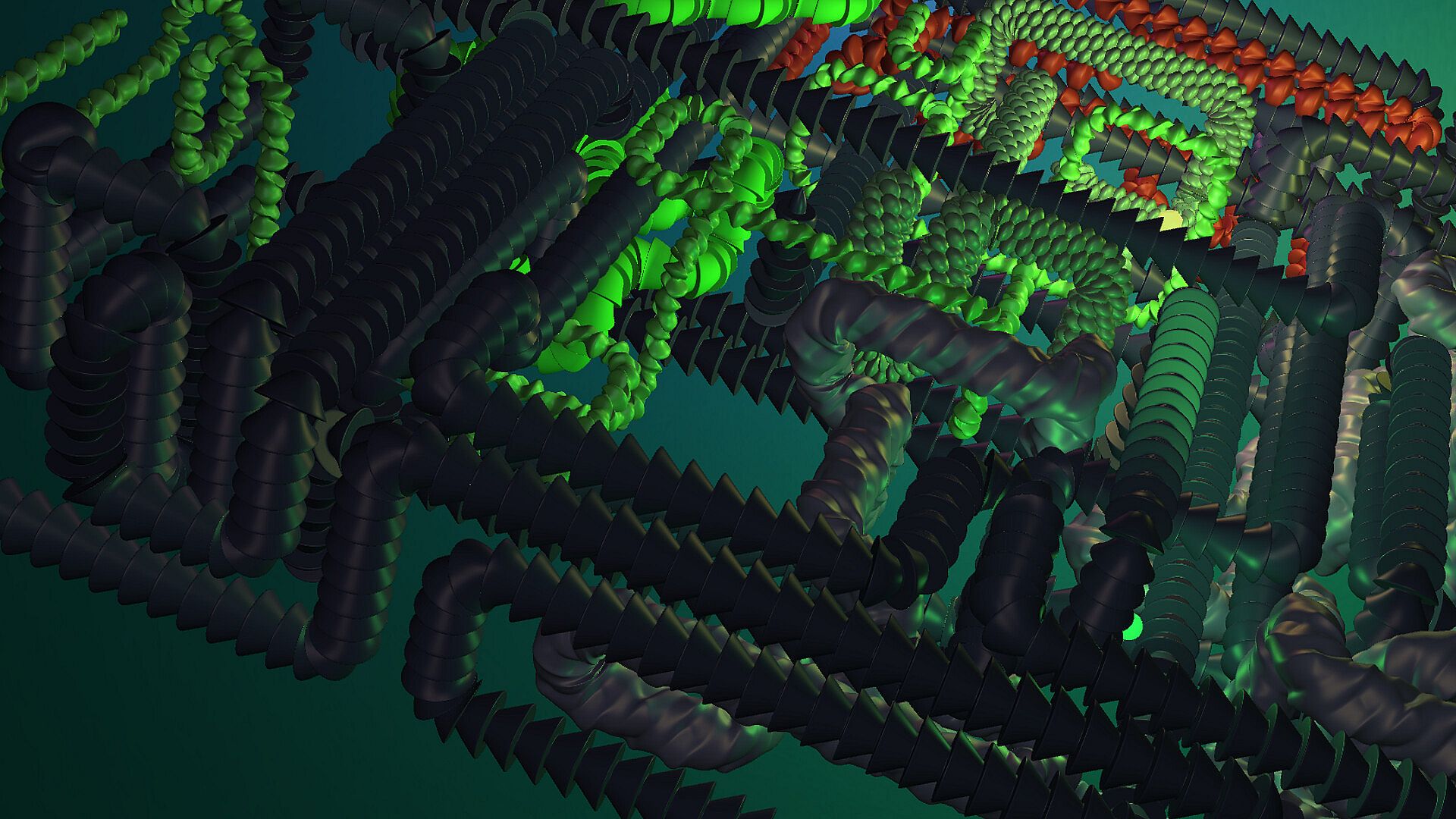
The core loop centers on passive observation of randomly assembled tubular elements that form intricate, space-filling patterns. These structures draw from mathematical solids including the platonic solids and additional forms such as the rhombic dodecahedron. Every session produces fresh arrangements through pure procedural rules, resulting in compositions that range from smooth and glassy to more rigid or complex textures. Speed adjustments allow viewers to accelerate or slow the evolution of the forms, while fullscreen toggling supports focused viewing sessions. The absence of loading screens or heavy processing keeps the experience lightweight and immediate on standard hardware.
Visual variety comes from material-like qualities applied to the tubes, creating contrasts that highlight the underlying geometry. No player input alters the generation rules themselves; the system runs autonomously once started. This setup suits extended viewing periods where the emphasis remains on the unfolding randomness rather than active control or objectives.
Game Modes
Eternitubes 3D presents two primary ways to access its visuals rather than traditional competitive or narrative modes. The standalone application launches directly from the desktop or library, running until manually closed via the escape key. It supports borderless fullscreen for flexible window management alongside standard windowed operation.
The screensaver installation integrates with Windows settings through a dedicated file placed in the application folder. Once set as the active screensaver, it activates after system inactivity and exits automatically on any keyboard press or mouse movement. Both approaches deliver identical procedural content, differing only in launch behavior and exit conditions. No additional variants or selectable options modify the generation parameters.
Technical Approach and Controls
Development prioritizes minimal resource demands by relying on direct procedural code instead of engine overhead. This results in near-instant startup and sustained performance even during prolonged runs. The generation process incorporates a wide range of tubular configurations that renew indefinitely, ensuring each viewing period reveals previously unseen arrangements.
Basic keyboard controls handle session management. Pressing F switches to fullscreen display. Increasing or decreasing animation speed uses the P key or numpad plus for faster movement and the M key or numpad minus for slower pacing. Escape exits the standalone version cleanly. These inputs remain consistent across sessions without requiring menus or configuration files.
Is It Worth Playing?
This title appeals to users seeking a lightweight, always-available visual tool for relaxation or background ambiance. Its procedural focus delivers consistent novelty without repetition, making it suitable for those who appreciate mathematical geometry rendered in motion. The dual availability as application and screensaver extends its utility beyond dedicated play sessions into everyday computer use.
Player interest centers on the handmade procedural quality and the inclusion of specific solids like the rhombic dodecahedron alongside standard platonic forms. Because the experience runs indefinitely with no endpoints or progression systems, it functions best as a passive companion rather than a goal-oriented activity. Individuals drawn to simulation and visualization software will find the resource-friendly design and endless renewal align closely with those preferences. Those expecting structured gameplay or interactive mechanics may prefer titles with explicit objectives.












