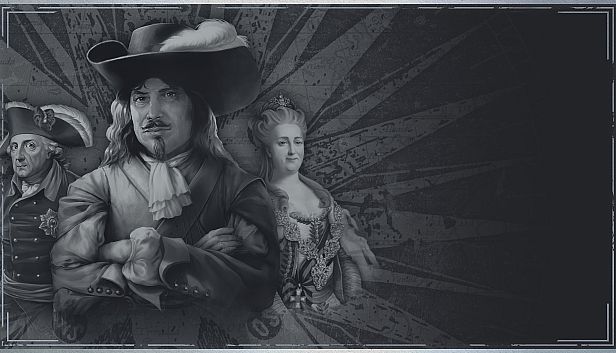
















Europa Universalis IV is a historical grand strategy game set on PC where players guide any nation from the year 1444 through the early modern period to 1820. The experience centers on building and maintaining power across centuries through careful management of resources, relationships, and conflicts on a detailed world map.
Gameplay
The core loop revolves around long-term planning and real-time progression with the ability to pause at any moment. Players direct national development by balancing internal stability, external relations, and economic growth. Trade routes form a key pillar, with merchants directed to key nodes to generate income that funds armies, navies, and infrastructure projects. Exploration opens new territories and trade opportunities, while colonization extends influence into distant regions.
Diplomacy offers tools for alliances, royal marriages, and influence over neighboring states. Military campaigns require attention to army composition, terrain advantages, and supply lines during conflicts that can span multiple fronts. Religious mechanics influence internal cohesion and international tensions, particularly during periods of reform and upheaval. Monarch traits and government reforms add layers to decision-making, affecting everything from administrative efficiency to succession risks.
Subject nations and vassals provide additional strategic depth, with options to integrate them or leverage their forces in larger conflicts. Espionage and internal development allow for subtle advantages or rapid growth in specific areas without constant expansion.
Game Modes
Singleplayer campaigns form the primary way to experience the title, allowing full control over one nation against the AI. Multiplayer sessions support competitive or cooperative play over local networks or the internet, where human opponents introduce unpredictable elements to diplomacy and warfare. Ironman mode locks saving and certain settings to create a more permanent record of progress, serving as the required path for unlocking achievements.
Historical Depth and Mechanics
The time span covers the Renaissance through the Napoleonic era, with events and mechanics tailored to reflect shifting power dynamics across Europe, the Americas, Asia, and beyond. Horde nations feature unique unity systems and religious options, while republics and dictatorships gain specialized governance tools. Trade companies and privateering add naval and colonial dimensions, and randomly generated New World maps provide variety in exploration-focused runs. Central and South American civilizations receive dedicated religious and societal features that shape their resistance or adaptation to external pressures.
Is It Worth Playing?
The game suits players who enjoy detailed, long-session strategy experiences focused on historical simulation and emergent storytelling. Its extensive support through years of development keeps the mechanics fresh, and the included expansions expand options for diplomacy, trade, religion, and regional flavor without requiring separate purchases. Player reception stays consistently positive across recent reviews, reflecting satisfaction with the depth and replayability. Those seeking a challenging singleplayer campaign or occasional multiplayer matches will find substantial value in the Starter Edition package, particularly if they appreciate methodical empire building over shorter arcade-style sessions.