



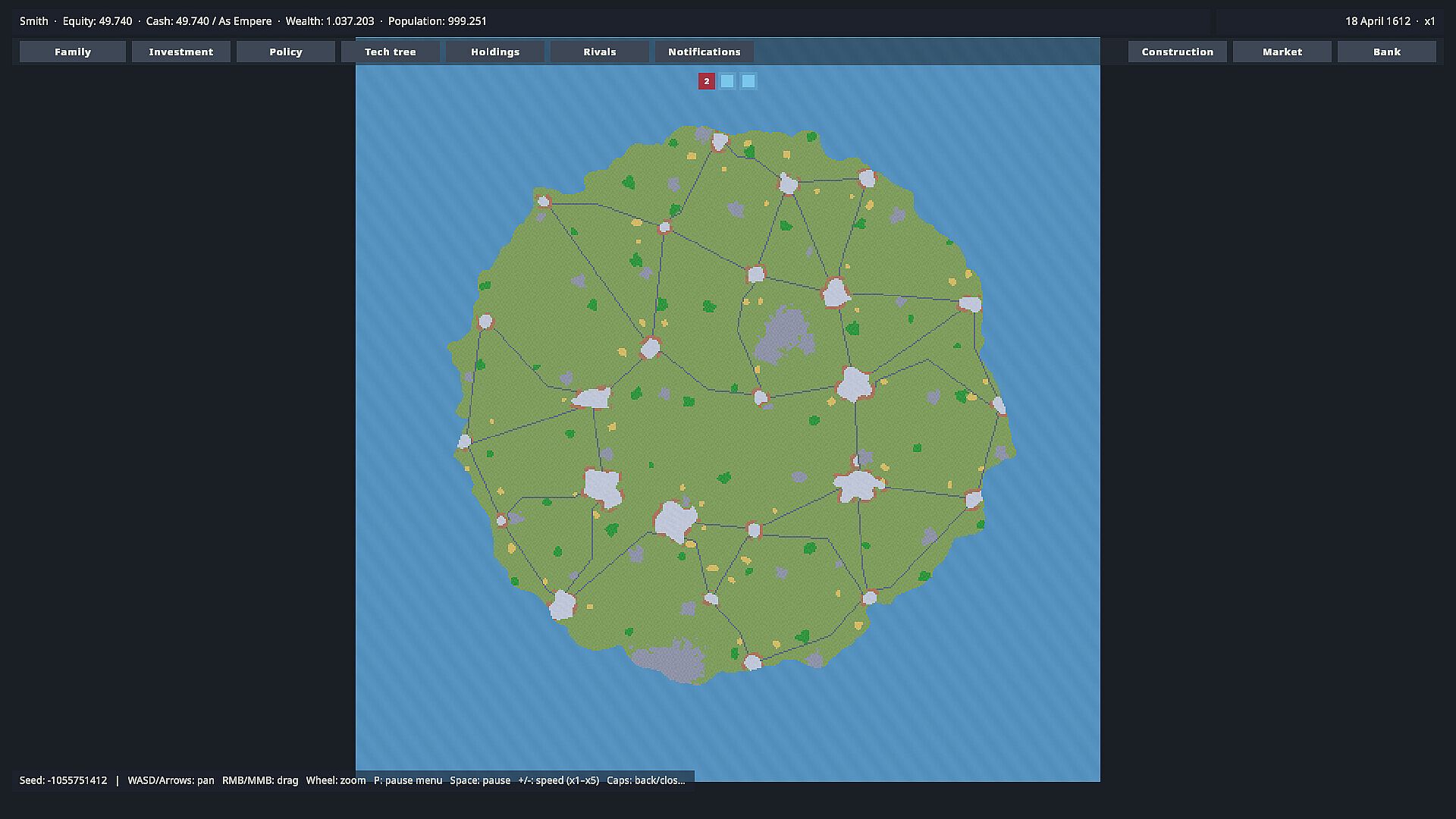
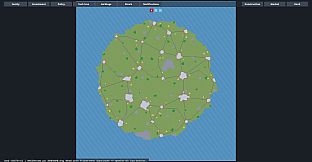

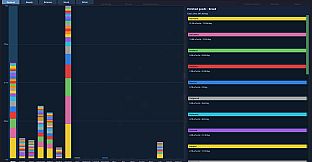
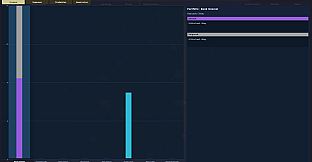
Fiducia: Rent The World is a 2D economy strategy and simulation game where players guide a family dynasty rather than a nation. The experience centers on starting with limited resources and expanding influence through careful economic decisions across generations on a shared island setting.
Gameplay
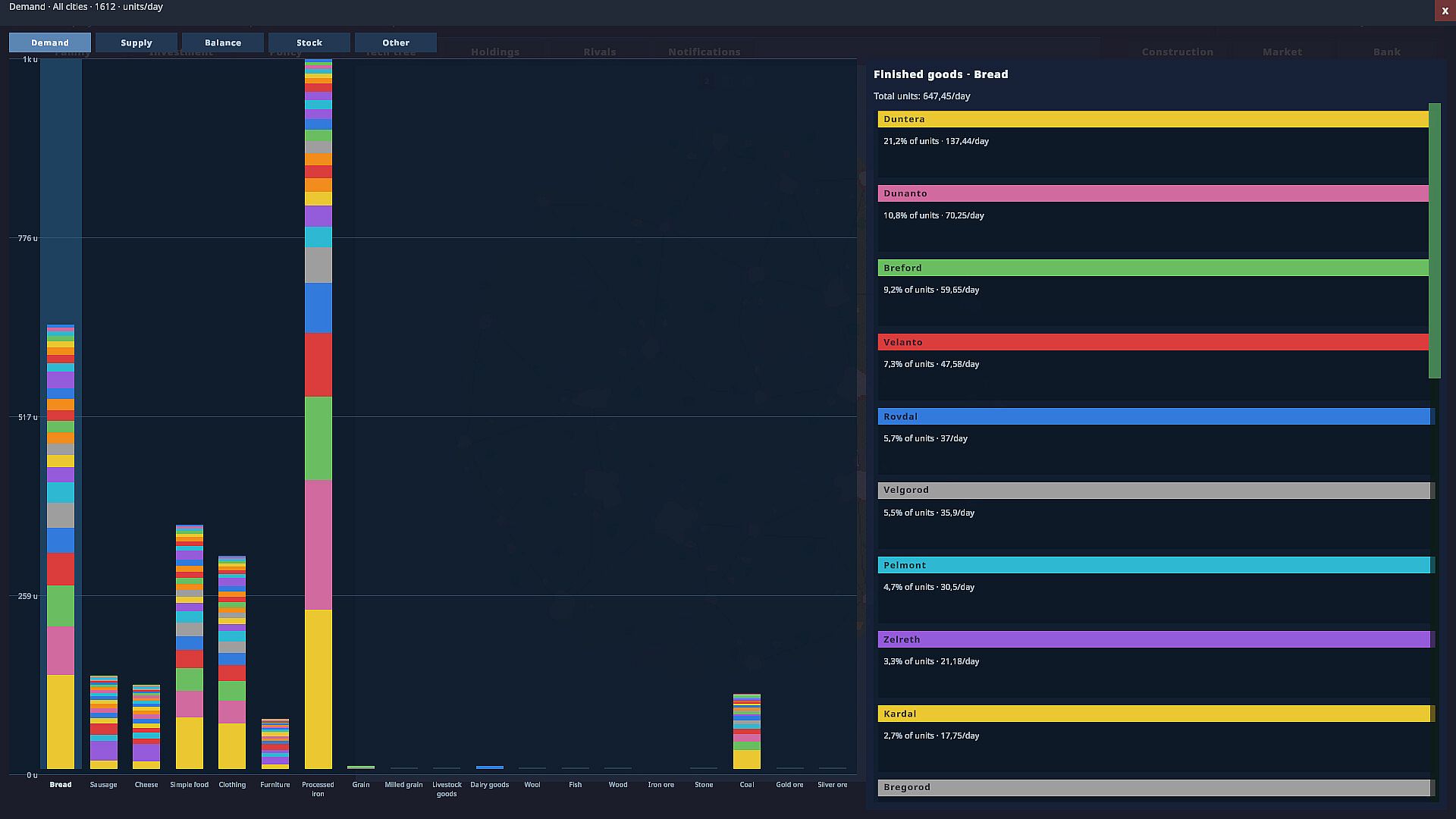
Players begin with a family name, a small plot of land, and a few heirs. The core loop involves growing crops and raw materials, processing them into finished goods, and selling those products in city markets that react to supply, demand, and overall wealth levels. Profits return directly into further expansion, allowing the family to found a bank and open additional branches across different cities.
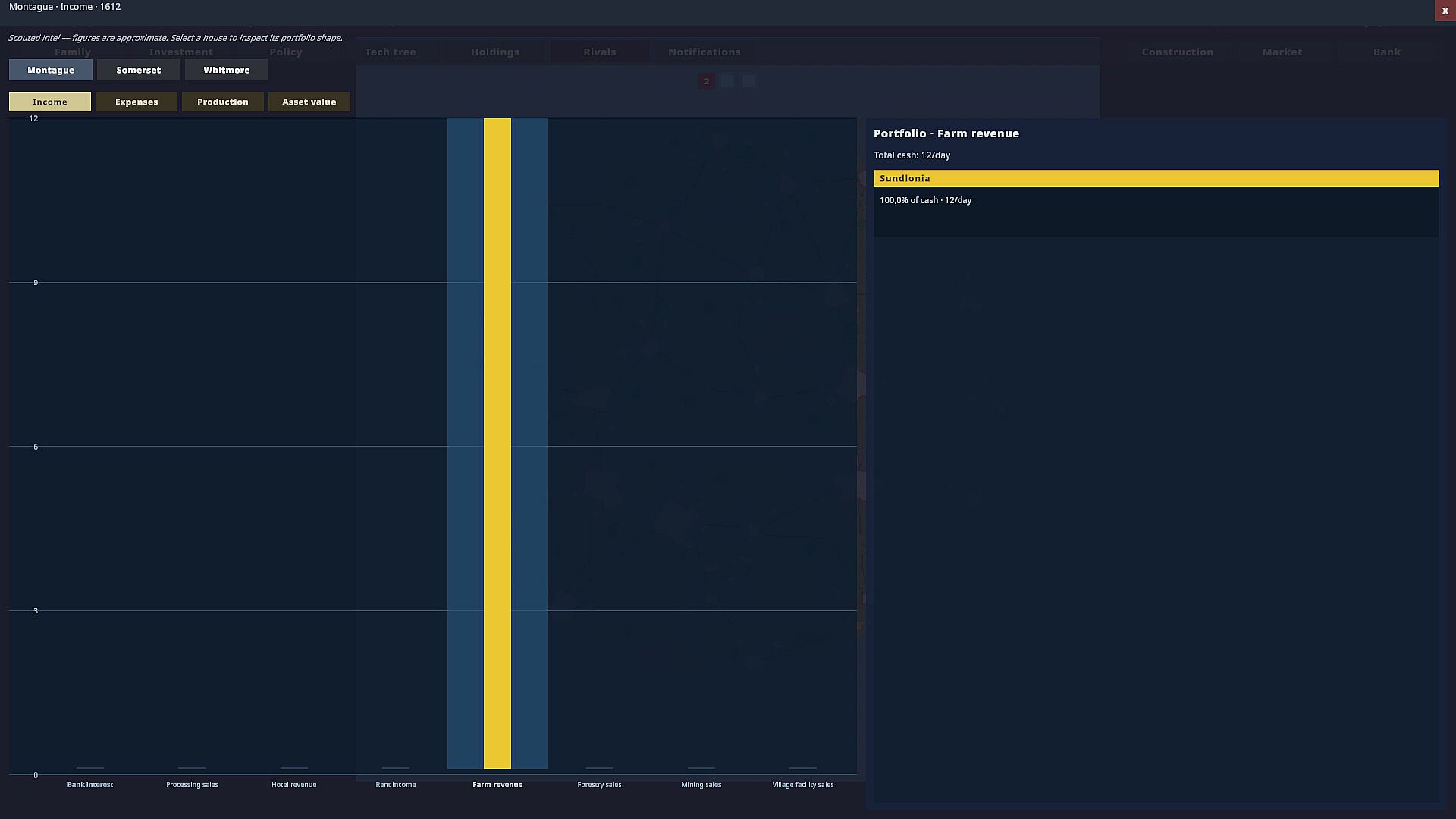
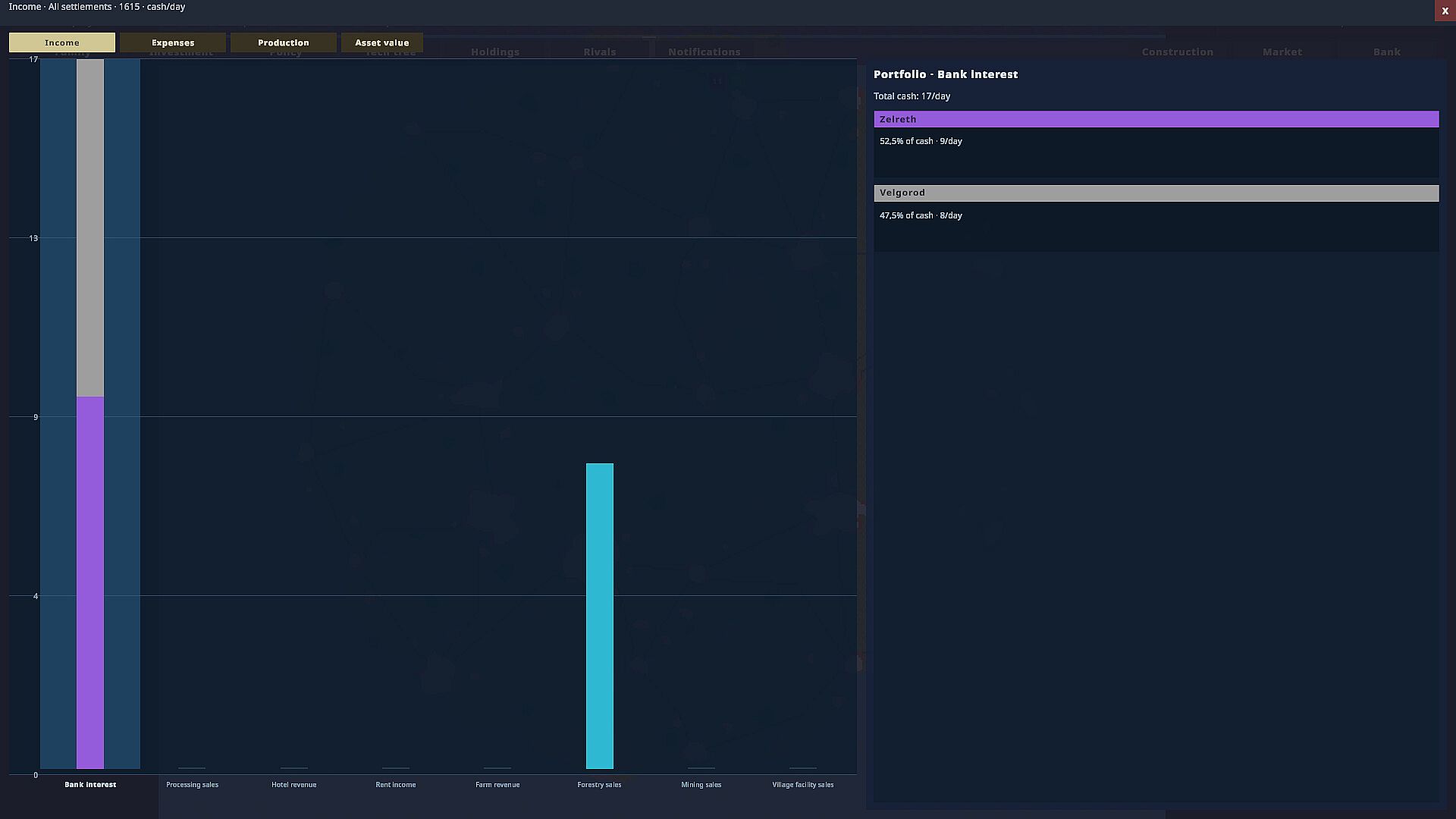
Banking forms a central pillar. Branches accept deposits from the public, and players set interest rates to manage credit and build trust over time. This system generates passive income while requiring ongoing attention to rate adjustments and deposit flows. Production chains connect farming to manufacturing, creating sellable items that feed into the living market economies.
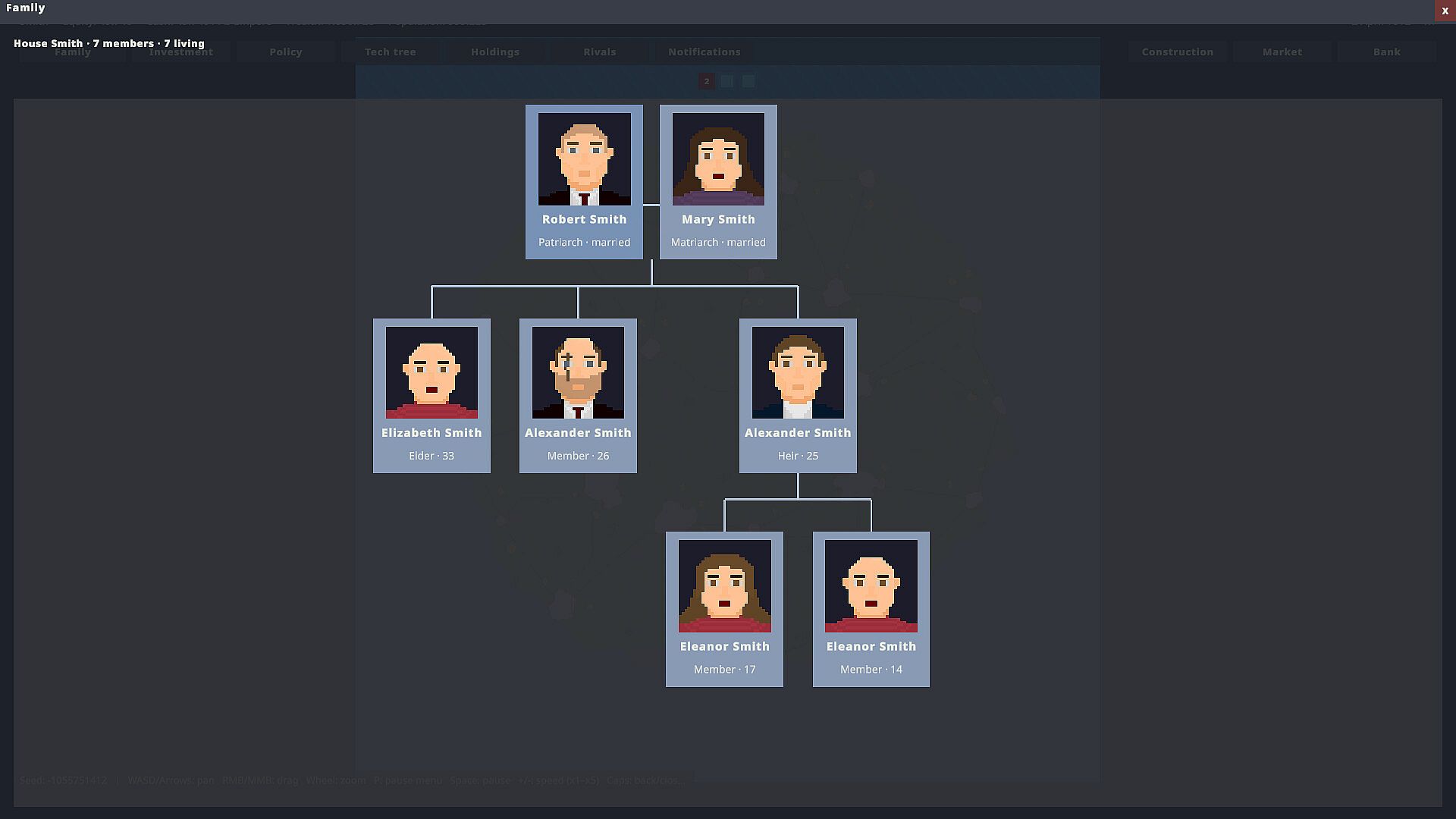
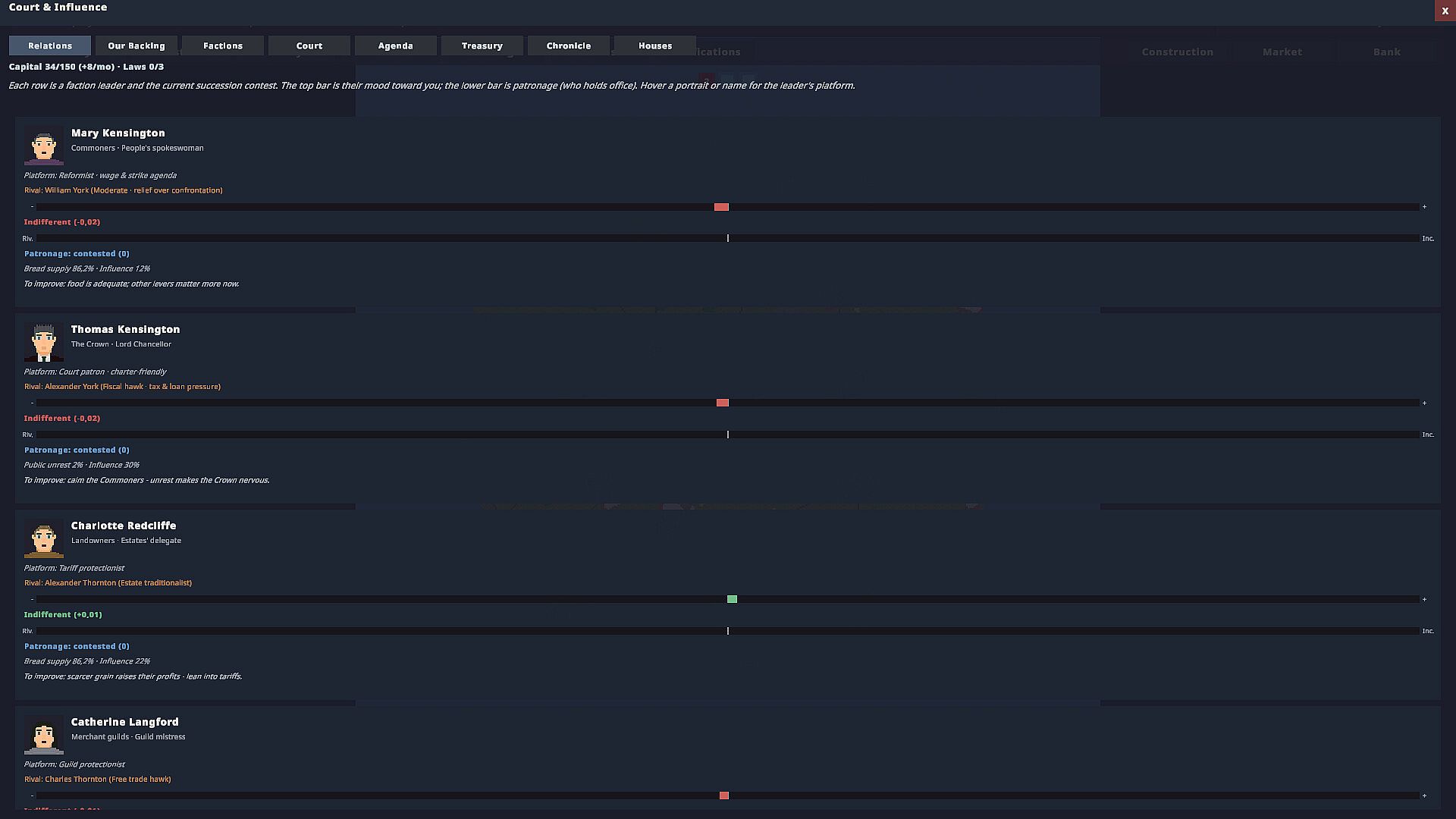
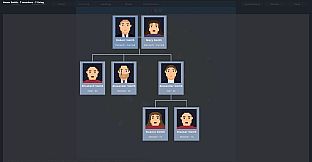
Family management adds depth across generations. Heirs must be assigned roles and staff, with the bloodline growing through careful planning. Rival houses operate on the same island, competing directly for land parcels, market margins, and overall influence. Politics enters through interactions with factions, where players can influence laws, taxes, and regulations to gain advantages.
Game Modes
Two primary ways to play exist. Online multiplayer allows hosting a session where multiple families develop rival dynasties together in one persistent, real-time world. Friends can join and pursue their own economic paths while interacting through markets, land competition, and political maneuvers.
Solo play pits the player against computer-controlled rival houses. This mode supports the same core systems of production, banking, and dynasty growth without requiring other participants, offering a complete single-player experience against AI opponents that mirror the multiplayer competition.
Core Systems and Progression
Progression ties directly to economic decisions and generational planning. Early focus stays on raw production and market sales, while later stages emphasize banking networks and political leverage. Living markets adjust dynamically, rewarding players who monitor supply chains and wealth distribution across cities.
Land acquisition and branch expansion create branching opportunities. Each new bank location increases reach for lending and deposit collection. Rival interactions add tension, as outbuilding or outmaneuvering competitors requires balancing production efficiency with strategic rate setting and faction alliances.
Is It Worth Playing?
Fiducia: Rent The World suits players who enjoy deep economic simulation combined with dynasty management and light competitive elements. The free-to-play model removes upfront cost barriers, letting interested players test the family-building and banking systems at their own pace.
Those drawn to strategy titles focused on production chains, market responsiveness, and generational progression will find the core loop engaging. Multiplayer appeals to groups seeking shared world competition, while the solo AI option provides a self-contained alternative for individual sessions. The emphasis on quiet influence through finance and politics rather than direct conflict creates a distinct pace compared to typical strategy games.