






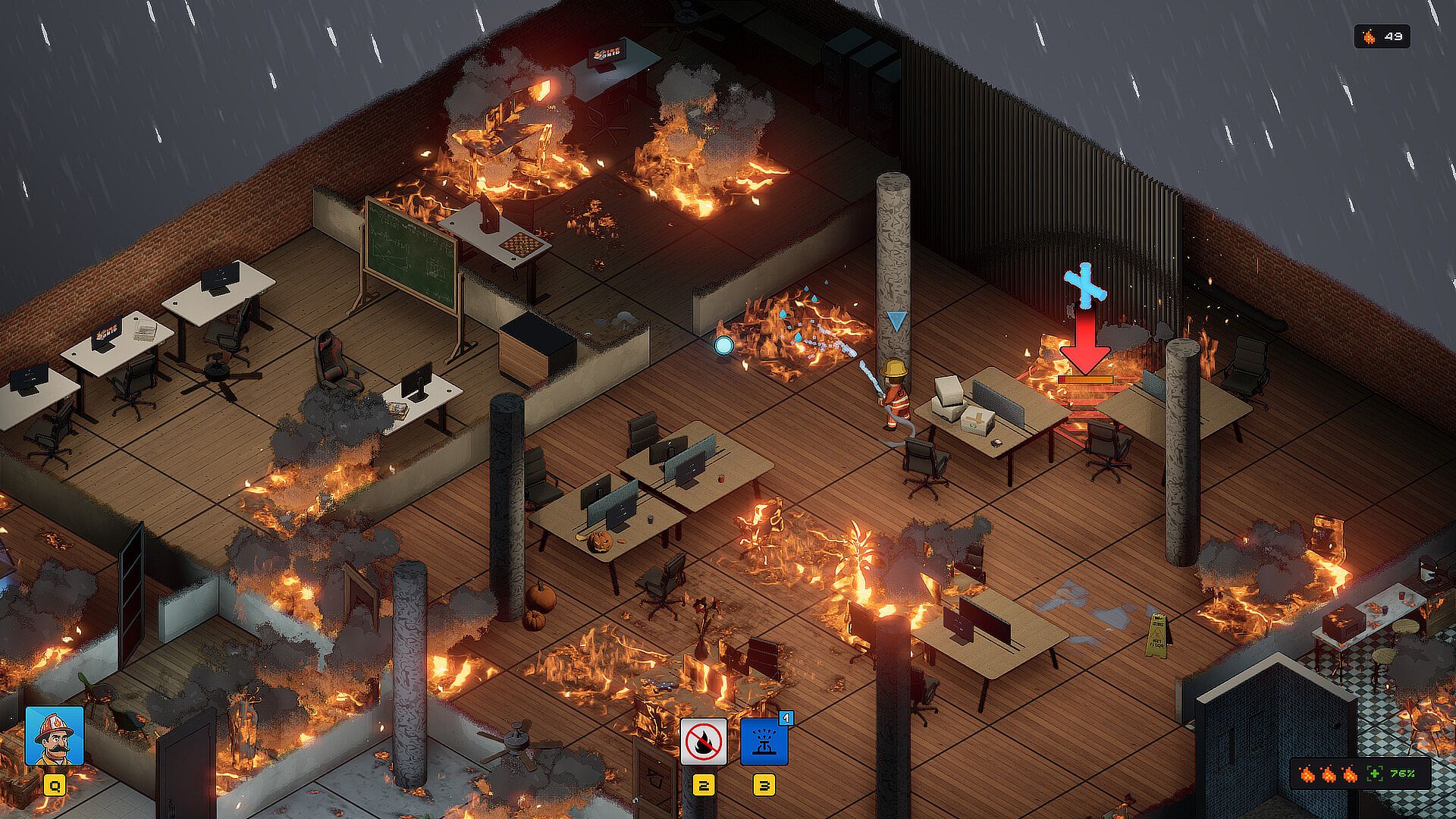
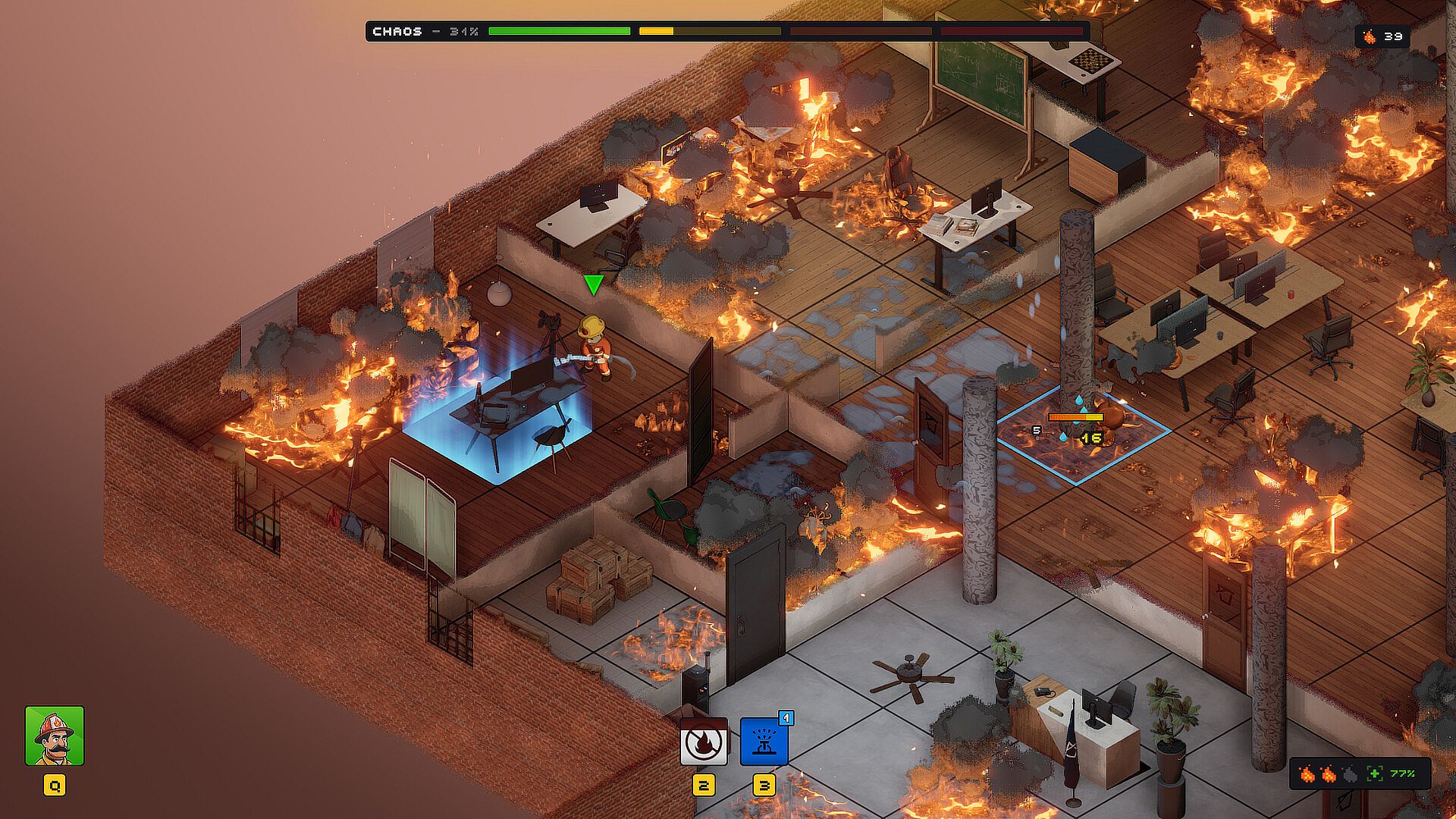
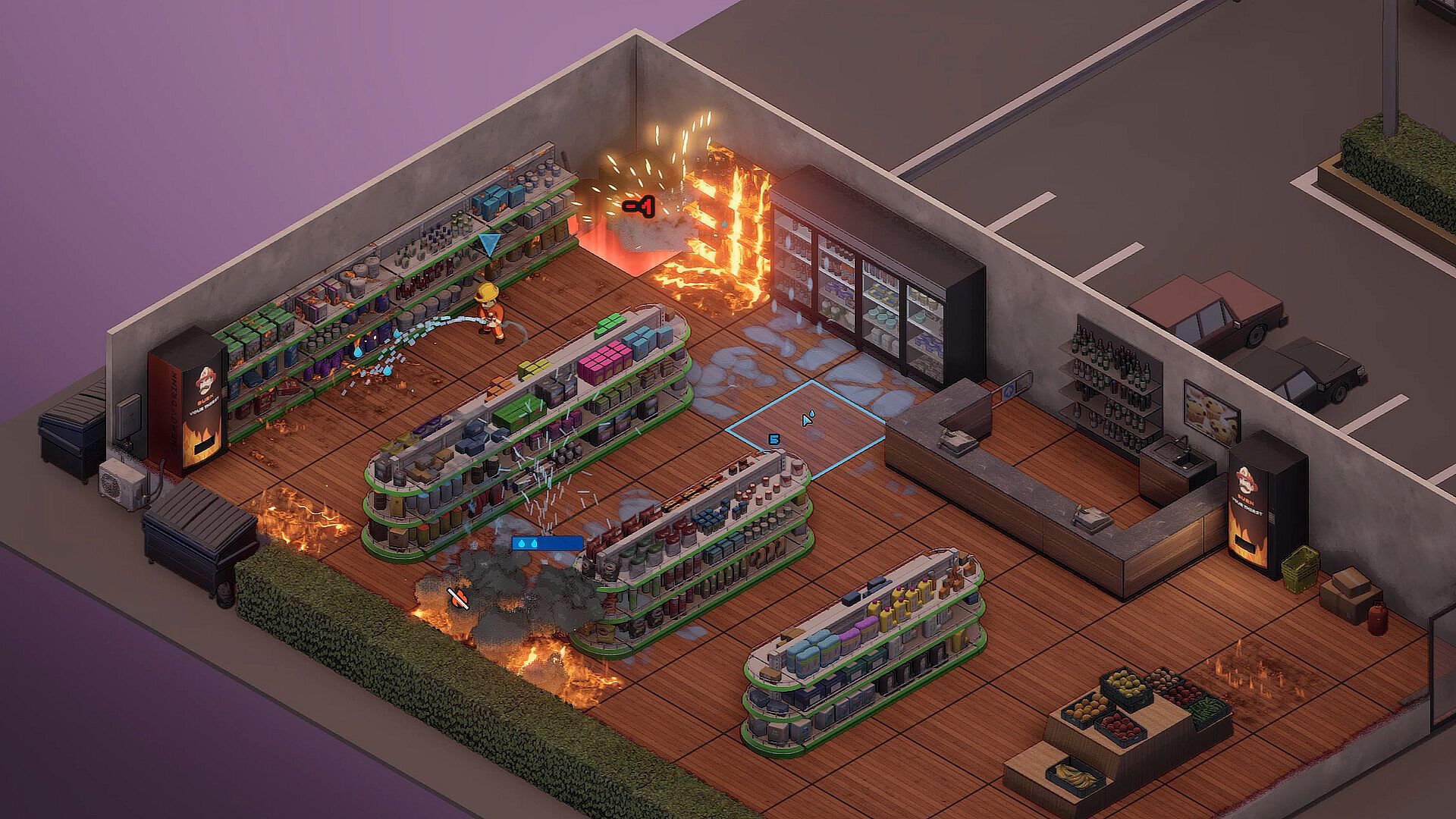

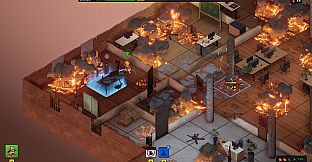
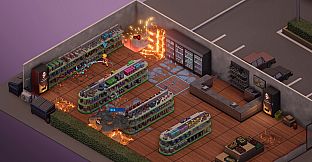
FireGrid is an action and strategy indie game for PC that puts players in the role of a firefighter tackling a series of escalating emergencies. The core experience revolves around responding to fires that can quickly grow beyond control, requiring fast thinking and careful resource management in procedurally generated scenarios. It blends casual accessibility with strategic depth, appealing to those who enjoy short sessions of high-pressure decision making without complex controls or long tutorials.
Gameplay
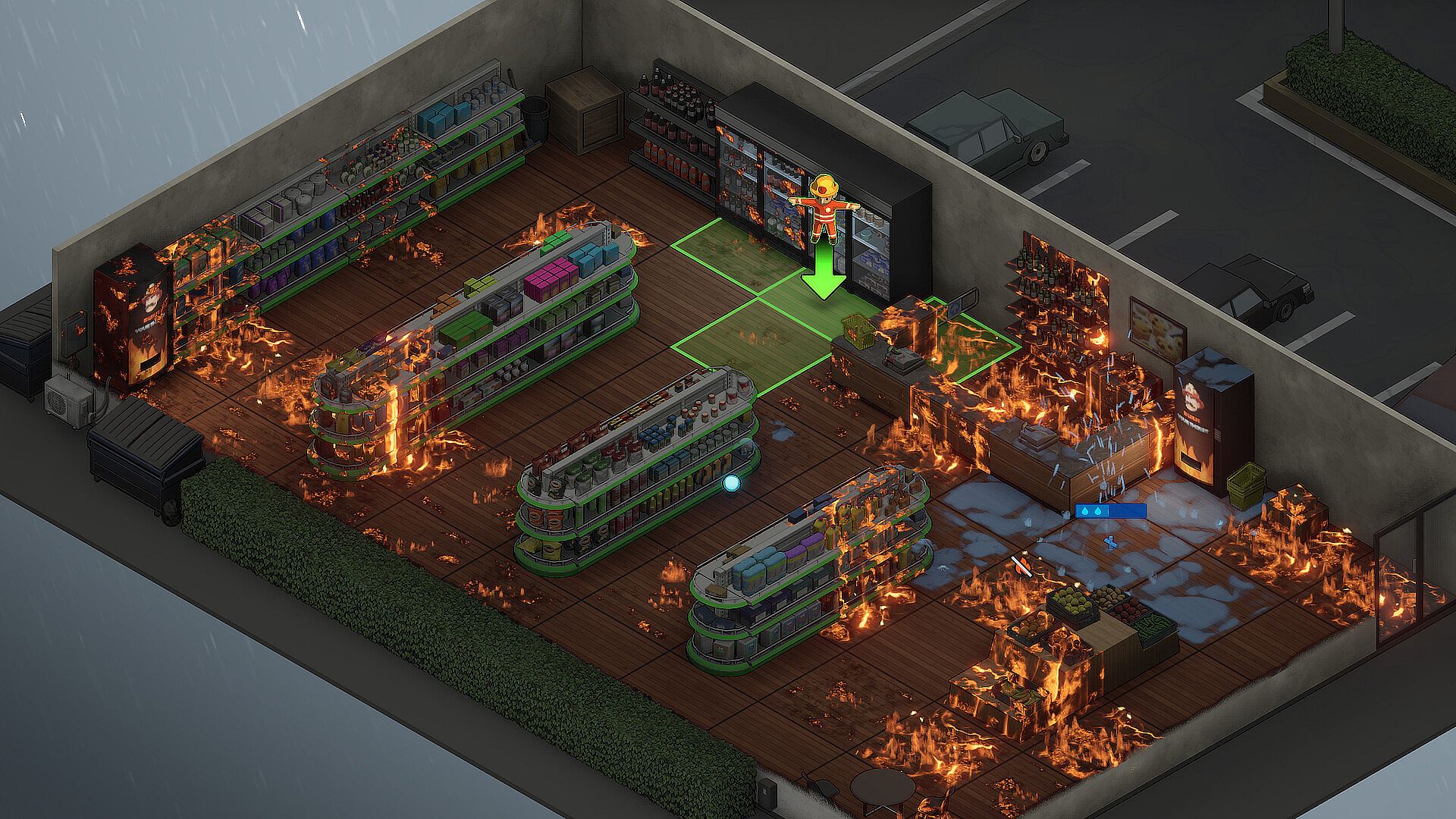
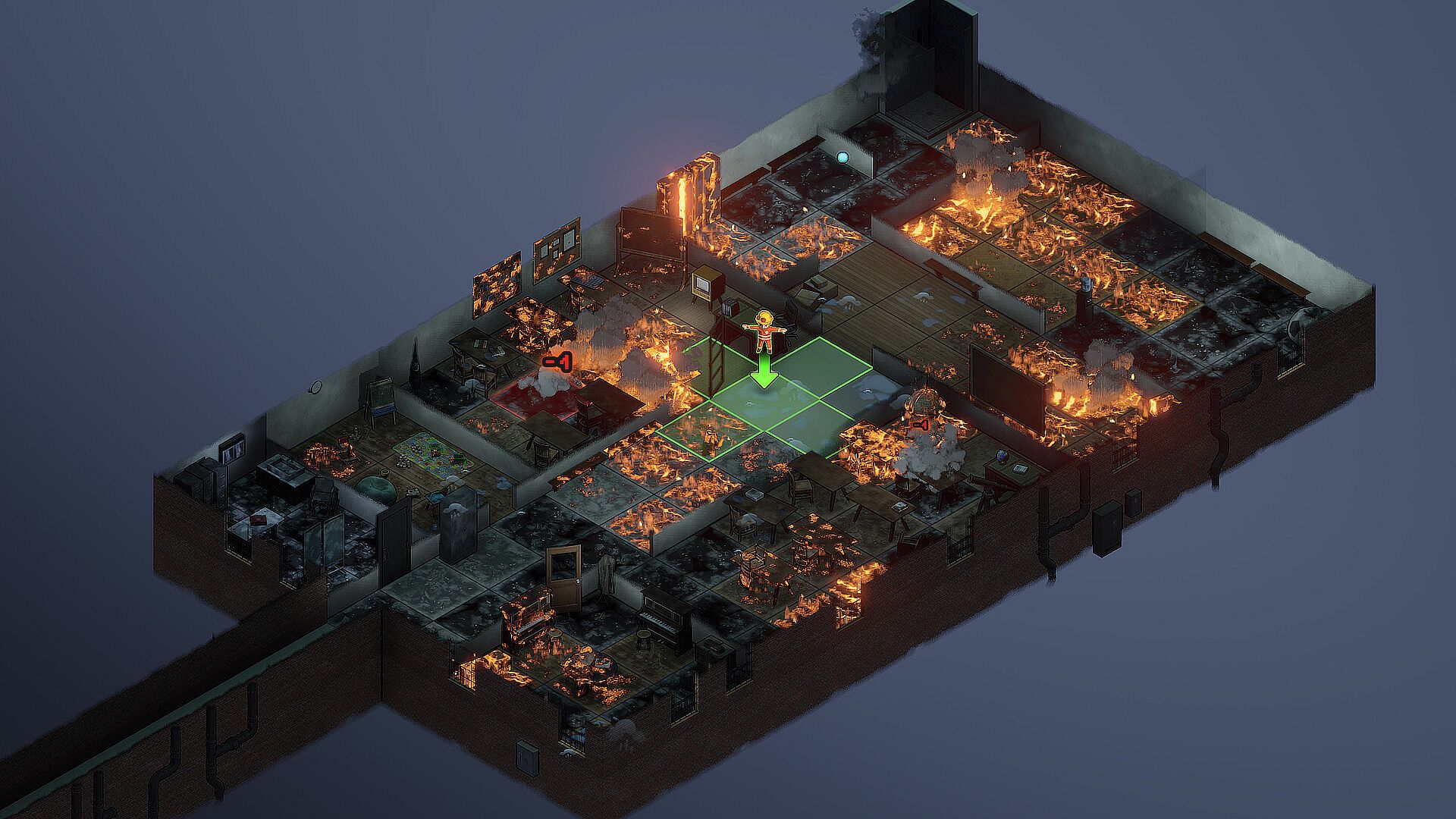
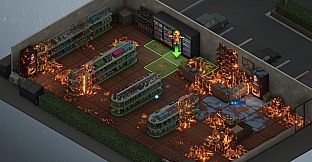
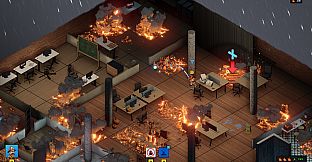
The gameplay loop centers on arriving at one emergency after another, where the immediate task is to battle unpredictable flames and stop them from spreading. Players must assess the situation rapidly, identify the most pressing threats, and act before small issues turn into major disasters. Tools and abilities start basic but improve over time through upgrades that expand options for handling tougher blazes.
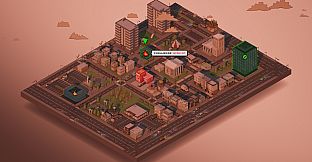
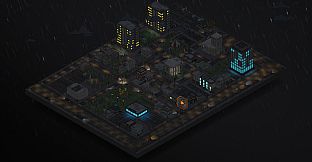
Procedural generation ensures each situation feels fresh, forcing adaptation to new layouts, fire patterns, and complications. As the day progresses, the intensity rises with more frequent calls, stronger winds, or additional hazards that demand tighter prioritization. Quick reactions matter as much as long-term planning, since every choice affects how much control remains over the unfolding chaos.
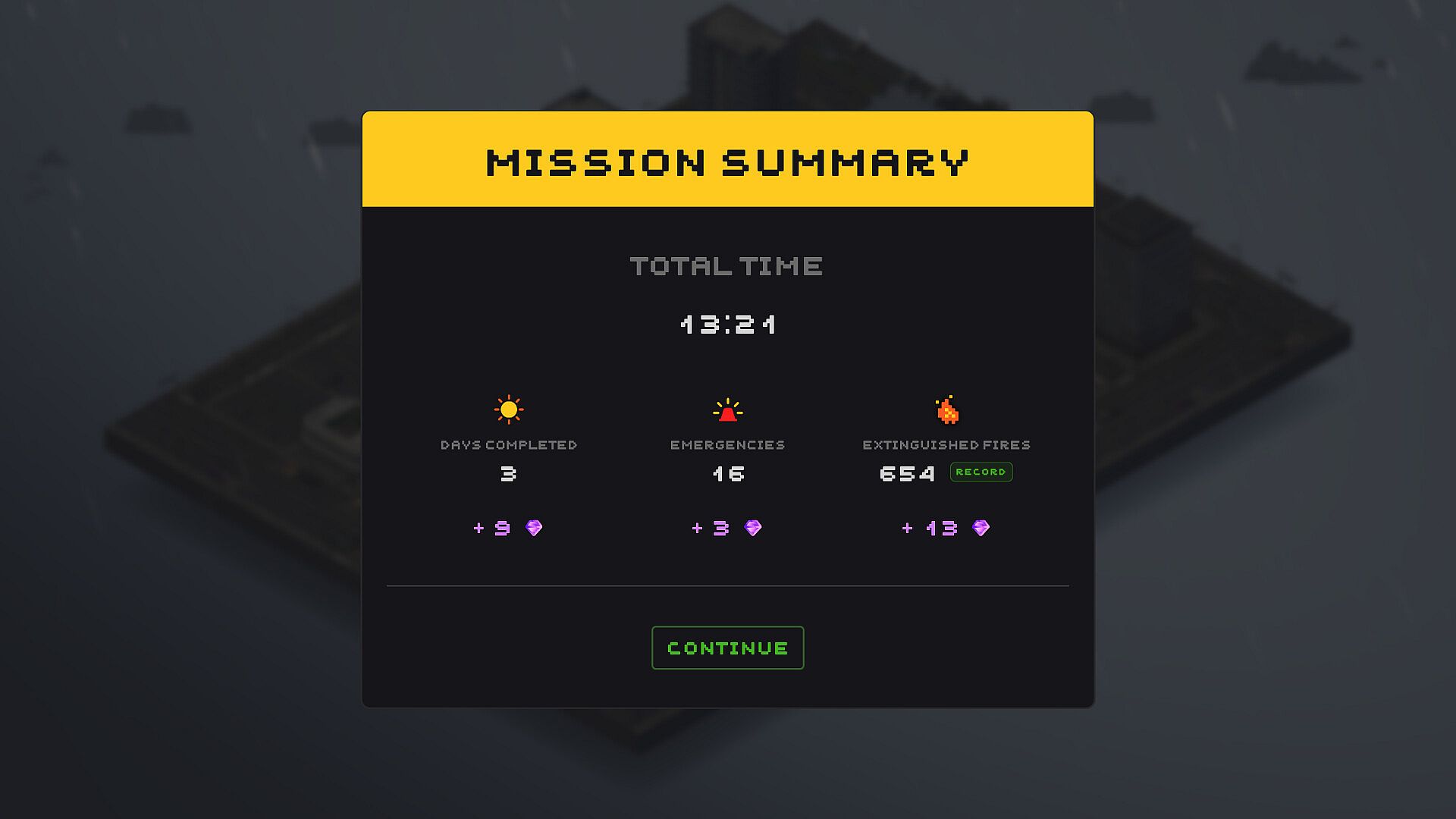
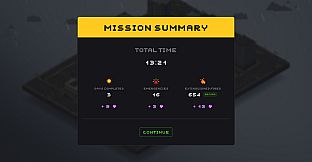
Progression comes from upgrading firefighting gear and personal skills, allowing better performance against increasingly dangerous fires. The focus stays on real-time management rather than slow simulation, keeping sessions engaging for players who prefer action mixed with strategic oversight.
Game Modes
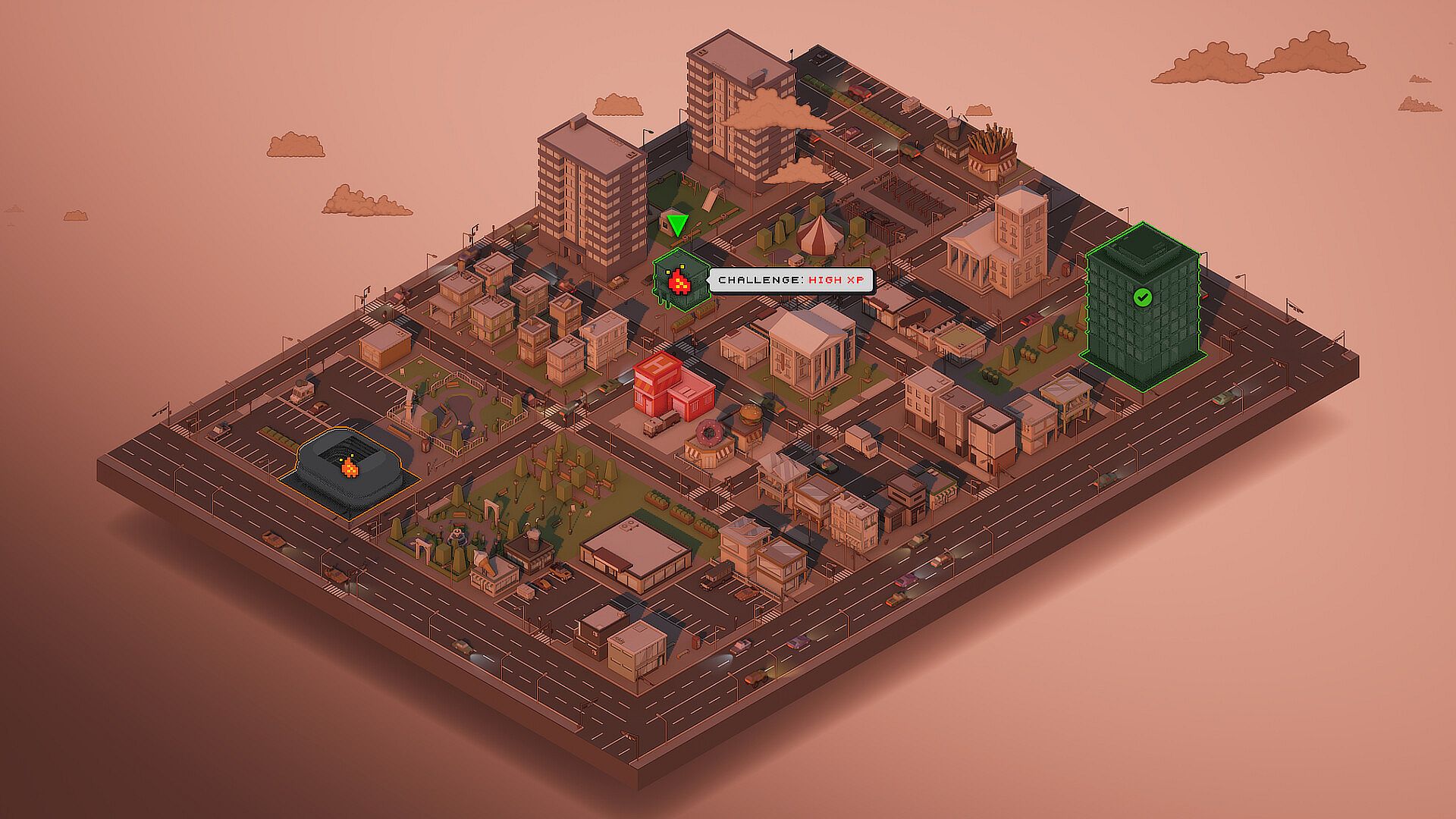
FireGrid operates around a continuous sequence of emergencies rather than distinct named modes. The primary structure involves responding to one incident after the next, with each bringing unique challenges generated on the fly. This creates a single-player flow where the goal is survival and efficiency across a growing number of calls.
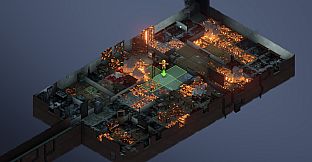
Within that framework, players balance immediate fire suppression with broader threat control. Some situations emphasize containing spread in tight spaces, while others require splitting attention across multiple ignition points. The absence of separate multiplayer or versus options keeps the emphasis on personal performance and adaptation under rising pressure.
Progression and Challenges
Upgrades form a key part of staying ahead as emergencies grow more severe. Players invest in better equipment and enhanced abilities that open new ways to tackle fires, such as improved reach or faster response times. These improvements directly support handling the procedural variety that appears later in a run.
Pressure builds naturally through the day cycle, introducing fresh complications that test earlier decisions. Limited time and resources force trade-offs, rewarding those who learn to read situations quickly and allocate effort wisely. The result is a steady climb in difficulty that feels organic rather than artificially spiked.
Is It Worth Playing?
FireGrid suits players who enjoy fast-paced action strategy games with a casual entry point but meaningful depth in decision making. Its procedural emergencies and upgrade loop provide replayability for short or extended sessions focused on firefighting management. Those drawn to indie titles that combine quick reactions with strategic prioritization will find the core loop satisfying, especially if they appreciate games where every choice carries weight as stakes rise. The experience remains grounded in the provided mechanics without unnecessary complexity, making it a solid option for the genre on PC.











