


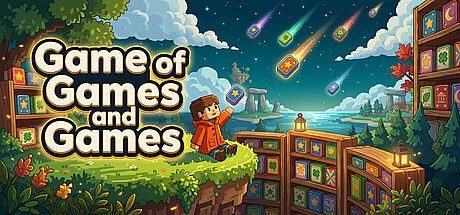


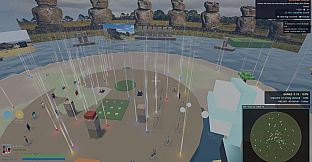
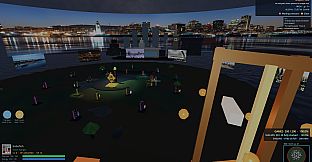
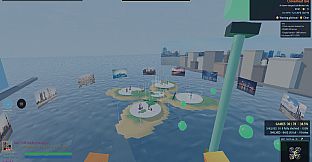
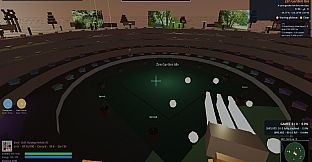
Game of Games and Games is an action, indie, simulation, and adventure title built around a distinctive single-player loop of collecting and organizing physical game cases on a series of surreal islands.
Gameplay
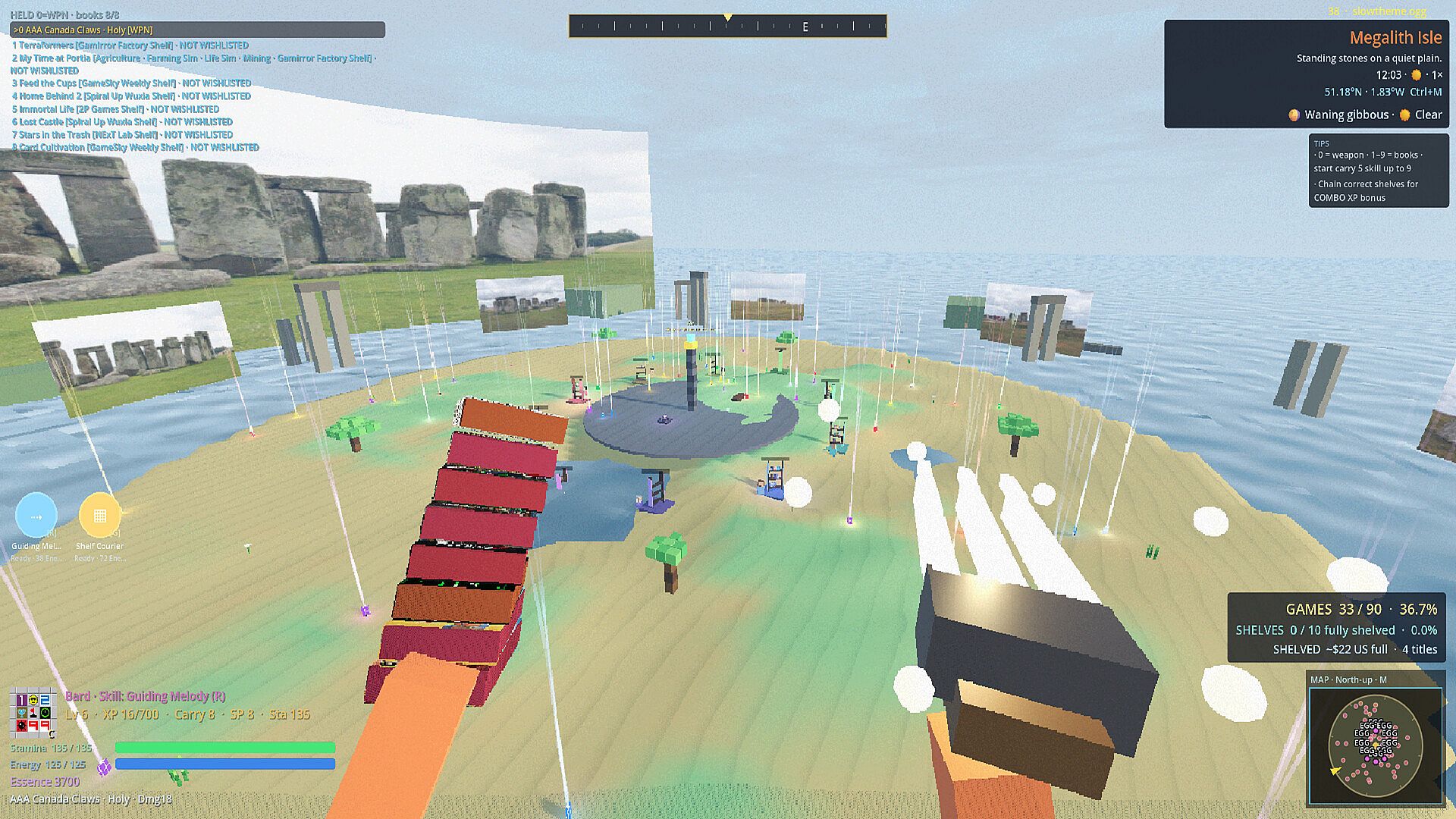
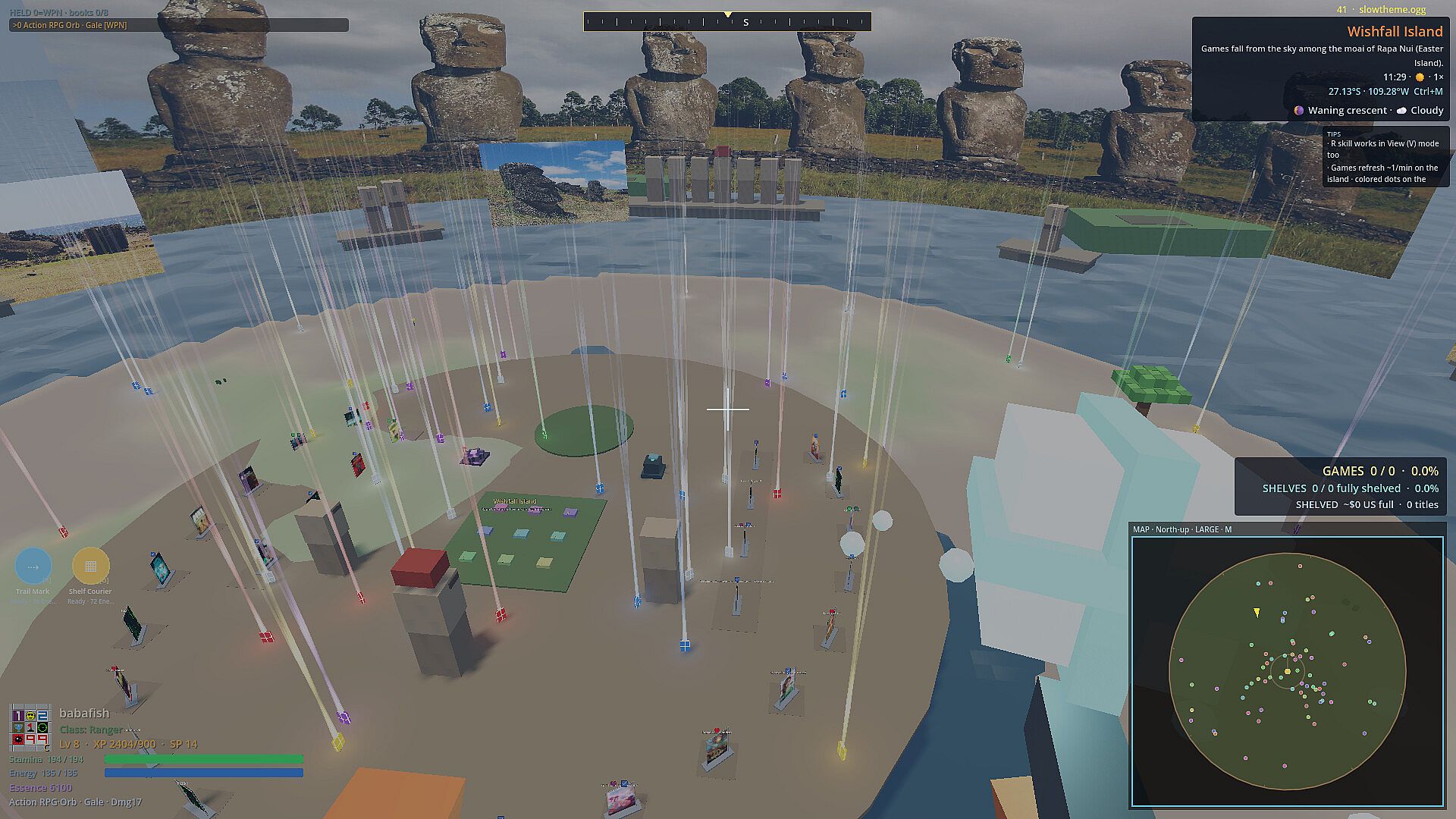
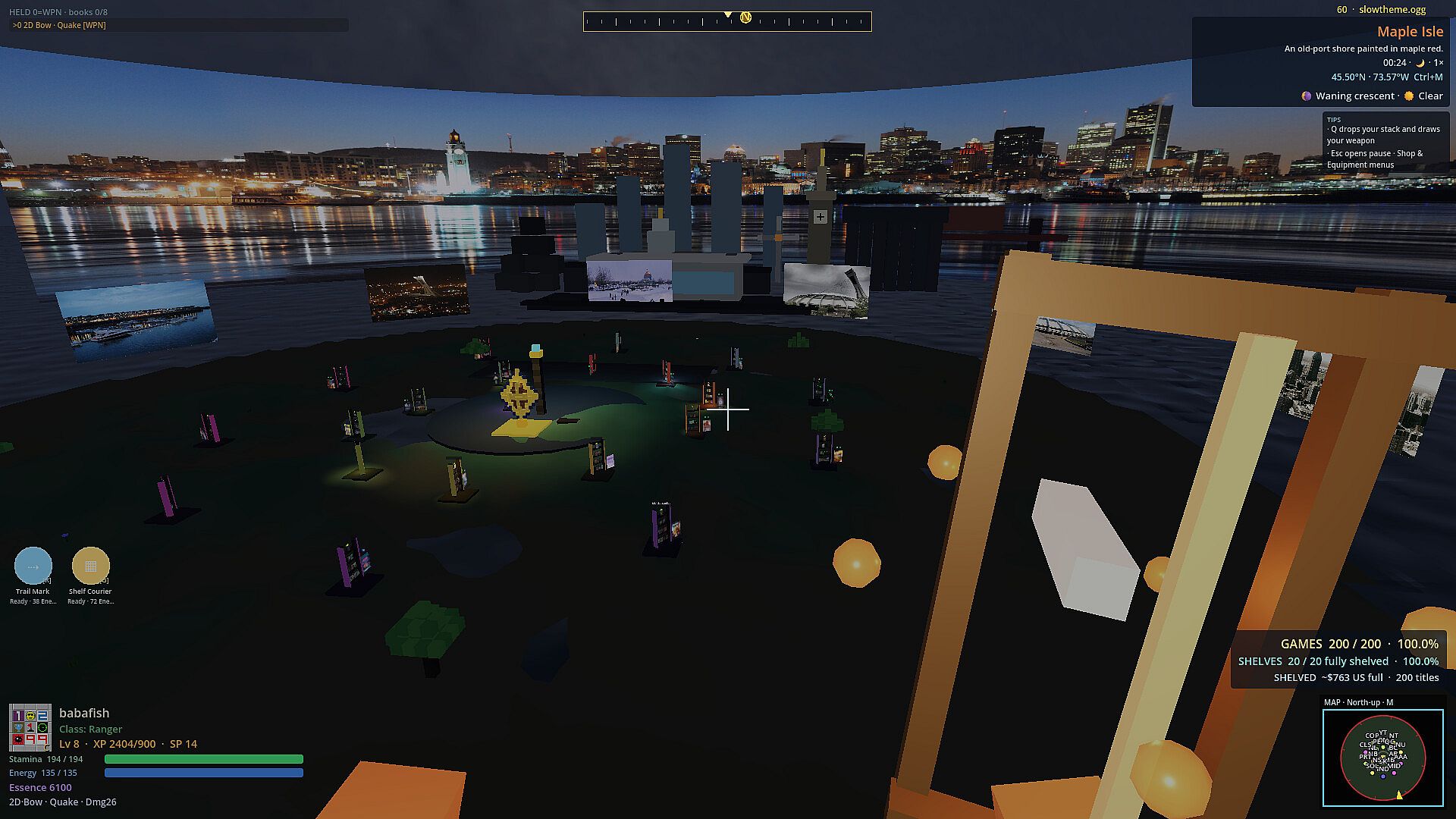
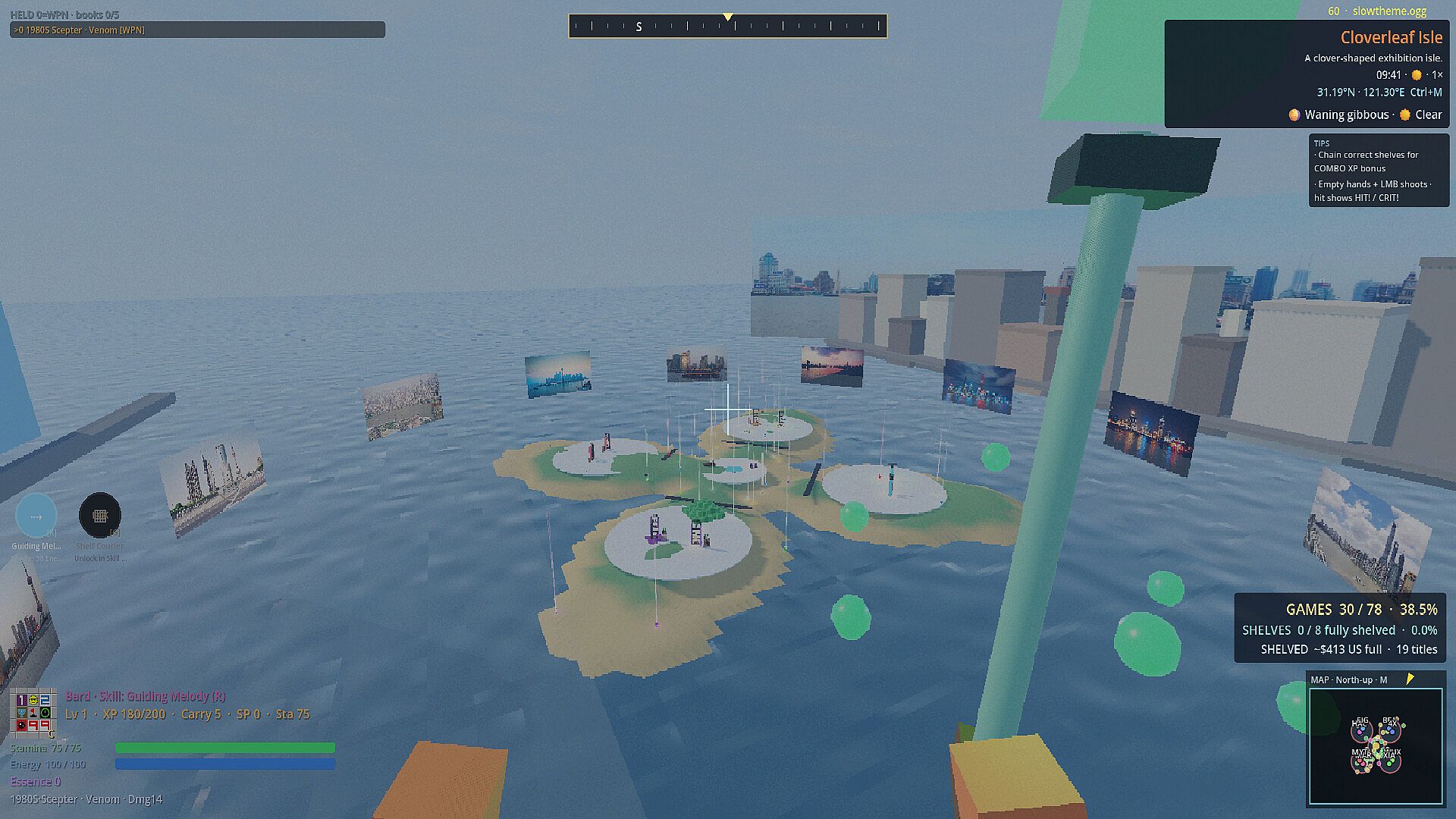
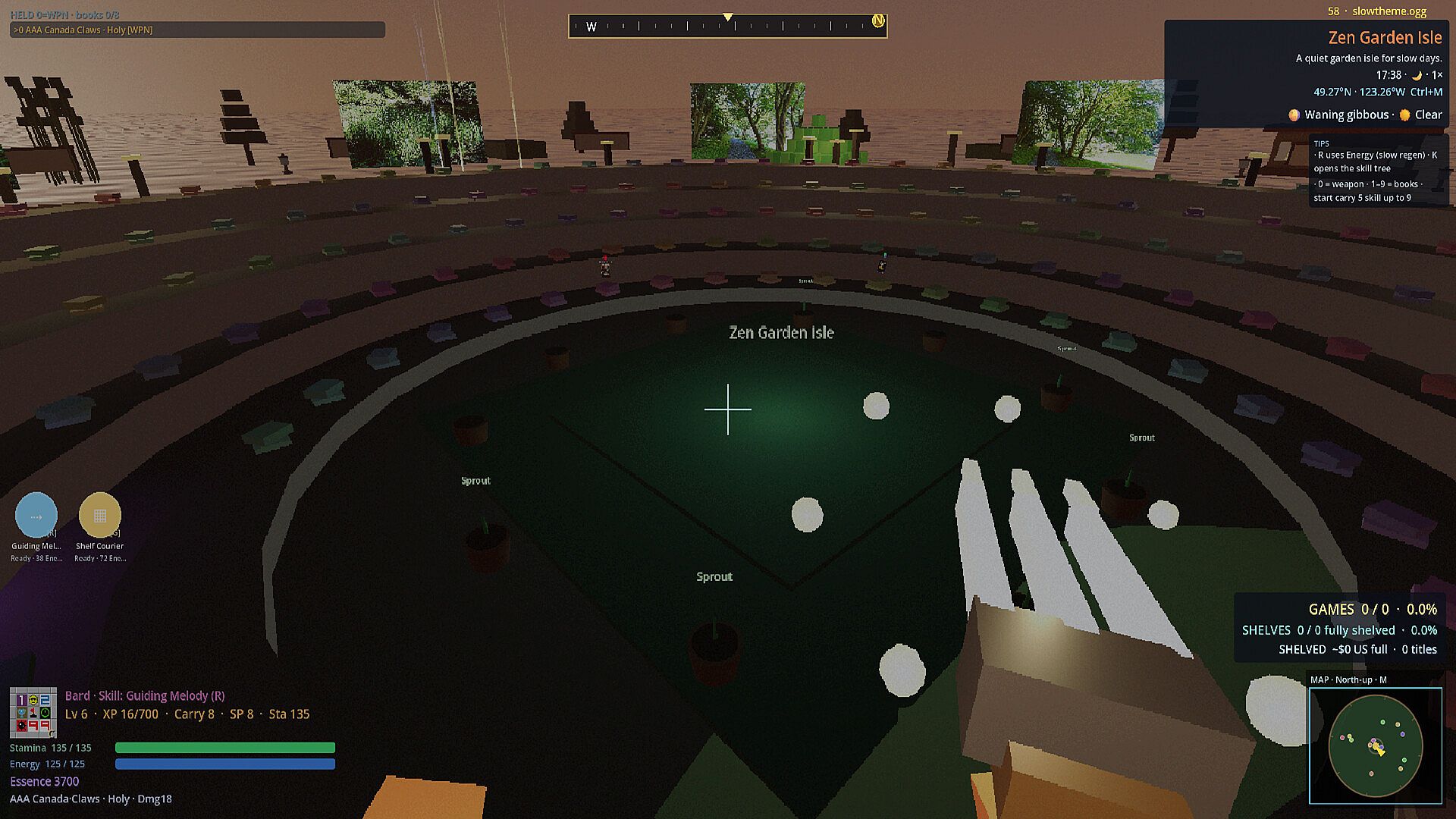
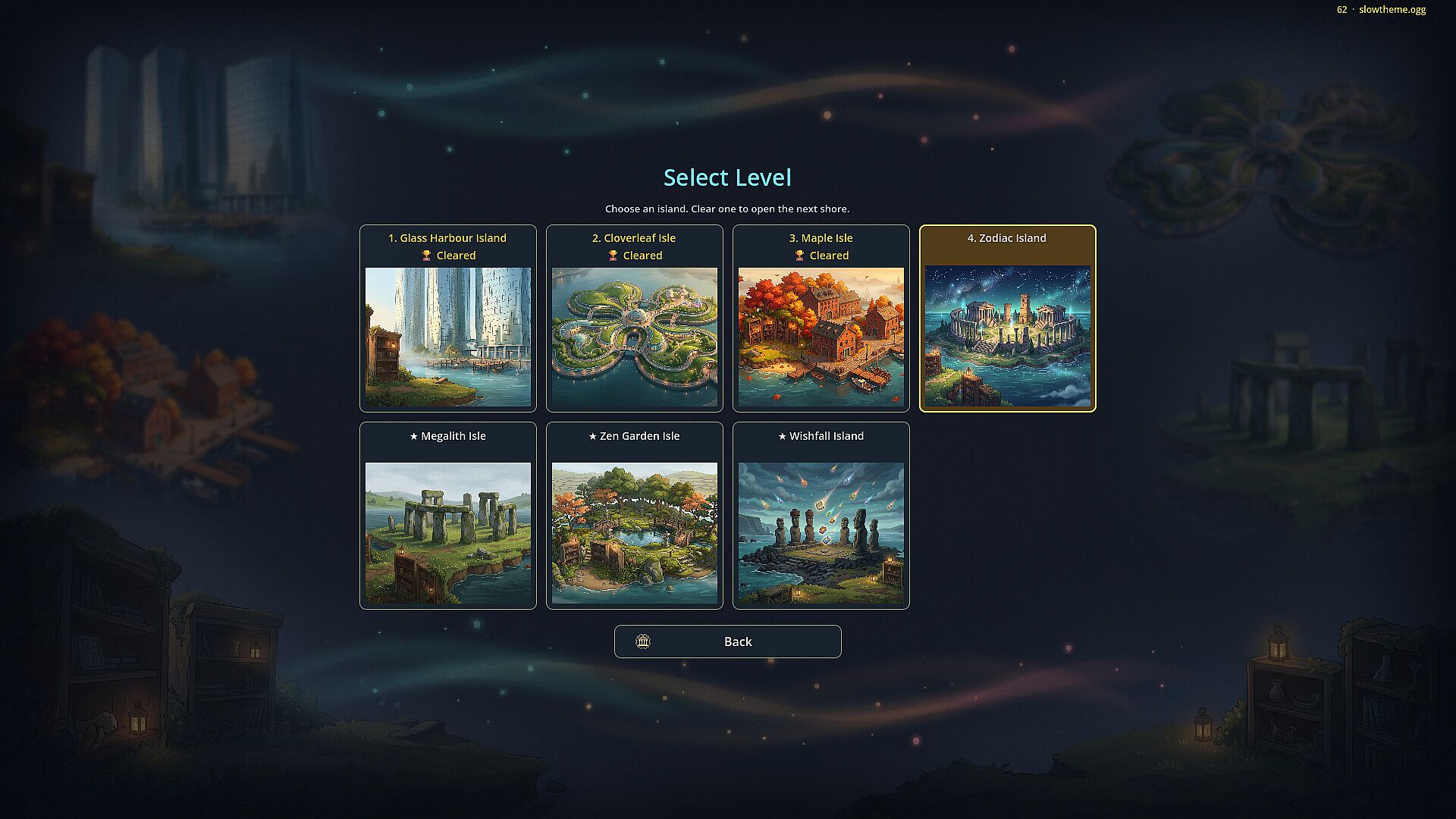
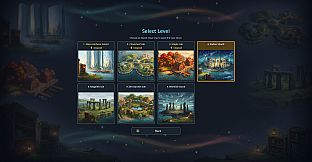
The core experience places the player in the role of a reincarnated game collector who arrives on the Museum of Games, an island formed from fragments of a lifetime spent with video games. Game tins fall from the sky like meteors, and the immediate task is to gather them from the shore, carry them by hand, and place them correctly on shelves. Throwing the tins adds a layer of physical interaction that requires care to avoid scattering them across the environment. Each cleared island opens access to the next, progressing through distinct locations that include Vancouver's glass harbour, Shanghai's four-leaf clover, a Canadian maple quay, Athens under the Acropolis, a Stonehenge egg shore, and a quiet zen garden. The emphasis remains on precise placement and exploration of these themed areas rather than combat or narrative progression.
Game Modes
No separate game modes exist beyond the sequential island-clearing structure. The single-player campaign consists of progressing through the listed islands, with each one presenting the same fundamental loop of collecting, throwing, and shelving tins. The experience stays focused on solitary interaction with the environment and objects, without multiplayer options or additional variants such as time trials or creative editors.
Current State and Development
The version available for play is a work-in-progress show build displayed at events including MIGS and WePlay. Systems, artwork, performance, text, and the specific Steam titles represented on the shelves remain subject to change. Demo quality does not reflect the final product, and players should expect incomplete elements, missing covers, and rough edges during testing. Feedback on what feels satisfying, what causes confusion, or what crashes is actively requested to guide further development.
Is It Worth Playing?
The game suits players drawn to experimental indie titles that blend simulation mechanics with light adventure exploration. Those who enjoy hands-on object interaction and unusual settings may find the island progression engaging, especially while the project remains open to input. Because the build is still evolving, it appeals most to individuals willing to engage with an unfinished experience and share detailed reports on mechanics and performance. Wishlisting supports continued work on the concept.











