




Gembound is a single-player roguelite match-3 RPG that blends deckbuilding elements with turn-based puzzle combat. Players construct a gem satchel that directly determines the gems appearing on a shared board during fights against enemies. The game runs on PC and emphasizes strategic preparation between encounters rather than random drops.
Gameplay
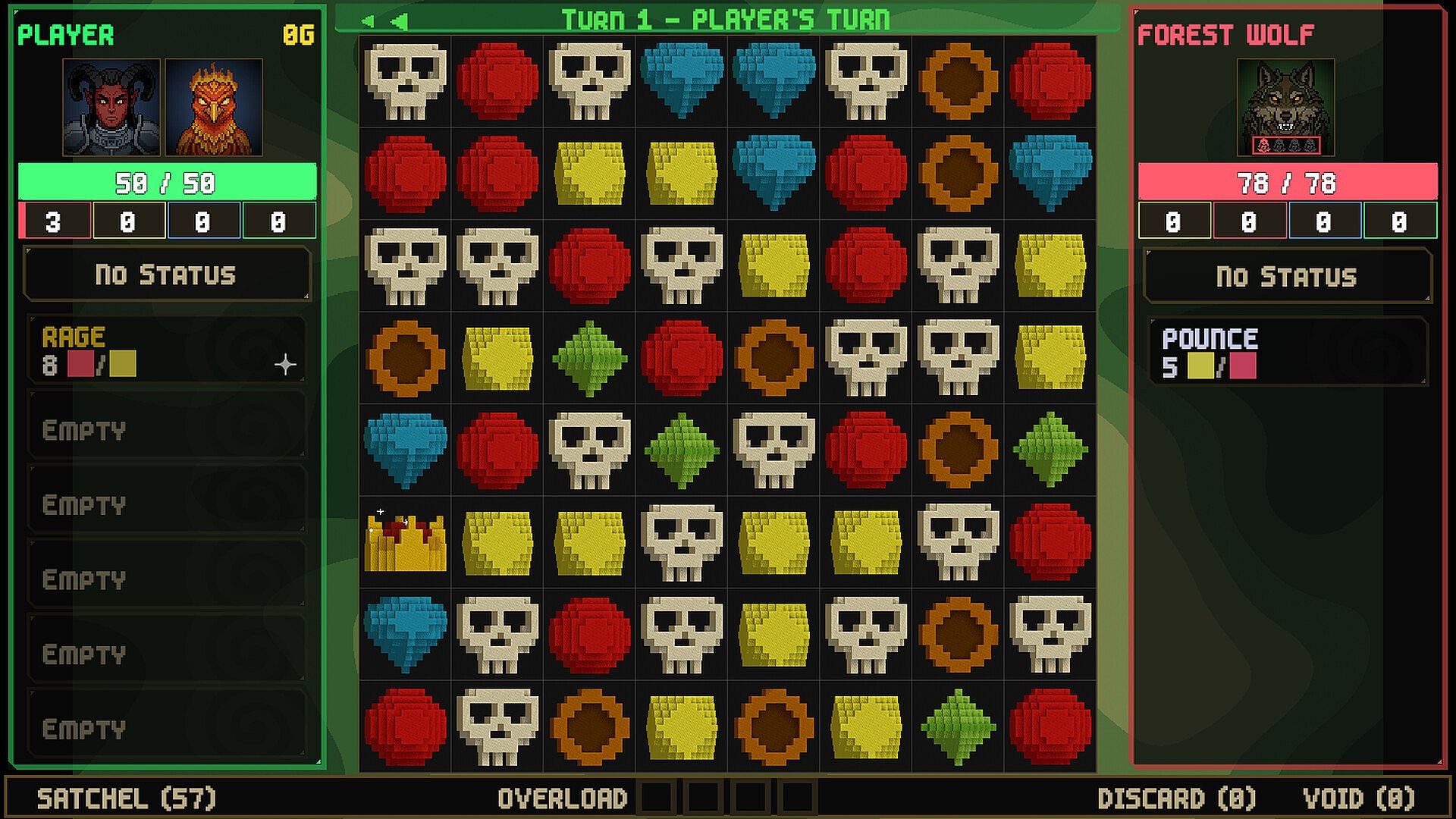
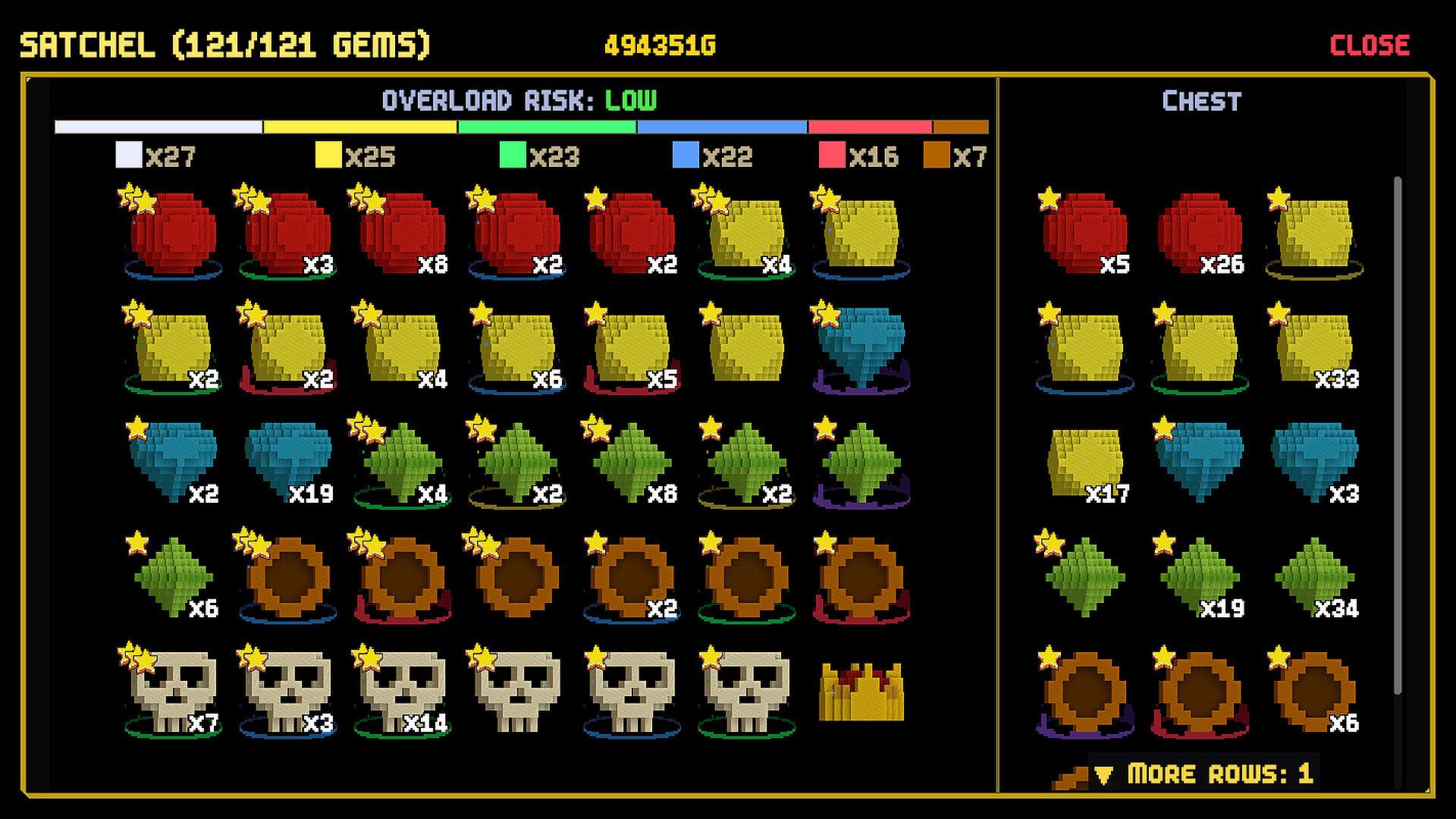
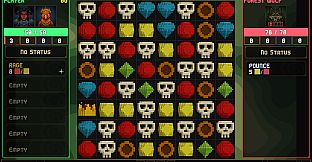
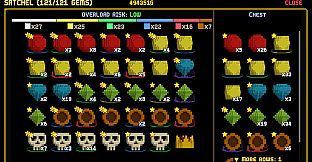
Combat unfolds on a shared match-3 board where both the player and opponent draw from the same pool of gems. Matching gems fuels spells and abilities while denying resources to the enemy. A satchel holds 121 gems that players customize before each run, selecting types and quantities to shape board composition and spell effectiveness. Upgraded gems deliver stronger matches without granting identical benefits to opponents.
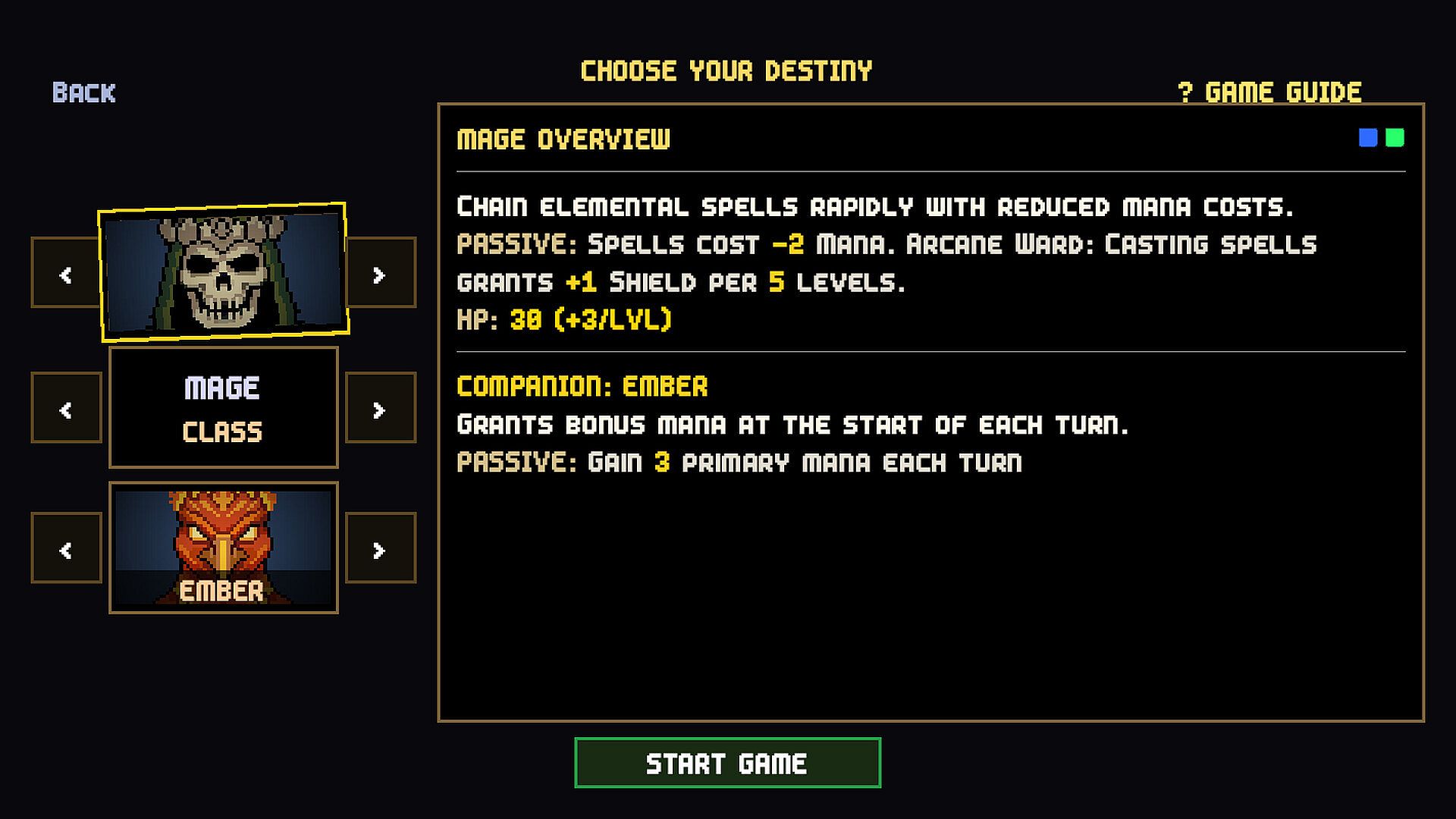
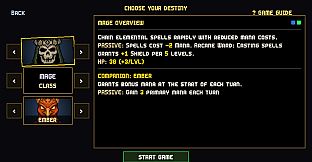
Three classes define core playstyles. The Warrior benefits from Skull gems that amplify physical damage. The Mage relies on Blue gems to generate mana cascades and frequent spell casts. The Rogue focuses on poison application, debuff detonation, and Gold gem matches that convert into shields. Each class includes a unique Class Gem ability usable once per battle for tactical shifts.
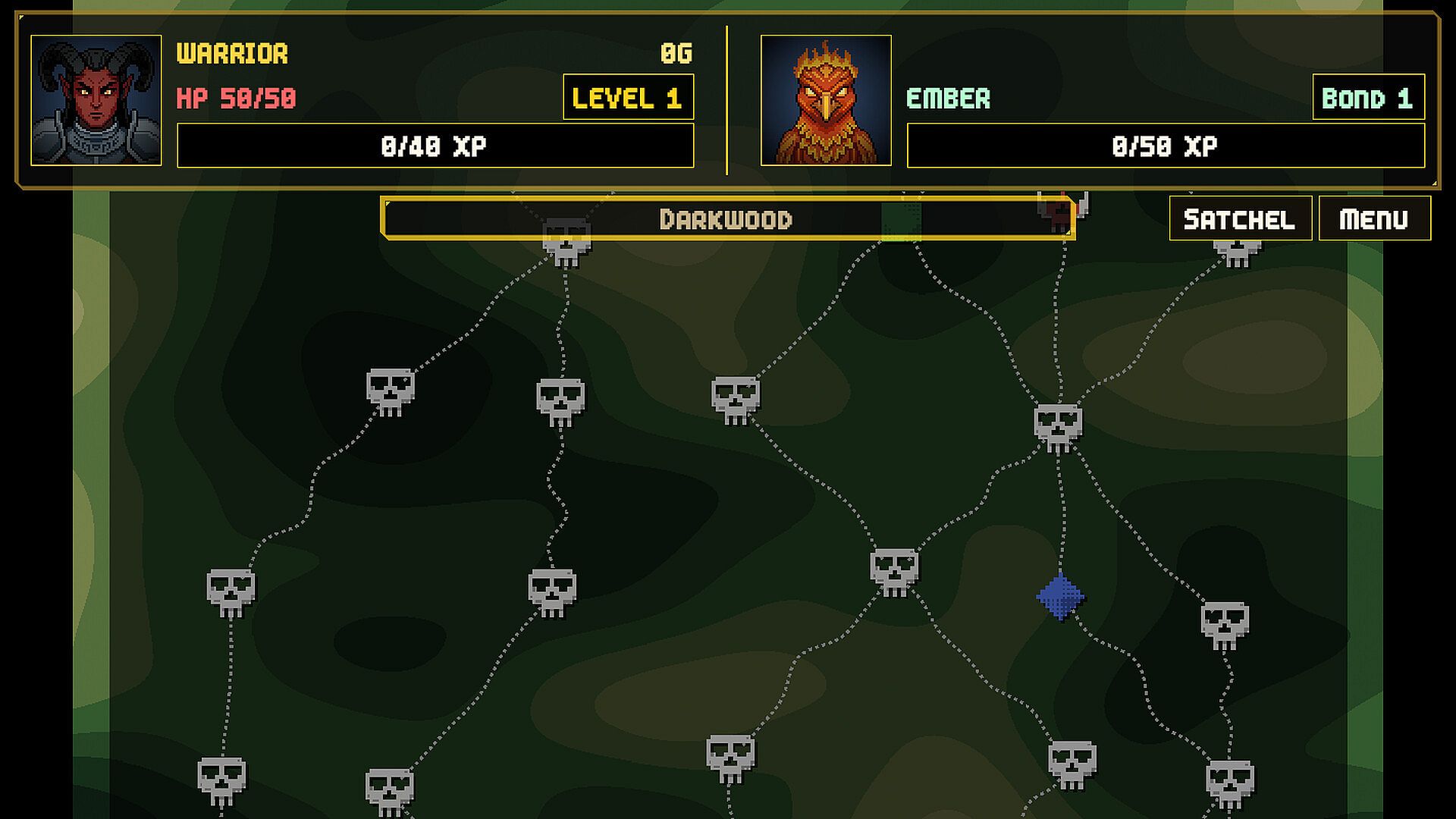
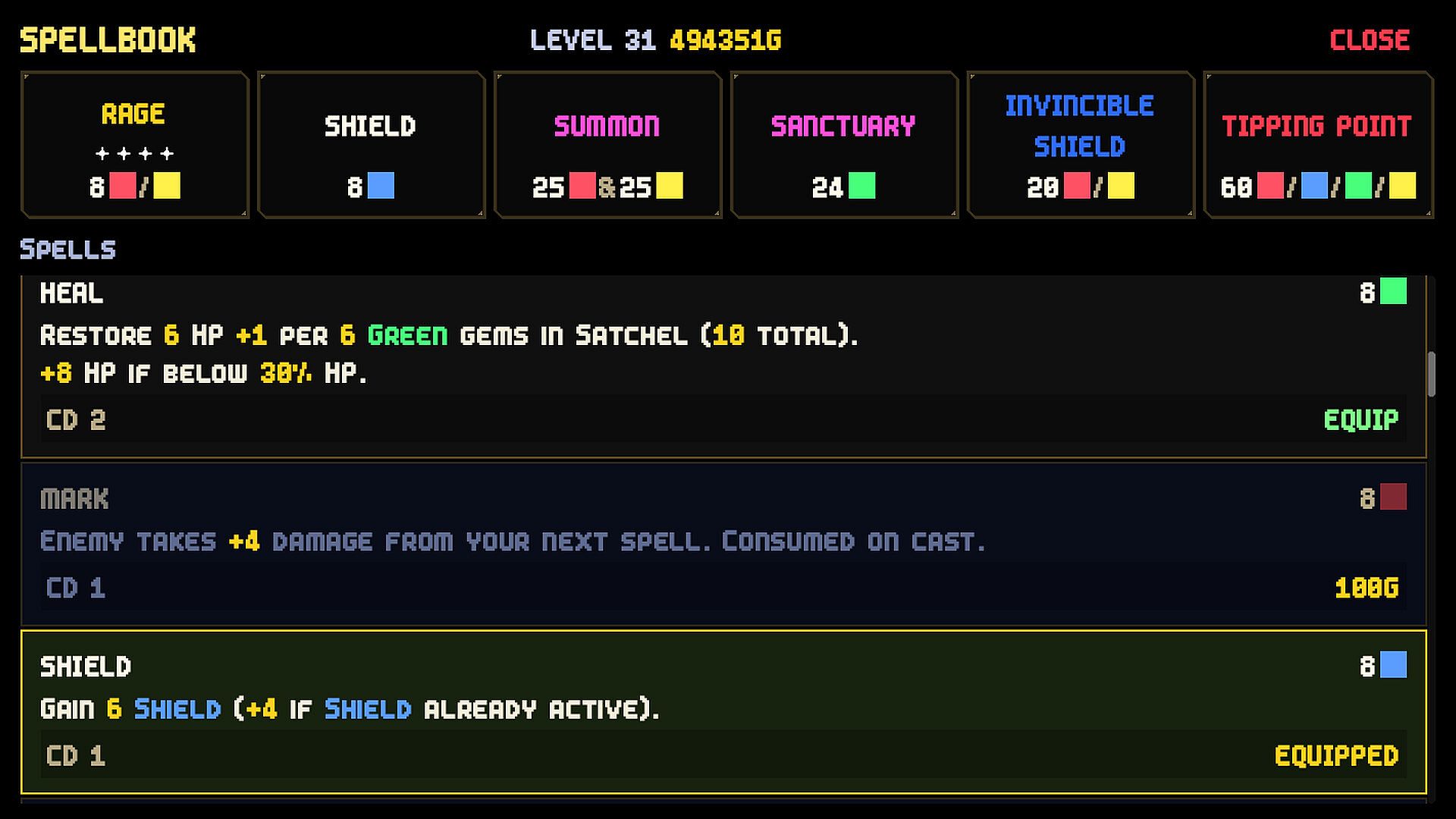
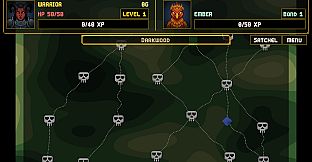
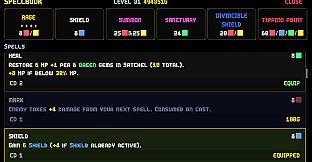
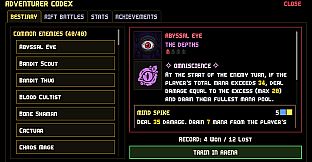
Between fights, players collect gems, enhance their quality, and apply enchantments. Spells number around forty and cover effects such as freezing, burning, shielding, and mana drain. Animal companions provide ongoing support and carry progression across multiple runs. Branching dungeon paths lead through four regions populated by sixty-five distinct enemies, including elites and bosses that impose additional board rules.
Game Modes
The primary experience consists of roguelite dungeon runs. Players select routes through procedural paths, engaging standard monsters, elite encounters, and bosses while managing resources and adapting builds on the fly. Rewards from successful fights carry forward even if a run ends in defeat.
Optional Rift encounters serve as a distinct challenge layer. These feature modified combat rules and environmental hazards that alter matching dynamics or spell outcomes. Accepting a Rift grants superior rewards but demands precise satchel adjustments and spell choices to overcome the restrictions.
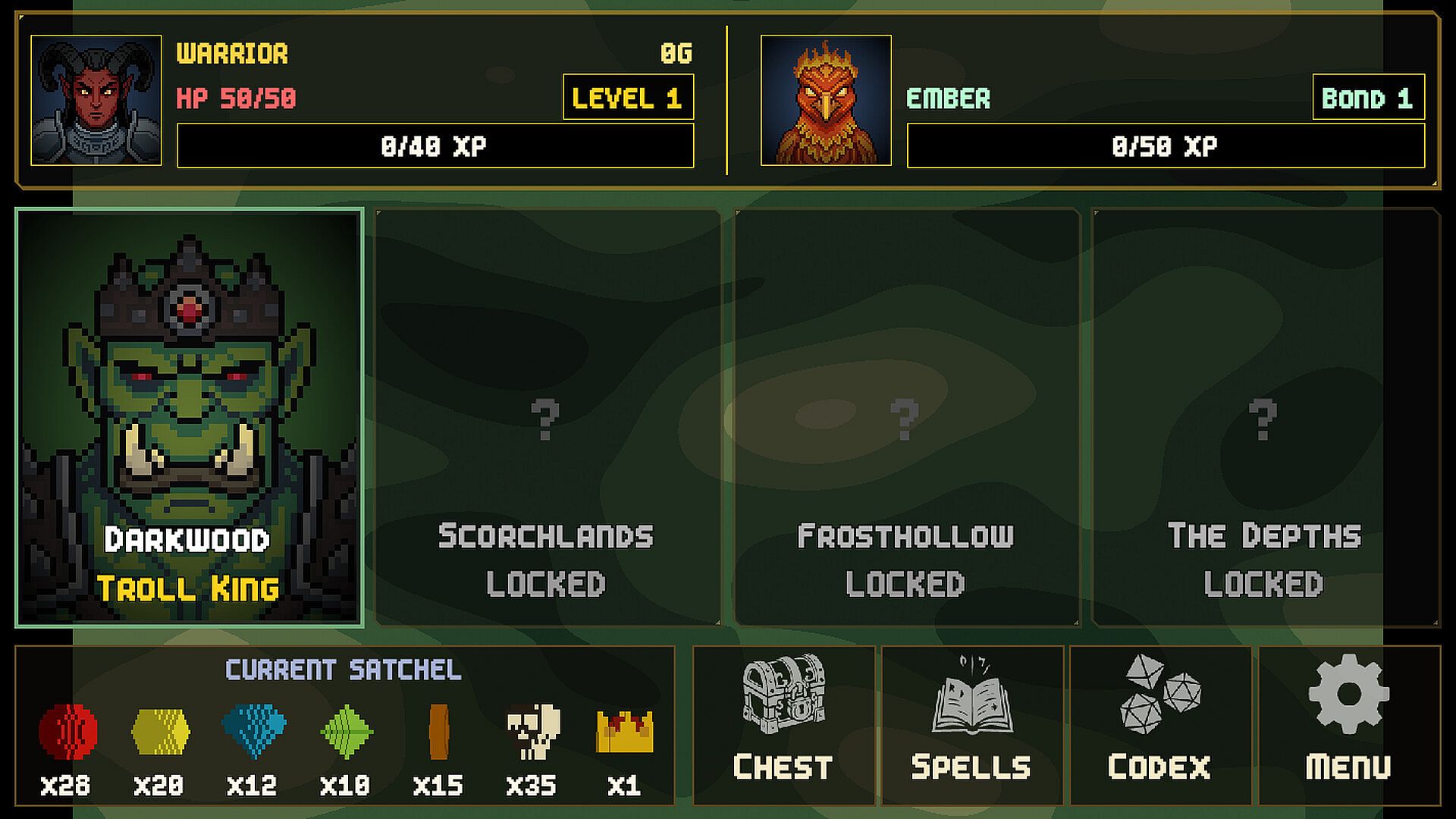
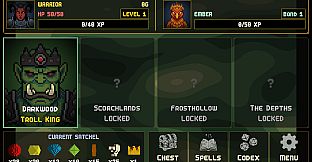
Persistent systems tie runs together. Gem collections, unlocked spells, and companion levels remain available in the central Hub area. Players return there to refine the satchel, swap classes, or experiment with new combinations before attempting another dungeon.
Progression and Builds
Progression centers on long-term collection rather than single-run success. Gems improve in quality over time, and enchantments add targeted bonuses that scale with satchel composition. Spell loadouts evolve as new options unlock, encouraging repeated experiments with color balances and class synergies.
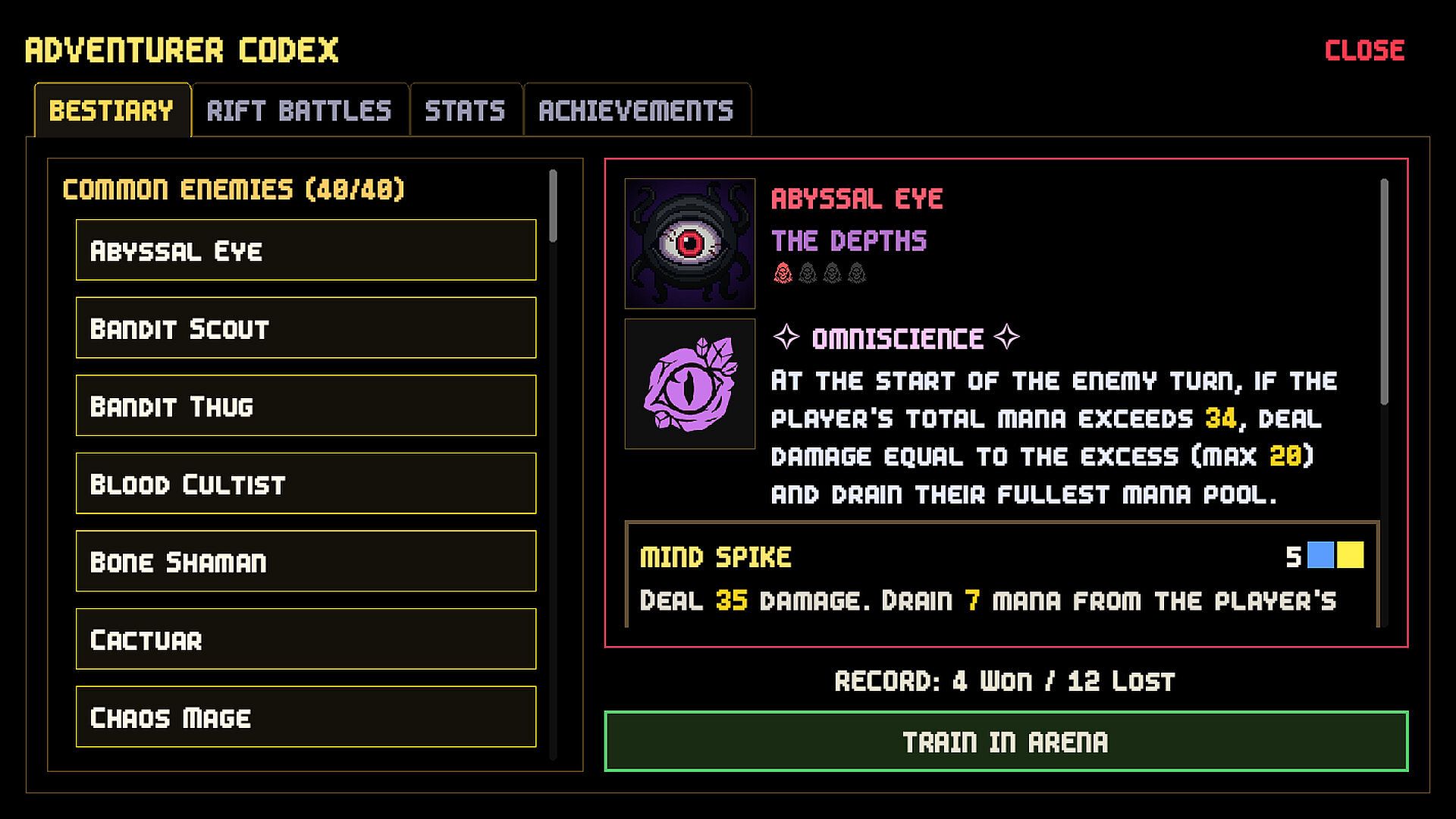
Enemy variety forces adaptation. Standard foes introduce basic threats, while elites and bosses layer passive effects onto the board that reward or punish specific matching patterns. This setup makes each fight a puzzle of resource denial and opportunity creation.
Is It Worth Playing?
Gembound suits players who enjoy deliberate puzzle combat combined with roguelite decision-making. The shared-board mechanic creates constant tension, as every match influences both sides simultaneously. Those drawn to deckbuilding and customization will find depth in satchel construction and gem upgrades.
The game offers a one-time purchase with no additional costs or timers, supporting offline play and controller input. Persistent elements reward consistent play without requiring daily logins. With a small number of reviews available at launch, reception highlights the fresh approach to match-3 systems, though broader player feedback remains limited.
Anyone seeking a thoughtful single-player strategy experience in the indie RPG space will likely appreciate the focus on preparation and adaptation over fast reflexes or multiplayer competition. The core loop of building, fighting, and refining remains engaging across multiple runs due to the variety of enemy abilities and Rift modifiers.












