


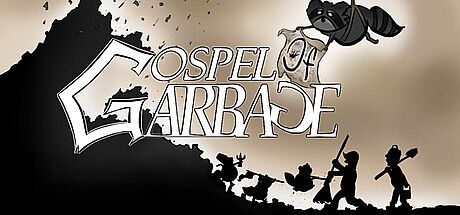


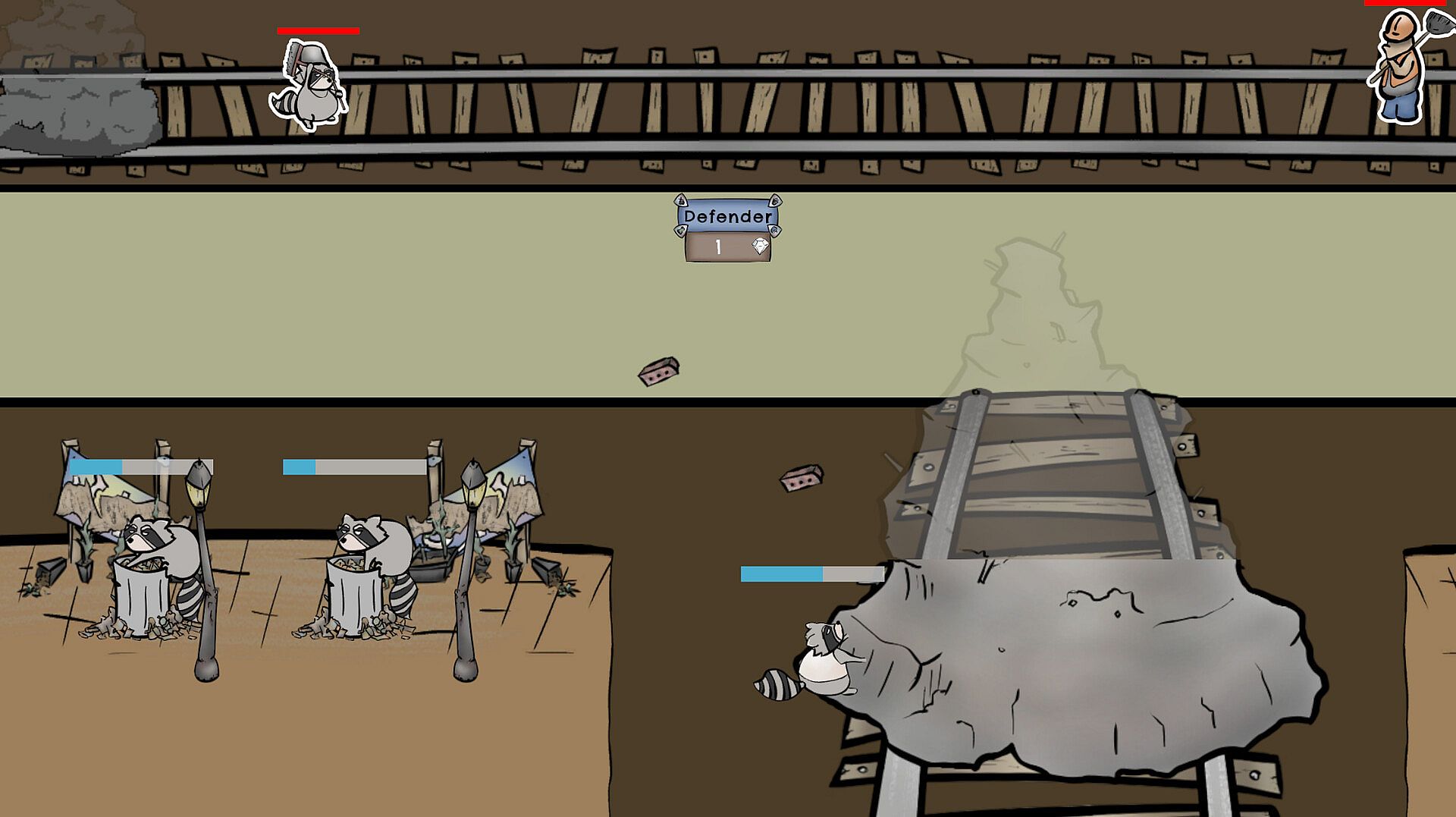
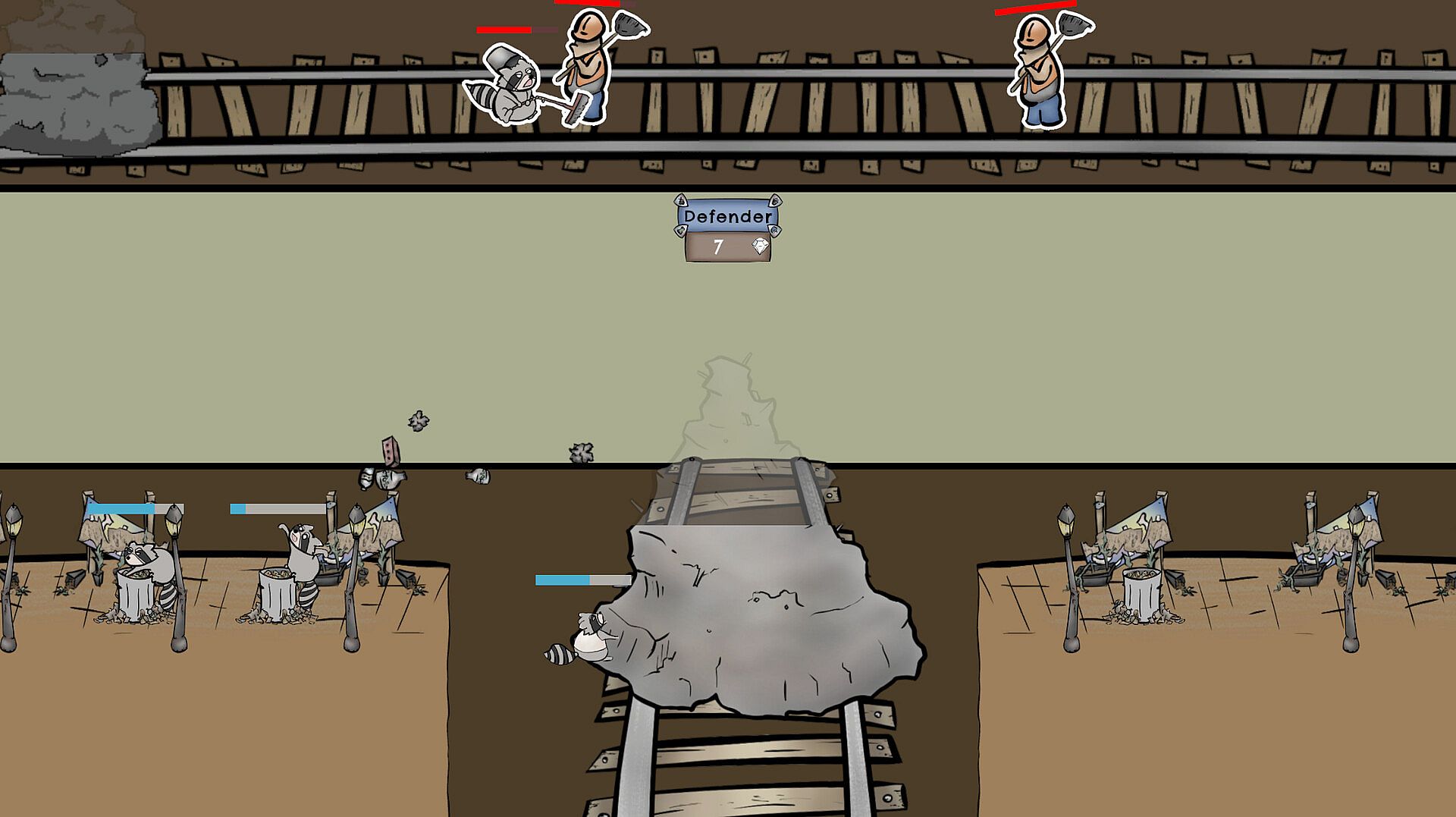
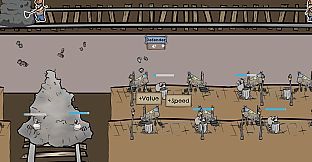
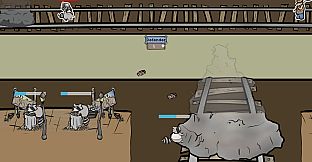
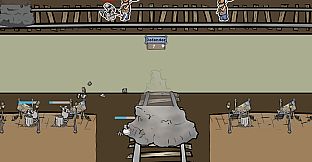
Gospel of Garbage is a strategy indie simulation game on PC that blends incremental clicker mechanics with autobattler elements. Players lead a gang of raccoons through a humorous quest centered on trash collection and defense, building toward the goal of halting an oncoming train with an ever-growing pile of garbage.
Gameplay
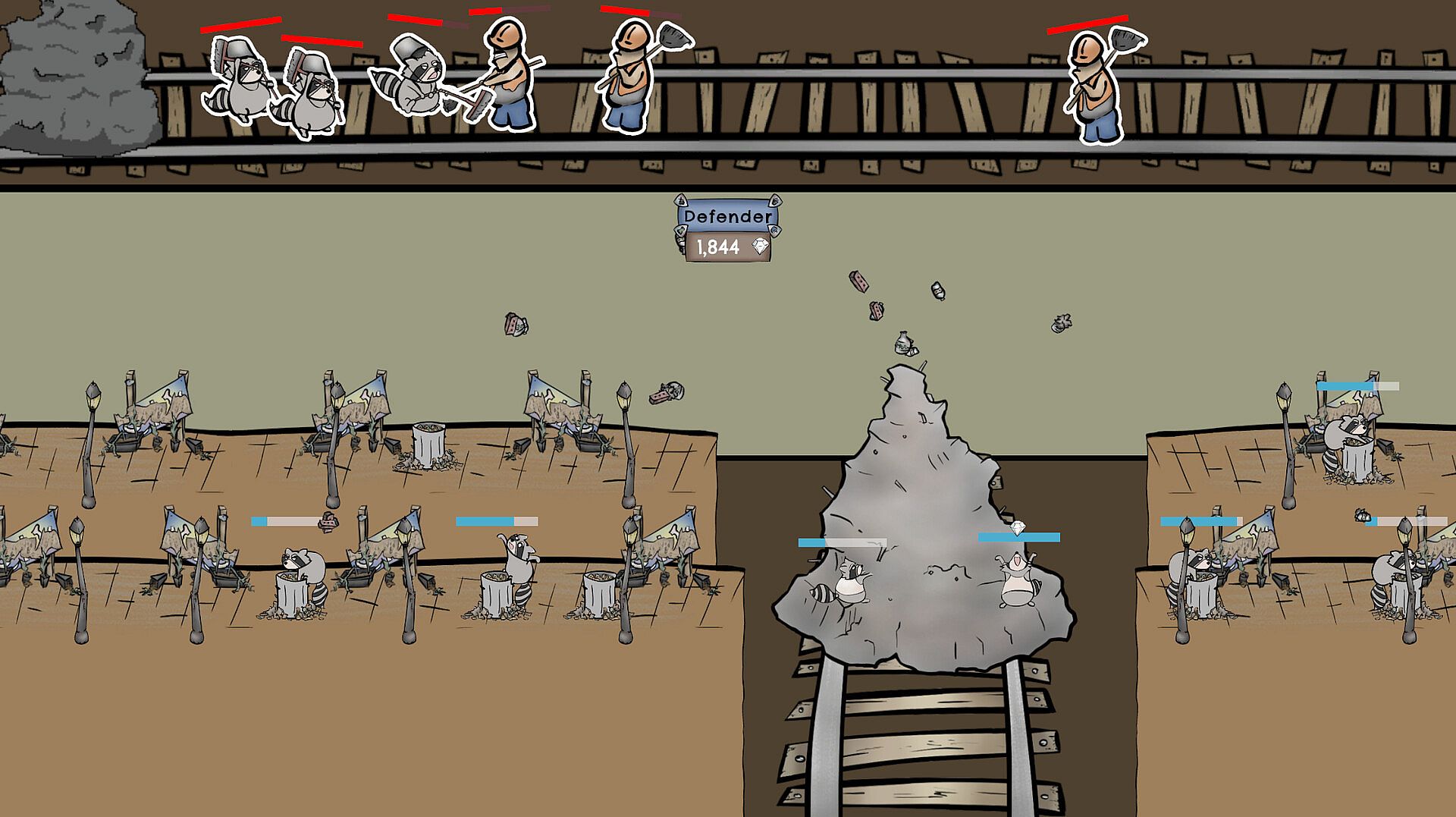
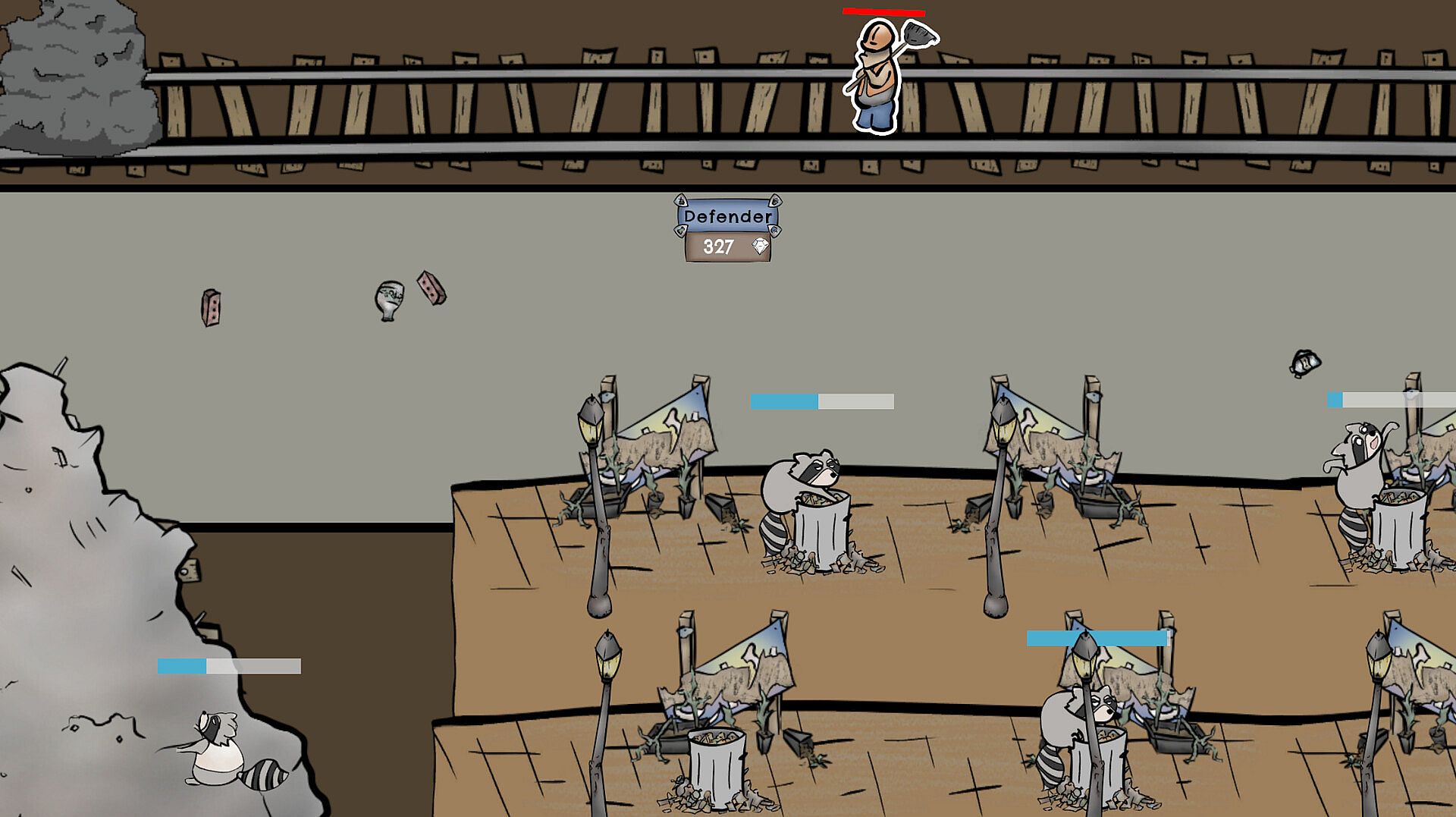
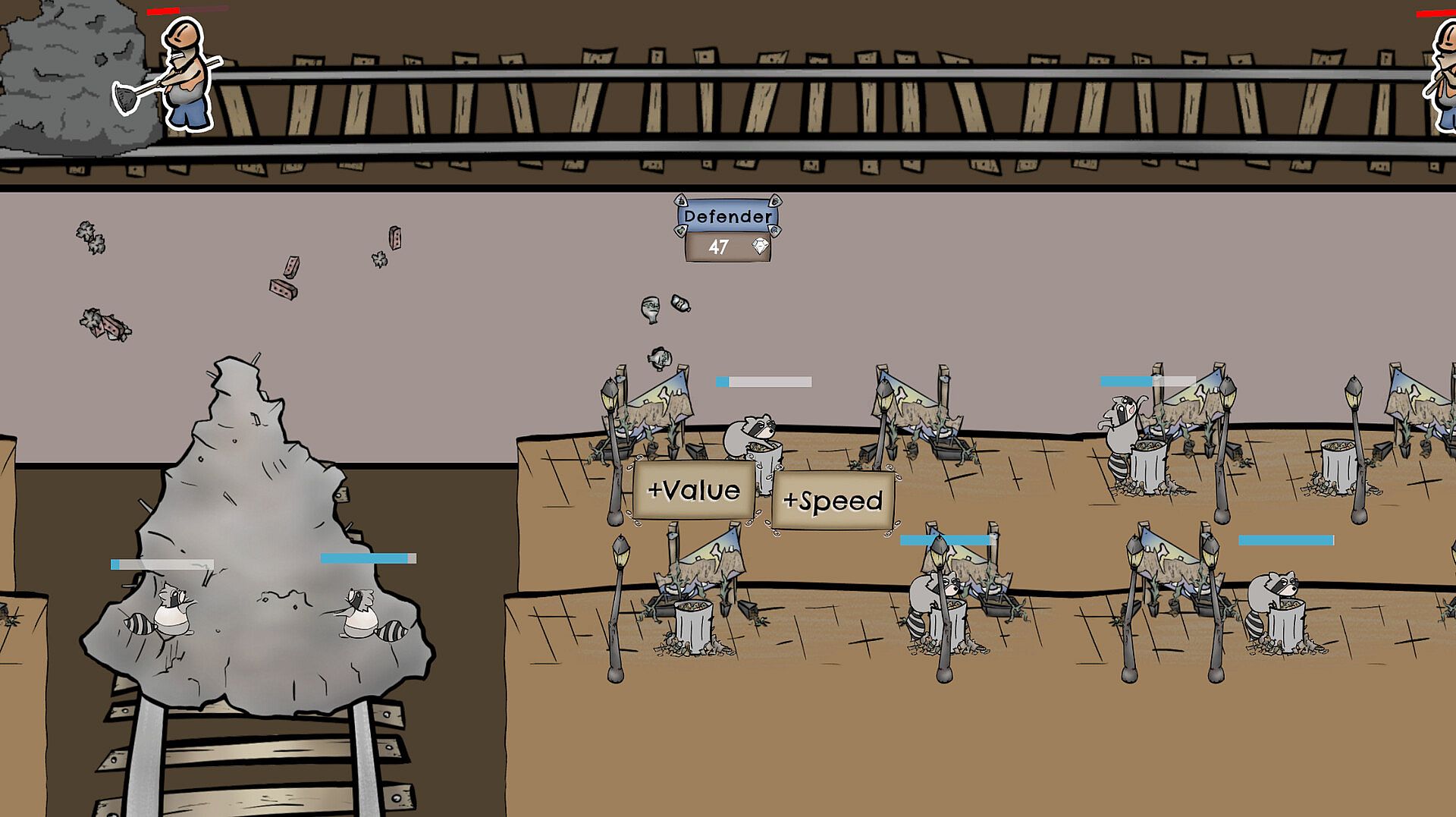
The core loop revolves around rummaging through trash, tossing items onto a central pile, and managing resources to block the train's path. Players click to gather and add garbage while deciding how to allocate it. Trash can be stockpiled to physically obstruct the train or consumed to generate currency for recruiting units and purchasing upgrades. This creates a steady rhythm of collection, decision-making, and expansion that rewards consistent attention to the growing pile.
Defense forms a key layer. Zealots and mercenaries can be hired to protect the pile from pests and opposing cleanup crews. These units operate in an autobattler style, engaging threats automatically once positioned. Upgrades improve their effectiveness or add new capabilities, allowing players to experiment with different defensive setups over successive attempts. The system encourages balancing offense through pile growth against the need for reliable protection.
A deity mechanic adds variability. Each day brings blessings or curses from the trash deity, altering resource rates, unit performance, or environmental conditions. Players must adapt strategies around these daily shifts rather than relying on a fixed plan. Failure to stop the train ends the current run, but progress carries forward in the form of permanent improvements unlocked through repeated efforts.
Game Modes
The game centers on a single-player incremental experience built around repeated daily runs. Each attempt focuses on scaling the trash pile high enough to halt the train while fending off interruptions. There are no separate named modes; instead, the structure emphasizes roguelike progression where each failure teaches lessons that strengthen future efforts through accumulated upgrades and knowledge of effective unit combinations.
Resource management ties directly into the run-based format. Players decide in real time whether to hoard trash for the physical barrier or spend it on immediate defensive or economic gains. This choice shapes the outcome of each day and influences long-term strategy across multiple runs.
Core Mechanics and Progression
Progression follows an incremental path where small gains compound over time. Early runs focus on basic collection and simple defenses, while later ones involve complex unit synergies and optimized spending patterns. The autobattler combat resolves without direct player input during fights, shifting emphasis to pre-fight preparation and positioning. Currency from consumed trash fuels a steady stream of new recruits and enhancements, creating a satisfying sense of forward momentum even amid setbacks.
The raccoon gang theme permeates the systems. Units reflect zealous or mercenary archetypes that fit the holy quest narrative, and the deity's influence reinforces the thematic tone of fickle divine intervention. Visual and mechanical feedback highlights the absurdity of building a massive trash barrier against a train, keeping the simulation lighthearted while delivering strategic depth.
Is It Worth Playing?
Gospel of Garbage suits players who enjoy incremental growth combined with light autobattler defense and resource trade-offs. The run-based structure with permanent progression rewards persistence and experimentation with different unit builds and spending priorities. Those drawn to strategy simulations that mix clicker elements with thematic humor will find a focused loop that improves with each attempt. Availability on PC makes it accessible for short sessions or longer optimization runs, depending on preference for incremental pacing over traditional campaign structures.












