


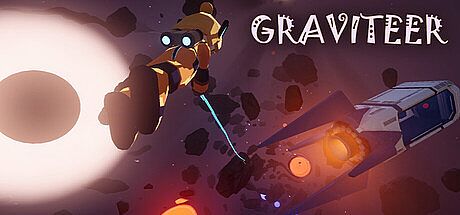


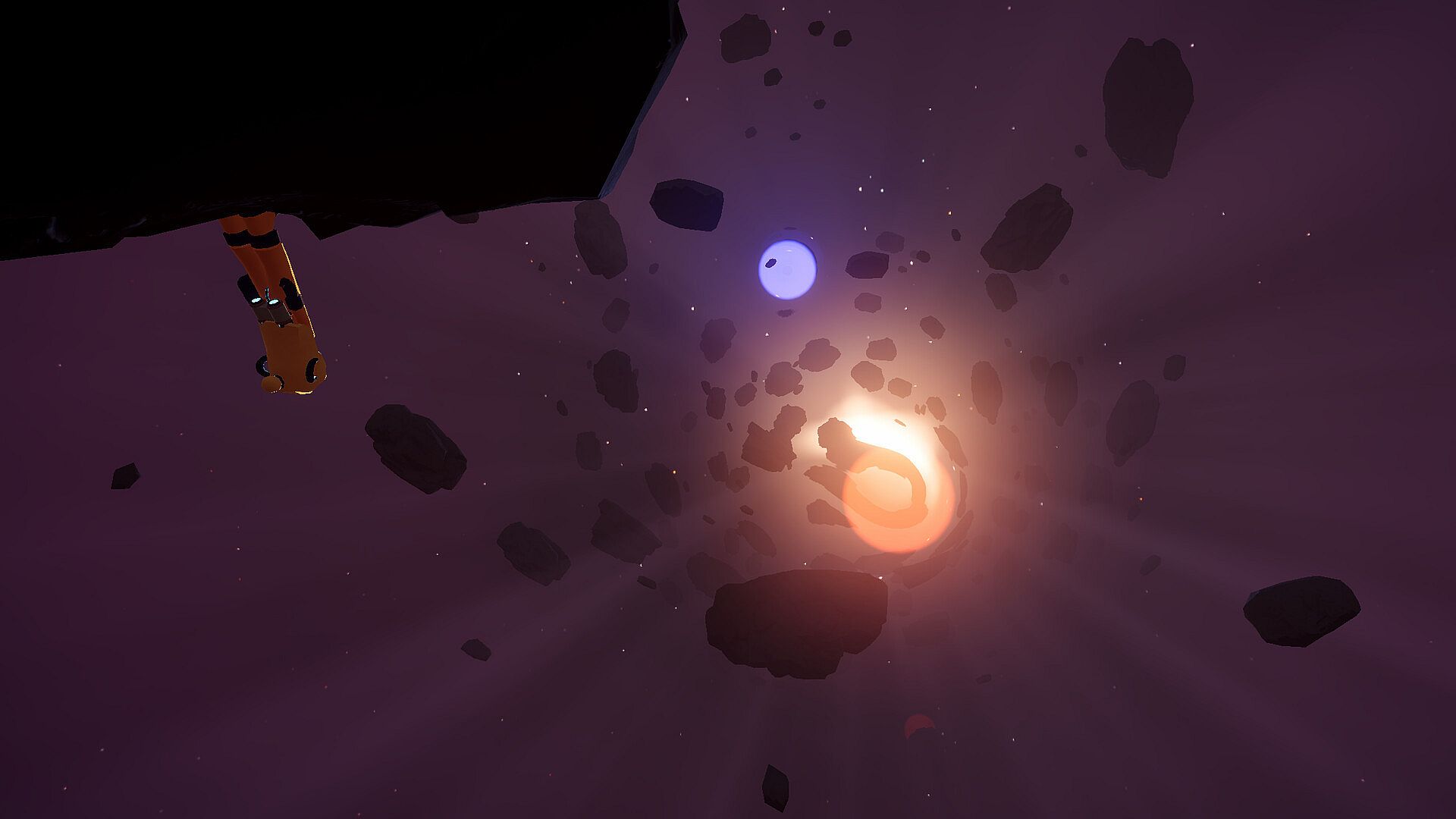
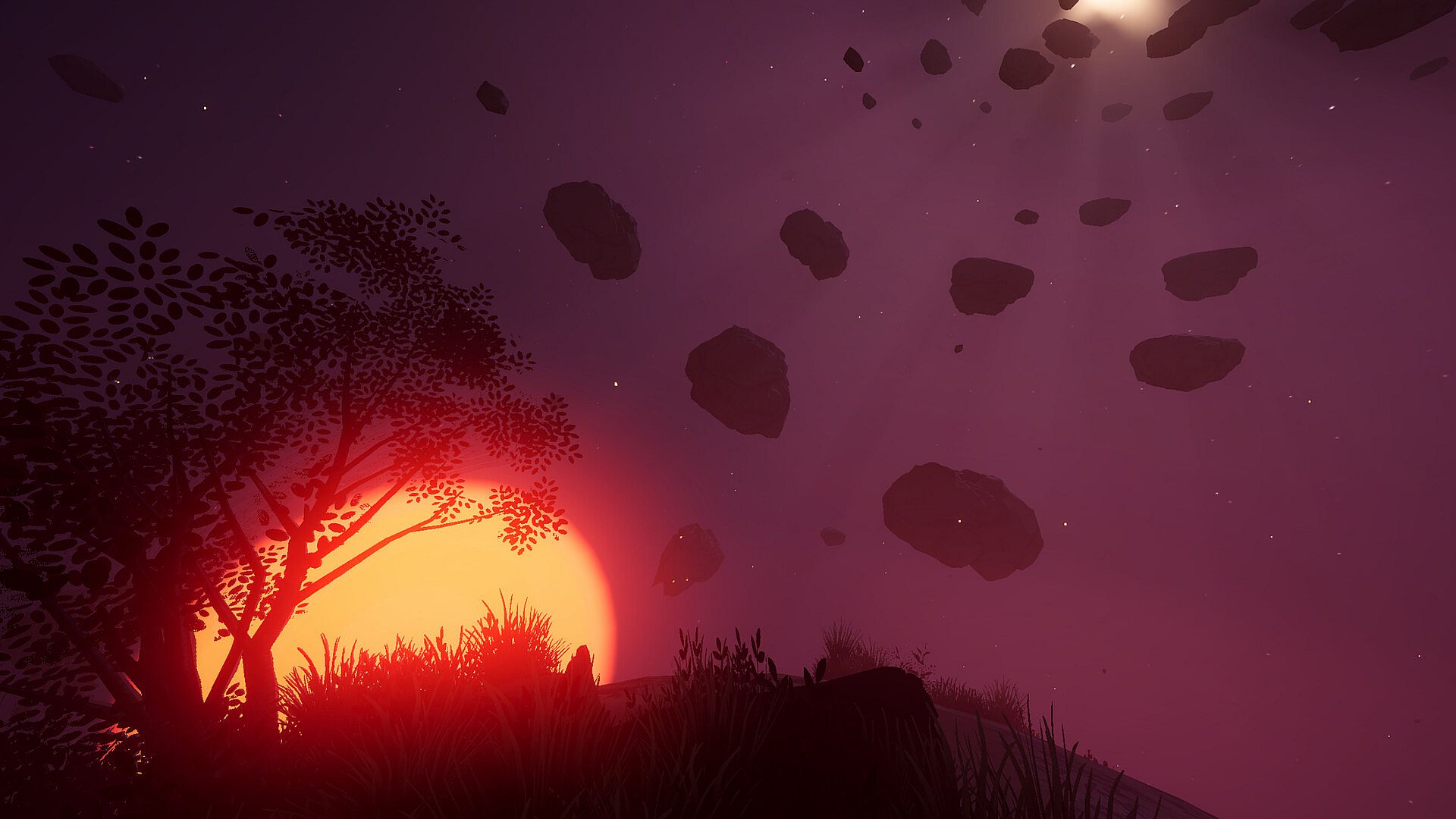
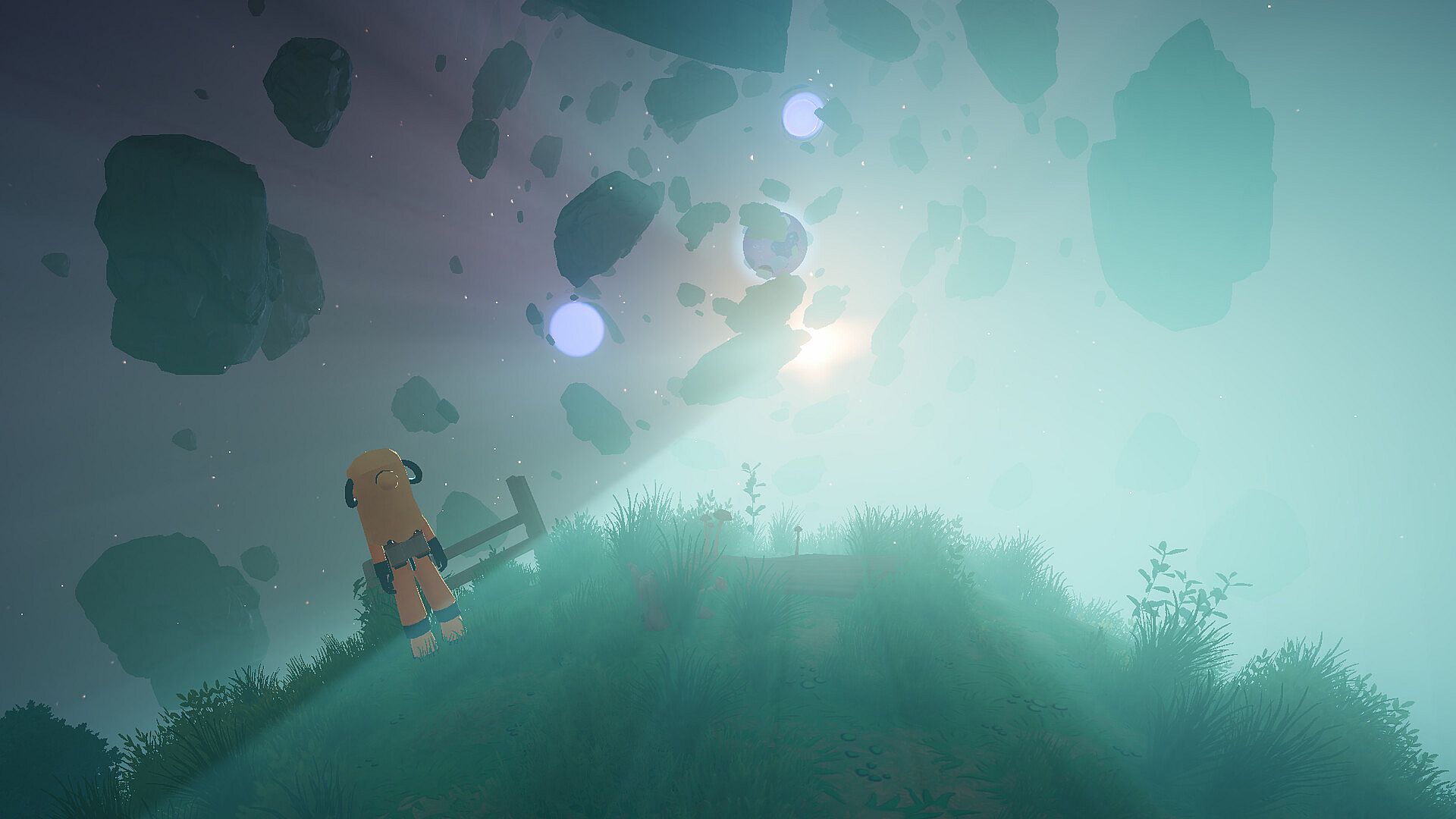

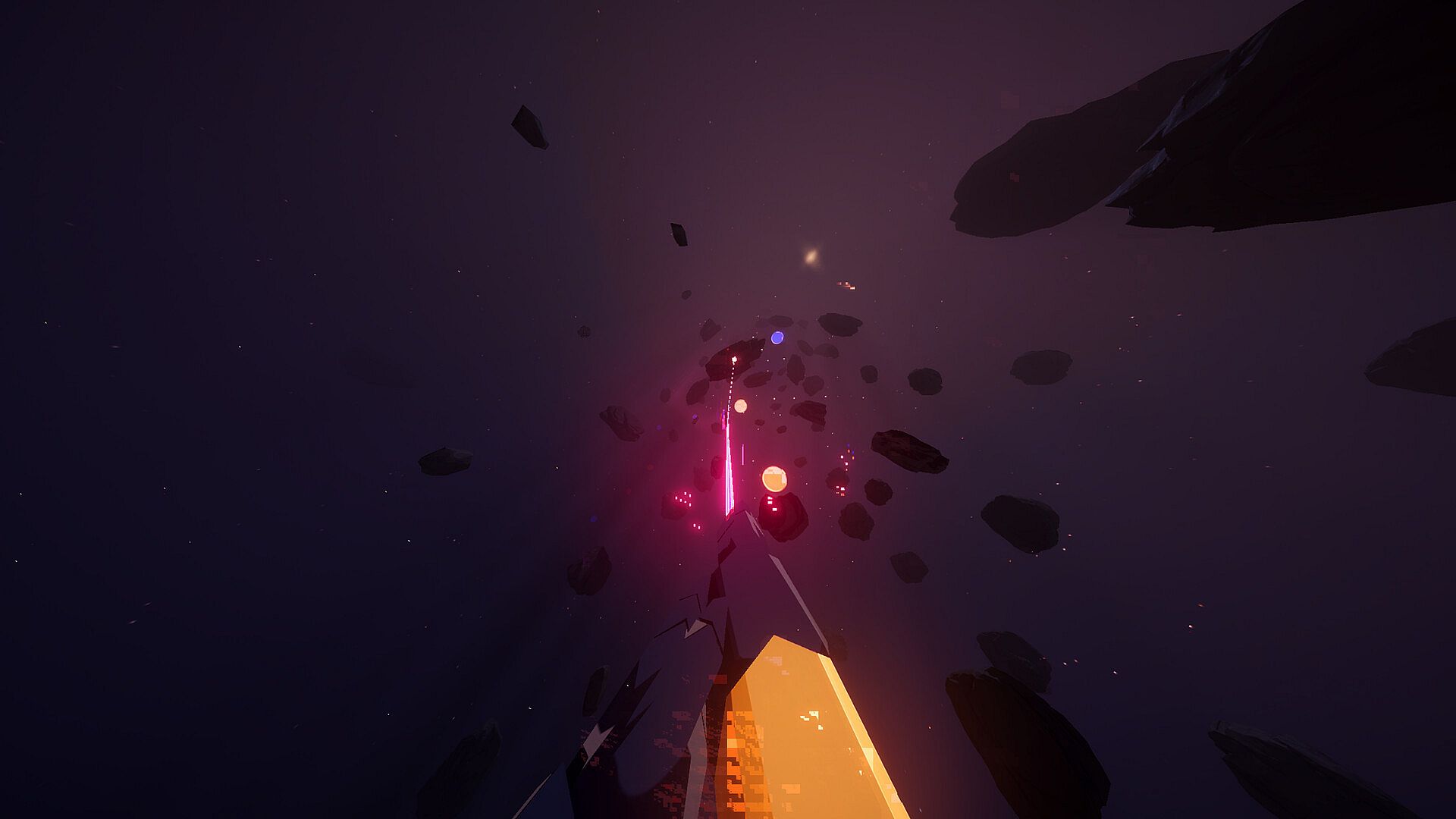
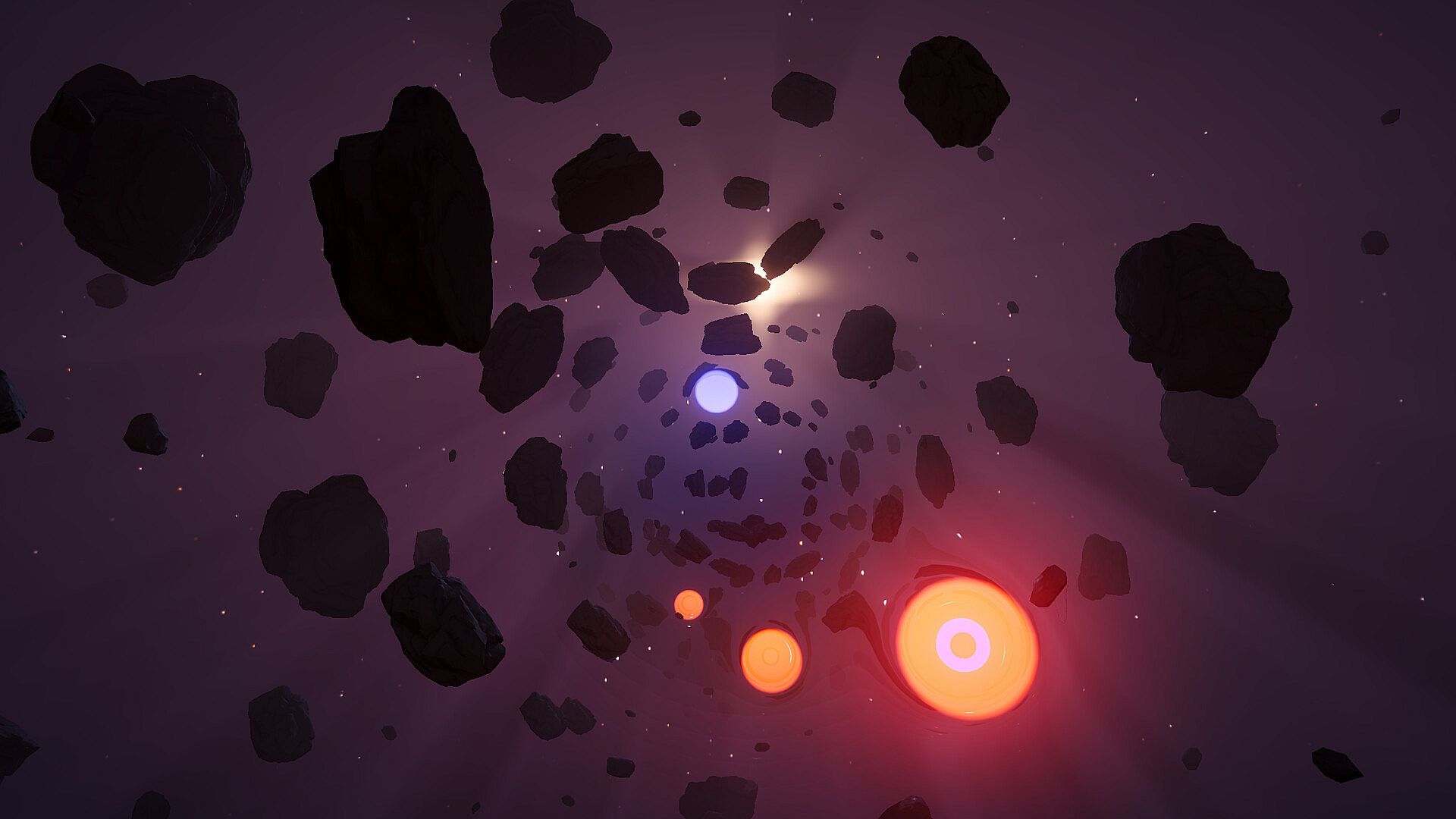
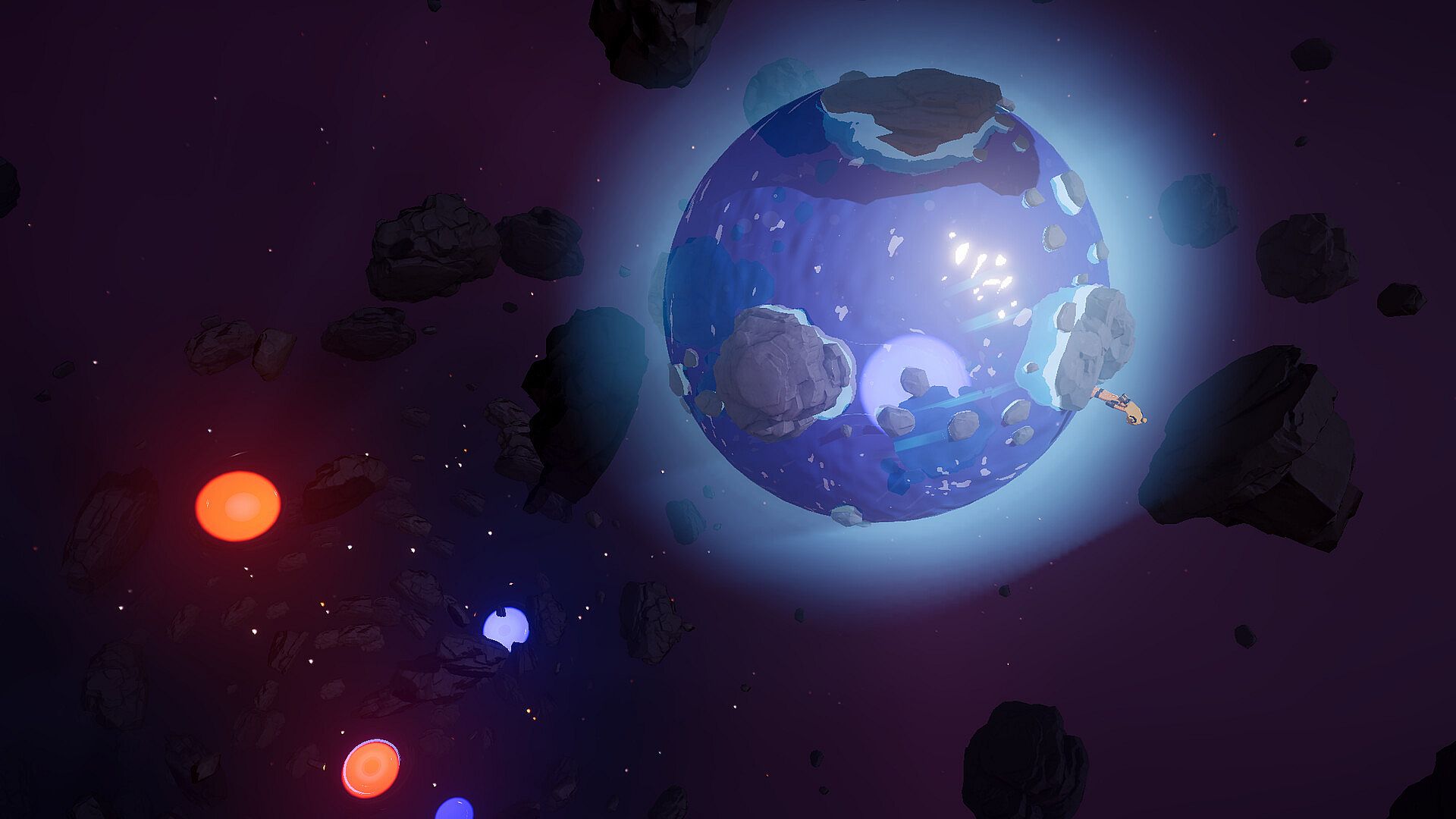
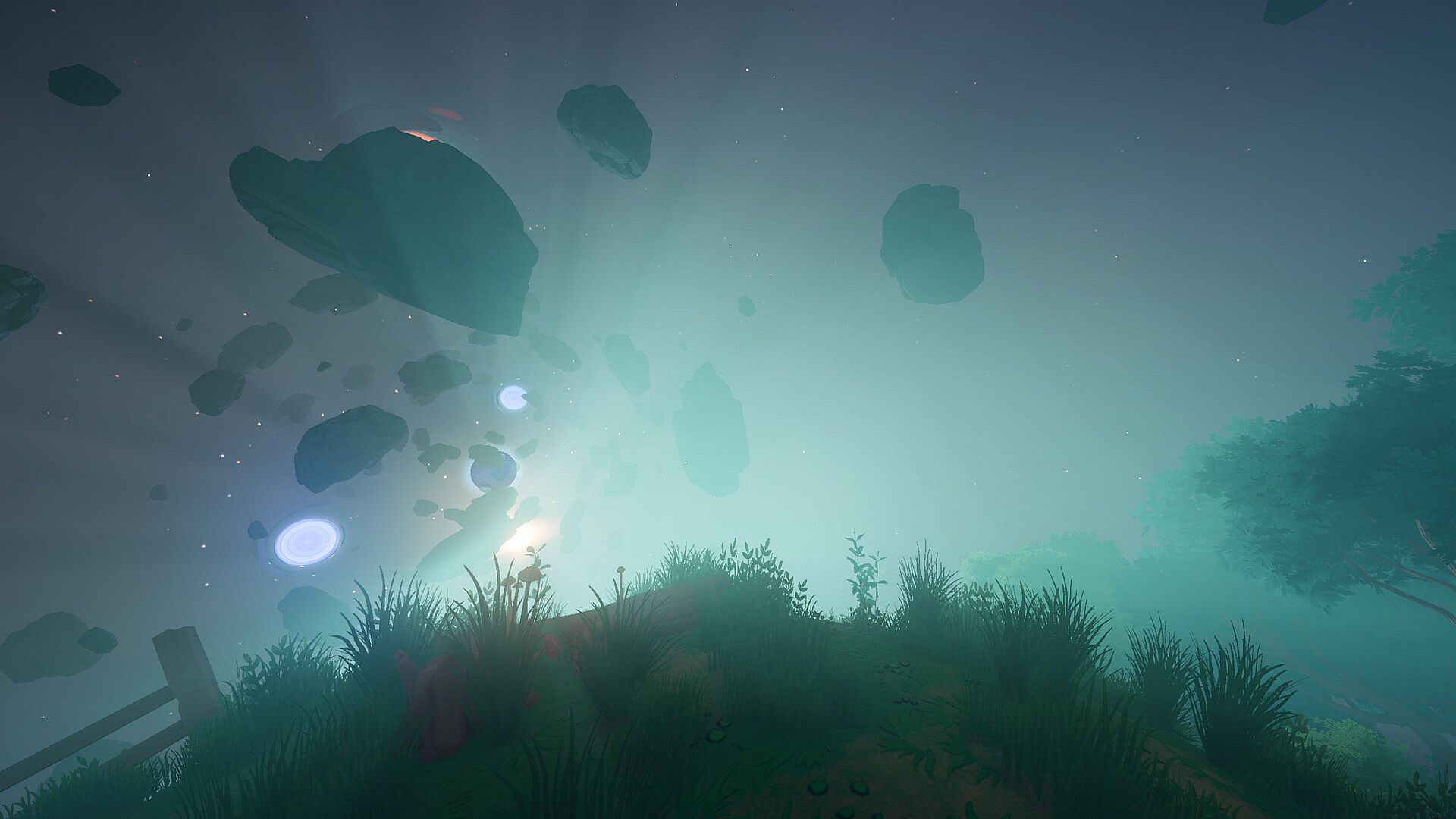
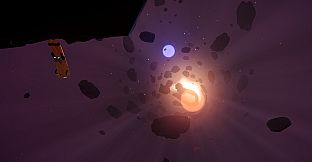
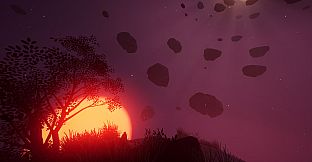
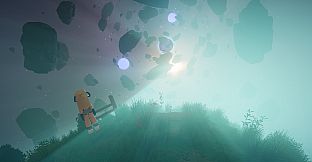
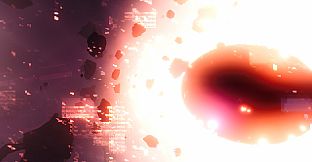
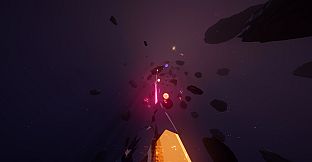
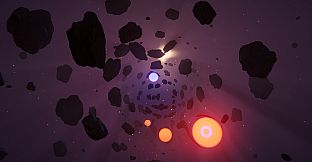
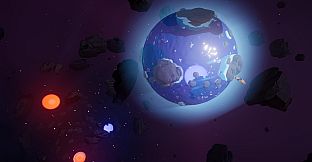
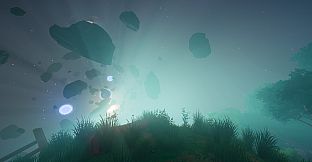
Graviteer is an action indie adventure game built around zero gravity movement on PC. Players navigate procedurally generated debris fields using a jetpack and grappling hook while racing ahead of an advancing black hole. The core loop centers on mastering freeform flight, interacting with physics objects, and reaching an escape ship before time runs out.
Gameplay
Zero gravity removes any sense of up or down, so movement relies entirely on the jetpack for directional thrust in all axes. Players fire bursts to accelerate, brake, or change course mid flight. The grappling hook attaches to floating debris and allows players to pull themselves forward or swing around obstacles for momentum. Objects respond to physics when grappled, swinging in the opposite direction from the player and potentially colliding with teammates or altering trajectories. Some debris exerts its own gravitational pull, drawing players in or flinging them off path depending on approach angle. Procedural generation creates fresh layouts each run, forcing constant adaptation rather than route memorization. Flow emerges once players internalize the momentum and timing needed to chain grapples with jetpack corrections. Mistakes send characters drifting, and recovery depends on quick reactions or teammate assistance before the black hole closes the gap.
Game Modes
Sessions support solo play or groups of friends in the same shared course. Larger groups increase the frequency of chaotic interactions as multiple players grapple objects and swing through the same space. The objective remains consistent across player counts: traverse the debris field and reach the ship. No separate competitive or versus formats exist. The experience scales in difficulty and unpredictability with added participants, turning coordinated movement into a test of communication and quick thinking. Once inside the ship, any player can trigger departure, creating tension over whether to wait for stragglers or prioritize safety.
Physics Interactions and Survival Pressure
Every object in the environment follows consistent physics rules that players can exploit or suffer from. Grappled debris swings predictably yet can knock others off course when released at the wrong moment. Gravitational wells from larger pieces provide slingshot opportunities or sudden course changes. The black hole acts as a constant rear threat that narrows safe space over time, punishing hesitation or repeated errors. Teammates who drift too far can be reeled back with the grappling hook, turning potential failures into shared recoveries or new mishaps. These systems reward precise timing and spatial awareness while punishing overcommitment. Procedural layouts ensure no two attempts feel identical, keeping the focus on real time decision making rather than learned patterns.
Is It Worth Playing?
Graviteer suits players who enjoy physics driven movement challenges and cooperative chaos in short, repeatable sessions. The zero gravity controls demand practice before they feel natural, after which the combination of jetpack freedom, grappling swings, and object interactions creates satisfying moments of momentum and improvisation. Multiplayer amplifies the appeal for groups seeking lighthearted coordination and occasional friendly sabotage through physics mishaps. Solo runs emphasize personal mastery of the systems and adaptation to each new course. The black hole timer adds urgency without overwhelming the core movement focus. Those drawn to indie action adventures centered on creative traversal and emergent teamwork will find repeated value in the procedural variety and social dynamics. Players preferring structured levels or traditional progression may find the emphasis on raw physics experimentation less immediately accessible.











