


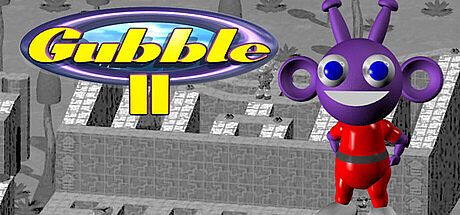


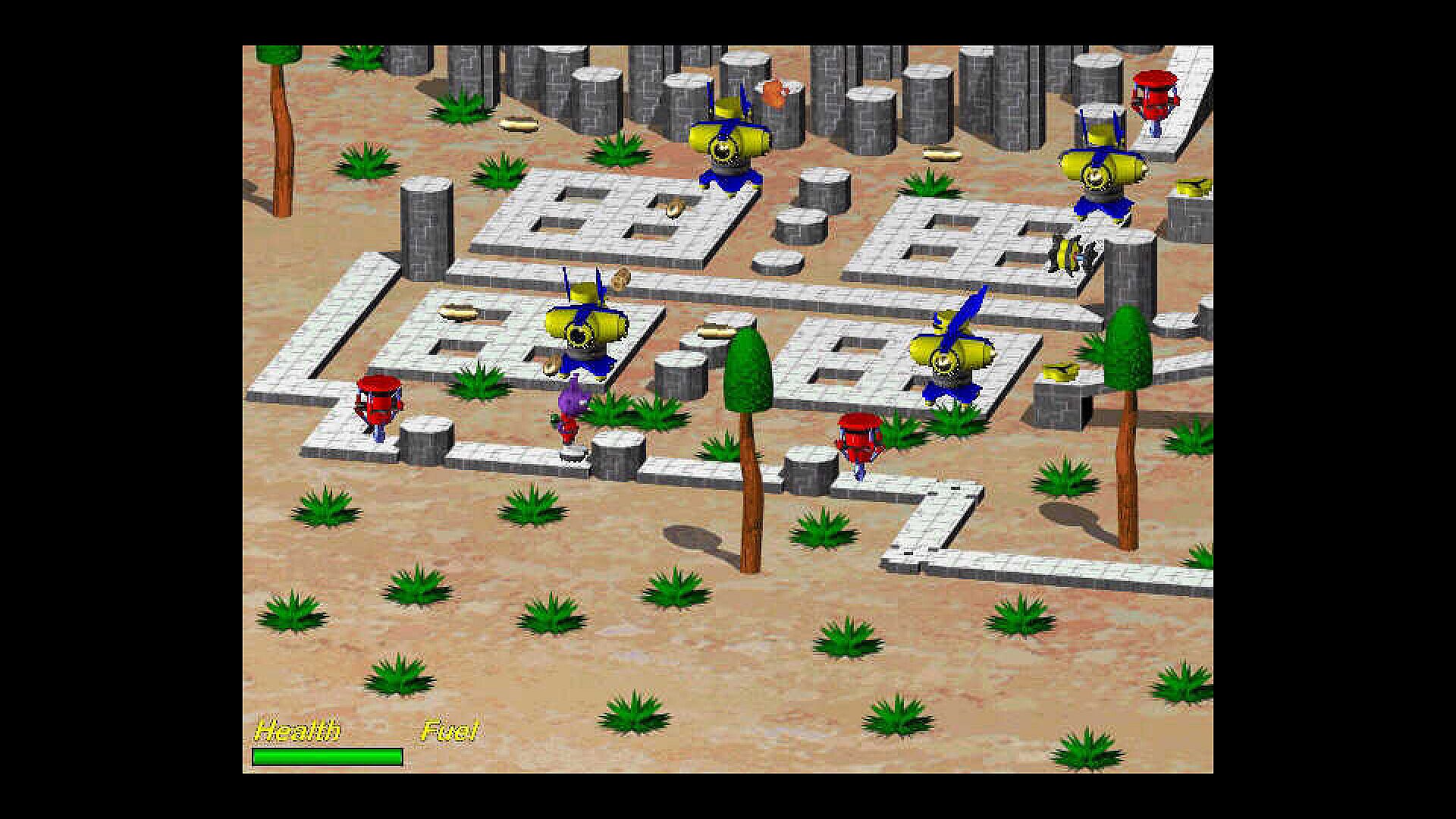
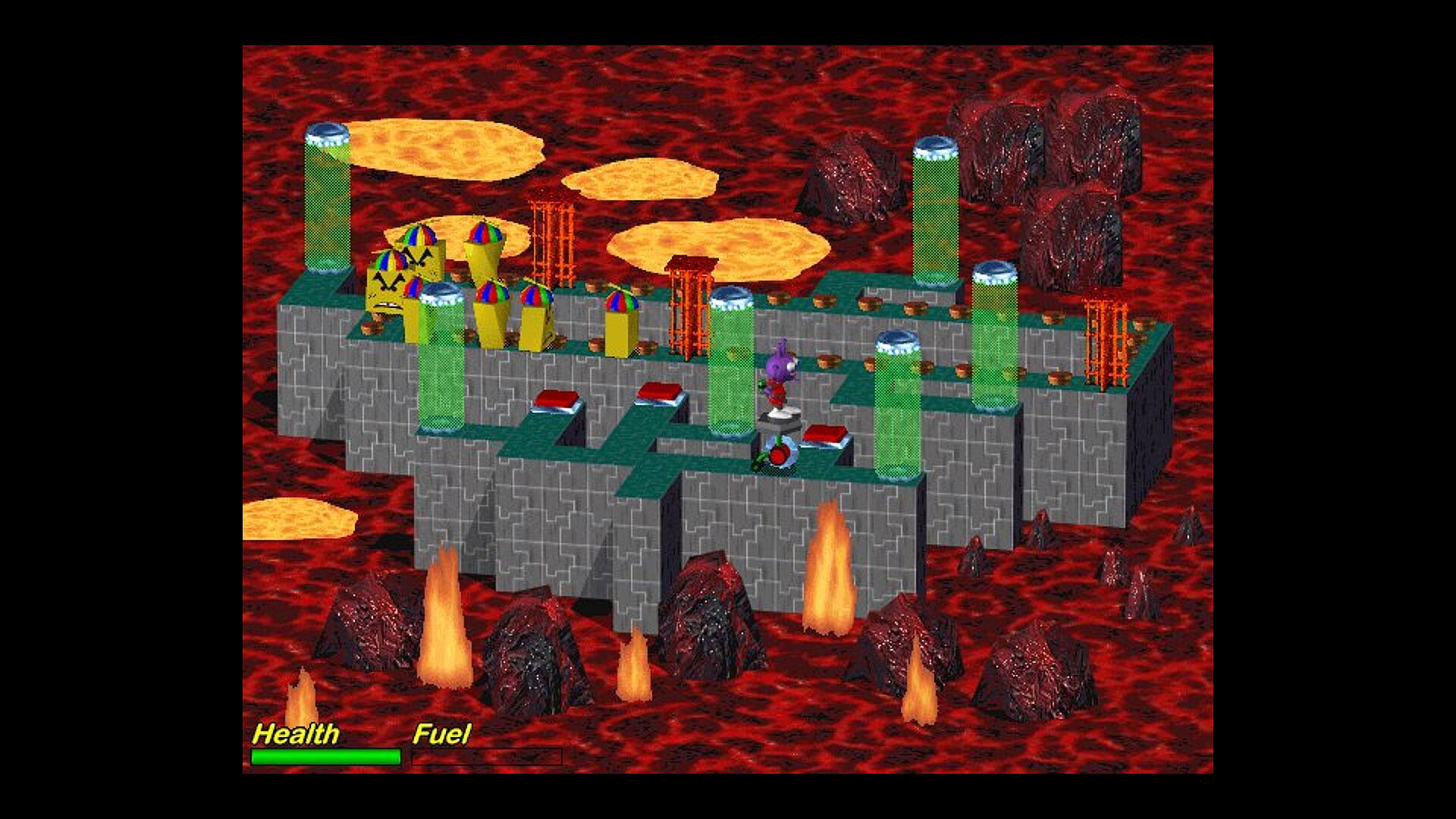
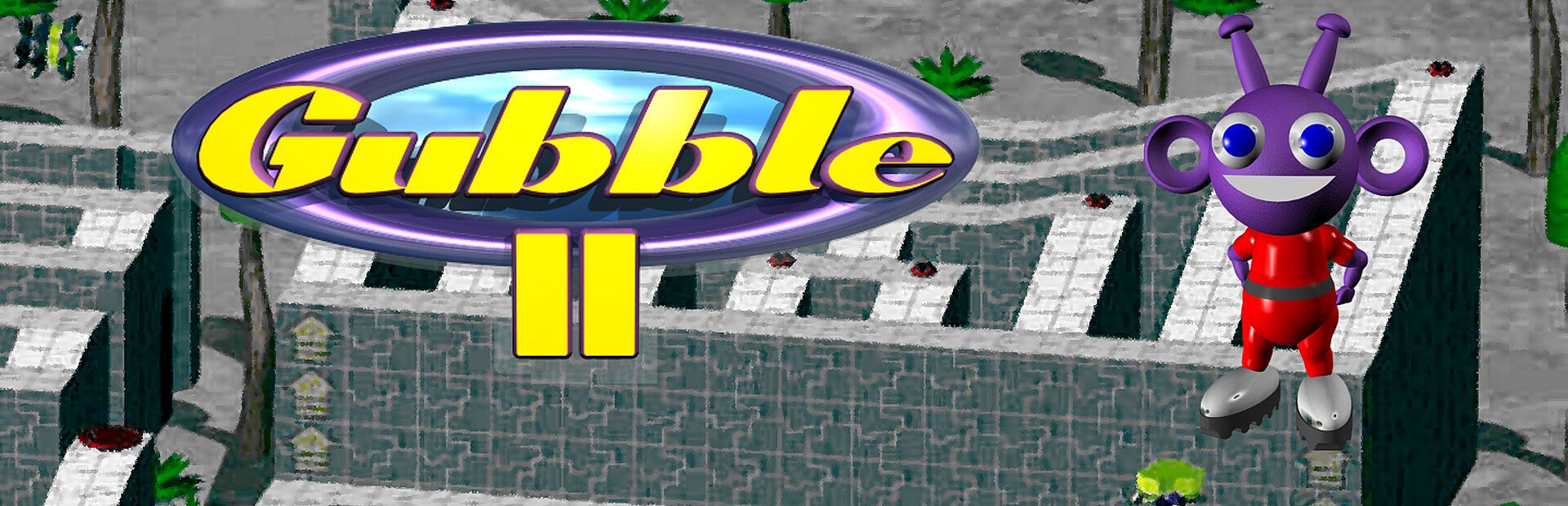
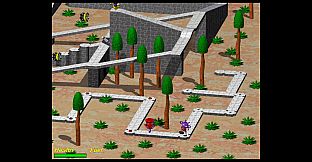
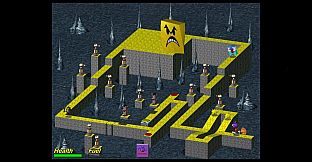
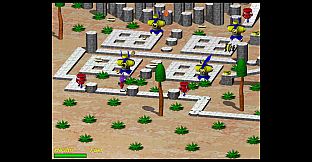
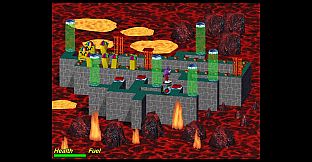
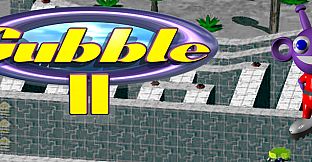
Gubble II is an action puzzle game that blends platforming movement with deliberate tool-based problem solving in colorful isometric environments. Players guide the alien protagonist Gubble D. Gleep through a series of intricate mazes known as zymbots, where the central objective remains removing every fastener such as screws, nuts, bolts, and nails using the matching tool found in each area. The 1998 sequel expands on the original concept with Gubble now moving on foot rather than piloting a pod, introducing running, jumping, ducking, and limited flight that requires collecting fuel canisters scattered across the levels.
Gameplay
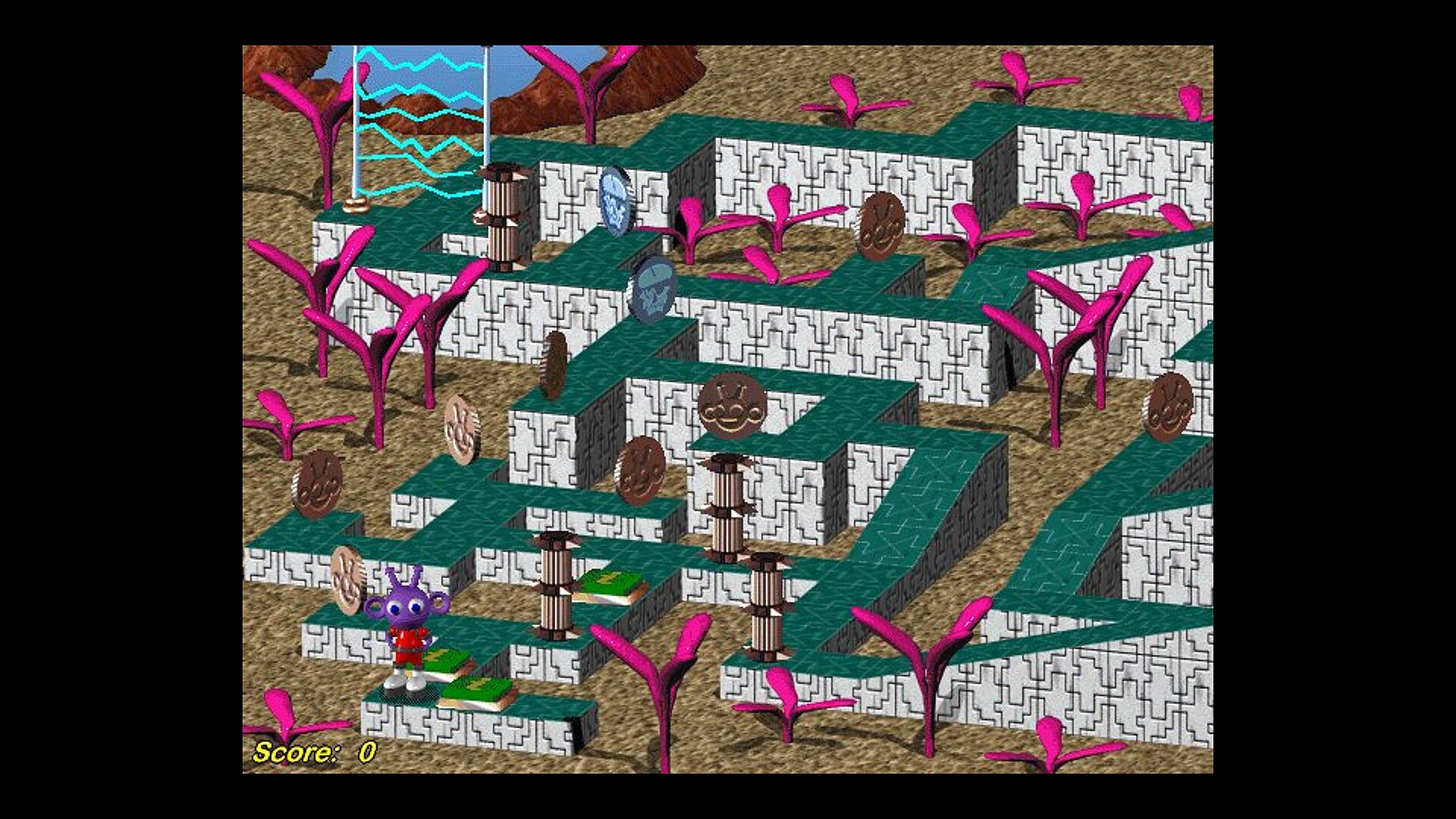
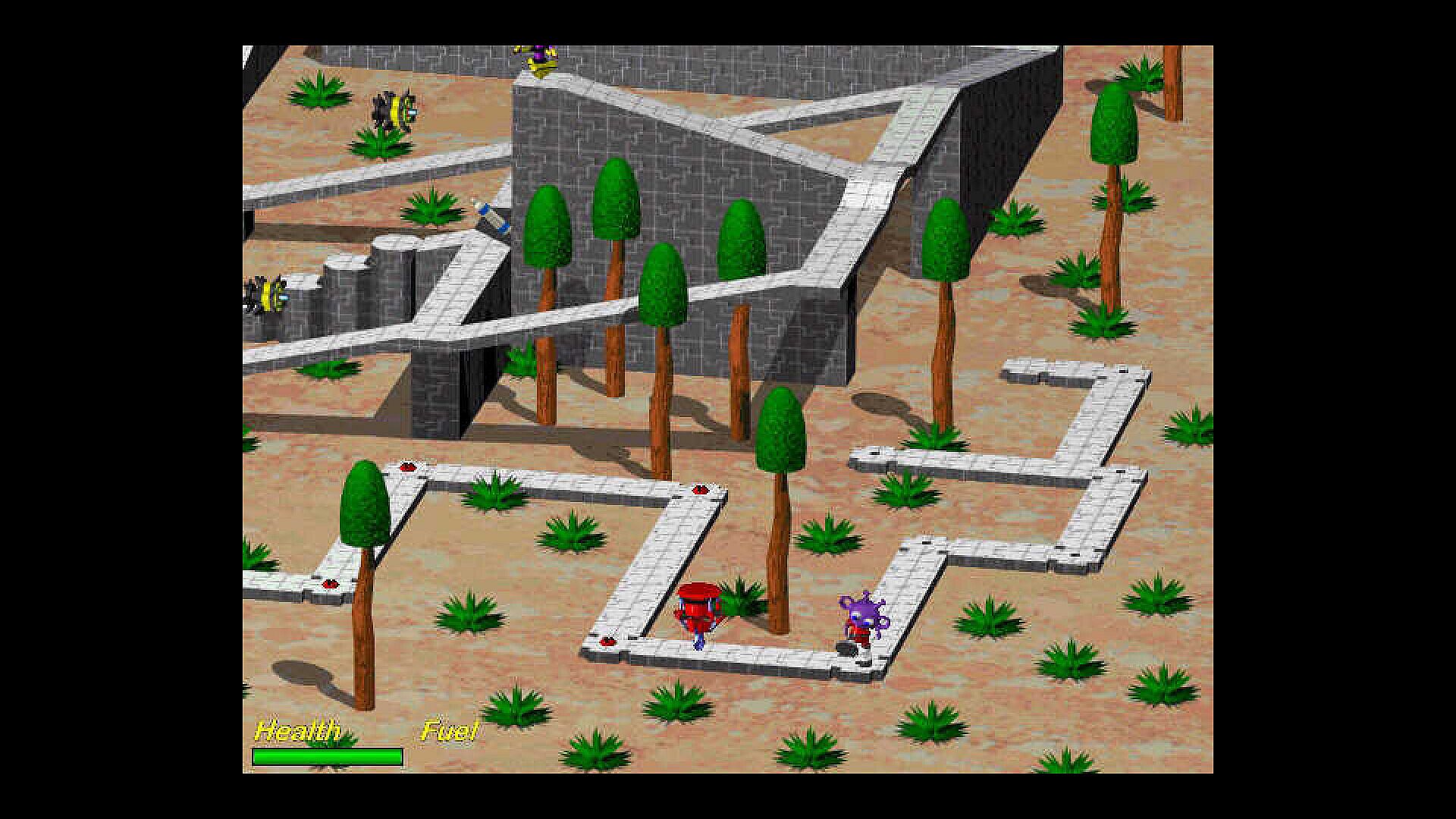
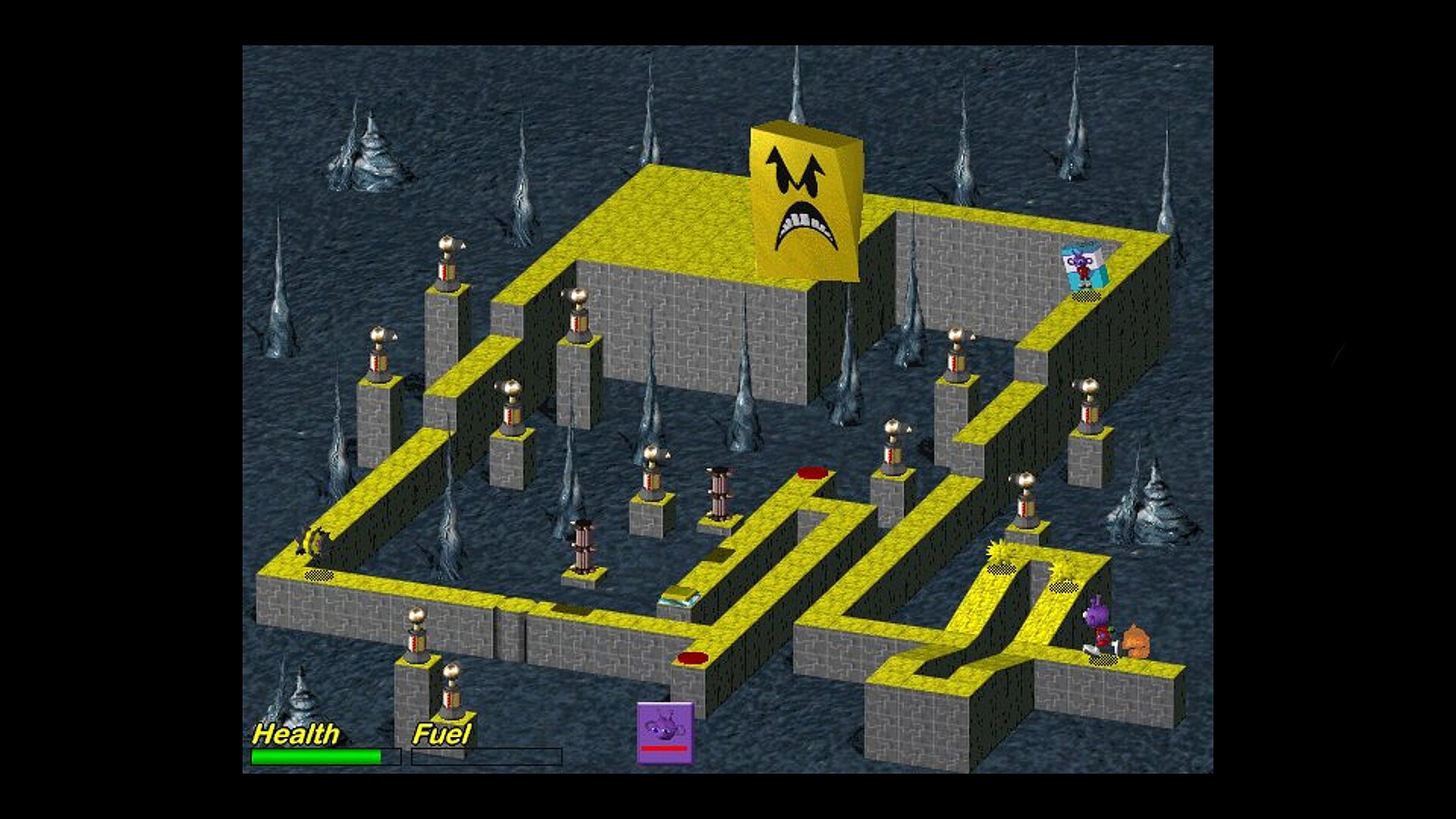
Each zymbot presents a self-contained challenge set in prerendered three-dimensional geometry that creates twisting, multi-layered spaces reminiscent of impossible architecture. Gubble must locate the correct tool for each type of fastener, hop onto or interact with it, and clear the structure while dodging enemies and navigating obstacles. New tools and powerups appear throughout the 124 levels, adding layers of strategy as players decide when to use resources like fuel for flight or special abilities to reach distant fasteners or bypass barriers. The isometric view keeps the entire puzzle visible at once, encouraging players to plan routes that combine quick reflexes with careful observation of how removing one fastener affects the surrounding geometry.
Levels grow progressively larger and more complex than those in the first game, incorporating moving platforms, energy fields, and tighter timing requirements. Auto-saving occurs after each completed zymbot, allowing players to tackle the campaign in shorter sessions without losing progress. The original release also included a level editor for creating custom zymbots, extending replay value beyond the main sequence of puzzles.
Game Modes
Gubble II operates entirely in singleplayer. The primary experience unfolds as a linear campaign across multiple worlds on a hub-style map, where completing a set number of zymbots lowers barriers and unlocks further areas. Progression emphasizes exploration within each self-contained level rather than separate competitive or cooperative modes. Players advance by clearing all fasteners in sequence, with difficulty increasing through denser enemy placements, more demanding navigation, and creative combinations of tools and environmental hazards.
Visuals and Audio
The game uses prerendered 3D assets that retain a vibrant cartoon style well suited to its sci-fi theme. Levels feature bright colors and whimsical designs that stand out even on modern displays after compatibility updates. The soundtrack consists of instrumental tracks that accompany the action without overpowering the focus on puzzle solving. Sound effects emphasize the satisfying clicks and whirs of tools engaging with fasteners, reinforcing the tactile feel of the core loop.
Is It Worth Playing?
Gubble II appeals most to fans of classic action puzzle games who enjoy methodical yet energetic gameplay. Its singleplayer structure and focus on creative level design deliver a self-contained experience that runs smoothly on current PCs following the rerelease updates. Contemporary player feedback highlights the nostalgic charm, inventive zymbot layouts, and the satisfying progression of clearing increasingly elaborate structures. Those seeking a straightforward puzzle challenge without multiplayer elements or ongoing seasonal content will find a compact campaign that rewards careful planning and repeated attempts on tougher stages. The inclusion of a level editor in the original version further extends its longevity for anyone interested in experimenting with their own designs.












