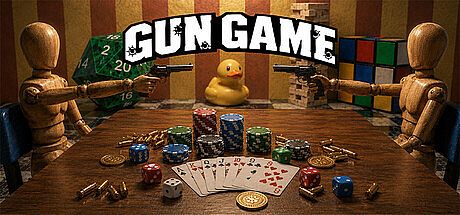


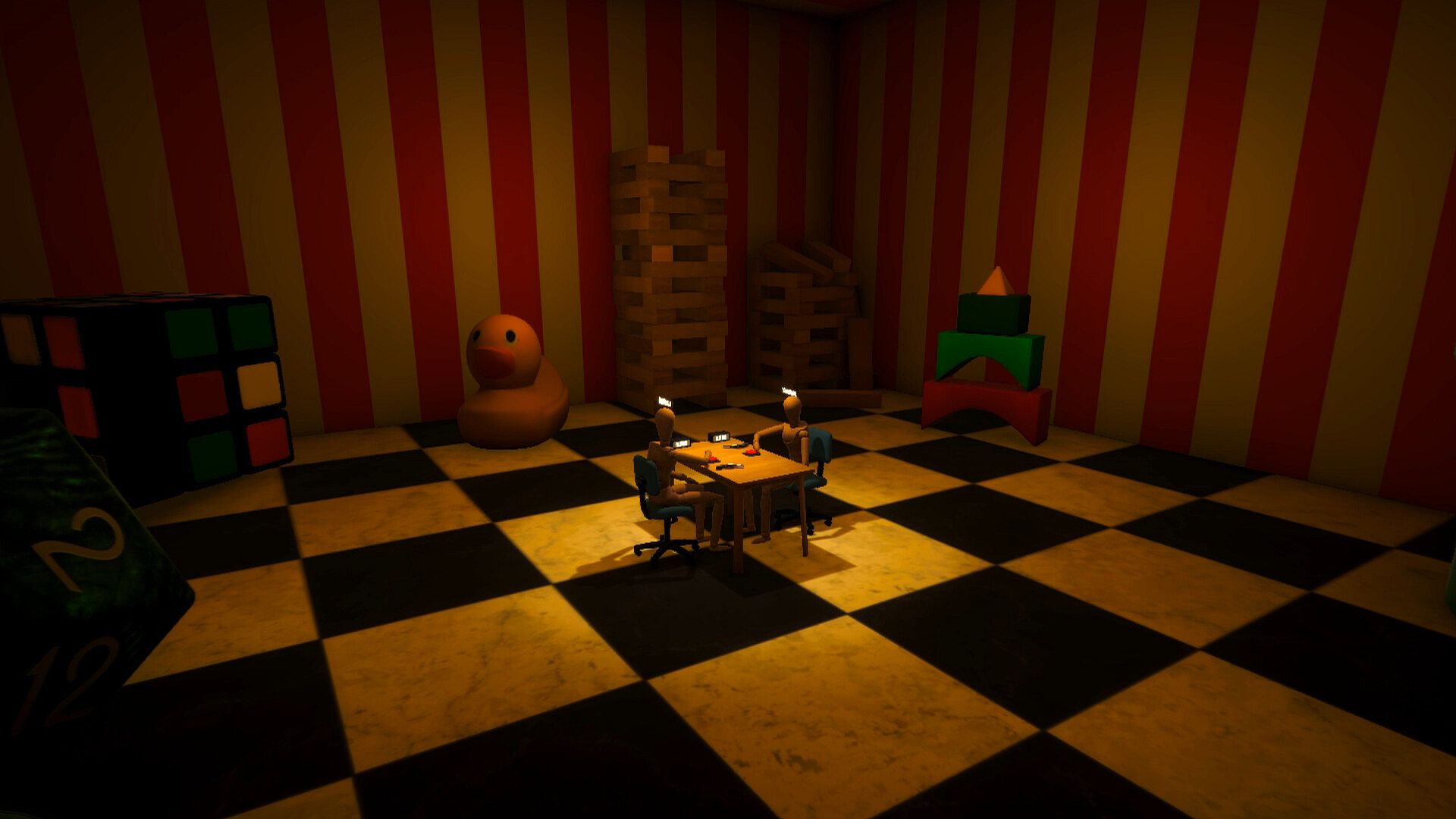

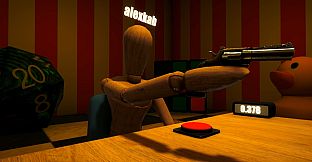
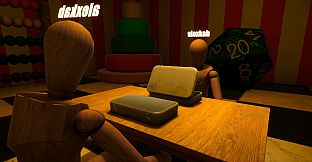
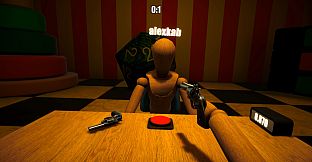
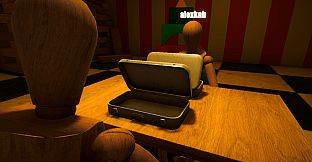
Gun Game is a two-player psychological party game that blends strategy, bluffing, and quick reflexes in a confined setting designed to test friendships. Developed as an indie title for PC, it emphasizes deception and decision-making over traditional combat, placing players in scenarios where lying convincingly or spotting a bluff determines the winner. The experience revolves around short, repeatable sessions that mix tension with unpredictability, making it suitable for casual play between two people who know each other well.
Gameplay
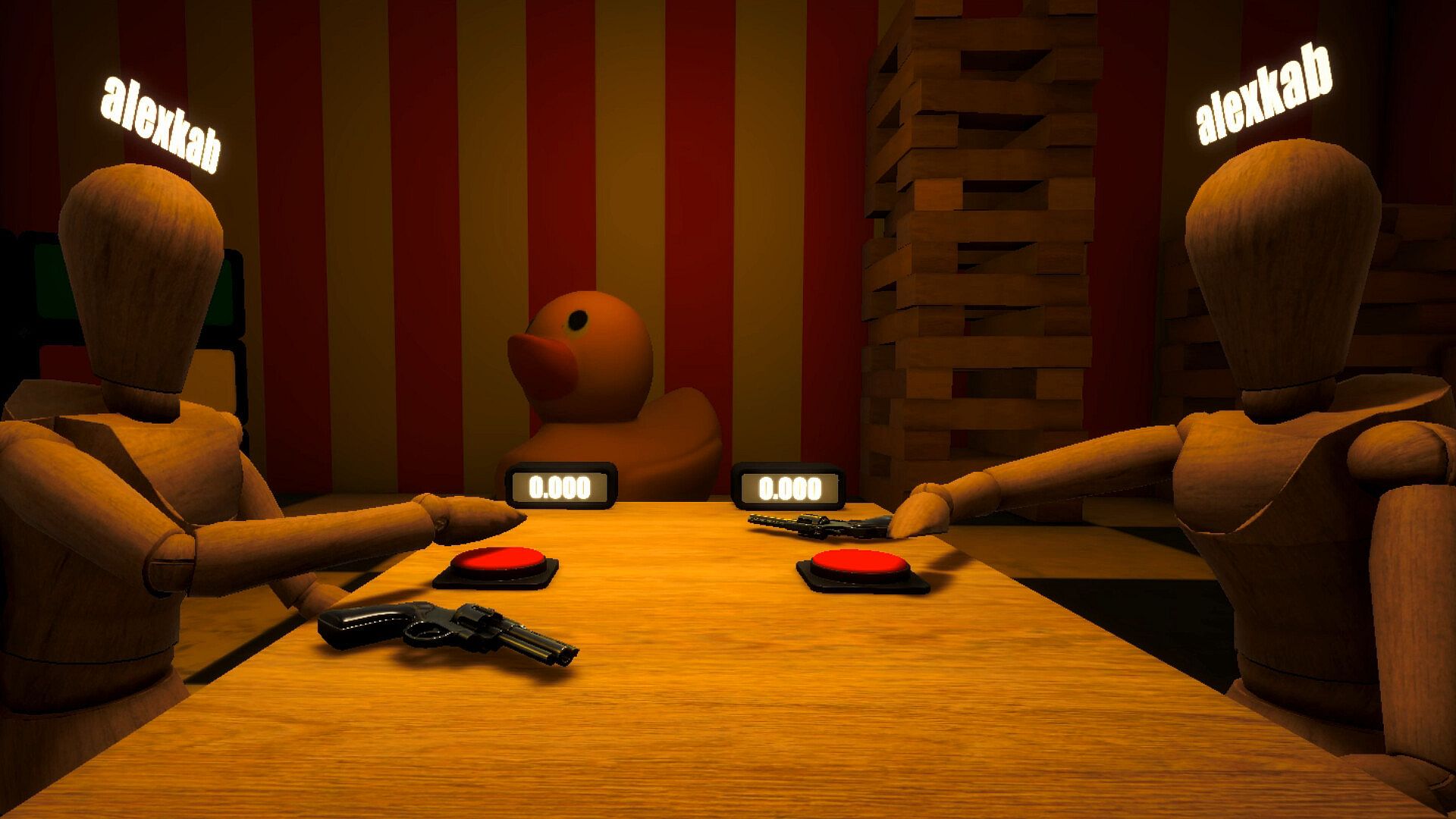
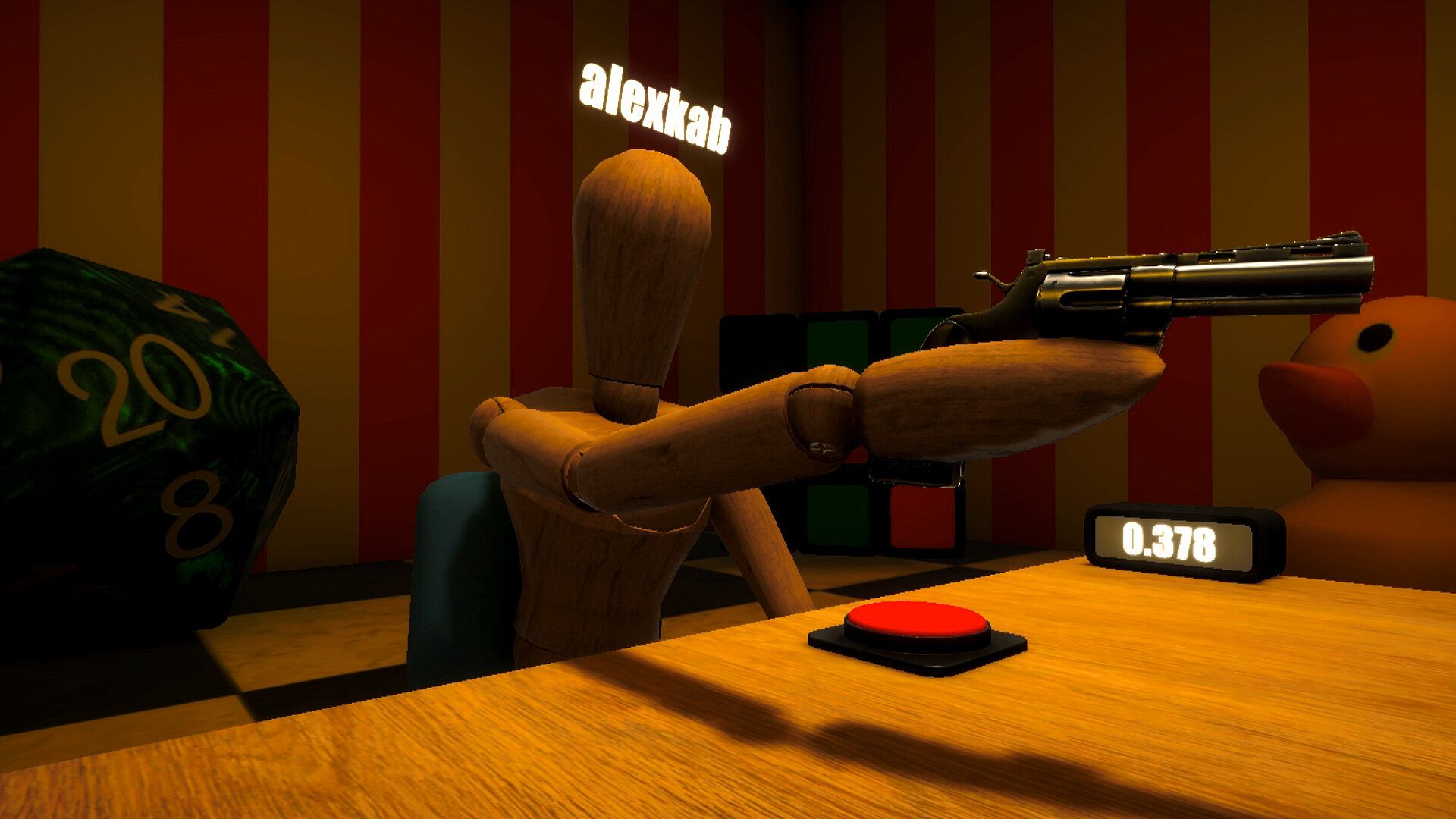
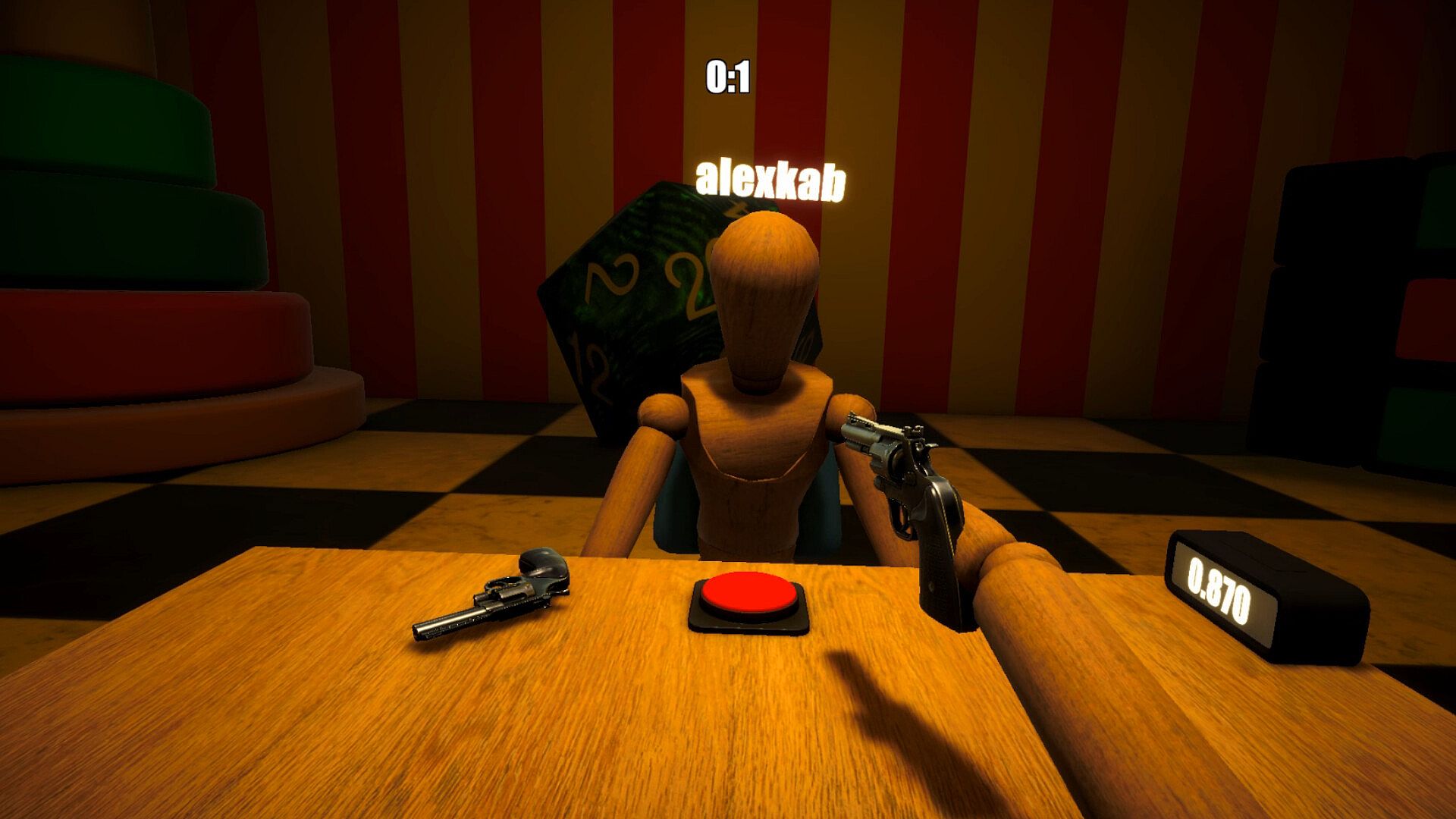
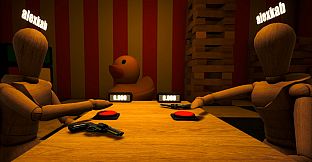
Core play centers on a series of mini-games that require a combination of speed, luck, and tactical thinking. Players sit across from each other in a closed room environment where one participant holds secret information and the other must decide whether to trust or challenge it. Mechanics include direct physical actions such as swapping objects or reacting to timed prompts, alongside verbal elements where tone of voice and consistency become tools for manipulation. Success depends on reading an opponent's behavior while maintaining your own composure under pressure. The rules stay straightforward across sessions, yet the random elements and human factor ensure each round feels distinct from the last.
Agility challenges appear alongside pure chance mechanics, forcing participants to balance calculated risks with instinctive responses. Tactics emerge when players anticipate moves several steps ahead, using previous patterns or feints to gain an edge. The overall loop stays short and intense, rewarding those who adapt quickly rather than relying on long-term progression or complex systems.
Game Modes
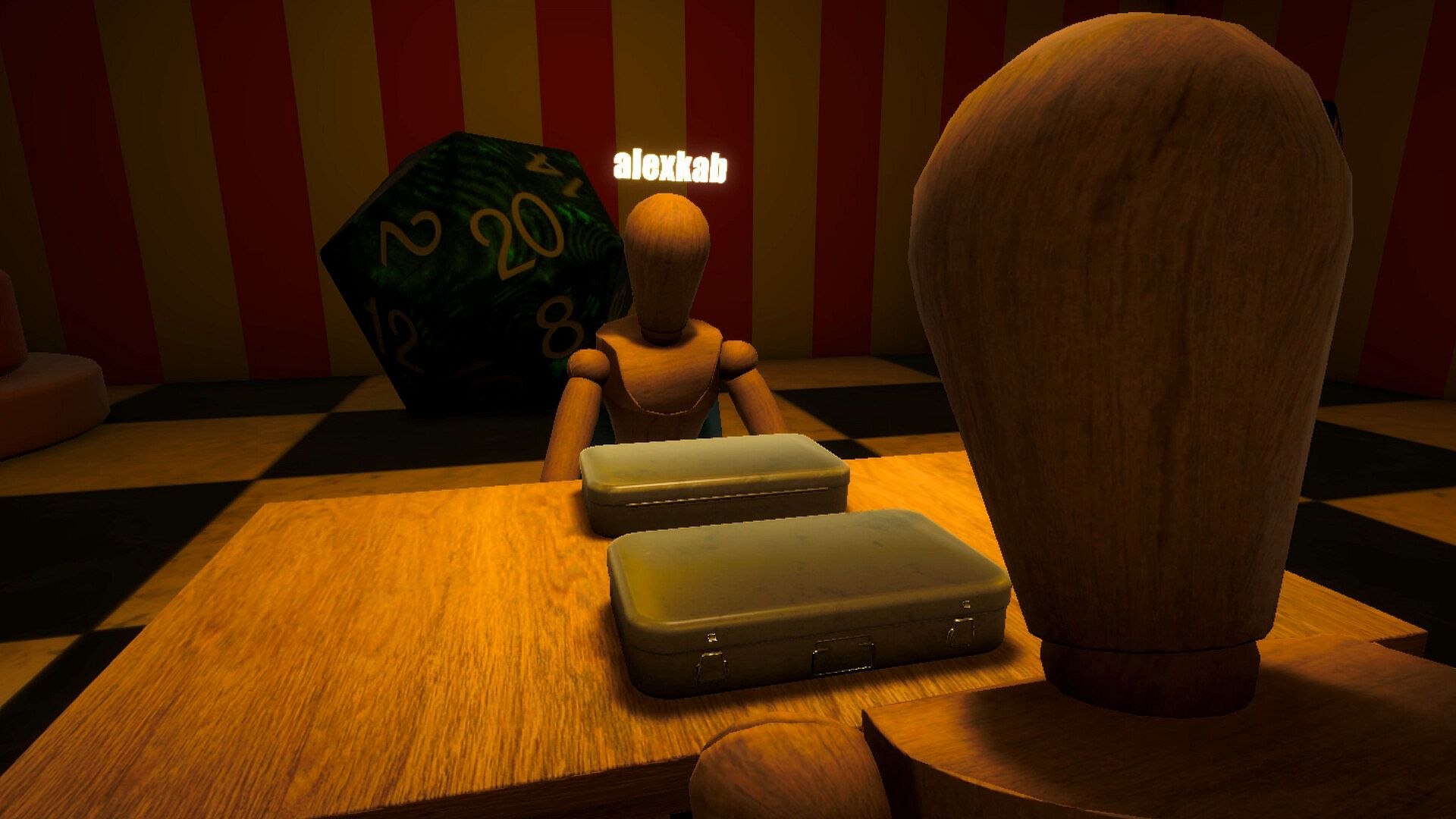
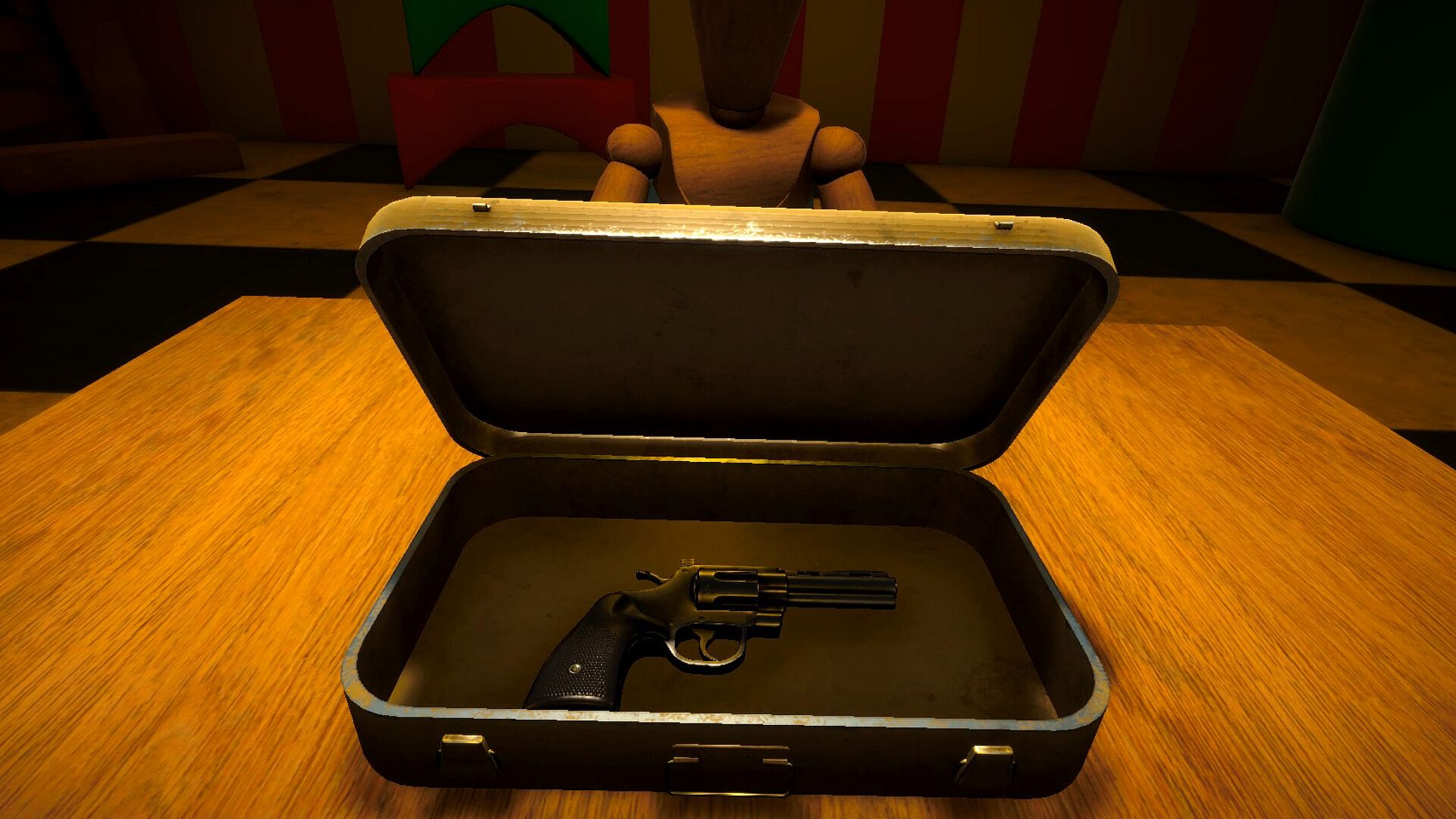
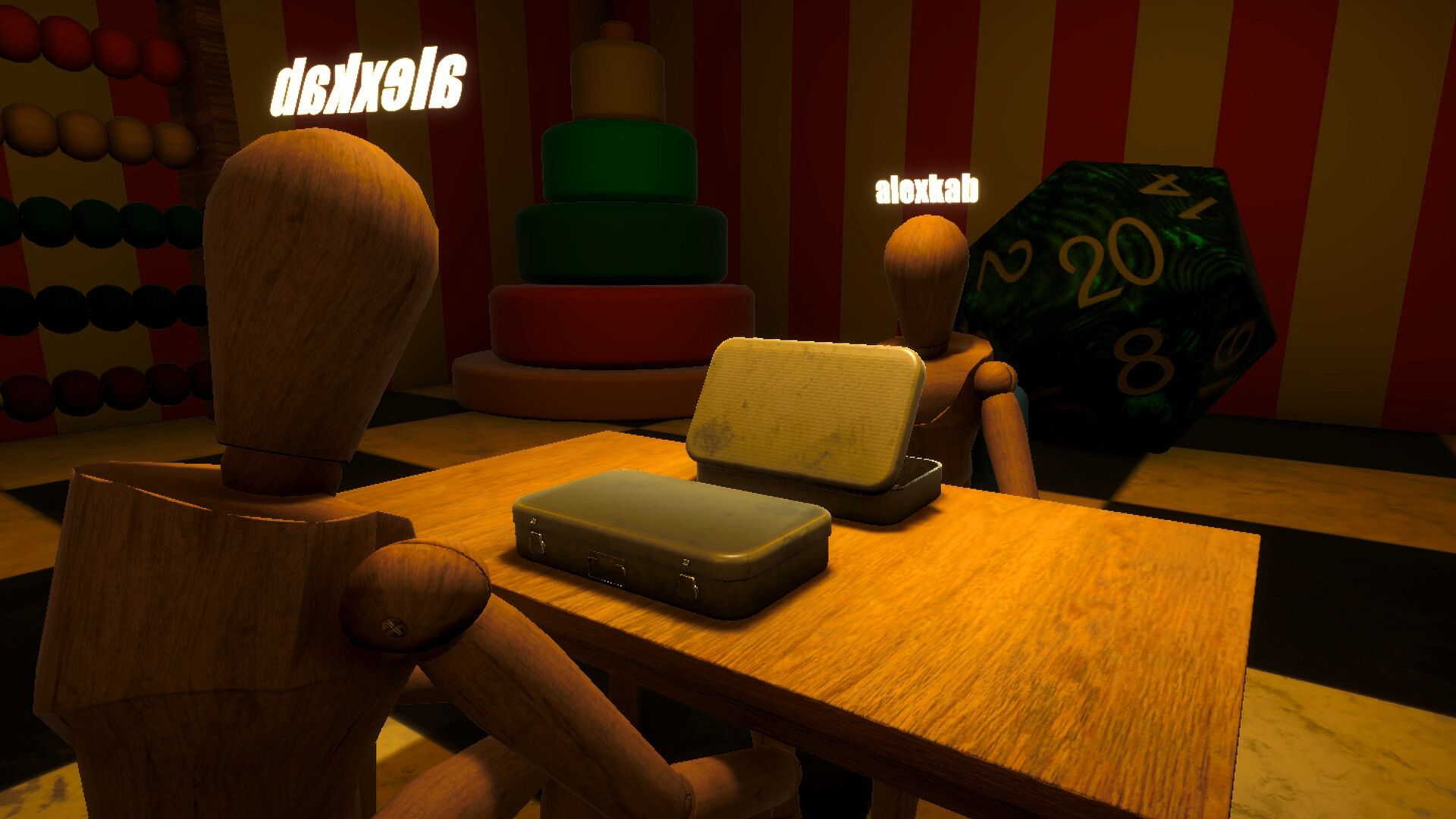
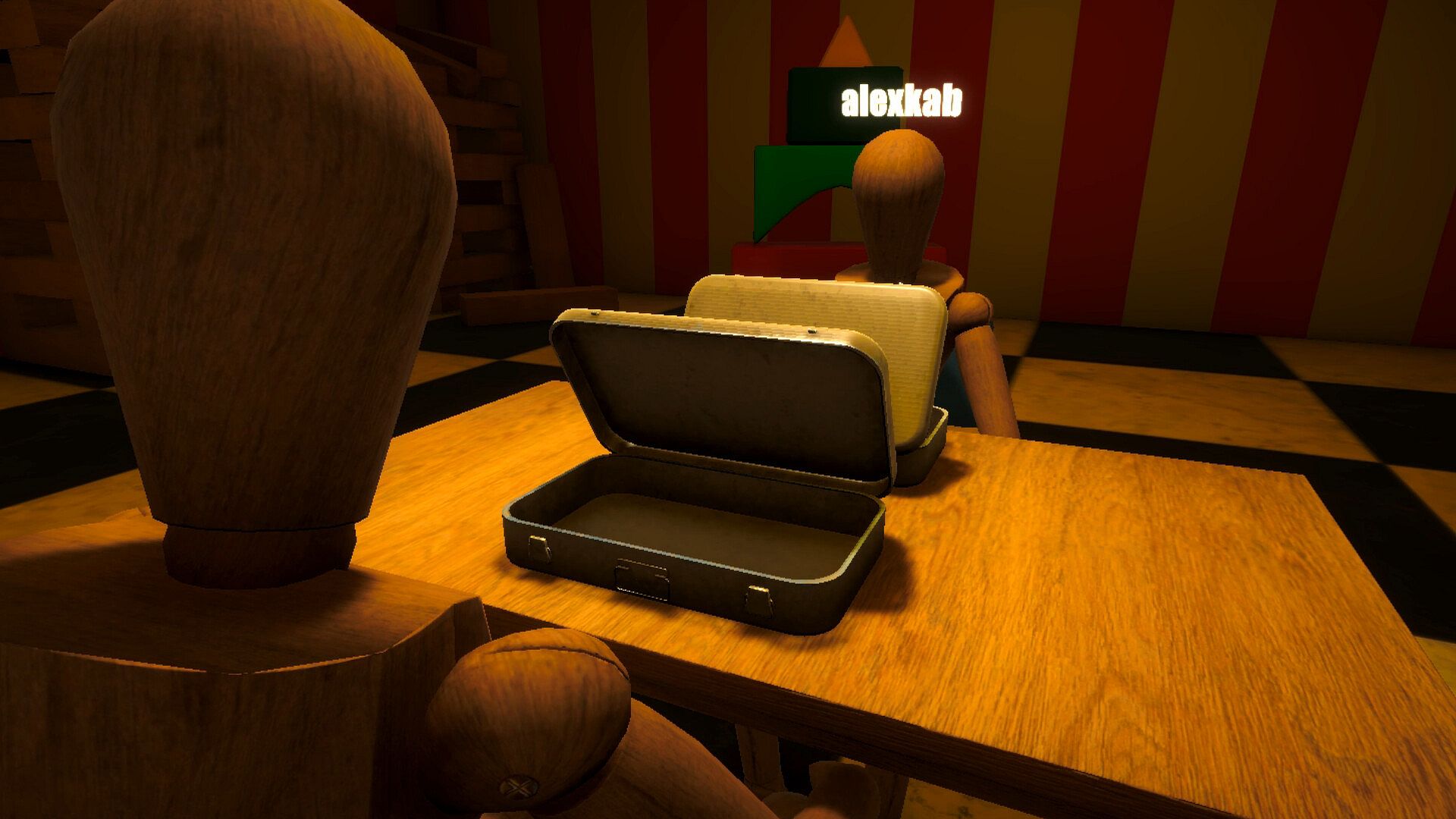
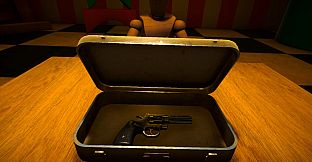
The game structures its content around multiple mini-games that share the same two-player framework but vary in their specific demands. One prominent setup involves a briefcase placed between participants, where hidden contents create an asymmetric information advantage. The informed player must guide or mislead the other into a decision that could end the round favorably or disastrously. Additional modes incorporate direct speed competitions and luck-based resolutions, all while maintaining the core theme of psychological confrontation. No single mode dominates; instead, the collection encourages repeated play to explore different combinations of reaction time and deception.
Because sessions remain limited to exactly two participants, every mode focuses on direct head-to-head interaction without team elements or larger groups. The design prioritizes replayability through procedural variation rather than extensive customization or branching narratives.
Key Mechanics and Features
Bluffing forms the central pillar, supported by audio cues that reveal hesitation or confidence during critical moments. Players must decide in real time whether to accept an opponent's statement or call it out, with consequences that can shift the balance instantly. Random outcomes add an extra layer of excitement, preventing any strategy from becoming foolproof. The simulation stays light on visuals and heavy on tension, using simple assets to keep attention on the interpersonal dynamic. System requirements remain modest, aligning with its casual and indie positioning.
Is It Worth Playing?
Gun Game targets players who enjoy intimate, high-stakes social experiences rather than large-scale multiplayer or solo campaigns. Its strength lies in the way it turns familiar interactions into competitive tests, appealing to those who appreciate short sessions filled with laughter, arguments, and second-guessing. Since the title remains unreleased with a planned 2026 launch and currently carries no player reviews, its value will ultimately depend on how well the mini-games deliver consistent tension once available. For fans of two-player psychological games that emphasize voice, timing, and risk assessment, it presents a focused alternative to more conventional party titles. Those seeking deeper simulation or ongoing content updates may want to wait for post-launch feedback before committing.