











Halima ist ein Singleplayer-Action-Adventure, in dem man eine junge Priesterin durch surreale Traumwelten führt. Im Mittelpunkt stehen Erkundung, Beobachtung und Überleben in Landschaften, die von symbolischen Mustern und wechselnden Realitäten geprägt sind. Für den PC entwickelt, verbindet das Spiel Plattform-Passagen mit Umgebungsrätseln und gelegentlichen Fluchtsequenzen in einer erzählungsgetriebenen Erfahrung.
Gameplay
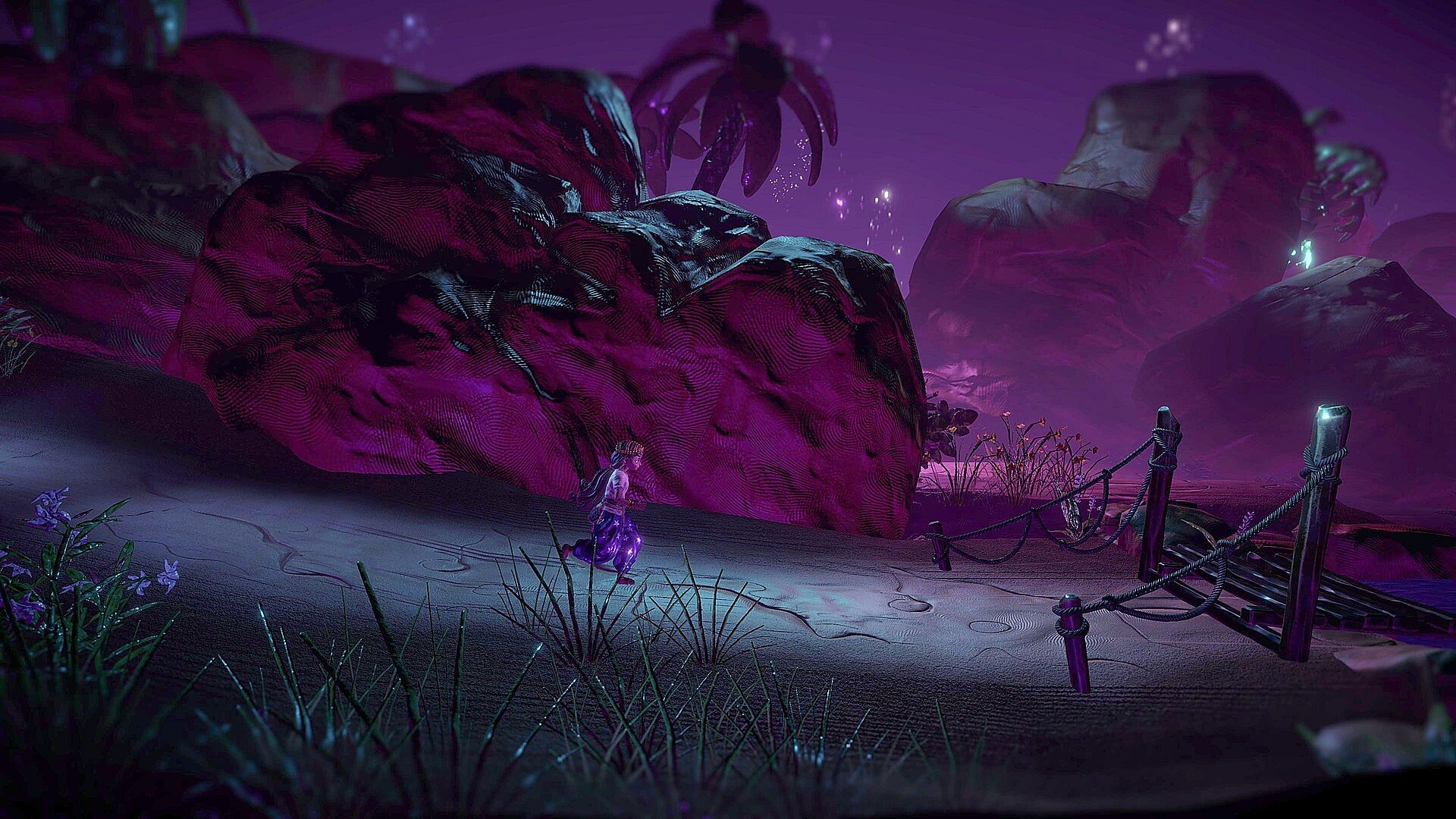
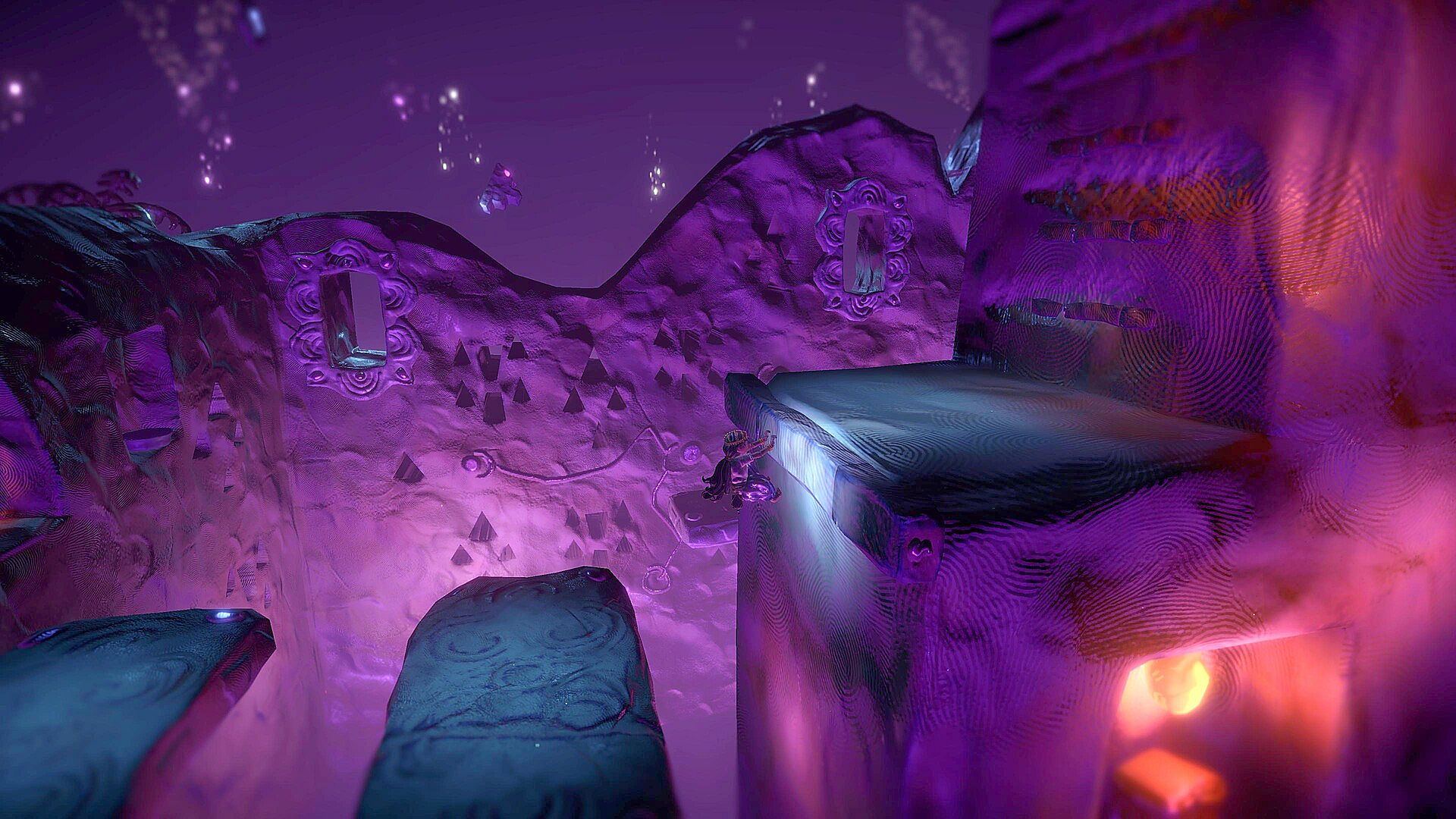
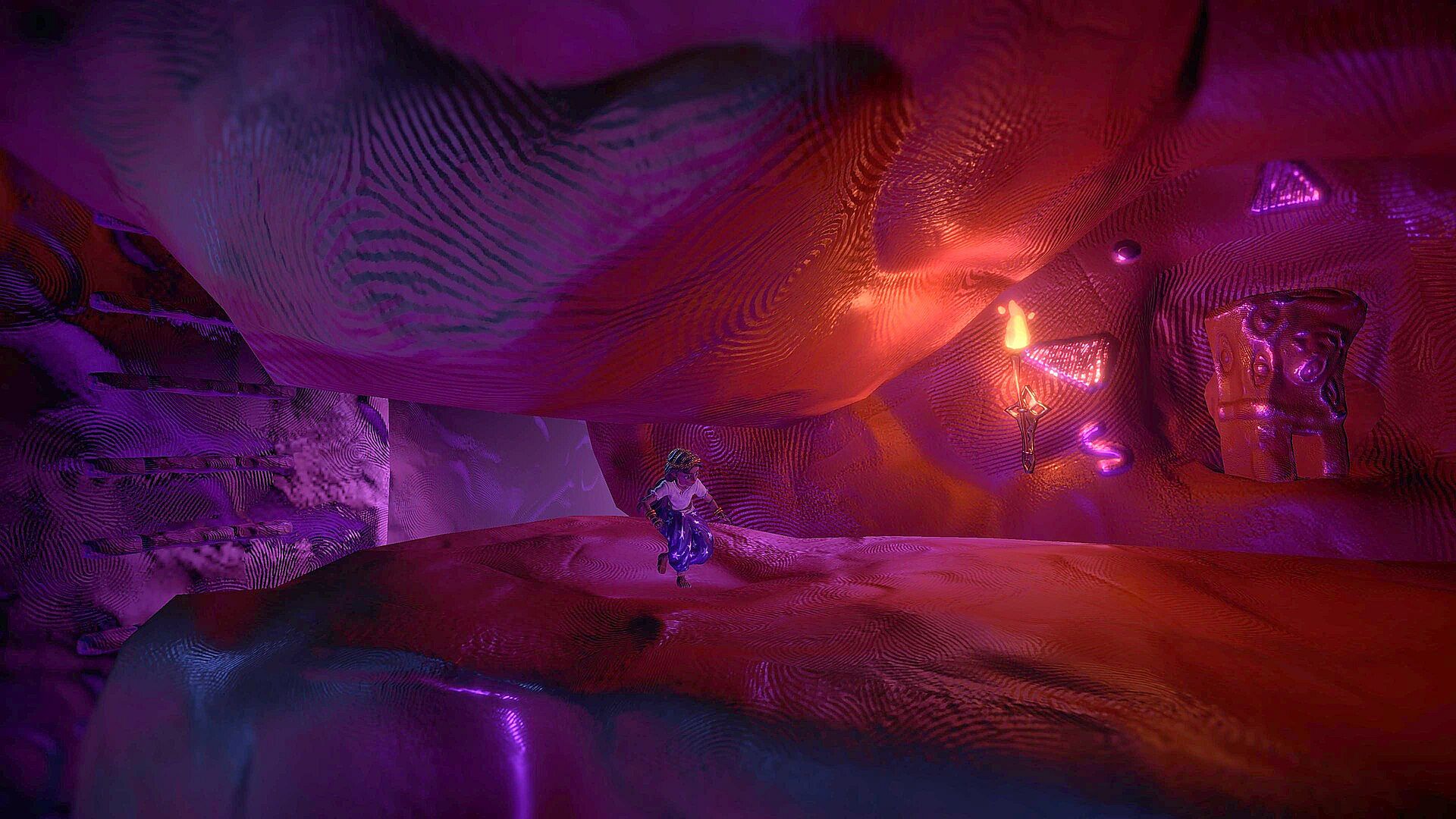
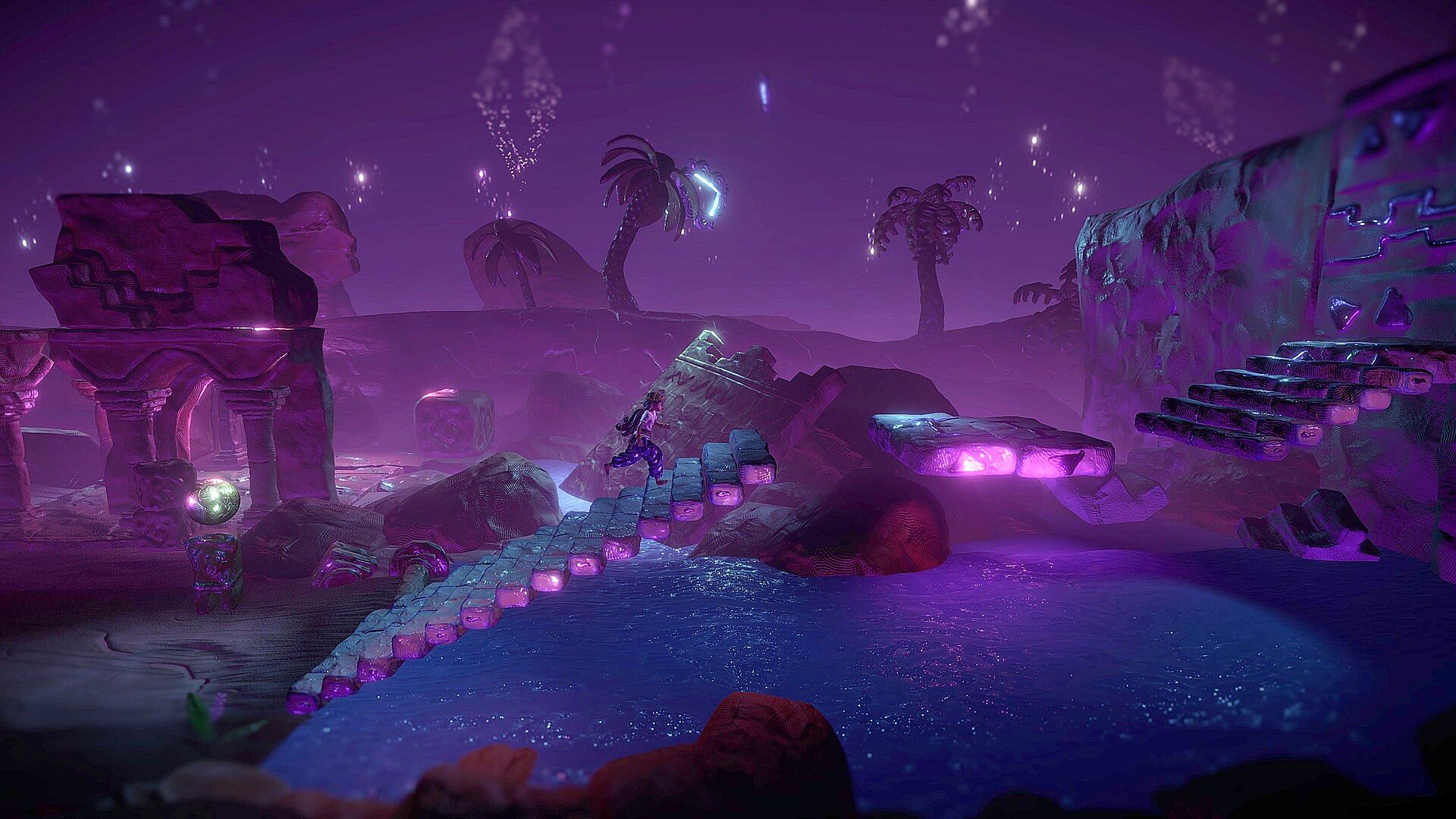
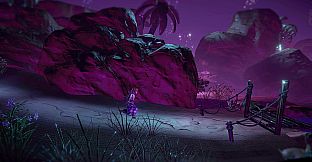
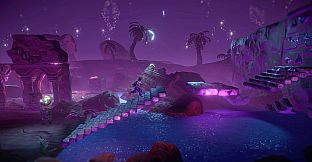
Die Fortbewegung führt durch mehrschichtige Traumwelten aus Wüstenlandschaften, Ritualkammern, verfallener Architektur und abstrakten Symbolräumen. Jedes Element dieser Orte trägt eine Bedeutung und verlangt Aufmerksamkeit für wiederkehrende Motive, verschachtelte Wege und Umgebungshinweise. Die Plattform-Abschnitte erfordern präzise Sprünge und Positionierung, um der inneren Logik der Träume zu folgen.
Die Rätsel basieren darauf, die eigenen Regeln der Welt zu erkennen, statt auf klassische Mechaniken zu setzen. In den frühen Abschnitten geht es darum, etablierte Muster durch Beobachtung und Fortbewegung nachzuvollziehen. Später ergeben sich Möglichkeiten, diese Muster zu verändern oder zu durchbrechen, sodass der Fortschritt mit dem wachsenden Verständnis der Protagonistin einhergeht. Die Herausforderungen sind direkt in die Umgebung eingebunden und nutzen kein separates Interface oder Inventar - abgesehen vom Traumtagebuch, das Entdeckungen festhält.
Bedrohungen entstehen durch Begegnungen mit Nightmare Jinn, die die Atmosphäre von ruhiger Erkundung in Verfolgungsszenen umschlagen lassen. Diese Passagen verlangen schnelle Entscheidungen über Verstecke, Routenwechsel und Timing, um gefangen zu werden. Solche Momente bleiben jedoch eher unterbrechend als bestimmend und lassen Raum für die ruhigeren, kontemplativen Abschnitte.
Die Geschichte entwickelt sich durch Begegnungen mit rätselhaften Gestalten, das Sammeln von Artefakten und Tagebucheinträge, die Hintergrundwissen zusammenfügen. Diese Elemente begleiten die zentrale Reise, Antworten zu finden, während man gefangen ist, und enthüllen Schichten von Erinnerung und Ritual ohne Kampfsysteme.
Spielmodi
Halima bietet eine durchgehende Singleplayer-Kampagne ohne separate Mehrspieler-Optionen oder eigenständige Spielmodi. Die gesamte Erfahrung bildet ein zusammenhängendes, erzählungsgetriebenes Abenteuer, das Erkundung, Rätsellösen, Plattforming und Überlebenselemente verbindet. Der Fortschritt verläuft linear durch die Traumschichten, ohne verzweigte Kampagnen, Wettbewerbsformate oder kooperative Funktionen.
Spielerinnen und Spieler bewegen sich in ihrem eigenen Tempo durch die handgefertigten Umgebungen und können Bereiche bei Bedarf erneut besuchen, um weitere Einträge im Tagebuch zu finden oder komplexere Rätsel zu lösen. Die Struktur legt den Schwerpunkt auf den Abschluss der Erzählung, nicht auf Wiederholbarkeit durch alternative Modi oder Schwierigkeitsstufen.
Visuelles und akustisches Design
Die Welt orientiert sich an einem haptischen Claymation-Stil, der Materialien wie Ton, Stoff, Sand, Papier und Metall nutzt, um physische Oberflächen mit sichtbaren handwerklichen Spuren zu schaffen. Dieser Ansatz verleiht den Traumlandschaften eine greifbare Präsenz, die dem abstrakten, symbolischen Charakter der Räume gegenübersteht. Beleuchtung und Texturen heben die handwerkliche Herkunft hervor und unterstützen gleichzeitig den surrealen Ton.
Der Sound unterstützt den atmosphärischen Fokus durch Umgebungsgeräusche und subtile Hinweise, die die Traumlogik verstärken. Sprachausgabe kommt in begrenzten Charakterinteraktionen vor und liegt in unterstützten Sprachen wie Englisch und Arabisch vor. Die Gesamtpräsentation stellt die Immersion in die handwerkliche Ästhetik über fotorealistische Details.
Lohnt sich das Spiel?
Halima richtet sich an Spielerinnen und Spieler, die bewusst gestaltete Singleplayer-Abenteuer mit Umgebungserzählung, Mustererkennung und atmosphärischer Spannung suchen. Die fokussierte Reise verzichtet auf Füllmaterial und bietet ein in sich geschlossenes Erlebnis um mythische Themen und persönliche Entdeckung. Wer sich von Claymation-inspirierten Bildern und Puzzle-Plattformer-Hybriden angesprochen fühlt, wird die Mechaniken aus Fortbewegung, Beobachtung und Ausweichen als stimmig erleben.
Da noch keine Nutzerbewertungen vorliegen und das Release-Datum als „demnächst" angegeben ist, basieren die Erwartungen auf der bestätigten Singleplayer-Struktur und der Integration von Erkundung mit symbolischen Herausforderungen. Das Spiel spricht ein Publikum an, das ein abgerundetes, erzählungsorientiertes Erlebnis ohne Mehrspieler-Elemente oder laufende saisonale Inhalte sucht. Wer sich von Traumlogik-Rätseln und Verfolgungssequenzen angesprochen fühlt, wird Halima bei Erscheinen als lohnende Ergänzung der Bibliothek betrachten.











