






Hello Triangle: Build a GPU is a simulation puzzle game for PC that puts players in the role of hardware designers. In this Early Access title, the core challenge involves constructing functional graphics circuits from basic components to render specific images pixel by pixel. The experience draws directly from real graphics hardware principles without requiring prior expertise in GPUs or low-level programming.
Gameplay
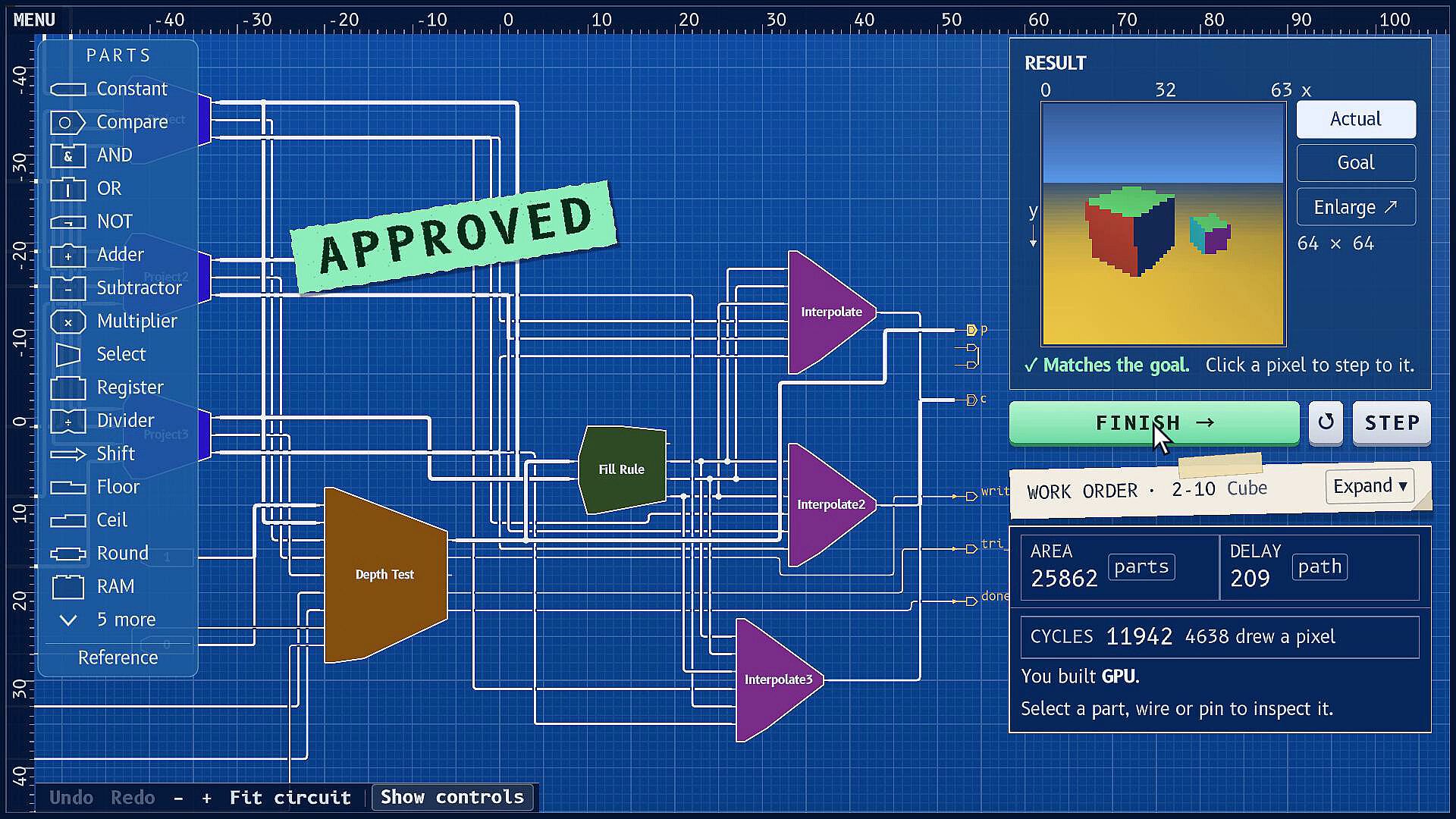
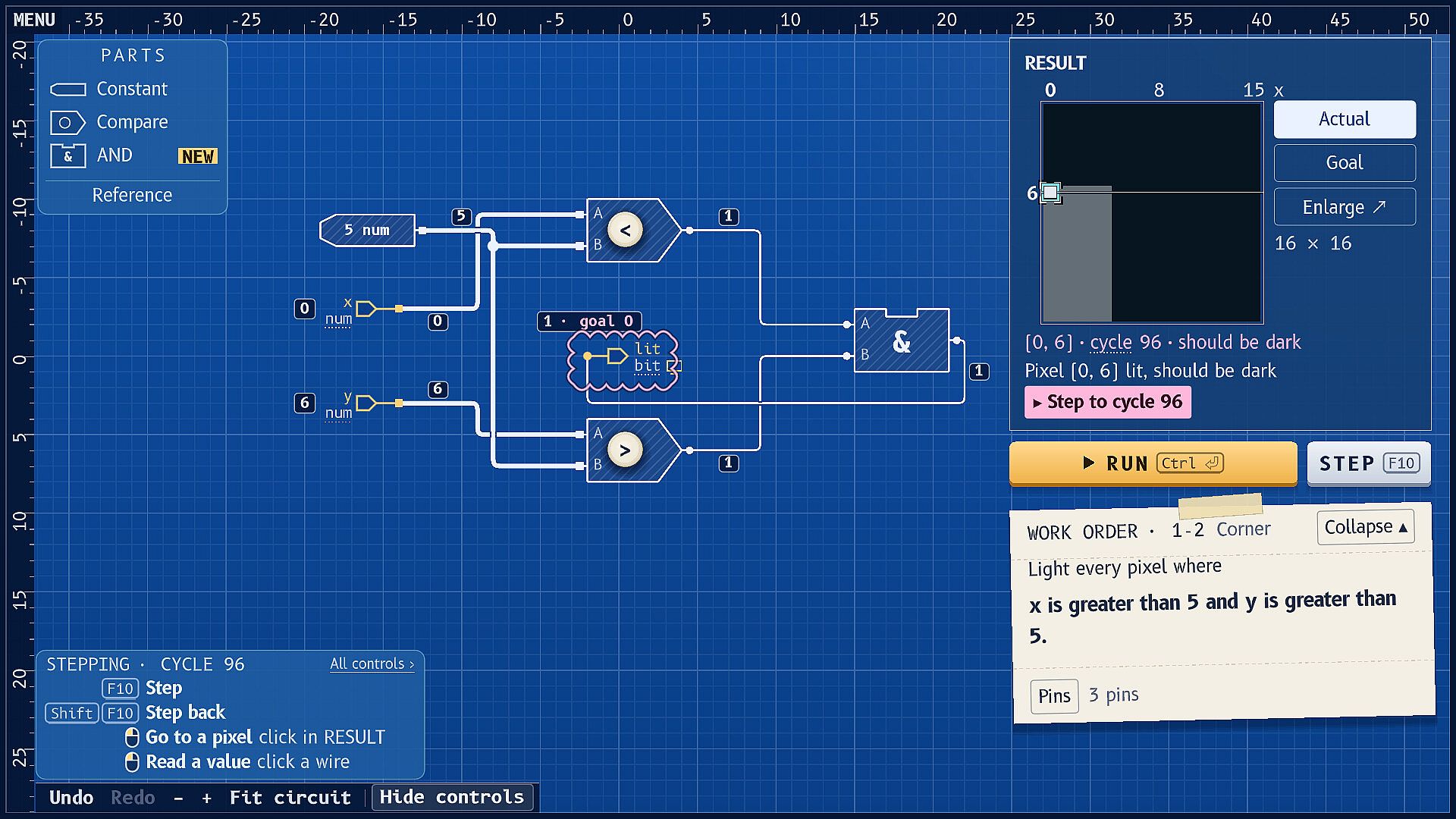
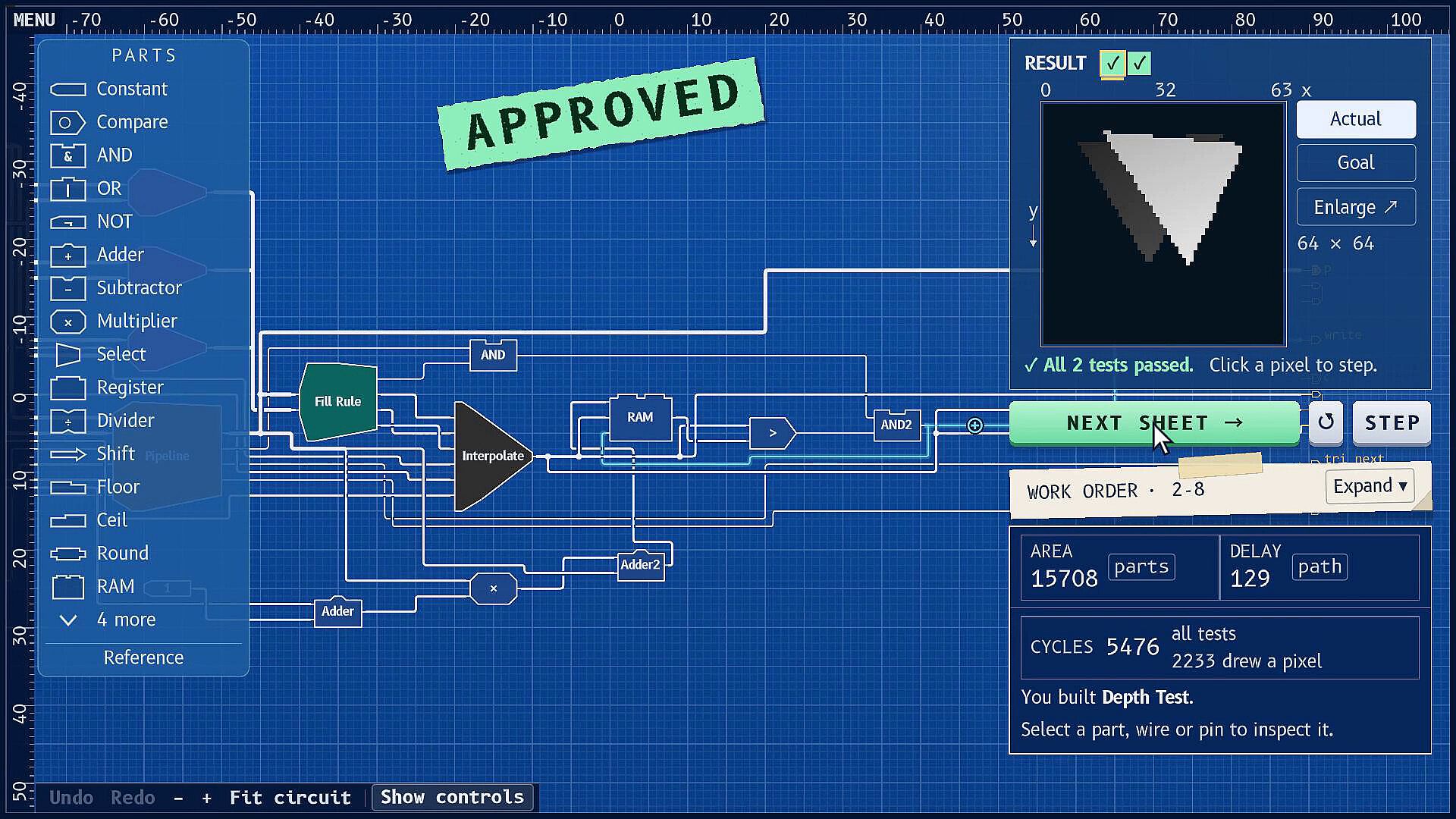
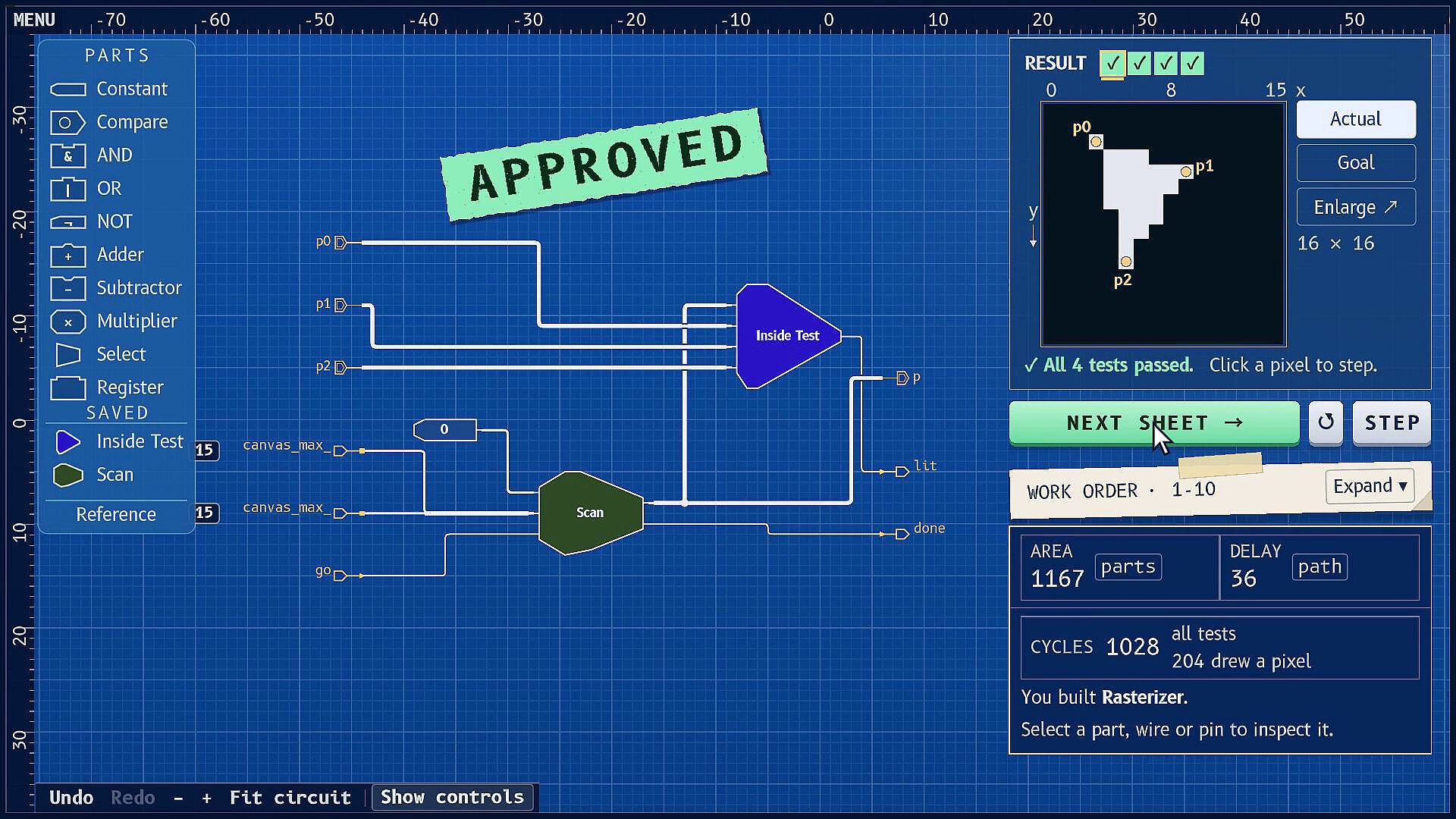
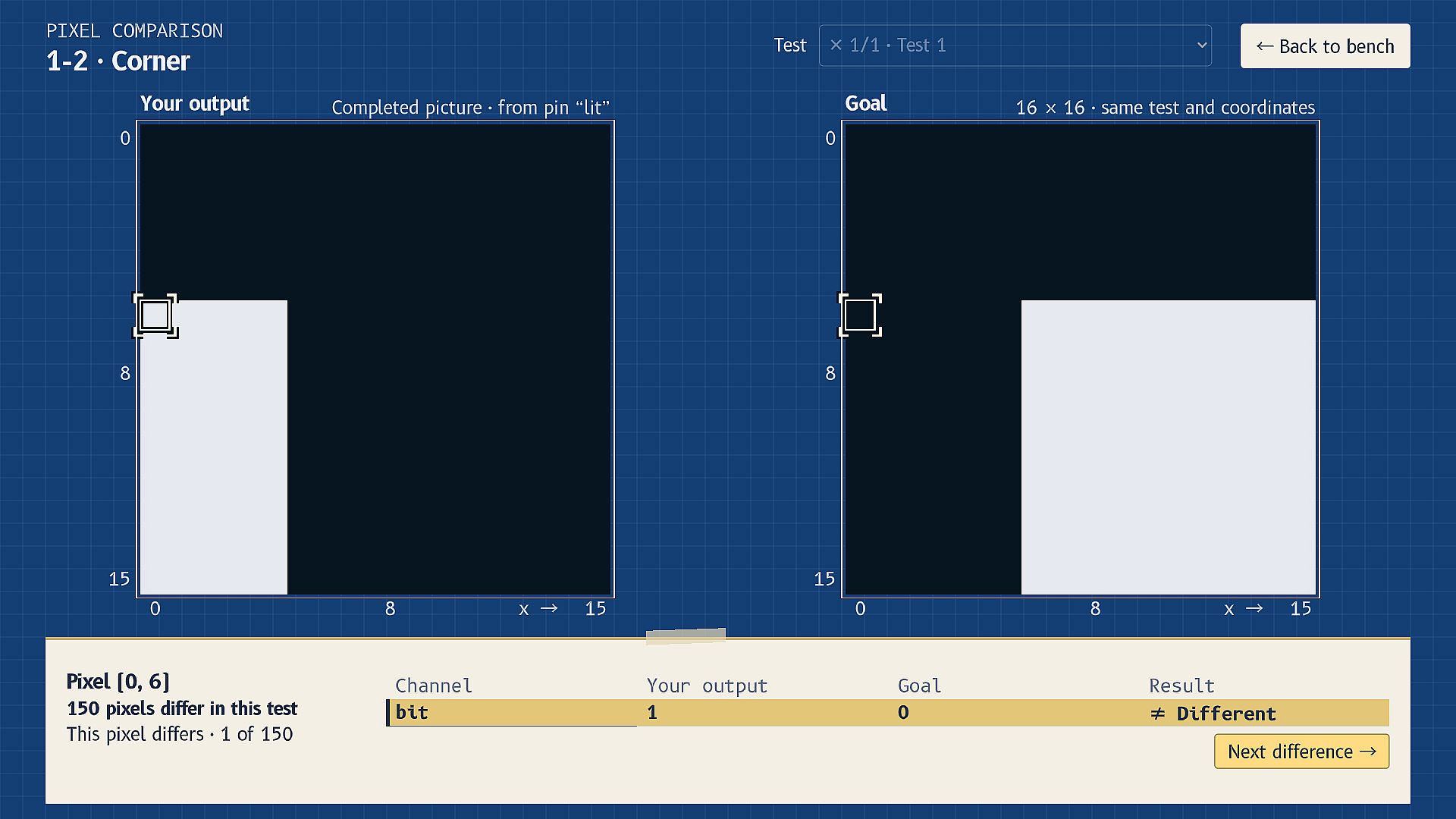
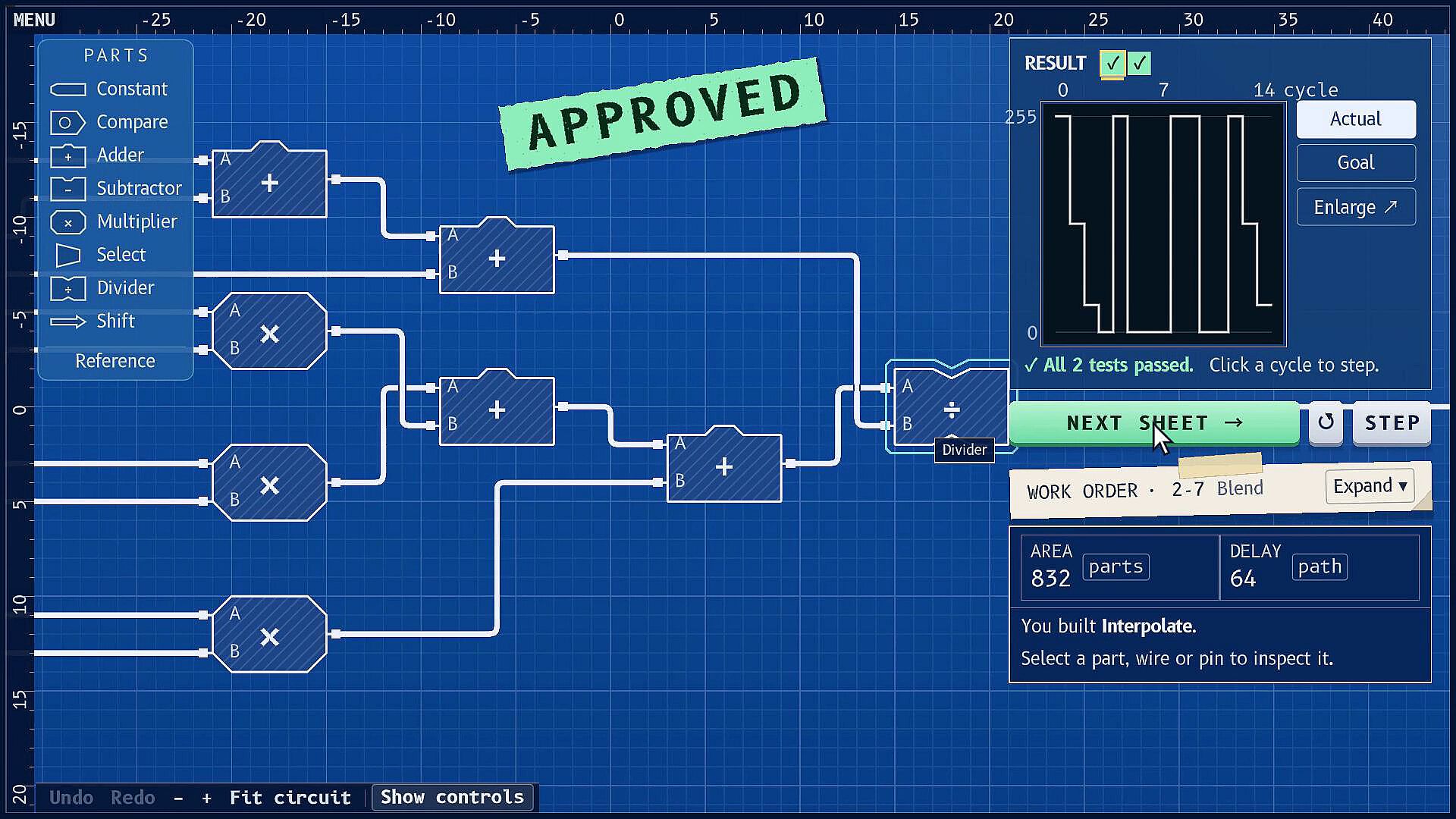
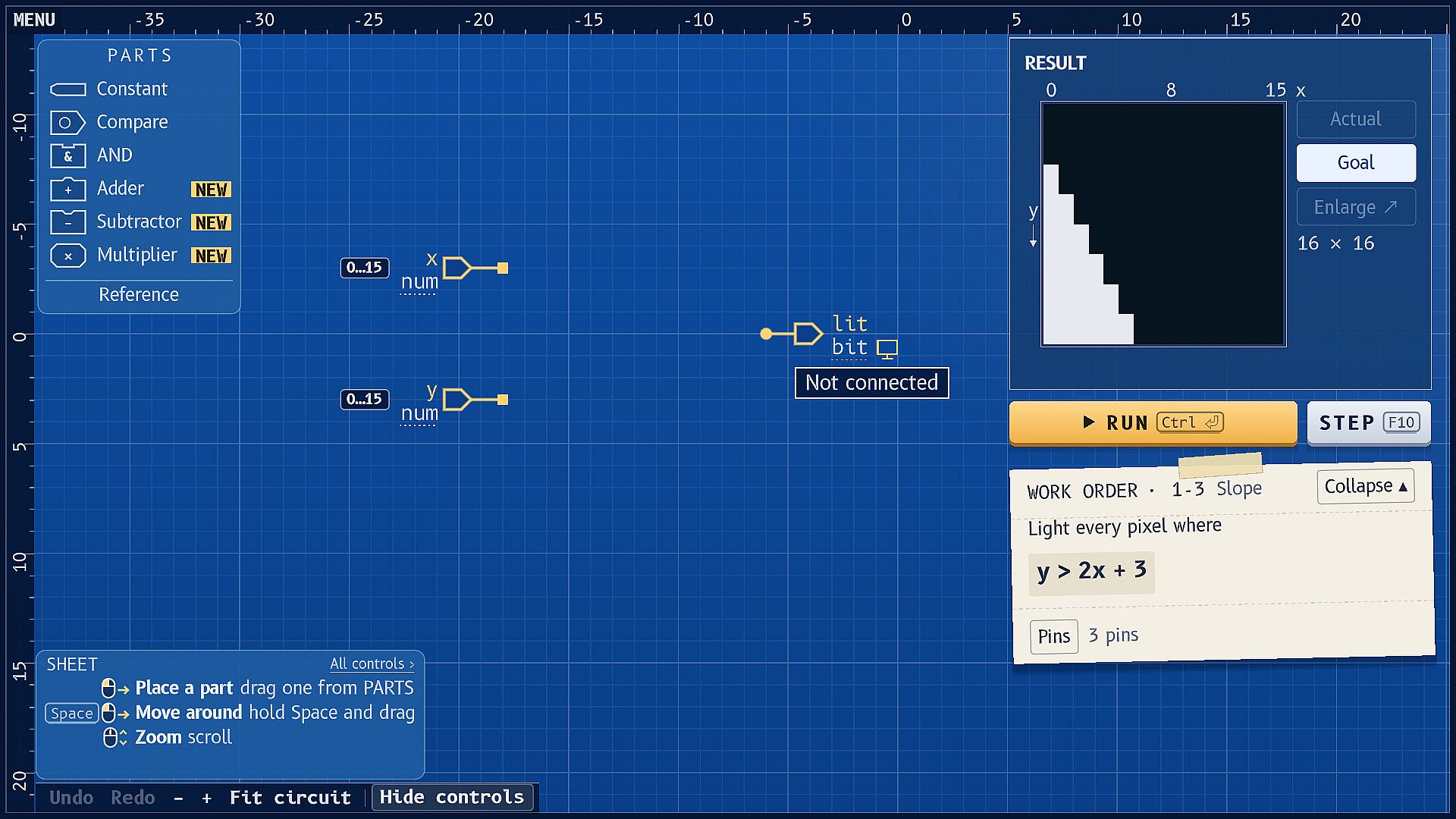
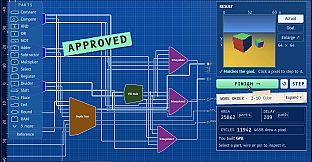
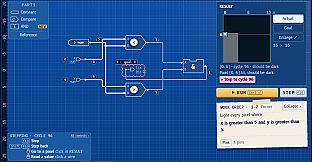
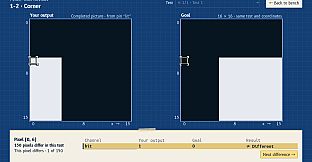
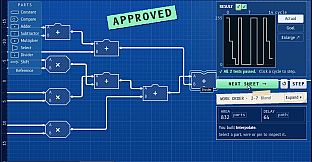
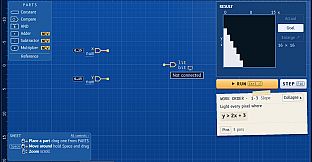
Players receive a target image for each level along with a selection of working parts such as comparators, adders, multipliers, and registers. The task is to connect these elements with wires to form a circuit that produces the desired output when run. Execution happens step by step, with every pixel computed individually by the assembled hardware. Mistakes appear highlighted on the reference image, allowing direct inspection of the cycle where an error occurred and adjustments to the wiring.
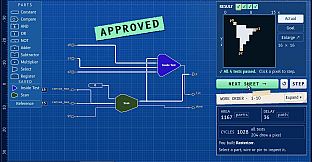
Repetition requires explicit construction of counters rather than loops or functions. Parallel operations demand additional dedicated units, which consume board space and influence overall efficiency. Once a circuit succeeds, it receives a proper name and enters a personal parts bin for reuse in later challenges. Scoring tracks area, delay, and cycle count for each completed level, preserving the best results for comparison and improvement.
The progression builds knowledge incrementally. Early levels introduce single operations, while subsequent ones combine them into more complex drawing tasks. All activity occurs inside the game's simulator, where the player's circuit generates every visible pixel on screen.
Game Modes
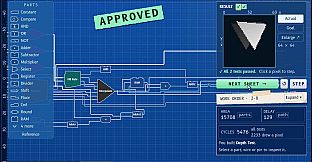
The game centers on a sequence of puzzle levels organized into acts. Act 1 and Act 2 are available in Early Access, guiding players from basic screen illumination through increasingly intricate 2D and 3D rendering tasks, culminating in a rotating solid cube produced entirely by custom circuitry. Each level presents its objective in straightforward language, leaving the solution method open to player creativity within the hardware constraints.
Progress relies on completing these levels in order, with successful designs becoming reusable modules. There are no separate competitive or multiplayer modes; the focus remains on iterative circuit construction and optimization across the provided acts. Later acts planned for the full release emphasize performance improvements, texture handling, and a programmable shader core.
Learning Curve and Accessibility
Entry requires only basic familiarity with math or programming concepts. The game supplies pre-built functional parts instead of raw logic gates, and each new level reinforces ideas introduced earlier. This structure allows gradual assembly of a complete GPU-like system through hands-on experimentation. Debugging tools highlight specific errors and permit cycle-by-cycle review, supporting methodical refinement without external references.
Optimization adds depth once a working solution exists. Players can revisit levels to reduce board area, shorten signal delay, or lower cycle counts, turning functional designs into efficient ones. The parts bin encourages modular thinking, as earlier creations slot directly into new problems.
Is It Worth Playing?
Hello Triangle: Build a GPU suits players drawn to hardware simulation, puzzle solving, and educational exploration of graphics systems. The Early Access version delivers two full acts with concrete progression from simple pixel output to 3D rendering, providing substantial content for those who enjoy building and refining circuits. Feedback from early players highlights its value as an accessible introduction to digital logic and GPU concepts, comparable in spirit to other hardware-focused puzzle titles but with a distinct emphasis on visual rendering tasks.
Those seeking quick action or narrative-driven experiences may find the deliberate pacing less appealing. For individuals interested in understanding how graphics hardware operates through direct construction, the current acts offer meaningful engagement and clear goals. Continued development toward additional acts focused on speed and programmability suggests further depth ahead. The game remains available on PC in its present Early Access state.











