

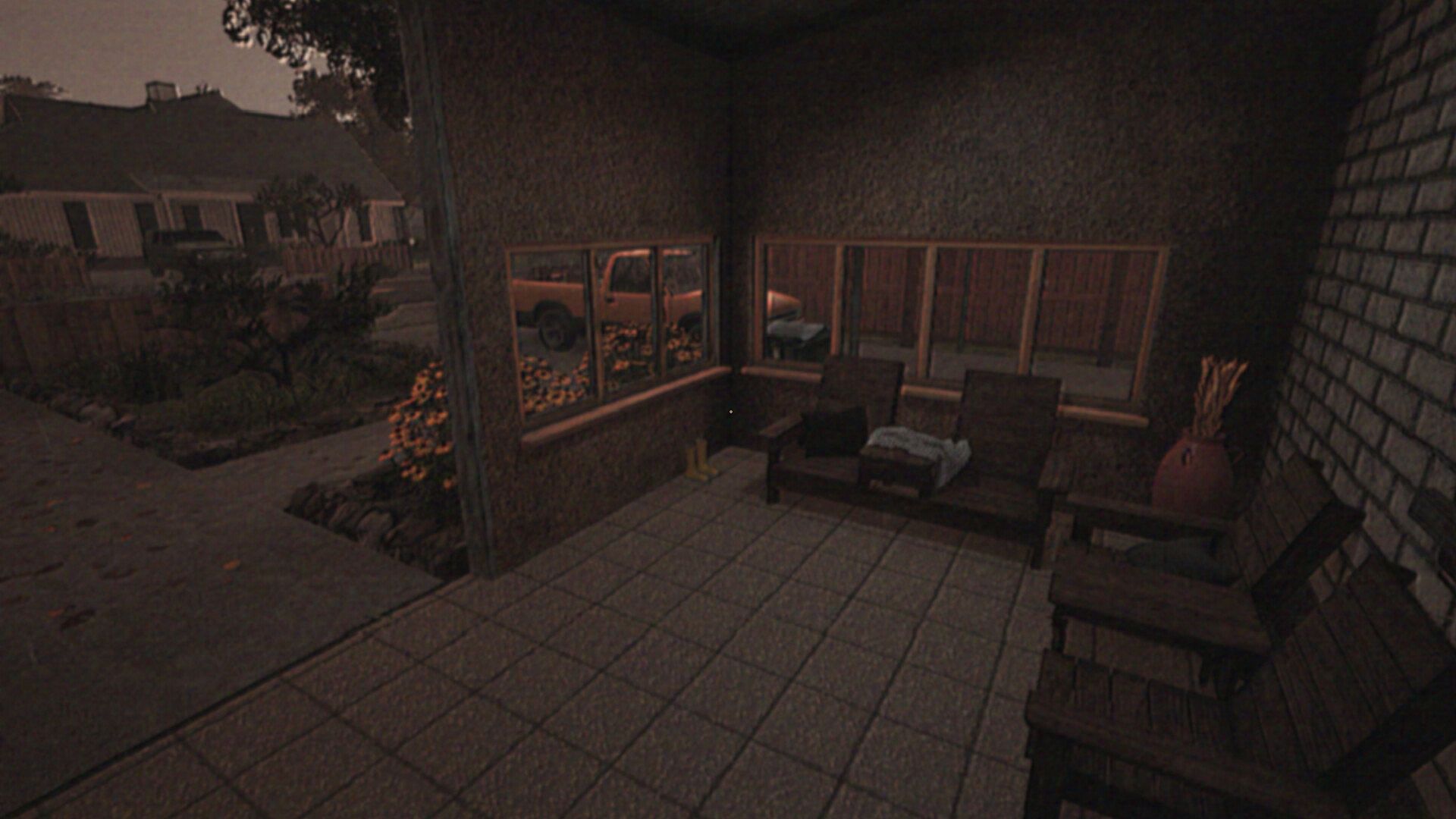
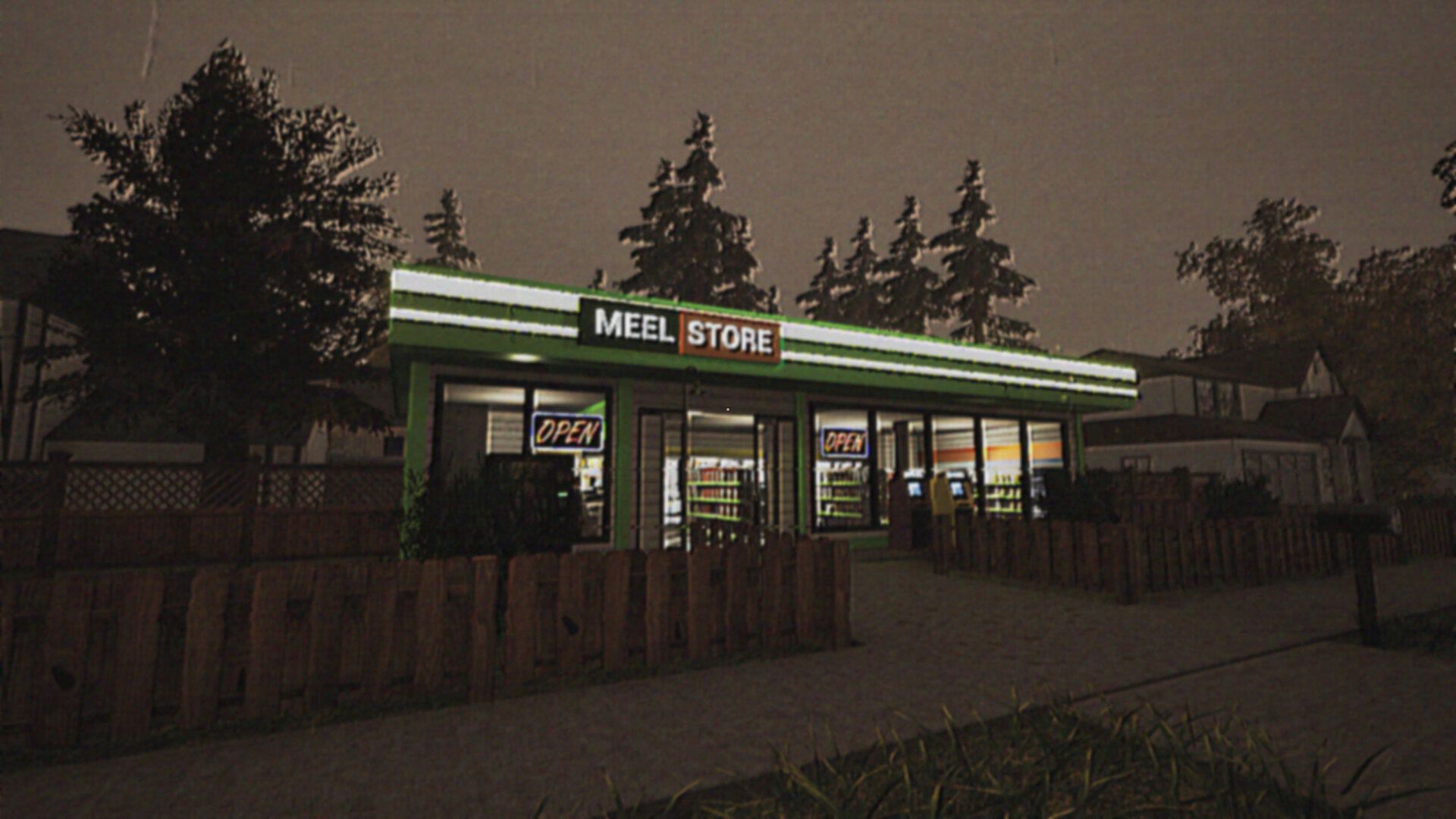
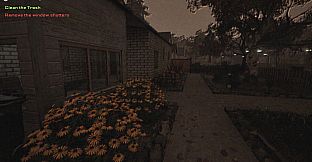
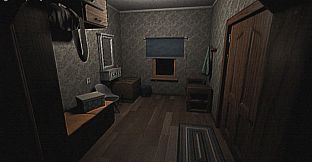

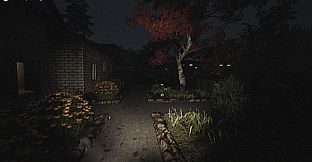
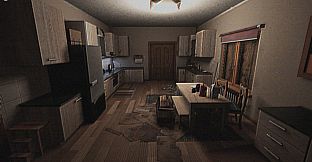
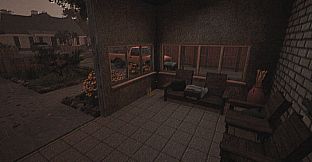
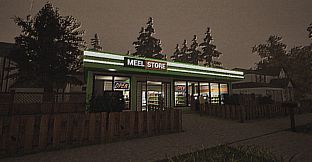
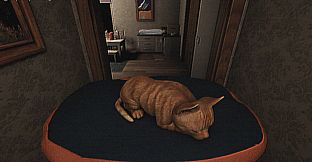
Hollow Hours - Cheap House ist ein narrativ getriebenes Indie-Action-Adventure für Einzelspieler, in dem man in ein neues Zuhause zieht und dessen beunruhigende Geheimnisse aufdeckt. Die Spieler übernehmen die Rolle von Ethan, einem 25-Jährigen, der mit seiner Katze aus der Großstadt in ein ruhiges Bungalow-Haus in der Ashwood Ridge 87 zieht - finanziert durch eigene Ersparnisse und familiäre Unterstützung, auf der Suche nach einem Neuanfang.
Gameplay
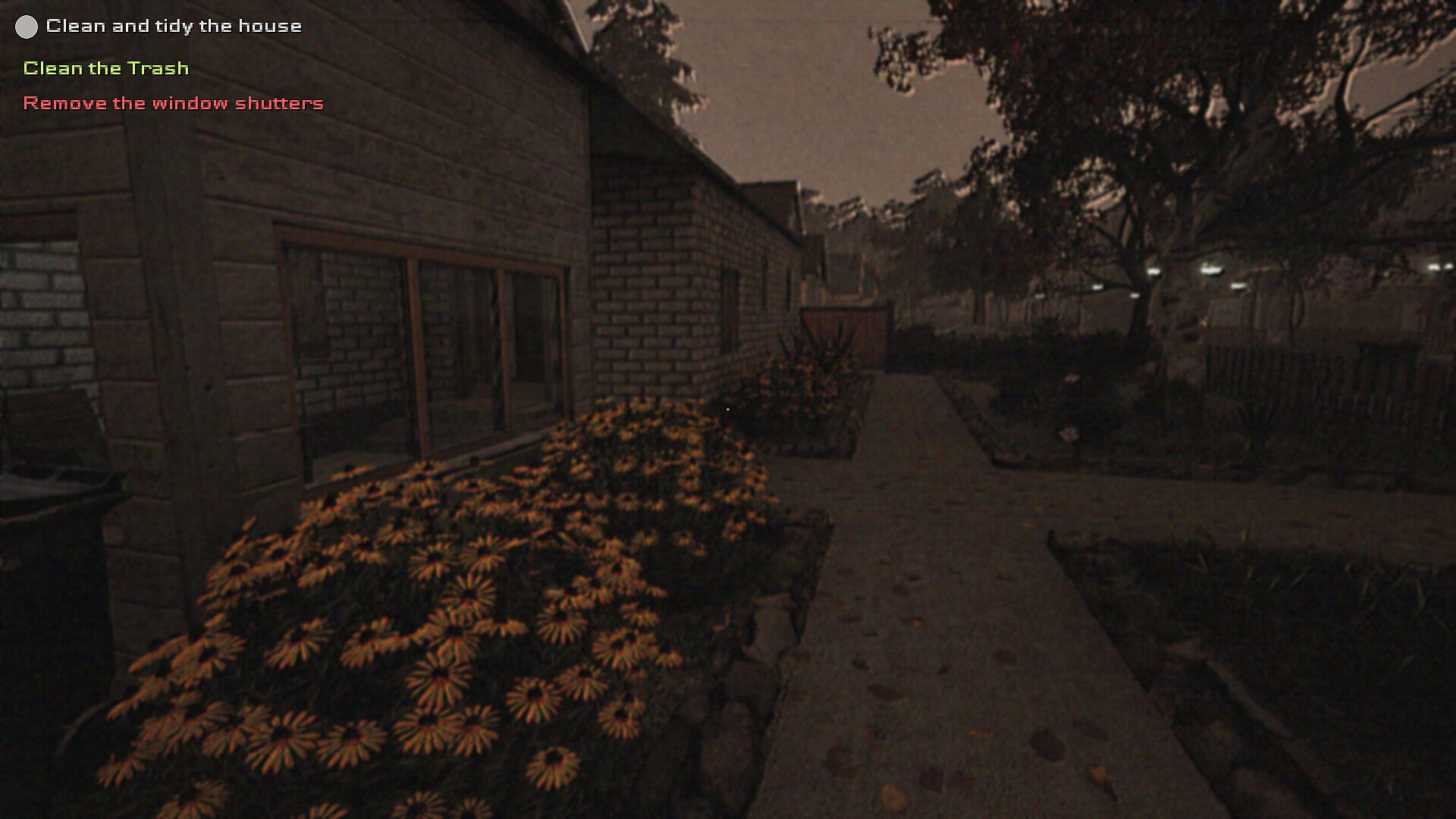
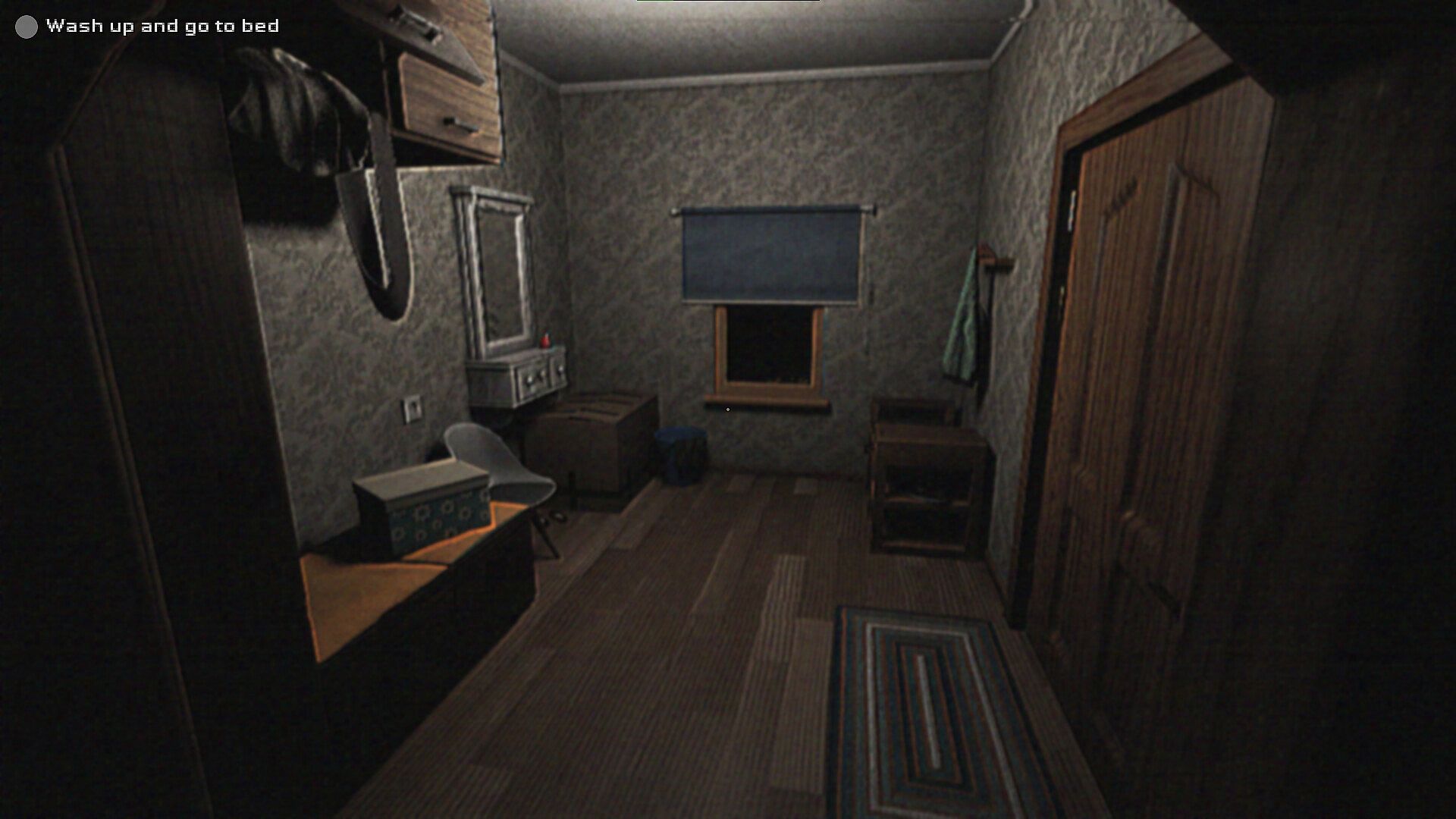
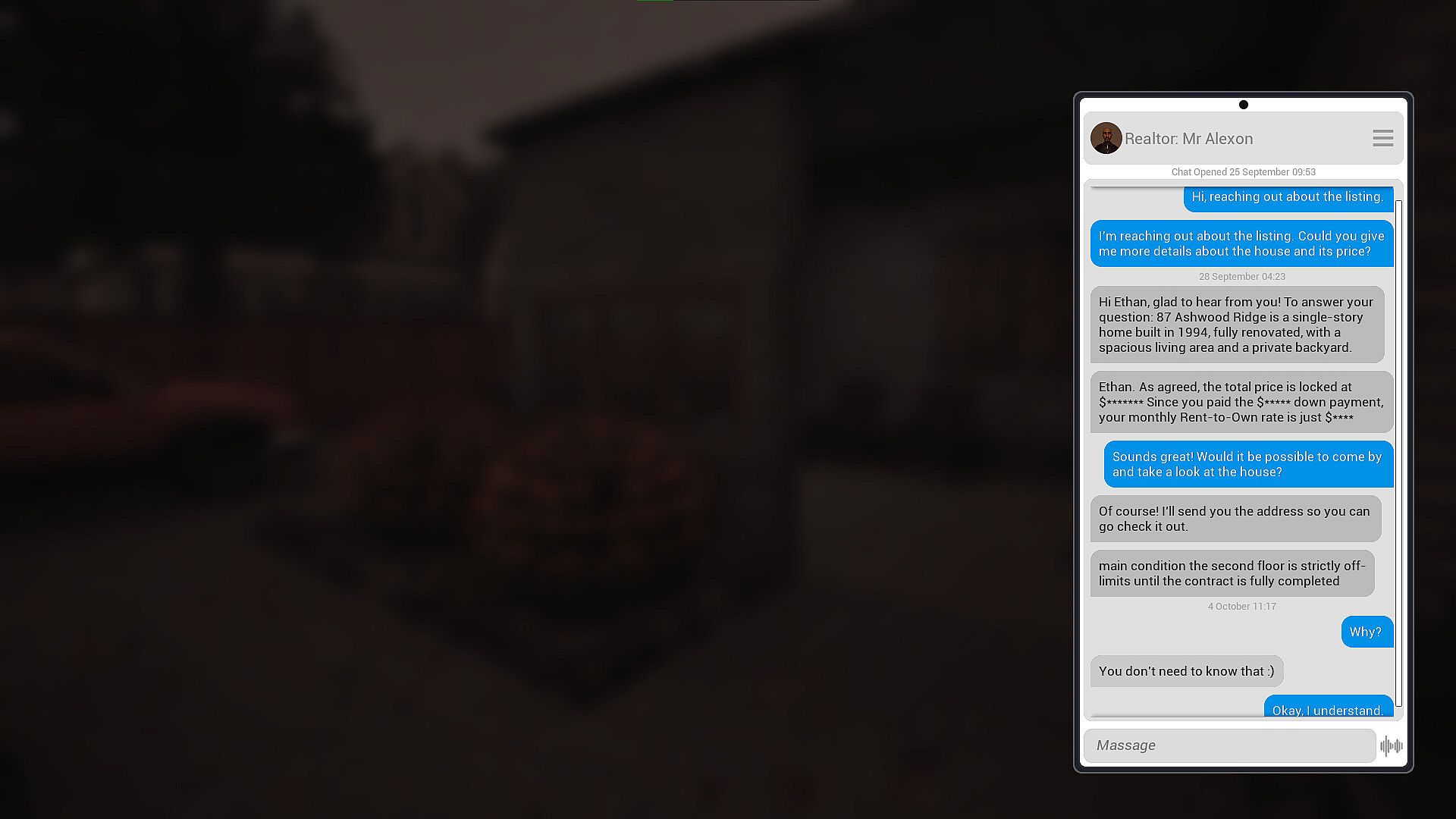
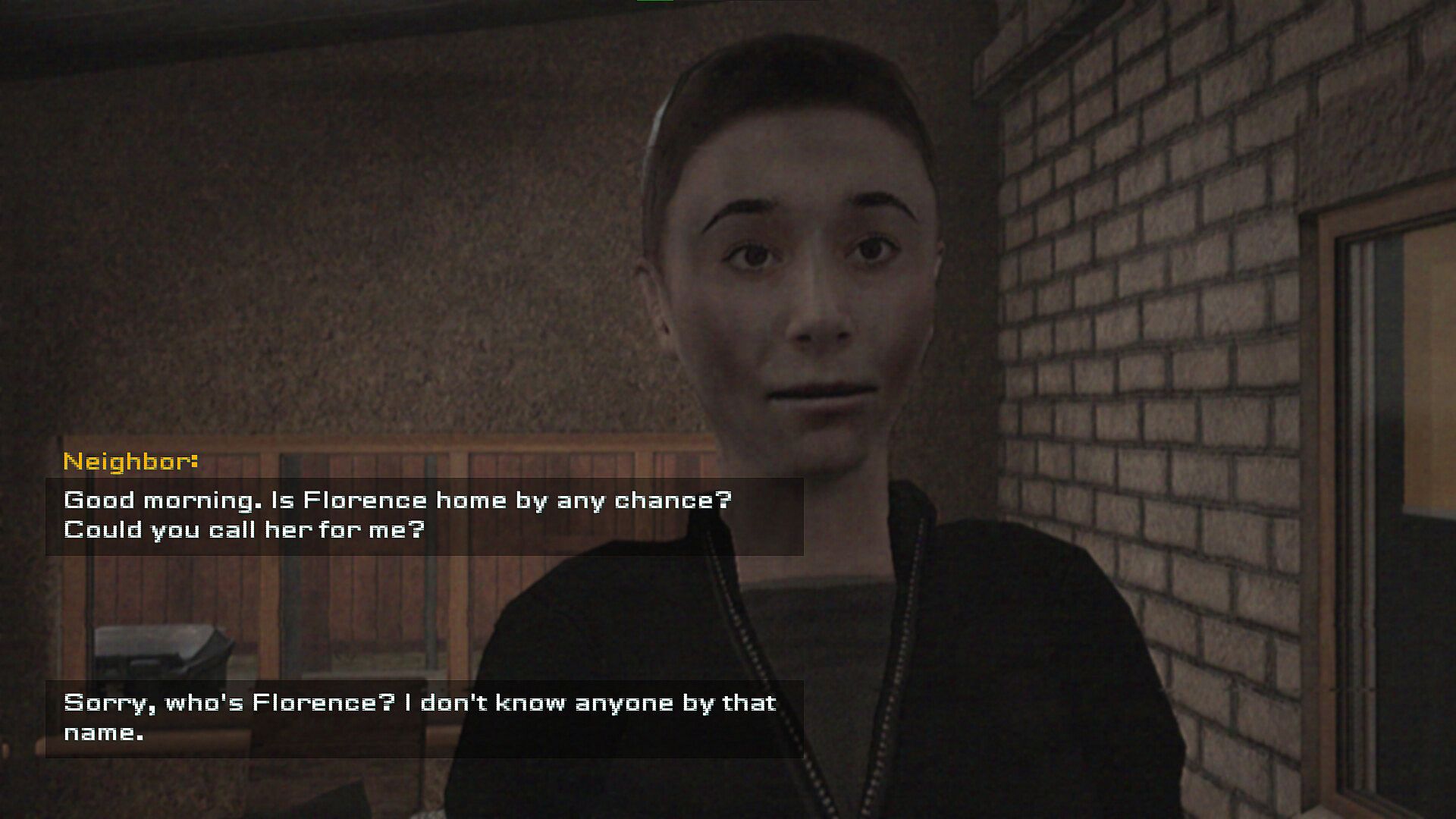
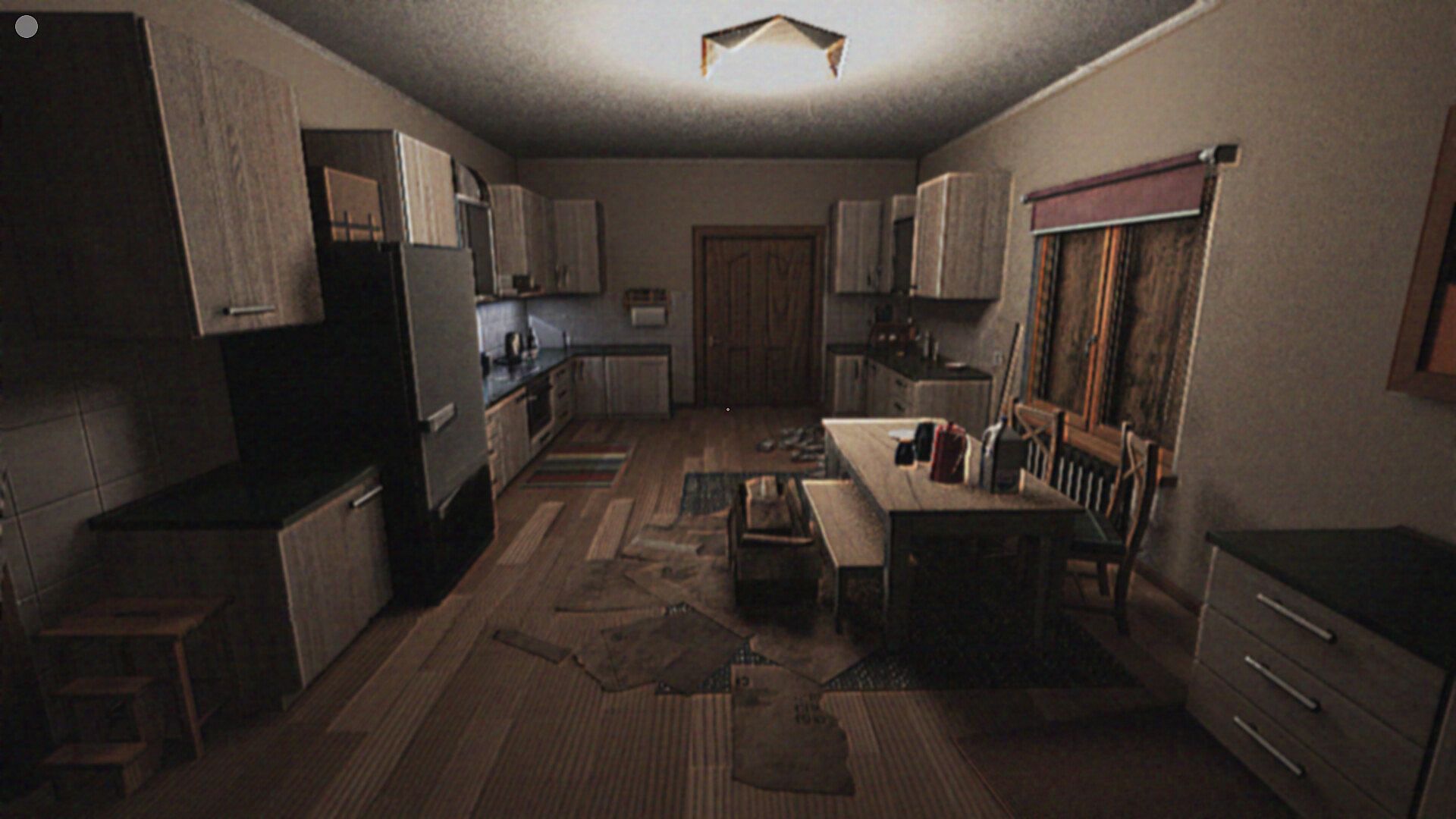
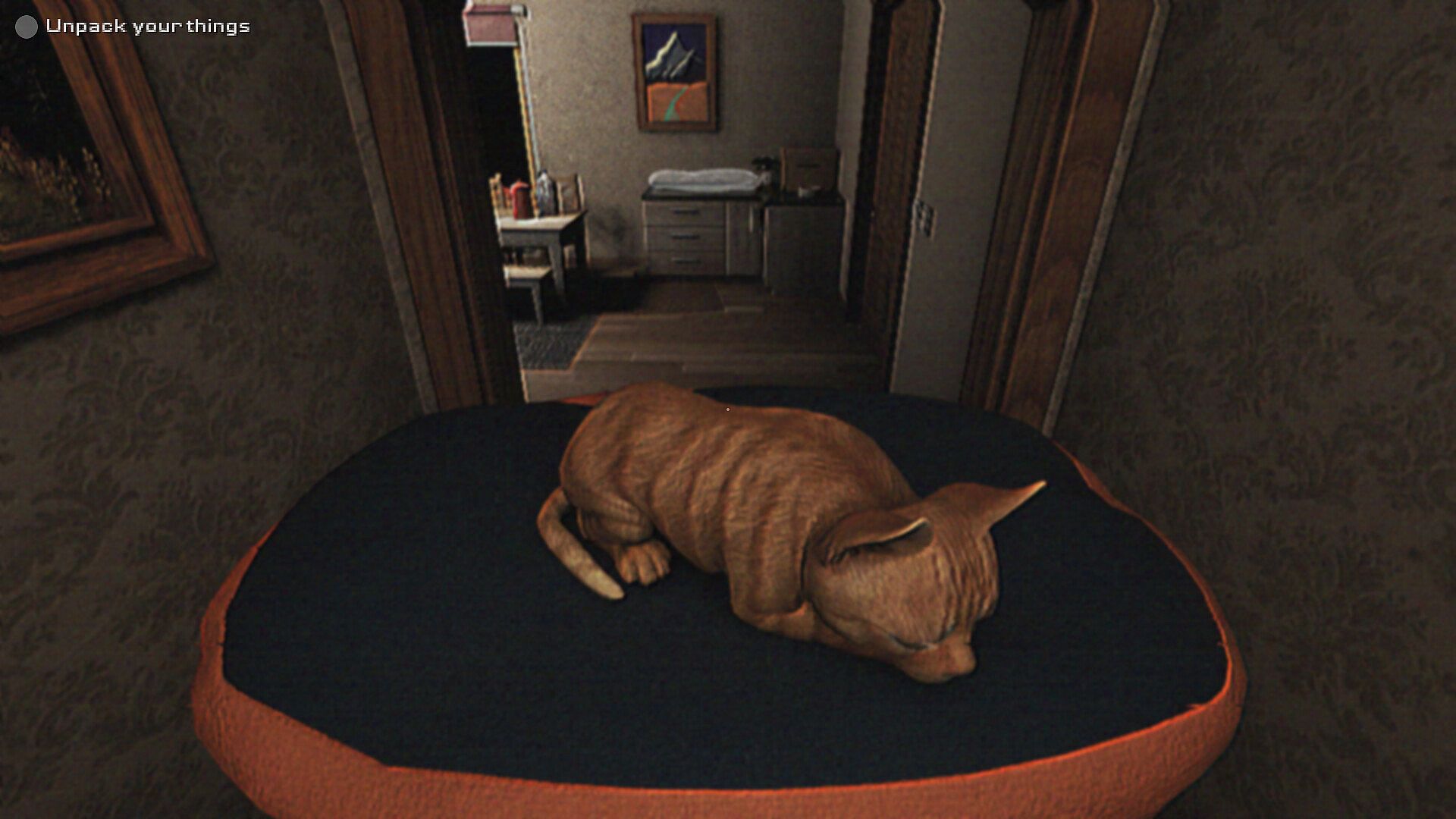
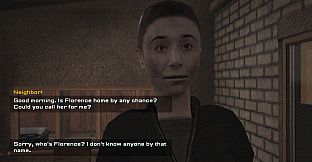
Im Mittelpunkt steht das Einleben im Haus: Alltägliche Tätigkeiten wie das Auspacken von Kisten oder das Säubern vernachlässigter Räume bilden den Kern der Spielschleife. Dabei wandelt sich die anfangs ruhige Atmosphäre allmählich in Spannung, während sich subtile Störungen bemerkbar machen. Die Katze dient als Begleiter und liefert Hinweise auf Dinge, die dem Spieler sonst verborgen bleiben. Telefonnachrichten und Gespräche mit neugierigen Nachbarn liefern zusätzliche Informationen, die die Handlung organisch vorantreiben. Die Erkundung beschränkt sich auf das Erdgeschoss und das Grundstück; realistische Bewegungs- und Sound-Mechaniken sorgen dafür, dass selbst gewöhnliche Handlungen ein Gefühl der Unruhe erzeugen.
Der Vertrag mit der Maklerin spielt eine zentrale Rolle: Er verbietet den Zugang zur oberen Etage, bis alle Bedingungen erfüllt sind. Neugier auf verborgene Winkel entsteht durch genaue Beobachtung der Umgebung, in der visuelle und akustische Details ein wachsendes Gefühl der Bedrückung erzeugen, ohne auf offene Bedrohungen zu setzen.
Spielmodi
Das Spiel bietet eine durchgehende Einzelspieler-Erzählung, die sich über aufeinanderfolgende Interaktionen und Entdeckungen entfaltet. Es gibt keine separaten Wettbewerbs- oder Koop-Modi; stattdessen entwickelt sich die Geschichte in einem ruhigen Tempo, das durch Erkundung und den Umgang mit der Umgebung sowie den Nebenfiguren bestimmt wird. Der Fokus liegt auf einem realistischen Tagesablauf, in dem Routinen und aufkommende Rätsel miteinander verschmelzen und wiederholte Besuche derselben Orte neue Hinweise offenbaren.
Atmosphäre und Präsentation
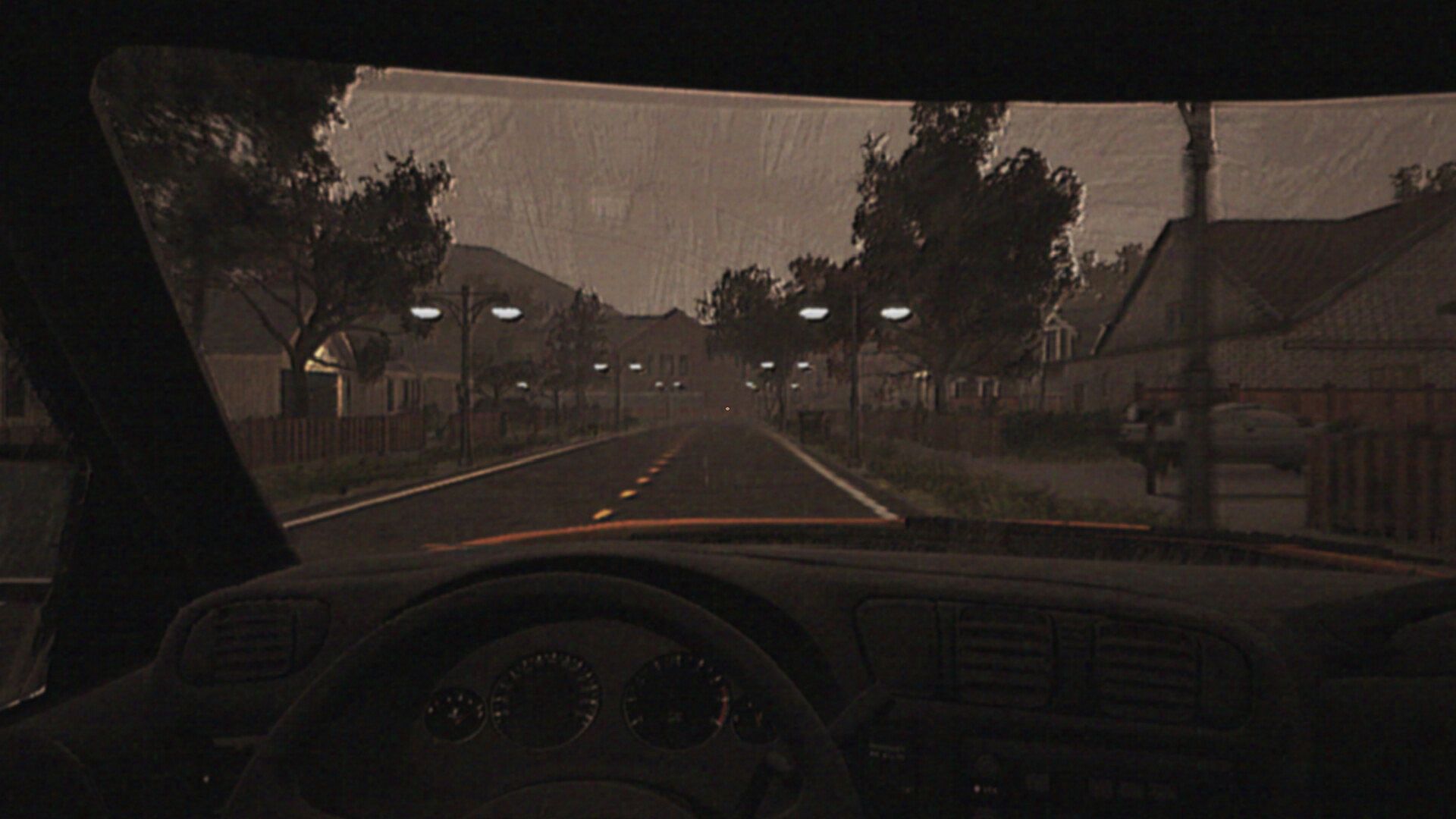
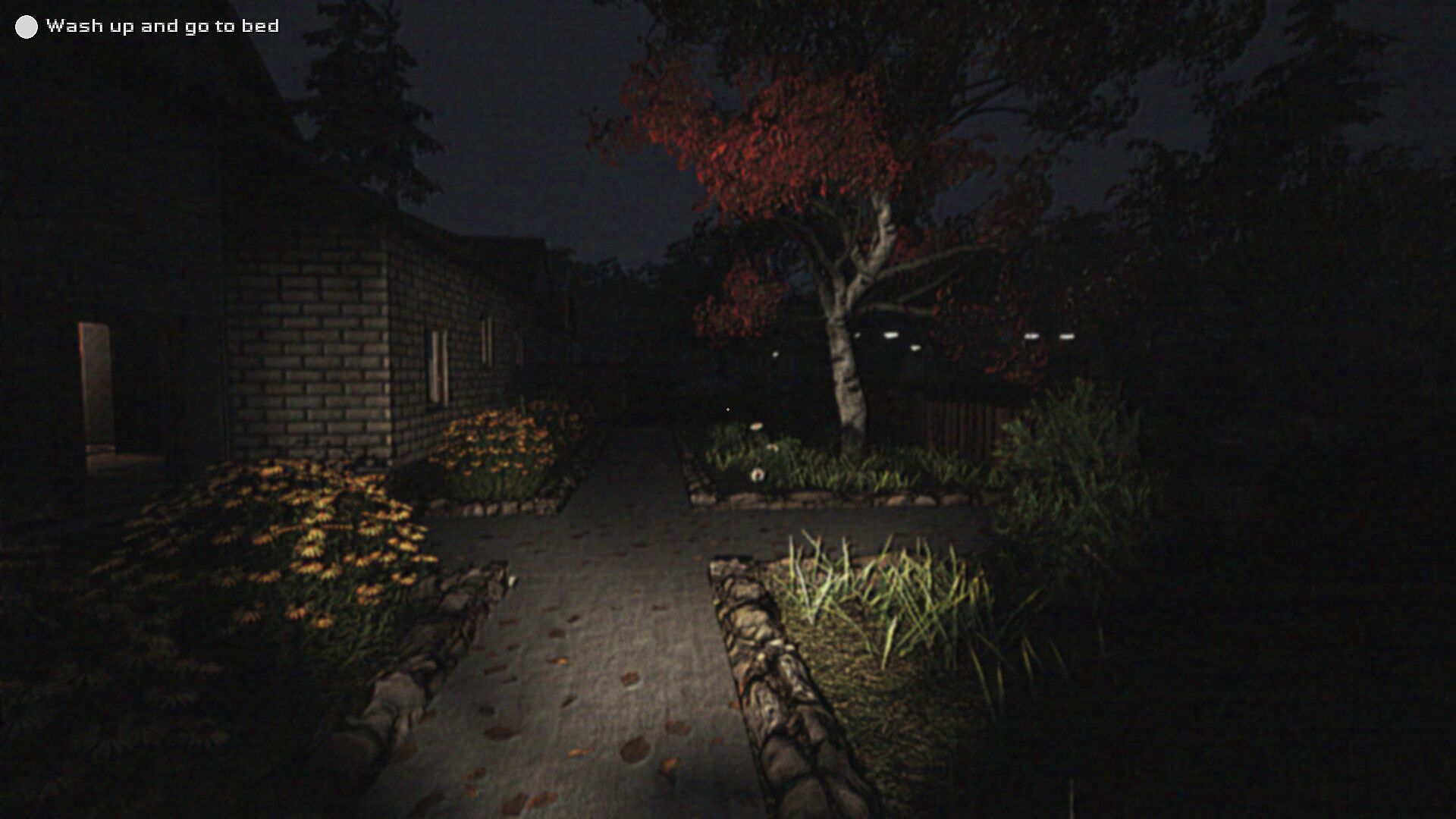
Die Grafik nutzt eine VHS-ähnliche Nachbearbeitung, die dem Haus ein körniges, veraltetes Aussehen verleiht und die Isolation verstärkt. Der Sound setzt auf realistische 3D-Binauralsysteme, sodass Knarren, Flüstern und Umgebungsgeräusche unmittelbar und persönlich wirken. Zusammen mit den haptischen Steuerungselementen erhalten selbst einfache Aktionen wie das Öffnen von Türen oder das Verschieben von Gegenständen spürbares Gewicht und machen das vertraute Setting mit fortschreitender Handlung zunehmend unheimlich.
Nachbarn und Telefonate dienen als zentrale Erzählinstrumente und liefern fragmentarische Informationen, die die Spieler selbst zusammenfügen müssen. Die Katze fungiert zugleich als Gefährte und Indikator, indem sie auf Ereignisse außerhalb des Bildschirms reagiert und so die Aufmerksamkeit auf mögliche Anomalien lenkt.
Lohnt sich das Spiel?
Das Spiel richtet sich an Spieler, die atmosphärische Indie-Adventures bevorzugen, in denen Spannung durch gewöhnliche Routinen entsteht statt durch ständige Action. Die Betonung auf die Beziehung zur Katze, die Interaktion mit Nachbarn und die vertraglichen Einschränkungen ergeben ein realistisches Mystery, das Geduld und Beobachtung belohnt. Wer Horror-Erlebnisse mit starker audiovisueller Immersion und Fokus auf den persönlichen Raum sucht, wird hier fündig - besonders, wenn Geschichten bevorzugt werden, die sich durch die Erkundung eines einzigen Ortes entwickeln. Mit der kürzlichen Veröffentlichung auf weiteren Plattformen befindet sich das Spiel noch in einer frühen Phase, in der die beschriebenen Mechaniken die Grundlage bilden.