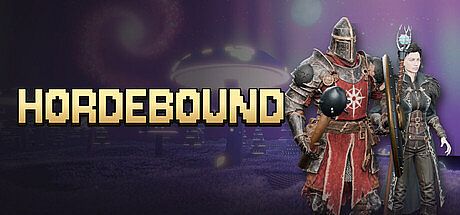


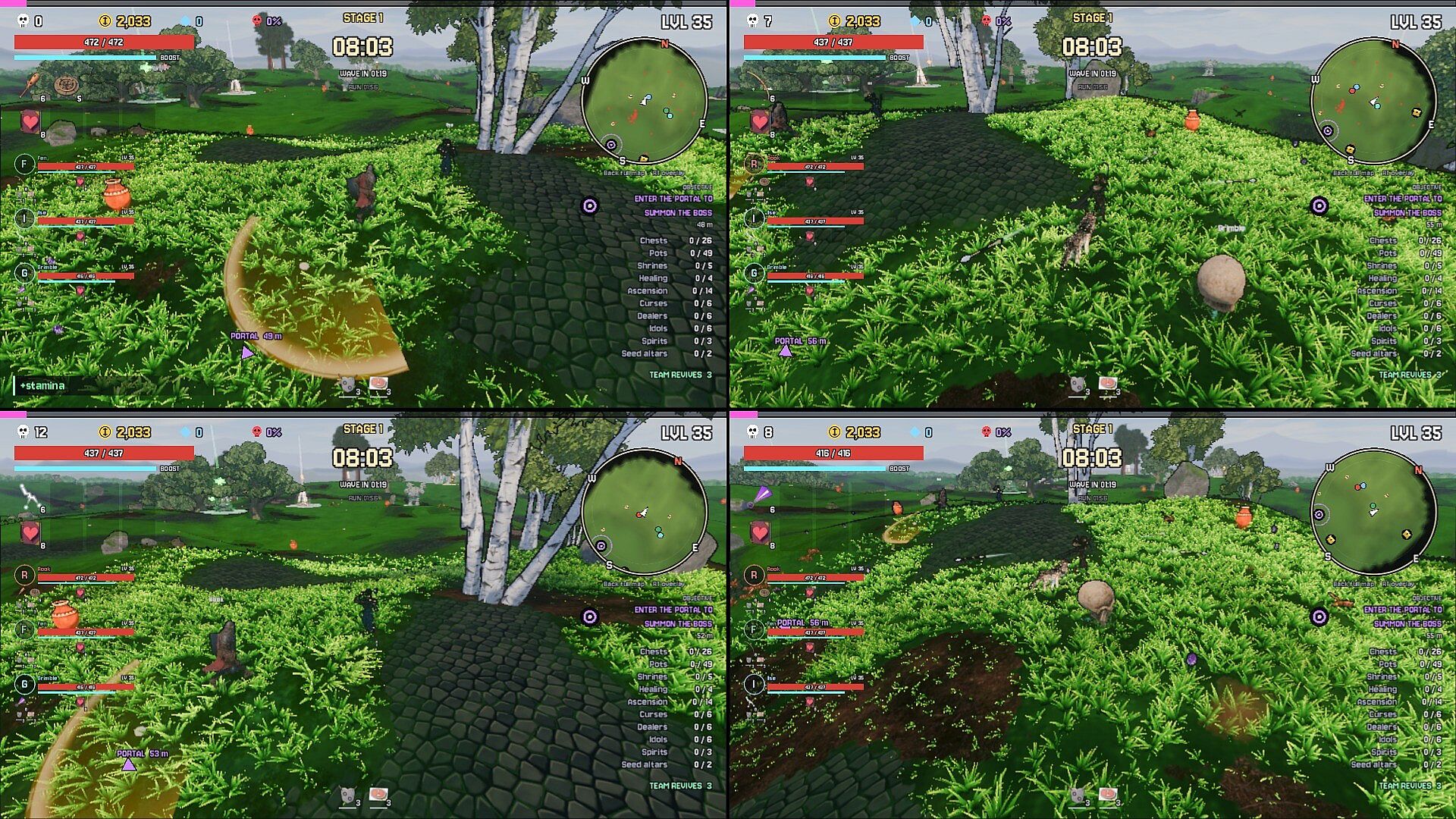
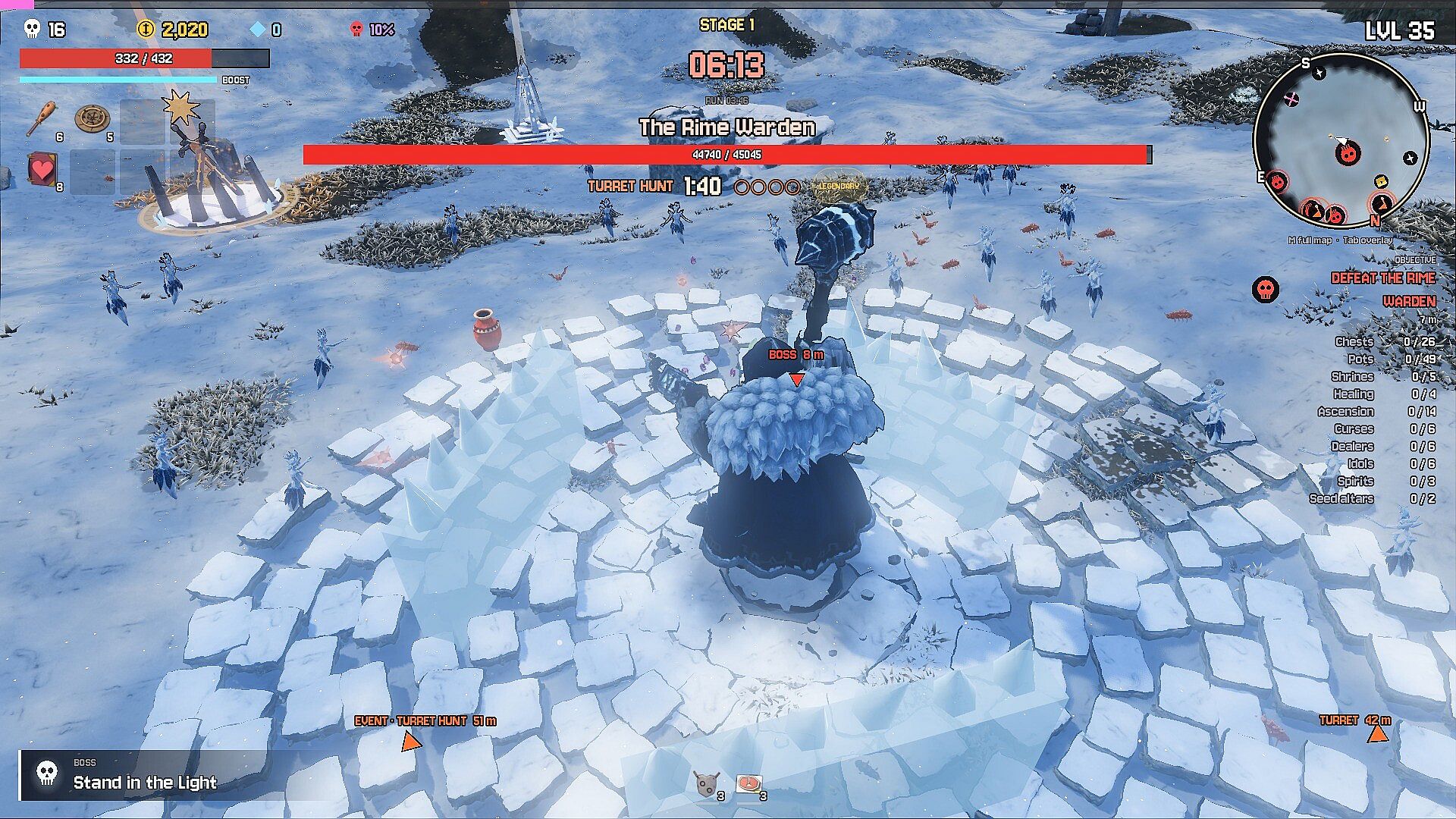
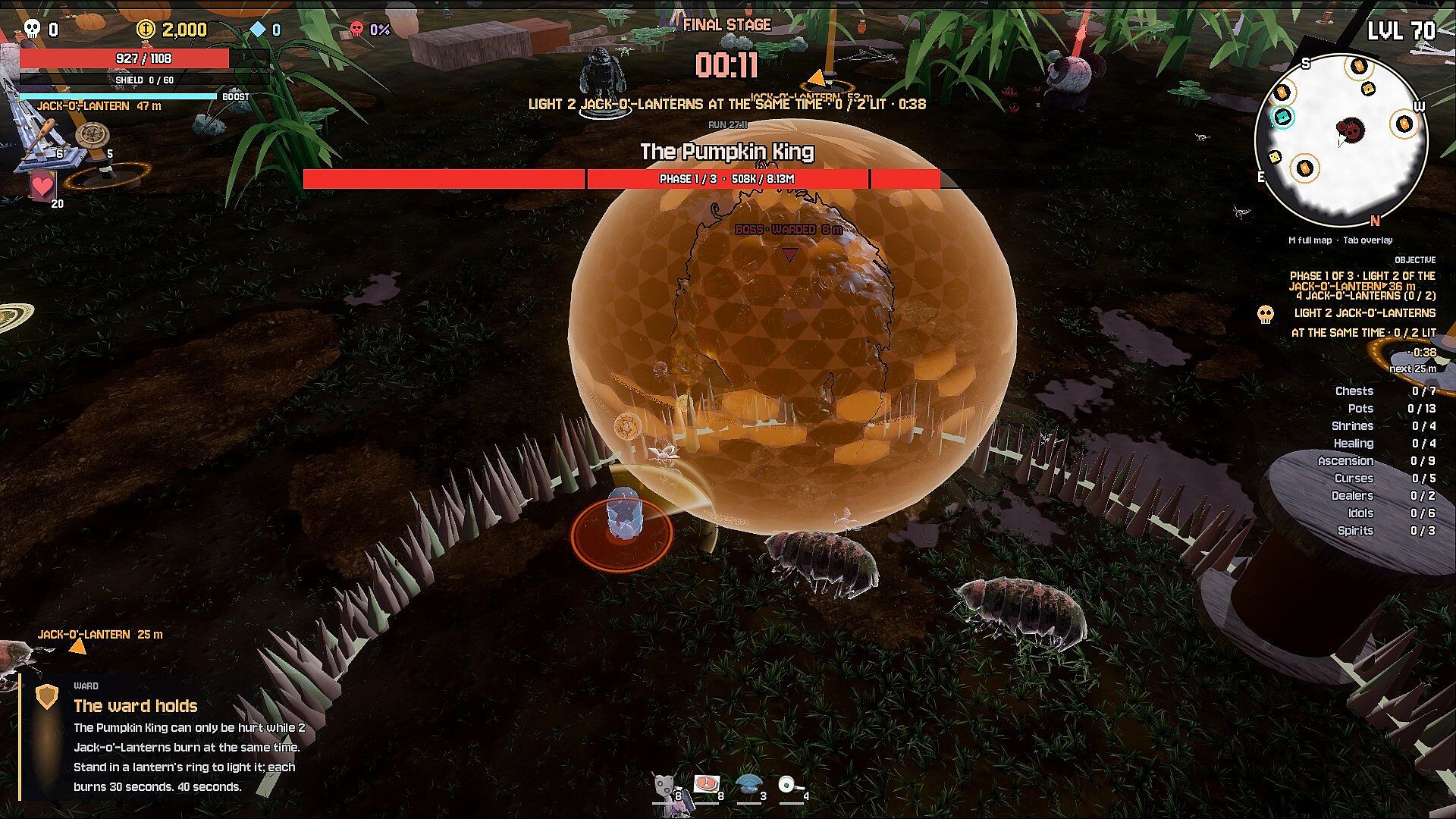
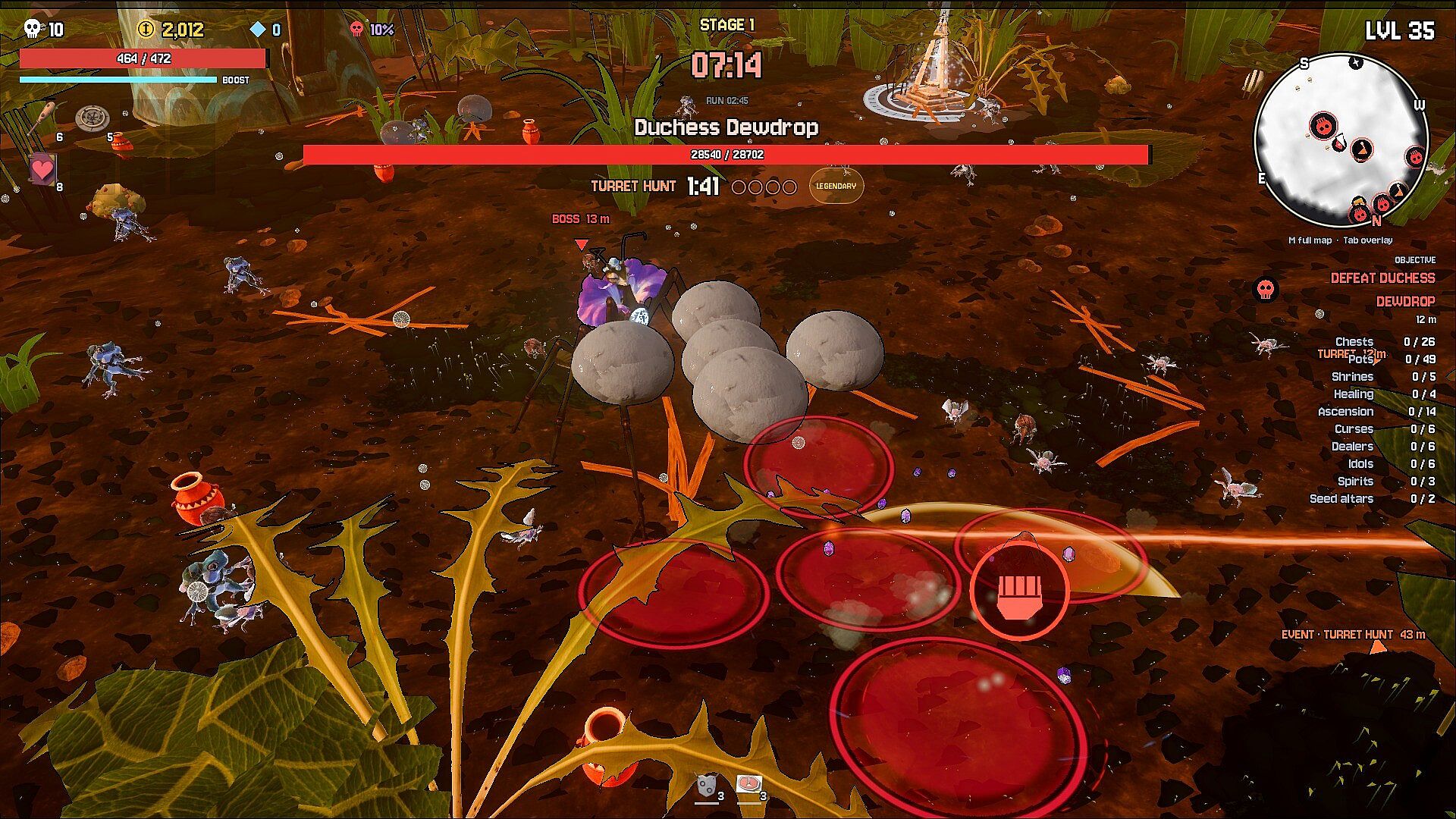
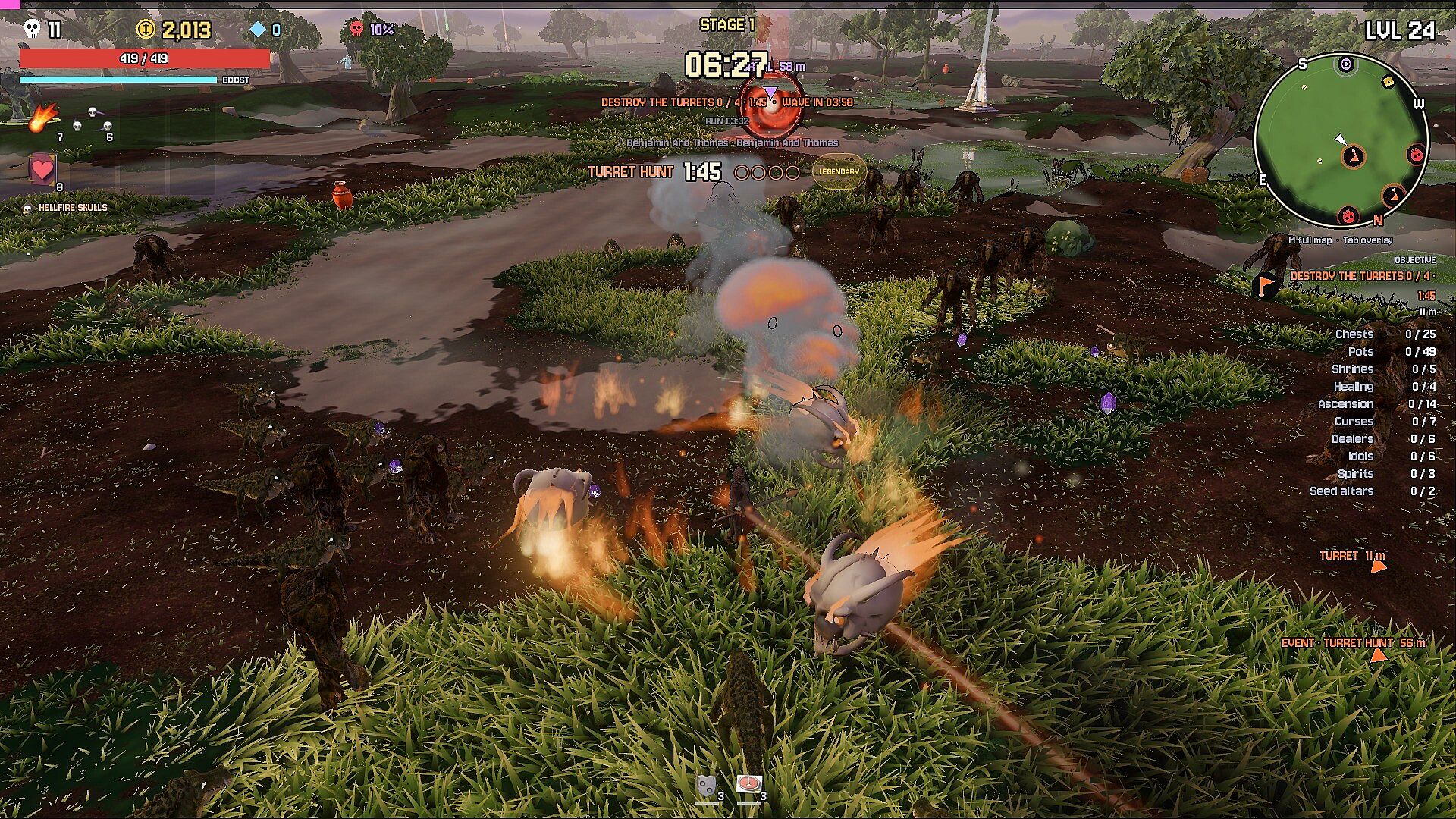
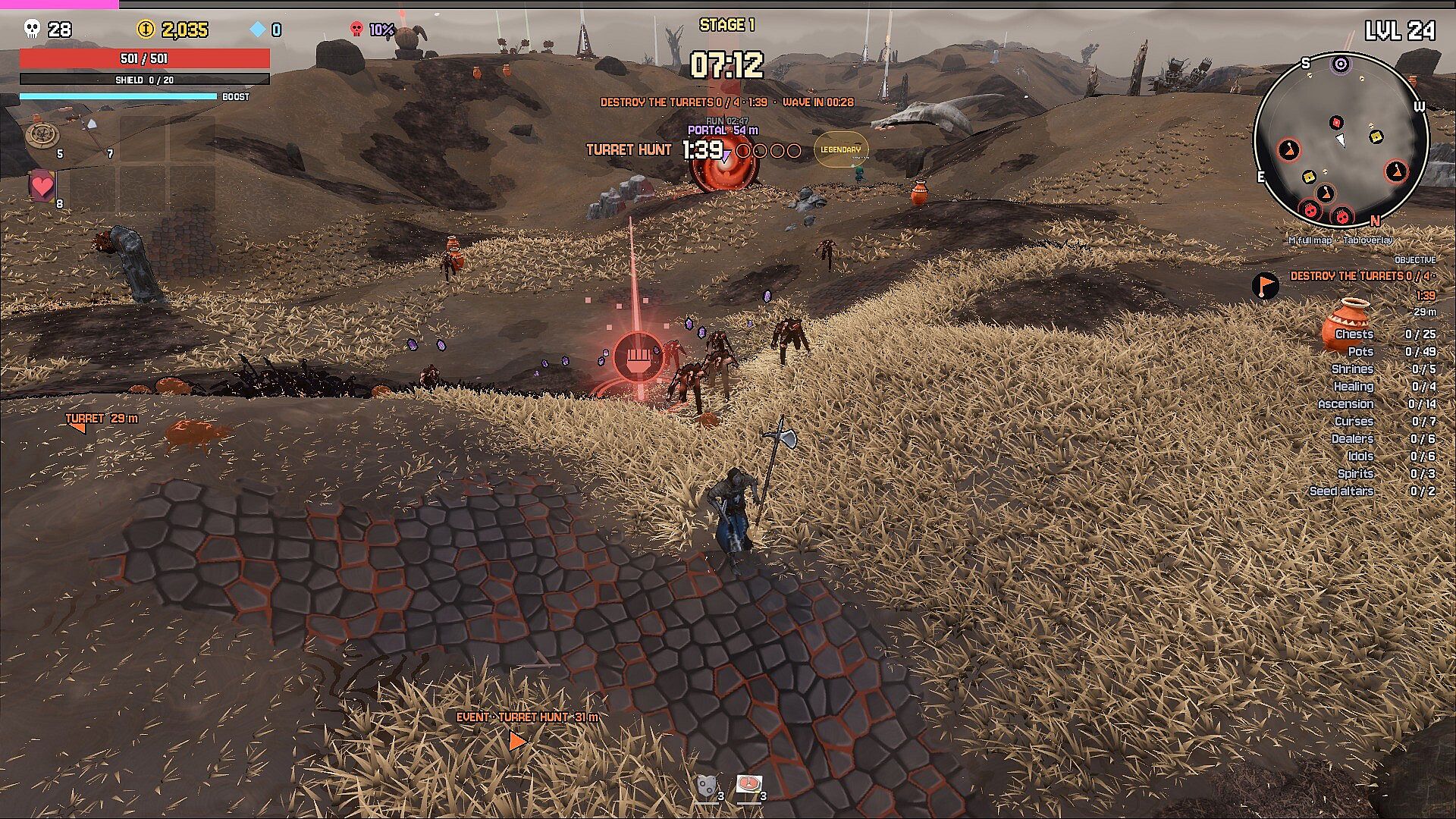
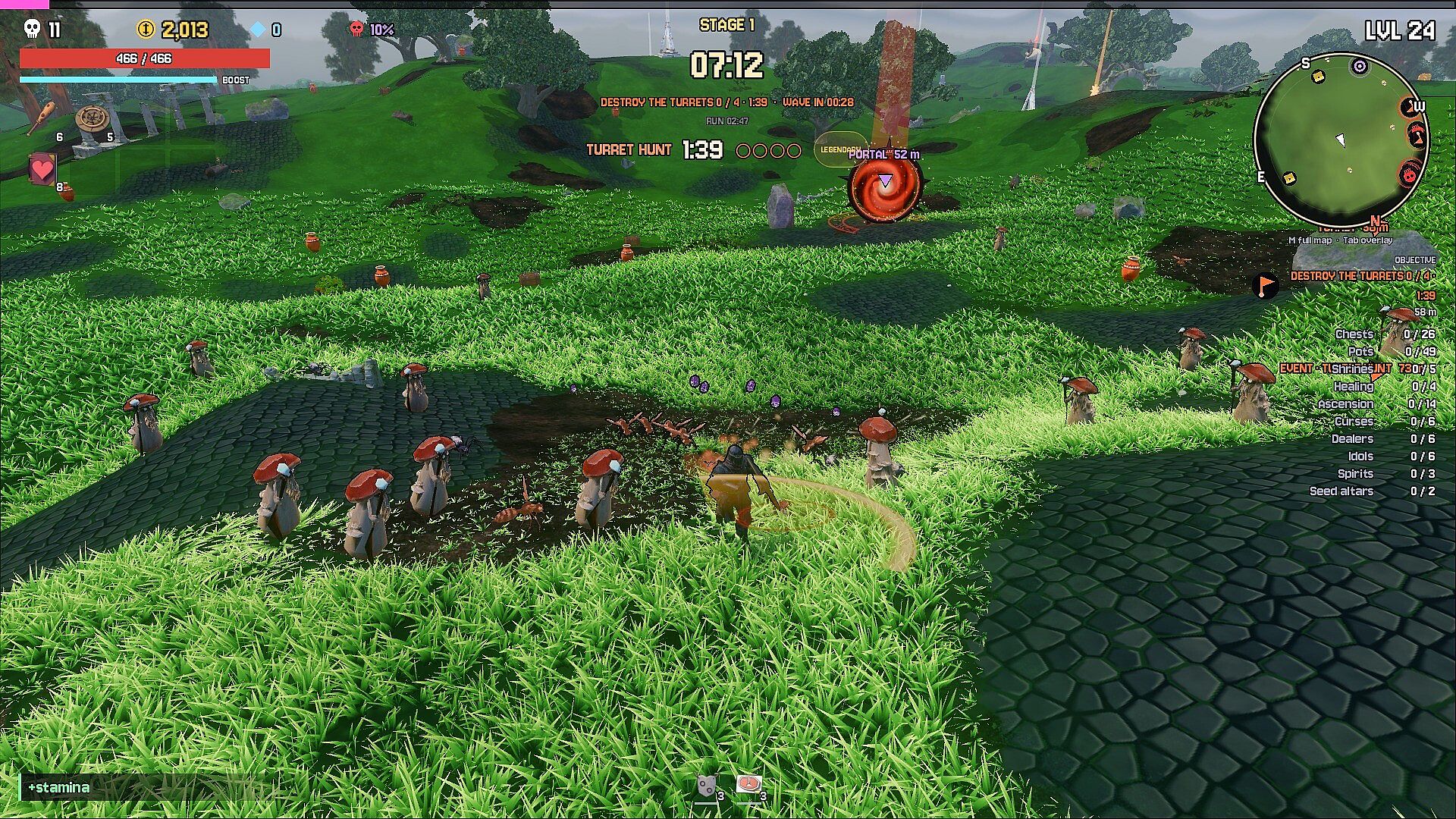
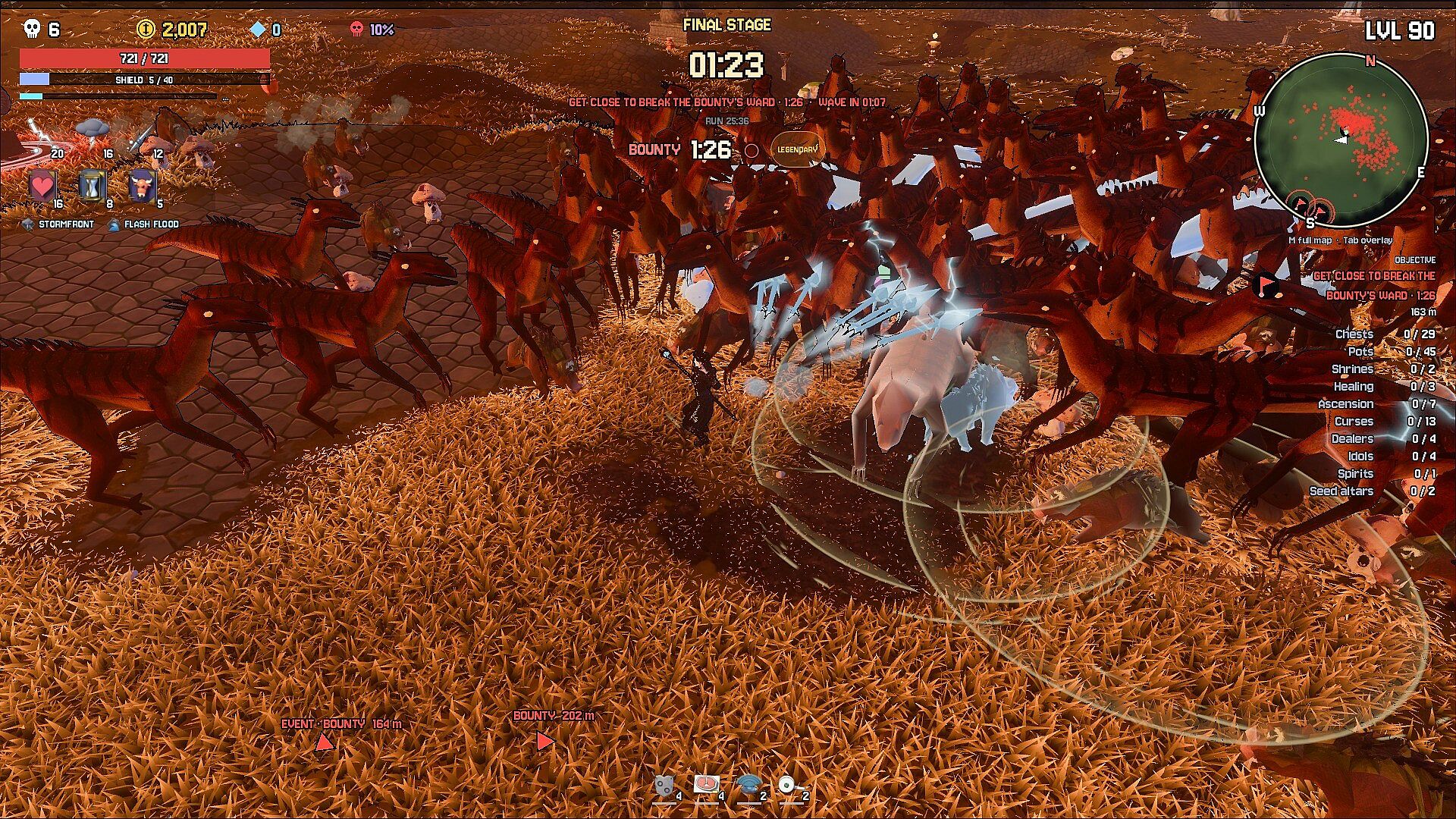
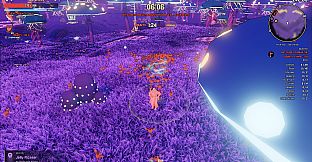
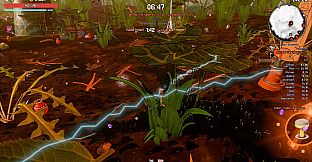
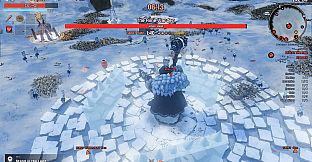
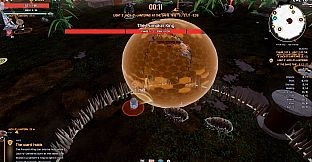
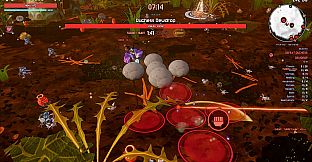
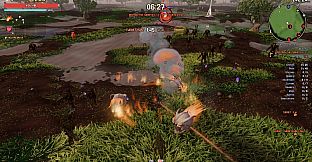
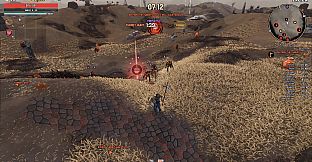
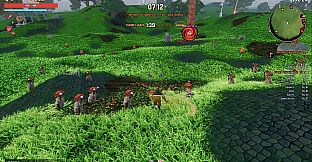
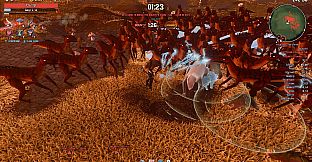
Hordebound is a 3D survivor roguelike action game developed for PC that blends automatic weapon fire with player-controlled movement and decision making. Players select from a roster of champions and enter procedurally generated biomes filled with aggressive enemies, aiming to survive waves of combat while collecting upgrades before facing bosses and extracting with earned rewards.
Gameplay
The core loop centers on short runs divided into three stages per biome, each on a new map, followed by a final arena encounter. Weapons fire automatically once equipped, leaving the player responsible for steering the champion, choosing upgrade cards at each level, and avoiding dangerous boss attacks or dense enemy clusters. Experience from defeated foes triggers level ups that offer selections among new weapons, rolled upgrades, or tomes. A portal on the map can be activated to summon the stage boss early, while delaying too long intensifies the horde pressure. Successful completion of the area boss leads to an extraction pad where retained earnings carry forward into future attempts.
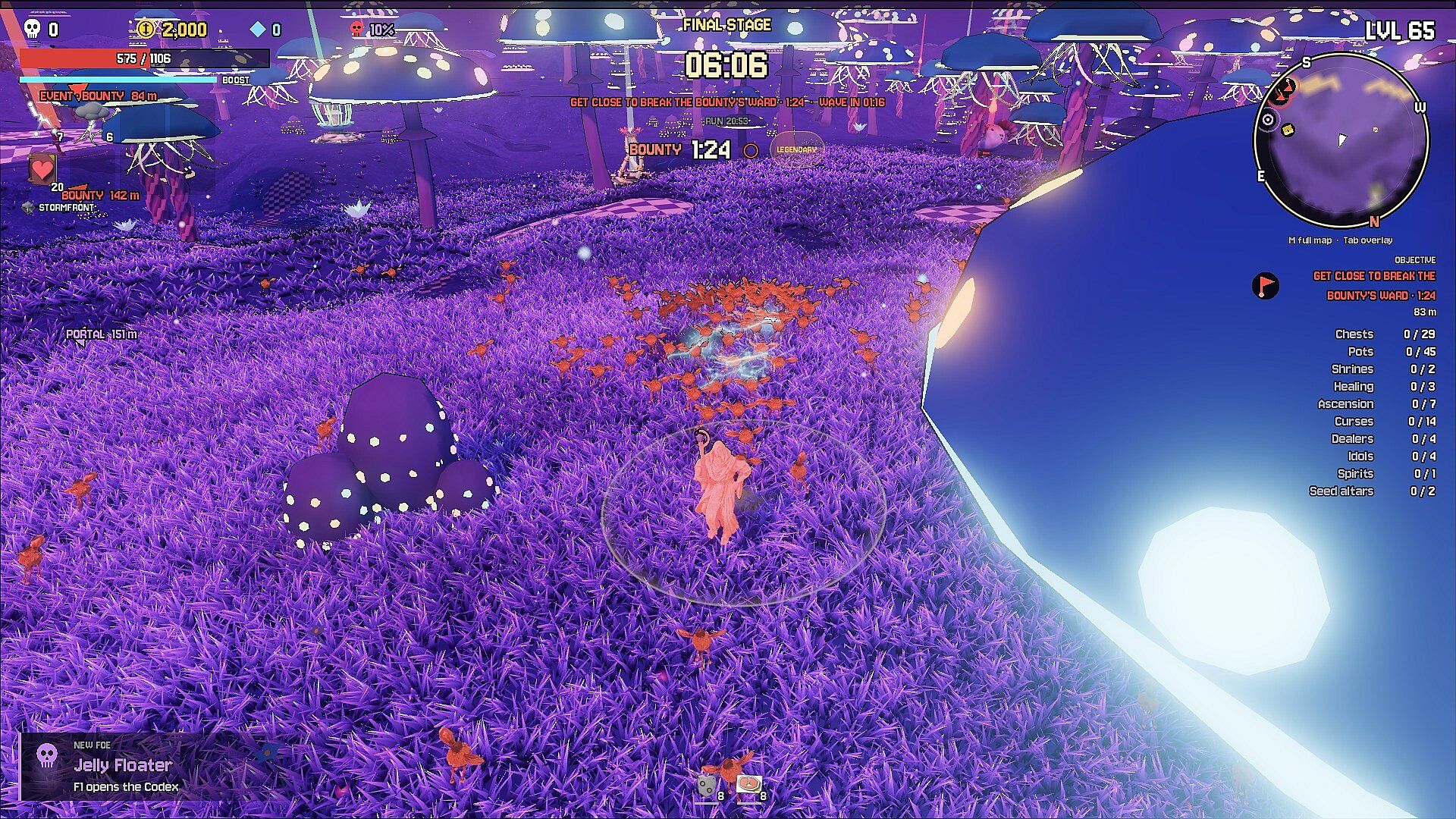
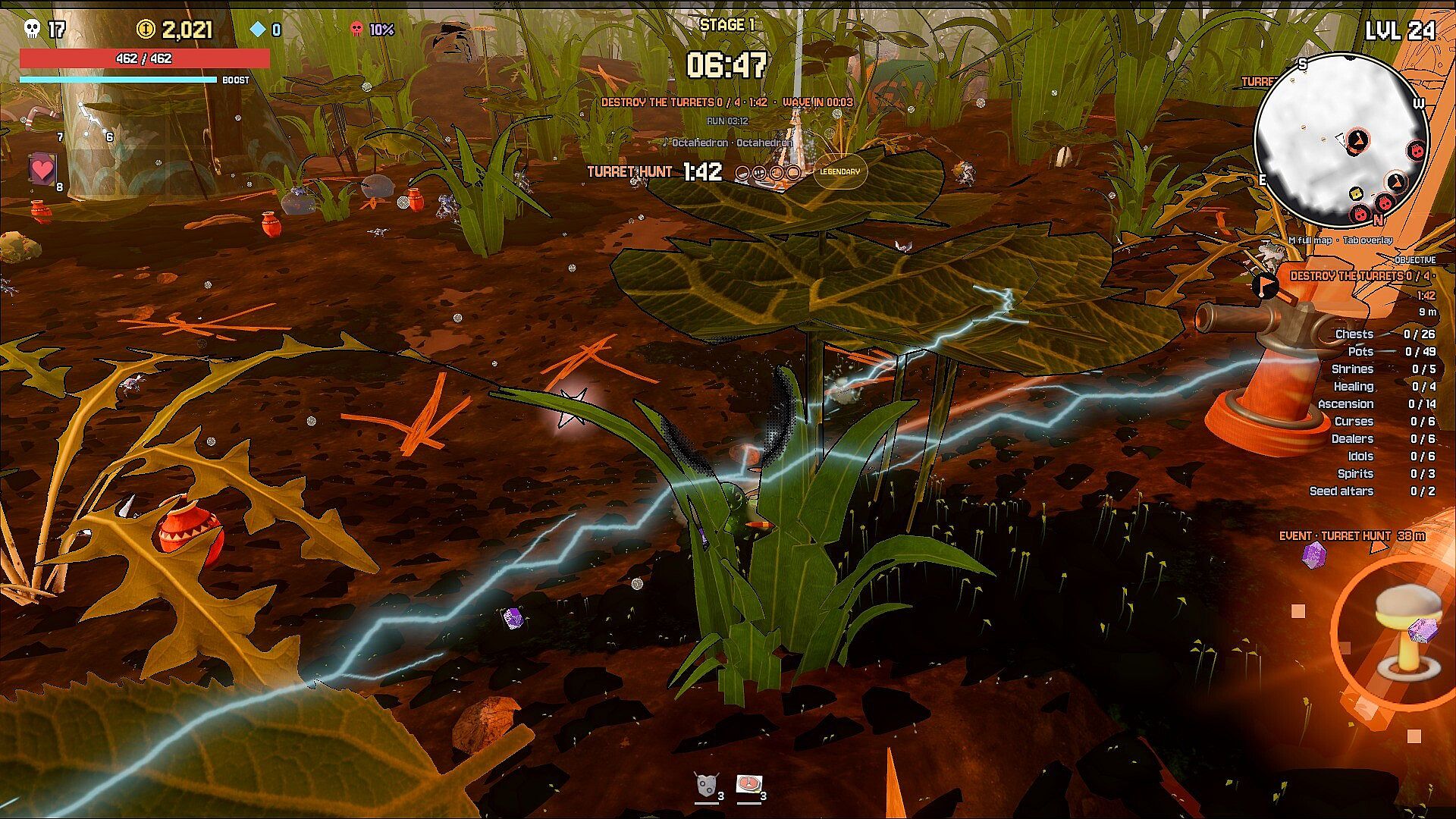
Movement forms a key skill layer, with options to sprint, slide down slopes, bunny hop, or perform air bursts to evade packs. Each champion brings distinct locomotion that influences build viability. Maps contain interactive elements such as chests, shrines, dealers, a gambler's totem, wandering spirits, world events offering rare cards, and a blood idol that provides powerful but costly effects. Bosses include stage variants, roaming mini-bosses, awakening statues, and area bosses possessing three health bars that demand sustained focus.
Game Modes
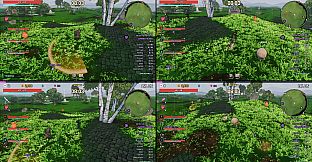
Single-player runs form the foundation, allowing solo progression through biomes and leaderboards. Online co-op supports up to four players through hosted rooms joined via short codes. Local split-screen play accommodates two to four participants using controllers, with full controller support extending to all menus. These options enable shared runs where teammates coordinate movement and positioning while weapons handle targeting independently.
Champions, Weapons, and Builds
Twenty-nine champions offer varied playstyles, ranging from standard brawlers, rangers, and mages to unconventional options like a hopping slime, floating skull, ground-slamming golem, pouncing black cat, and a skeleton riding a motorbike. Movement mechanics tie directly into each champion's identity and contribute to overall build strength. Thirty-one weapons pair with twenty-two tomes and ninety-seven items, where every weapon level delivers a randomized upgrade that prevents identical builds across runs. Twenty-six cohesions activate when specific weapon-tome combinations are chosen, granting combined effects beyond what either provides alone.
Biomes, Progression, and Replayability
Seven biomes deliver twenty-one stages and seven final arenas, featuring environments such as overgrown ruins, an ashen waste, a frozen mere, a psychedelic mushroom grove, a miniature back garden, turquoise coves, and a flooded swamp. Exploration rewards include resources for permanent unlocks. Relics spent in the armory, pre-run contracts, and escalating difficulty levels provide structured progression. Each biome maintains its own leaderboard, encouraging repeated attempts to improve personal scores. An original soundtrack dynamically intensifies alongside growing enemy numbers.
Is It Worth Playing?
Hordebound suits players who enjoy roguelike runs with automatic combat systems, emphasis on positioning and upgrade choices, and flexible multiplayer options. The variety across champions, weapons, tomes, and cohesions supports distinct playstyles on every attempt, while biome-specific leaderboards and meta unlocks reward consistent play. Local split-screen and online co-op extend the experience to groups without requiring complex setup. As the game remains in a pre-release state with no player reviews available, those drawn to 3D survivor roguelikes featuring strong movement mechanics and co-operative extraction loops will find the described systems align closely with that preference. The focus on replay through randomized upgrades and distinct champion movement makes it a strong candidate for fans seeking repeated short sessions rather than lengthy single campaigns.